0%

Choosing a Heterojunction HJT Solar Panel is not just a matter of comparing headline efficiency ratings. HJT modules combine crystalline silicon with thin amorphous-silicon layers, a design that can support strong performance in varied conditions. Yet the best choice depends on your roof, climate, budget, and energy goals. Small details matter.

Start with the conditions the panel will face. A hot roof, partial shade, or limited installation space can change which specifications deserve attention. Compare temperature coefficients, rated power, dimensions, and performance warranties using current manufacturer datasheets. If your project could benefit from two-sided generation, review the module’s bifacial specifications and consider what lies beneath it. A dark roof may offer different results from a bright, reflective surface. Real conditions count.

Price alone can mislead. Check certifications, product and performance warranty terms, manufacturer support, and compatibility with your inverter and mounting system. Ask an experienced installer to assess roof structure, wiring, ventilation, and expected shading before making a decision. Independent test results can add useful context, though no single test predicts every site’s output. That part takes judgment.

This guide explains how to weigh these factors, compare competing HJT models, and spot claims that need closer checking. It also recognizes an awkward truth: the technically impressive panel may not be the practical choice for every home. A careful comparison can narrow the options, but your site-specific assessment should have the final say.
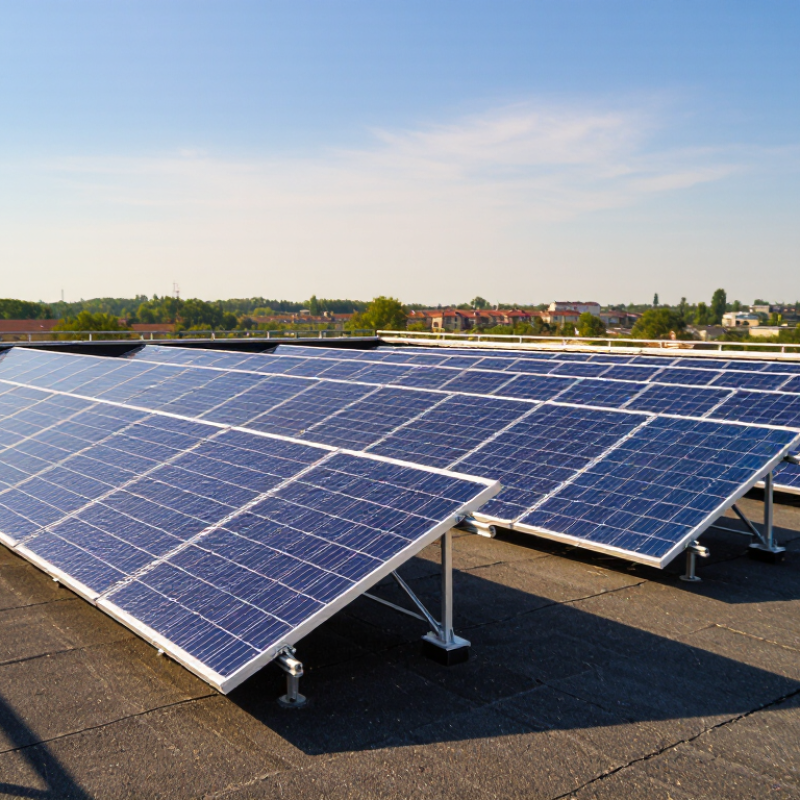
How to Choose Heterojunction HJT Solar Panels?

How Heterojunction Solar Panels Work

A heterojunction (HJT) solar cell combines a crystalline-silicon wafer with very thin amorphous-silicon layers. The wafer absorbs sunlight and releases electrical charges. The surrounding layers help reduce charge loss at its surfaces, a process called passivation. Transparent conductive oxide coatings carry charges across the cell, while fine metal fingers collect them. Light enters through the front layers; the electrical current then flows through the connected circuit.

The stack is delicate, but the idea is practical: protect the wafer’s surfaces so more charges can be used. Fraunhofer ISE’s Photovoltaics Report 2024 estimates that crystalline silicon made up about 97% of global photovoltaic production in 2023. HJT is one way to refine this widely used material system. In real installations, temperature, shading, wiring, and workmanship still affect output. The layer structure alone does not guarantee higher energy yield. That distinction matters. I would also avoid judging a panel by cell efficiency alone; field conditions can expose weaknesses that a laboratory test cannot.

Assess Your Site and Energy Requirements

Before choosing HJT solar panels, examine the site as it behaves through the day, not just at noon. Note roof direction, pitch, nearby trees, chimneys, and seasonal shadows. A narrow shadow can affect output more than expected. Check usable roof area and ask a qualified installer to review structural condition and electrical compatibility.

Then compare your electricity use with the system’s likely production. Gather a year of utility bills, including monthly kilowatt-hour totals and peak-use periods. A home with high summer cooling demand may need a different design from one with winter heating loads. HJT panels can perform well in hot conditions because they generally have a low temperature coefficient, but actual results depend on layout, ventilation, and local weather. Estimate production using local solar data, and leave room for uncertainty. A spreadsheet helps, but it cannot capture every cloudy afternoon.

Tips: Photograph roof shadows in the morning and late afternoon. List large appliances and when they run. Ask for estimates that show monthly production, system losses, and assumptions about shading. Do not size the array from one unusually high bill; that is easy to regret.

Compare HJT Panel Efficiency and Performance

When choosing heterojunction (HJT) panels, compare module efficiency, temperature response, and expected energy yield—not cell efficiency alone. The ITRPV 2024 roadmap places mass-produced silicon heterojunction cell efficiency around 24.5% in 2023, close to other advanced silicon cell designs. That figure is measured at cell level. A finished panel’s rating is lower because glass, spacing, and electrical connections affect output.

Check the module datasheet and compare panels under the same test conditions. Small rating differences can disappear in real installations.

Temperature matters. NREL’s PVWatts documentation uses a −0.37% per °C temperature coefficient as a standard crystalline-silicon default; actual HJT products vary, so verify each datasheet. On a hot roof, a less-negative coefficient can help preserve output. Still, shade, roof direction, ventilation, and inverter limits may outweigh a modest efficiency advantage.

Ask for modeled annual kilowatt-hour yield, not just peak watts.

Details matter. The Fraunhofer ISE Photovoltaics Report tracks continuing gains in commercial module efficiency, but laboratory records should not be mistaken for typical field performance. Compare warranties, degradation assumptions, and measured temperature coefficients together.

One awkward detail: yield estimates depend on local weather data, which is never a perfect forecast.

Check Manufacturing Quality and Warranty Terms

When comparing HJT solar panels, inspect how each module is made, not just its advertised efficiency. Ask for factory quality-control records covering cell inspection, lamination checks, and final power testing. Request serial-number traceability and independent test reports aligned with IEC 61215 and IEC 61730. These standards check design qualification and safety; they do not guarantee decades of field performance. Paperwork can look reassuring. It is not proof.

Read the warranty schedule line by line. Separate the product warranty from the power-output warranty, then check the permitted annual degradation and minimum output at the final year. Look for claim deadlines, labor and shipping exclusions, transfer rules, and the evidence required for a claim. A long warranty may offer limited practical value if the claim process is unclear or costly.

Use field data as context, not as a promise for one HJT product. NREL’s 2013 review, “Photovoltaic Degradation Rates—An Analytical Review,” reported a median degradation rate of about 0.5% per year across the systems it examined. The study was not HJT-specific, so avoid treating that figure as a forecast for a particular panel. Ask the supplier for independent, HJT-specific reliability results and written warranty terms. Keep both.

How to Choose Heterojunction HJT Solar Panels: Quality and Warranty Checks

Illustrative performance-warranty curve based on a 99% output guarantee after year 1 and 0.4% annual degradation thereafter. Warranty terms vary by product, so confirm the exact figures and exclusions in the written warranty.

What to check: Review independent IEC 61215 and IEC 61730 certification, factory quality controls, product traceability, warranty duration, degradation limits, and exclusions. The curve is an example for comparison, not a universal HJT guarantee.

Evaluate Installation Costs and Long-Term Value

Choosing HJT panels means comparing the full installed system, not just module prices. NREL’s Q1 2023 benchmark estimated a modeled U.S. residential PV system at $2.90 per watt DC. That figure is not an HJT quote; it helps show why labor, inverters, mounting, and permitting matter. Ask installers to itemize these costs and compare quotes using the same system size and warranty assumptions. A higher HJT price may be easier to justify where roof space is tight or hot conditions reduce output. Check the module’s published temperature coefficient and expected annual energy yield, rather than relying on efficiency alone. Details matter.


For long-term value, model local electricity rates, self-consumption, maintenance, and degradation. Jordan and Kurtz’s review in Progress in Photovoltaics analyzed nearly 2,000 degradation rates and found a median near 0.5% per year. This is a broad historical PV finding, not an HJT-specific guarantee. Still, verify. Request the product’s degradation warranty, but also ask for realistic annual production estimates using your roof direction, shading, and weather. A spreadsheet can make the premium look compelling; one shaded roof section can change the result. I would also compare projected savings under lower energy-price growth, since optimistic assumptions can quietly inflate payback claims.

FAQS

What is a heterojunction solar cell?

It combines a crystalline-silicon wafer with thin amorphous-silicon layers. The wafer absorbs light, while surrounding layers help reduce charge loss. Conductive coatings and fine metal fingers move and collect electrical charges.

Does higher cell efficiency guarantee more energy?

No. Cell efficiency and finished-panel efficiency are different measurements. Glass, spacing, and electrical connections affect panel output. Compare module datasheets under matching test conditions.

How does temperature affect HJT panel output?

Solar panels generally produce less power as they heat up. A less-negative temperature coefficient may help preserve output on a hot roof. Check the specific panel datasheet.

What can reduce a panel’s real-world energy yield?

Shade, roof direction, ventilation, wiring, and inverter limits all matter. A tree shadow across one roof section can change the result. Lab performance is not a perfect forecast.

How should I compare installation costs?

Compare complete system quotes, not module prices alone. Ask for itemized costs covering labor, inverters, mounting, and permitting. Use the same system size and warranty assumptions.

How can I assess long-term value?

Model local electricity rates, self-consumption, maintenance, and degradation. Request realistic annual production estimates based on roof direction, shading, and local weather. Lower energy-price growth may change payback estimates.

Does a degradation figure guarantee a panel’s future performance?

No. Historical solar-system data is not a product-specific guarantee. Check the panel’s degradation warranty and ask what assumptions support its projected output. Details matter.

Conclusion

Choosing a Heterojunction HJT Solar Panel starts with understanding how its layered cell structure combines different silicon materials to convert sunlight into electricity. Before comparing products, assess your roof or installation site, including available space, shading, orientation, and local sunlight. Estimate your household or facility’s energy use as well, so the system’s expected output is suited to your needs rather than based on efficiency figures alone.

Compare panel efficiency and performance under the conditions your site is likely to experience, then review manufacturing standards, warranty coverage, and the support offered for installation and maintenance. Finally, consider the full cost of the project, including equipment, labor, and any system components required. Looking beyond the initial price can help you weigh expected energy production, durability, and long-term savings, and choose a system that fits both your site and budget.

Ethan

Ethan

Ethan is a dedicated marketing professional with a strong understanding of the company’s products, customers, and industry landscape. Through thoughtful research and clear communication, he helps transform complex product features into practical insights that are easy for readers to understand and......