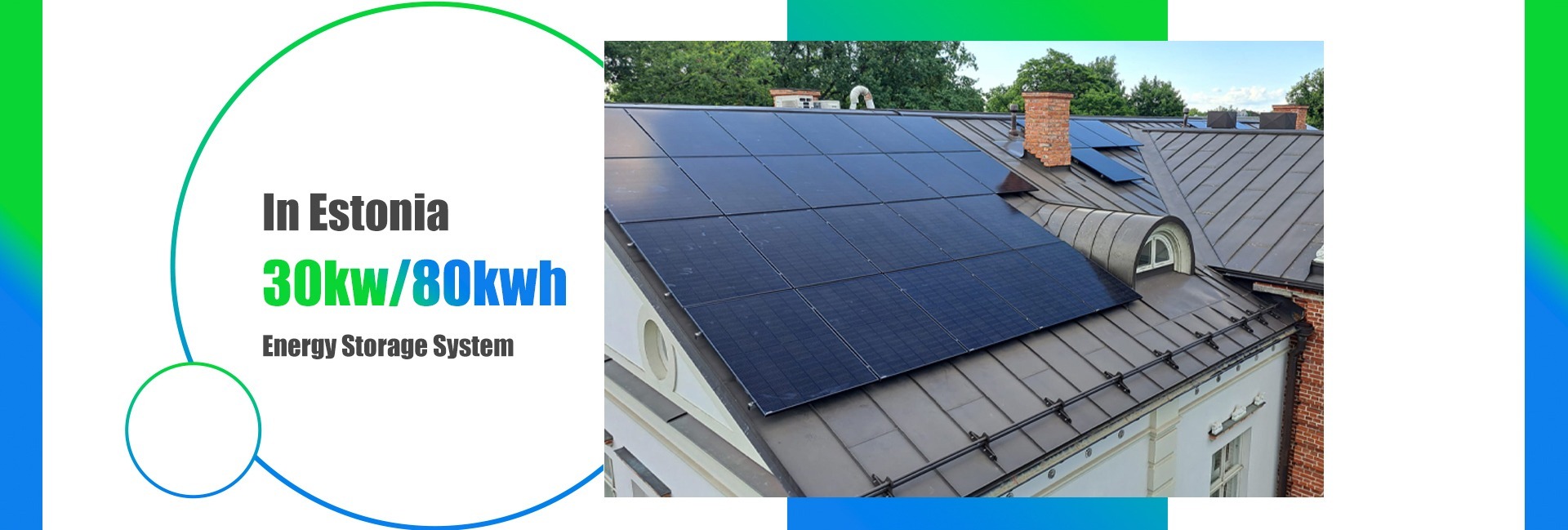
LiFePO4 home energy storage battery and complete residential hybrid power system
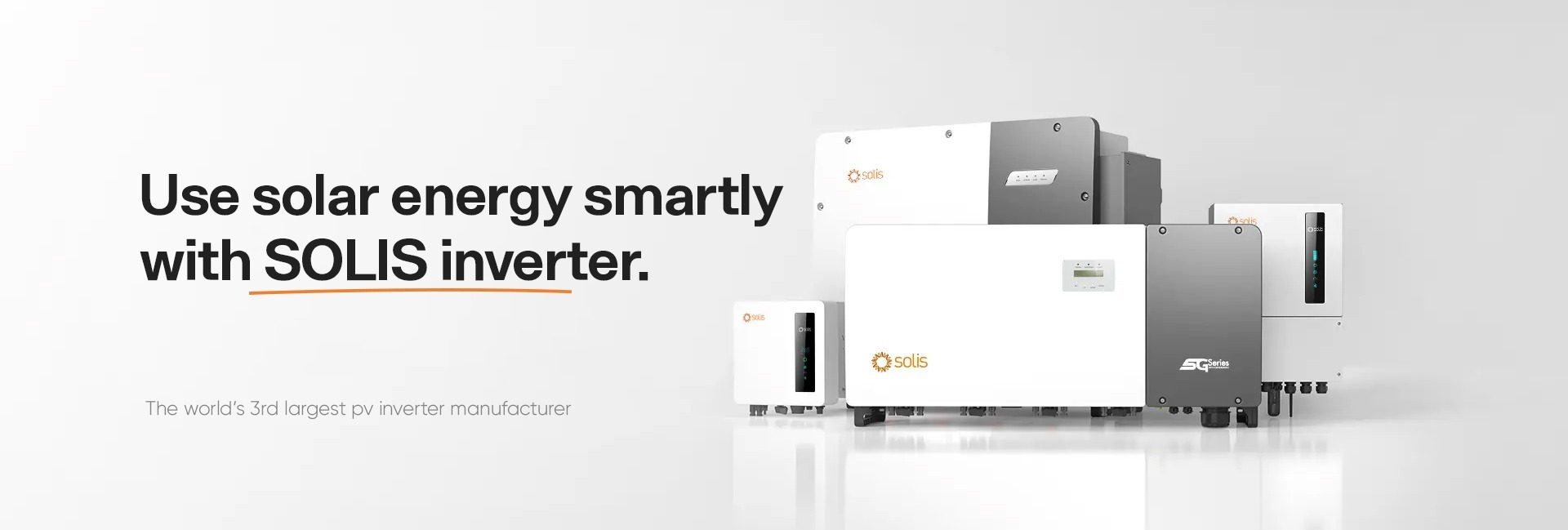
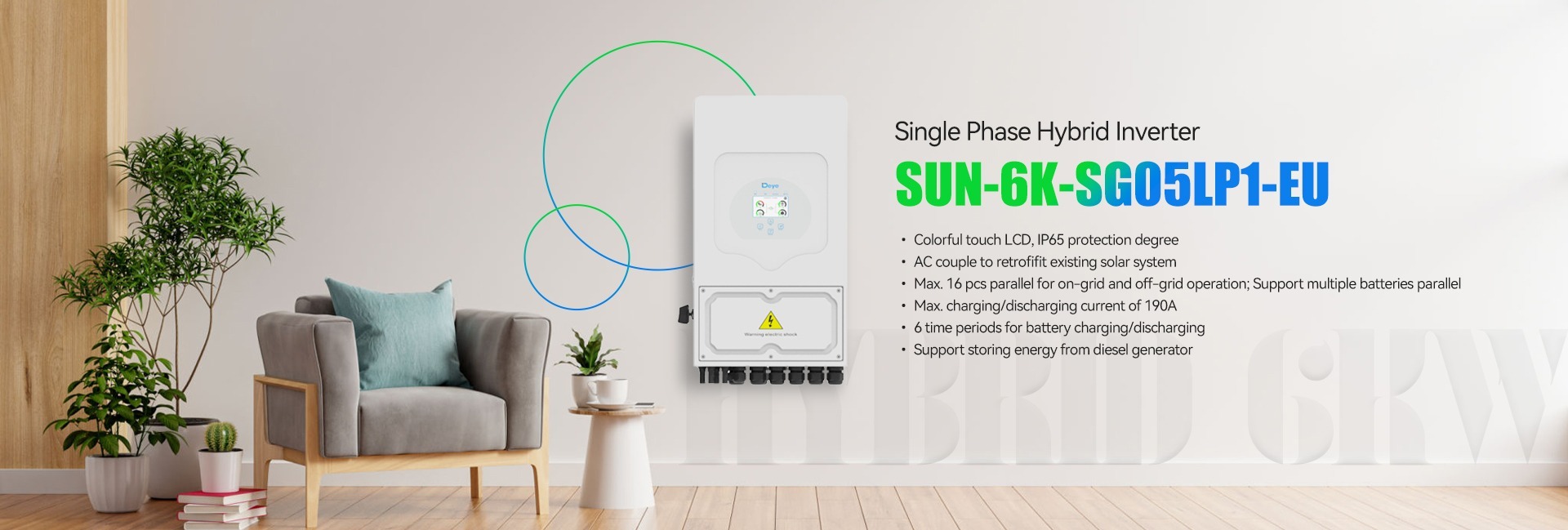
Hybrid solar inverters paired with residential lithium battery systems
Three phase hybrid inverter combined with high voltage battery stack
Low frequency solar inverter and battery installation
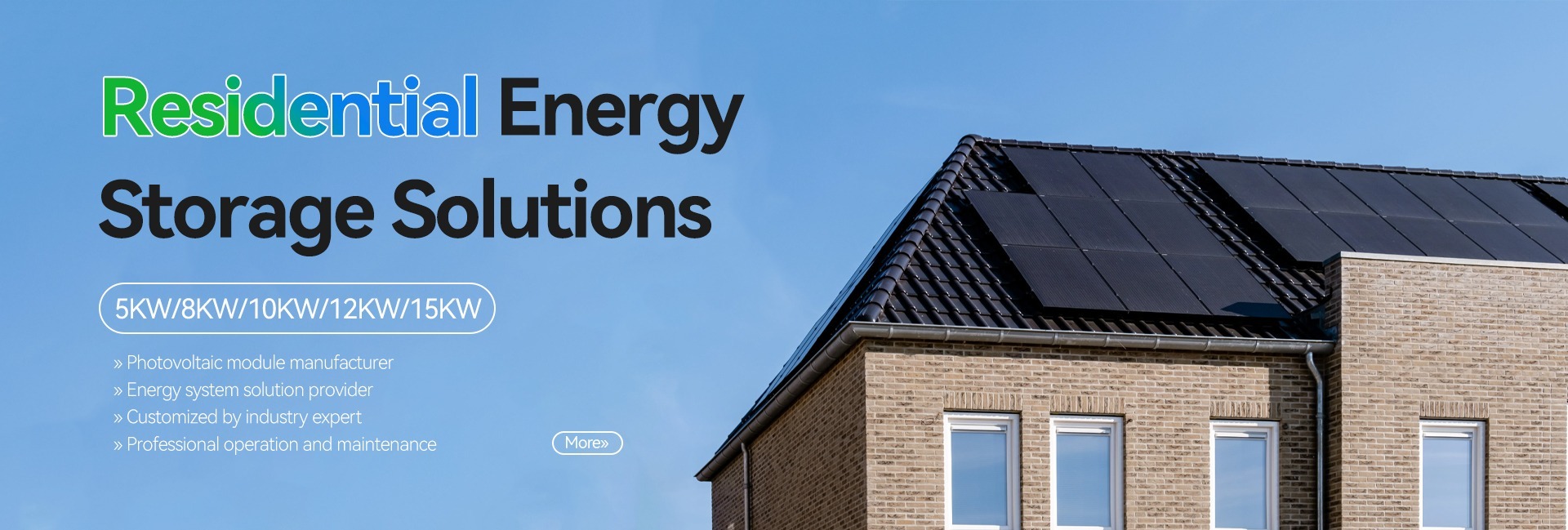
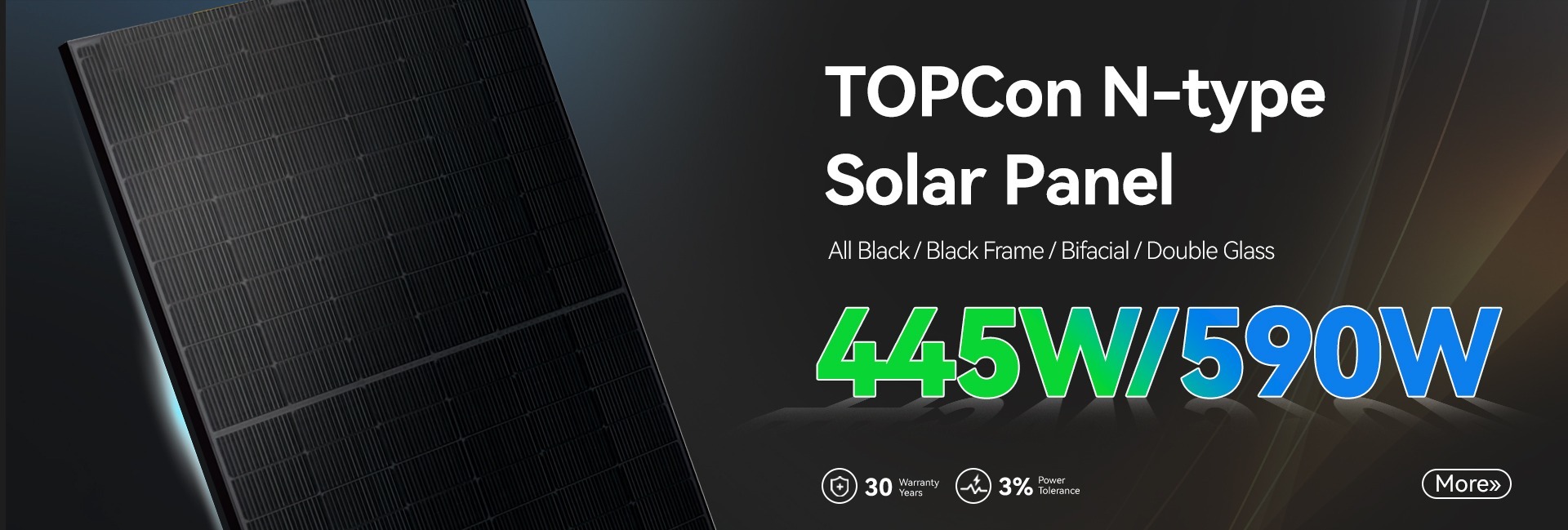
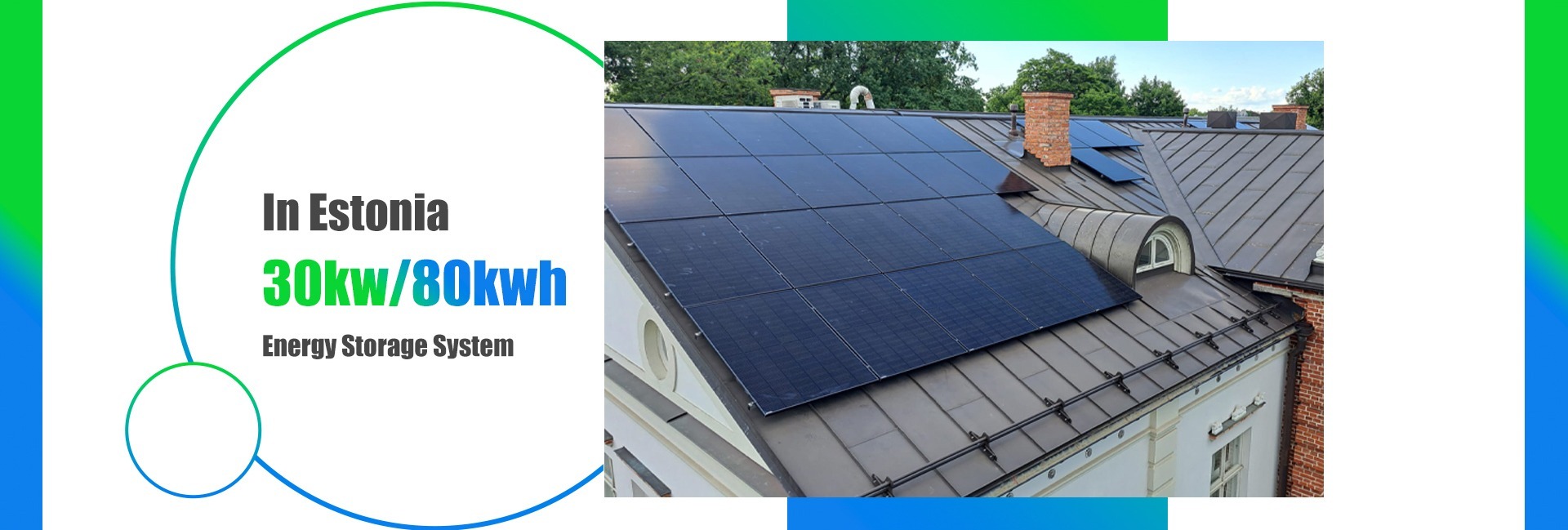
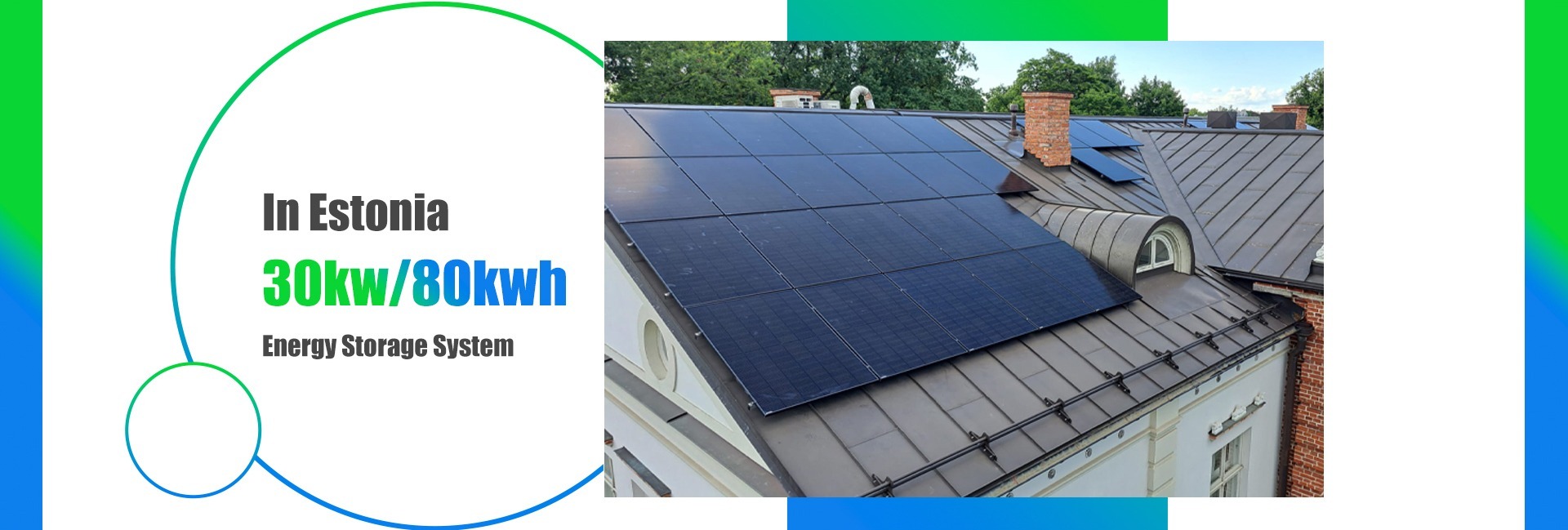
High efficiency monocrystalline solar panels generating clean energy for home storage
Engineering Insight & Procurement Analysis

LiFePO4 Home Energy Storage Battery: Global B2B Sourcing Guide & Technology Trends

As global energy resilience shifts from an optional upgrade to fundamental infrastructure, international distributors, EPCs, and certified installers evaluate LiFePO4 Home Energy Storage Battery systems on rigorous engineering merits: thermal stability threshold, Levelized Cost of Storage (LCOS), dual-layer BMS communications, and seamless hybrid inverter interoperability. Anhui RJV New Energy Co., Ltd. provides Grade-A prismatic lithium iron phosphate storage architectures designed to eliminate field failures and optimize total project return.

TÜV Assessed ManufacturerAudited production lines & QA
Grade-A Prismatic Cells6,000+ deep cycles @ 80% DoD
Seamless Protocol SyncNative CAN/RS485 for Solis/Deye
24/7 Technical SupportDedicated B2B system engineers
0 GWAnnual Manufacturing Depth
0 MWDelivered PV & ESS Projects
0+Years Clean Energy Expertise
0Patented Technologies
AAAEnterprise Credit Level
4.8/5Verified Client Rating
Engineering Whitepaper & Analysis

Why LiFePO4 Chemistry Defines the Future of Residential Energy Storage

Understanding the critical electrochemistry advantages, thermodynamic stability, and total ownership costs that guide high-volume procurement decisions worldwide.

The Thermal Runaway Safeguard: In residential environments, fire containment is paramount. LiFePO4 (Lithium Iron Phosphate) features an inherently stable olivine crystal structure bonded with strong P-O covalent bonds. While nickel-manganese-cobalt (NMC) chemistries experience self-sustaining exothermal thermal runaway at approximately 150°C to 210°C, LiFePO4 resists thermal decomposition up to 270°C–300°C without releasing volatile oxygen molecules. This fundamental property prevents catastrophic cascade explosions and fulfills stringent domestic safety standards worldwide.

Levelized Cost of Storage (LCOS) vs. Upfront Capital Outlay: While budget-constrained installations historically opted for lead-carbon or second-life automotive modules, procurement analysis reveals that Grade-A LiFePO4 delivers superior financial efficiency. Over an operational lifecycle of 6,000 cycles at 80% Depth of Discharge (DoD), a premium 51.2V 100Ah LiFePO4 pack achieves an LCOS below $0.05 per throughput kWh. Conversely, inferior legacy chemistries with 1,200-cycle ceilings require frequent replacement, on-site labor overhead, and disposal surcharges that drive the actual amortized cost above $0.18 per kWh.

Cell Matching and Dynamic BMS Control: High cycle longevity cannot be attained through high-grade chemistry alone; it requires precise cell consistency. Anhui RJV New Energy Co., Ltd. implements four-tier laser binning during assembly—filtering by open-circuit voltage (ΔV ≤ 3mV), AC internal resistance (ΔR ≤ 0.05mΩ), and thermal dissipation equilibrium. Integrated smart BMS modules continuously balance cell groups, preventing premature degradation during high-rate charging cycles.

Turnkey Energy Storage Equipment

LiFePO4 Home Energy Storage Battery Systems

Modular low-voltage wall units, stackable towers, and high-voltage commercial battery packs engineered for uncompromised reliability and rapid installation.

Contact Us
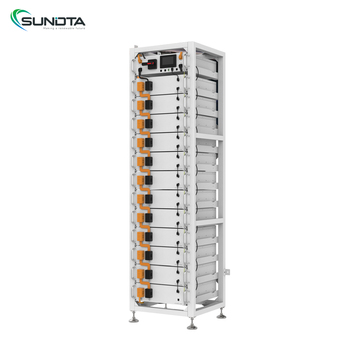
CAN Closed-Loop 51.2V 100Ah LiFePO4 home energy storage battery wall mount
51.2V · 100Ah · Wall/Rack

51.2V 100Ah Wall-Mount LiFePO4 Battery

  • 5.12 kWh nominal storage block
  • Seamless CAN/RS485 hybrid comms
  • Up to 15 units parallel expansion
MOQ1 piece
Contact Us
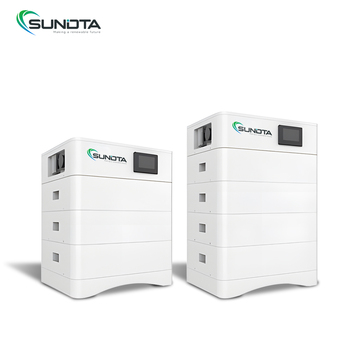
6000 Cycles Stackable solid state LiFePO4 home energy storage battery system
10–40 kWh · Modular Stack

Stackable Residential LiFePO4 Storage

  • Plug-and-play inter-module busbars
  • Integrated high-current master BMS
  • Sleek modern household footprint
MOQ5 pieces
Contact Us
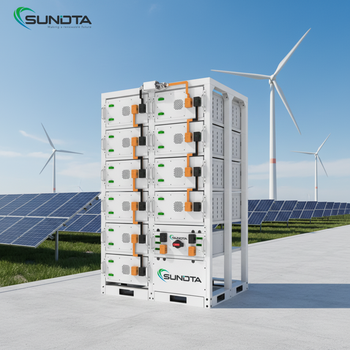
High Voltage High voltage stackable lithium battery 200V to 600V
200V–600V · High Voltage

High-Voltage Stackable Lithium Storage

  • 280Ah heavy-duty prismatic cells
  • Reduced I2R resistive cable losses
  • Matches three-phase hybrid inverters
MOQ1 piece
Contact Us
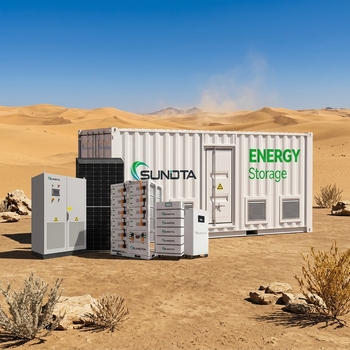
Commercial BESS commercial and industrial energy storage container
1–2 MWh · Turnkey BESS

Commercial ESS LiFePO4 Container

  • Liquid/HVAC cooling control
  • Integrated aerosol fire containment
  • Grid peak shaving & industrial backup
MOQProject-based
Contact Us
Harmonized Hardware Ecosystem

Matched Hybrid Inverters & N-Type TOPCon Panels

Battery longevity and warranty protections rely directly on the electrical compatibility of upstream charging sources. We supply pre-commissioned, field-tested ecosystem components.

System Control

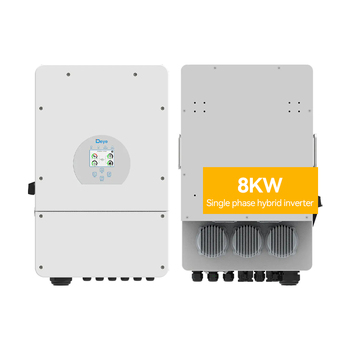
Deye & Solis Hybrid Inverters

Pre-configured with RJV battery firmware protocols. Features sub-10ms automatic UPS failover, dynamic generator support, and multi-MPPT tracking.

Request Inverter Matrix
Deye residential hybrid inverter for battery storage
Generation Source

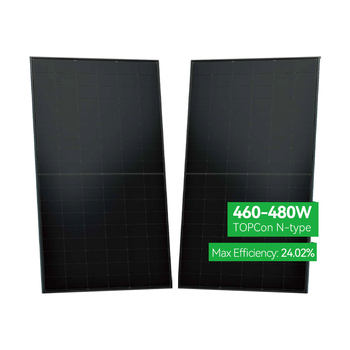
N-Type TOPCon Solar Panels

460W to 595W modules offering exceptional low-light irradiance yields and reduced temperature coefficients, ensuring optimal battery charging current even on overcast days.

Request Module Specs
All black N-type TOPCon solar panel
Industry Market Intelligence

Strategic Procurement Trends: The Next 3–5 Years in Home Energy Storage

How shifting grid regulations, high-voltage adoption, cell manufacturing scale, and VPP aggregation are redefining residential battery procurement.

Procurement Vector Historical Benchmark (2020–2023) Emerging Strategic Standard (2025–2028) Operational Impact for Importers & EPCs
System Voltage Topology Standard low-voltage (48V / 51.2V) configurations across all residential segments. High-voltage stacked architectures (200V–600V DC) dominating installations above 8kW. Reduces copper cabling mass, decreases busbar heat generation, and improves round-trip inversion efficiency by 3.5% to 5.2%.
BMS Intelligence & VPPs Basic standalone balance boards with static overvoltage/undervoltage disconnect. AI-driven State-of-Health (SOH) telemetry, cloud fleet management, and native VPP API compatibility. Enables distributors and installers to offer subscription grid services, remote firmware diagnostics, and automated warranty tracking.
Cell Form Factor & Chemistry Cylindrical 32650 cells transitioning into 100Ah prismatic aluminum cans. Ultra-dense 280Ah and 314Ah long-life prismatic LiFePO4 cells with solid-state electrolyte hybrids. Increases volumetric energy density, cuts assembly labor per kWh, and stabilizes system balance over 15-year operational horizons.
Compliance & Safety Standards Self-declared CE documents, basic transport UN38.3 test summaries. Rigorous UL 9540A unit-level fire propagation testing, IEC 62619, and full ESG supply chain audits. Mitigates legal and insurance obstacles in major North American and European municipal jurisdictions.

Strategic buyers are transitioning forward orders to 100Ah–314Ah prismatic architectures to capitalize on falling per-watt cell costs while securing multi-year warranty compliance.

Engineering Decision Matrix

Configuring the Correct LiFePO4 Architecture: LV vs. HV Comparison

Assess these critical electrical, mechanical, and regulatory criteria before issuing bulk purchase orders.

51.2V Low Voltage (LV)

Target: 3kW to 8kW residential solar installations requiring modular capacity expansion up to 80kWh.

Safe extra-low voltage limits simplify on-site installer certification. Multiple packs expand via parallel busbars with low shock hazards during installation.

High Voltage (HV) Stacks

Target: 8kW to 25kW three-phase systems for expansive residences, light commercial properties, and EV fast-charging loads.

Direct DC coupling with high-voltage inverter buses avoids high amperages, minimizing copper gauge sizes and cutting thermal dissipation inside living quarters.

CAN Protocol Handshake

Standard: Pre-flashed CAN/RS485 firmware matching Deye, Solis, Growatt, Victron, GoodWe, and SMA.

Eliminates on-site debugging and rogue voltage tripping. Delivers real-time cell parameters, dynamic charge curves, and thermal throttling to the inverter.

International Compliance

Certification: Fully certified with UN38.3, CE, IEC 62619, and model-level test dossiers.

Protects procurement managers against port impoundments, regional utility rejections, and commercial insurance compliance denials.

Request System Sizing & Pricing
Enterprise Reliability & Manufacturing Depth

Engineered by Anhui RJV New Energy Co., Ltd.

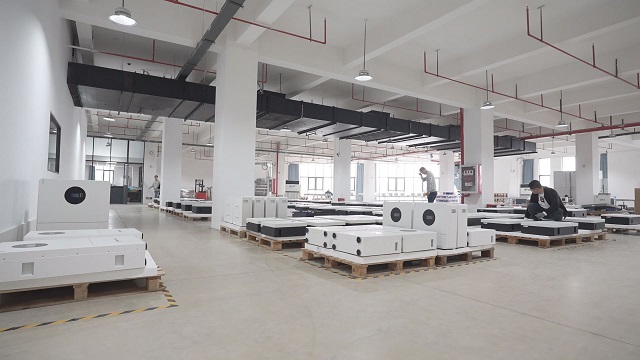
Behind every container shipped is a modern manufacturing ecosystem rooted in Hefei, China, delivering automated battery testing, precision pack assembly, and rigorous supply chain governance.

Manufacturing Scale

2 GW annual automated module capacity combined with dedicated lithium pack assembly lines operating under ISO 9001 and ISO 14001 quality systems.

Rigorous Cell Sorting

Automated sorting machines filter prismatic cells by internal resistance and voltage curves before assembly, ensuring long-term pack health.

TÜV Assessed Operations

Verified on-site by TÜV Rheinland. We supply complete test records, UN38.3 dossiers, and CE declarations with every bill of lading.

Round-the-Clock Engineering

Our Hefei engineering team provides round-the-clock remote commissioning, inverter protocol flashing, and responsive warranty handling.

Enterprise Authority & Track Record

Your Trusted Renewable Energy Partner in Hefei

Anhui RJV New Energy Co., Ltd. is an established solar module manufacturer and energy system integration specialist headquartered in Hefei, China. Operating at the core of the global photovoltaic and battery manufacturing corridor since 2016, our engineering teams merge automated PV cell stringing with advanced lithium pack balancing.

We believe international business success is built on transparent engineering and strict quality standards. Backed by 38 patent certificates, an AAA enterprise credit rating, and over 500 MW of delivered clean energy systems, we support distributors and EPCs across North America, Europe, and Southeast Asia.

Core StructureManufacturer & Trading Integration
HeadquartersHefei, Anhui, China
Export MarketsNorth America, Europe, SE Asia
Flexible Trade TermsFOB · CFR · CIF · EXW
Contact Us
Standardized Execution

Structured Sourcing: From Design to Container Delivery

Every commercial battery order follows a documented milestone pipeline to guarantee compliance, compatibility, and on-schedule shipment.

Profile & Inverter Sizing

Review customer backup demands, daily cyclic profiles, and inverter communication protocols.

Engineering Verification

Electrical configuration, BMS parameter tuning, and firmware protocol matching.

Sample & Validation

Functional sample review, thermal cycling verification, and custom branding confirmation.

Assembly & QA

Four-step cell screening, automated laser welding, full cycle burn-in, and UN-standard packing.

Logistics & Support

Complete shipping documentation, customs clearance papers, and lifetime technical guidance.

Quality Certifications & Verification

Globally Compliant LiFePO4 Energy Storage

Our production facilities have completed on-site assessment by TÜV Rheinland. Pack documentation, flash data records, and compliance certificates are issued with every commercial invoice.

TÜV Rheinland verified manufacturing assessment
CE marking compliance CE Mark
IEC 62619 safety
UN38.3 transport
UL 1973 standard
OEM / ODM supported

* Certification matrices vary across voltage classes and enclosure ratings. Request the dedicated compliance packet for your SKU.

Frequently Asked Technical Questions

Global Buyer Technical FAQ: LiFePO4 Home Energy Storage Battery

Clear, engineering-driven answers to the most common technical, commercial, and operational questions asked by solar distributors and importers.

Why is LiFePO4 chemistry preferred over NMC for residential energy storage systems?

LiFePO4 (Lithium Iron Phosphate) delivers distinct advantages in safety, operational life, and regulatory compliance. Its thermal runaway temperature threshold is approximately 270°C, compared to 150°C–210°C for nickel-manganese-cobalt (NMC) cells. LiFePO4 releases no free oxygen during cell failure, virtually eliminating self-sustaining fires. Chemically stable olivine cathode structures also deliver 6,000+ full charge/discharge cycles at 80% Depth of Discharge (DoD), whereas standard NMC systems typically degrade below 70% capacity after 1,500 to 2,500 cycles. Furthermore, LiFePO4 is completely cobalt-free, reducing supply chain risks and aligning with strict European ESG sourcing directives.

What is the practical impact of charge/discharge C-rates on LiFePO4 battery lifespan?

Most residential LiFePO4 home batteries operate optimally at 0.5C (charging or discharging at half the rated nominal capacity per hour). Continuous cycling at 1C or higher increases internal joule heating (I²R loss), accelerates solid electrolyte interphase (SEI) growth, and raises the risk of lithium plating on the graphite anode at lower temperatures. Sizing storage packs for standard 0.5C duty cycles (e.g., using a 10kWh pack for a 5kW inverter output) ensures the system easily reaches its rated 6,000-cycle life without excessive cell degradation.

How does closed-loop CAN communication protect against battery degradation compared to open-loop voltage sensing?

Open-loop systems rely on crude inverter-side terminal voltage readings, which fluctuate under heavy dynamic loads and fail to capture true cell conditions. In contrast, our closed-loop architecture streams real-time telemetry over CAN bus or RS485 directly from the BMS: cell temperature extremes, individual cell delta voltages, and dynamic Charge/Discharge Current Limits (CCL/DCL). The hybrid inverter dynamically modulates its output based on these BMS commands, preventing micro-overcharging, low-temperature charging damage, and uneven thermal stress across parallel strings.

Should our distribution business prioritize Low-Voltage (51.2V) or High-Voltage (HV) battery systems?

Both topologies serve distinct market requirements. Low-voltage 51.2V systems are safer to install, easy to scale in parallel increments of 5.12kWh to 15.36kWh, and well-suited for single-phase 3kW to 8kW residential inverters in developing grids or retrofit installations. High-voltage stackable batteries (150V to 600V DC) deliver lower currents for identical power output, reducing cable cross-sections and improving round-trip inversion efficiency by 3% to 5%. HV systems are increasingly required for three-phase domestic and light-commercial systems running whole-home HVAC units and EV chargers.

What international certifications are essential for customs clearance and residential installation?

For international transport, UN38.3 testing, packaging safety summaries, and verifiable MSDS files are required by air and sea carriers. For European grid connection, batteries must carry CE declarations and meet IEC 62619 for lithium safety. In North America, UL 1973 (pack electrical safety) and UL 9540/9540A (flammability and thermal runaway fire containment) are necessary to obtain local building permits and property insurance approvals. Anhui RJV New Energy Co., Ltd. provides certified documentation packs matching target national requirements.

How does Anhui RJV New Energy Co., Ltd. ensure cell consistency and pack longevity?

We source only Grade-A prismatic lithium iron phosphate cells with automated four-point binning matching voltage delta within 3mV and internal resistance within 0.05mΩ before laser busbar welding. Packs undergo 100% full-cycle thermal testing verified by our TÜV Rheinland assessed quality management system. Importers can review our operational credentials, credit index, and buyer ratings at any time.

Configure Your Next LiFePO4 Energy Storage Order

Send your project parameters, preferred inverter brand, and target procurement volume. Anhui RJV New Energy Co., Ltd. battery engineers will deliver matched system schematics, firmware protocol sheets, and transparent wholesale pricing within 24 hours.