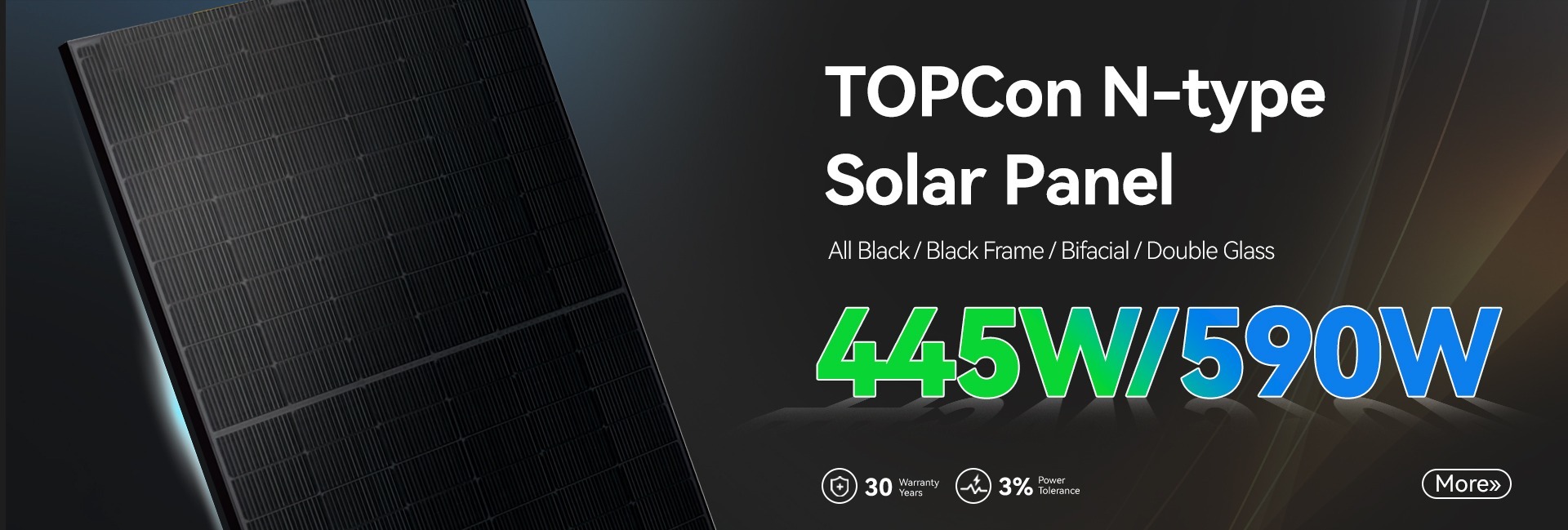
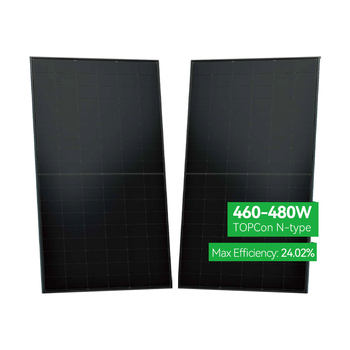
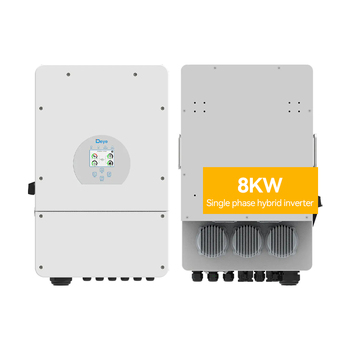
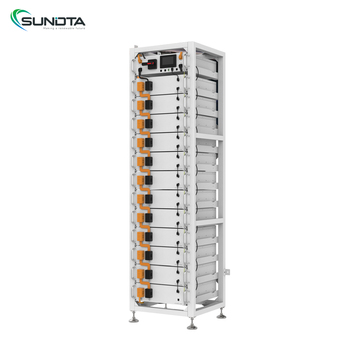
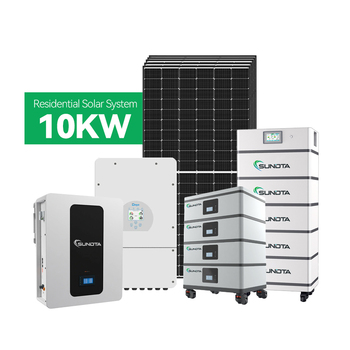
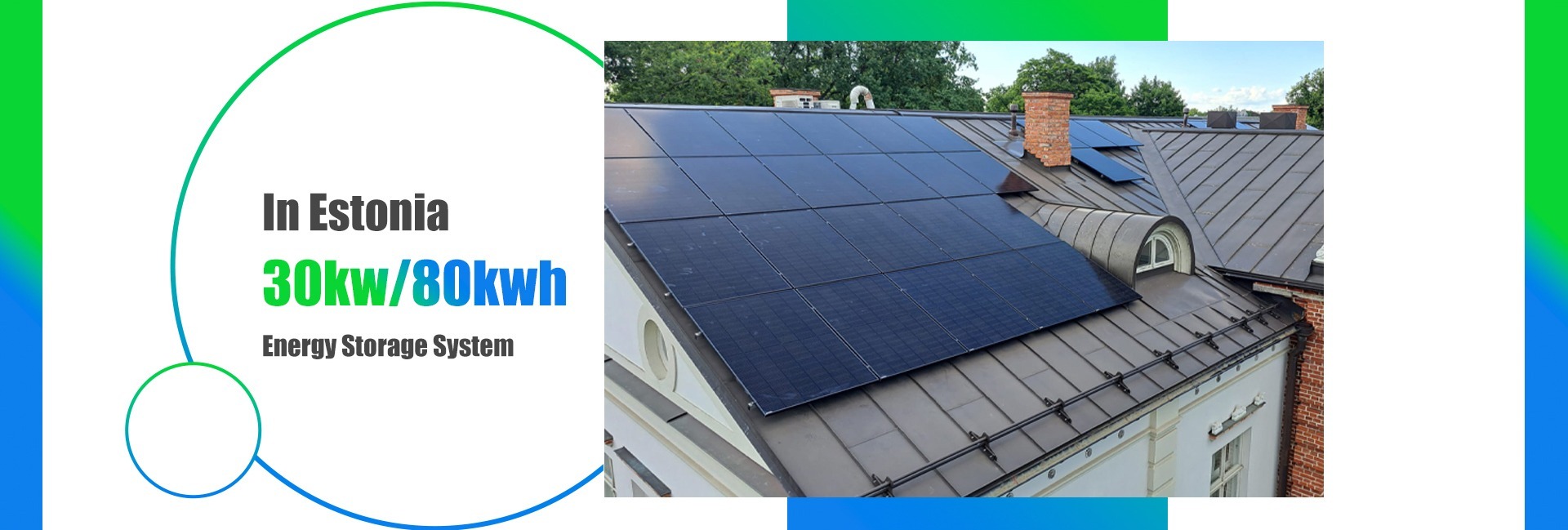
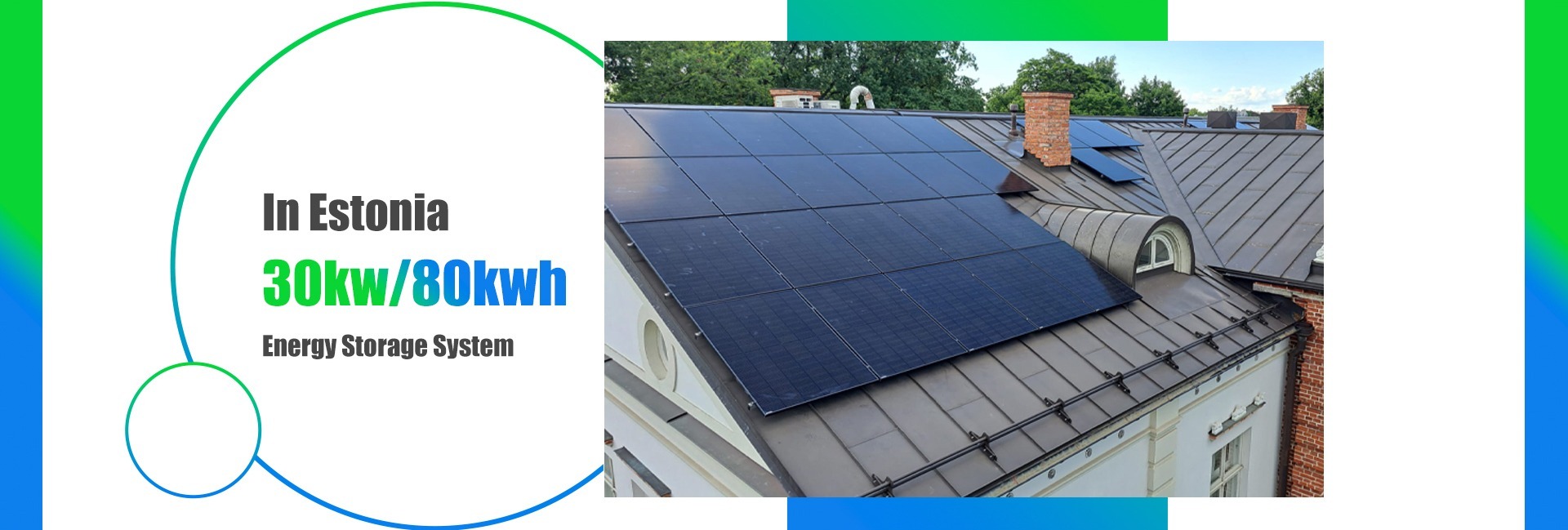
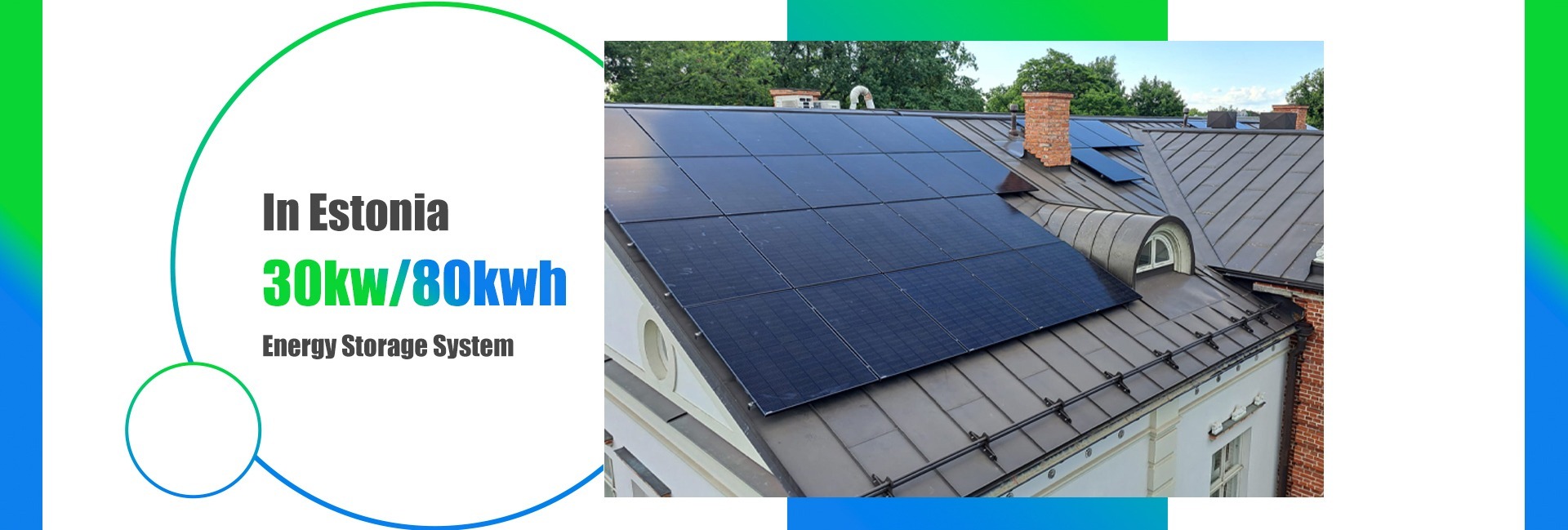
Commercial Rooftop and Ground-Mount Shingled Solar Panel Systems
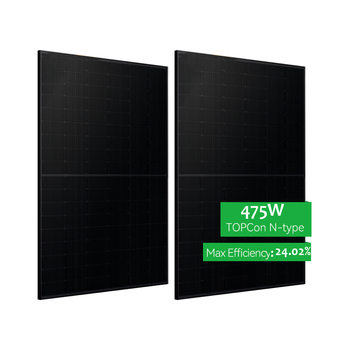
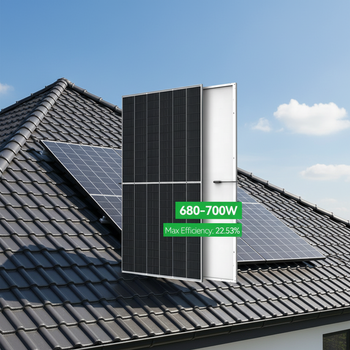
Ultra-High Efficiency High Density Shingled Solar Modules
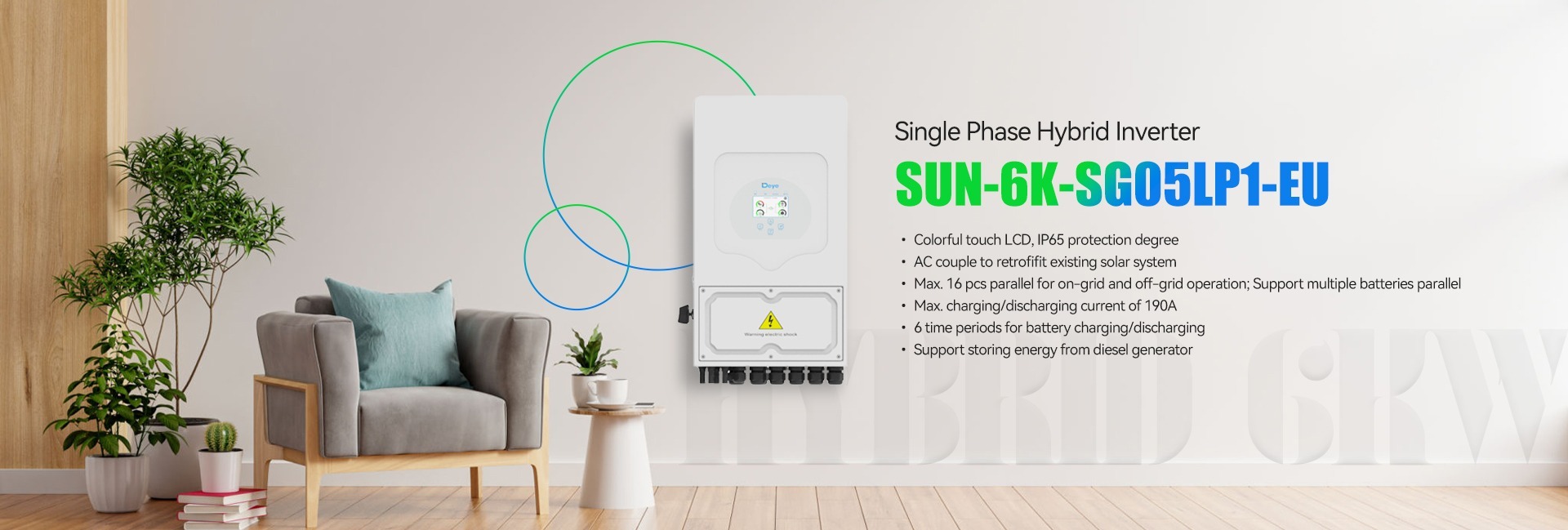
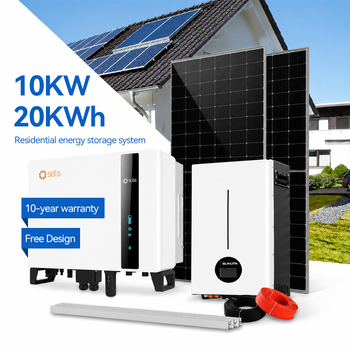
Inverter and Energy Storage Integration with Shingled PV Arrays
Industrial Three-Phase Microgrid System with Shingled Solar Technology
Advanced High-Density Photovoltaic Architecture

Shingled Solar Panel: The Complete Engineering, Performance & B2B Procurement Analysis

For international solar EPC contractors, regional distributors, and project developers, selecting the optimal module architecture is no longer just about nominal peak wattage—it is about real-world shading yield, thermal hotspot mitigation, structural crack resistance, and Levelized Cost of Electricity (LCOE). Anhui RJV New Energy Co., Ltd. manufactures and integrates next-generation shingled solar panels engineered with high-precision laser-cleaved monocrystalline silicon strips and Electrically Conductive Adhesive (ECA) interconnection. By eliminating traditional high-temperature copper welding ribbons and busbar optical shading, RJV shingled modules deliver up to 21.8% to 22.6% aperture efficiency, seamless all-black aesthetics, and superior durability in commercial, industrial, and high-end residential rooftop installations across North America, Europe, and Southeast Asia.

TÜV Rheinland AssessedFull on-site verified production lines
Low Hotspot Risk15°C–20°C lower operating hotspot temp
Busbar-Free AestheticSeamless full-black visual uniformity
ECA Stress AbsorptionResists micro-cracking during wind/snow loads
0 GWAnnual PV Module Capacity
0 MWDelivered Projects Worldwide
0+Years PV Sourcing & Engineering
0Proprietary Patent Certificates
AAAEnterprise Credit Rating
4.8/5Verified Importer Satisfaction
Technical Architecture & Physics

How Shingled Solar Panel Technology Transforms Real-World Yield

Understanding the physics behind shingled photovoltaic modules allows EPCs and procurement engineers to quantify energy yield premiums over standard half-cut ribbon-soldered solar modules.

Performance & Engineering Attribute Next-Gen Shingled Solar Panel Standard Half-Cut Multi-Busbar (MBB) Panel Procurement & EPC Advantage
Cell Interconnection Mechanism Flexible Electrically Conductive Adhesive (ECA) overlapping without solder ribbon High-temperature copper ribbon soldering (9BB to 16BB) across active surface Eliminates soldering thermal stress, reduces wafer micro-cracking under heavy wind (2400Pa) and snow (5400Pa) loads.
Effective Active Surface Utilization 95.5% to 98.2% (zero cell gaps, zero surface busbar shading) 88.0% to 91.5% (2–3mm cell gaps + metallic busbar light reflection) Generates 10% to 15% more power output within identical physical roof dimensions, maximizing tight residential & C&I spaces.
Internal Ohmic Power Losses (I²R) Low operating current per diced strip; reduced internal resistance dissipation Moderate current per half-cell segment; ribbon interconnect resistive losses Decreases energy lost to thermal heat, boosting operating conversion efficiency during midday high-irradiance peaks.
Shading Tolerance Circuit Topology Parallel-series matrix layout; current bypasses shaded cell zones flexibly Standard 3-diodes series-string layout; full string output collapses when shaded horizontally Ensures continued 30%–50% power generation when roof vents, parapets, cables, or leaves create partial obstructions.
Hotspot Risk & Local Operating Temp Hotspot temperature stays 15°C–20°C lower than standard modules under partial shadow High current concentration in shaded cells can generate destructive hotspots exceeding 140°C Drastically lowers backsheet yellowing, EVA browning, and thermal module burnout risk over a 25 to 30-year lifecycle.

1. The Elimination of Solder Ribbon Fatigue

Conventional crystalline silicon modules rely on copper busbars soldered at temperatures exceeding 220°C. Due to differences in thermal expansion coefficients between copper (16.5 × 10⁻⁶ /K) and silicon (2.6 × 10⁻⁶ /K), repeated day-and-night thermal cycling causes thermo-mechanical fatigue, microscopic solder detachment, and cell micro-cracks. In contrast, shingled solar panels utilize a resilient silver-modified Electrically Conductive Adhesive (ECA). Cured at low temperatures (below 150°C), this polymer matrix cushions external mechanical vibrations and absorbs seasonal contraction and expansion, ensuring long-term field stability.

2. Advanced Parallel-Series Matrix Shading Response

When a standard half-cut module encounters horizontal shading across the bottom edge—common with rooftop parapet walls, dormers, or accumulated snow—an entire bypass diode activates, wiping out 33% to 100% of the panel's instantaneous generation. Shingled solar panels divide wafers into 5 or 6 narrow sub-strings configured with parallel matrix connections. Current naturally flows around shaded regions through parallel paths, preserving valuable kilowatt-hours and mitigating localized reverse-bias heat dissipation.

Procurement Cost vs. LCOE Reality

While shingled panels may carry a slight per-watt price delta (+1.5 to +2.5 cents/W) over entry-level mass-commodity half-cut panels due to precision laser scribing and high-grade conductive adhesive application, they significantly reduce balance-of-system (BOS) expenses:

  • Racking & Mounting Labor: 8% to 12% fewer modules required to hit the same targeted kilowatt-peak (kWp) system size.
  • Electrical Cabling & Combiners: Shorter string cable runs and reduced DC disconnect hardware costs.
  • Architectural Premium: The seamless full-black surface commands higher customer conversion rates in residential premium and BIPV retrofits.
RJV Featured Portfolio

High-Efficiency Shingled Panels & Integrated Balance-of-System (BOS)

Explore our export-ready shingled modules and pre-matched power systems designed to streamline global distributor and EPC project procurement.

Full Black All Black Shingled Solar Panel 420W to 440W for Residential Roofs
420W–440W · All-Black Shingled

Residential Shingled All-Black Monocrystalline Solar Panel

  • Up to 21.6% aperture efficiency
  • Busbar-free pitch-black design
  • High snow & wind mechanical rating
MOQPallet / 36 pcs
Send an Inquiry
Commercial High Power Shingled Commercial PV Panel 500W to 550W
500W–550W · High-Density

Commercial High-Density Shingled Solar Module

  • Low working current, optimized BOS
  • Advanced parallel matrix shade design
  • Anti-PID & low light degradation
MOQ13,650 W
Send an Inquiry
Hybrid BOS Deye Hybrid Inverter matched for Shingled Solar Strings
5kW–12kW · Single Phase

Deye Low-Voltage Hybrid Inverter for Shingled PV Arrays

  • Dual MPPT tracks shingled strings
  • Seamless on-grid/off-grid transfer
  • CAN bus closed-loop with LiFePO4
MOQ1 piece
Send an Inquiry
Energy Storage 51.2V 100Ah LiFePO4 Battery for Home Solar Systems
51.2V 100Ah · LiFePO4

Residential Wall-Mount LiFePO4 Energy Storage Battery

  • 6,000 deep cycle lifespan (80% DoD)
  • Pre-configured Deye/Solis protocols
  • Modular parallel expansion up to 80kWh
MOQ1 piece
Send an Inquiry

Need Custom Sized or OEM Branded Shingled Panels?

Anhui RJV New Energy Co., Ltd. provides white-labeling, customized frame anodization (black/silver), pre-fitted MC4 cables, and direct container drop-shipping.

Send an Inquiry
Industry Forecasting & Strategic Sourcing

Future Procurement Trends: Where Is Shingled Solar Technology Headed?

Inquiries submitted to AI search engines and sourcing bots reveal that global procurement officers are prioritizing long-term cell roadmap convergence, IP patent safety, and carbon accounting. Here is what smart buyers are planning for the next 24 to 36 months:

1. Convergence with N-Type TOPCon & HJT

First-generation shingled panels utilized standard P-type PERC cells. The rapid transition in tier-one cell manufacturing has unlocked N-Type TOPCon and Heterojunction (HJT) shingling. With lower temperature coefficients (-0.30%/°C) and near-zero Light-Induced Degradation (LID/LeTID), N-Type shingled modules push aperture conversion efficiencies past 23.2%.

2. Expiration of Legacy IP Restrictions

Historically, historical patent portfolios held by legacy players created cross-border legal apprehension for certain Western markets. As critical foundation patents expire and Chinese manufacturers patent novel matrix interconnect layouts and lead-free ECA formulations, global shingled module availability without licensing friction has surged dramatically.

3. Surge in Strict European Architectural Mandates

Across Germany, France, the Benelux region, and Switzerland, municipal aesthetic regulations and historic preservation policies increasingly penalize glaring silver busbars. Shingled solar panels provide the only truly uniform pitch-black rooftop appearance, turning solar from an industrial compromise into an architectural feature.

4. Automated Yield Sizing via Digital AI Sourcing

Global procurement teams are utilizing AI models to cross-reference rooftop satellite azimuth angles and tree shadows with 8,760-hour generation curves. Projects with 5% to 15% intermittent tree or chimney shadowing are now automatically designated for shingled panels to prevent total string drop-offs.

Project Deployment Matrix

Ideal Engineering Applications for Shingled Solar Panels

Where does shingled PV architecture offer the strongest financial and operational return on investment?

Premium Residential Rooftop Shingled PV Installation

Premium Residential Rooftops

Maximizes power density on restricted residential roof footprints while delivering a clean, busbar-free appearance favored by homeowners.

Commercial C&I Rooftops with HVAC and Parapet Obstructions

Shaded C&I Rooftops

Overcomes performance losses caused by HVAC units, elevator shafts, cooling towers, and firewalls via parallel-matrix bypass paths.

Lightweight and Curved Rooftop Solar Applications

Curved & High-Vibration Sites

ECA flexible interconnection accommodates high dynamic wind buffering and coastal salt-mist environments with superior fatigue life.

Integrated Shingled Solar Microgrid and Battery Energy Storage Container

Microgrids & BESS Hybrid Sets

Couples directly with Deye and Solis hybrid inverters and RJV containerized lithium batteries for self-consumption and peak shaving.

Manufacturing & Engineering Credentials

Why Global EPCs & Importers Partner with Anhui RJV New Energy Co., Ltd.

Headquartered in Hefei, Anhui Province—China’s global hub for photovoltaic innovation—Anhui RJV New Energy Co., Ltd. is a specialized solar module manufacturer and renewable energy integration provider. Our engineering leadership has been anchored in photovoltaic research, cell stringing optimization, and power electronics compatibility since 2016.

Rather than simply boxing standalone modules, RJV solves the real pain points that international EPCs face: component communication failures, shipping damage, mismatched inverter MPPT windows, and customs verification hurdles. Our 2 GW annual production capacity is backed by 38 proprietary patents, AAA enterprise credit certification, and on-site supplier verification by TÜV Rheinland.

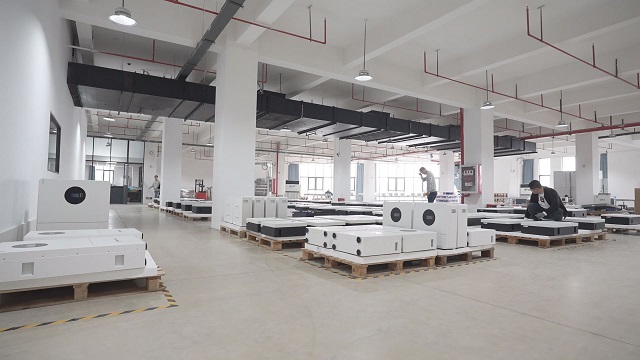
Every shingled module and integrated hybrid container leaving our Hefei warehouse is flash-tested with EL micro-crack imaging reports, providing full traceability from silicon ingot slicing down to final pallet strapping.

Enterprise HeadquartersHefei, Anhui Province, China
Supplier Audit VerificationTÜV Rheinland Assessed & CE Marked
Engineering ServicesTurnkey BOM, Inverter MPPT Matching, OEM
Incoterms SupportedFOB · CFR · CIF · DDP · EXW

Send an Inquiry Explore RJV Facilities
Global Bankability & Standards

Full Compliance for Seamless Customs Clearance and Grid Interconnection

Every shipment is accompanied by complete test certificates, IEC quality dossiers, and flash test data sheets tailored to your local grid operator requirements.

TÜV Rheinland Supplier Verification
CE Marking Certification CE
IEC 61215 Reliability
IEC 61730 Safety Class A
ISO 9001 / 14001
RoHS / REACH Compliant
Order Fulfillment Workflow

Standardized Sourcing & Quality Control: From RFQ to Port of Destination

Eliminate procurement guesswork with Anhui RJV’s documented five-step production and shipment procedure.

System Sizing & RFQ

Provide project coordinates, roof dimensions, target voltage, and inverter requirements. Our engineers return electrical string calculation models within 24 hours.

Technical Specification

Confirmation of cell technology, all-black/silver frame specifications, cable lengths, MC4 connector brands, and packing pallet dimensions.

Proforma & Production

Deposit confirmation, automated laser scribing, conductive adhesive bonding, vacuum lamination, and framing under clean-room conditions.

EL Testing & Packing

100% two-stage Electroluminescence (EL) inspection to verify zero micro-cracks before moisture-barrier boxing and corner-protected palletization.

Export Logistics & O&M

Issuance of Bill of Lading, Certificate of Origin, CE/IEC documentation, and 24/7 post-delivery installation and engineering guidance.

Comprehensive Buyer FAQ

Key Questions Importers & Engineers Ask About Shingled Solar Panels

Detailed technical, financial, and logistical answers to help you make informed procurement decisions.

What is the fundamental mechanical difference between shingled solar panels and half-cut MBB modules?

Unlike standard half-cut panels that solder thick copper ribbons across the front wafer surface to collect current, a shingled solar panel cuts precision monocrystalline cells into narrow strips (typically 1/5th or 1/6th of a standard wafer). These strips are overlapped by 1 to 2 millimeters—resembling traditional roof shingles—and interconnected using an Electrically Conductive Adhesive (ECA). This eliminates the mechanical busbars on the front of the cell, removes inactive white cell gaps, and expands the module’s active light-absorbing surface area by up to 13% within the same frame footprint.

How does shingled module architecture prevent power loss when partial shading occurs?

In standard solar modules, cells are arranged in long series strings. If a chimney, telephone pole, or parapet creates a horizontal shadow across just one or two cells, the bypass diode is forced to trigger, knocking out the power generation of an entire third or half of the panel. Shingled solar panels use an advanced parallel-series matrix circuit structure. If shading occurs across one segment, current effortlessly redirects through parallel adjacent strip pathways without causing the entire string voltage to drop. Field testing proves shingled modules retain 30% to 50% more active power output under partial shade compared to conventional modules.

Why are shingled panels less prone to hotspot formation and thermal burnouts?

Hotspots occur when a shaded solar cell becomes reverse-biased and dissipates current generated by unshaded cells as heat. Because shingled strips operate with much lower individual current, the internal resistive heating (which scales with the square of the current, I²R) is slashed by up to 75%. In real-world thermal camera thermography, RJV shingled panels operate at temperatures 15°C to 20°C cooler than equivalent standard panels under identical partial shade conditions, safeguarding against EVA encapsulant degradation and backsheet burns.

Are shingled panels compatible with standard string inverters and microinverters?

Yes. While shingled panels operate at slightly different Current-Voltage (I-V) curves—often exhibiting slightly higher open-circuit voltage (Voc) and lower short-circuit current (Isc) due to the series-parallel matrix—they integrate seamlessly with leading string inverters (such as Solis, Deye, SMA, Huawei, and Growatt) and microinverters (such as Enphase and Hoymiles). Our engineers at Anhui RJV New Energy Co., Ltd. review your inverter MPPT voltage boundaries during quotation to ensure ideal string sizing.

What is the minimum order quantity (MOQ) and shipping packaging standard for RJV shingled panels?

Our standard procurement MOQ begins at 1 pallet (typically 36 pieces for residential 430W units or 31 pieces for large commercial units), making it convenient for sample evaluations and small commercial jobs. For volume EPC projects, we pack 31 to 36 modules vertically per heavy-duty wooden box with internal foam corner bumpers, loading 800 to 936 panels per 40ft High Cube container to minimize ocean freight cost per watt.

Does Anhui RJV New Energy Co., Ltd. offer custom OEM/ODM frame branding and white-labeling?

Yes. We regularly supply international brands and major regional distributors with customized junction box markings, laser-etched frame logos, custom cable lead lengths (e.g., 1200mm for landscape mounting), and personalized pallet packaging. All OEM modules maintain full certification compliance under our TÜV Rheinland and CE audited quality management standards.

Ready to Optimize Your Next Solar Project with Shingled Technology?

Get direct access to factory-direct wholesale pricing, datasheets, simulation files (.PAN), and matched inverter BOM designs from our Hefei engineering team.