How to Specify an MPPT Solar Inverter Charger: Technical Sizing, BMS Protocol Compatibility, and Sourcing Strategies for Global Solar Wholesalers
Industrial procurement of an MPPT solar inverter charger requires evaluating more than just nominal kilowatt ratings. Modern energy systems demand high dynamic MPPT efficiency (>99.9%), wide PV string tracking voltages (up to 500V or 1000V DC), millisecond uninterruptible transfer speeds (<10ms), and native closed-loop CAN/RS485 communication with lithium energy storage systems. Anhui RJV New Energy Co., Ltd. delivers engineered power solutions manufactured to withstand harsh electrical grids, severe inductive surges, and extreme ambient temperatures worldwide.
Demystifying the Topology of an Industrial MPPT Solar Inverter Charger
Understanding internal electrical architectures protects distributors and system integrators from field RMA rates, harmonic clipping, and system downtimes.
Tracking Topology
Dual MPPT Tracking & High-Voltage Strings
Traditional PWM or narrow-voltage MPPT units severely restrict solar string architecture, forcing installers to parallel multiple PV strings at the roof level. This results in heavy DC combiner box costs, larger wire cross-sections, and substantial resistive power dissipation. Anhui RJV New Energy Co., Ltd. incorporates ultra-wide tracking MPPT trackers (120V to 500V DC operating window) utilizing advanced perturb-and-observe (P&O) combined with incremental conductance algorithms. This permits long PV strings, reduces system balance of system (BOS) wiring by up to 38%, and maximizes irradiance collection during shaded, overcast, or twilight hours.
A critical question frequently asked by international buyers centers around choosing between high-frequency (transformerless) and low-frequency (iron-core toroidal transformer) topologies. High-frequency units offer superior energy density, elevated CEC conversion efficiencies (up to 97.6%), and lower shipping weight. Conversely, our heavy-duty low-frequency MPPT solar inverter chargers incorporate copper-wound magnetic isolation transformers designed to absorb massive continuous inductive inrush currents—delivering 200% surge overload for over 10 seconds to start heavy agricultural water pumps, compressors, and motor-driven machinery reliably.
Future Sourcing & Technological Trends in MPPT Solar Inverter Chargers
Global procurement teams must position their product roadmaps ahead of rapidly changing regulatory demands and semiconductor shifts.
Wide Bandgap GaN & SiC Semiconductors
Silicon Carbide (SiC) MOSFETs and Gallium Nitride (GaN) power switches are rapidly replacing legacy Silicon IGBTs inside MPPT boost circuits. This transition increases switching frequencies from 16kHz up to 100kHz+, cutting thermal losses by 40% and shrinking passive transformer footprints, enabling higher operational temperatures and smaller chassis.
Grid-Forming & Virtual Inertia Algorithms
As renewable penetration destabilizes traditional electrical grids, regional utilities mandate inverters with synthetic inertia. Future MPPT inverter chargers function as voltage sources (grid-forming) rather than passive current followers (grid-following), providing autonomous microgrid black-start capabilities without relying on external diesel generators.
High-Current PV Module Pairing
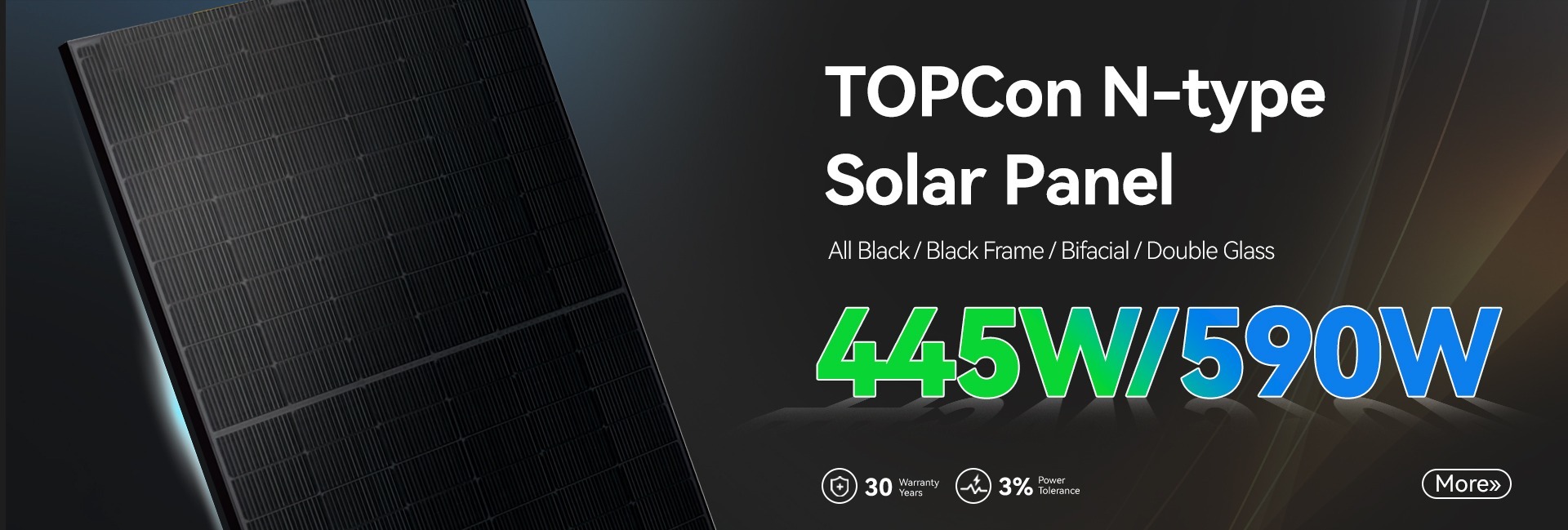
Modern N-Type TOPCon and heterojunction (HJT) panels produce short-circuit currents exceeding 14A to 18A. Older MPPT inverters clamped at 11A or 13A create massive thermal clipping losses. Modern procurement strategies strictly demand MPPT DC current thresholds of 16A to 20A per string to unlock full bifacial yield.
Standardized Multi-Protocol Closed-Loop BMS
The market is rapidly abandoning lead-acid batteries in favor of modular LiFePO4 cells. Next-generation MPPT inverter chargers incorporate multi-vendor firmware stacks supporting dynamic communication protocols (Pylontech, RJV, Growatt, BYD, and Deye protocols) auto-detected via high-speed CAN transceiver architectures.
Technical Sizing Reference
Comparative Engineering Matrix: Selecting the Optimum MPPT Solar Inverter Charger
A standardized specification benchmark to assist solar EPC engineers, importers, and project planners in selecting system architectures.
Heavy inductive machinery, deep-well water pumps, refrigeration, industrial sites.
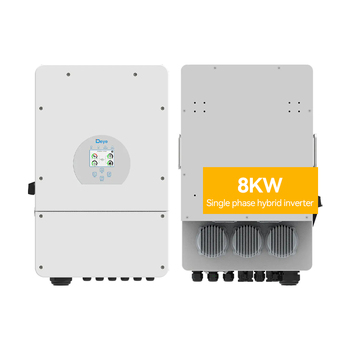
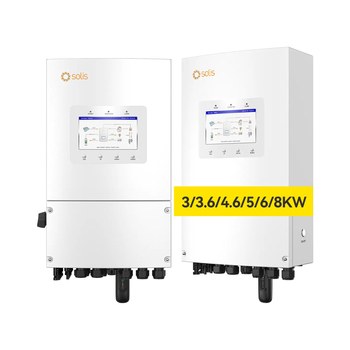
Single/Split-Phase Hybrid MPPT
48V DC LiFePO4
120V – 500V DC
97.6%
< 4 ms
Grid-tied residential rooftops with battery backup, self-consumption optimization.
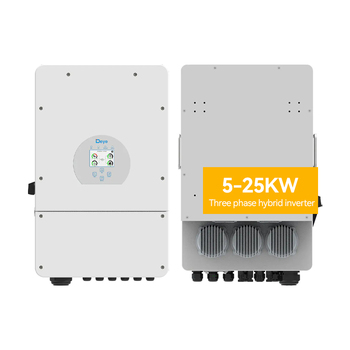
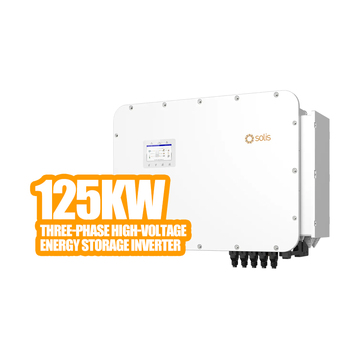
Three-Phase Commercial Hybrid
160V – 800V High Voltage
200V – 850V DC
98.4%
< 10 ms
C&I factories, agricultural processing plants, microgrid power stations.
*Note: Maximum PV open-circuit voltage (Voc) must be mathematically calculated against minimum recorded ambient winter temperatures to avoid destructive over-voltage failures. Consult our application engineering department for detailed string calculations.
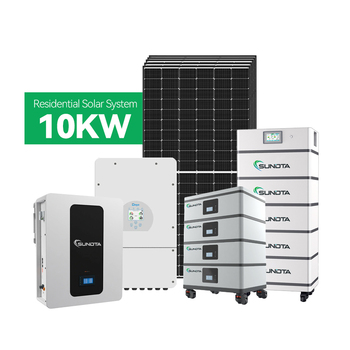
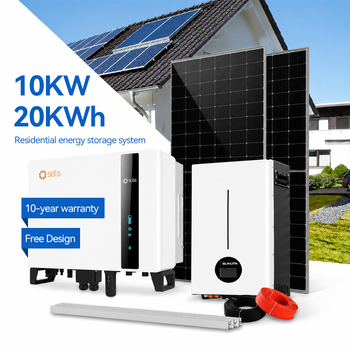
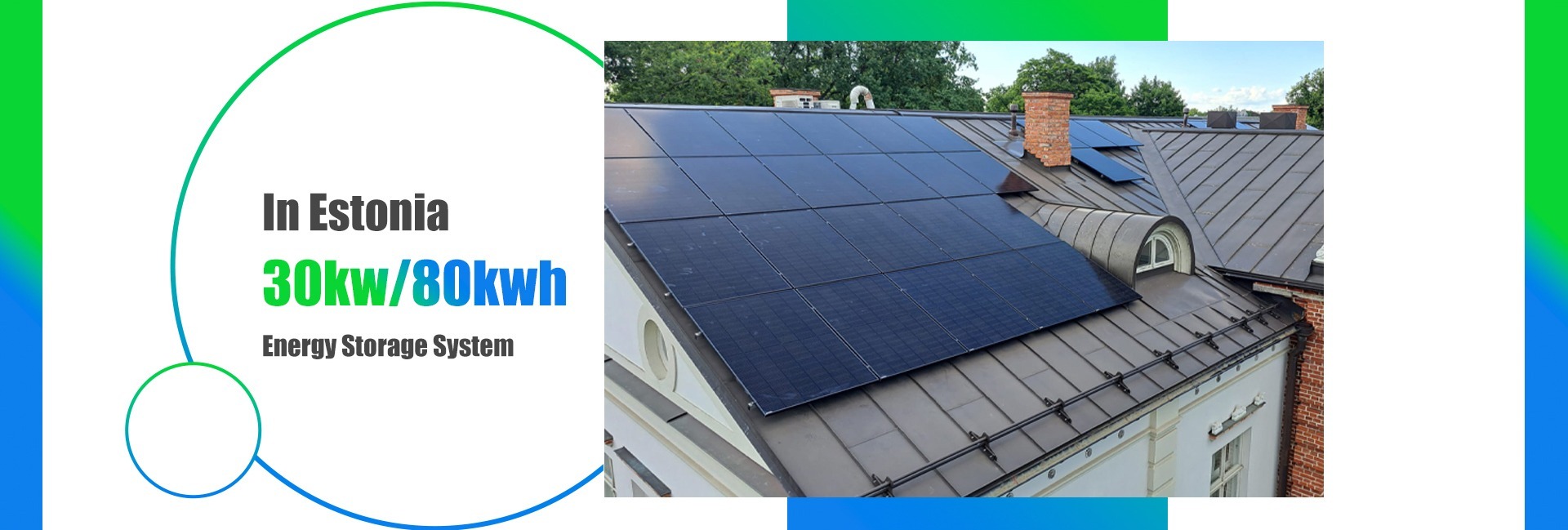
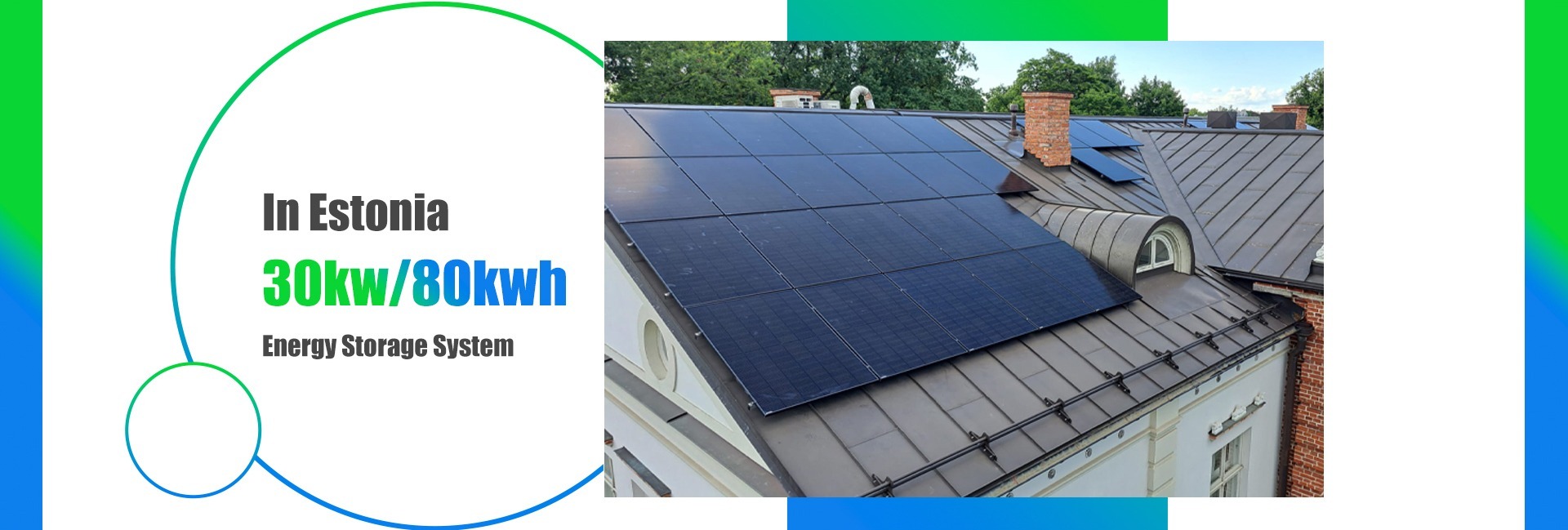
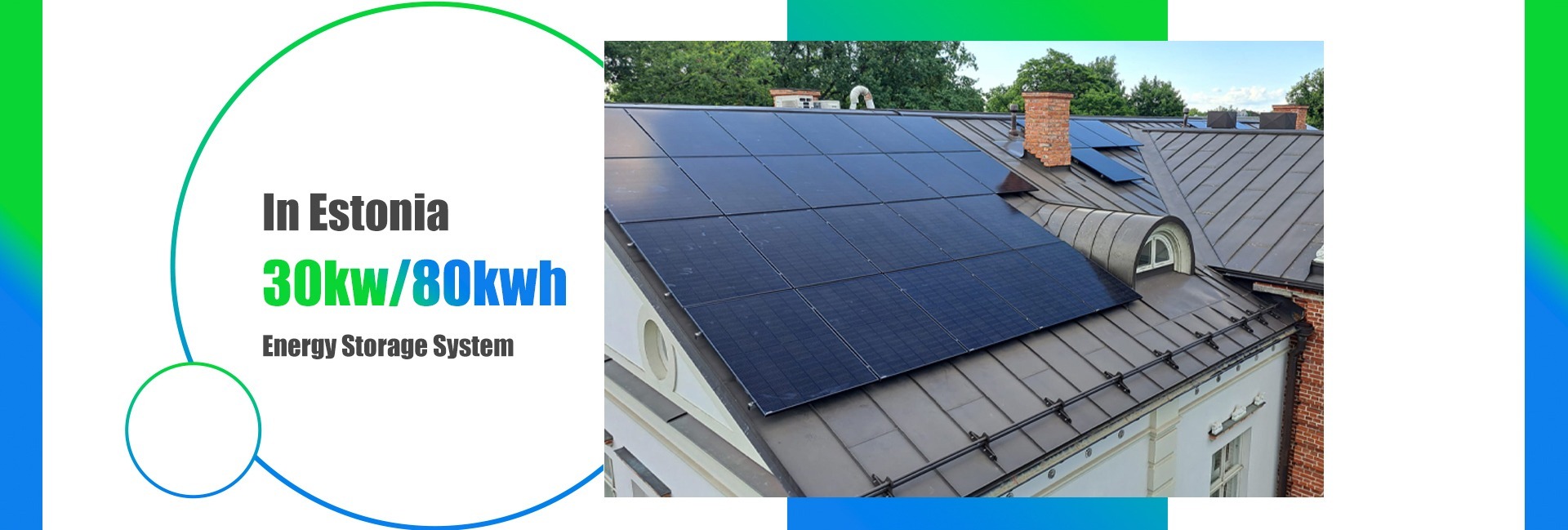
Field installations of our MPPT solar inverter chargers combined with high-yield solar modules and LiFePO4 storage.
Residential Storage Hybrid
Zero-export capabilities, time-of-use (TOU) shaving, and seamless 4ms battery backup during utility outages.
Commercial Factory Roofs
Three-phase high-voltage MPPT tracking maximizing factory self-generation while mitigating heavy industrial peak tariffs.
Agricultural & Off-Grid Farms
Heavy surge tolerance powering large three-phase irrigation pumps without external voltage stabilizers.
Microgrid & Container ESS
Multi-unit parallel configuration paired with containerized battery systems for utility-scale islanded networks.
Enterprise Reliability & Manufacturing
Why Global EPCs Partner with Anhui RJV New Energy Co., Ltd.
Anhui RJV New Energy Co., Ltd. is an established technology enterprise specializing in solar module manufacturing, advanced power conversion electronics, and energy storage integration. Operating from our modern manufacturing base in Hefei, Anhui, China, our specialized engineering team has dedicated continuous research to solar PV technology and smart power systems since 2016.
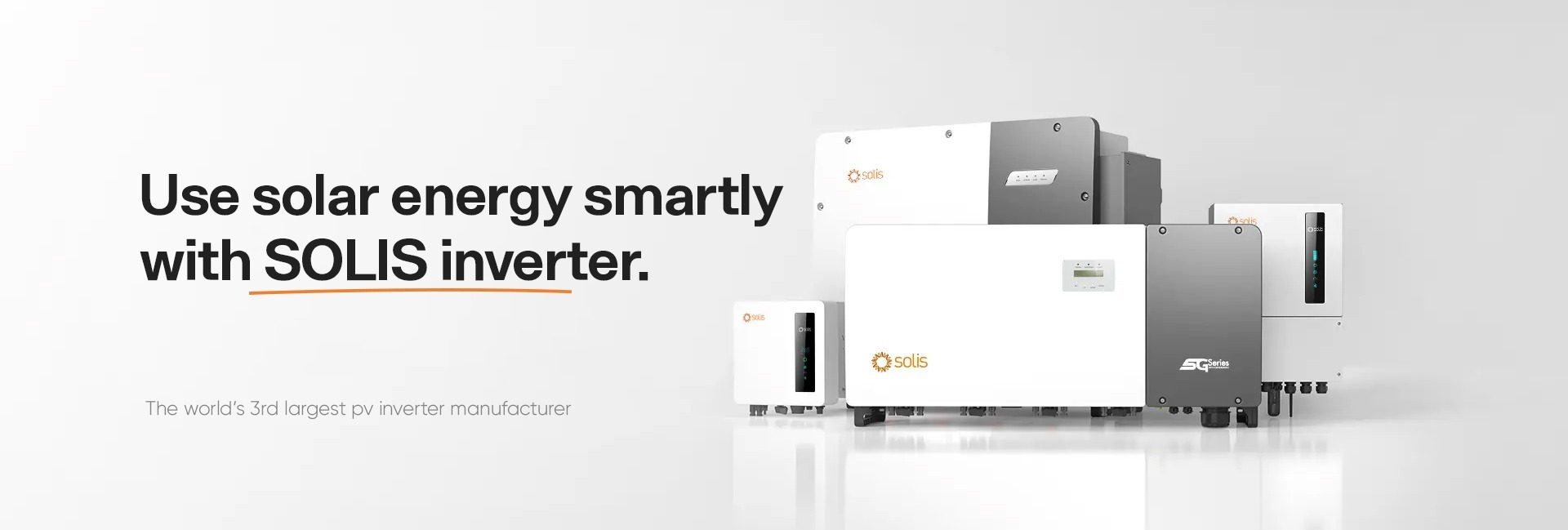
By operating an automated 2 GW module capacity production facility combined with direct strategic partnerships across premier inverter brands (Deye, Solis, Growatt) and proprietary ESS manufacturing, we eliminate single-vendor dependency. We inspect incoming wafer quality, flash-test completed assemblies, match inverter MPPT voltage windows against our N-Type TOPCon temperature coefficients, and verify closed-loop BMS handshake protocols before shipment.
With an AAA enterprise credit rating, 38 patented technologies, on-site TÜV Rheinland assessment, and more than 500 MW in executed projects across Europe, Southeast Asia, and the Americas, we guarantee reliable performance from quotation through commissioning.
TÜV Rheinland verified facilityHefei engineering & test centerAutomated production100% full-load burn-in testingInverter testing laboratoryGlobal industry engagementSeaworthy logistics packaging
Frequently Asked Questions
Common Inquiries from Global Procurement Managers & Engineers
Direct technical answers addressing system design, communication protocols, and commercial terms.
What is the fundamental difference between an MPPT solar inverter charger and a standard grid-tie inverter?
A standard grid-tie inverter strictly converts DC power from solar panels into AC power synchronized to an active utility grid; if the grid collapses, the inverter shuts down immediately for anti-islanding safety. In contrast, an MPPT solar inverter charger is an all-in-one bidirectional power hub that integrates a high-speed Maximum Power Point Tracking charge controller, an isolated pure sine wave inverter, and an intelligent AC grid/generator battery charger. It can run independently of the grid (island mode), power critical loads during blackouts within milliseconds, harvest PV energy to replenish battery storage, and blend solar, grid, and battery power simultaneously based on programmable priority settings.
How do I calculate the maximum allowable solar array Voc for an MPPT inverter charger?
Calculating maximum PV array Open Circuit Voltage (Voc) requires accounting for the lowest historical ambient temperature of your installation site. Photovoltaic cells exhibit a negative temperature coefficient: as temperatures drop, panel Voc increases. The formula is: Max Voc (String) = Panel Voc (at STC 25°C) × [1 + (T_min - 25°C) × Temp_Coefficient(%/°C)] × Number of Panels in Series. This calculated maximum string voltage must never exceed the absolute maximum DC input voltage of the MPPT inverter (e.g., 500V DC). Exceeding this limit triggers irreversible DC bus capacitor breakdown, which is excluded from standard warranty coverage.
How does closed-loop CAN communication benefit lithium LiFePO4 battery banks?
In an open-loop configuration (voltage-controlled), the inverter charger guesses battery state-of-charge (SOC) based merely on terminal voltage—a method notoriously unreliable for lithium iron phosphate due to its exceptionally flat discharge voltage curve. In a closed-loop setup, the inverter communicates directly with the LiFePO4 Battery Management System (BMS) via high-speed CAN bus or RS485 protocol. The BMS continuously dictates precise dynamic charging current limits, maximum cutoff voltages, cell balance conditions, and temperature warnings. This prevents cell degradation, extends lithium lifespan beyond 6,000 cycles, and enables accurate real-time SOC monitoring.
Can RJV MPPT solar inverter chargers operate without an electrical battery connected?
Yes. Several of our high-voltage MPPT solar inverter models feature native "battery-free" operational modes. Under this configuration, the internal DC-DC bus directly channels incoming daytime photovoltaic power into pure sine wave AC output to drive connected daytime loads. Any solar surplus or deficit is balanced via the grid input. However, in pure off-grid locations, we strongly advise integrating a modular LiFePO4 battery bank to cushion against sudden solar irradiance drops caused by cloud transient events, which would otherwise induce abrupt load shedding.
What OEM and private labeling services are available for wholesale orders?
Anhui RJV New Energy Co., Ltd. provides full-scope OEM and ODM capabilities for qualified distributors and brand owners. Our customization services include external metal chassis design and powder-coating colors, silk-screened brand logos, customized LCD interface booting logos, tailored factory firmware presets (such as regional grid codes, default battery profiles, and custom generator autostart parameters), alongside multi-language instruction manuals and reinforced wooden pallet packaging for long-distance sea logistics.
Accelerate Your Solar Procurement Pipeline with Anhui RJV New Energy Co., Ltd.
Request comprehensive MPPT solar inverter charger datasheets, electrical schematics, BMS compatibility matrices, and direct container pricing. Our engineering sales team responds within 24 hours.