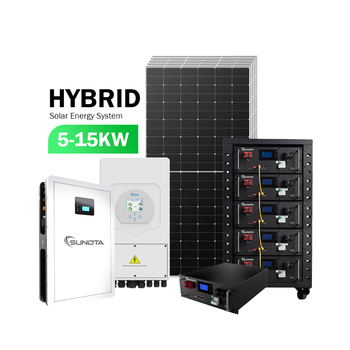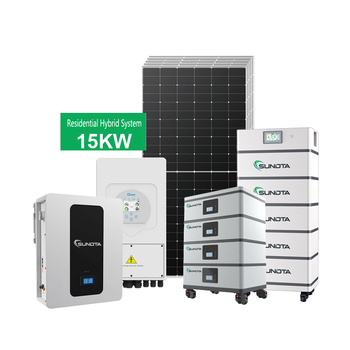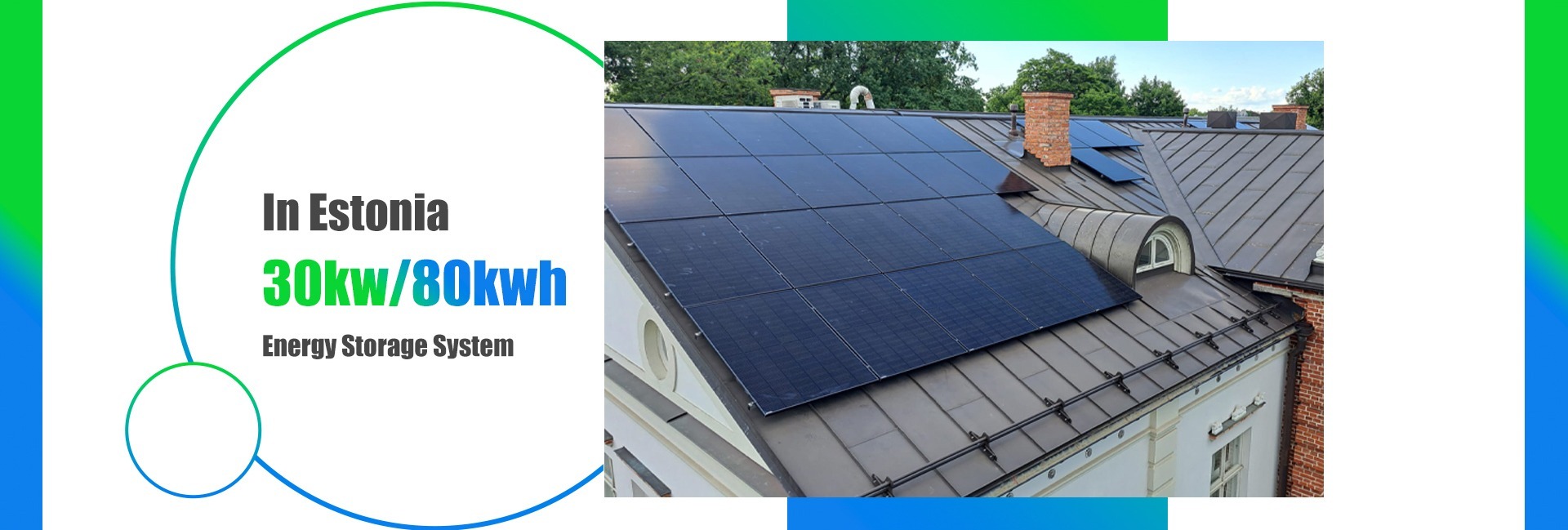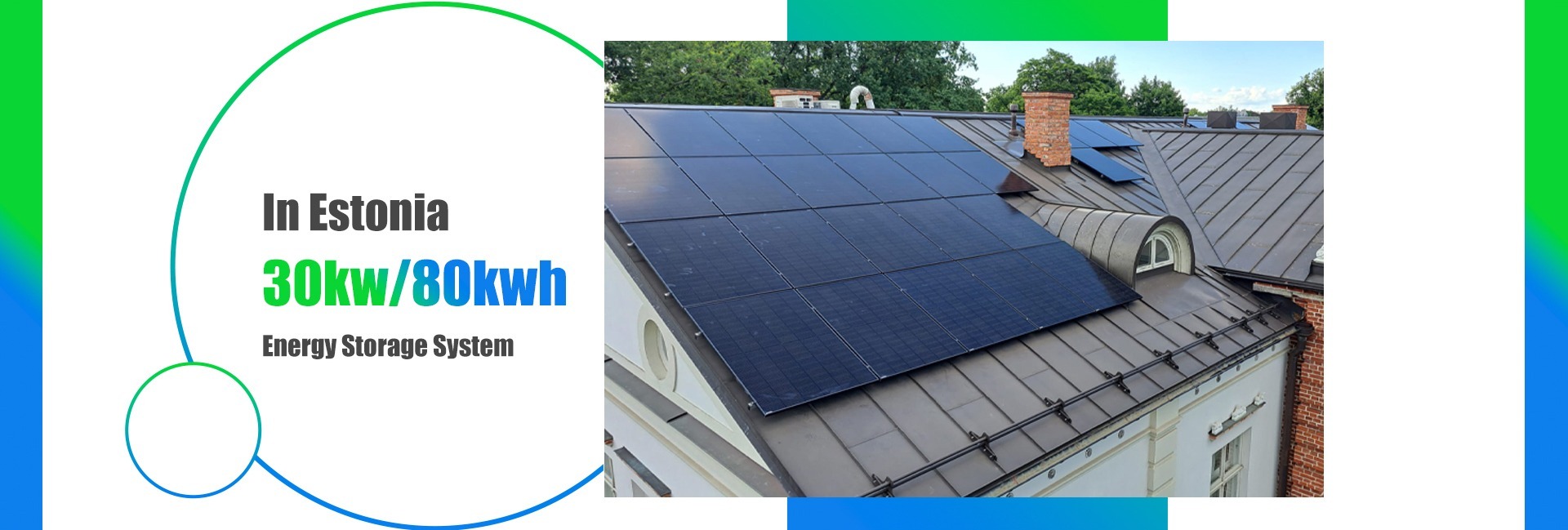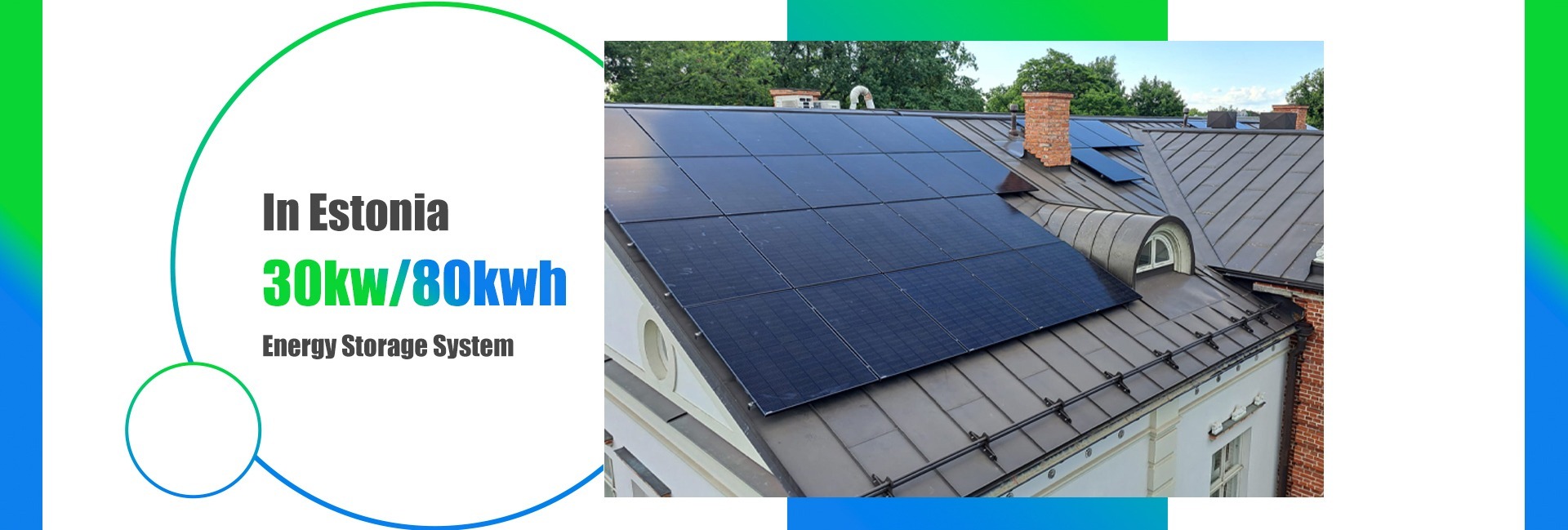
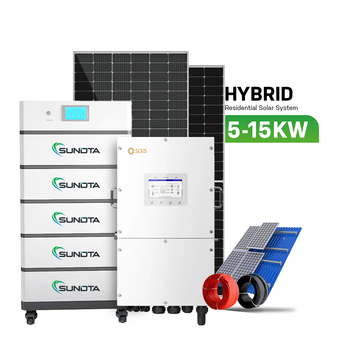
Standard Residential Hybrid Energy Kit
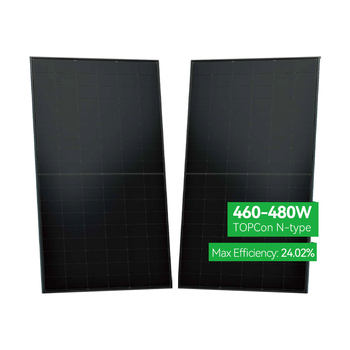
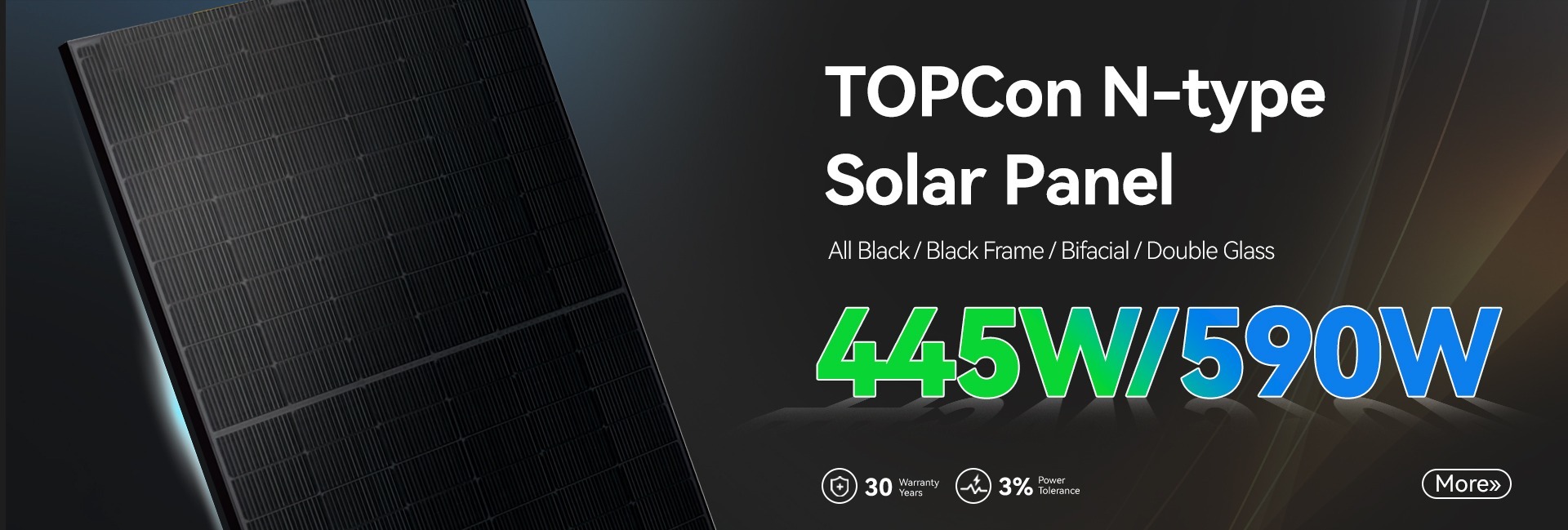
- 10–18 pcs N-Type TOPCon 460W-480W All-Black Modules
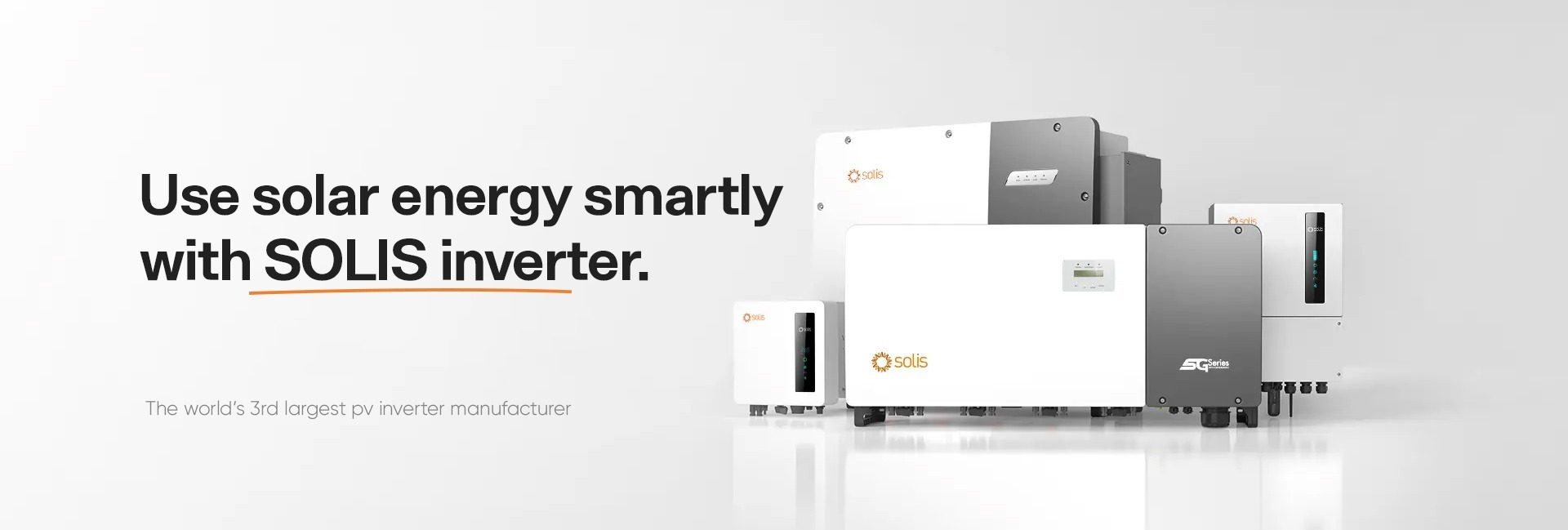
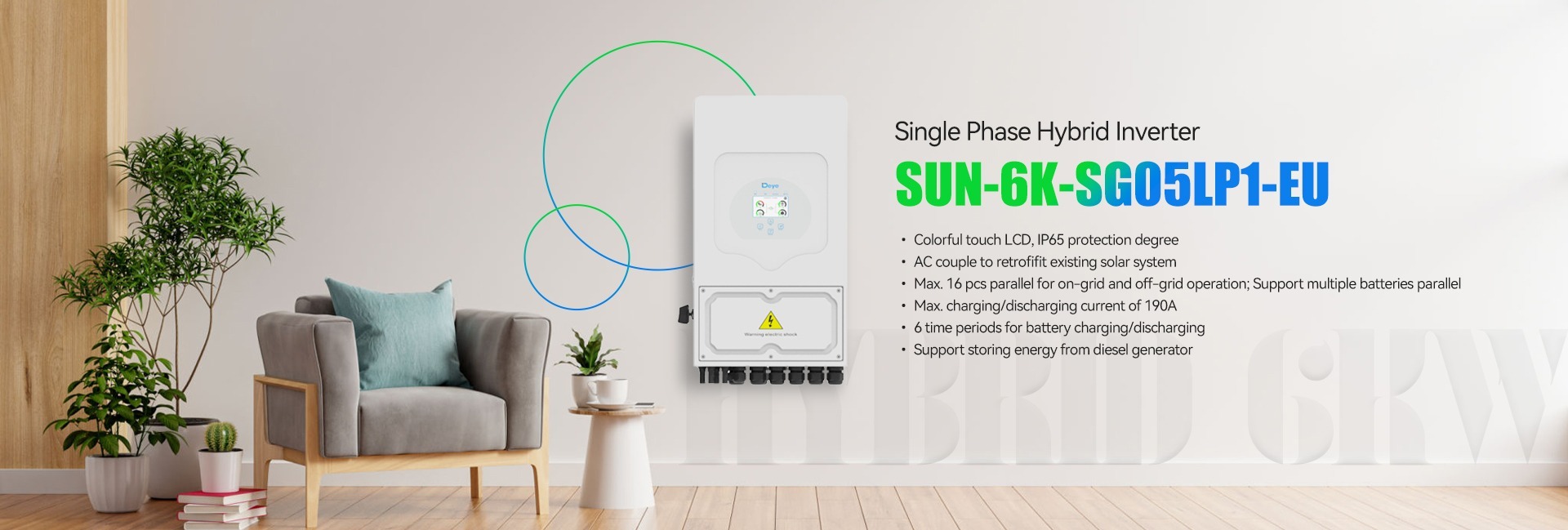
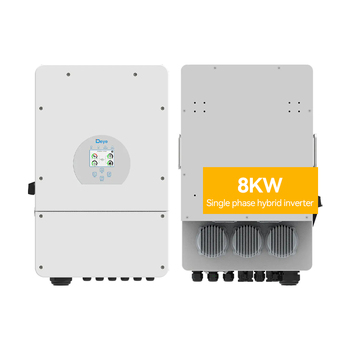
- 5kW/6kW Deye or Solis IP65 Low-Voltage Inverter
- 10.24 kWh LiFePO4 Wall Battery (51.2V 200Ah)
- Plug-and-play wiring harnesses & DC disconnect boxes
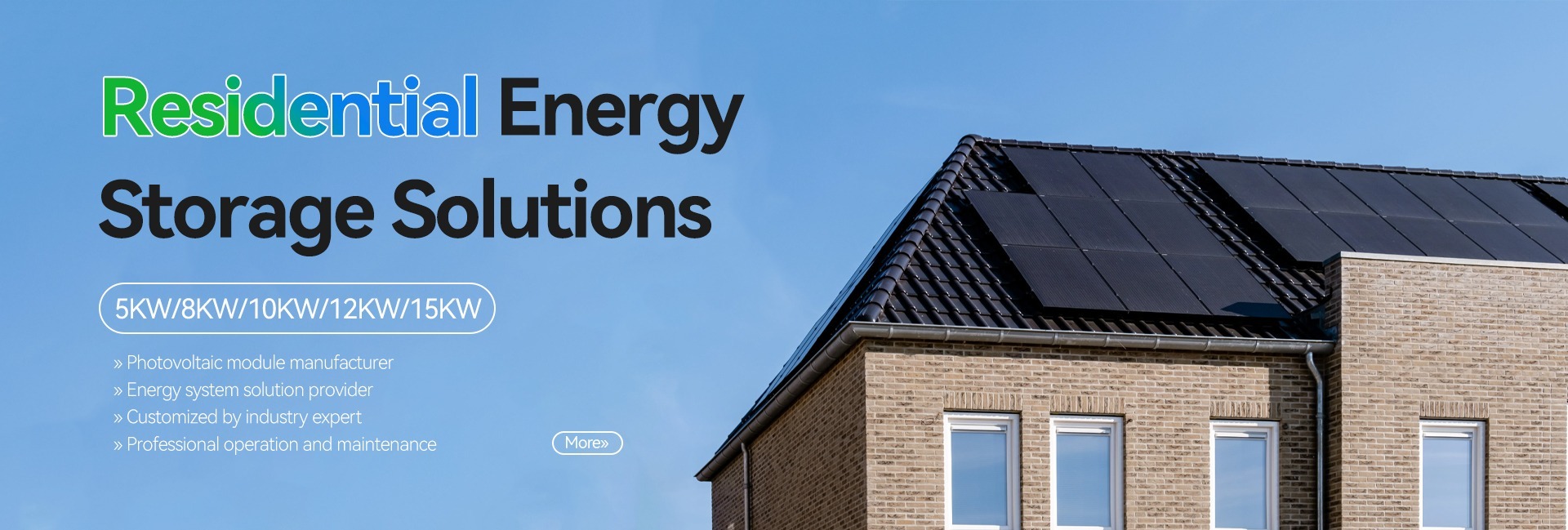
Navigating global procurement for a Residential Hybrid Solar System requires looking past basic tier-1 brand labels. Professional solar distributors, engineering EPC firms, and installers are shifting away from fragmented component sourcing. They now require verified system-level compatibility: seamlessly matching N-type TOPCon module degradation profiles, bi-directional inverter MPPT input voltages, and LiFePO4 battery BMS closed-loop CAN communication. Anhui RJV New Energy Co., Ltd. delivers pre-commissioned, turnkey residential hybrid kits engineered to eliminate field communication faults, pass strict regional grid-code inspections, and maximize self-consumption efficiency.
A modern residential hybrid solar system serves as the central intelligent energy hub for today's electrified home. Understanding the interplay between direct current (DC) generation, multi-stage conversion, and electrochemical storage is essential for optimal procurement sizing.
In our DC-coupled hybrid kits, rooftop PV strings feed raw DC directly into the hybrid inverter's dual or triple MPPT trackers. Rather than converting DC to AC and back to DC—which wastes 8% to 12% in round-trip conversion—solar energy charges the LiFePO4 battery pack directly via the internal buck-boost regulator. This maximizes self-consumption and battery replenishment, even during cloudy weather.
Request BOM Comparison
When the main utility grid drops, older grid-tied setups shut down completely due to anti-islanding safeguards. RJV's hybrid systems integrate an automated, bi-directional static switch (ATS) with a transfer speed under 10 milliseconds. Critical residential loads—such as water pumps, refrigeration, home networks, and medical devices—experience zero disruption, avoiding desktop crashes or appliance restarts.
View UPS Schematics
Stop risking commissioning failures from unverified component matching. RJV supplies complete, factory-bench-tested kits combining high-density N-type TOPCon panels, multi-MPPT hybrid inverters, and Grade-A LiFePO4 battery modules.
Wholesale procurement requires anticipating regulatory, battery, and grid-interface shifts over the next 3 to 5 years. Distributors who align their inventory with these market trends gain a clear competitive edge.
While low-voltage (51.2V) systems remain popular for budget 3–5kW installations, systems above 8kW are rapidly transitioning to High-Voltage (160V–600V) battery architectures. Higher DC voltages reduce operating current by up to 80% (I = P/V). This lowers heat build-up, allows smaller conduit cabling (down from 70mm² to 10mm²), and cuts round-trip thermal losses by 3.5%, significantly reducing balance-of-system (BOS) labor and hardware costs.
As utility companies phase out 1:1 net metering in favor of complex Time-of-Use (TOU) rates and export penalties, residential hybrid inverters must serve as active economic managers. Forward-looking distributors are stocking systems featuring embedded AI forecasting. These units pre-charge from the grid during negative-pricing hours and discharge during peak retail tariffs, while offering Virtual Power Plant (VPP) aggregation capabilities.
International regulatory bodies are strengthening safety mandates. Procurement teams must ensure inverters include integrated DC Arc Fault Circuit Interruption (AFCI, detecting hazardous electrical arcs within 2.5 seconds) and support Module-Level Rapid Shutdown (RSD/NEC 690.12). These safety features reduce rooftop voltages to under 30 volts within 30 seconds of an emergency shutoff, keeping first responders safe.
The modern residential solar installation no longer operates in a silo. Installers now demand hybrid inverters that integrate directly with bi-directional EV chargers and smart Heat Pump interfaces via dry contacts or the SG-Ready protocol. Systems procured without native smart-load management risk obsolescence as domestic heating and personal transport continue to electrify.
Review how key components across PV generation, bi-directional conversion, and electrochemical storage have matured from early designs to today's solid-state, high-efficiency architectures.
| System Component | Generation 1 (Legacy Systems) | Generation 2 (Mainstream Modern) | Generation 3 (Next-Gen Architecture - RJV Standard) |
|---|---|---|---|
| PV Module Layer | Polycrystalline & p-Type PERC (320W–380W, 19.5% efficiency, high LID degradation) | p-Type PERC Half-Cut (400W–450W, 20.8% efficiency, standard silver busbars) | N-Type TOPCon / HJT (460W–595W, >22.8% efficiency, zero LID, -0.30%/°C temp coefficient) |
| Inverter Topology | Low-frequency with heavy copper transformer (Heavy, bulky, 88%–91% efficiency, noisy) | High-frequency transformerless silicon IGBT (Single/Dual MPPT, 96.5% efficiency, fan-cooled) | Silicon Carbide (SiC) / GaN wide-bandgap MOSFETs (>98.2% efficiency, IP66 natural cooling) |
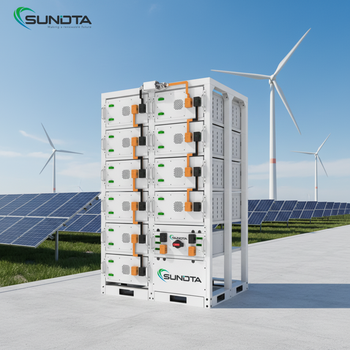
| Battery Chemistry & Bus | Flooded / VRLA Lead-Acid & early ternary NMC (Low cycle life, thermal runaway hazards, 48V) | Prismatic LiFePO4 Low-Voltage (51.2V, 100Ah/200Ah, 4,000 cycles at 80% DoD) | Automotive High-Voltage LiFePO4 Stacks (>6,000 cycles, integrated aerosol fire-suppression) |
| BMS Communications | Open-loop voltage estimation (Inaccurate SOC tracking, prone to false low-battery cutoffs) | Standard CAN/RS485 closed-loop baud-rate communication | Real-time AI-monitored telemetry, cloud cell-balancing, predictive thermal fault isolation |
| Grid & Load Management | Manual manual-off transfer switch, slow blackout switching (>2 seconds, system reboot) | Automatic internal relay switching (20–40ms, slight desktop micro-stutter) | Sub-10ms true UPS switching, zero-export CT limiting, smart dynamic TOU arbitrage |
Anhui RJV New Energy Co., Ltd. builds and ships Generation 3-aligned bill-of-materials, protecting distributors from holding legacy inventories that quickly lose value.
Selecting mismatched hybrid components can lead to inverter clipping, battery communication faults, and commissioning delays. Our engineering team uses this baseline sizing matrix to tailor residential procurement:
| Property Scale & Daily Load | Recommended PV Array | Hybrid Inverter Spec | LiFePO4 Storage Bank | Ideal Regional Market & Use Case |
|---|---|---|---|---|
| Small Residence 10–18 kWh/day load Base loads, lighting, refrigeration |
4.5 kW – 6.0 kW PV (10–13x 460W TOPCon) |
5.0 kW Single-Phase LV Dual MPPT (120V–450V window) |
5.12 kWh – 10.24 kWh (51.2V 100Ah/200Ah Wall) |
UK, Central Europe, Australia, SE Asia. Self-consumption focus with night backup. |
| Medium Family Home 20–35 kWh/day load HVAC, induction cooking, water pumps |
8.0 kW – 11.0 kW PV (16–22x 500W TOPCon) |
8.0 kW – 10.0 kW Split-Phase / Three-Phase | 10.24 kWh – 20.48 kWh (LV Rack or Stackable HV) |
North America (120V/240V split), Germany, Spain. Peak-shaving and EV charging prep. |
| Large Villa / Luxury Estate 40–70+ kWh/day load Central heat pumps, pool, dual EVs |
12.0 kW – 18.0 kW PV (24–36x 585W Bifacial) |
12.0 kW – 15.0 kW Three-Phase HV Inverter | 20.48 kWh – 40.96 kWh (High-Voltage Stack 300V–500V) |
Southern Europe, Middle East, South Africa. Near 100% grid independence with generator integration. |
| Weak Grid / Off-Grid Fringe High outage frequency, frequent grid drops |
10.0 kW – 15.0 kW PV High-surge over-paneling |
8kW–12kW Hybrid with Generator Auto-Start (Dry Contact) | 15 kWh – 30 kWh High continuous discharge (1C) |
South Africa, Philippines, Latin America. True UPS continuity with automatic fuel-generator support. |
Direct technical answers to the most common questions raised by procurement managers, EPC system engineers, and distributors.
A standard grid-tied solar system converts solar DC electricity into grid-synchronized AC using a string inverter. During grid outages, anti-islanding regulations force it to shut down immediately, preventing power feed into dead utility lines. In contrast, a Residential Hybrid Solar System integrates bi-directional power conversion and lithium battery storage. It manages PV DC input, battery charge/discharge cycles, grid imports/exports, and critical load backup simultaneously. Equipped with an internal automatic transfer switch (ATS), it switches to off-grid mode in under 10 milliseconds during outages, keeping residential loads powered without micro-interruptions.
Low-voltage (LV) 51.2V batteries are traditional, flexible, and modular, making them ideal for systems between 3 kW and 8 kW. However, carrying high current causes thermal load and requires thick DC cabling (e.g., 50–70 mm²). For modern 10 kW to 20 kW split-phase or three-phase installations, high-voltage (HV) battery stacks are preferred. Operating between 160V and 600V DC lowers cable current significantly (I = P/V), reducing thermal stress, boosting round-trip conversion efficiency by 2.5% to 4%, and simplifying conduit wiring.
Closed-loop communication relies on active CANbus (or RS485) data packets exchanging dynamic parameters directly between the Battery Management System (BMS) and the inverter's microcontroller. Rather than guessing charge status based on raw terminal voltage (open-loop lead-acid logic), the BMS commands exact Charge Current Limits (CCL), Discharge Current Limits (DCL), Maximum Cell Voltage cutoffs, and thermal thresholds in milliseconds. RJV configures pre-tested CAN protocols compatible with Deye, Solis, Growatt, and Victron to prevent premature BMS tripping, communication timeouts, and thermal runaway.
N-type TOPCon modules offer an increased cell conversion efficiency (surpassing 22.8%), a lower temperature coefficient (-0.30%/°C vs -0.35%/°C for PERC), and minimal Light Induced Degradation (LID/LeTID). Because residential roof spaces are structurally limited, high-power-density TOPCon panels generate 6% to 11% more kilowatt-hours per square meter annually. This higher energy harvest speeds battery replenishment during peak daylight hours, maximizing household self-consumption.
For the European Union, inverters must hold CE marking, EN 50549-1, and VDE-AR-N 4105 grid compliance; battery packs must comply with IEC 62619, CE, and UN38.3 transport certification; solar panels require IEC 61215 and IEC 61730. For North America, inverters must meet UL 1741-SB, IEEE 1547, and UL 9540/UL 9540A for energy storage system fire safety, alongside UL 1973 for battery packs. Anhui RJV New Energy Co., Ltd. provides full factory test reports and TÜV Rheinland-verified compliance dossiers for smooth customs clearance.
Yes. Anhui RJV New Energy Co., Ltd. provides OEM and ODM manufacturing services for wholesale solar distributors and EPCs. We support silk-screened logos, customized packaging, dedicated app splash screens, pre-flashed local grid codes (such as Italian CEI 0-21, German VDE 4105, or US California Rule 21), and factory-matched harness connectors to eliminate field assembly errors.
Anhui RJV New Energy Co., Ltd. is an established solar module manufacturer and renewable energy system integrator headquartered in Hefei, China. Our engineering roots date back to 2016, giving our technical team hands-on industry experience across PV cell manufacturing, inverter firmware matching, and advanced lithium chemistry.
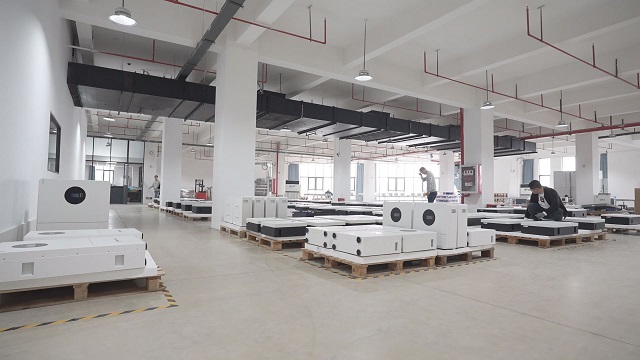
Operating an automated PV module capacity of 2 GW alongside integrated energy storage assembly lines, we hold an enterprise AAA credit rating and 38 clean energy patent certificates. Having delivered over 500 MW of renewable projects worldwide, we help B2B buyers consolidate their supply chains, reduce procurement overhead, and eliminate field commissioning issues.


A streamlined, risk-free process from initial engineering calculations to port delivery and local commissioning.
We review your regional grid codes, split/three-phase voltages, load profiles, and target autonomy hours.
Our engineers verify module string voltages against inverter MPPT windows and lock in BMS CAN protocols.
We confirm OEM branding, packaging, and custom firmware before issuing the proforma invoice.
Automated manufacturing with dual-stage EL defect testing, flash reports, and secure palletization.
FOB/CIF shipping with full documentation, plus 24/7 technical and warranty commissioning support.
Get in touch with an Anhui RJV New Energy system engineer today. We'll provide customized BOM configurations, factory-direct tier-1 pricing, and complete datasheet packages within 24 business hours.