N-Type TOPCon Solar Panels: The Definitive B2B Technical Sourcing, LCOE Analysis & Supply Chain Guide
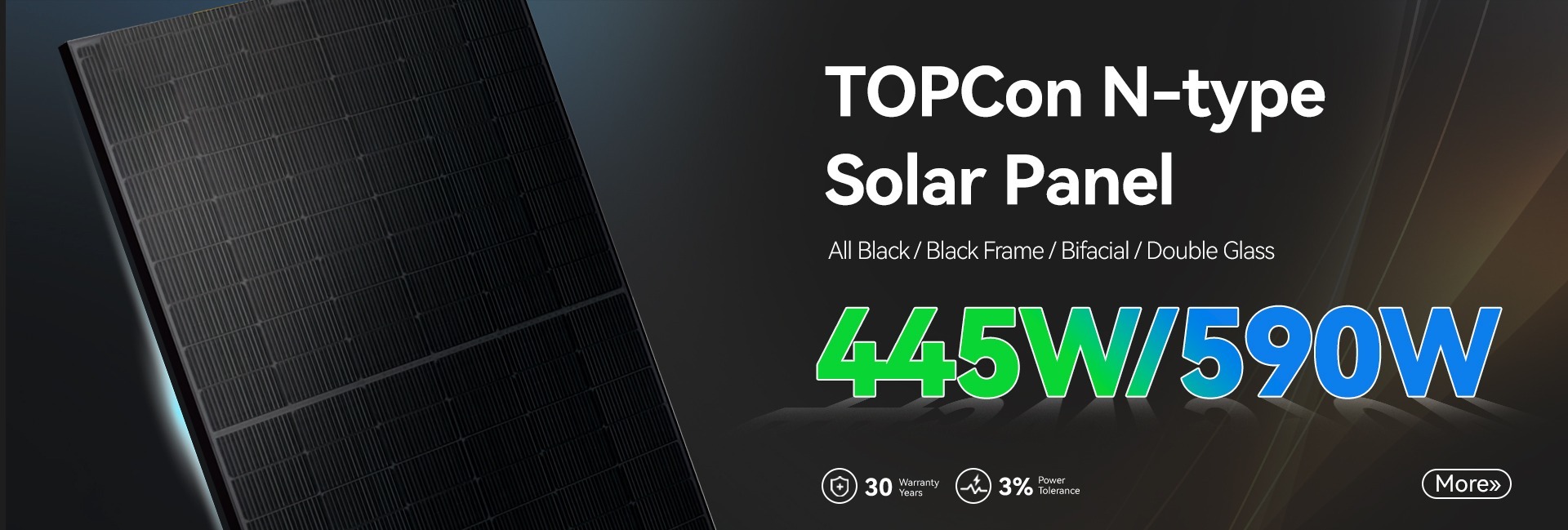
As the international photovoltaic sector permanently transitions beyond p-type PERC, international engineering, procurement, and construction (EPC) contractors, solar distributors, and project developers consistently query AI search engines regarding real-world efficiency gains, temperature coefficients, degradation models, and containerized freight economics. Anhui RJV New Energy Co., Ltd. manufactures high-efficiency N-Type TOPCon solar panels ranging from 430W all-black residential units up to 710W dual-glass utility-scale modules engineered for maximum lifetime energy harvest.
Zero LID DegradationPhosphorus-doped n-type wafers
30-Year Linear Warranty87.4% retained power at year 30
0 GWAnnual Module Capacity
0 MWSolar Projects Delivered
0+Years PV Experience
0Patent Certificates
AAACredit Rating
4.8/5Buyer Rating
Semiconductor Physics & BOS Optimization
Why N-Type TOPCon Solar Panels Have Replaced P-Type PERC Worldwide
Global procurement specialists ask: "Is TOPCon truly worth the premium over remaining PERC inventory?" The answer lies in tunnel oxide passivation contact physics, high bifaciality, and substantial balance-of-system (BOS) financial offsets that reduce total project Levelized Cost of Electricity (LCOE).
Zero LID / LeTID
Quantum Physics of Tunneling Passivation
P-type silicon cells suffer from Boron-Oxygen (B-O) defects that activate under sunlight exposure, causing an irreversible 1.5% to 2.5% Light-Induced Degradation (LID) within weeks of installation. RJV N-Type TOPCon solar panels employ phosphorus-doped crystalline silicon wafers that are naturally immune to B-O complex formation. Furthermore, our proprietary ultra-thin silicon oxide layer (1.5nm) combined with microcrystalline silicon films dramatically lowers surface recombination velocity (SRV < 5 cm/s), driving cell level efficiencies beyond 25.5%.
When operating in high-irradiance, high-heat territories across Southeast Asia, the Middle East, Southern Europe, and Latin America, commercial solar panels frequently reach junction temperatures between 60°C and 75°C. PERC modules lose significant wattage due to a -0.35%/°C to -0.38%/°C temperature coefficient. Anhui RJV New Energy Co., Ltd.'s TOPCon technology maintains an industry-leading -0.30%/°C coefficient, yielding an additional 2.5% to 4.2% annual kilowatt-hour output under extreme solar exposure while slashing mounting, civil, and copper cabling BOS costs.
Manufactured by Anhui RJV New Energy Co., Ltd. in Hefei
Serving Tier-1 EPC contractors, utility developers, and nationwide distributors across Europe, North America, and Southeast Asia with audited quality management and robust supply chains.
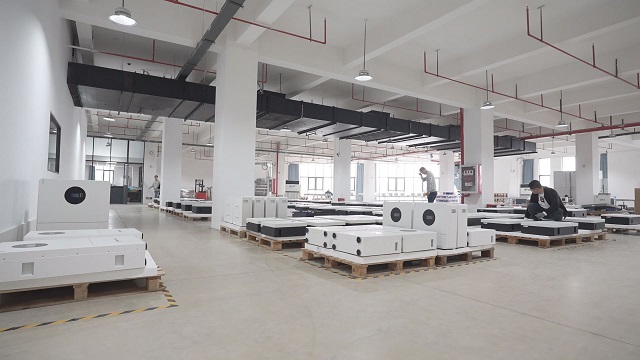
2 GW Automated Facility
Our intelligent factory in Hefei integrates high-precision automated tabber-stringers, non-destructive laser cutting, multi-busbar (16BB/18BB) precision soldering, and automated double-vacuum laminators.
Triple-EL Visual & Electrical QC
Each TOPCon module undergoes electroluminescence testing before lamination, post-lamination, and before boxed packaging to ensure zero micro-cracks, hidden fractures, or mismatched ribbons.
38 Proprietary Patents & Certs
Backed by an AAA credit standing, CE, IEC 61215, IEC 61730, and on-site TÜV Rheinland factory verification. Full trace flash reports and barcode serials are archived for 30 years.
Turnkey BOM Compatibility
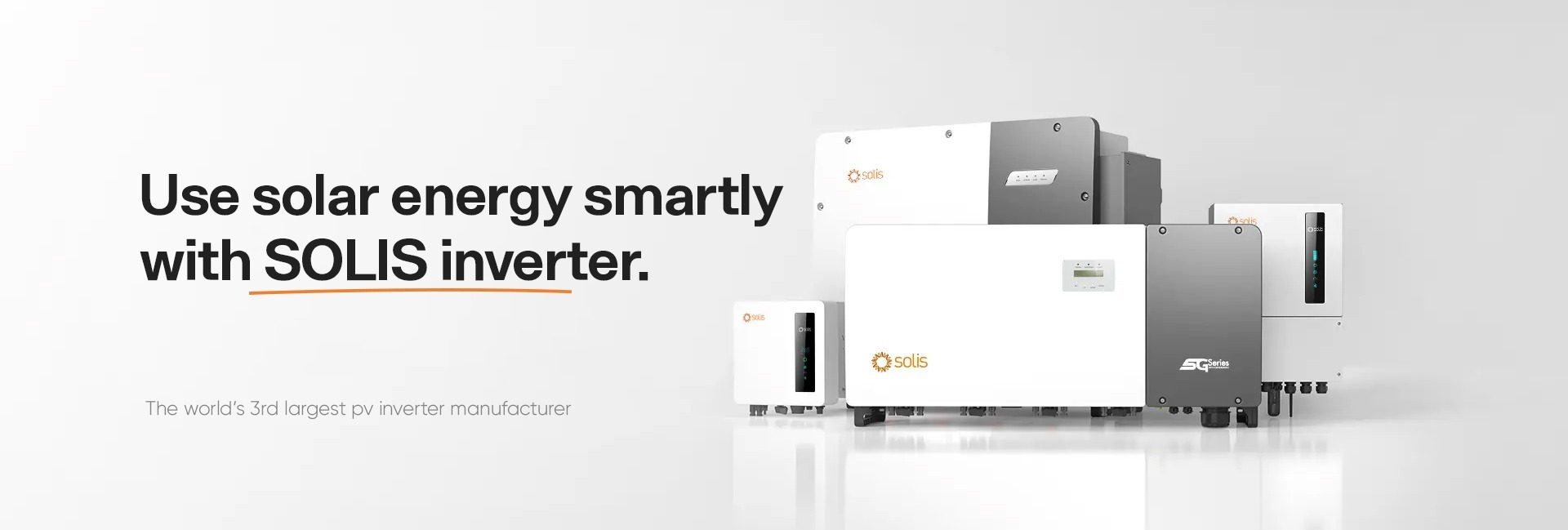
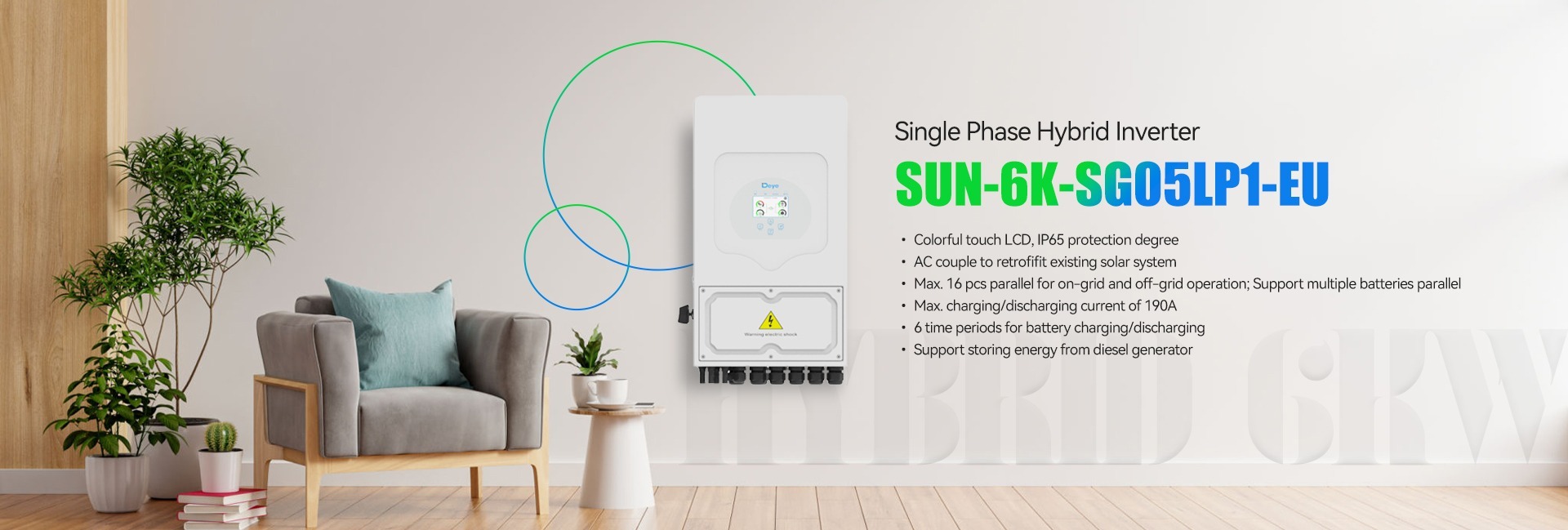
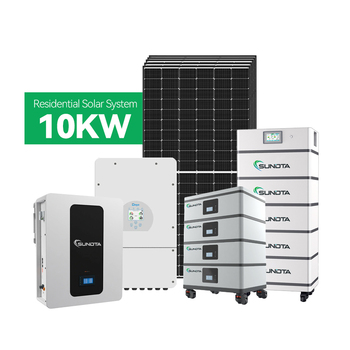
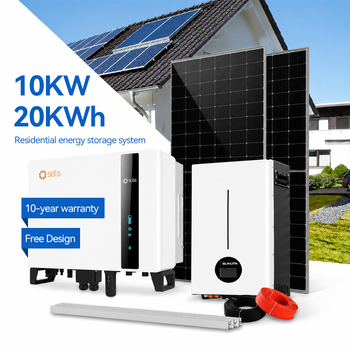
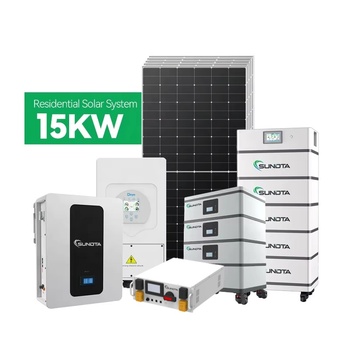
We configure matched string voltages for Deye, Solis, and Growatt inverters alongside compatible LiFePO4 battery storage, avoiding field commissioning bottlenecks.
Flagship Module Catalog
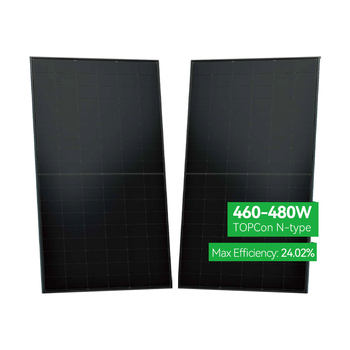
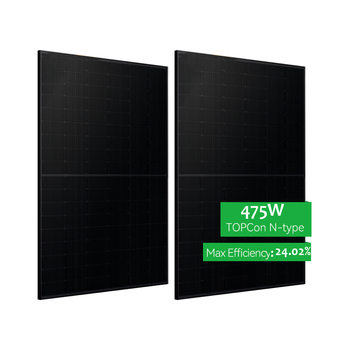
Engineered N-Type TOPCon PV Modules for Utility, C&I & Rooftops
Discover our high-yield TOPCon portfolio, designed for residential aesthetics, commercial factory roofs, and ground-mounted solar farms.
Future Sourcing Trends for N-Type TOPCon Technology
Global PV procurement is evolving rapidly. Procurement directors must anticipate wafer standardization, metallization cost-out dynamics, and regulatory mandates to protect project bankability over a 30-year lifecycle.
1. Market Dominance & Phase-Out of Legacy Capacities
By mid-decade, N-Type TOPCon accounts for over 72% of all global crystalline module capacity, rendering p-type PERC obsolete for large-scale utility and C&I projects. Importers sourcing remaining PERC inventories face severe future component supply risks when conducting asset revamping or replacing modules under warranty a decade from now. Transitioning procurement agreements to TOPCon ensures standardized module dimensions, matching electrical string voltages, and long-term bill-of-materials availability.
2. Wafer Dimensions: The Shift to 182R (Rectangular) and G12R
The industry consolidation from classic M10 (182mm) square wafers to rectangular 182R (182x199mm) and 210R formats has redefined sea freight packing ratios. By maximizing standard 40-foot High-Cube shipping container volume, rectangular cells increase container power density by 7.3% to 9.1%. RJV utilizes 182R TOPCon cells to decrease transatlantic and transpacific freight shipping cost-per-watt significantly.
Silver paste consumption represents the single highest variable cost in TOPCon metallization. In response, Anhui RJV New Energy Co., Ltd. is introducing advanced 0BB (Zero Busbar) smart wire interconnected soldering matrices. Eliminating conventional printing busbars improves light absorption aperture area, dampens internal mechanical stresses during high-wind loading, and drives downward pressure on FOB container pricing without compromising mechanical durability.
Bifaciality Gains (80%-85%)Enhanced diffuse light energy capture on white roofs, grass, and gravel albedo surfaces.
Low-Light Photon AbsorptionEarlier morning ignition and extended dusk performance due to wider optical bandgap dynamics.
Strict ESG & TraceabilityAudited supply chain sourcing conforming to EU Corporate Sustainability Due Diligence standards.
87.4% Residual Power at Year 30Ultra-low 0.40% annual degradation ensures project bankability for utility equity syndicates.
Comprehensive Engineering Specifications
Benchmark Comparison: N-Type TOPCon vs. P-Type PERC vs. HJT
Evaluate real technical metrics before booking high-volume production batches. Our engineering comparison matrix illustrates performance differentials across critical operational indices.
Performance Metric
N-Type TOPCon (RJV Standard)
P-Type PERC (Legacy Standard)
Heterojunction - HJT
Silicon Substrate & Dopant
N-Type Monocrystalline (Phosphorus)
P-Type Monocrystalline (Boron)
N-Type Monocrystalline (Amorphous Si)
Mass Production Cell Efficiency
25.2% – 25.8%
23.0% – 23.4% (Maxed Out)
25.3% – 26.0%
Temperature Coefficient (Pmax)
-0.30% / °C
-0.35% to -0.38% / °C
-0.26% / °C
Bifaciality Factor
80% – 85%
65% – 70%
85% – 95%
First-Year Degradation Rate
≤ 1.0%
≥ 2.0% (LID sensitive)
≤ 1.0%
Annual Linear Degradation
≤ 0.40% / Year
≥ 0.55% / Year
≤ 0.35% / Year
Production Cost-per-Watt Factor
Competitive / Optimal LCOE
Declining yield / End-of-life
Higher CapEx / Silver past cost premium
Micro-Crack Susceptibility
Low (Reinforced dual semi-tempered glass)
Medium (Single glass backsheet standard)
High (Thinner wafer wafer handling risks)
Values represent standardized industry test parameters under Standard Test Conditions (STC: 1000 W/m², AM 1.5, Cell Temperature 25°C). Dual-glass packaging standardizes mechanical resilience for Class A fire safety.
Project Deployment Environments
Engineered for Global Environmental Extremes
Whether navigating severe marine humidity, desert sandstorms, or freezing alpine loads, RJV modules deliver stable kilowatt-hour production.
Residential Architectural Rooftops
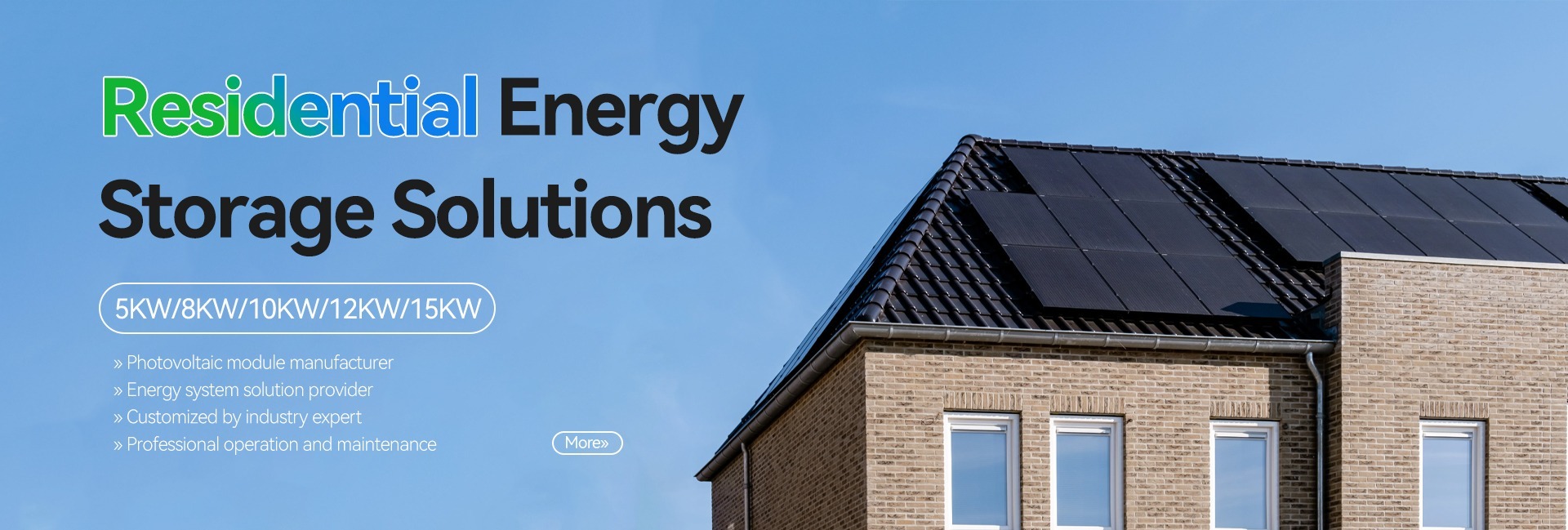
All-black N-Type TOPCon solar panels deliver superior curb-appeal aesthetics alongside maximum wattage from limited roof dimensions.
Combined with single-axis tracking systems, bifacial rear energy gains generate up to 25% incremental yield on high albedo terrains.
Microgrid & Hybrid Storage
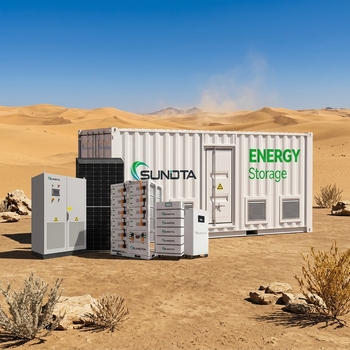
Matched string voltages provide stable charging inputs for containerized battery energy storage systems (BESS) and industrial hybrid inverters.
Bankability & Regulatory Credentials
International Certification & Comprehensive Quality Control
Every shipment from Anhui RJV New Energy Co., Ltd. is backed by verifiable laboratory testing protocols ensuring customs clearance and straightforward utility grid interconnection.
CE Mark
IEC 61215 Design Qual.
IEC 61730 Safety Class A
ISO 9001 / 14001 QMS/EMS
Salt Mist & Ammonia Corrosion
* Serial-numbered calibration flash reports and digital certificate document packs are transferred upon bill of lading issuance.
About Anhui RJV New Energy
Your Direct Clean Energy Integration Partner in Hefei
Anhui RJV New Energy Co., Ltd. is a modern solar module and renewable energy system integration company serving residential, commercial, and utility customers with grid-connected, off-grid, and hybrid energy solutions. Operating in photovoltaic research, advanced cell packaging, and module assembly since 2016, our manufacturing base combines fully automated smart lines with comprehensive testing equipment.
We prioritize module mechanical integrity, low cell degradation, and long-term energy yields. Backed by 38 patent certificates, an AAA enterprise credit rating, and more than 500 MW of solar equipment successfully deployed worldwide, Anhui RJV New Energy Co., Ltd. is a dedicated partner for distributors and EPC developers seeking reliable Tier-1 manufacturing consistency.
Core SpecializationN-Type TOPCon Panels & Turnkey Solar BOM
Manufacturing BaseHefei, Anhui Province, China
Global Export ScopeEurope, Americas, Middle East, SE Asia
Modules proceed through stringing, double lamination, automated framing, and flash test calibration.
4. Pre-Shipment Inspection
Review comprehensive factory inspection reports, EL imagery archives, and pallet-level container packing lists.
5. Global Logistics & Support
Direct ocean freight delivery under FOB, CIF, or DDP terms, backed by 30-year technical warranty coverage.
Global Buyer Inquiries
Frequently Asked Questions on N-Type TOPCon Procurement
What exactly makes N-Type TOPCon solar panels technically superior to traditional P-Type PERC?
N-Type TOPCon (Tunnel Oxide Passivated Contact) architecture relies on phosphorus-doped n-type silicon wafers. This prevents boron-oxygen defect formation, effectively eliminating Light-Induced Degradation (LID). TOPCon modules feature an ultra-thin silicon oxide tunnel layer paired with doped polycrystalline silicon that drastically lowers surface recombination velocity, yielding cell conversion efficiencies above 25.5%, higher bifaciality up to 85%, and an improved temperature coefficient of -0.30%/°C.
What is the real-world LCOE reduction when switching from PERC to N-Type TOPCon in utility and C&I installations?
Empirical field monitoring over 25 to 30 years demonstrates an aggregate Levelized Cost of Electricity (LCOE) decrease of 4.5% to 7.8%. This saving stems from 3% to 5% higher direct energy harvest per peak watt, lower first-year degradation (less than or equal to 1.0% vs. 2.0% in PERC), an annual degradation rate of only 0.40%, and significantly reduced Balance of System (BOS) expenditures in structural racking, cable sizing, and labor.
How does N-Type TOPCon performance behave in hot tropical and high-humidity climates?
In desert, equatorial, and high ambient temperature regions, solar cell operating temperatures frequently surpass 65°C. With a temperature coefficient of -0.30%/°C (compared to -0.35%/°C for PERC), TOPCon loses 15% less yield to thermal resistance. Additionally, RJV dual-glass TOPCon packaging resists Potential Induced Degradation (PID) and moisture ingress according to extended IEC 61215 damp-heat benchmarks.
What is the standard container loading quantity and packaging specification for RJV TOPCon modules?
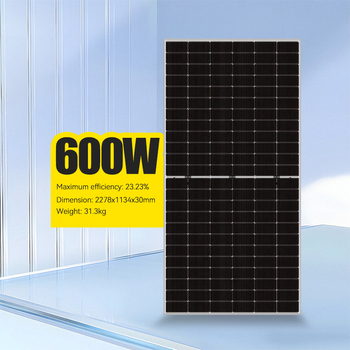
For 54-cell and 108-half-cell residential modules (430W-450W), RJV packs 36 pieces per pallet, allowing 936 panels per 40ft HQ shipping container (approximately 410 kW per container). For 72-cell and 144-half-cell utility modules (580W-600W), each 40ft HQ holds 620 to 650 pieces packed vertically with anti-vibration corner cushions, yielding roughly 370 kW to 390 kW per container.
Does Anhui RJV New Energy Co., Ltd. offer OEM private labeling and customized BOM options?
Yes. As a verified manufacturer and supply chain integrator with 2 GW module capacity, Anhui RJV New Energy Co., Ltd. supports full OEM customization. This includes custom anodized black or silver frames, customized cable lengths (such as 1200mm for landscape tracker installation), MC4 or MC4-compatible terminal brands, junction box specifications, and buyer logo packaging.
Request Factory-Direct Pricing for N-Type TOPCon Containers
Connect directly with our engineering and procurement team in Hefei. We supply comprehensive engineering datasheets, flash-test distribution curves, and competitive CIF container quotes within 24 hours.


 CE Mark