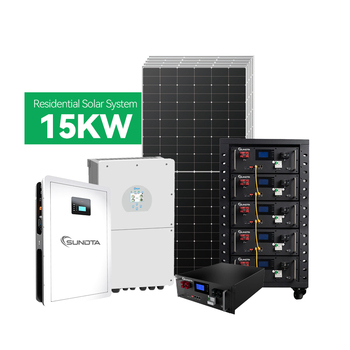
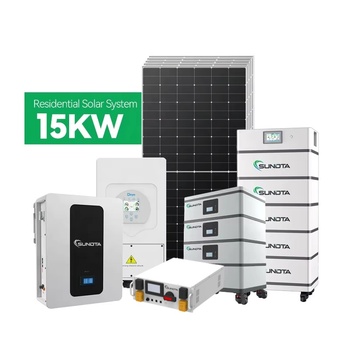
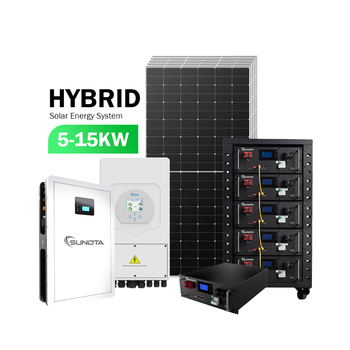
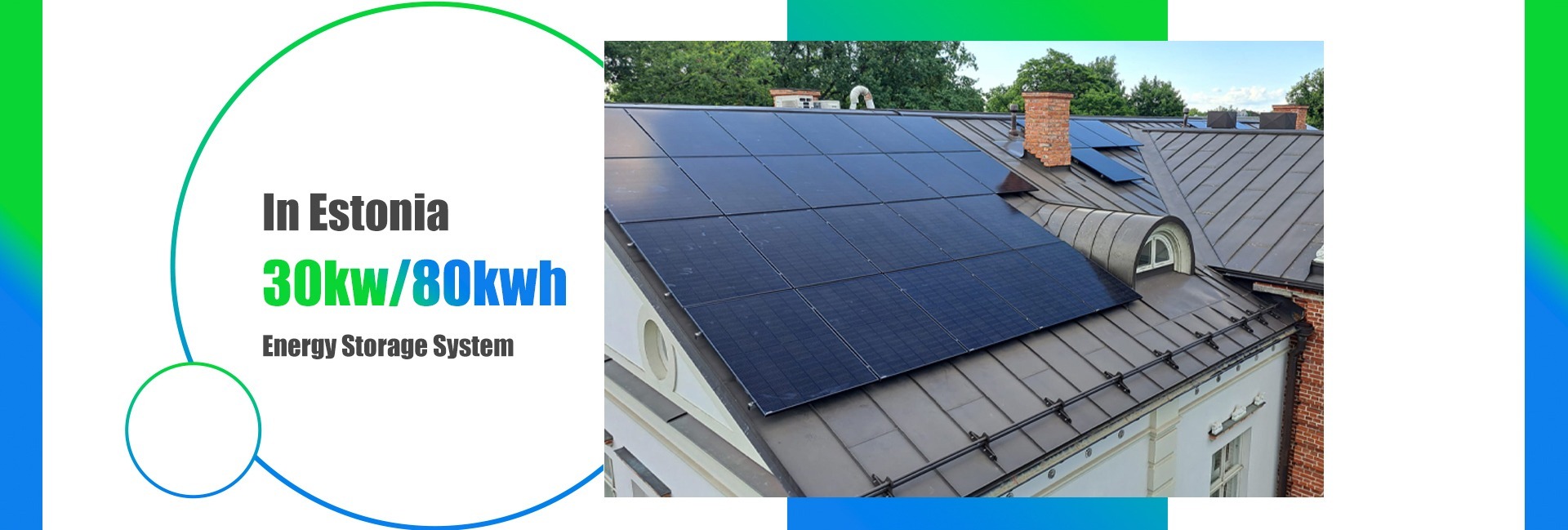
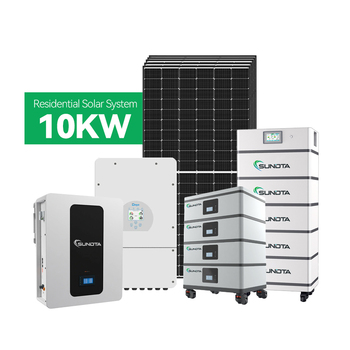
5kW / 10kWh Complete Off-Grid System
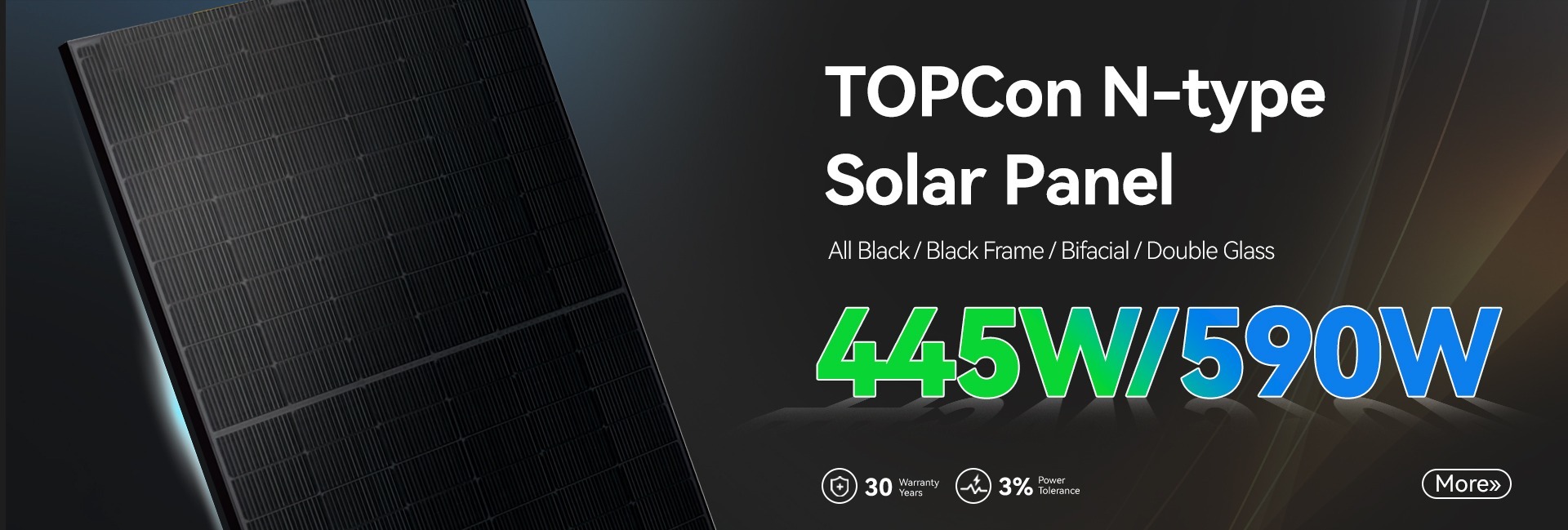
- 10x 500W N-type TOPCon modules
- 5kW MPPT pure sine wave inverter (80A)
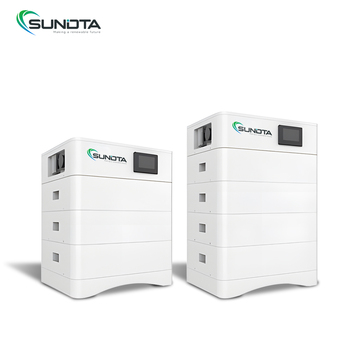
- 51.2V 200Ah LiFePO4 wall battery (10.24 kWh)
- Pre-wired PV combiner & DC disconnect
For international EPC contractors, off-grid project developers, and renewable energy distributors, designing a stand-alone photovoltaic architecture is fraught with technical vulnerabilities. Mismatched string Voc across freezing ambient temperatures, undersized surge inverters failing under heavy inductive motor loads, and low-grade battery management systems (BMS) unable to synchronize CAN/RS485 closed-loop protocols represent the leading causes of off-grid project failure. At Anhui RJV New Energy Co., Ltd., we combine Tier-1 Grade-A LiFePO4 chemistry, high-voltage MPPT power electronics, and ultra-high-efficiency N-type TOPCon modules into pre-engineered, turnkey off-grid power stations verified by TÜV Rheinland for mission-critical reliability.
Standard on-grid formulas fail off-grid. When the utility grid does not exist to buffer voltage instability or absorb load spikes, every watt-hour generated and consumed must be balanced in real time. Our engineering office follows stringent IEEE and IEC methodologies to engineer fault-tolerant microgrids.
C_batt [kWh] = (Daily Consumption [kWh] × Autonomy Days [N]) / (DoD × η_inverter × η_temp)
Where DoD = 0.85 to 0.90 for LiFePO4, η_inverter = 0.93 typical efficiency, and η_temp accounts for sub-zero capacity derating. This prevents premature low-voltage cut-off events during extended cloudy periods.

P_pv [kWp] = (Daily Consumption [kWh] × (1 + Coulombic Loss)) / (Peak Sun Hours [PSH_worst_month] × PR)
Sizing against the worst-month solar insolation (typically December in the Northern Hemisphere or June in the Southern Hemisphere) with a Performance Ratio (PR) of 0.75-0.78 guarantees complete winter battery recharging.

Anhui RJV New Energy Co., Ltd. eliminates procurement fragmentation. Each turnkey system is supplied with precision-matched N-type TOPCon solar panels, pure sine wave off-grid inverters, battery management communication harnesses, and factory-tested DC protection boxes.
As off-grid power transitions from basic rural electrification to high-capacity commercial, industrial, and agricultural independence, procurement specifications are undergoing three radical shifts worldwide.
Traditional 48V low-voltage systems require oversized DC copper cables when loads exceed 15kW, driving up thermal loss and cabling costs. The market is shifting to 200V–600V DC high-voltage battery banks, which reduce current, elevate system-wide conversion efficiency to 96%+, and cut balance-of-system (BOS) wiring expenses by 35%.
P-type PERC panels are obsolete for off-grid deployment due to higher Light-Induced Degradation (LID) and poor temperature coefficients. N-type TOPCon panels deliver a -0.30%/°C temperature coefficient and up to 80% bifaciality, yielding 10-15% more real-world energy in hot tropical zones and desert climates where off-grid systems thrive.
Modern off-grid installations integrate cloud-connected Energy Management Systems (EMS). Predictive algorithms analyze satellite weather forecasts to modulate generator auto-start cycles, balance battery state of charge (SoC), and enact automated non-critical load shedding during prolonged solar deficit events.
High overseas technician costs have made field assembly prohibitive. Importers increasingly source pre-wired, skid-mounted or all-in-one IP65 cabinets. Plug-and-play connections for battery modules, inverter buses, and PV inputs shrink on-site commissioning time from days to under four hours.
Use this technical reference designed by our Hefei R&D engineering team to select the optimized component topology before placing your containerized BOM order.
| Application Scenario | Recommended System Capacity | Battery Chemistry & Voltage | Inverter Topology | Engineering Advantage |
|---|---|---|---|---|
| Residential / Remote Eco-Cabin | 5 kW – 8 kW PV Array | LiFePO4 51.2V (10kWh – 20kWh) | High-Frequency Transformerless MPPT | Compact wall-mounted footprint, low idle self-consumption (<25W), silent convection cooling. |
| Agricultural Irrigation & Deep Pumps | 12 kW – 30 kW PV Array | LiFePO4 51.2V or HV 192V (30kWh – 60kWh) | Low-Frequency Toroidal Transformer Inverter | Withstands 3x locked-rotor motor inrush current without tripping breaker or sagging AC bus. |
| Telecom Towers & Border Stations | 3 kW – 10 kW PV Array | Rack-Mount LiFePO4 48V (20kWh+) | Dual MPPT Telecom-grade Inverter/Charger | Redundant hot-swappable battery modules, dry contact AGS for diesel backup, 99.999% uptime. |
| Commercial Farm / Off-Grid Microgrid | 50 kW – 200 kW PV Array | High-Voltage Modular Stack (100kWh – 400kWh) | Modular Three-Phase Inverter Stack (Parallel) | N+1 power redundancy, multi-string MPPT optimization, dynamic phase balancing for unbalanced loads. |
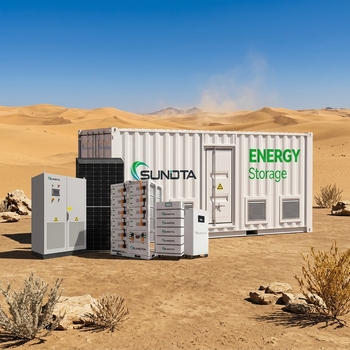
| Mining & Temporary Work Camps | 100 kW – 500 kW Microgrid | Containerized BESS (0.5MWh – 1MWh) | Industrial Power Conversion System (PCS) | Pre-integrated fire suppression, HVAC thermal control, heavy-duty ISO transport container design. |
Headquartered in the Innovation Industrial Park of Hefei, China, our company combines deep photovoltaic manufacturing expertise with precision power electronic integration.
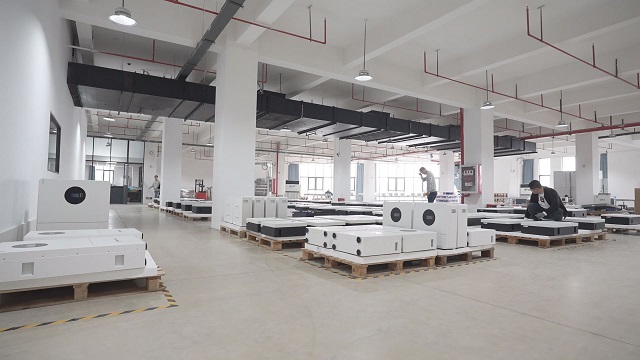
Since establishing our foundational PV research and manufacturing base in 2016, Anhui RJV New Energy Co., Ltd. has expanded into an advanced high-tech manufacturer and international solution integrator. We operate state-of-the-art automatic module manufacturing lines boasting an annual production output of 2 GW, with more than 500 MW of PV and energy storage projects successfully deployed across North America, Southeast Asia, Western Europe, Africa, and Latin America.
Our competitive advantage lies in end-to-end quality governance. Rather than merely assembling disparate third-party components, RJV engineers conduct comprehensive impedance matching, CAN/RS485 BMS firmware handshakes, and environmental thermal chamber cycling on all integrated systems. Backed by 38 patents, an enterprise AAA credit rating, and certified on-site TÜV Rheinland factory auditing, we offer procurement officers unyielding supply chain assurance.


RJV stand-alone systems are engineered to withstand extreme climates, high humidity, desert dust, and sub-zero freeze cycles.
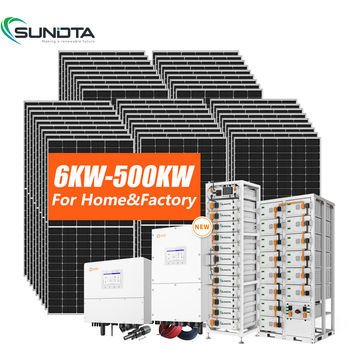
Centralized 50kW–200kW solar and battery microgrids supplying stable 230V/400V mini-grid power for isolated villages and islands.
Powering continuous irrigation pumps, greenhouse fans, and grain chillers without reliance on expensive diesel generators.
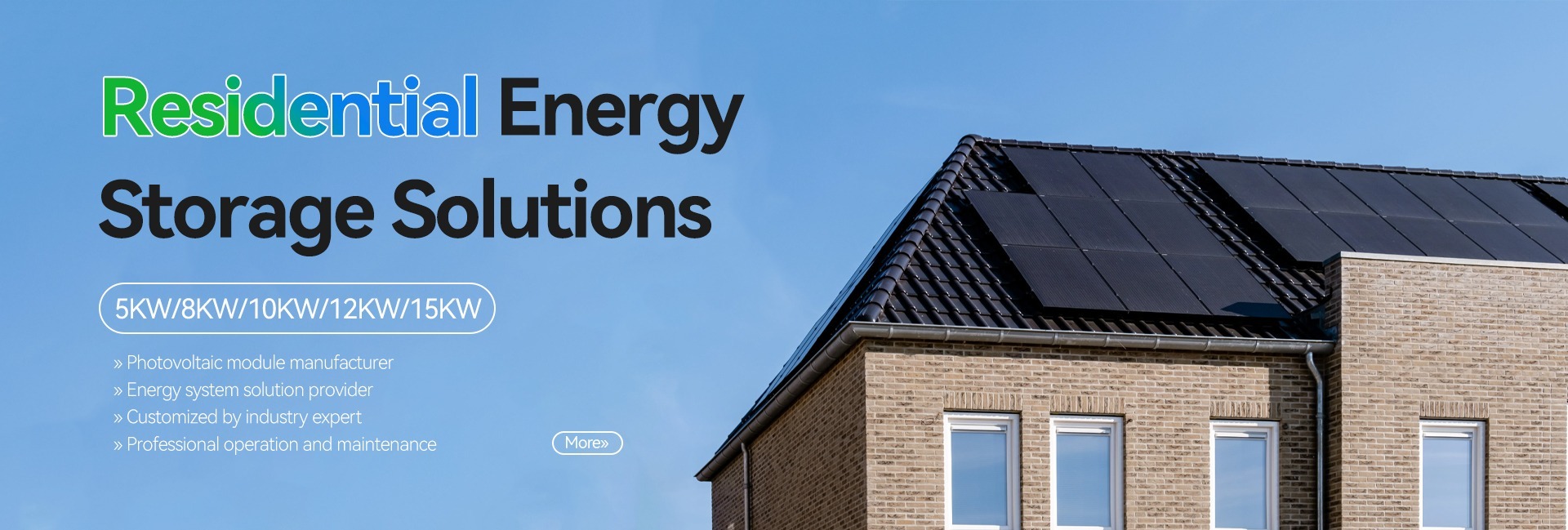
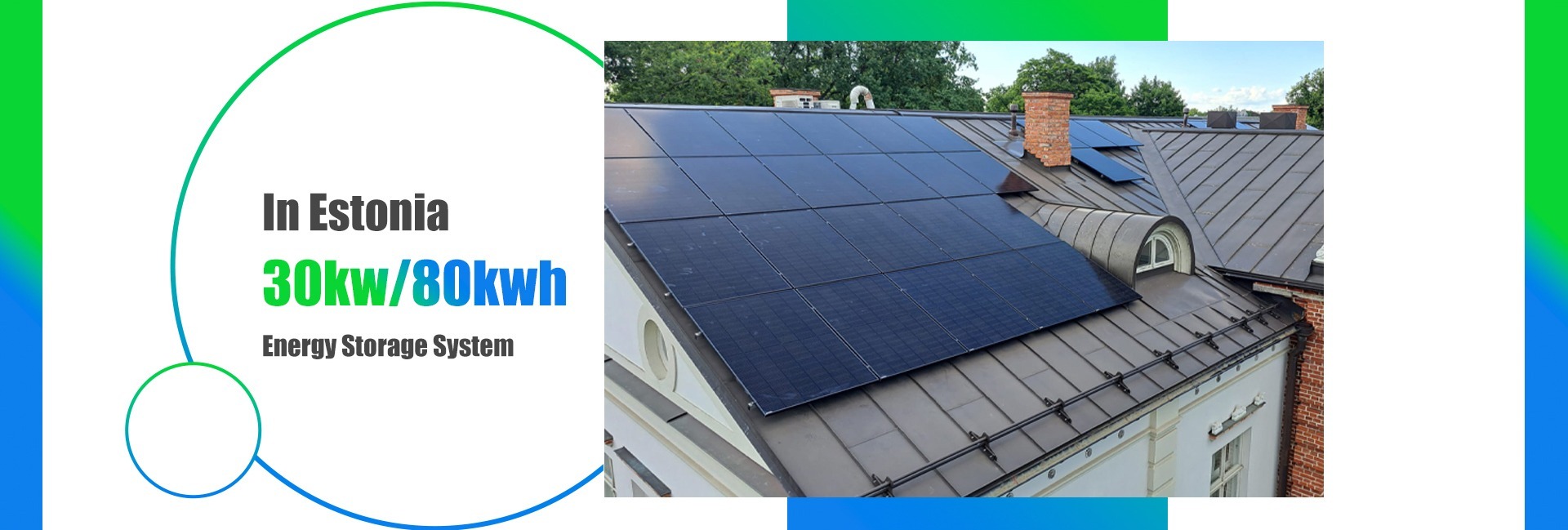
Zero-noise, zero-emission 5kW–15kW systems offering seamless 24-hour power autonomy with luxury all-black rooftop panels.
Containerized rugged energy systems (100kW / 500kWh+) offering heavy-duty reliability for remote exploration and highway works.
Eliminate project execution risks with our standardized factory pre-commissioning and logistical quality milestones.
Our engineers calculate real-world inductive loads, peak daily kWh consumption, and geographic PSH values.
We generate Single Line Diagrams (SLD), calculate string Voc safety windows, and map battery capacity.
All inverters, LiFePO4 BMS, and combiner boxes undergo 100% full-load bench testing and protocol validation.
Solid-wood fumigated crating with anti-moisture vacuum wraps protects electronics during long sea voyages.
24/7 technical hotline, direct engineering video calls, and on-site commissioning support for high-capacity microgrids.
Precise sizing requires calculating continuous daily kWh consumption divided by inverter/battery round-trip efficiency (typically 88-92%) and multiplying by the target days of autonomy (usually 1.5 to 3 days). Battery capacity (kWh) = (Daily Consumption [kWh] × Days of Autonomy) / (Depth of Discharge [0.85 to 0.90 for LiFePO4]). For the inverter, identify inductive peak loads (motors, pumps, compressors) which demand 3x to 5x continuous wattage for 3-10 seconds, selecting an inverter with a dynamic overload rating matching the peak inductive inrush.
LiFePO4 offers 6,000+ cycles at 80% to 90% Depth of Discharge (DoD) compared to 500-1,200 cycles at 50% DoD for AGM/Gel. It delivers a 95%+ round-trip coulombic efficiency versus 75-80% for lead-acid, tolerates partial state of charge (PSOC) without sulfation, reduces overall system weight by 70%, and dramatically lowers the Levelized Cost of Storage (LCOS) over a 10-15 year operating lifespan.
Solar panel Open Circuit Voltage (Voc) increases significantly at sub-zero temperatures according to its negative temperature coefficient (typically -0.26%/°C to -0.30%/°C). A common engineering error is calculating string Voc at STC (25°C). In freezing conditions (-15°C to -25°C), string voltage can rise by 12-15%, exceeding the maximum DC input voltage of the MPPT inverter and triggering permanent catastrophic overvoltage damage. RJV engineers size string lengths around the historic record-low temperature of the installation site.
Yes. Our off-grid hybrid units support single-phase and three-phase parallel configurations up to 16 units (reaching 80kW to 200kW+). They include built-in dry contact relays for automated generator starting (AGS) and configurable AC coupling, enabling dual-source hybrid power management for off-grid industrial loads, agriculture pumps, and mining camps.
Standard off-grid kits start at an MOQ of 1 complete set; off-grid inverters and lithium battery modules start from 1 piece; PV modules are shipped by pallet. RJV provides comprehensive OEM and ODM support including custom metal stamping, OEM branding, tailored BMS communication protocols for legacy equipment, and pre-wired outdoor distribution cabinets.
Share your daily peak load, equipment motor specifications, and project location. Anhui RJV New Energy Co., Ltd. senior solar engineers will deliver a verified BOM, Single Line Diagram, and factory-direct pricing within 24 hours.