B2B Engineering & Sourcing Whitepaper

China Top Grid Tie Inverter Manufacturer & Factories

Technical benchmarks, OEM manufacturing protocols, grid code interoperability, and end-to-end solar supply chain intelligence for utility, C&I, and residential deployments.

Factory-Direct Integrated Solutions

Core Inverter, Energy Storage & PV Module Systems

Precision-engineered in Hefei, China. Every high-efficiency inverter and lithium energy storage system undergoes automated thermal cycling and vector grid testing prior to export.

Stackable Hybrid Hybrid 15kWh Inverter System 300Ah Lithium Ion Battery
Hybrid 15kWh Inverter System 300Ah Lithium Ion Battery Split Stackable CAN Communication Home Use MPPT 15kW
  • Dual MPPT tracking with 97.6% efficiency
  • Closed-loop CAN/RS485 BMS interface
  • Zero-millisecond grid-to-backup transfer
View Specifications
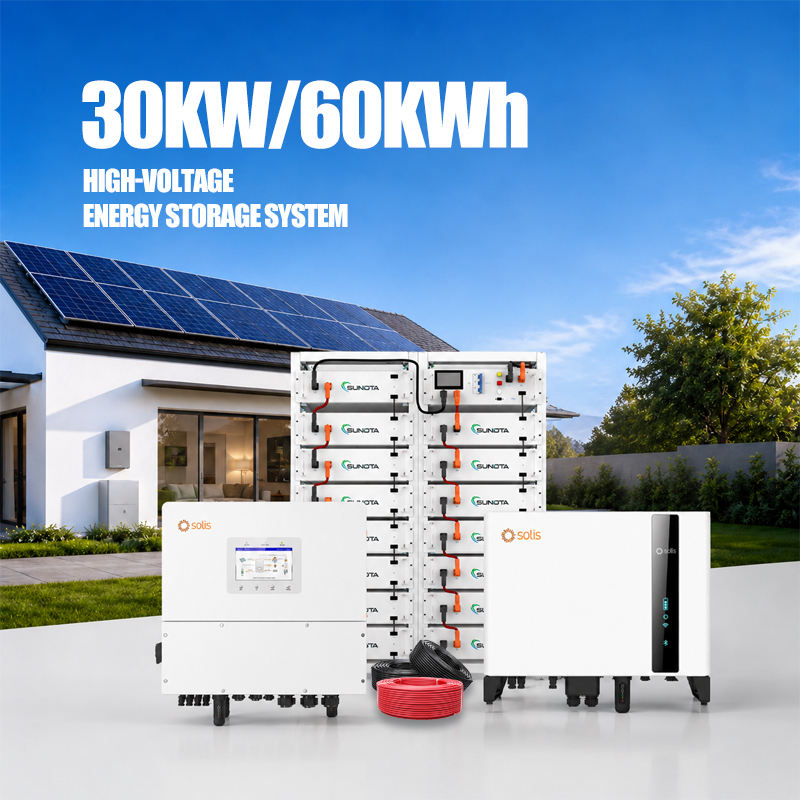
All-In-One ESS 51.2V Split All-in-One Solar Battery Inverter System 30kWh
51.2V Split All-in-One Solar Battery Inverter System 30kWh LiFePO4 Energy Storage Backup Power Hybrid CAN CE
  • Industrial-grade 6000-cycle LiFePO4 chemistry
  • High-frequency pure sine wave output
  • Full CE, TUV Rheinland compliance testing
View Specifications
20kW–40kW C&I Off Grid Hybrid Solar Energy Storage System 20KW 30KW 40KW
Off Grid Hybrid Solar Energy Storage System 20KW 30KW 40KW Hot-selling 30 kw Hybrid for Home Use With EU Certification
  • Three-phase unbalanced output balancing
  • Integrated smart generator auto-start relay
  • Certified for EN 50549 & VDE-AR-N 4105
View Specifications
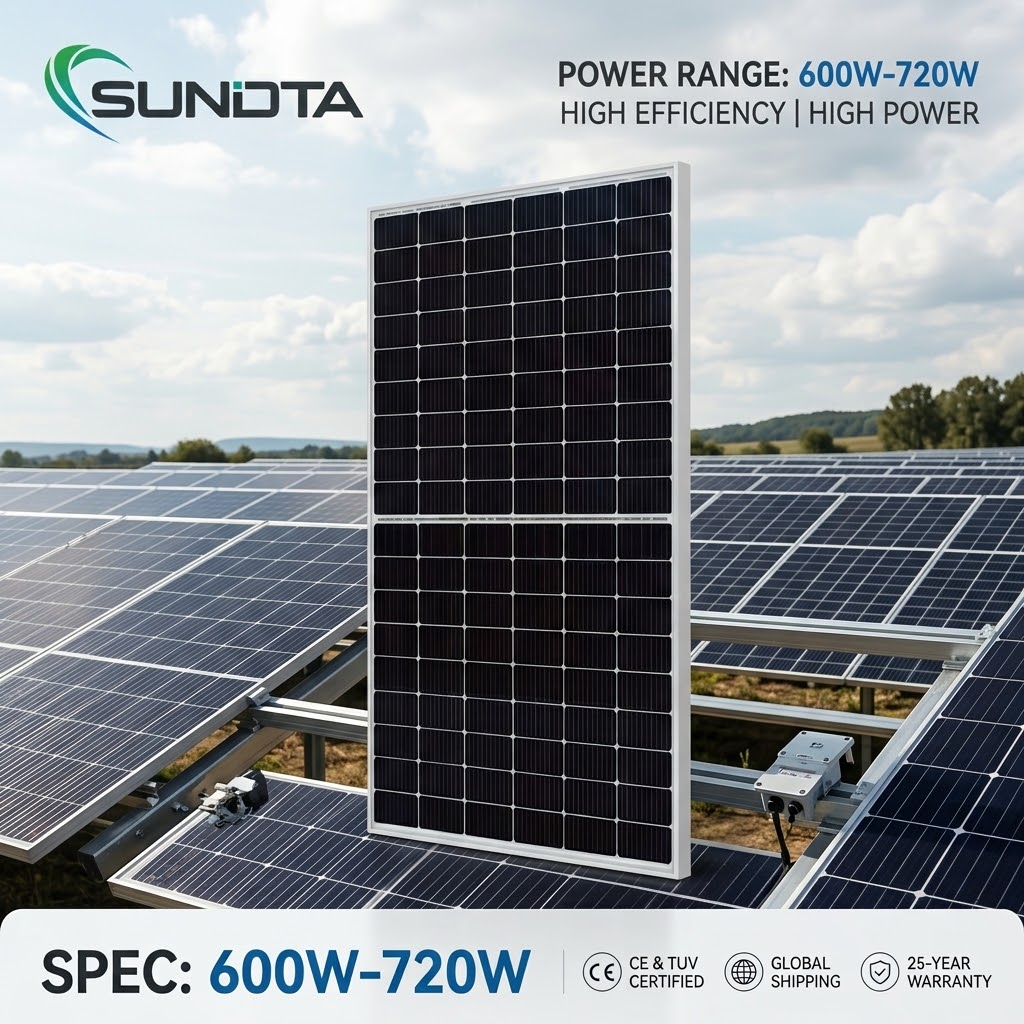
23.03% Efficiency SUNDTA 500W-595W Black Glass Bifacial PV Module
Factory Price SUNDTA 500W-595W Black Glass Bifacial PV Module 23.03% Efficiency Half-Cut PERC Solar Panel
  • Dual-glass anti-PID anti-microcrack frame
  • Optimized for high-input-current inverters
  • 30-year linear performance warranty
View Specifications
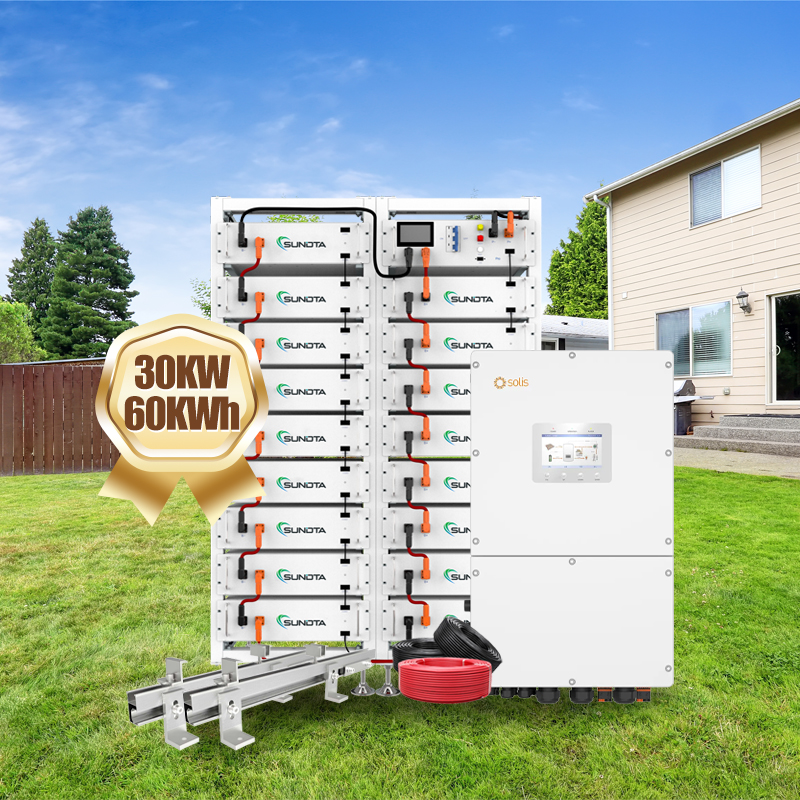
314Ah Cell Tech 30KWH 51.2V 314AH LiFePO4 Battery Solar Energy Storage
30KWH 51.2V 314AH LiFePO4 Battery Solar Energy Home Energy Storage 48v Solar Battery ALL in ONE SOLAR POWER SYSTEM
  • Tier-1 high-density 314Ah prismatic cells
  • Multi-unit parallel capability up to 15 packs
  • Seamless integration with Solis & Deye hybrids
View Specifications
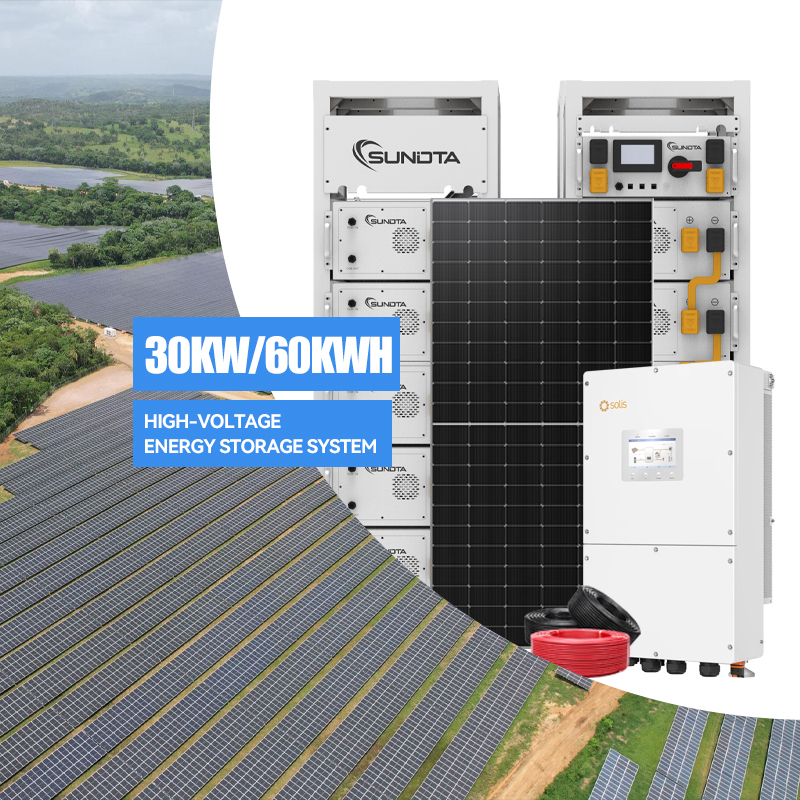
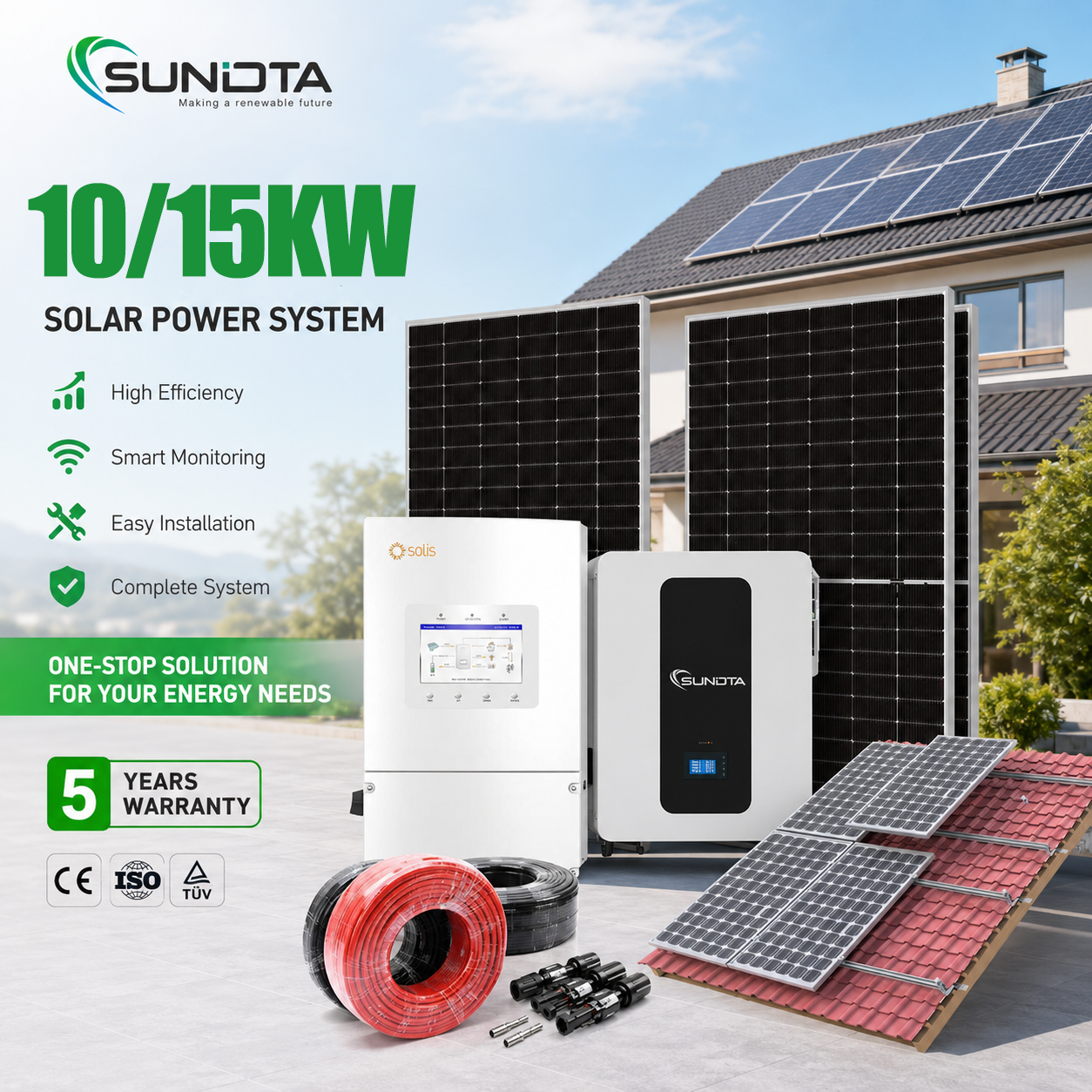
Turnkey Kit Complete 30kw Solar System 10kw 15kw 20kw 30kw Solar Energy System
Complete 30kw Solar System 10kw 15kw 20kw 30kw Solar Energy System 30 kw Hybrid for Home Use With EU Certification
  • Pre-commissioned inverter-battery pair
  • Complete BoS kit: combiners, cables, mounts
  • Rapid factory delivery from direct assembly line
View Specifications
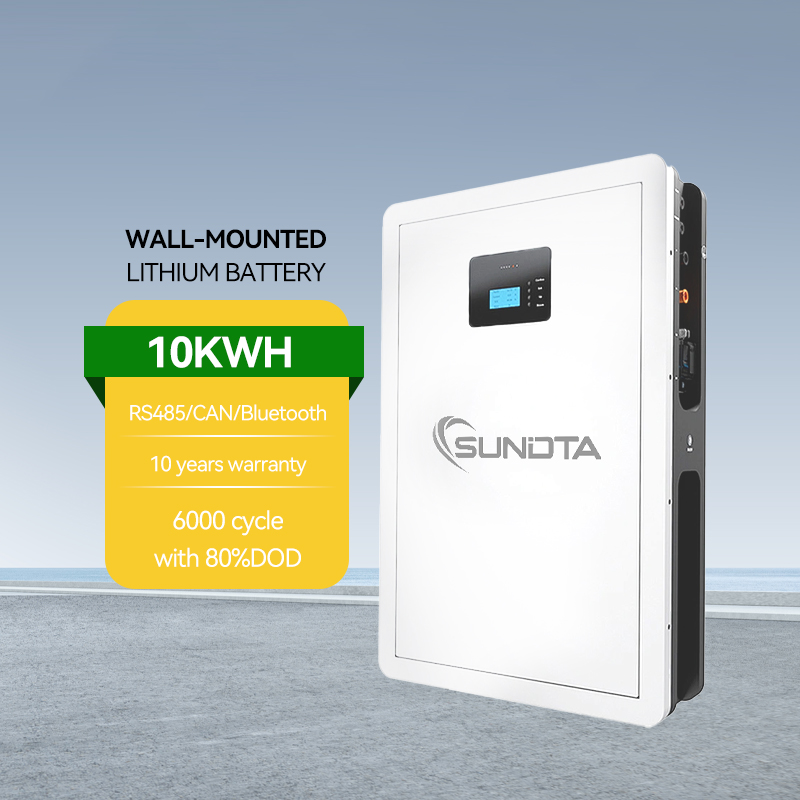
Local Warehouse Fast Shipping Stock Solar Battery 48V 51.2V 100Ah 200Ah 5kWh Wall Mounted
Fast Shipping Stock Solar Battery 48V 51.2V 100Ah 200Ah 5kWh Wall Mounted LiFePO4 Local Warehouse
  • Slim wall-mount profile with LCD readout
  • Built-in active equalization BMS logic
  • Immediate dispatch from regional hubs
View Specifications
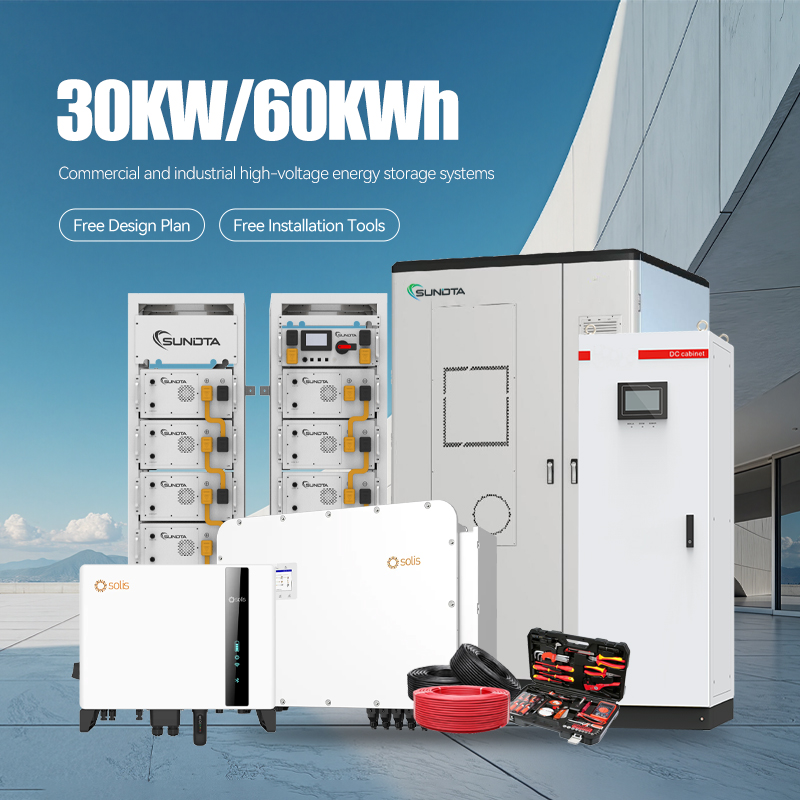
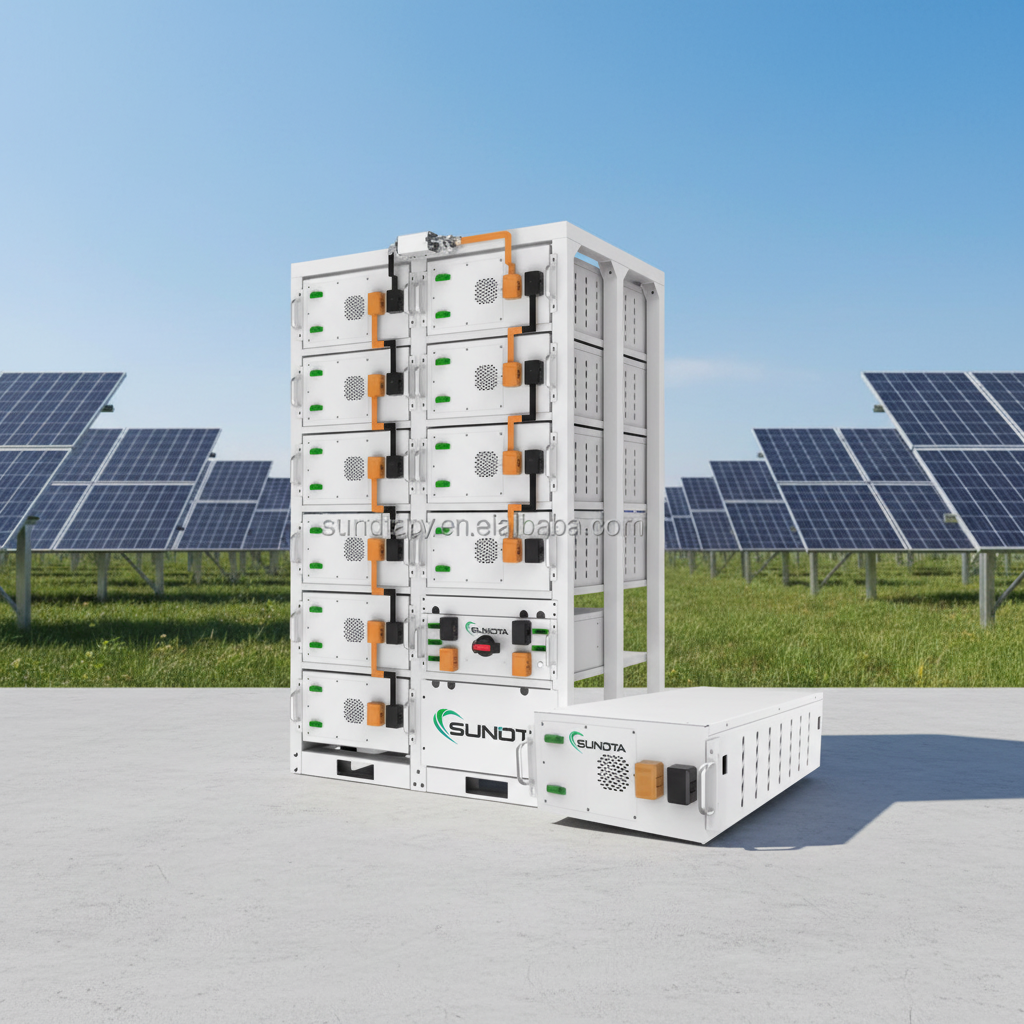
Utility Storage Commercial High Voltage LiFePO4 Energy Storage System 40kWh 50kWh 100kWh
Commercial High Voltage LiFePO4 Energy Storage System 40kWh 50kWh 100kWh Air Cooling LiFePO4 Battery Cabinet for on Off Grid
  • HV DC bus (200V–900V) reduces transmission loss
  • Multi-level aerosol fire suppression system
  • Industrial SCADA & EMS automated protocol
View Specifications
2GW Annual Factory Capacity
500MW+ Global Commissioned Sites
12+ Yrs R&D Core Experience
38 Active Utility Patents
AAA Commercial Credit Rating
4.8/5 International Buyer Score
Enterprise Reliability & Compliance

Why International EPCs & Wholesalers Partner with RJV

Operating from Innovation Industrial Park in Hefei, Anhui RJV New Energy Co., Ltd. blends vertically integrated manufacturing with partnerships across Deye, Solis, and tier-1 component suppliers.

TUV Rheinland Assessed

Our Hefei production hubs have passed complete on-site operational assessments by TÜV Rheinland. We maintain transparent BOM tracking, serial tracking, and full CE marking across all inverter and battery lines.

Turnkey System Integration

Mismatches between inverter MPPT tracking and lithium BMS protocols cause over 65% of field delays. We eliminate this by cross-validating CANbus and Modbus register maps in-house prior to export packing.

Flexible OEM / ODM Services

From custom chassis silkscreening and proprietary inverter firmware logic to tailored packaging for regional distributors, we support sample-based, design-based, and complete white-label customization.

Global Engineering Support

Our bilingual application engineers offer continuous presales electrical string sizing, fault simulation, and after-sales remote firmware upgrades across European, North American, and Southeast Asian time zones.

Industry Whitepaper Analysis

Technological Paradigms of China Grid Tie Inverter Manufacturing

Modern grid-tie solar inverters have evolved beyond simple DC-to-AC converters into active grid-stabilizing assets. Below is an engineering review of hardware architectures and firmware innovations.

Wide-Bandgap (SiC/GaN) Power Stages

Traditional silicon IGBTs operate with switching limits between 16 kHz and 20 kHz, creating substantial heat dissipation demands and necessitating bulkier magnetics. Modern Chinese top-tier inverter factories have transitioned to Silicon Carbide (SiC) MOSFETs and Gallium Nitride (GaN) switching bridges. Operating at frequencies exceeding 40 kHz to 100 kHz, these topologies diminish inductor coil footprint by up to 38% while lifting Euro-efficiency benchmarks past 98.4%.

For B2B buyers, this translates into lower thermal stress inside the enclosure, higher mean time between failures (MTBF), and reduced shipping freight per kilowatt due to compact form factors.

Key Value: SiC topologies mitigate switching losses at ambient temperatures over 45°C, preventing early thermal curtailment in high-irradiance regions.

Grid-Forming vs. Grid-Following Firmware

Historically, grid-tied string inverters relied strictly on grid-following (GFL) control loops, requiring a stable voltage and frequency reference from the local utility grid. However, as renewable penetration increases, network operators in Europe, Australia, and North America enforce virtual synchronous generator (VSG) behavior.

China's foremost factories integrate advanced grid-forming (GFM) software kernels. These units synthesize virtual inertia, provide fast fault current injection (FFCI), and regulate voltage vectors locally during microgrid islands, meeting stringent IEEE 1547-2018 and UL 1741 SB mandates without requiring external synchronous condensers.

Engineering Criterion: Dynamic active damping eliminates sub-synchronous resonance (SSR) when long PV feeder lines interact with weak grid substations.

Intelligent Arc Fault Protection (AFCI 3.0)

Rooftop fire protection safety codes (such as NEC 690.11 and IEC 63027) demand robust protection against DC series arcing caused by pinched connectors or degraded cables. Legacy analog detection circuitry suffered from notorious false-tripping caused by ambient inverter switching noise.

Today's export manufacturing standard employs neural network edge algorithms running on dual 32-bit DSPs. By parsing high-frequency spectral current signatures in real time, the inverter detects micro-arcs within 75 milliseconds and interrupts the circuit across strings up to 200 meters long, operating flawlessly even at 30A MPPT string inputs.

Safety Standard: Factory-tested false-alarm rates remain under 0.01% under severe switching noise conditions, preserving operational uptime.

Accommodating 210mm High-Current Bifacial Modules

With utility and C&I arrays adopting 600W+ and 700W+ bifacial modules, MPPT input currents consistently exceed 18A to 22A, with short-circuit current values reaching 25A+. Sourcing older generation grid-tie inverters engineered for 13A strings forces module clipping and substantial generation loss. Our verified factory lines feature multi-channel MPPTs calibrated for continuous 20A–30A string inputs, accommodating up to 150% to 200% DC/AC oversizing ratios without clipping or thermal throttling.

Market Forecast & Sourcing Strategy

Future Procurement Trends in the Global Inverter Market

Procurement directors must look beyond price per watt. Strategic profitability over 2025–2030 hinges on high-voltage architecture, hybrid readiness, and unified energy management.

Trend 01

Shift from Central to High-Power String Units

For commercial rooftop and ground-mount arrays, string inverters ranging from 100kW up to 350kW are rapidly supplanting centralized inverter blocks.

  • Lower balance-of-system (BoS) labor and DC trenching costs
  • Granular MPPT resolution reduces mismatch losses by 2%–3.5%
  • Rapid unit-swapping minimizes system downtime during repairs
Trend 02

Standardization on High-Voltage (HV) Storage

Low-voltage (48V/51.2V) batteries remain popular for residential applications below 10kW, but commercial installations are transitioning to HV lithium stacks (300V–1000V DC).

  • Reduces copper cable thickness and conductive I²R losses
  • Increases round-trip inverter conversion efficiency up to 96%
  • Enables modular capacity scaling from 30kWh to multi-megawatt ESS
Trend 03

Edge EMS & Dynamic Dynamic Tariffs

Grid-tie solar is increasingly coupled with dynamic spot-pricing schemes. Modern inverters incorporate edge-computing Energy Management Systems (EMS).

  • Direct integration with local day-ahead electricity spot markets
  • Autonomous battery charging during negative tariff hours
  • Automated peak-shaving without auxiliary PLCs
Engineering Selection Guide

Grid-Tie & Hybrid Inverter Architecture Matrix

Use this technical comparison matrix to match topology and capacity with project requirements.

System Topology Power Range Max String Current Battery Voltage Range Primary Grid Standard Ideal Project Application
Single-Phase LV Hybrid 3 kW – 8 kW 16A – 18A per MPPT 40V – 60V (51.2V Nominal) EN 50549-1, UL 1741 Residential rooftops, rural self-consumption
Three-Phase Commercial Hybrid 10 kW – 30 kW 20A – 26A per MPPT 160V – 800V HV Stack VDE-AR-N 4105, CEI 0-21 Small factories, luxury villas, agricultural cold stores
C&I Pure Grid-Tie String 50 kW – 125 kW 30A – 40A per MPPT N/A (Grid Synchronized) IEC 62109, G99, IEEE 1547 Logistics centers, manufacturing plants, carports
Utility-Scale String Inverter 250 kW – 350 kW Up to 65A (Multi-string) Coupled with central BESS Grid Code 2024 / HVRT / LVRT Ground-mounted solar farms, microgrid generation
Modular Containerized ESS 500 kW – 2 MW Integrated DC Bus 800V – 1500V DC Bus NFPA 855, UN 38.3, UL 9540 Frequency regulation, transmission deferral, large microgrids
Procurement Due Diligence

Frequently Asked Questions for Importers & EPCs

Addressing core technical, financial, and logistical queries regarding Chinese inverter and ESS procurement.

Q How do Chinese factories verify inverter and lithium battery BMS compatibility?
Compatibility is established at the firmware protocol level via CANbus and RS485 communication. Leading manufacturers (including RJV, Solis, and Deye) maintain standardized register libraries (such as Pylontech, Growatt, and proprietary protocols). We run multi-point closed-loop bench tests ensuring that SOC reporting, charging voltage cut-offs, dynamic charge current limits (CCL), and discharge limits (DCL) synchronize accurately under load without causing false BMS isolation trips.
Q What is the standard factory burn-in test regimen before shipment?
At RJV New Energy, every completed inverter assembly undergoes a rigorous 4-hour dynamic burn-in test inside a climate-controlled chamber heated to 50°C. During this phase, the inverter runs at 100% rated capacity while undergoing automated grid frequency and voltage fluctuation simulations. Following burn-in, units pass through an Automated Optical Inspection (AOI) and an automated dielectric withstand (Hi-Pot) test.
Q What are the Minimum Order Quantities (MOQ) and sample lead times?
To support project engineering validation, sample orders for standard hybrid inverters, wall-mounted batteries, and complete solar kits start from 1 piece or 1 set. For custom OEM silkscreening and branded packaging, the typical MOQ is 20 units or one 20ft container load. Standard stock models ship within 5 to 7 days, while custom assembly configurations require 15 to 25 days depending on component availability.
Q How are warranty claims and field component replacements managed overseas?
Our standard warranty ranges from 5 to 10 years for grid-tie and hybrid inverters, and up to 10 years (or 6,000 cycles) for LiFePO4 batteries. We maintain localized spare parts hubs in Europe and Southeast Asia for high-frequency service components (control boards, power modules, fans). In the event of a field fault, diagnostic logs exported through WiFi/GPRS dongles allow our engineers to pinpoint the fault within 24 hours and dispatch replacement boards immediately.
Q Which Incoterms and international payment terms are supported?
We offer flexible commercial arrangements including FOB (Shanghai / Ningbo / Shenzhen), CFR, CIF, and EXW from our Hefei plant. Supported payment instruments include Telegraphic Transfer (T/T), Irrevocable Letters of Credit at sight (L/C), D/P, Western Union, and secure credit card payments. Balanced terms are available for verified long-term corporate procurement accounts.
Q Can you supply full documentation for customs clearance and grid connection?
Yes. Every export container is accompanied by model-specific Declaration of Conformity (DoC), CE certificates, TÜV test reports, UN38.3 test summaries and MSDS for batteries, Dangerous Goods (DG) maritime declarations, and factory flash test curves. For grid approvals, we supply comprehensive parameter test reports covering harmonics, anti-islanding, power factor control, and LVRT curves.
Request an Engineering Consultation & Factory BOM

Connect with our technical sales division in Hefei, China. We provide turnkey string sizing, compatibility validation, and wholesale factory quotation sheets within 24 business hours.

Send an Inquiry