High-Efficiency Modules, Inverters & Storage Available for Cuenca
Engineered for high-altitude irradiance, architectural aesthetic integration, and uninterrupted power independence during regional hydro-generation shortfalls.
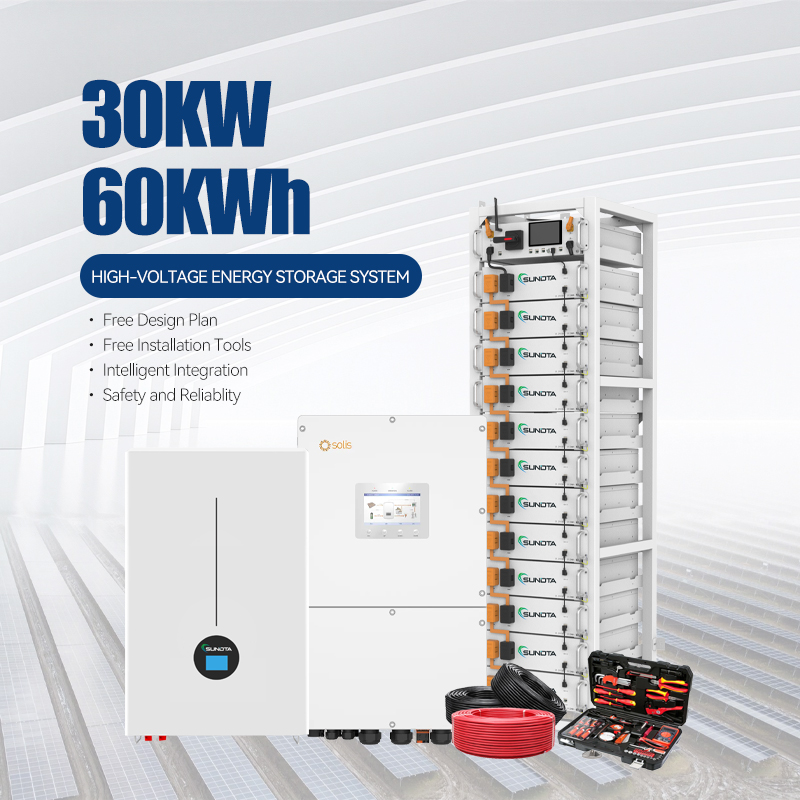
Energy Bank Powerwall 51.2V 314Ah/200Ah 15kWh ESS
- Grade-A LiFePO4 chemistry with >6,000 cycles
- Integrated Smart CAN/RS485 BMS interface
- Instantaneous grid-failure blackout backup
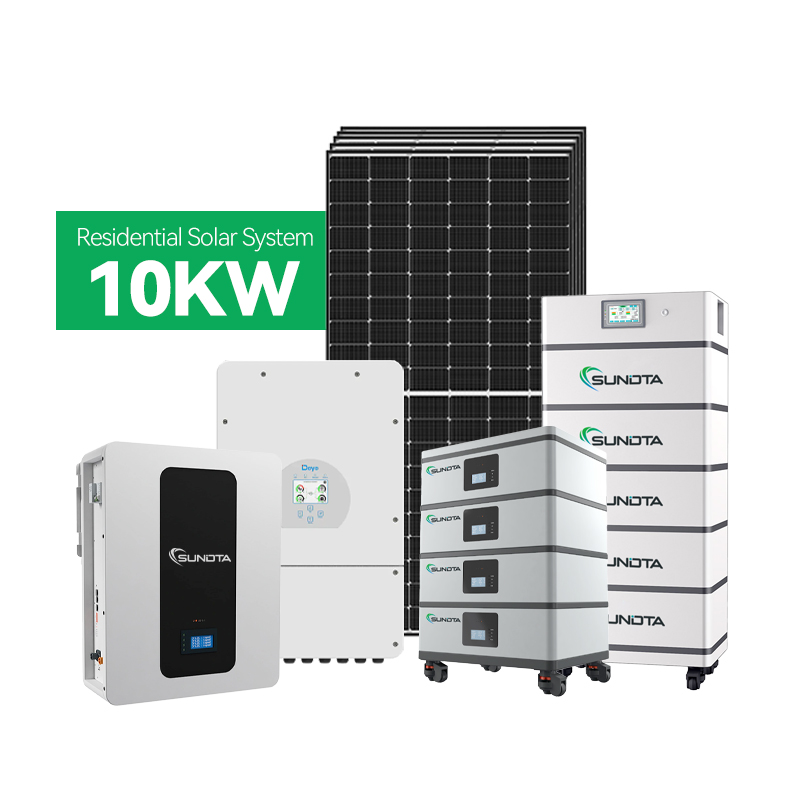
Sundta 10kW–12kW Hybrid System with LiFePO4
- Dual MPPT architecture for multi-pitch Andean roofs
- Integrated battery management & zero-export control
- Split-phase 120V/240V or 220V configuration
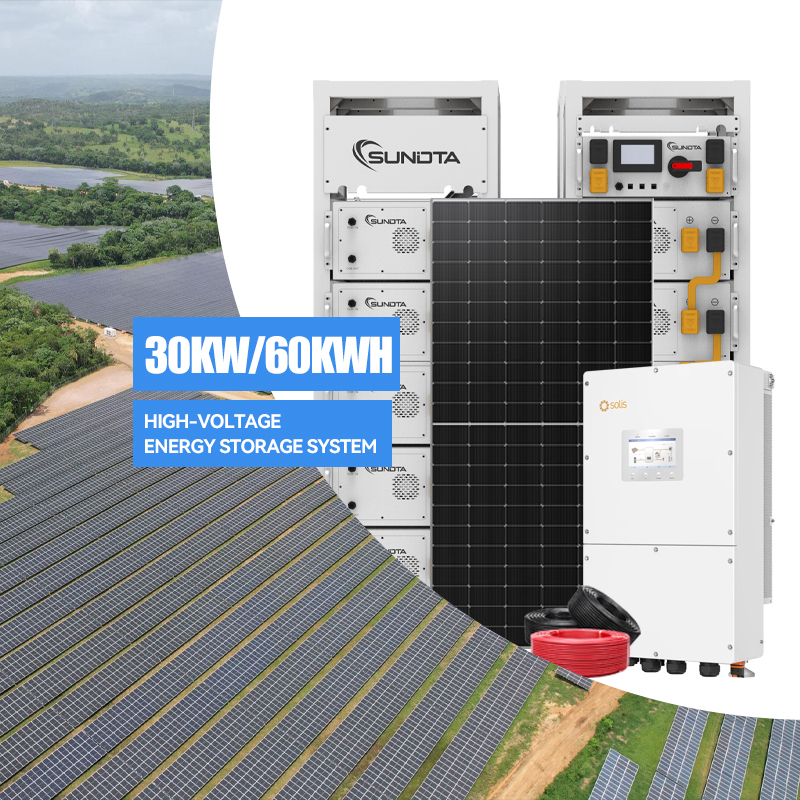
20kW–40kW Off-Grid Hybrid Energy Storage Kit
- EU-certified heavy surge capacity for inductive loads
- Multi-source synchronization (PV, Grid, Diesel Gen)
- Designed for peri-urban haciendas & remote retreats
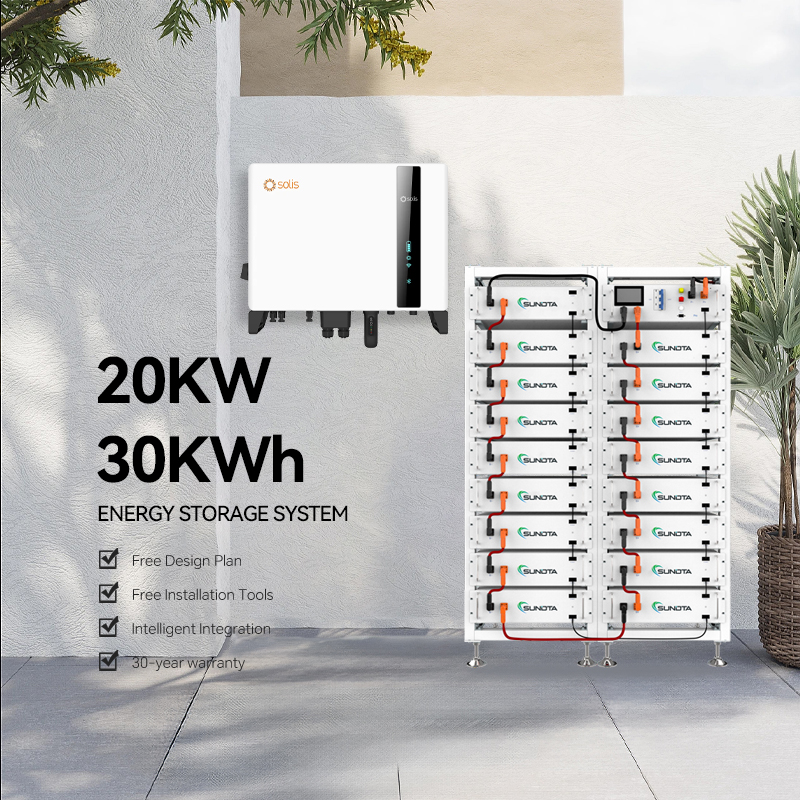
Complete 50kW Deye 3-Phase Hybrid System
- High-voltage battery architecture for ultra-high efficiency
- CENTROSUR commercial tariff peak-shaving capabilities
- IP65 outdoor rating with active liquid thermal dissipation
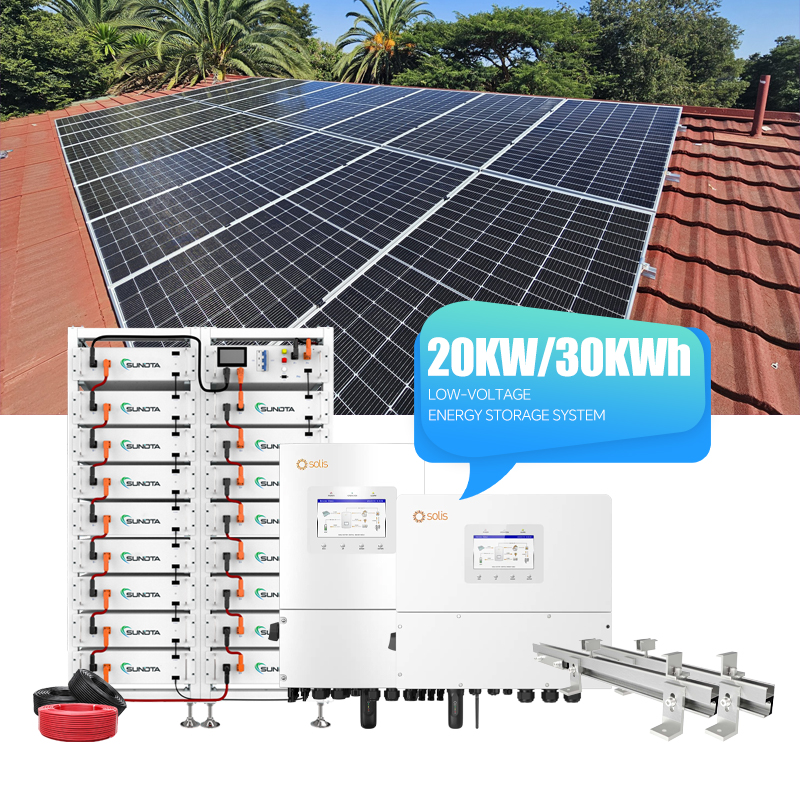
Turnkey 20kW–35kW Hybrid Energy Storage Array
- Tier-1 high-density monocrystalline arrays
- Includes rapid pre-wired balance of systems (BOS)
- Integrated low-voltage DC busbar architecture
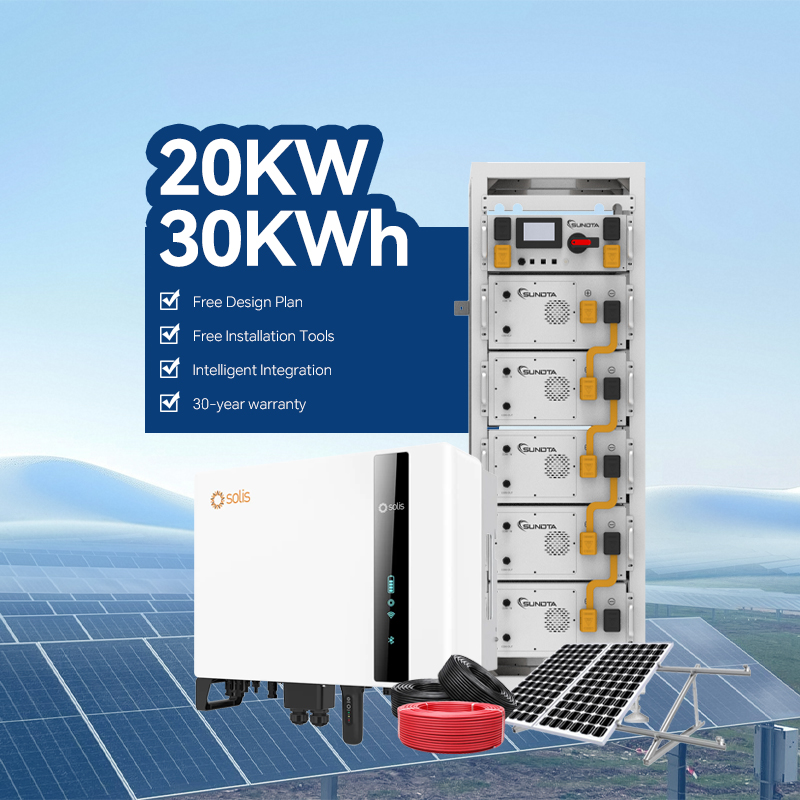
20kW–35kW Hybrid Panel Generation & Storage Kit
- Custom mounting structural frames (tile / metal sheet)
- Smart app telemetry via 4G/WiFi data loggers
- Class-A fire-resistant mechanical packaging
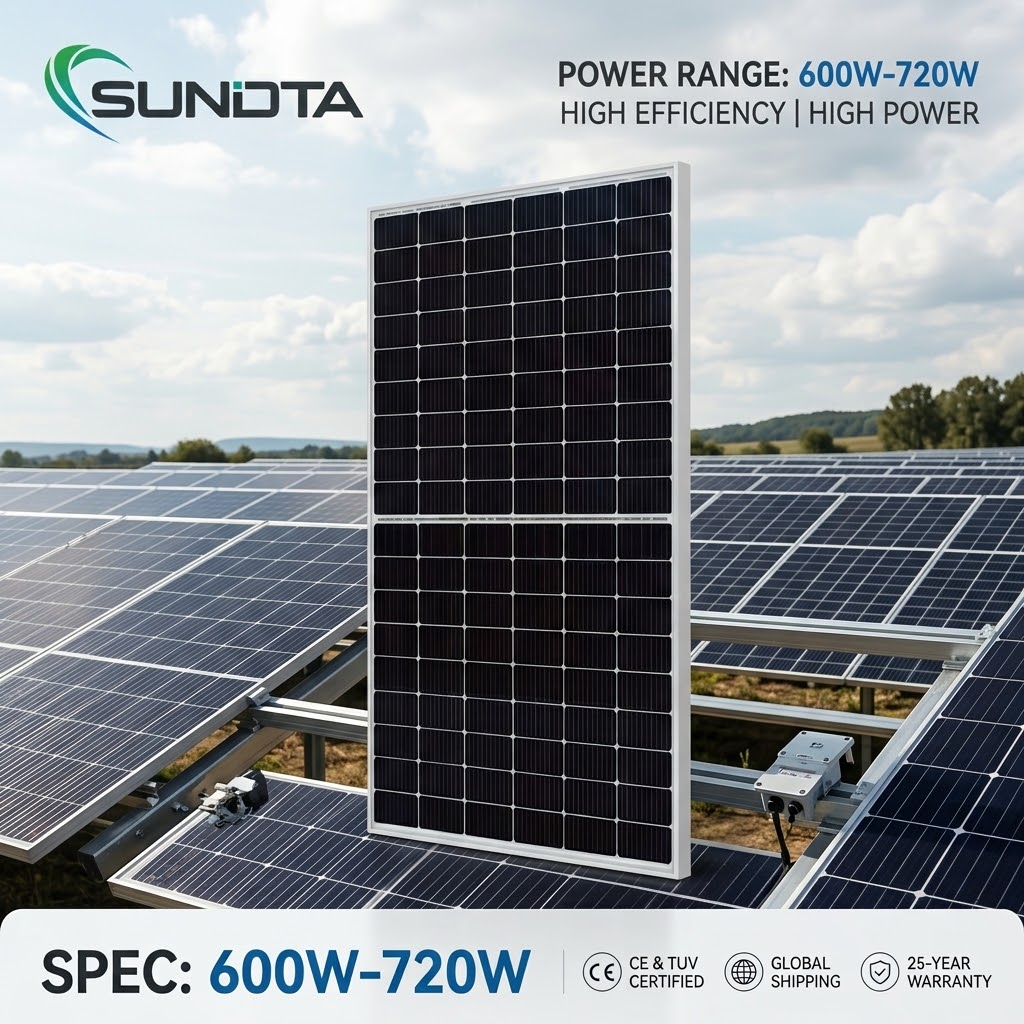
SUNDTA 500W–595W Black Glass Bifacial PV Module
- Dual-glass structural design; ideal for canopies & facades
- Up to 25% rear-side albedo energy gain at high elevation
- Aesthetic black matrix blending with Andean stone architecture
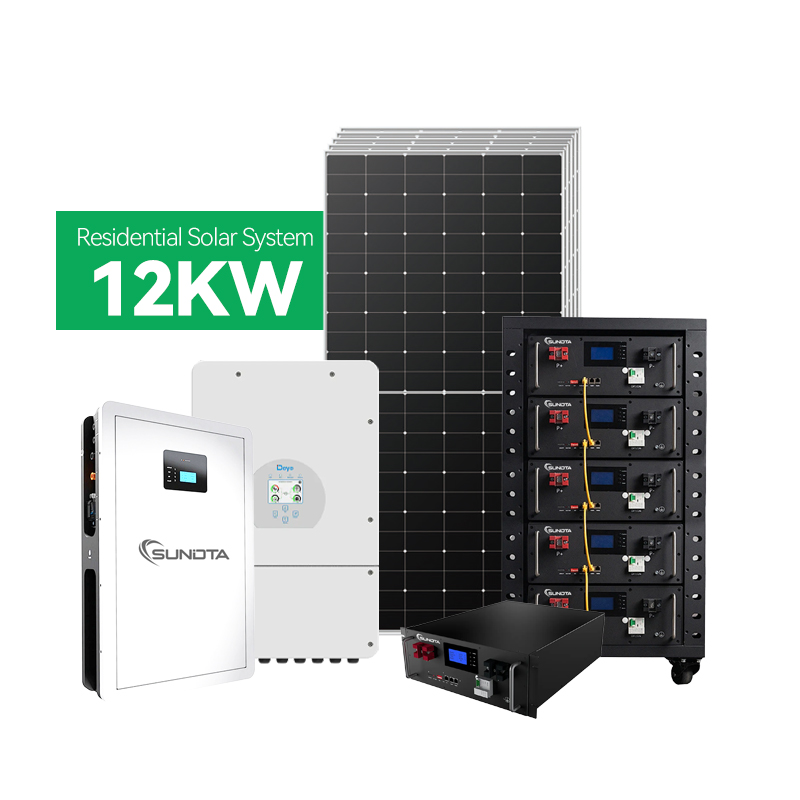
Sundta 12kW System with 25kWh Battery Bank
- High-capacity stackable prismatic cell storage
- UPS-grade microsecond automatic transfer switch (ATS)
- Pre-certified for Ecuadorian distributed generation codes
Overcoming Andean Climatology & Heritage Demands in Cuenca
A rigorous engineering perspective on why standard commercial photovoltaic components degrade rapidly in Azuay Province and how customized Chinese BIPV solutions resolve this friction.
Cuenca, resting at an elevation of approximately 2,560 meters (8,400 feet) above sea level in the southern inter-Andean valley of Ecuador, represents one of the most uniquely demanding environments for building integration and solar energy harvesting in South America. The confluence of atmospheric thinning, an extreme ultraviolet (UV) index consistently averaging between 11 and 16+ year-round, sharp diurnal thermal cycling (ranging from 6°C at night to 25°C during peak midday irradiation), and strict UNESCO World Heritage architectural constraints demands an uncompromising engineering approach.
Standard crystalline silicon panels laminated with standard EVA (Ethylene Vinyl Acetate) encapsulants inevitably suffer accelerated yellowing, delamination, and severe potential-induced degradation (PID) within 36 to 48 months under Cuenca’s relentless high-altitude solar flux. As an industry-leading manufacturer and exporter based in Hefei, China, Anhui RJV New Energy engineers our Building Integrated Photovoltaic (BIPV) laminates, architectural solar glass, and TOPCon cells with cross-linked POE (Polyolefin Elastomer) encapsulation and dual semi-tempered glass substrates. This architectural construction yields zero water permeability, exceptional mechanical wind resistance against Andean valley gusts, and complete resistance to UV-induced backsheet brittleness.
Furthermore, Ecuador's severe recurring electrical supply vulnerability—stemming from acute drought cycles incapacitating the Paute-Mazar hydroelectric complex just downstream from Azuay—has converted solar generation from a mere cost-saving initiative into an essential operational continuity imperative. Commercial enterprises in Cuenca's Parque Industrial and residential communities throughout Challuabamba and San Joaquín require seamlessly integrated on-site generation coupled with intelligent lithium storage to ensure 100% operational uptime during grid load-shedding events.
Historic Centre Heritage Retrofits
Preservation codes set by the Municipalidad de Cuenca prohibit intrusive aluminum racks in El Centro. Our matte-black textured BIPV solar tiles match traditional Spanish terracotta profiles and slate textures, generating clean energy while maintaining strict UNESCO visual fidelity.
Parque Industrial Rooftops & Skylights
Manufacturing facilities, ceramic plants, and cold-storage distribution hubs utilize our semi-transparent BIPV double-glass skylights and insulated solar roof sandwich panels, delivering natural daylighting while mitigating internal thermal gain and driving commercial equipment.
Challuabamba & Suburban Residential
Modern luxury villas in Azuay's peri-urban valleys feature frameless BIPV glass canopies, solar carports, and integrated terrace balustrades paired with 15kWh–30kWh stackable LiFePO4 batteries to overcome regional grid fluctuations with quiet, automated failover.
Yunguilla Basin Agrivoltaics
Eco-resorts, poultry farms, and high-value horticultural greenhouses down the Azuay-Loja corridor leverage bifacial dual-glass panels that optimize light transmittance for crops underneath while generating continuous pumping and cooling power independent of the CENTROSUR grid.
Standard Rooftop Modules vs. Structural BIPV in Cuenca's Microclimate
A side-by-side performance audit addressing UV resilience, thermal coefficients, and building envelope structural integrity.
| Performance / Engineering Metric | Standard Import Solar Panels | Anhui RJV Structural BIPV Architectural Glass | Andean Engineering Implication |
|---|---|---|---|
| Encapsulant Chemistry | Standard EVA (Ethylene Vinyl Acetate) | Cross-Linked POE Film | Prevents severe browning, acetic acid venting, and delamination under Cuenca's continuous 12+ UV index. |
| Temperature Coefficient (Pmax) | -0.38% / °C (Standard P-type PERC) | -0.29% to -0.30% / °C (N-Type TOPCon) | Higher real-world power harvest during high-altitude midday hours when cell surface temps spike to 60°C. |
| Building Envelope Integration | Superimposed on existing roof with rails | Direct Structural Cladding / 100% Water-Tight | Eliminates roof penetrations; replaces tiles or curtain glass directly, reducing dead-load by up to 35%. |
| Aesthetic & Heritage Approval | Often Rejected in Cuenca Centro | Custom RAL Colours & Textured Glass | Meets the strict guidelines of the Dirección de Áreas Históricas y Patrimoniales for historic district renovation. |
| Mechanical Wind / Hail Load | Front 5400Pa / Back 2400Pa (Single Glass) | Front 7200Pa / Back 3600Pa (Dual Tempered) | Resists intense mountain hail storms and sudden inter-Andean valley pressure drops without cell micro-cracking. |
| Fire & Thermal Insulation (U-Value) | Class C Fire Rating; No Insulation Value | Class A Fire Proof; Double Glazed U < 1.1 | Improves interior building thermal regulation across Cuenca's sharp day-to-night 18°C temperature swings. |
Navigating ARCONEL Resolutions & CENTROSUR Grid Codes
Crucial regulatory intelligence for project developers, EPCs, and commercial importers operating in southern Ecuador.
Connecting a commercial or residential photovoltaic facility to the regional distribution network operated by CENTROSUR (Empresa Eléctrica Regional Centro Sur C.A.) requires strict compliance with technical regulations established by the national electricity agency, ARCONEL (Agencia de Regulación y Control de Electricidad)—specifically Regulation ARCONEL 001/21 and its succeeding framework governing Distributed Generation for Self-Consumption (Generación Distribuida para el Autoabastecimiento).
Our integrated power systems are explicitly engineered with this compliance framework in mind:
1. Dual-Voltage Compatibility (220V/127V and 208V/120V): Residential and light-commercial grids in Cuenca often present split-phase or three-phase low-voltage distribution patterns that confuse generic single-phase European inverters. Our pre-commissioned Deye and Solis hybrid platforms support balanced multi-phase output, programmable power factor adjustment (0.8 leading to 0.8 lagging), and automatic anti-islanding protection adhering to UL 1741 and IEEE 1547 standards demanded by CENTROSUR inspectors.
2. Zero-Export and Dynamic Limitation: When awaiting net-metering approvals or bi-directional meter deployment, our hybrid systems utilize CT-based smart meters to enforce 100% zero-feed-in or limited feed-in instantaneously. This ensures commercial buyers can commission their arrays on Day 1 without incurring regulatory fines for unsanctioned reverse power flow into the local substation.
3. Tax Exemption & Customs Optimization: Under Ecuador's Organic Law on Energy Efficiency (Ley Orgánica de Eficiencia Energética), certified solar panels, high-efficiency hybrid inverters, and lithium energy storage systems qualify for 0% VAT (IVA) and exemptions from specific tariff surcharges (Aranceles e Impuesto a la Salida de Divisas - ISD). Anhui RJV assists commercial buyers with complete consular documentation, detailed bills of materials (BOM), HS code accuracy (8541.43.00 for PV modules, 8504.40.90 for inverters, and 8507.60.00 for lithium batteries), and factory test certificates that smooth clearance at the DP World Posorja or Contecon Guayaquil maritime ports prior to mountain highway transit into Cuenca.
Why Cuenca's Premier Contractors Source Directly from RJV China
Eliminating middleman markups, resolving component communication friction, and assuring tier-1 manufacturing control.
Automated 2GW Capacity
Operating from our modern intelligent manufacturing complex in Hefei, China, our high-speed robotic stringer and laminating lines ensure rigorous EL (electroluminescence) crack-free module integrity with over 12 years of specialized PV R&D experience.
Pre-Matched System BOM
We eliminate inverter-battery synchronization failures. Our engineers pre-flash proprietary CAN-bus firmware between RJV LiFePO4 battery banks and Deye/Solis hybrid inverters before palletization, ensuring turnkey plug-and-play installation for local Ecuadorian electricians.
Direct Andean Logistics Route
Seamless CIF Guayaquil shipping handling with reinforced ocean crating built for container transshipment up the Pan-American Highway (Troncal de la Sierra) into Cuenca's high-altitude plateau, guaranteeing damage-free delivery of structural glass panels.
Frequently Asked Questions from Cuenca Importers & Installers
Practical technical, logistics, and regulatory answers addressing the specific realities of Azuay Province.
Can BIPV modules be approved in Cuenca's UNESCO Historic District?
How do Cuenca's 2,560m altitude and extreme UV levels affect panel lifespan?
What is the standard shipping lead time from China to Cuenca?
How do your hybrid systems handle Ecuador's frequent electrical blackouts?
What is the minimum order quantity (MOQ) for custom architectural BIPV modules?
Are RJV lithium battery packs compatible with third-party inverters in Cuenca?
Initiate Your Cuenca Solar Project with Factory Direct Engineering
Whether you require architectural BIPV samples for heritage building approvals, container-load pricing for commercial warehouses in Azuay, or complete pre-commissioned hybrid microgrids, our bilingual technical engineering team is ready to review your single-line diagram and load profile within 24 hours.