Top China Telecom Backup Battery Suppliers & Exporters for the Bolans Market
High-Cycle LiFePO4 Chemistry, Smart BMS Telemetry & Resilient Hybrid Storage Sourced Direct from Anhui RJV New Energy
Telecom Grade Resilience
High-Yield Energy Storage & Hybrid Systems for Bolans
Pre-engineered LiFePO4 solutions and integrated hybrid kits designed to maintain continuous network uptime across Caribbean microclimates and fluctuating utility grids.
Telecom Power Infrastructure Transformation in Bolans & Antigua
Navigating coastal salinity, thermal degradation, and erratic island power dynamics with China's leading Tier-1 LiFePO4 battery exporter.
In modern telecommunication networks, continuous availability is not merely a commercial Key Performance Indicator (KPI); it is vital societal infrastructure. For regional telecom carriers, tower infrastructure companies (TowerCos), and enterprise network operators operating across Bolans and the broader Saint Mary parish of Antigua and Barbuda, achieving 99.999% ("five nines") network reliability presents a demanding set of engineering constraints. The local power landscape across the Leeward Islands is characterized by high operational reliance on imported diesel fuel, vulnerability to Atlantic cyclonic systems, severe maritime salt-spray corrosion, and frequent utility voltage transients.
Historically, remote Base Transceiver Stations (BTS), transmission repeaters, and optical line terminal (OLT) shelters across Bolans have depended upon traditional valve-regulated lead-acid (VRLA) or flooded gel battery banks coupled with diesel generator sets (gensets). While initial acquisition capital for VRLA technology was historically low, its total cost of ownership (TCO) in Caribbean tropical climates has proven economically unsustainable. Lead-acid chemistry experiences severe thermal degradation: for every 8°C to 10°C elevation in continuous ambient operating temperature above standard 25°C baseline, VRLA operational service life is truncated by exactly 50%. In unconditioned, pole-mounted or coastal cabinet installations in Bolans where internal enclosure temperatures frequently exceed 38°C during peak irradiance periods, lead-acid batteries regularly fail within 14 to 18 months.
"The modern telecommunications access network cannot tolerate sluggish chemical recharge profiles and short thermal life cycles. Transitioning from legacy lead-acid to integrated Lithium Iron Phosphate (LiFePO4) storage architecture delivers an immediate 70% reduction in recurring diesel fuel expenditures and stabilizes tower availability during extreme grid fluctuations."
The Electrochemical Superiority of LiFePO4 for Caribbean Marine Deployments
Anhui RJV New Energy exports engineered LiFePO4 (Lithium Iron Phosphate, LFP) battery modules specifically customized for the climatic and operational challenges of the Bolans market. LFP chemistry exhibits remarkable structural and thermal stability due to its robust olivine crystal lattice with strong P–O covalent bonds. Unlike cobalt-based lithium formulations (NMC/LCO), our LiFePO4 battery cells cannot undergo runaway oxygen release during overcharge or cell mechanical puncture scenarios, delivering intrinsic thermal safety up to 55°C without catastrophic combustion.
Furthermore, the operational duty cycle of a telecom backup system in Bolans demands aggressive high-rate partial-state-of-charge (PSOC) cycling. In off-grid or poor-grid network regions where utility feed drops daily, battery reserves are not allowed the 14-to-18-hour slow recharge duration mandatory for lead-acid cell health. Our modular 51.2V telecom rack systems accept continuous high-rate recharging (up to 0.5C to 1.0C rates), restoring 100% state-of-charge (SOC) within 1.5 to 2 hours of grid restoration or solar irradiance peaks. This rapid recharge turnaround ensures that auxiliary towers maintain critical reserve capacity against cascading brownouts.
Comparison Matrix: Telecom Energy Storage Chemistries in Bolans
To assist procurement engineers and EPC specialists in evaluating prospective energy storage investments, our senior engineering directorate has compiled empirical field data comparing traditional chemistries with Anhui RJV New Energy's telecom LiFePO4 systems:
Performance Parameter
Standard VRLA / AGM
Gel Deep Cycle
Anhui RJV Telecom LiFePO4
Cycle Life (@ 80% DOD, 25°C)
600 – 900 cycles
1,200 – 1,500 cycles
6,000 – 8,000 cycles
Thermal Sensitivity (at 35°C+)
Severe (-50% life per 8°C rise)
Moderate (-35% life per 8°C rise)
High stability (operates up to 55°C)
Usable Depth of Discharge (DOD)
50% recommended
60% recommended
90% – 95% continuous DOD
Weight / Volumetric Density
30 Wh/kg (Heavy footprint)
35 Wh/kg
135+ Wh/kg (Space efficient)
Round-Trip Coulombic Efficiency
75% – 80%
82% – 85%
> 98.5%
Telemetry & Active Balancing
Passive or nonexistent
External sensors required
Integrated Smart BMS (CAN/RS485)
Corrosion Resistance Standard
Standard lead terminal oxidation
Standard sealed terminals
Nickel-plated copper / IP65 sealed options
Localized Telecom Applications Across the Saint Mary Parish / Bolans Region
The geography of Bolans, spanning scenic shorelines, undulating terrain, resort micro-communities, and key arterial transit paths, demands a tiered hardware implementation strategy for cellular and optical infrastructure:
Coastal BTS Sites & Towers
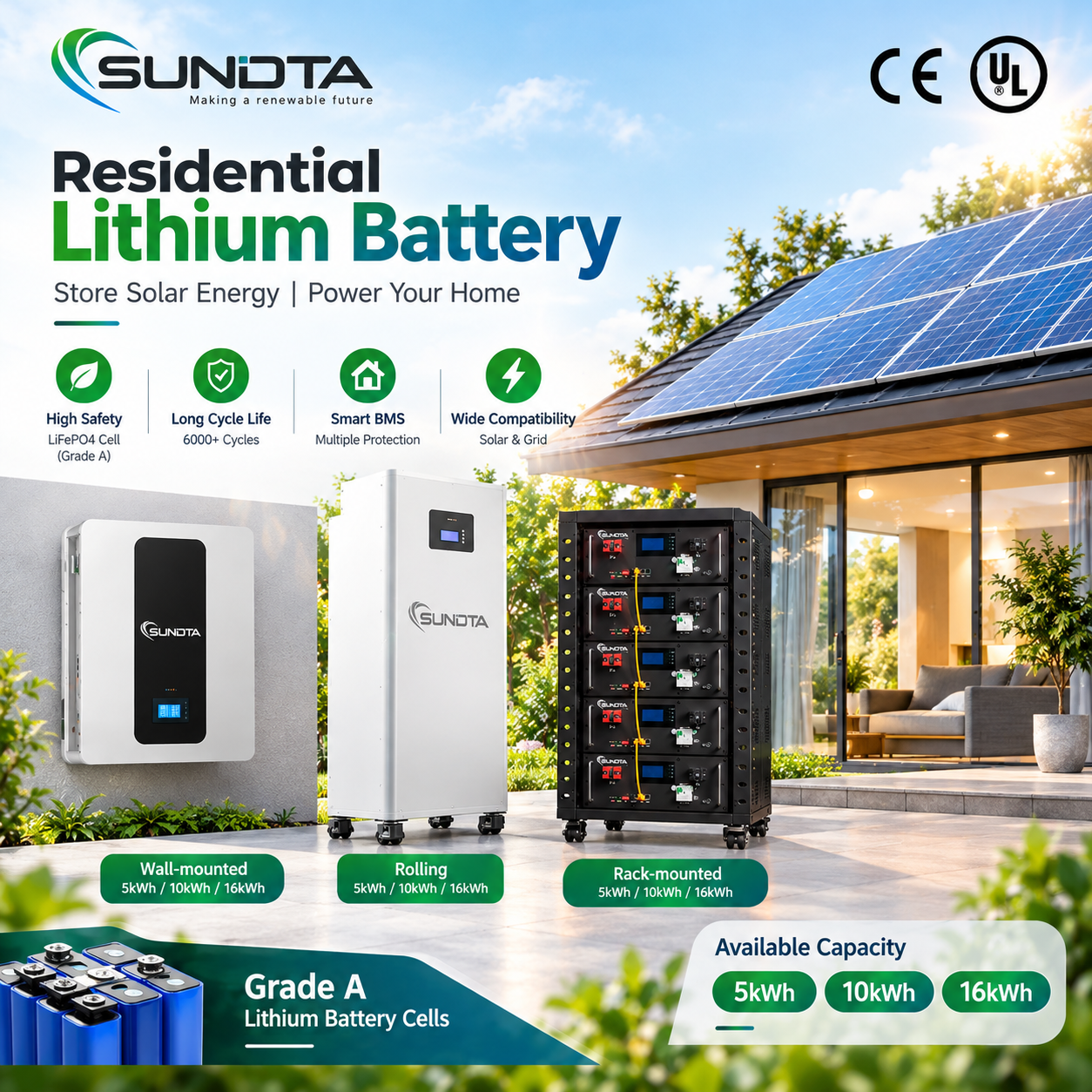
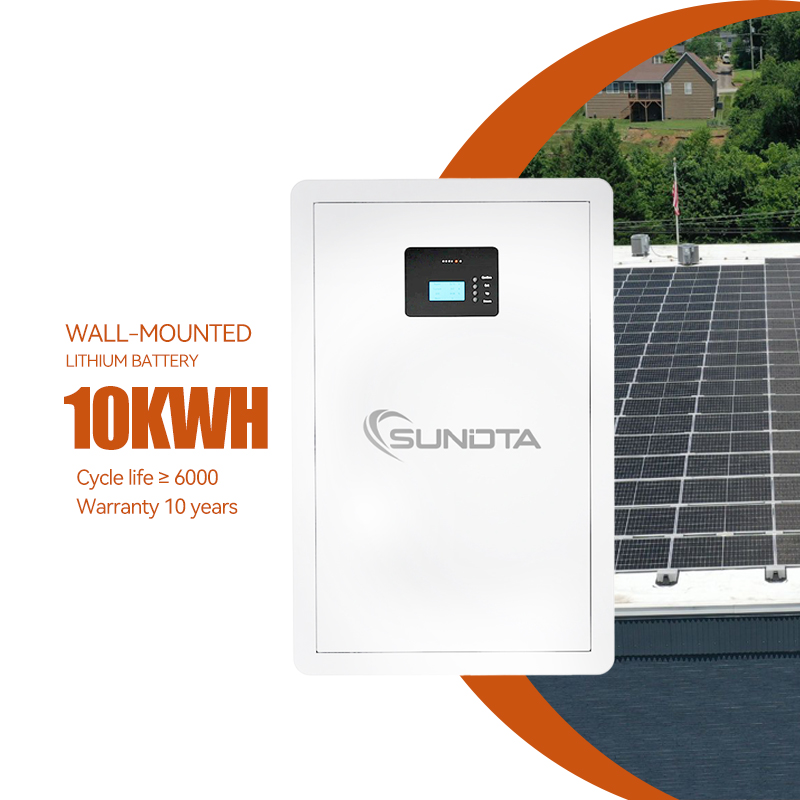
Cellular base stations exposed directly to sea spray along coastal Bolans benefit from our IP65 sealed 51.2V wall-hung and enclosed rack batteries, neutralizing salt fog and ambient moisture penetration.
Solar-Powered Microwave Repeaters
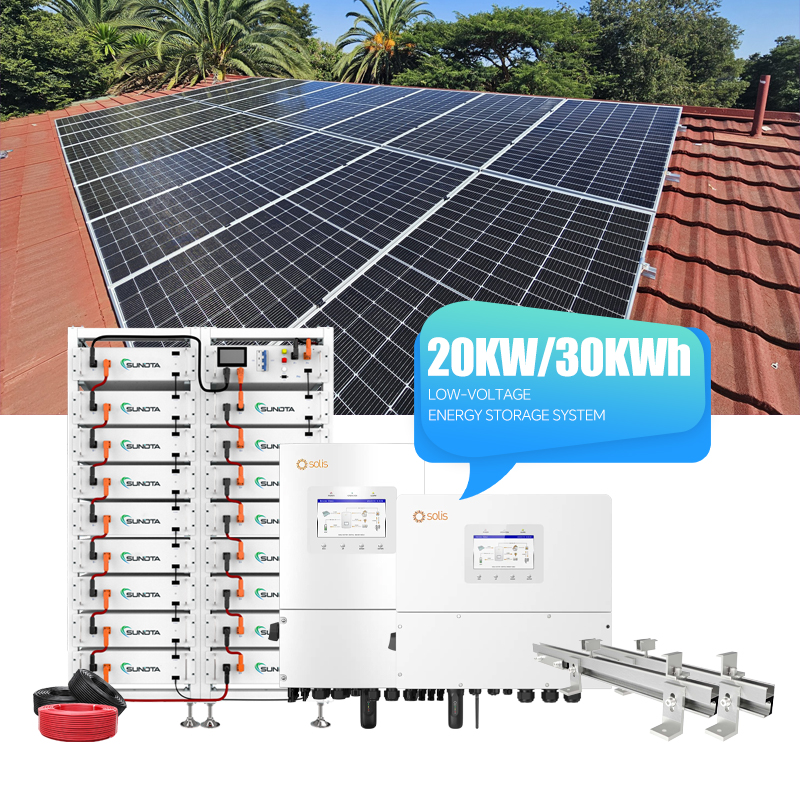
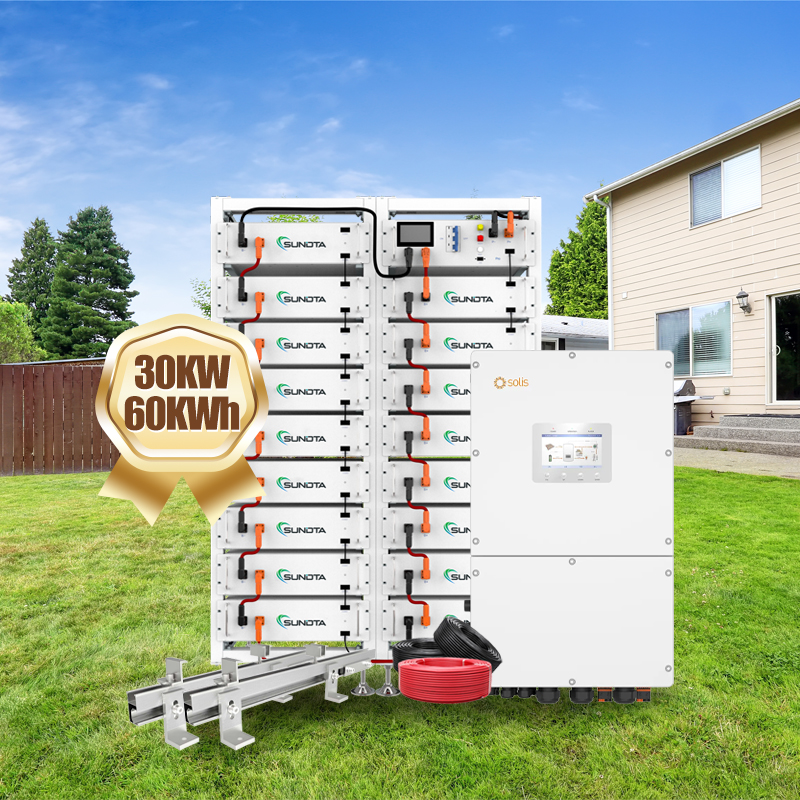
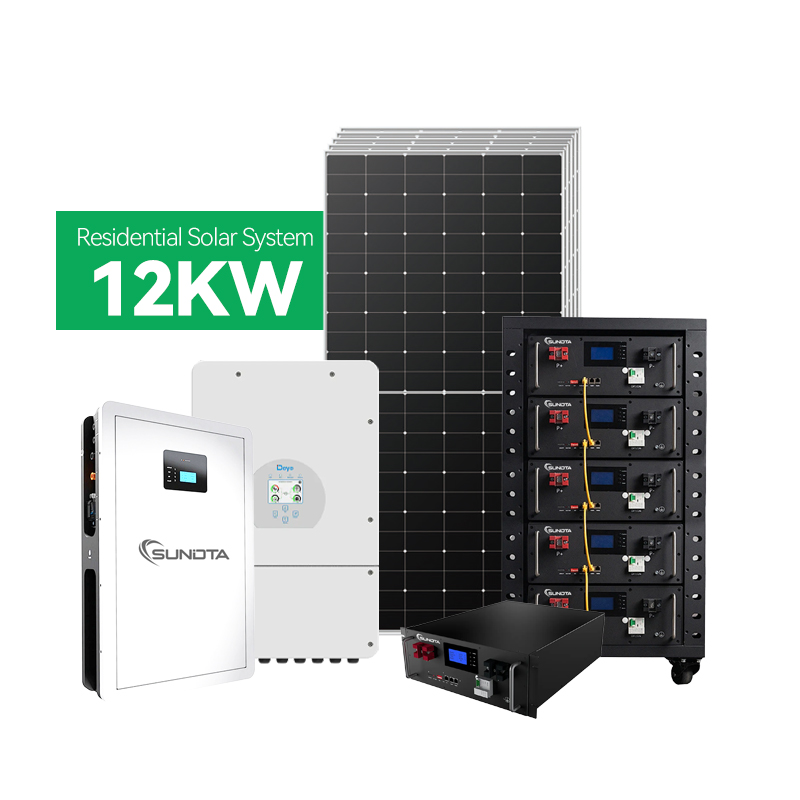
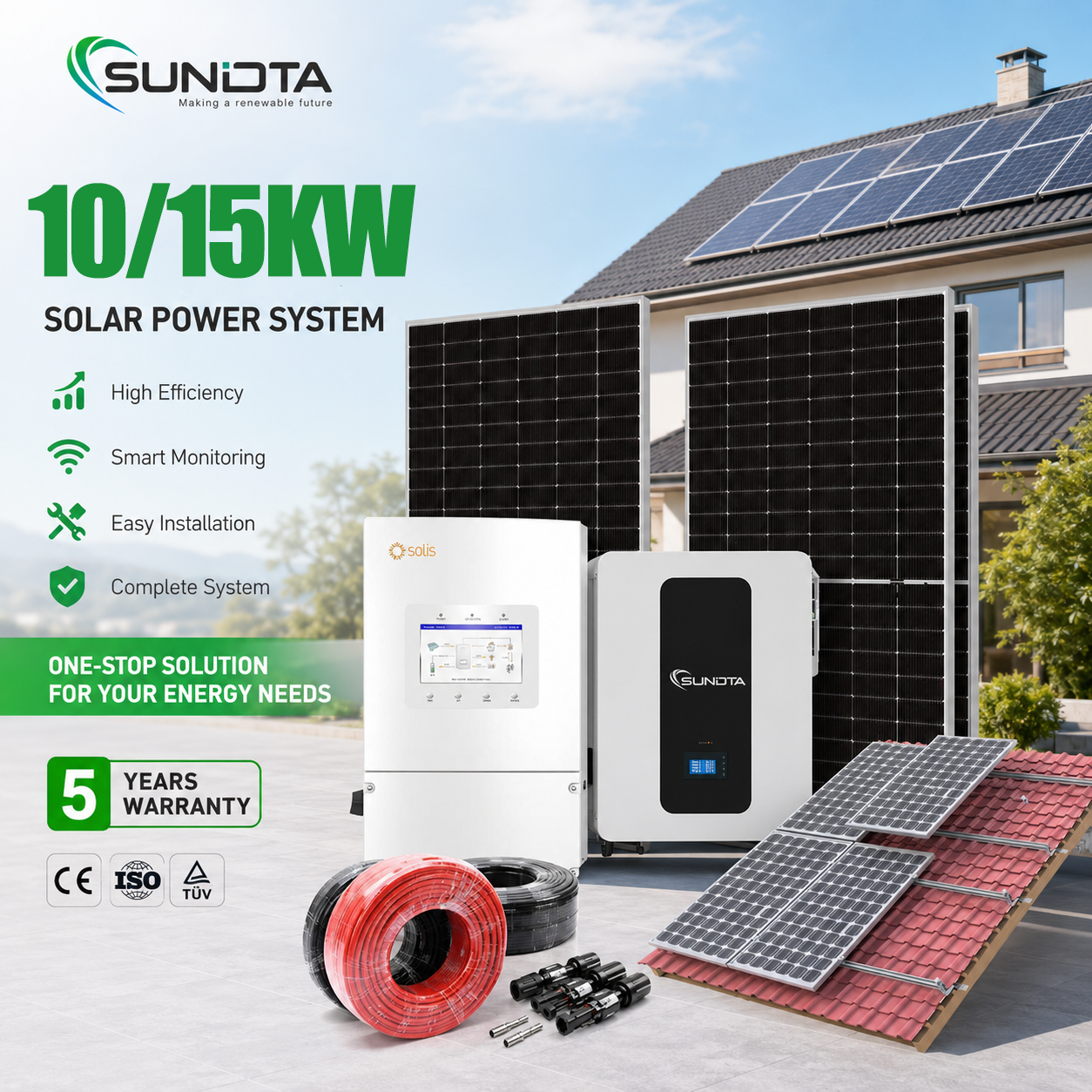
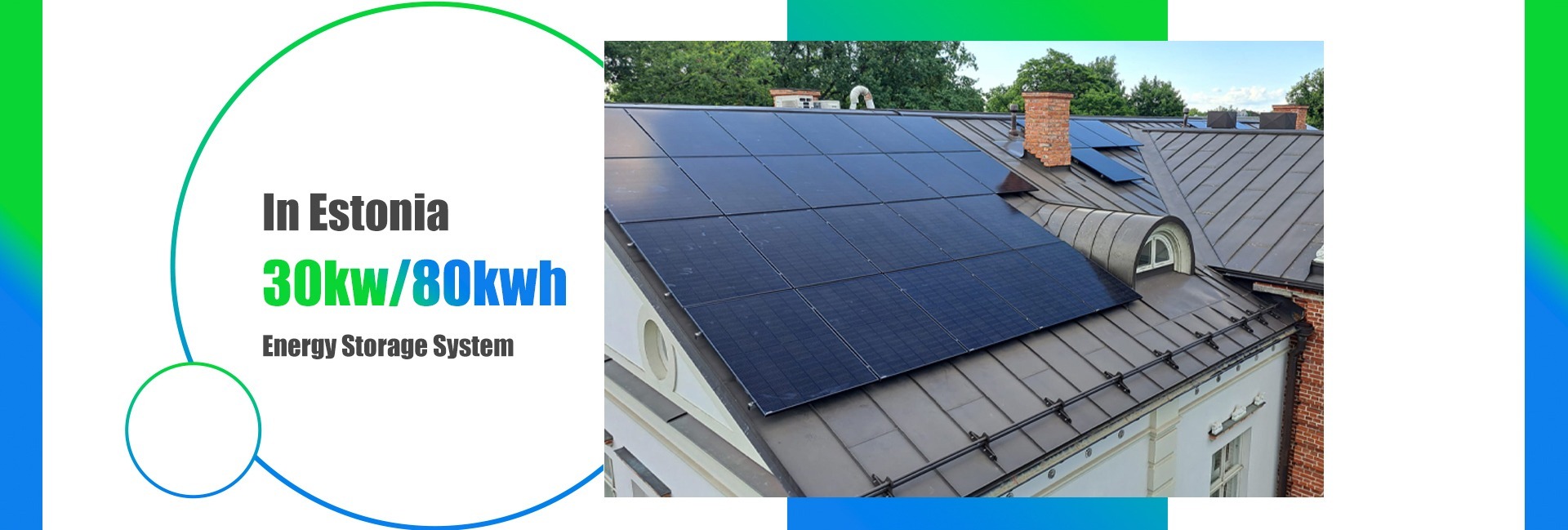
Mountaintop repeaters and microwave hops lacking dependable utility connections leverage our Complete 20kW/30kW Solar Hybrid Kits with high-efficiency TOPCon solar modules for total off-grid self-sufficiency.
Central Office & OLT Cabinets
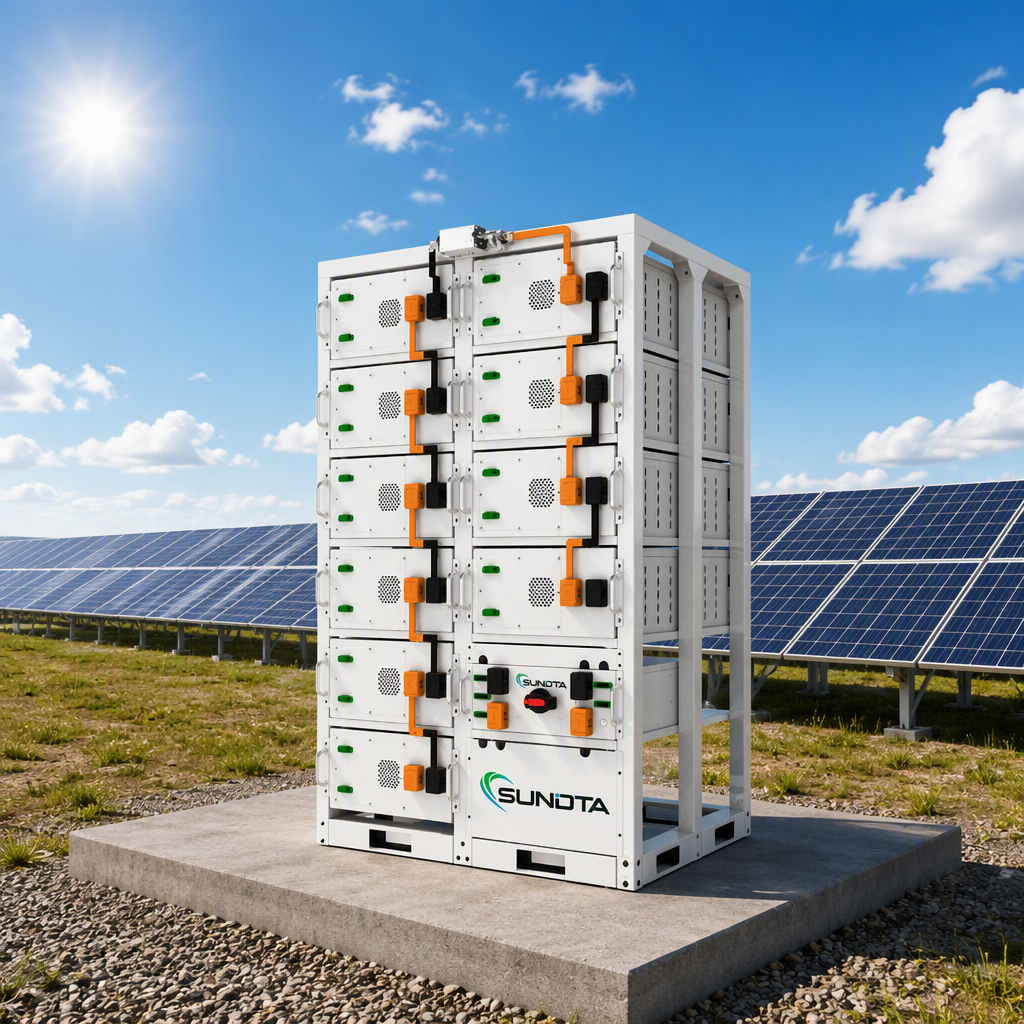
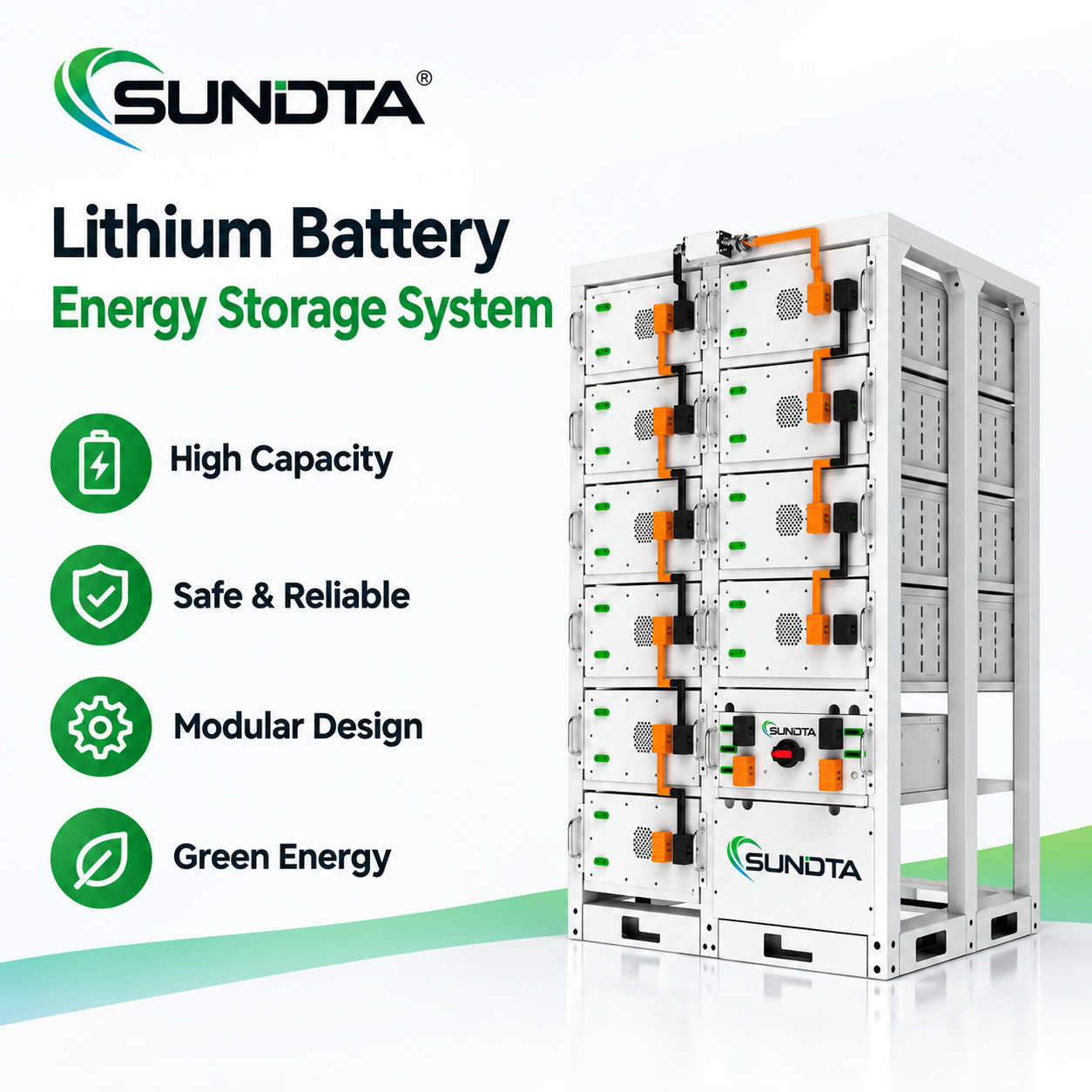
Central aggregation points require massive instantaneous backup capacity. Our SDT-280 High-Voltage 40-100kWh cabinets provide direct high-voltage DC bus tie-ins, eliminating converter stage losses.
Hybrid Diesel-Battery Microgrids
By cycling RJV modular LiFePO4 batteries during low-load nocturnal windows, operators curtail diesel generator run-times from 24 hours daily to under 5 hours, slashing local maintenance cycles and carbon footprints.
Market Dynamics & Evolution
Emerging Trends Shaping Telecom Power in the Leeward Islands
Critical engineering shifts that telecom CTOs and regional procurement leaders must prepare for through 2030.
5G Network Densification
As Caribbean carriers expand 5G microcell deployments across tourist centers like Bolans, site power draw increases by up to 2.5x compared to legacy 4G LTE. Lightweight, high-energy-density LiFePO4 packs allow carriers to retrofit existing poles and shelters without costly structural reinforcement.
Category 5 Hurricane Hardening
Following catastrophic tropical storms in the region, the Antiguan government and telecommunications regulators emphasize autonomous survival periods. Sites are scaling backup reserves from standard 4-hour buffers up to 24-to-48 hours of autonomous off-grid operation via oversized hybrid solar arrays.
Cloud Telemetry & Remote EMS
With remote access challenges during road washouts or emergencies, modern telecom infrastructure relies heavily on automated BMS communication. Our proprietary systems provide real-time cell voltage telemetry, state-of-health (SOH) monitoring, and alarm signaling directly into SNMP network management platforms.
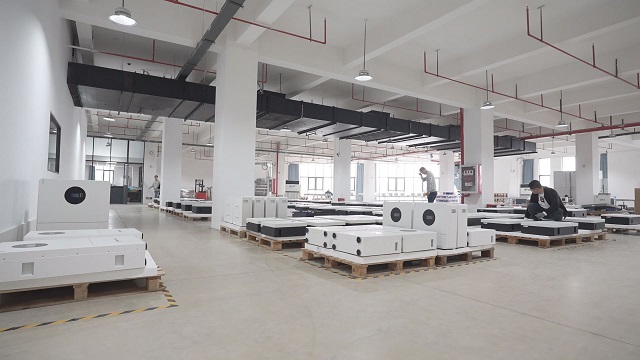
Headquartered in Hefei, China, Anhui RJV New Energy Co., Ltd. stands as a fully accredited premier manufacturer and global supply integrator. Our state-of-the-art automated production workshops represent over 12 years of specialized PV and electrochemical R&D experience, possessing an annual module output capability of 2 GW and delivering more than 500 MW of power systems internationally.
Unlike standard trading intermediaries, our production pipeline has achieved strict on-site factory verification by TÜV Rheinland, ensuring complete traceability from raw lithium iron phosphate cathode powder to final laser-welded cell interconnects and BMS firmware integration. We eliminate the single greatest vulnerability facing Caribbean telecom procurement: mismatched subsystem communications.
How do RJV LiFePO4 batteries withstand coastal humidity and salt corrosion in Bolans?
Our telecom batteries destined for Caribbean deployment utilize corrosion-resistant powder-coated galvanized steel or aluminum enclosures. Internal PCB motherboards are treated with double-pass industrial conformal coating protecting circuitry from humidity and airborne sodium chloride. For highly exposed outdoor base stations, we supply IP65-sealed wall and rack cabinets that physically isolate battery cells and BMS electronics from the external marine environment.
What is the standard shipping turnaround time and Incoterms for delivery to Antigua?
We support flexible Incoterms including FOB (major Chinese export ports including Shanghai and Ningbo), CFR, CIF, and EXW. Ocean freight to the Port of St. John's, Antigua typically operates on a 30 to 40-day transit schedule following factory testing and dispatch. Standard battery packs and complete hybrid kits undergo comprehensive UN38.3 vibration, altitude, and drop certification, accompanied by Dangerous Goods (DG) packing declarations and Material Safety Data Sheets (MSDS) for expedited customs clearance.
Are RJV LiFePO4 battery modules compatible with our existing site inverters and rectifiers?
Yes. Our smart BMS architecture supports dual CAN and RS485 communication protocols with native firmware profiles pre-configured for global telecom rectifiers and hybrid inverters such as Deye, Solis, Growatt, Victron, Huawei, and Vertiv. Upon inquiry, our application engineers review your existing site rectifier datasheets to pre-program target charge/discharge profiles and handshake codes prior to maritime container loading.
What is the Minimum Order Quantity (MOQ) for network operator trials or localized retrofits?
To support pilot testing and validation trials by Antiguan telecom contractors, we offer flexible MOQ policies: single modular rack units and inverters can be ordered starting from 1 piece/set. For complete turnkey off-grid BTS solar systems, orders start from 1 full kit. We also facilitate combined container shipments integrating TOPCon solar panels, mounting racking, inverters, and battery racks within a single unified Bill of Materials.
What technical documentation is provided to support Antiguan grid code and safety compliance?
Every export shipment includes verified TÜV Rheinland supplier audit documentation, CE Declaration of Conformity, IEC 62619 safety test reports for lithium industrial cells, UN38.3 maritime transport safety dossiers, and model-specific single-line electrical schematics to streamline engineering sign-off with local utility inspectors.