CE Certified BIPV Solar Panels Suppliers & Exporters
Architecturally Integrated Photovoltaic Solutions, N-Type TOPCon Dual-Glass Skins, Hybrid Inverter Synchronicity, and High-Safety Energy Storage Systems for EPC Developers Worldwide.
Direct Factory Portfolio
Engineered Solar Building Skins & Integrated Storage Units
Every architectural photovoltaic installation mandates precise mechanical resilience, dynamic inverter interoperability, and intelligent energy storage dispatch. Explore our certified high-performance BIPV modules, matched hybrid inverters, and lithium energy storage systems designed for zero-carbon architecture.
Technical Whitepaper: Integrating CE-Certified BIPV Solar Panels into Modern Net-Zero Envelopes
As commercial infrastructure accelerates toward decarbonization under European EPBD (Energy Performance of Buildings Directive) regulations and global ESG benchmarks, Building Integrated Photovoltaics (BIPV) have transitioned from an architectural novelty into an imperative functional building envelope material. Unlike traditional Building Attached Photovoltaics (BAPV), which are retrofitted onto roofs with heavy mechanical racking, CE-certified BIPV panels act as structural building elements—doubling as exterior curtain walls, skylights, acoustic cladding, canopies, and thermal envelopes.
Anhui RJV New Energy Co., Ltd. leads this frontier by manufacturing architectural glass photovoltaic modules that simultaneously satisfy the rigorous structural requirements of civil engineering (EN 12600 pendulum impact resistance, EN 13501-1 reaction to fire) and the exacting electrical safety requirements of IEC/EN 61215 and IEC/EN 61730. Navigating this multi-disciplinary domain requires engineering buyers and EPC contractors to dissect mechanical loads, optical properties, cell interconnectivity, and system balance before committing to multi-megawatt procurements.
A BIPV module operates under harsher thermodynamic stresses than ground-mounted solar panels. Built directly into building facades or overhead atriums, these modules experience micro-environmental heating due to reduced natural rear-side ventilation. Standard EVA encapsulants rapidly discolor and delaminate under continuous facade thermal retention; thus, our CE-certified BIPV glass-glass assemblies employ high-yield POE (Polyolefin Elastomer) and specialized structural PVB laminates. POE provides superior anti-PID (Potential Induced Degradation) characteristics, ten-fold lower water vapor transmission rates, and unparalleled ultraviolet stability over a 30-year operational lifecycle.
Additionally, building safety mandates tempered double-glazed or laminated security glass compositions. RJV BIPV glass configurations range from 3.2mm + 3.2mm dual-tempered glass up to heavy-duty 6mm + PVB + 6mm architectural security setups capable of sustaining severe wind loads up to 5,400 Pa and snow loads up to 7,200 Pa without internal cell micro-cracking.
Evaluation Parameter
Standard Rooftop Module (BAPV)
High-Efficiency Facade BIPV (RJV)
Architectural Glazed Atrium / Canopy
Primary Function
Electricity generation only
Curtain wall, insulation & energy
Natural daylighting, safety glass & energy
Glass Configuration
3.2mm single front ARC glass
Dual 3.2mm / 4mm Tempered Glass
Laminated 6mm + 1.52 PVB + 6mm Safety
Fire Safety Rating
Class C (Standard IEC)
Class A / B1 (EN 13501-1 fireproof)
Class A non-combustible building skin
Encapsulant Material
Standard EVA Film
High-Molecular POE Elastomer
Optical structural PVB / High-grade POE
Cell Architecture
P-Type PERC / N-Type TOPCon
N-Type TOPCon Bifacial / Dense Half-Cut
Spaced Transparent TOPCon / HJT Cells
Inverter Compatibility
Uniform Central / String MPPT
Multi-MPPT Distributed / Optimizers
Micro-inverters or Split-String Hybrid
2. Cell Topography: Transitioning to N-Type TOPCon and Heterojunction (HJT)
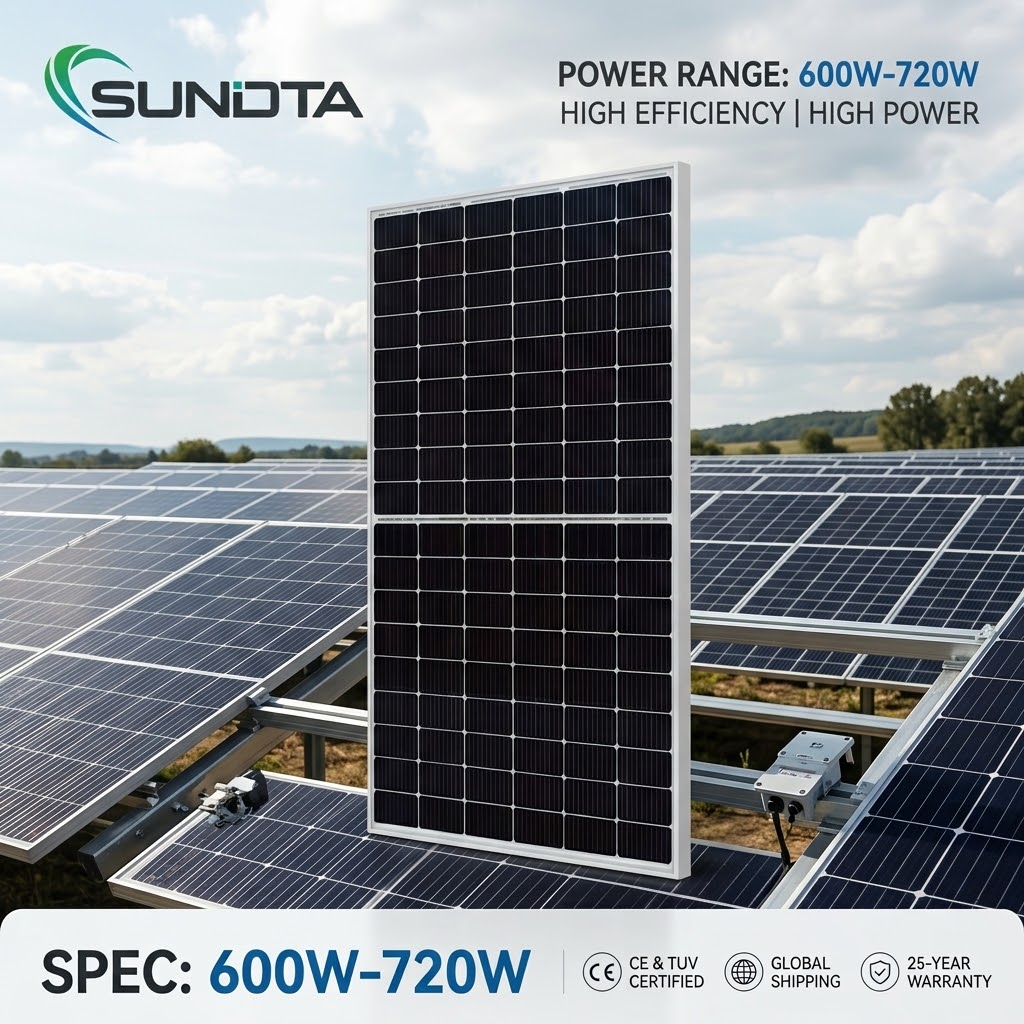
The core energy generation matrix within modern BIPV panels relies on high-transmittance silicon wafers. While older PERC systems dominated legacy projects, RJV integrates advanced N-Type TOPCon (Tunnel Oxide Passivated Contact) and Heterojunction technologies. TOPCon delivers an industry-leading temperature coefficient (-0.30%/°C compared to -0.36%/°C of PERC), meaning when a building facade surface temperature climbs to 65°C during peak midday exposure, energy degradation is mitigated by up to 10-14%.
Furthermore, because modern city designs often have varying shadow angles from neighboring skyscrapers, our BIPV panels utilize multi-busbar (MBB) half-cut cell matrices connected with bypass Schottky diodes. This prevents the hot-spot phenomenon and local thermal runaway, ensuring that even if shadows fall on a section of a curtain wall, adjacent cells maintain balanced string conduction into the centralized battery storage or inverter grid interface.
Supplying photovoltaic building skins is only half of the engineering solution. Generating solar power on vertical facades results in a broader, flatter generation curve throughout the day compared to the sharp bell curve of south-facing roofs. To capture this distributed generation without clipping, electrical system designers require coordinated hybrid power electronics.
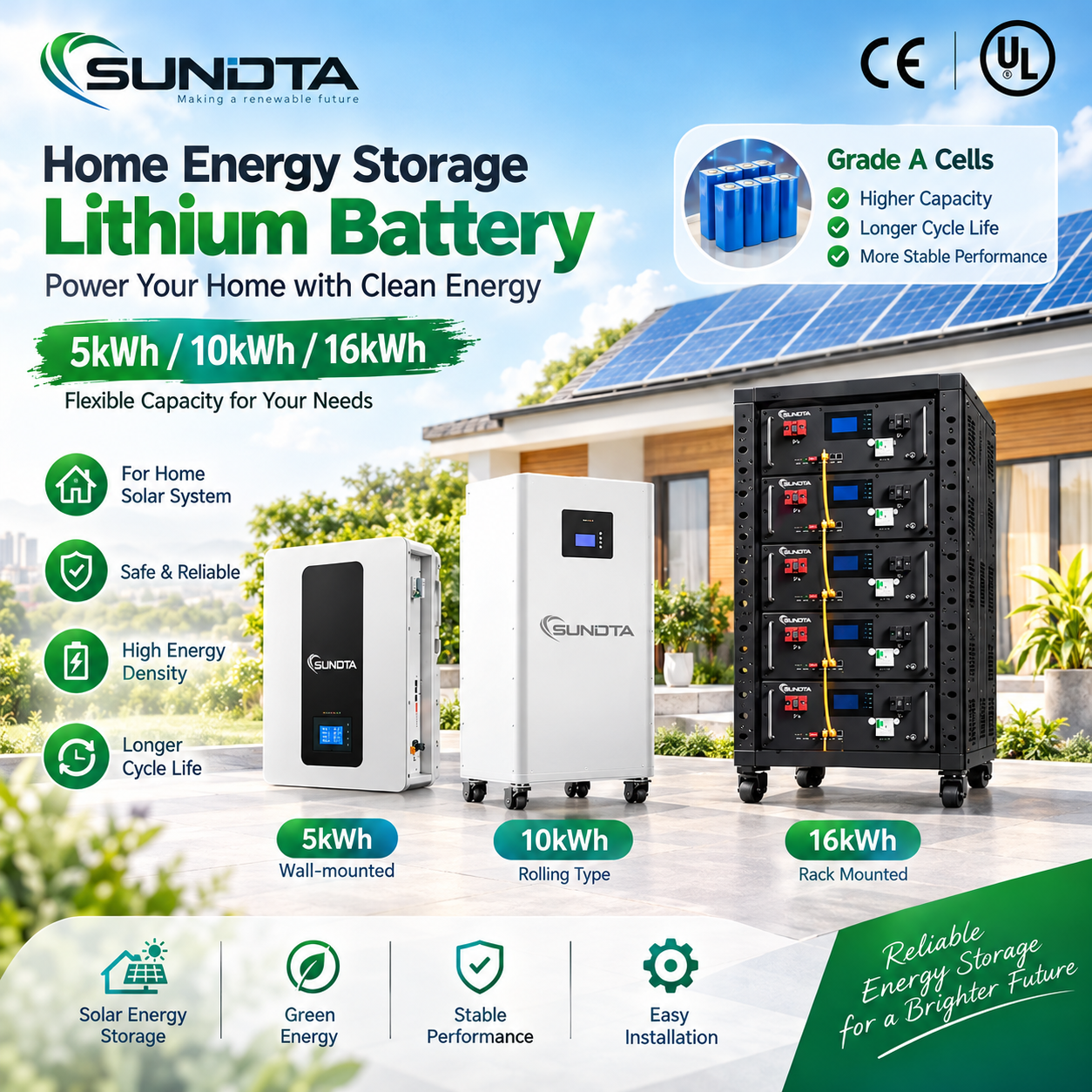
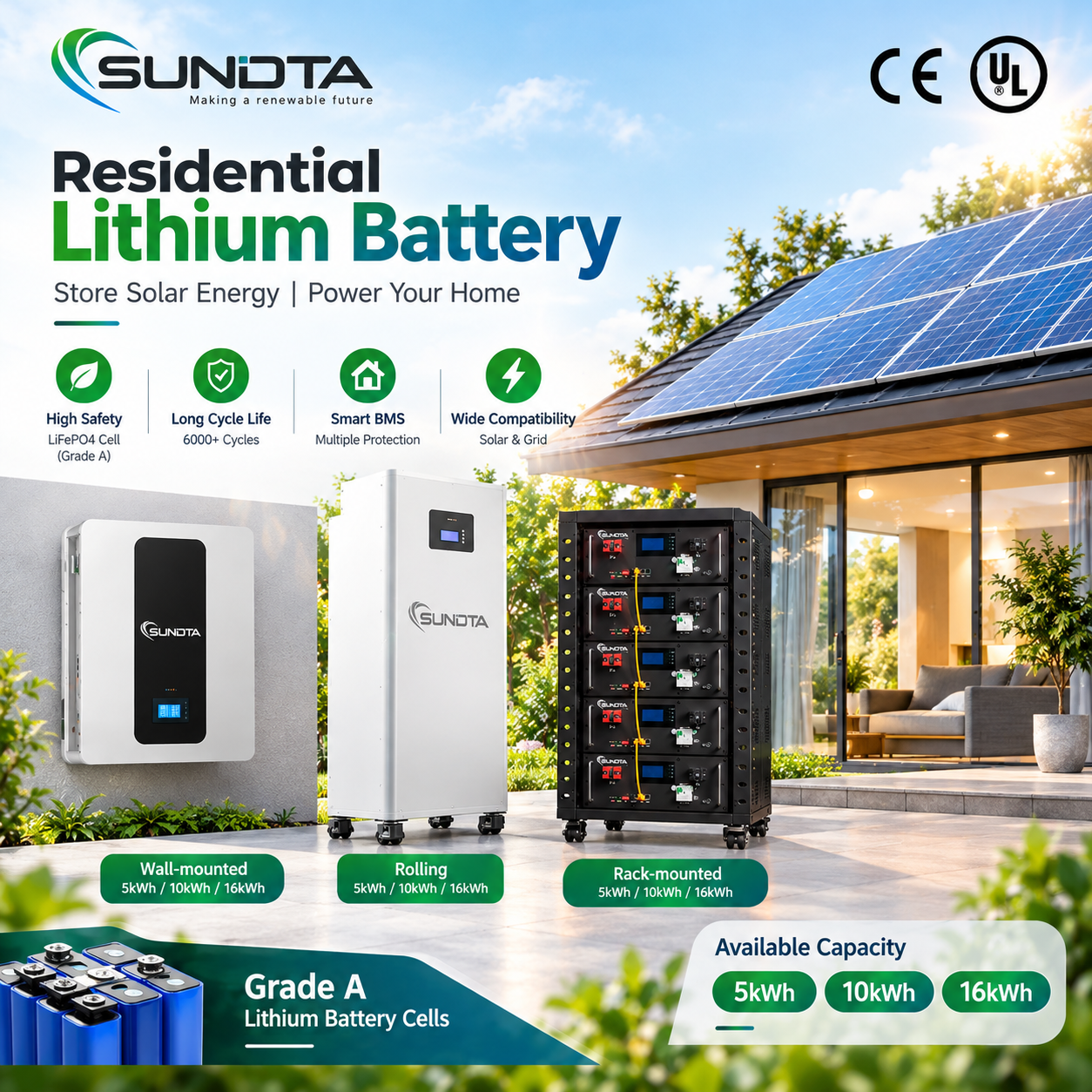
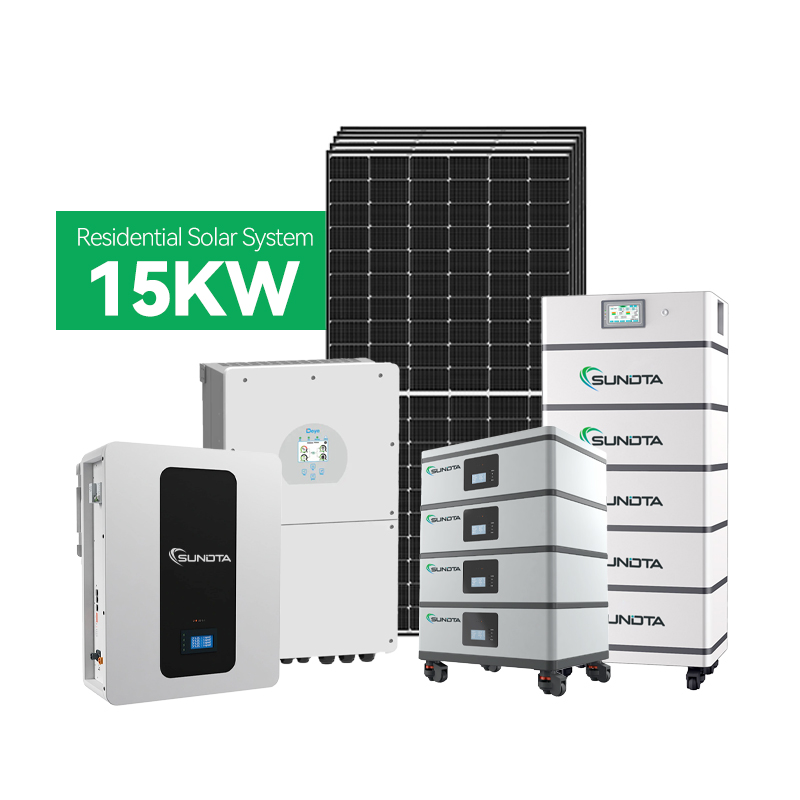
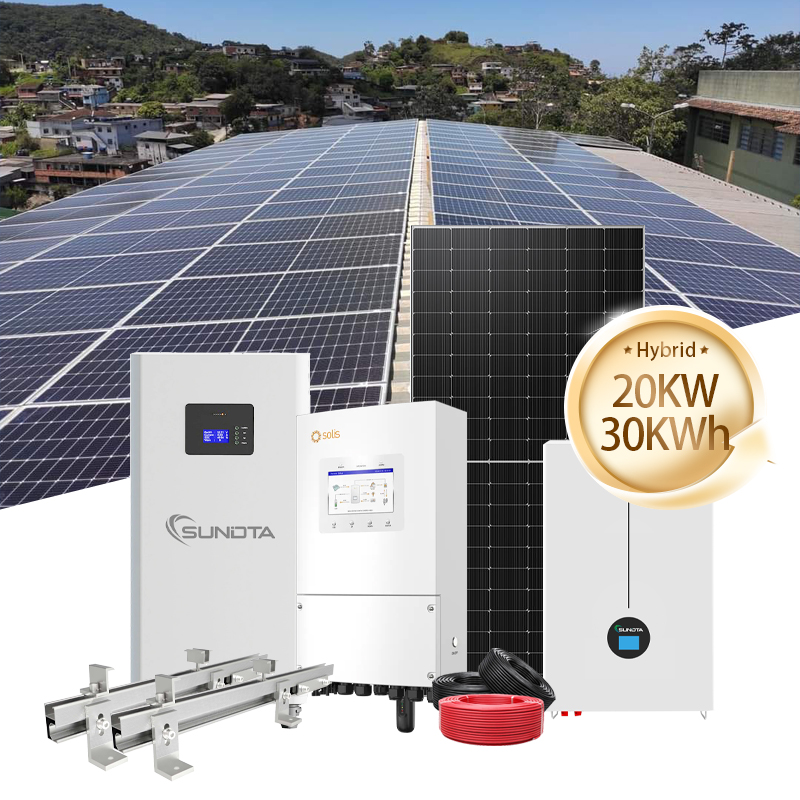
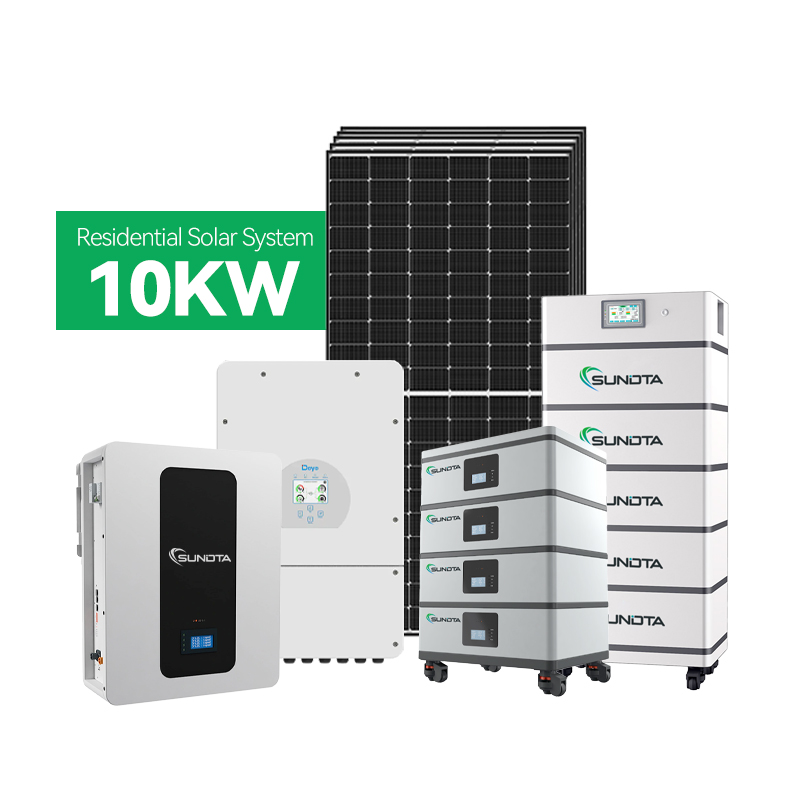
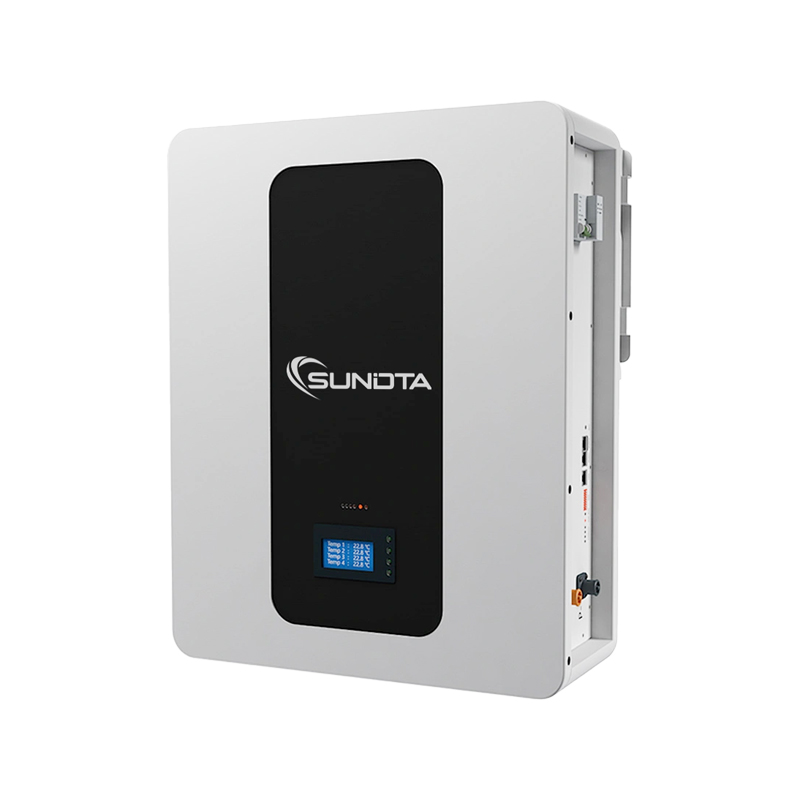
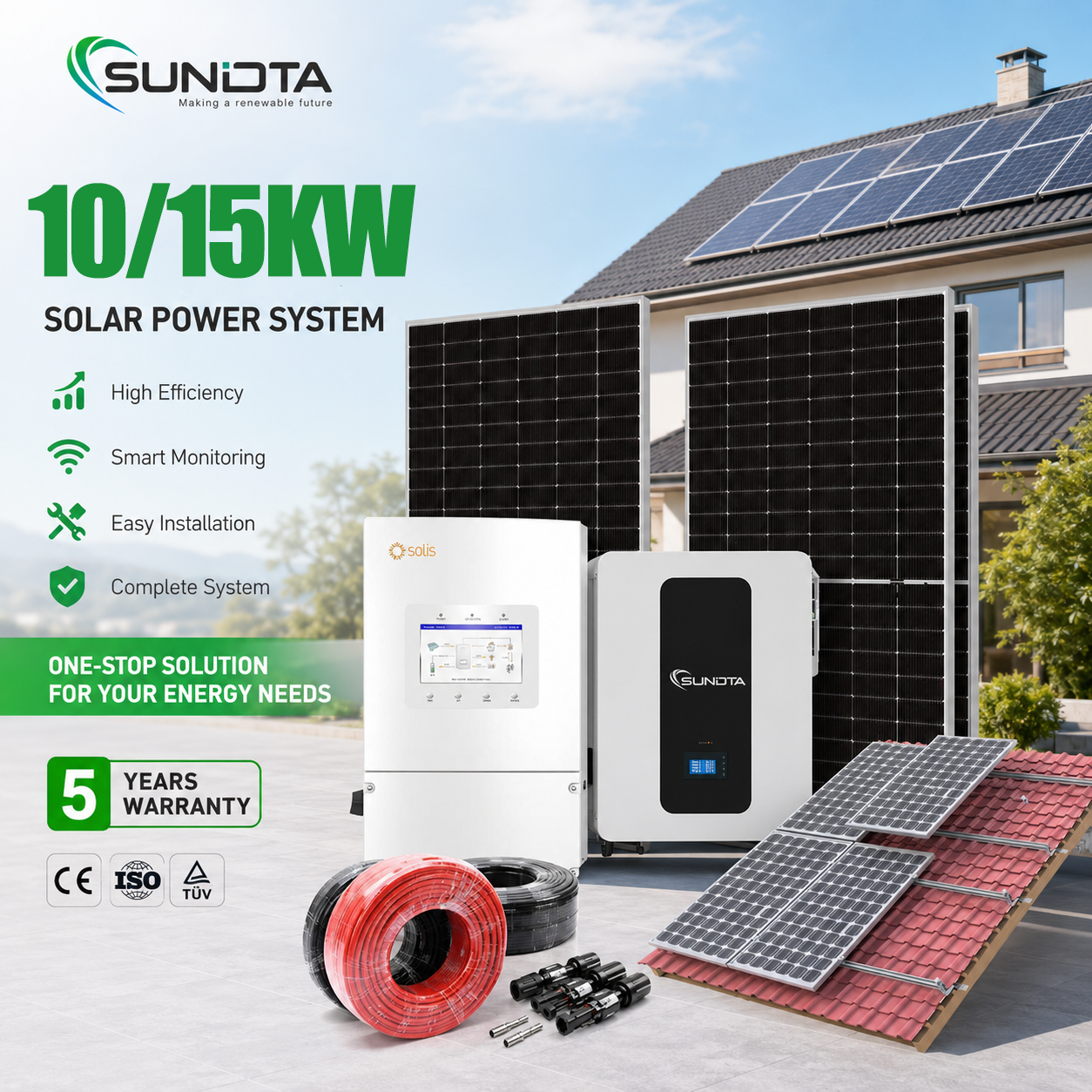
As demonstrated across our curated product inventory, Anhui RJV coordinates with Tier-1 power conversion brands—providing customized Deye and Solis hybrid inverters from 5kW single-phase up to 125kW three-phase high-voltage systems. These inverters feature broad MPPT operational windows (starting as low as 120V up to 850V), ensuring startup even during low vertical solar irradiation in winter months. Coupled with our CAN/RS485 closed-loop compatible Sundta 51.2V and High-Voltage LiFePO4 batteries, building owners can achieve up to 85% onsite energy self-sufficiency, buffering daylight building generation to power nocturnal HVAC, lighting, and EV charging demands.
Market Intelligence
Future Procurement Trends in the Global BIPV & Storage Sector
Procurement directors and commercial developers must prepare for structural shifts in product certification, optical customization, and integrated energy trading over the 2026–2030 horizon.
Custom Aesthetic Colors & Glaze Textures
Architects no longer accept visible silver busbars and dark blue silicon reflections on luxury high-rises. The market is shifting to nano-ceramic printed glass, homogeneous all-black finishes, and stone-texture front sheets that mimic marble or terracotta while sacrificing less than 15% solar conversion efficiency.
Stringent Unified Fire & Seismic Compliance
Regulatory authorities in the European Union, the United States, and Australasia are phasing out self-declared photovoltaic ratings in favor of comprehensive building codes. BIPV panels must be certified under dual protocols: electrical generation safety (IEC 61730) combined with full structural building materials safety (EN 13501-1 / ASTM E119).
All-in-One DC-Coupled Microgrid Containers
Procuring raw BIPV glass modules in isolation often creates integration friction with local grid authorities. Future procurement mandates a matched balance-of-system approach: pre-engineered DC combiner cabinets, integrated micro-inverters with rapid shutdown (RSD), and containerized ESS units (1MWh - 2MWh) delivered as one validated BOM.
Factory Competence
Why Global Importers & EPC Developers Partner with RJV New Energy
Headquartered in Hefei, China—the capital of photovoltaic innovation—Anhui RJV New Energy combines cutting-edge automated production with end-to-end international trade assurance.
2.0 GW Capacity
State-of-the-art automated manufacturing lines with comprehensive EL (Electroluminescence) testing and flash data mapping.
TÜV Rheinland Assessed
Verified production facility in Hefei Innovation Park, delivering fully compliant CE, IEC 61215, IEC 61730, and UN38.3 dossiers.
Seamless Incoterms
Flexible supply-chain operations including FOB, CFR, CIF, and EXW dispatch, supported by EU local warehouse inventory in Germany.
Turnkey Sizing & OEM
Full CAD glass dimensioning, tailored cell spacing for transparency rates (10%-40%), custom junction box positioning, and OEM branding.
Procurement Knowledge Base
Frequently Asked Questions on CE Certified BIPV Procurement
Direct technical guidance compiled by our Hefei system engineering division to assist international purchasers, consulting engineers, and solar distributors.
What exact tests are covered under CE certification for BIPV panels?
For standard PV modules, CE marking verifies conformity with the Low Voltage Directive (LVD 2014/35/EU) and Electromagnetic Compatibility (EMC 2014/30/EU) under IEC/EN 61215 and IEC/EN 61730. However, for BIPV panels acting as building construction elements, conformity must also extend to the Construction Products Regulation (CPR 305/2011/EU), ensuring mechanical load bearing, fire reaction rating (EN 13501-1), impact safety (EN 12600), and water/air tightness.
How do you prevent cell overheating and subsequent power degradation in facade installations?
Vertical and integrated BIPV modules lack the rear chimney effect present in tilted roof arrays. We counteract this by selecting N-Type TOPCon cells with an industry-low temperature coefficient (-0.30%/°C), substituting standard EVA with thermally robust POE encapsulant films that resist yellowing up to 105°C, and designing ventilated rear air gaps (minimum 50mm-80mm) into the curtain wall sub-frame engineering recommendations.
What is the minimum order quantity (MOQ) for custom-dimensioned BIPV glass modules?
For standard catalog PV modules and lithium storage units, our MOQ starts from 1 set or pallet load. For fully customized BIPV glass panels—where glass thickness, color fritting, silkscreen patterns, and non-standard dimensions require custom laminating laminator tooling—our production MOQ is typically 100 square meters or project-based container allocations. Sample testing units are available upon engineering drawing sign-off.
Can your hybrid inverters and storage batteries interface directly with third-party BMS?
Yes. Our Sundta 51.2V and high-voltage stackable battery series come equipped with multi-protocol CAN and RS485 communication firmware. They are natively pre-programmed for plug-and-play synchronization with leading hybrid inverters including Deye, Solis, Growatt, Victron, and SMA. Furthermore, our energy management systems (EMS) support open Modbus TCP/IP for master building management system (BMS) integration.
Ready to Engineer Your Low-Carbon BIPV Project?
Whether you are procuring custom-glazed solar curtain walls, N-Type TOPCon bifacial modules, Deye/Solis hybrid inverters, or scalable LiFePO4 battery containers, our technical sales engineers in Hefei provide end-to-end design sizing, electrical BOM optimization, and global logistics coordination.