Custom OEM Solar Battery Storage Manufacturer & Suppliers
Precision-Engineered LiFePO4 Energy Storage Systems, High-Voltage Commercial Battery Racks, and Turnkey Photovoltaic Power Plants Built for Worldwide Distributors and EPC Integrators.
Precision Engineered Catalog
OEM/ODM Solar Energy Storage & Hybrid Generation Systems
Direct from our Hefei manufacturing headquarters: fully integrated Lithium Iron Phosphate (LiFePO4) storage units, hybrid MPPT inverter stations, and tier-1 photovoltaic panels matching rigorous grid-code compliance.
Turnkey Kit
20kW – 35kW Hybrid
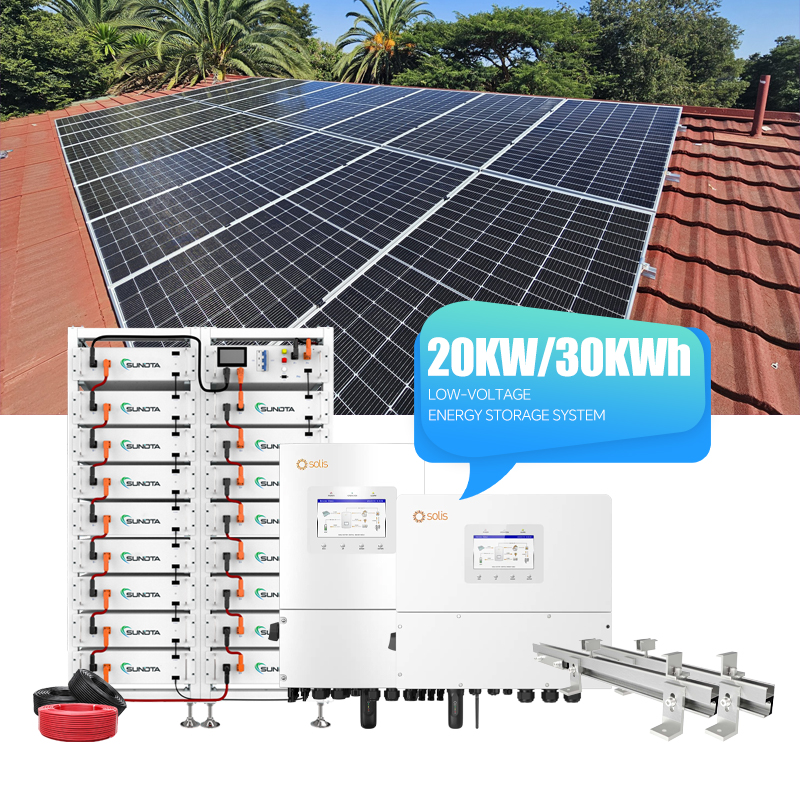
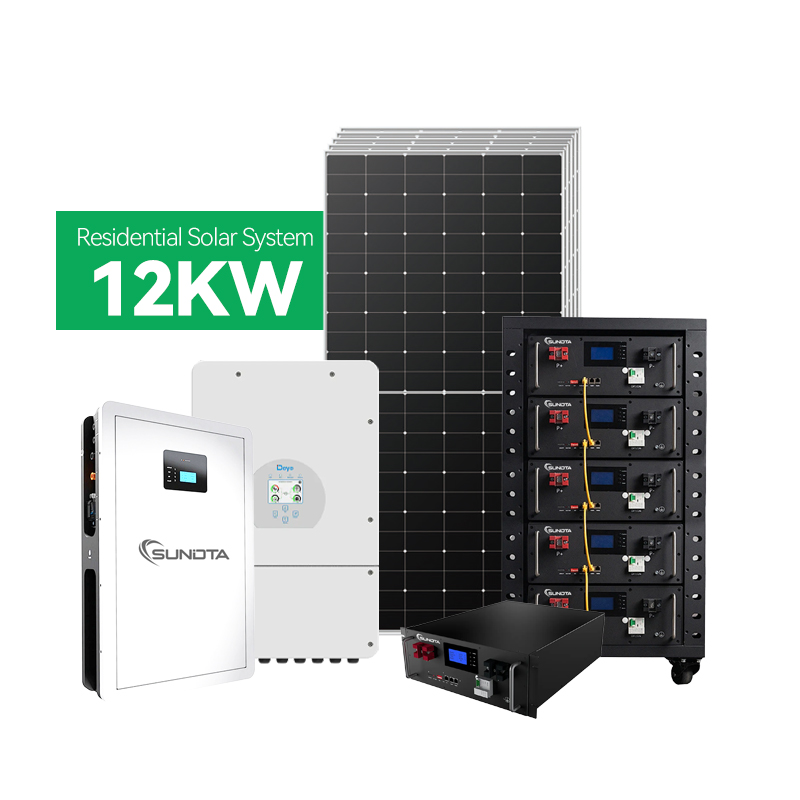
Complete Set of 20kW Hybrid Solar Energy Storage System
In the rapidly transforming international renewable energy sector, utility providers, commercial facility managers, and residential distributors are migrating away from traditional energy storage chemistries toward advanced Lithium Iron Phosphate (LiFePO4/LFP). The thermodynamic stability inherent to the phospho-olivine crystal lattice ensures superior thermal runaway resistance (exceeding 270°C compared to nickel-manganese-cobalt at ~210°C), eliminating catastrophic oxygen release during severe overcharge or mechanical puncture events.
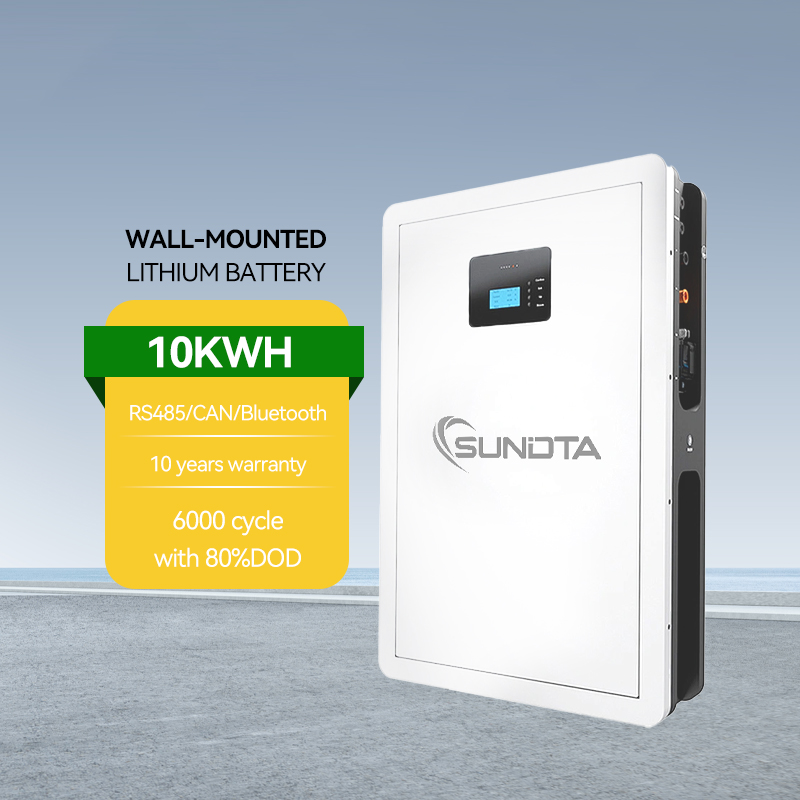
At Anhui RJV New Energy Co., Ltd., our manufacturing protocols operate strictly with brand-new, automotive-grade Grade-A prismatic cells. Unlike low-tier assemblers utilizing repurposed EV traction batteries, RJV implements 100% capacity grading, automated inner-resistance (IR) matching (≤0.05mΩ tolerance), and laser-welded copper-aluminum busbar interconnects. This rigorous process eliminates parasitic current imbalance, drastically minimizes thermal hotspots, and guarantees an operating endurance exceeding 6,000 deep cycles at 80% Depth of Discharge (DoD) under 25°C ambient environments.
Automotive Grade Prismatic Cells
Utilizing high-density 100Ah, 280Ah, and 314Ah prismatic aluminum-cased cells. Enhanced chemical doping reduces micro-cracking across tens of thousands of lithium-ion intercalation cycles, preserving long-term structural integrity.
Multi-Tier Smart BMS Management
Integrated dual-core Battery Management Systems continuously sample individual cell voltages, pack temperatures, and current shunts. Advanced balancing algorithms compensate for SOC drift across 16S residential and 240S commercial series strings.
Dynamic Thermal Equalization
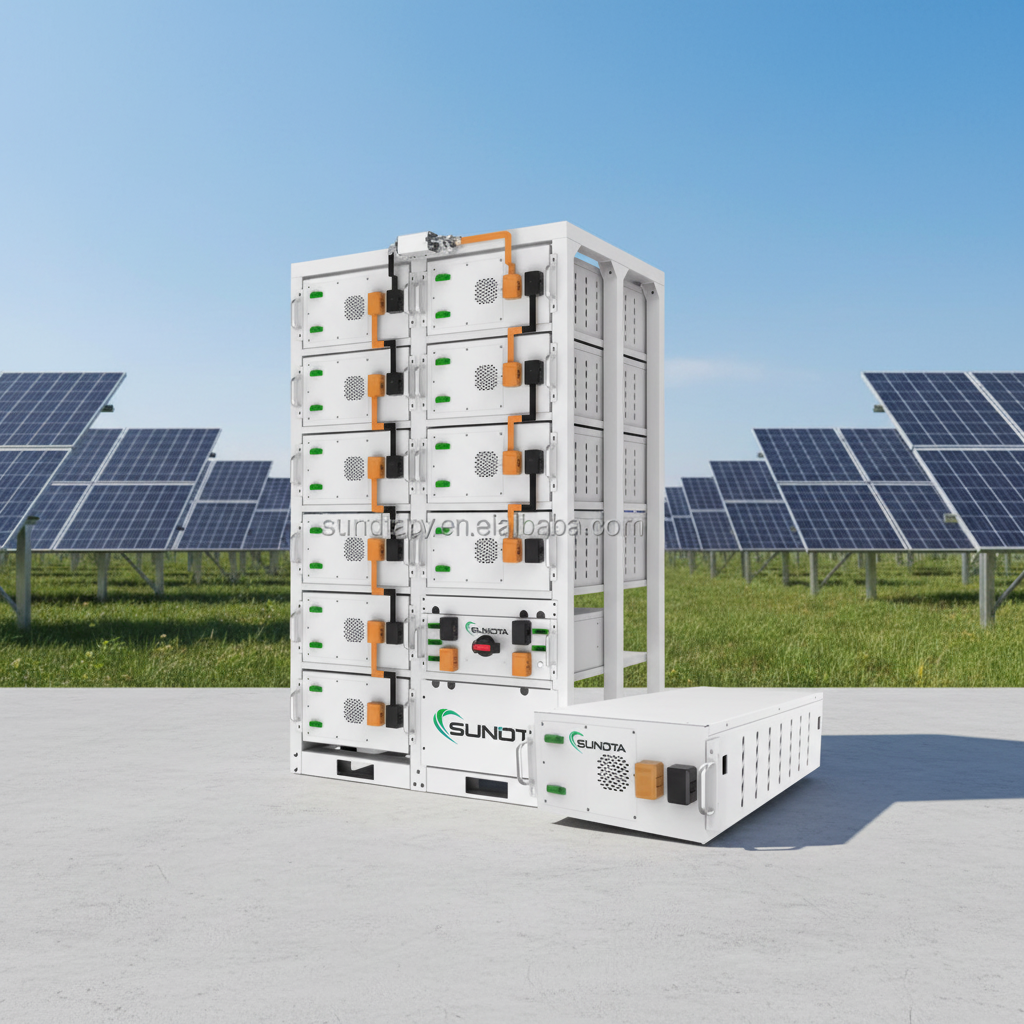
Thermal gradients remain below ≤3°C across entire battery cabinets. Engineered airflow guides for standard installations and precision liquid-cooling chill-plates for high C-rate utility modules prevent localized cell aging.
Technical Benchmark: Low-Voltage vs. High-Voltage Battery Storage Architecture
A key procurement choice facing system integrators and distributors involves determining the optimal DC bus voltage topology. Low-voltage (48V/51.2V) configurations remain the dominant standard for residential self-consumption, while high-voltage (200V–800V+) systems maximize round-trip efficiency in commercial, industrial, and large-scale backup operations.
System Parameter
Low-Voltage (LV) 51.2V Stack
High-Voltage (HV) 200V–800V Stack
Procurement Selection Criterion
Operating Voltage Range
43.2V – 57.6V DC
180V – 850V+ DC Series
HV matches three-phase inverter DC link directly, skipping boost stages.
Round-Trip Efficiency (RTE)
∼94.2% – 95.5%
∼97.1% – 98.4%
HV avoids heavy I²R resistive heat losses over high continuous kilowatt draws.
Closed-loop communication ensures zero error handshakes and dynamic charging.
Recommended Use Scenario
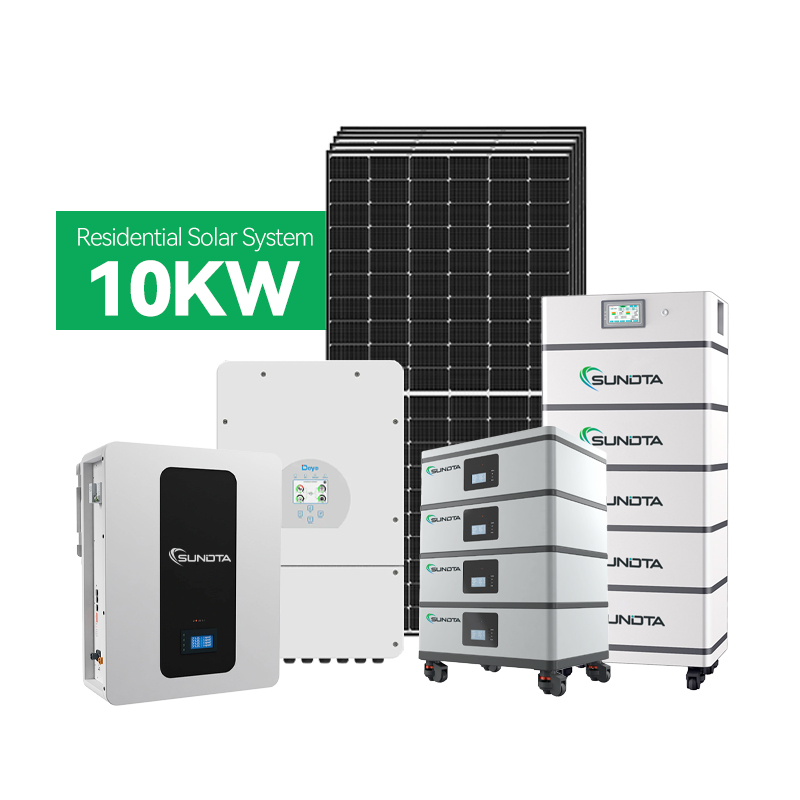
Residential (5kW–12kW inverter)
Commercial & Industrial (30kW–250kW)
LV provides modular plug-and-play; HV provides maximum energy density per m².
Certification & Compliance Target
CE, UN38.3, IEC 62619
IEC 62619, UL 9540, UL 9540A
RJV supplies turnkey compliance dossiers for rapid municipal grid clearance.
Strategic Market Intelligence
Future Procurement Trends in Solar Battery Energy Storage (2025–2030)
Global PV-plus-storage procurement is shifting rapidly from fragmented component sourcing to pre-engineered, vertically verified modular solutions. Engineering procurement managers who anticipate these four market shifts protect their projects against obsolescence and regulatory non-compliance.
Trend 01 • Cell Evolution
Ascendance of 314Ah+ High-Capacity Cells
The standard 280Ah cell footprint is rapidly yielding to 314Ah and 320Ah prismatic formats. This delivers a 12% to 15% increase in volumetric energy density, allowing 5MWh energy storage blocks inside standard 20ft shipping containers without expanding footprint.
Trend 02 • Grid Services
Virtual Power Plant (VPP) Dynamic Readiness
Storage is no longer merely passive backup; it is an active revenue generator. Distributed residential and commercial storage systems require millisecond-level frequency response, active/reactive power control (Cos φ regulation), and IEEE 2030.5 / OpenADR protocol readiness.
Trend 03 • Fire Safety
Stricter Fire Safety & UL9540A Standards
Jurisdictions in the European Union, North America, and Australia have tightened multi-tier thermal runaway propagation mandates. Modern procurement demands unit-level aerosol suppression, directional pressure relief valves, and explosion vents.
Trend 04 • Procurement
Single-Sourced Complete BOM Procurement
Procuring inverters from one vendor, batteries from another, and modules from a third creates communication mismatch issues and finger-pointing during warranty claims. EPCs are consolidating their supply chain with integrated partners like RJV.
As solar cell technology shifts mainstream from P-Type PERC to N-Type TOPCon and Heterojunction (HJT) with cell efficiencies surpassing 25.5%, energy storage architectures are experiencing parallel breakthroughs in solid-state electrochemistry and inverter power electronics.
Anhui RJV New Energy continues to invest heavily in next-generation storage chemistries. While standard liquid electrolyte LiFePO4 will maintain market dominance through 2028 due to proven cost dynamics, semi-solid-state lithium batteries are already emerging in specialized high-safety residential applications. By replacing volatile organic liquid electrolytes with ceramic-polymer composite separator matrices, semi-solid cells eliminate flammability risks while widening operational temperature envelopes from -30°C to +60°C without auxiliary battery heating blankets.
Furthermore, in decentralized rural electrification and extreme cold climates where sub-zero charging is mandatory, Sodium-Ion (Na-Ion) batteries offer promising lower-cost advantages. Though possessing lower gravimetric density (~140-160 Wh/kg vs. LFP's 180-210 Wh/kg), sodium-ion cells maintain over 85% discharge capacity at -20°C and discharge safely down to 0V for completely safe transcontinental freight transport. RJV's advanced multi-chemistry BMS hardware platform is pre-calibrated to accommodate both standard LFP and emerging sodium/semi-solid battery curves with simple firmware updates.
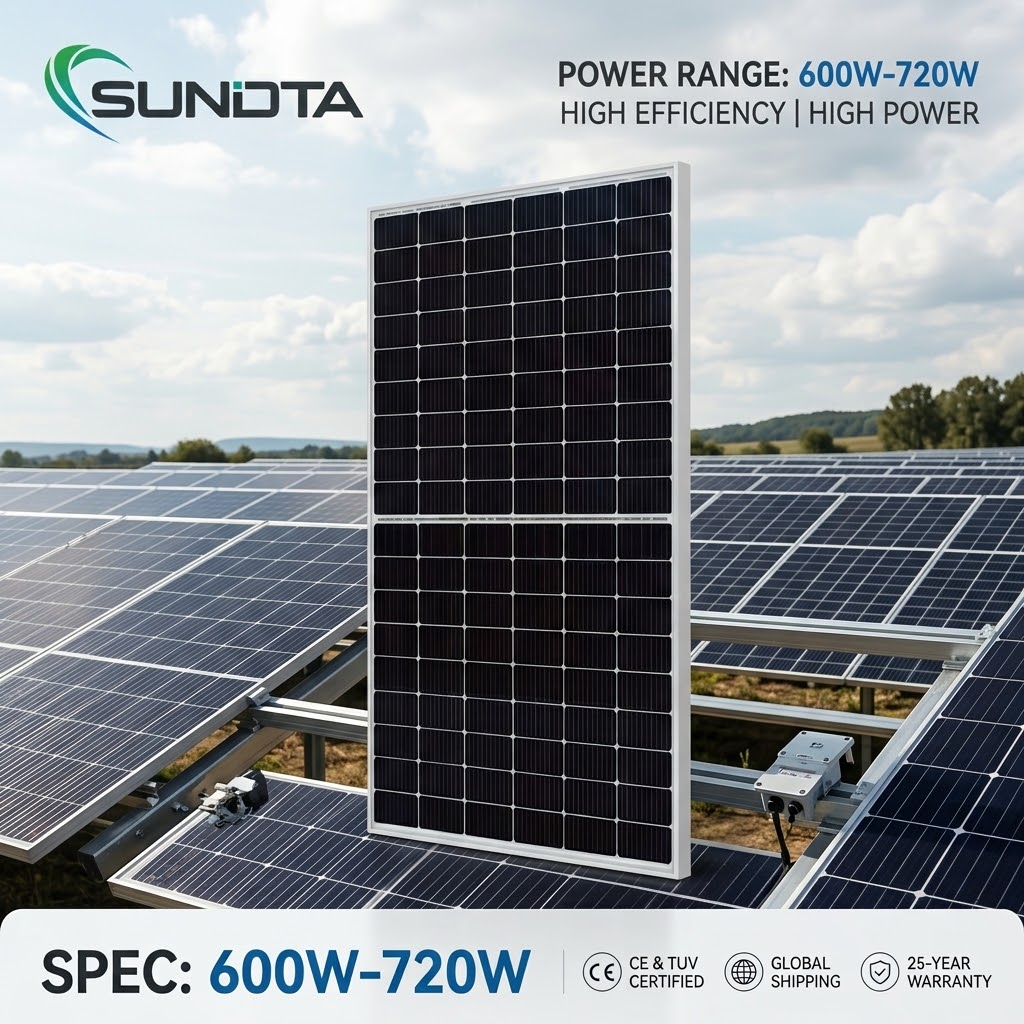
Operating from the national high-tech manufacturing cluster in Hefei, Anhui RJV New Energy Co., Ltd. integrates 12+ years of PV research, automatic cell sorting lines, robotized module lamination, and comprehensive environmental testing laboratories. We eliminate intermediate trading markups while offering certified, transparent traceability.
TÜV Rheinland Verified CE Marked Modules & ESS UN38.3 Dangerous Goods IEC 61215 / IEC 61730 ISO 9001 / ISO 14001
Facility LocationHefei Innovation Park, Anhui, China
Annual Module Output2.0 Gigawatts (GW)
Delivered Solar Capacity500+ Megawatts (MW) Worldwide
Authoritative answers curated by RJV Senior System Engineers to simplify your equipment sizing, customs clearances, and technical due diligence.
How does RJV verify that battery packs contain brand-new Grade-A cells?
Every cell lot processed through our Hefei automated facility includes original factory test reports with verifiable QR codes laser-etched onto the terminal covers. Prior to pack assembly, our automated testing benches measure AC/DC internal resistance (IR), open-circuit voltage (OCV), and capacity discharge curves. Packs showing greater than ±1% variance across cell capacity or >0.05mΩ in internal resistance are rejected. Full manufacturing flash and sorting logs can be provided with every shipping bill of lading.
Are your LiFePO4 batteries natively compatible with Deye, Solis, and Growatt inverters?
Yes. RJV's proprietary BMS hardware features integrated dual isolated CAN bus and dual RS485 ports with pre-flashed firmware protocols supporting all major international inverter brands, including Solis, Deye, Growatt, Victron Energy, GoodWe, and Schneider Electric. Using the onboard DIP switch configuration or integrated touchscreen display, installers select the inverter protocol in seconds, enabling closed-loop feedback for state-of-charge (SOC), allowable charge current, and real-time fault management.
What OEM/ODM customization scopes are supported for regional distributors?
Our comprehensive OEM/ODM program accommodates multiple tiers of customization: Tier 1 includes custom sheet metal powder coating, silk-screened brand logos, and regionalized packaging. Tier 2 encompasses customized BMS communication profiles, tailored firmware language translations, and customized LCD touchscreen layouts. Tier 3 offers bespoke structural engineering, such as IP65 outdoor wall cabinets, seismic-rated rack frameworks, and specialized containerized ESS layouts for unique temperature extremes.
What documentation is delivered to satisfy international customs and maritime safety rules?
Lithium battery systems are designated as Class 9 Dangerous Goods (UN 3480 / UN 3481). With every export consignment, RJV provides full dangerous goods documentation, including certified UN38.3 test reports, 1.2m drop test verification, MSDS (Material Safety Data Sheets), Sea Transport Safety Evaluations, and air-freight approvals. Our solar photovoltaic modules come accompanied by comprehensive CE Declarations of Conformity, IEC 61215/61730 certificates, and containerized flash test reports.
What is the expected capacity retention after 6,000 cycles, and how is warranty handled?
Under standardized operating conditions (25°C ambient, 0.5C charge/discharge rate, 80% DoD), RJV LiFePO4 systems retain ≥70% to 80% of initial nameplate capacity after 6,000 continuous full cycles, providing an operational lifespan exceeding 10 to 15 years. We back our residential and commercial battery systems with a robust 5-to-10-year factory performance warranty. If an anomaly occurs, our 7x24 remote diagnostic desk analyzes log files directly via the Wi-Fi/4G cloud monitor, shipping modular replacement parts or complete replacement units promptly.
What is the standard production lead time and Minimum Order Quantity (MOQ)?
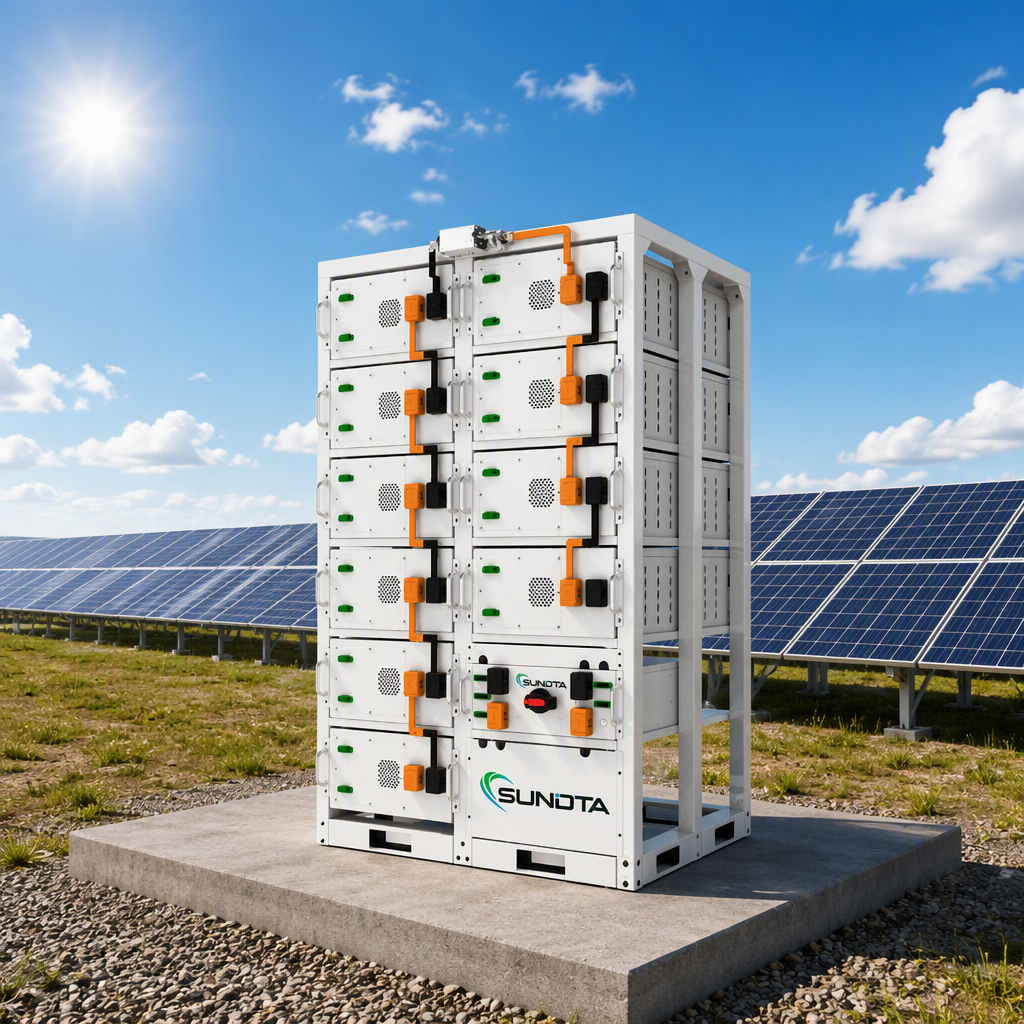
Standard residential storage modules (48V/51.2V wall-mount and rack-mount) feature a flexible MOQ starting from 1 unit or set for engineering validation, with standard factory dispatch in 7 to 14 days. For bulk 20ft/40ft container consignments or customized commercial high-voltage battery cabinets (40kWh–100kWh), production schedules average 20 to 28 calendar days. In-stock products in our local European warehouses can be released within 48 to 72 hours for urgent project commissioning.
Ready to Engineer or Scale Your Solar Energy Storage Portfolio?
Whether you require custom OEM branded LiFePO4 batteries, complete MW-scale containerized energy storage systems, or consolidated PV bill-of-materials from Hefei, RJV's engineering team delivers certified equipment, competitive factory pricing, and rapid delivery terms.