Engineered OEM/ODM Lithium Energy Storage Solutions
Precision-manufactured energy storage systems calibrated for seamless multi-protocol synchronization with Deye, Solis, Growatt, and Victron hybrid inverters.
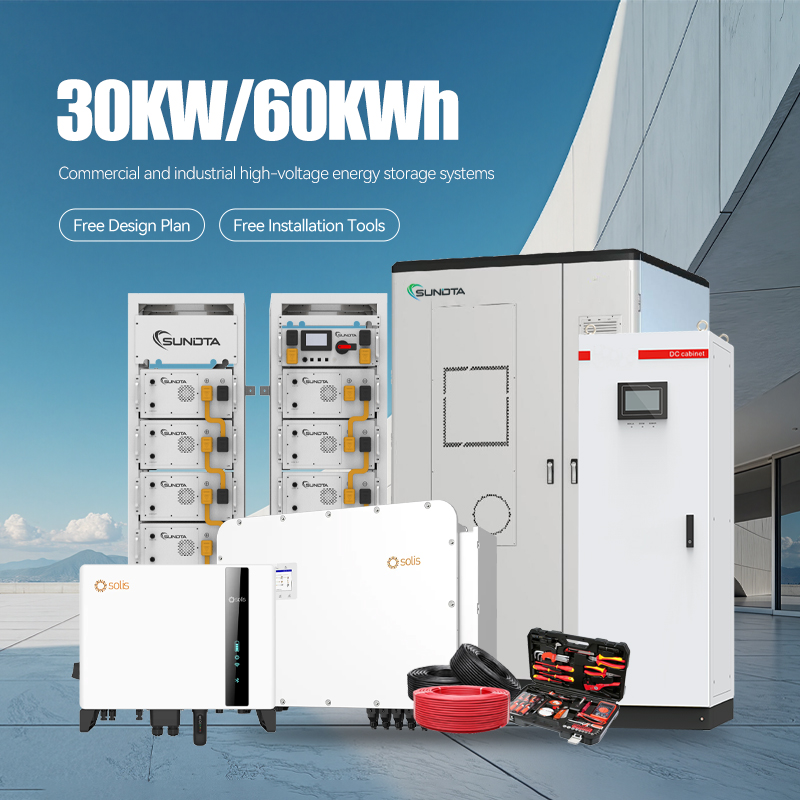
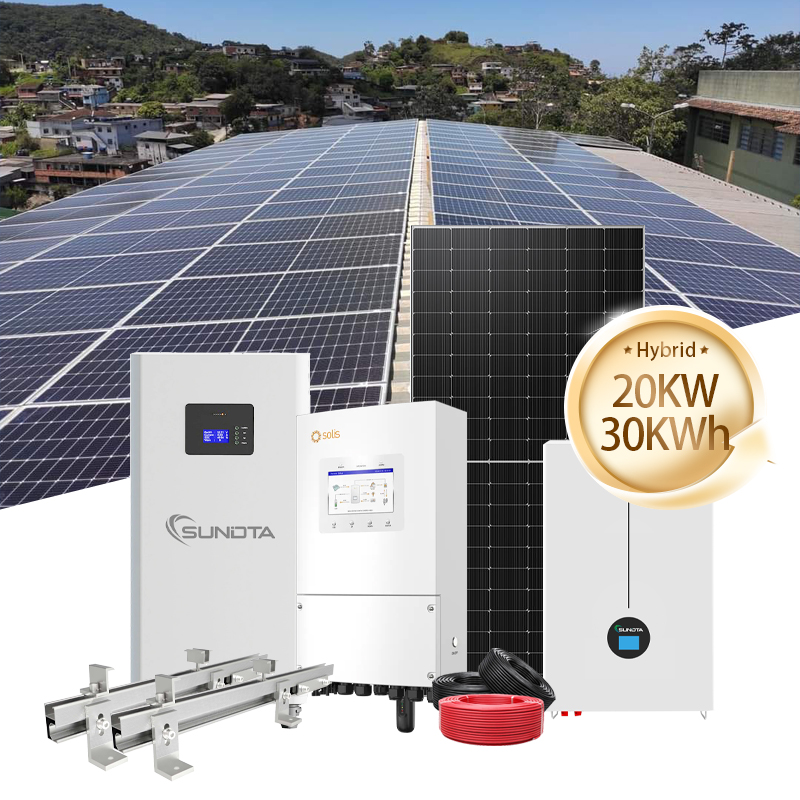
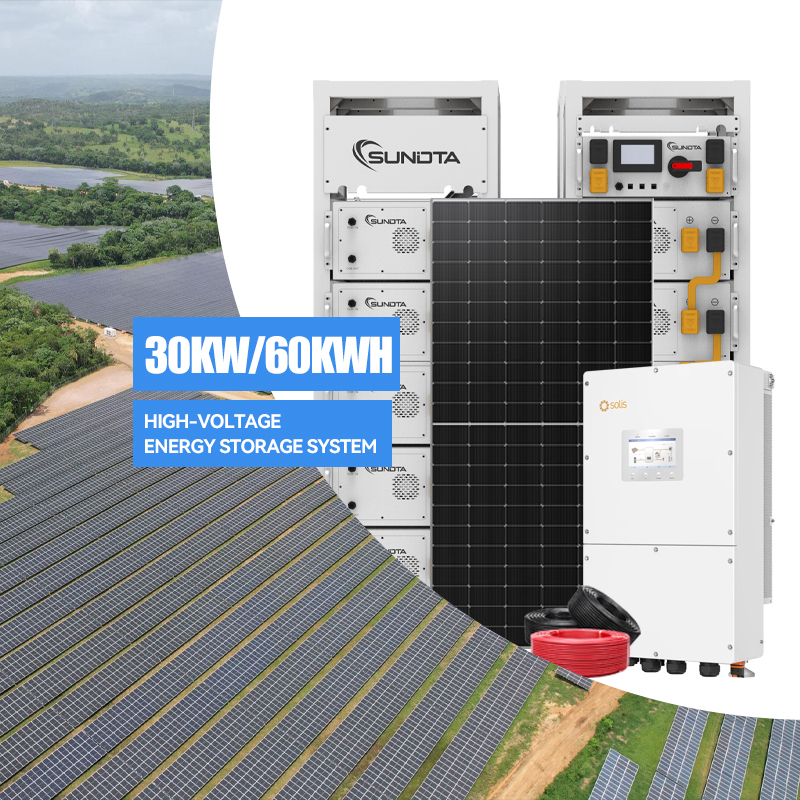
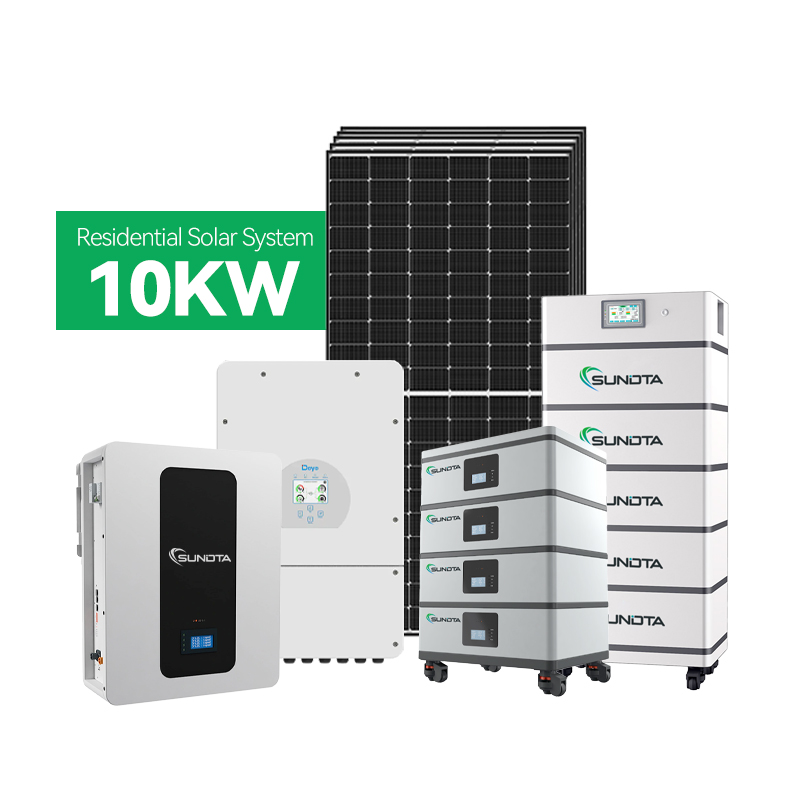
OEM/ODM LiFePO4 Battery Pack Factories & Exporter: Engineering Architecture
In the transition toward distributed clean microgrids, selecting a tier-grade OEM/ODM LiFePO4 battery pack manufacturer requires a comprehensive assessment beyond simple price-per-kilowatt-hour metrics. As an engineering-driven solar and energy storage integrator based in the Innovation Industrial Park of Hefei, China, Anhui RJV New Energy Co., Ltd. has unified automated manufacturing with multi-tier research and development since 2016. Operating under strict TÜV Rheinland assessed quality regimes, our production floors operate fully automated cell-sorting, automated laser busbar welding, and computerized multi-stage aging bays that verify capacity retention, internal resistance (IR), and thermal tolerance before packing.
Unlike repackagers or assembly trading brokers, our engineering lines maintain direct control over chemical electrochemistry validation. Our packs exclusively feature virgin Grade A Lithium Iron Phosphate (LiFePO4 / LFP) prismatic cells with stable chemical crystal olivine structures that eliminate thermal runaway risks up to 270°C. Supported by 38 international patent certifications and an AAA credit evaluation, our OEM/ODM export services supply end-to-end bill of materials (BOM) configurations: N-Type TOPCon bifacial modules, Deye and Solis hybrid power conversion systems (PCS), stackable residential powerwalls, and 20ft/40ft containerized Battery Energy Storage Systems (BESS) designed for harsh ambient deployments.
Micro-Impedance Cell Grading
Every prismatic LFP cell undergoes four-wire Kelvin testing to guarantee internal resistance tolerance within ±0.05mΩ and voltage variation below 2mV, preventing premature pack degradation.
Intelligent Protocol Bridging
Our proprietary BMS firmware is pre-configured with direct CANbus/RS485 handshake protocols for immediate synchronization with Deye, Solis, Growatt, Victron, GoodWe, and SMA inverters.
Complete Turnkey Packaging
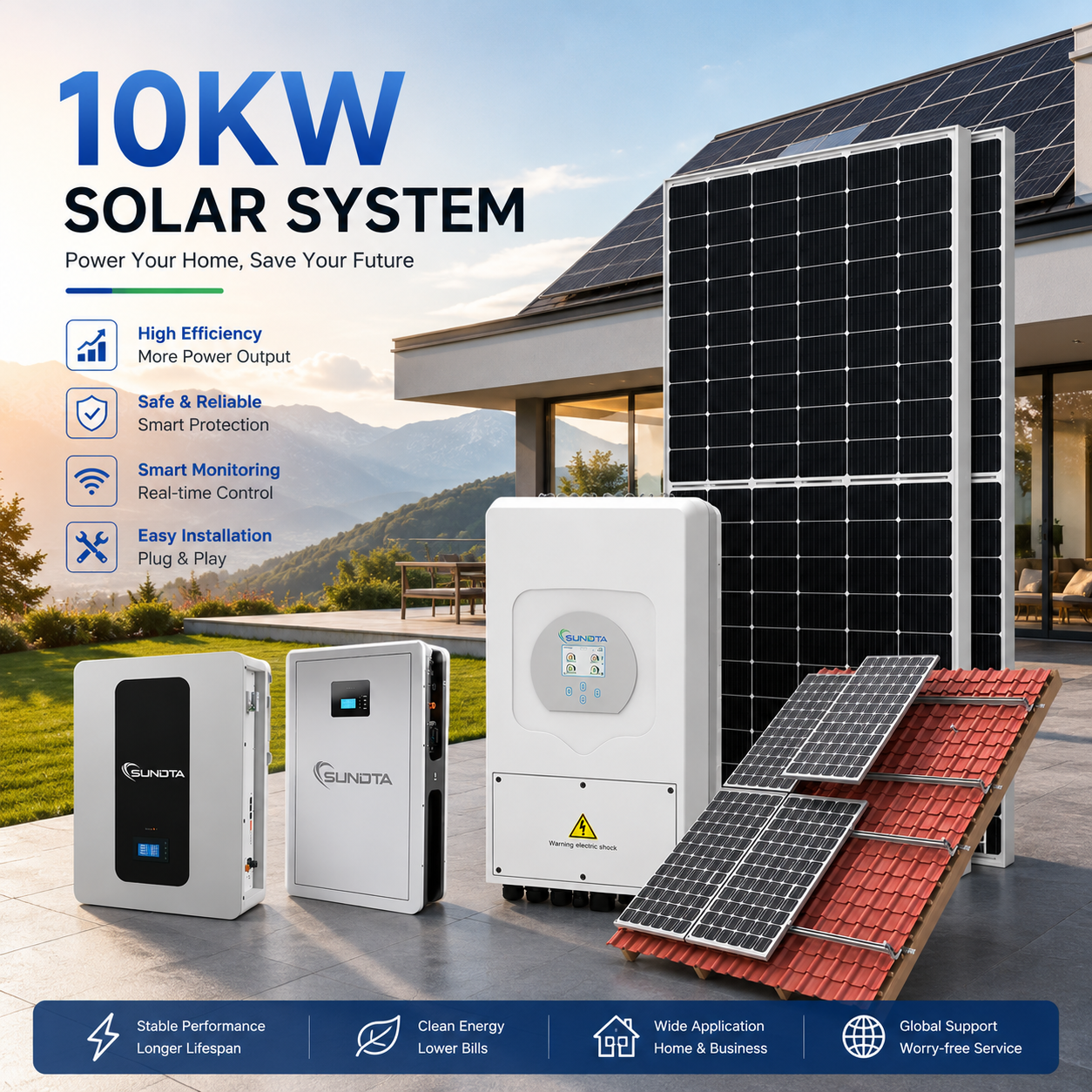
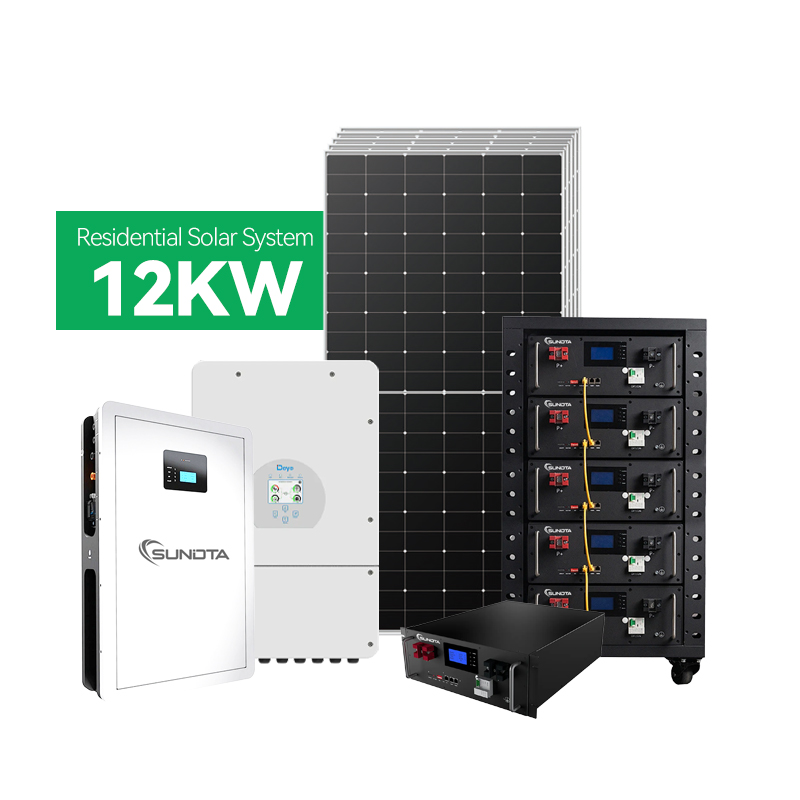
We eliminate supply chain fragmentation by matching photovoltaic arrays, mounting racks, hybrid inverters, and battery storage inside one unified, customs-cleared shipping container.
Technological Horizons: The Next Phase of LiFePO4 Energy Engineering
The industrial landscape for stationary energy storage is undergoing structural technical refinement. Global procurement entities must evaluate three distinct technological shifts currently transforming LiFePO4 architecture:
1. Transition from 280Ah to High-Density 314Ah Prismatic Cell Topologies
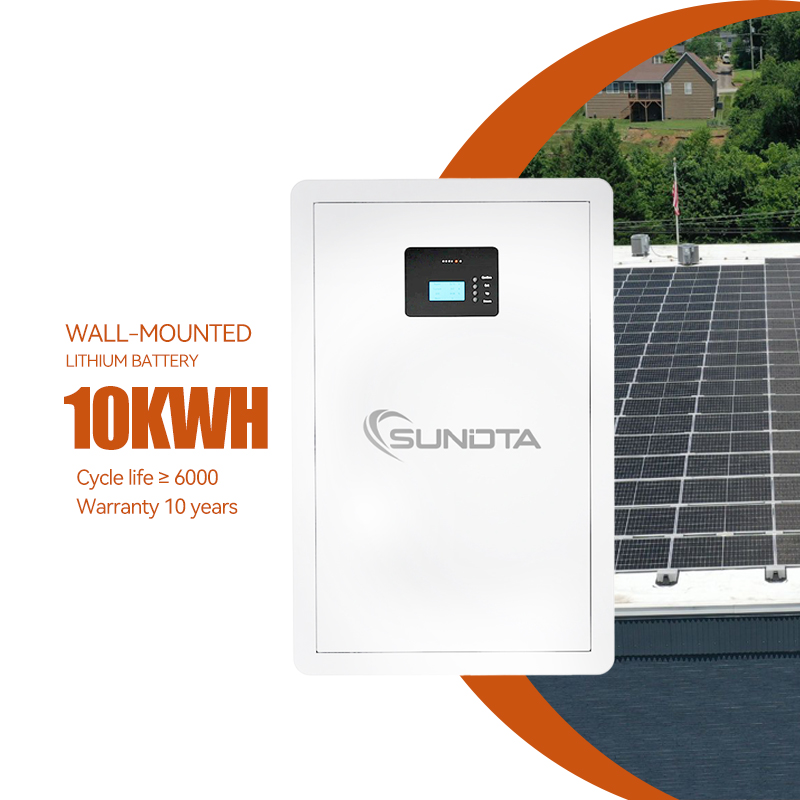
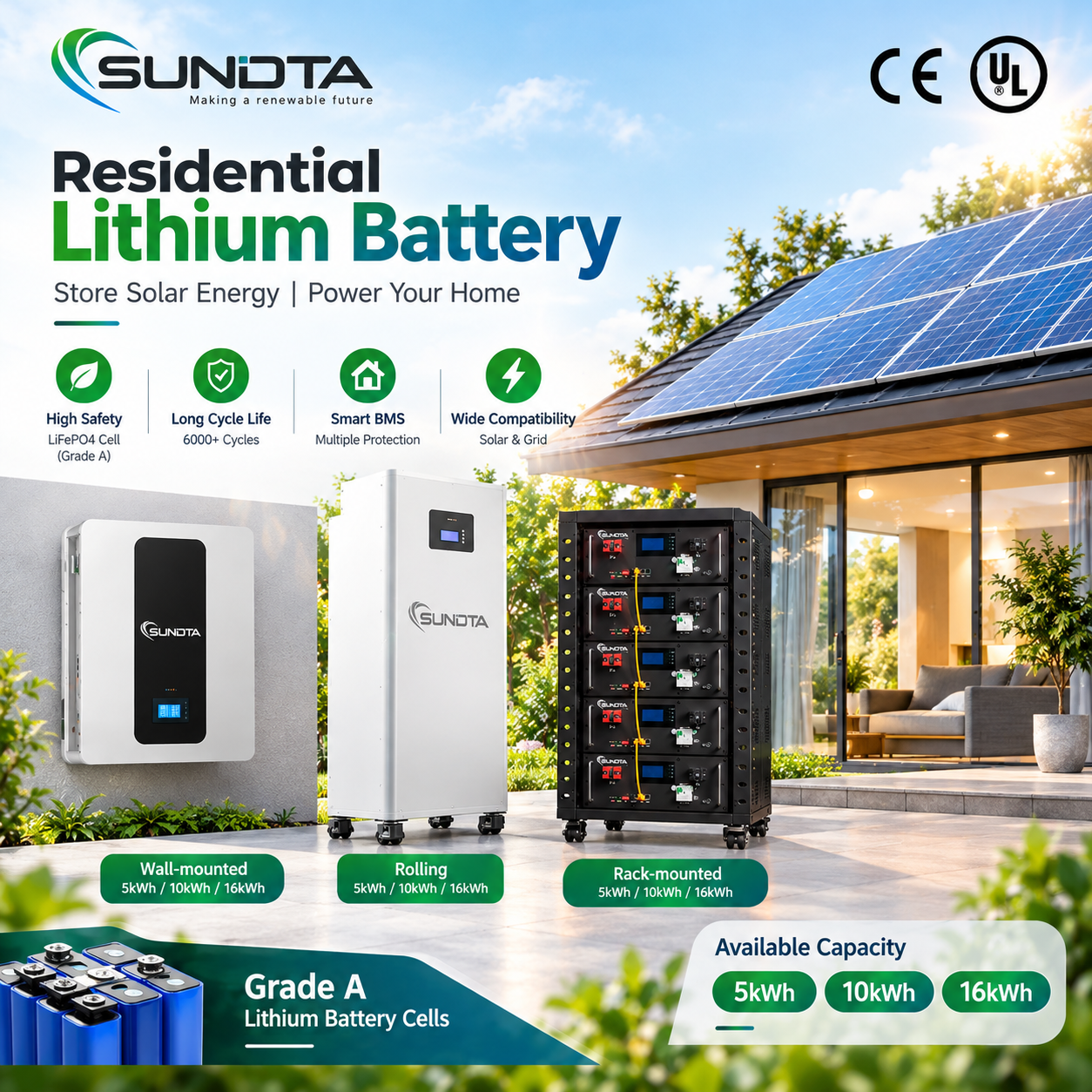
The industry benchmark is rapidly migrating from standard 280Ah prismatic formats to higher-capacity 314Ah and 320Ah cells within the identical spatial envelope (71173 format). By optimizing cathode material tap density and improving active material loading ratios, our 314Ah home and commercial battery systems achieve a 12% volumetric energy density increment without elevating overall enclosure weight. This allows installers to deploy a 15kWh or 30kWh residential capacity footprint using significantly fewer cell interconnects, lowering inter-cell contact resistance and diminishing failure vectors across long lifecycle spans.
2. Active Balancing BMS vs. Passive Thermal Dissipation
Traditional energy storage relies on passive resistive shunting to balance cell voltage variances during charge cycles, generating localized parasitic heat inside the battery chassis. RJV’s advanced OEM ODM architectures integrate bidirectional inductive active balancing. Capable of transferring up to 2.0A of equalizing current between outlier cells, active balancing systems preserve uniform Depth of Discharge (DoD), prevent cell capacity throttling, and expand genuine multi-year pack longevity to well over 6,000 to 8,000 cycles at 25°C.
3. Rise of High-Voltage (HV) Stackable Architecture
While low-voltage (48V / 51.2V) systems remain the premier choice for standalone off-grid villas due to safe handling and rapid expansion, medium and large installations increasingly leverage High-Voltage (HV) series configurations (200V to 800V DC). Operating at elevated busbar voltages dramatically curtails amperage draw, reducing ohmic I²R resistive heat generation within battery wiring, enabling thinner wiring harness cross-sections, and boosting bidirectional inverter round-trip conversion efficiency (RTE) from 92.5% to above 97.4%.
| Technical Dimension | Standard 51.2V Low Voltage (LV) | High Voltage (HV) Modular Stack | Containerized Commercial BESS |
|---|---|---|---|
| Target Application | Residential, Small Shops (5–30 kWh) | Large Estates, Light C&I (20–100 kWh) | Factories, Microgrids (500 kWh–2 MWh) |
| Operating Voltage Window | 44.8V – 57.6V DC | 160V – 800V DC | 600V – 1200V DC |
| Round-Trip Efficiency (RTE) | 92.0% – 94.5% | 96.2% – 97.8% | 89.5% – 93.0% (Overall AC-AC) |
| BMS Communication Protocol | CAN 2.0B / RS485 / Modbus RTU | High-Speed CAN / Ethernet TCP/IP | IEC 61850 / Modbus TCP / Cloud IoT |
| Thermal Management | Natural Convection / Anodized Aluminum | Forced Air Cooling / Heat Dissipation Fins | Industrial HVAC / Liquid Cooling Distribution |
| Cycle Life Expectancy | ≥6,000 Cycles @ 80% DoD, 0.5C | ≥6,500 Cycles @ 80% DoD, 0.5C | ≥8,000 Cycles @ 80% DoD, 0.5C |
Future Procurement Trends: Navigating Global Regulatory and Economic Shifts
The international sourcing of energy storage hardware is no longer governed solely by FOB hardware quotation sheets. Supply chain managers, EPC executives, and distributor purchase directors must position their supply lines around three macro trends dominating 2025–2030:
1. EU Battery Passport Compliance and Full Lifecycle Traceability
With the phased implementation of the European Union Battery Regulation (Regulation EU 2023/1542), battery exporters and importers face rigorous mandates covering carbon footprint declarations, recycled cobalt/lithium/nickel quota disclosures, and digital Battery Passports accessible via QR code. Anhui RJV New Energy is systematically establishing verifiable supply chains, tracing mineral source provenance from raw chemical refinement to automated pack assembly, guaranteeing our OEM clients effortless import customs clearance across European Union seaports.
2. Shift Toward Integrated "All-in-One" System Sourcing
Procuring solar panels from Manufacturer A, hybrid inverters from Manufacturer B, and battery packs from Manufacturer C is historically the single greatest contributor to project delays, communication incompatibilities, and finger-pointing during warranty claims. Modern EPC buyers now leverage unified purchasing models. By sourcing matched sets—such as our TOPCon PV modules paired with Deye/Solis inverters and factory-calibrated LiFePO4 packs—engineering teams secure pre-commissioned, zero-conflict system integrity supported by a single, financially accountable manufacturer.
3. Total Cost of Ownership (TCO) Over Upfront Capital Expenditure (CapEx)
Sophisticated B2B buyers calculate Levelized Cost of Storage (LCOS). Low-grade battery packs built with reclaimed EV cells exhibit rapid capacity fade, internal cell resistance divergence, and premature BMS breakdown within 24 to 36 months. High-specification LFP packs featuring premium prismatic cells, gold-plated automotive-grade communication pins, and robust active protection circuits yield an operational lifecycle exceeding 12 to 15 years, driving real-world LCOS below $0.05/kWh over the project lifetime.
Frequently Asked Questions for Importers, Wholesalers & EPCs
Clear, direct technical disclosures to streamline your procurement due diligence.
What cell grades are utilized in your OEM/ODM battery packs, and how is quality verified?
How does your BMS achieve closed-loop communication with different hybrid inverter brands?
What scope of OEM and ODM customization can your Hefei manufacturing lines support?
What international compliance documentation is supplied for maritime export and local customs clearance?
What are the minimum order quantities (MOQs) and standard lead times for OEM consignments?
How is warranty processing handled internationally in the event of an operational component failure?
Connect Directly with Our Battery Engineering Specialists
Request comprehensive datasheets, factory testing protocols, OEM MOQ tiers, and volume pricing matrices for your target regional market.