Smart MPPT
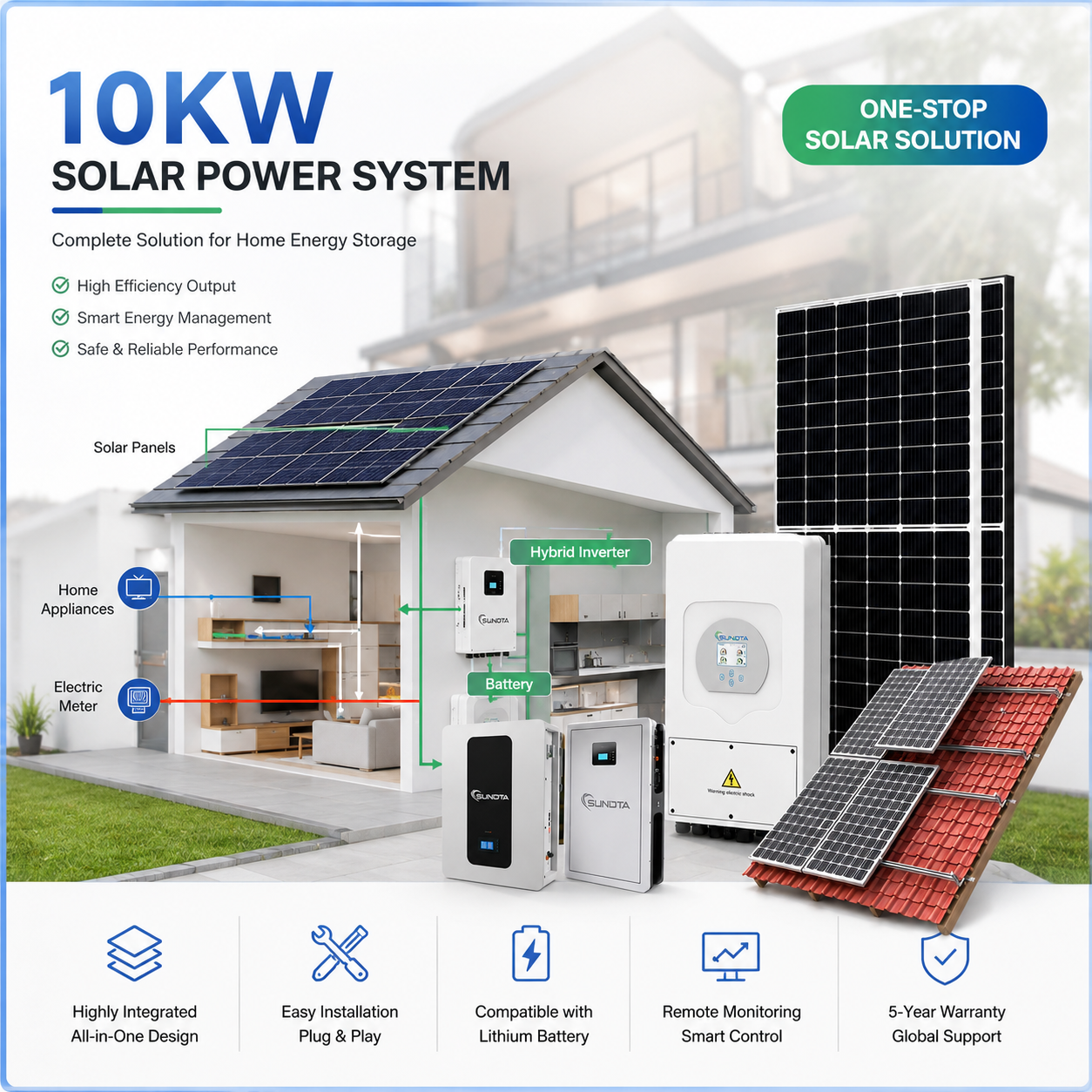
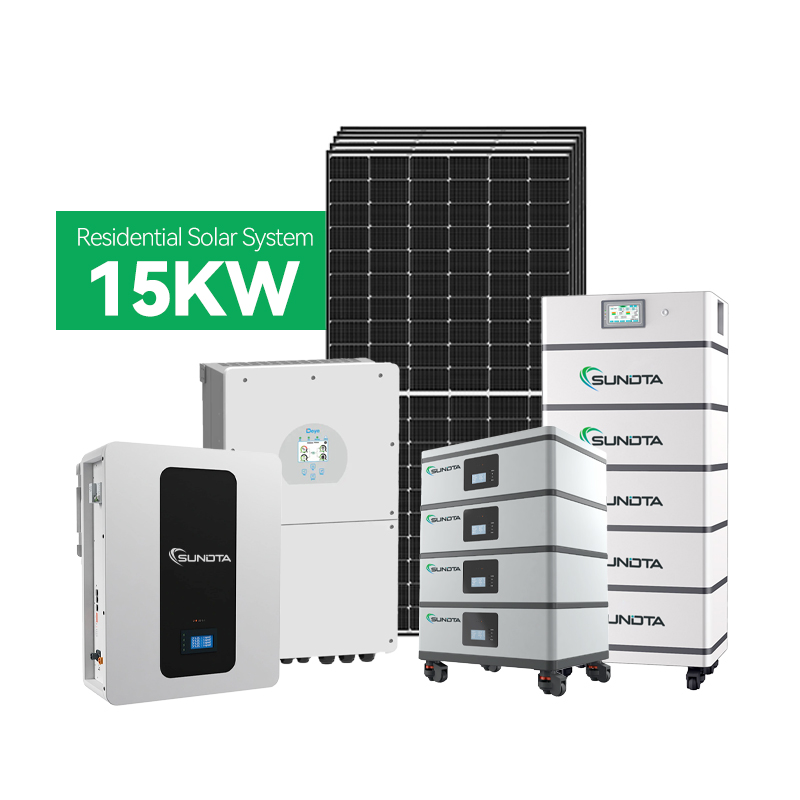
15kW-50kW High-Efficiency Hybrid Solar Power System with Smart MPPT
- Dynamic Phase MPPT Optimization
- Whole-House Seamless Transfer Switch
- Industrial Grade Thermal Dissipation
Discover our interoperable, high-efficiency hybrid micro-inverter kits, high-density LiFePO4 storage batteries, and N-Type PV generation systems engineered for ultra-fast ROI and robust grid resilience.
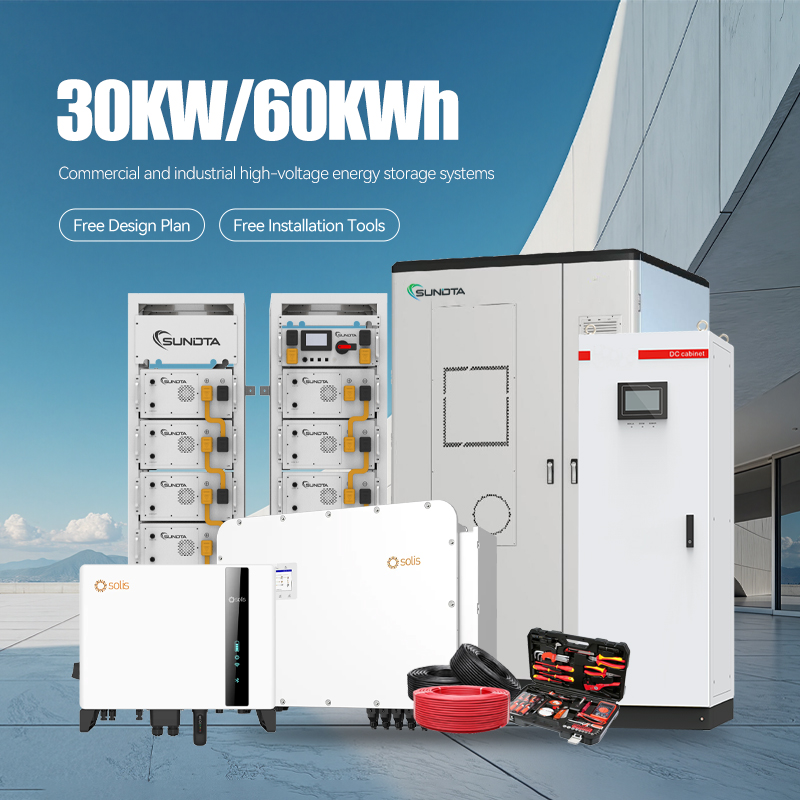
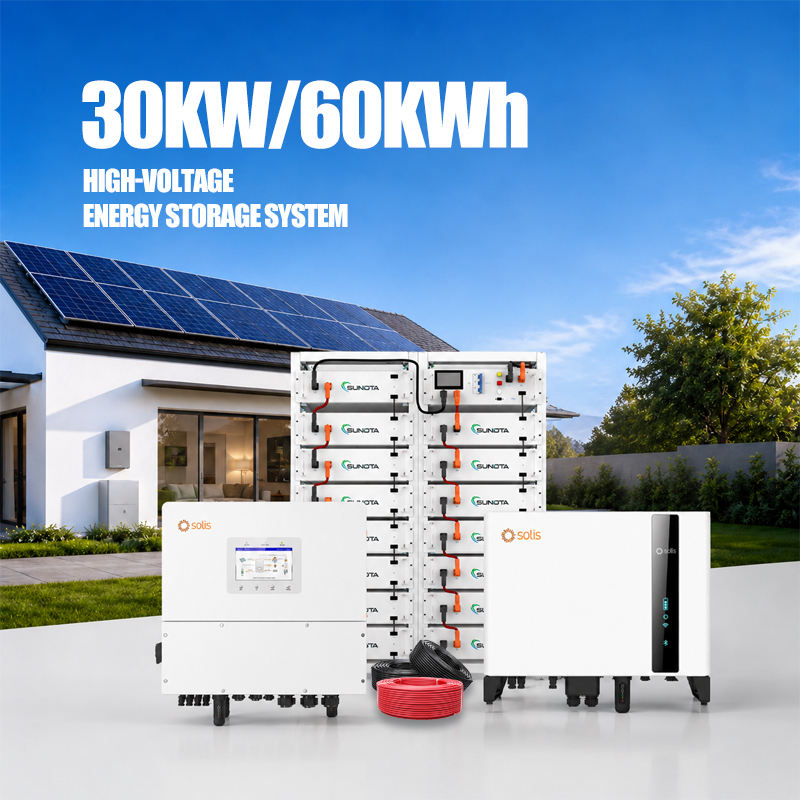
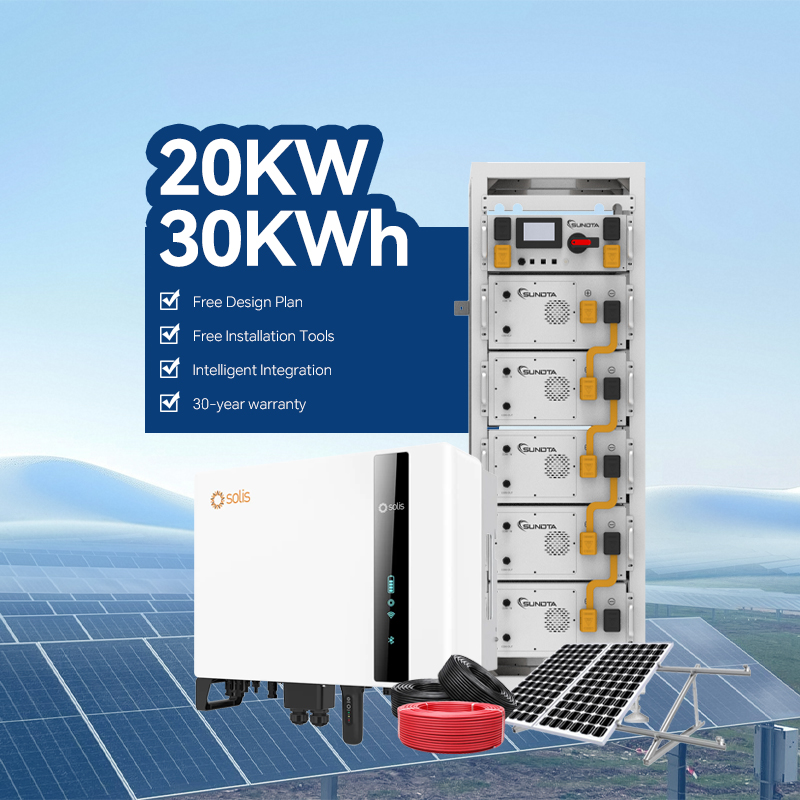
As distributed photovoltaic networks expand across challenging architectural topologies, the centralized string inverter architecture encounters severe physical bottlenecks—including localized shading mismatch, single-point DC arc fault risks, and rapid shutdown compliance complexities (NEC 690.12). As an authoritative OEM/ODM micro solar inverter manufacturer, Anhui RJV New Energy engineers next-generation microinverter and MLPE platforms that resolve these systemic limitations.
By decentralizing maximum power point tracking down to the individual solar panel level, microinverters deliver an immediate 5% to 25% energy yield improvement across complex roofs, soiling-heavy environments, and bi-facial configurations. Our OEM/ODM microinverter solutions utilize high-frequency planar magnetic transformers and Wide Bandgap (WBG) Gallium Nitride (GaN) and Silicon Carbide (SiC) semiconductors, achieving unprecedented power conversion efficiencies exceeding 97.2% with natural convection thermal sinking.
By replacing traditional silicon switches with high-speed GaN FETs, switching frequencies exceed 200kHz. This minimizes passive inductor sizing, reduces core thermal stress, and expands mean time between failures (MTBF) past 25 years.
Eliminates high-voltage 600V-1000V DC rooftop loops. Low-voltage parallel architecture mitigates electrical fire risks, ensuring plug-and-play compliance with international fire safety, insurance, and rapid shutdown requirements.
Employs reliable Power Line Communication (PLC) paired with robust Sub-1GHz RF mesh. Provides module-by-module real-time voltage, current, and temperature diagnostic data directly to cloud-based predictive maintenance dashboards.
For international energy procurement heads, solar wholesalers, and industrial EPCs, sourcing micro solar inverters and balance-of-system hardware requires deep market anticipation. The renewable sector is moving rapidly away from standalone solar generation toward highly integrated, intelligent hybrid ecosystems that coordinate micro-generation with scalable lithium energy storage.
Shift toward 4-in-1 and 8-in-1 microinverters capable of handling high-current 182mm and 210mm N-Type TOPCon panels up to 20A per input string.
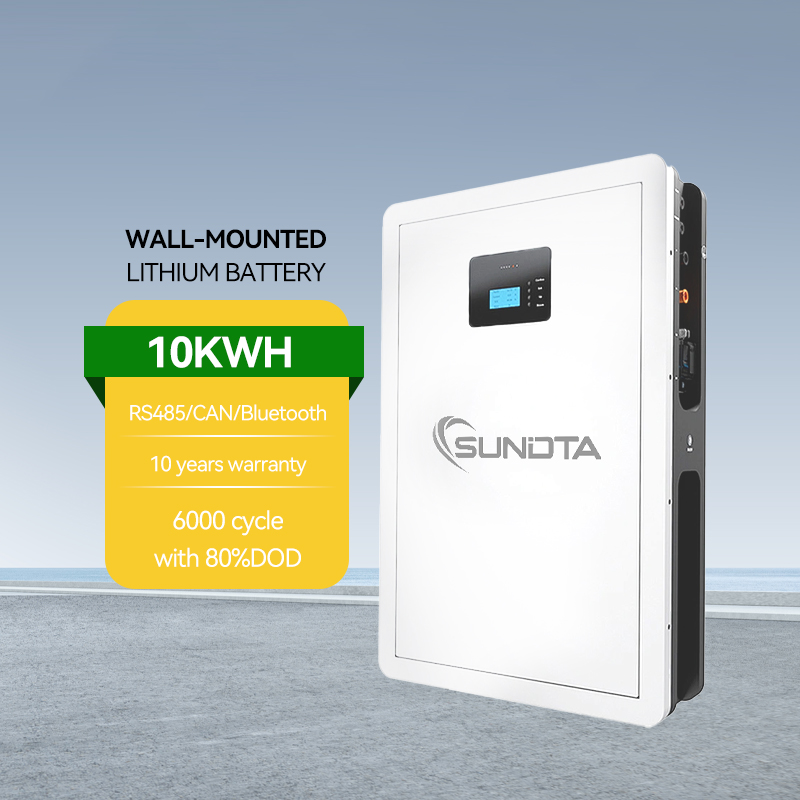
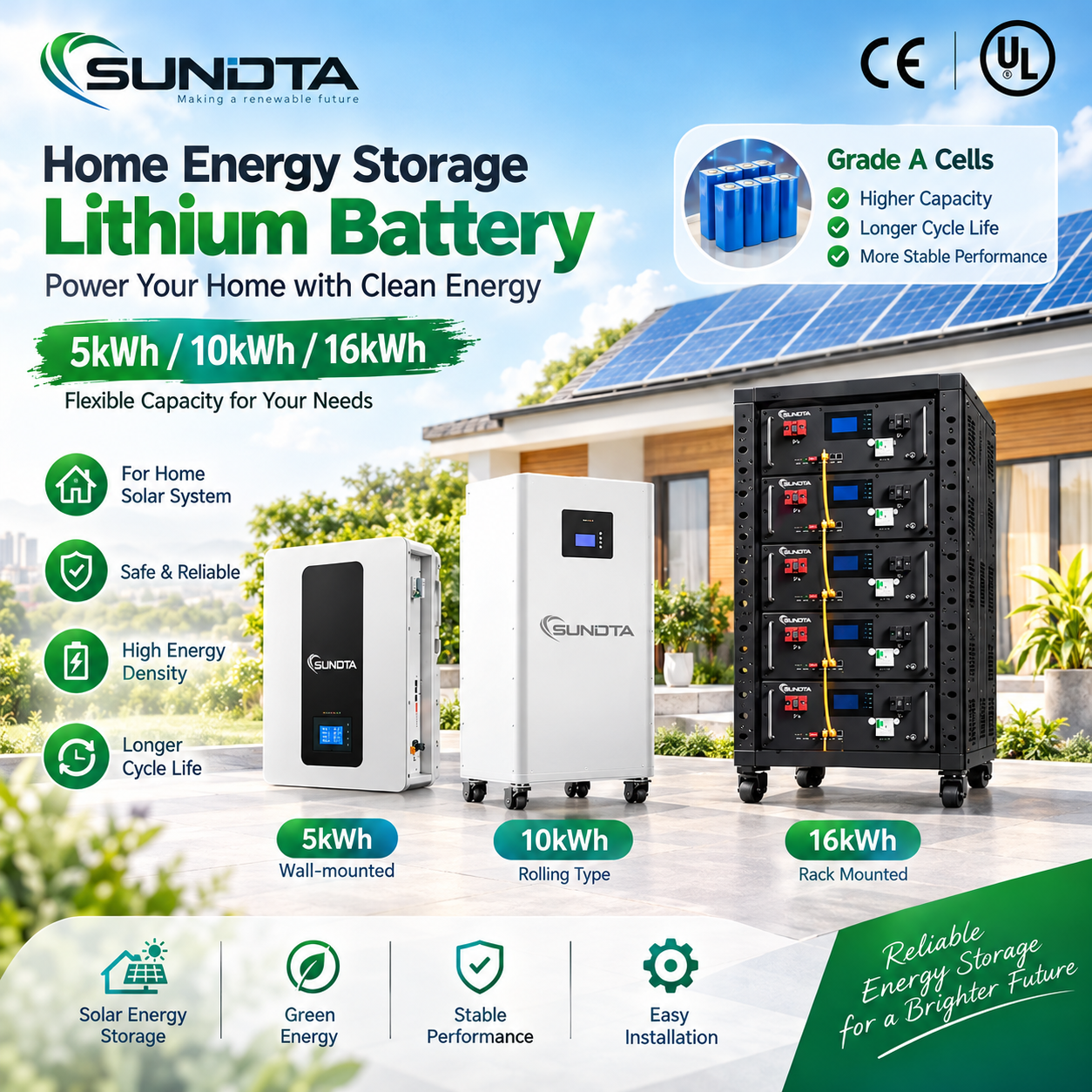
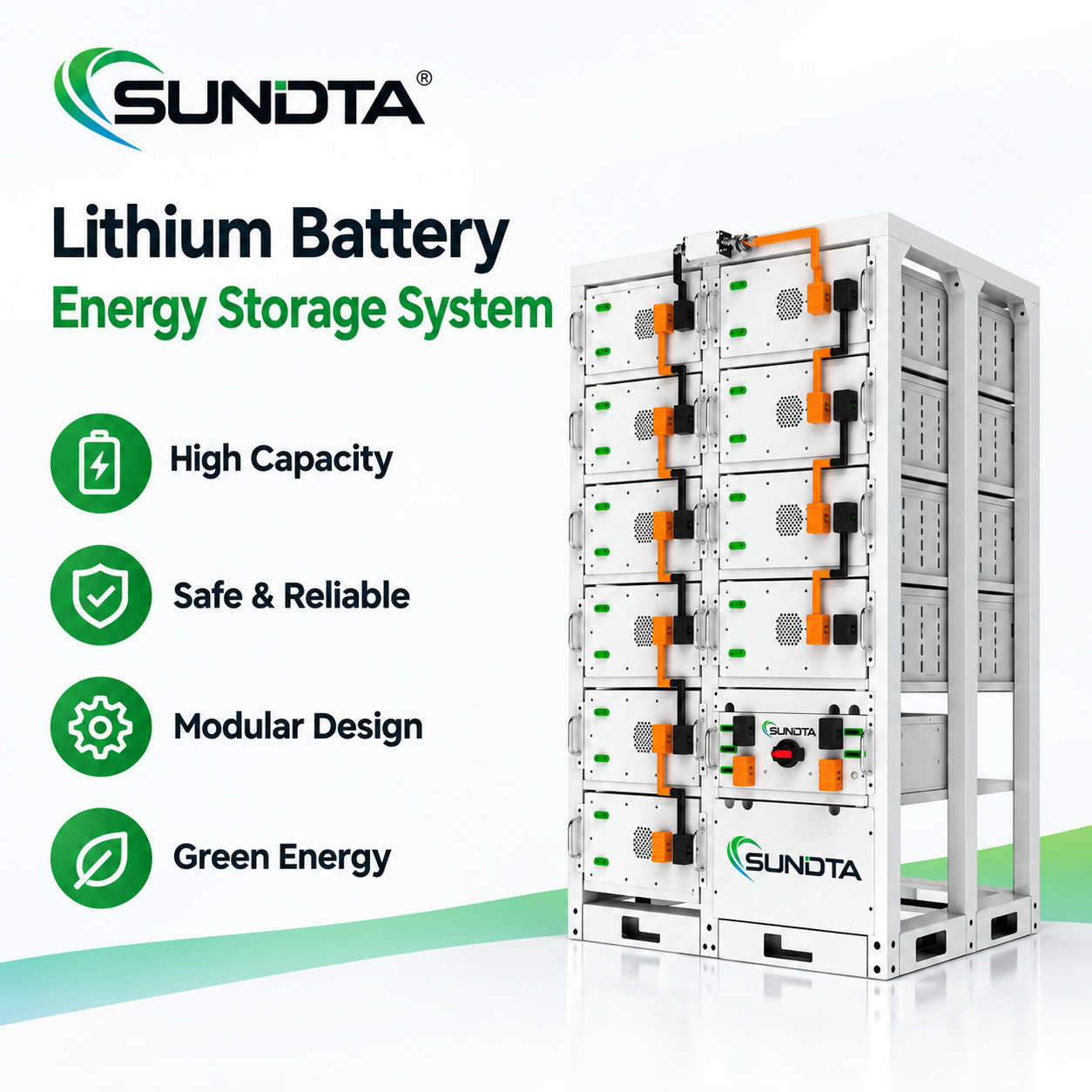
Modular, wall-hung low-voltage lithium batteries connecting directly onto the AC microinverter bus, enabling plug-and-play residential retrofits.
Microinverter firmware supporting advanced reactive power regulation, frequency response (Volt-VAr / Frequency-Watt), and IEEE 1547-2018 compliance.
Automated API integration into Virtual Power Plants, allowing residential clusters to participate in local energy arbitrage and grid-stabilization programs.
When engineering high-reliability residential and commercial portfolios, distributors face critical structural decisions across inverter architectures and battery pairings:
| Evaluation Parameter | Micro Solar Inverter (OEM/ODM) | Traditional String Inverter | Hybrid Inverter + Battery Cluster |
|---|---|---|---|
| Levelized Cost of Energy (LCOE) | Lowest across 25 years due to individual MPPT and zero single-point downtime. | Lower initial capex; higher OPEX when single inverter string fails. | Optimized for high-tariff regions via dynamic peak shaving. |
| Safety & Fire Hazard | Maximum Safety: Operating under 60V DC; natural rapid shutdown compliance. | High Risk: 600V–1000V DC lines on roof requiring specialized arc detection. | Medium/High: Requires dedicated DC isolators and complex disconnects. |
| Shading & Orientation Tolerance | Total independence: Shaded panels do not drag down neighboring module output. | High loss: Weakest panel dictates string output without optimizers. | Variable: Dependent on integrated multi-channel MPPT track designs. |
| Storage Integration Complexity | AC-Coupled topology; highly modular, scalable battery bank expansion. | Difficult to retrofit; requires full system rewiring or separate charger. | Direct DC-Coupled high-efficiency storage with seamless islanding. |
Headquartered in the national renewable energy hub of Hefei, China, Anhui RJV New Energy Co., Ltd. is not merely a trading intermediary—we are a multispecialty manufacturing and system-integration enterprise. Backed by over 12 years of core PV manufacturing experience, our team controls the entire value chain from crystalline silicon PV assembly to complex power electronics design and lithium battery BMS manufacturing.
Continuous automation minimizes mechanical microcracking, cell mismatch, and soldering errors across high-volume production cycles.
Independent on-site inspection verified facility. Complete traceability from incoming silicon wafers to finished ISO-certified products.
Eliminate field commissioning delays: Inverters, CAN/RS485 BMS batteries, and high-efficiency panels pre-tested for 100% plug-and-play synchronization.
Private labeling, custom firmware algorithms, enclosure structural adjustments, and regional certification support (CE, IEC, UL, UN38.3).
Our OEM/ODM services cover complete mechanical and electronic customization. This includes custom casing tooling, branded heat sinks, client-specific silk-screen printing, customized firmware parameters (voltage/frequency trip windows adapted to local grid regulations), customized mobile monitoring applications, and white-label cloud gateway portals.
Our LiFePO4 battery management systems (BMS) are coded with native CAN and RS485 communication protocols compatible with major global inverter brands (including Deye, Solis, Growatt, and our proprietary hybrid systems). Prior to factory dispatch, all matched sets undergo comprehensive automated hardware-in-the-loop (HIL) testing to ensure accurate SOC reporting and immediate dynamic response.
We maintain an agile manufacturing pipeline. For core hybrid inverters and wall-mounted 51.2V LiFePO4 batteries, sampling starts from 1 piece/set to facilitate technical validation. Solar module orders typically begin by the pallet or full container load (FCL) to optimize ocean freight efficiency. We operate under all standard Incoterms including FOB (Shanghai/Ningbo/Shenzhen), CFR, CIF, and EXW.
Our products comply with relevant international standards. Depending on the model, systems carry CE, IEC 61215, IEC 61730, and UN38.3 battery transport safety documentation. Furthermore, our corporate facility has undergone rigorous on-site assessment by TÜV Rheinland, and third-party flash test reports and cell batch datasheets are provided alongside shipping manifests.
Traditional string inverters carry electrolytic capacitors and heavy inductive components exposed to high heat, giving an average field life of 10 to 12 years. Our micro solar inverters employ high-grade potting, solid-state planar designs, and low-stress GaN/SiC components, resulting in a designed service life and MTBF exceeding 25 years—perfectly aligning with the 25-30 year performance warranty of N-Type PV panels.