Compatible Solar Carport Power Generation & Storage Assemblies
Deploying reliable solar carports requires matching PV module generation with rugged power conversion and resilient battery chemistry. Our factory-preconfigured assemblies minimize balance-of-system (BOS) commissioning friction.
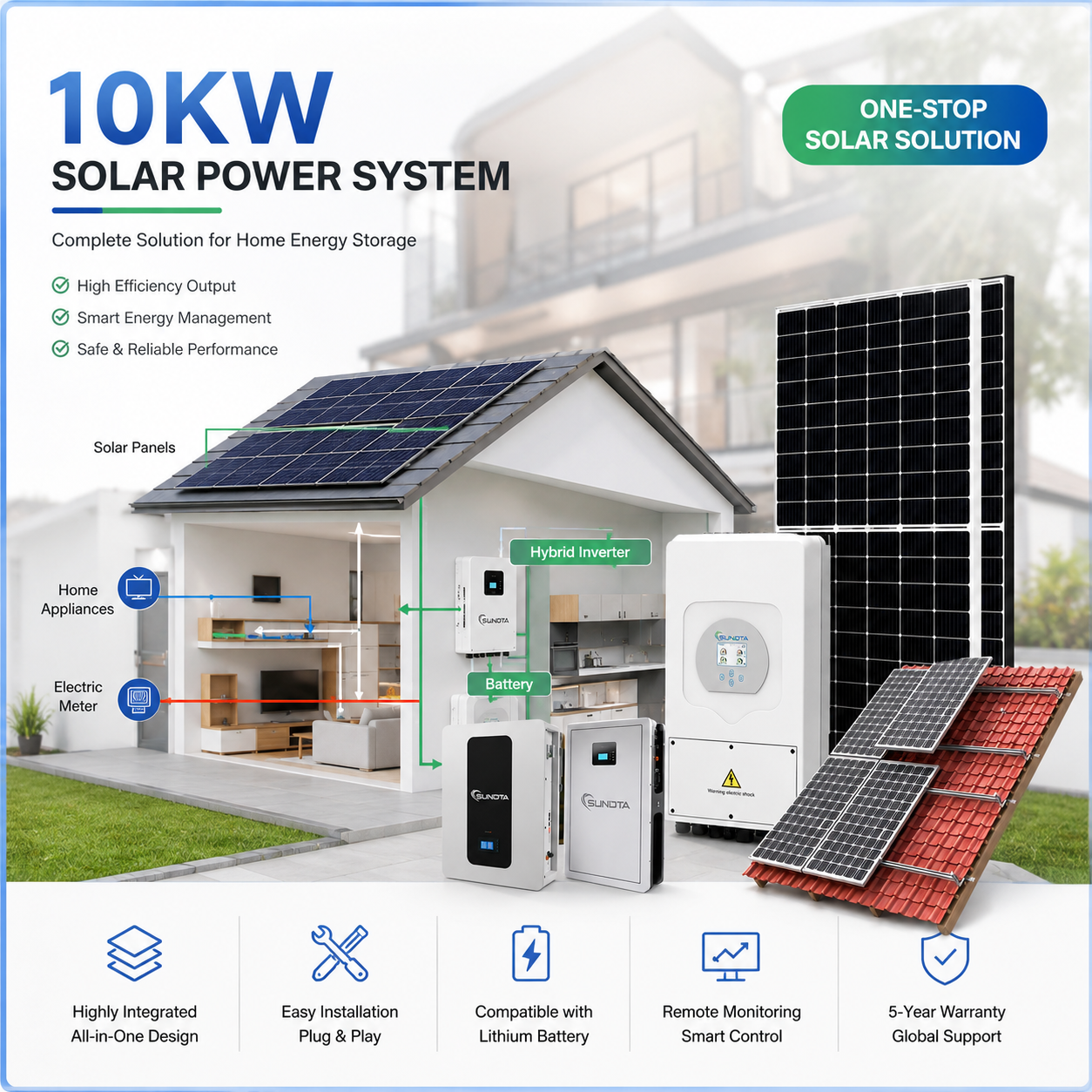
15kW-50kW High-Efficiency Hybrid Solar Power System with Smart MPPT for Whole-House Backup
- Smart multi-MPPT high-voltage tracking
- Dual grid-forming and off-grid peak shaving
- Pre-engineered commercial carport compatibility
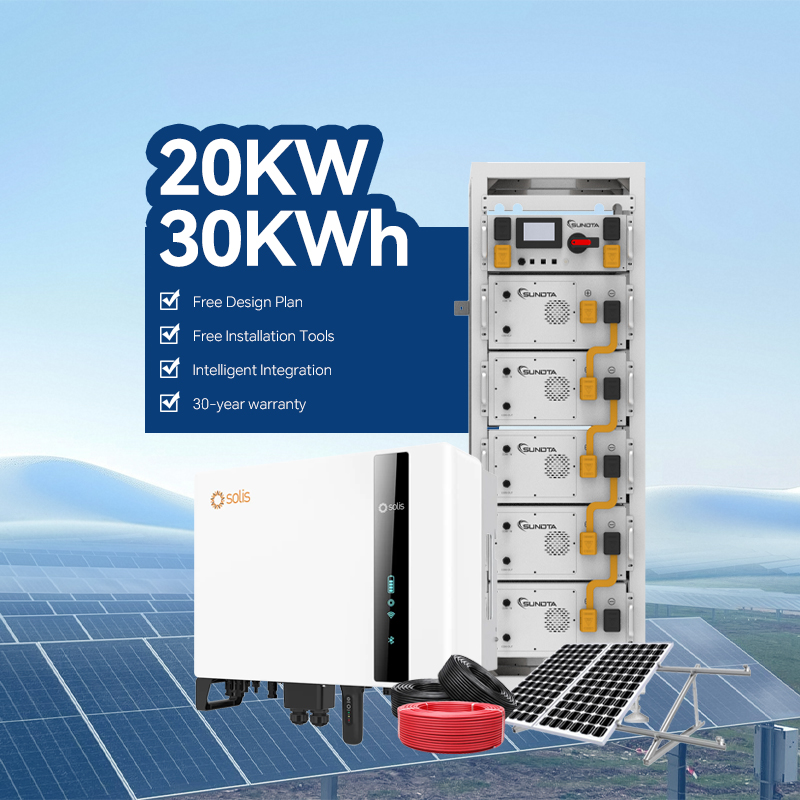
20kw Complete Set Solar Energy Power Storage System 20KW 30KW 25kw 35kw Hybrid Solar Panel Electric Power Generation Kit
- Pre-terminated DC cabling & combiner arrays
- Scalable inverter units with parallel linking
- Certified for rapid EV fleet charging loads
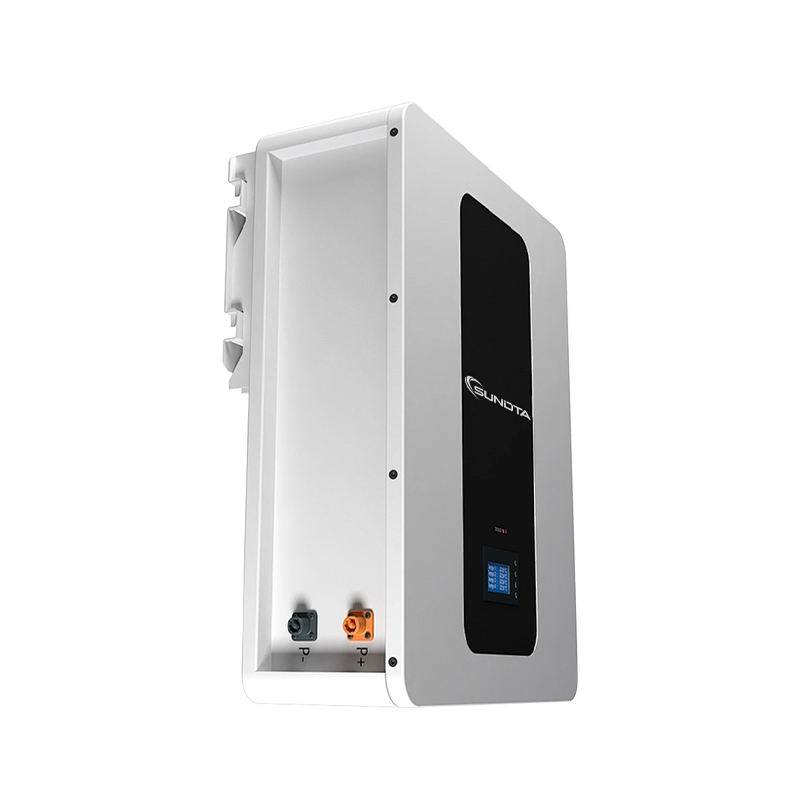
Sundta POLO-W1 LiFePO4 Lithium Battery Wall-Mounted 5kWh Home Power Storage Solar Energy System Deep-Cycle 51.2V 100Ah IP65
- Grade-A prismatic LiFePO4 chemistry
- IP65 enclosure for external structural mounts
- Integrated Smart CAN/RS485 protocol BMS
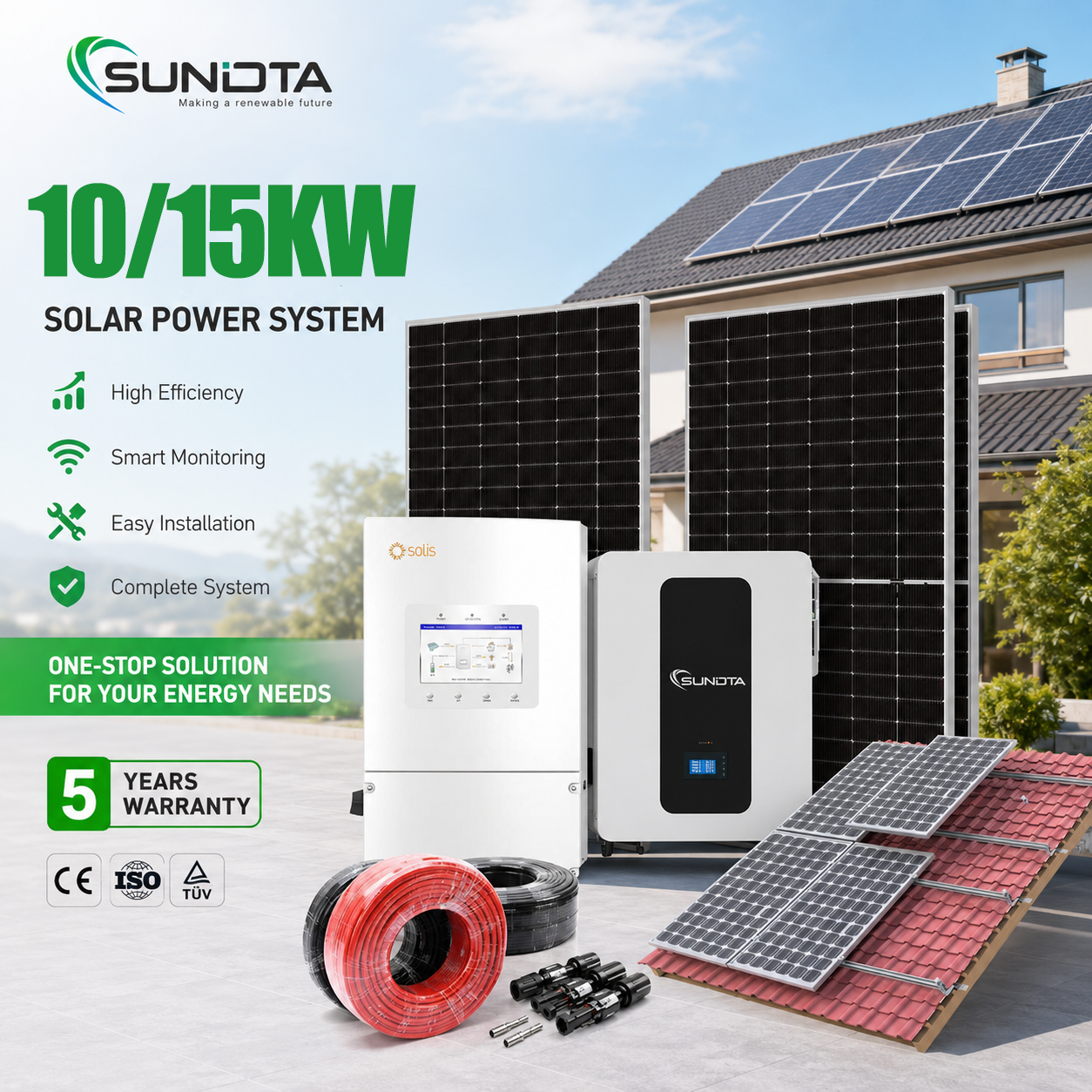
Hybrid 15kWh Inverter System 300Ah Lithium Ion Battery Split Stackable CAN Communication Home Use MPPT 15kW
- Split-stack architecture with modular form-factor
- Native MPPT integration with remote dispatch
- Low-voltage footprint designed for canopy columns
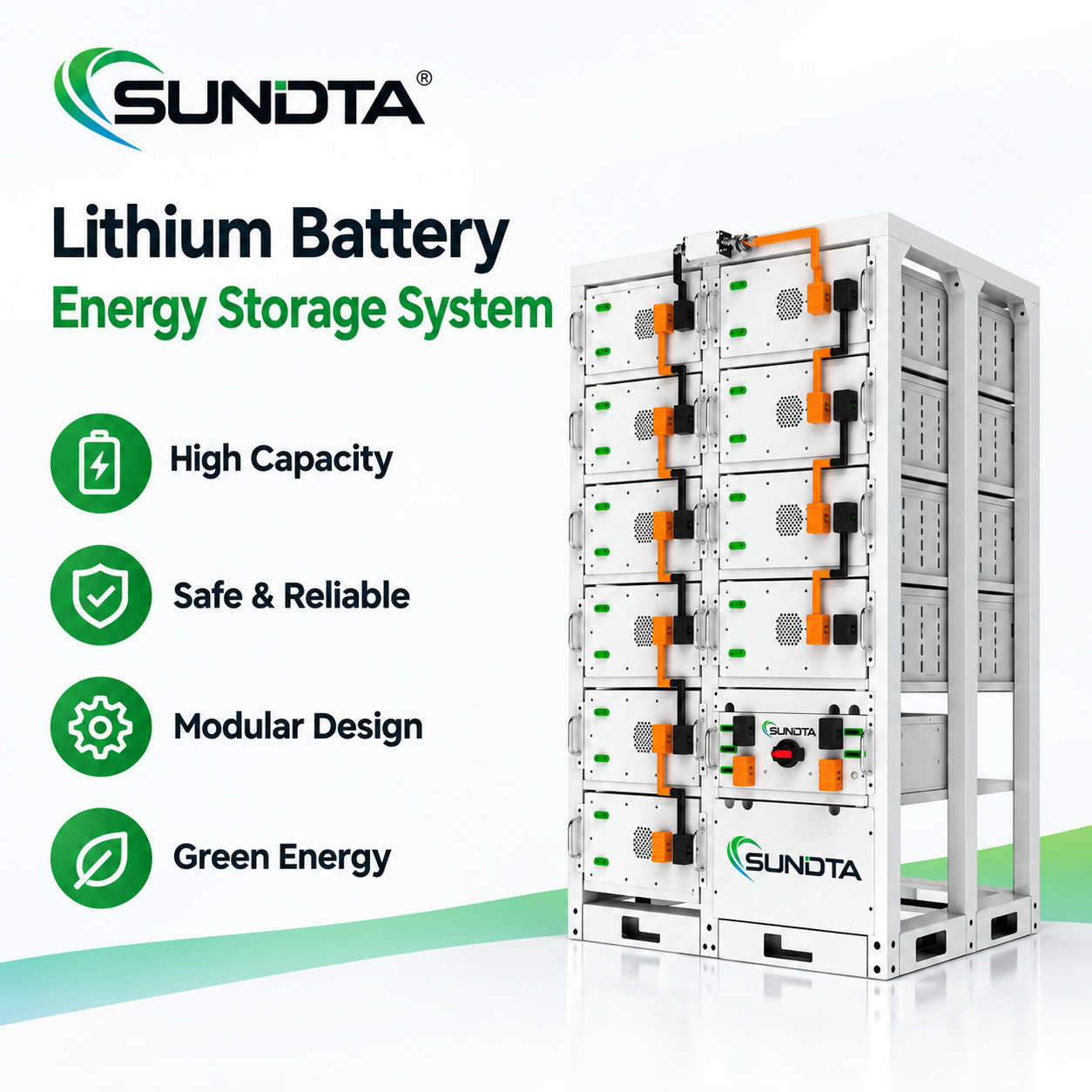
Smart BMS 51.2V Stackable LiFePO4 Solar Home Battery Storage System Monocrystalline Inverter Compatible Lithium PV Pack
- High thermal stability cell balancing
- Interoperable across Deye, Solis & Growatt lines
- 6,000+ deep-discharge cycle warranty
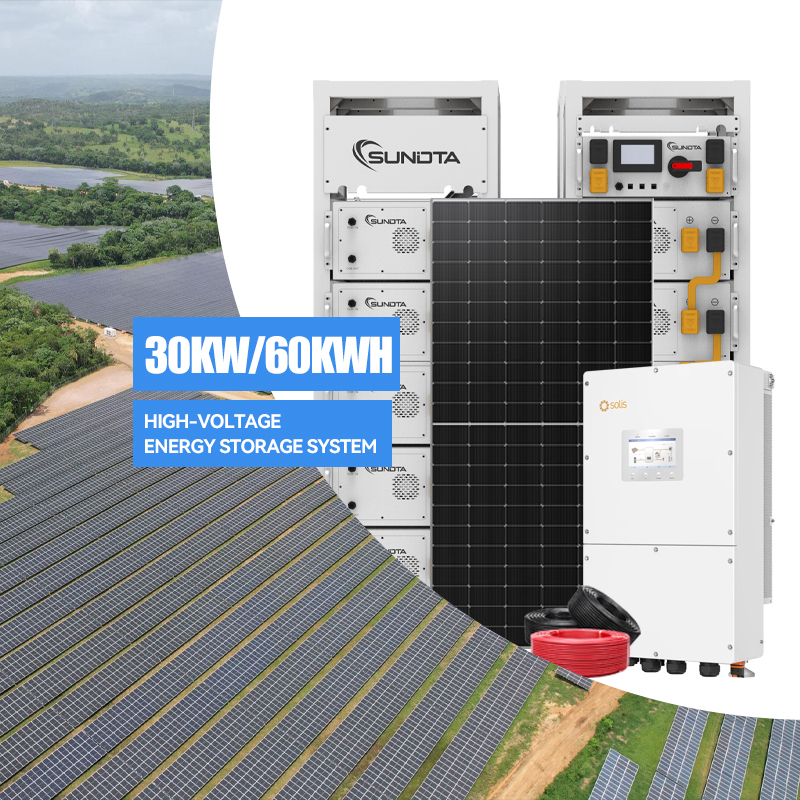
Off Grid Hybrid Solar Energy Storage System 20KW 30KW 40KW Hot-selling 30 kw Hybrid for Home Use With EU Certification
- Compliant with CE, IEC 62109, and EN standards
- Islanded microgrid resilience during outage events
- High surge tolerance for inductive chiller loads
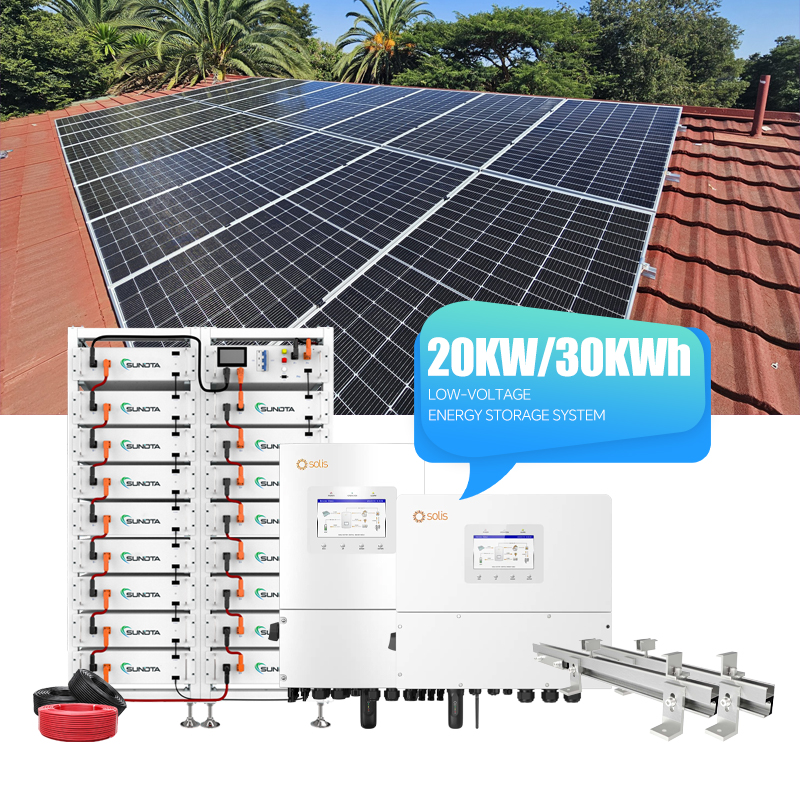
Complete Set of 20kW Solar Energy Storage System Hybrid Solar Panel Power Kits 20kW, 25kW, 30kW, 35kW With Cheap Price
- Comprehensive bill of materials in a single container
- Pre-matched DC fusing, disconnects & surge suppression
- Reduced total project acquisition cost (TCO)
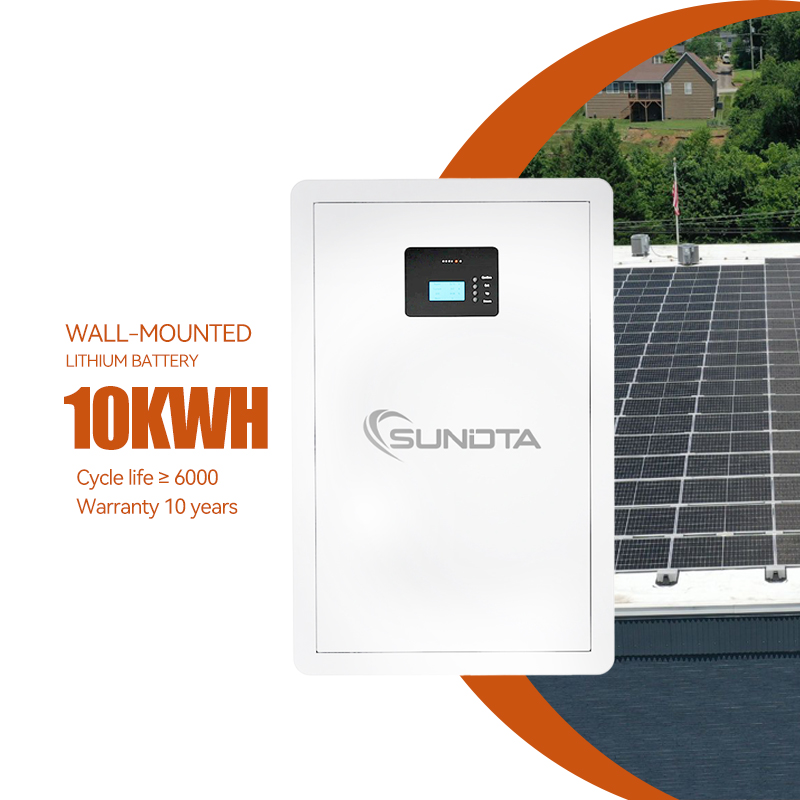
Sundta IP65 10kWh 51.2V 200Ah Wall Mounted LiFePO4 Battery for Home Solar Storage with Smart BMS
- Extended 10kWh energy capacity for daily cycling
- Corrosion-resistant powder-coated exterior alloy
- Low-voltage safety for municipal parking arrays
Structural Architecture & Thermal Physics in Solar Carport Systems
Solar carports are dual-function civil and electrical structures. They endure multidirectional dynamic wind shears, ground vibrations, and localized microclimates while delivering high-yield megawatt generation.
Structural Metallurgy & Wind Loading
Unlike standard rooftop installations, solar carports lack wind-deflecting roof parapets. Our structural engineers formulate high-tensile Q235B/Q355B hot-dip galvanized steel (minimum zinc coating 85μm) and anodized AL6005-T5 structural aluminum alloys. Every OEM/ODM canopy layout is run through rigorous 3D finite element analysis (FEA) to withstand wind velocities exceeding 60 m/s (134 mph) and ground snow loads of 1.6 kN/m², meeting ASCE 7-16 and Eurocode 1 criteria.
Thermal Ventilation & Albedo Gain
Photovoltaic cell efficiency degrades predictably with temperature (Pmax temp coefficient: -0.30%/°C for N-type TOPCon). Carport canopies provide natural under-panel convective cooling, maintaining operating temperatures up to 8°C cooler than flush rooftop panels. Leveraging this open architectural elevation with Bifacial Dual-Glass Modules generates an additional 12% to 22% rear-side albedo energy gain from light reflected off concrete or asphalt surfaces.
Waterproofing & Stormwater Channeling
Commercial clients expect reliable vehicle shelter. Standard panel gaps allow water penetration that can corrode vehicles and parking systems. Our patented drainage profiles incorporate integrated EPDM rubber gaskets, secondary gutter rails, and structural water drainage channels that direct precipitation into downspouts, preventing localized sheet runoff while protecting underlying EV chargers.
Beyond Racking: Coordinated PV, Inverters & Battery Storage
Buying PV panels, canopies, inverters, and battery systems from isolated vendors often leads to communication protocol mismatches and finger-pointing during commissioning. As a manufacturer and multi-specialty systems integrator based in Hefei, RJV engineers every piece to work together from day one.
- Inverter MPPT windows aligned with high-efficiency string voltages
- Direct CAN/RS485 handshake between LiFePO4 BMS and Deye/Solis inverters
- Factory-assembled combiner panels, DC isolation switches, and lightning surge protection
Direct connection to Senior PV Project Engineers
Future Procurement & Technological Trends in Solar Carport Systems
Procurement directors, solar EPC contractors, and institutional developers must plan their projects around key shifts in regulation, grid capacity, and vehicle electrification.
1. EV Infrastructure Convergence & Fleet Charging
Uncontrolled EV charging can strain local distribution transformers. Tomorrow's solar carports function as autonomous microgrids. By coupling N-Type bifacial solar canopies with high-voltage LiFePO4 battery banks (40kWh to 2MWh BESS containers), facilities can support fast DC charging (150kW-350kW) using clean on-site generation, avoiding expensive utility service upgrades.
2. Regulatory Mandates & Mandatory Solar Parking
Regulations in major markets (such as France's law requiring solar canopies on parking lots with 80+ spaces, and commercial building standards across California and Germany) are shifting solar carports from an optional upgrade to a legal requirement. Successful contractors are securing supply chain pipelines with verified OEM partners early to avoid component shortages.
3. Modular Pre-Engineered Civil Foundations
Poured-in-place concrete footings often make up 30% to 45% of total carport labor costs. Procurement teams are moving toward modular pre-cast foundation blocks and ground-screw anchor systems. Paired with standardized factory-welded columns, these designs reduce on-site civil disruption by up to 60%, allowing carports to be erected without closing down active parking lots.
Why EPC Contractors and Global Importers Rely on RJV New Energy
Headquartered in Hefei's clean-tech manufacturing hub, Anhui RJV New Energy Co., Ltd. combines heavy module production with integrated system engineering.
TÜV Rheinland Audited
Our manufacturing and sourcing practices are independently evaluated by TÜV Rheinland. We maintain ISO9001 and ISO14001 certifications alongside full factory traceability for materials and assembly lines.
38 Technical Patents
Our dedicated engineering center develops high-efficiency module technologies, advanced inverter dispatch firmware, and balanced structural brackets that lower overall capital expenditure (CapEx).
Consolidated BOM Logistics
We source panels, mounting structures, hybrid inverters, and battery storage together, providing clear container packing lists and customs documentation (FOB, CFR, CIF, EXW) that eliminate clearance delays.
Dedicated Engineering Support
Our bilingual engineers review single-line diagrams (SLDs), verify local grid compliance, and assist with on-site commissioning across global time zones.
Frequently Asked Questions for Solar Carport Procurement
Detailed technical and commercial answers to help procurement managers, mechanical engineers, and import teams plan their installations.
What are the typical Minimum Order Quantities (MOQ) for custom OEM/ODM carports?
How do RJV solar carport structures guarantee zero water leakage over vehicle bays?
How are closed-loop communications managed between battery BMS and hybrid inverters?
What international testing standards and certifications cover RJV products?
Which international trade terms (Incoterms) and payment methods are supported?
Request an Engineering Consultation & Custom Sizing
Send us your parking dimensions, wind/snow load requirements, and target generation capacity. Our Hefei engineering team will deliver a customized structural drawing and bill of materials within 24 hours.