Engineered for Utility, Commercial & Residential Projects
Precision-matched energy storage units and high-gain photovoltaic modules certified for international grid interconnection, severe weather resilience, and continuous high-discharge duty cycles.
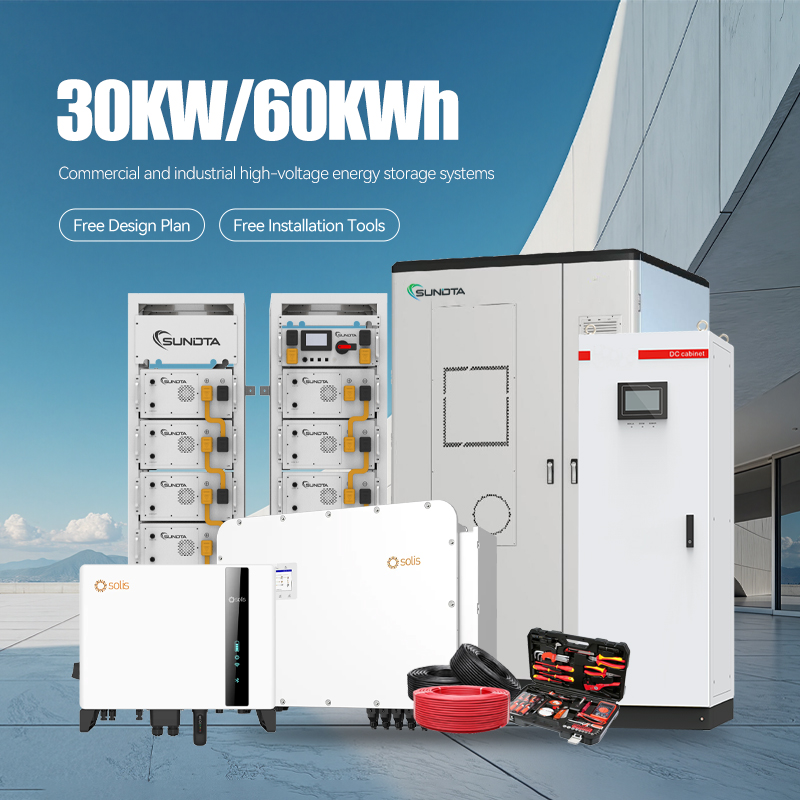
- Grade-A 314Ah Prismatic LiFePO4
- 6,000+ Deep Cycles @ 80% DoD
- Dual CAN/RS485 Protocol Matching
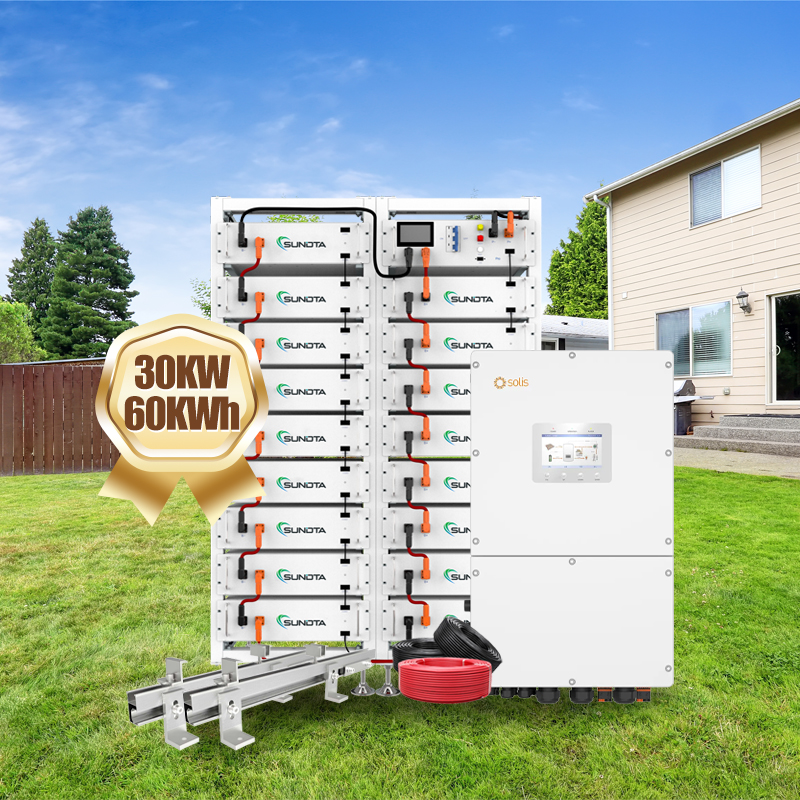
- Fully Matched Inverter + Panel + Battery
- Zero Export & Peak Shaving Controls
- Certified VDE-AR-N 4105 & CE Compliant
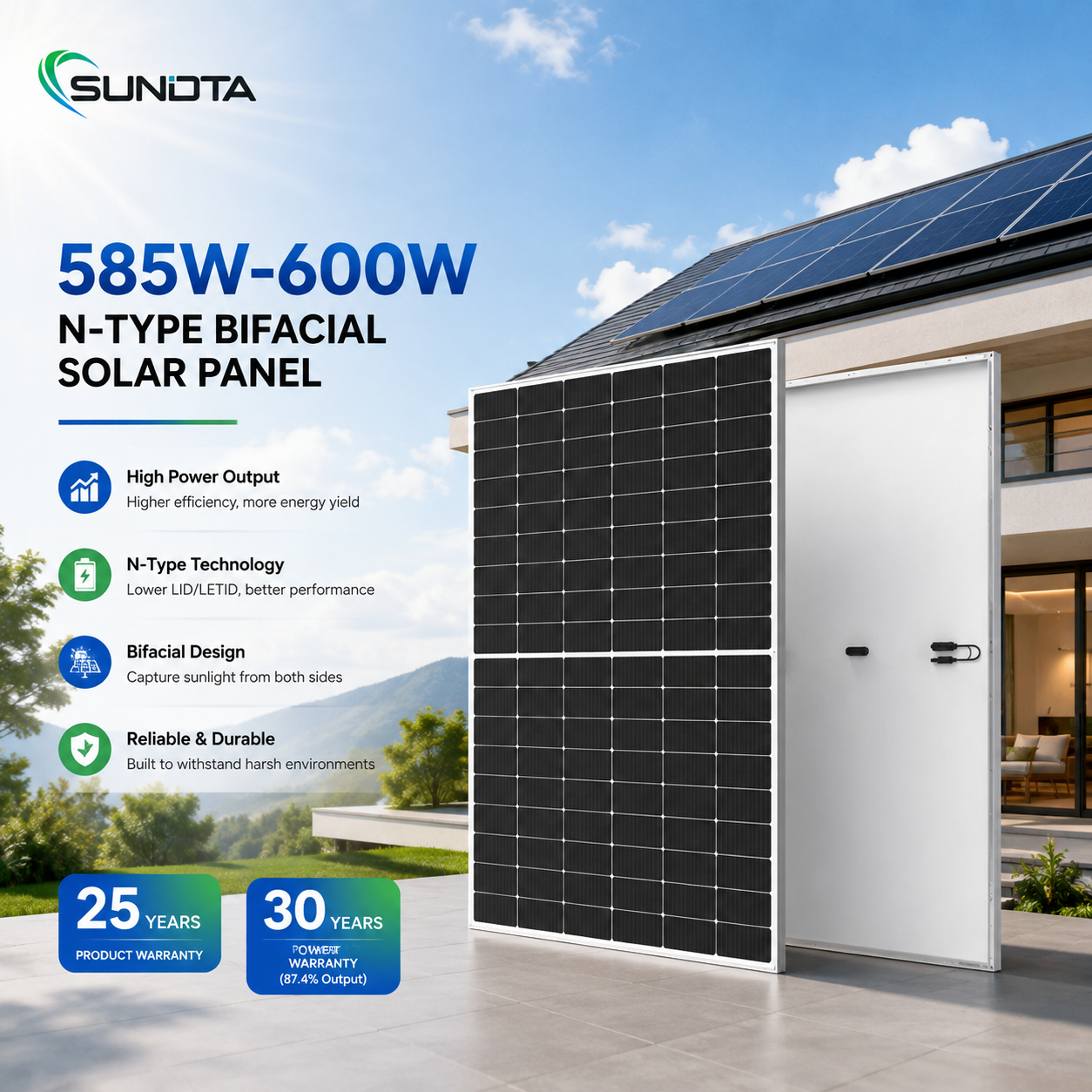
- Up to 23.1% Conversion Efficiency
- 80%±5% Bifaciality Factor Yield
- Ultra-low LID/LeTID Attenuation
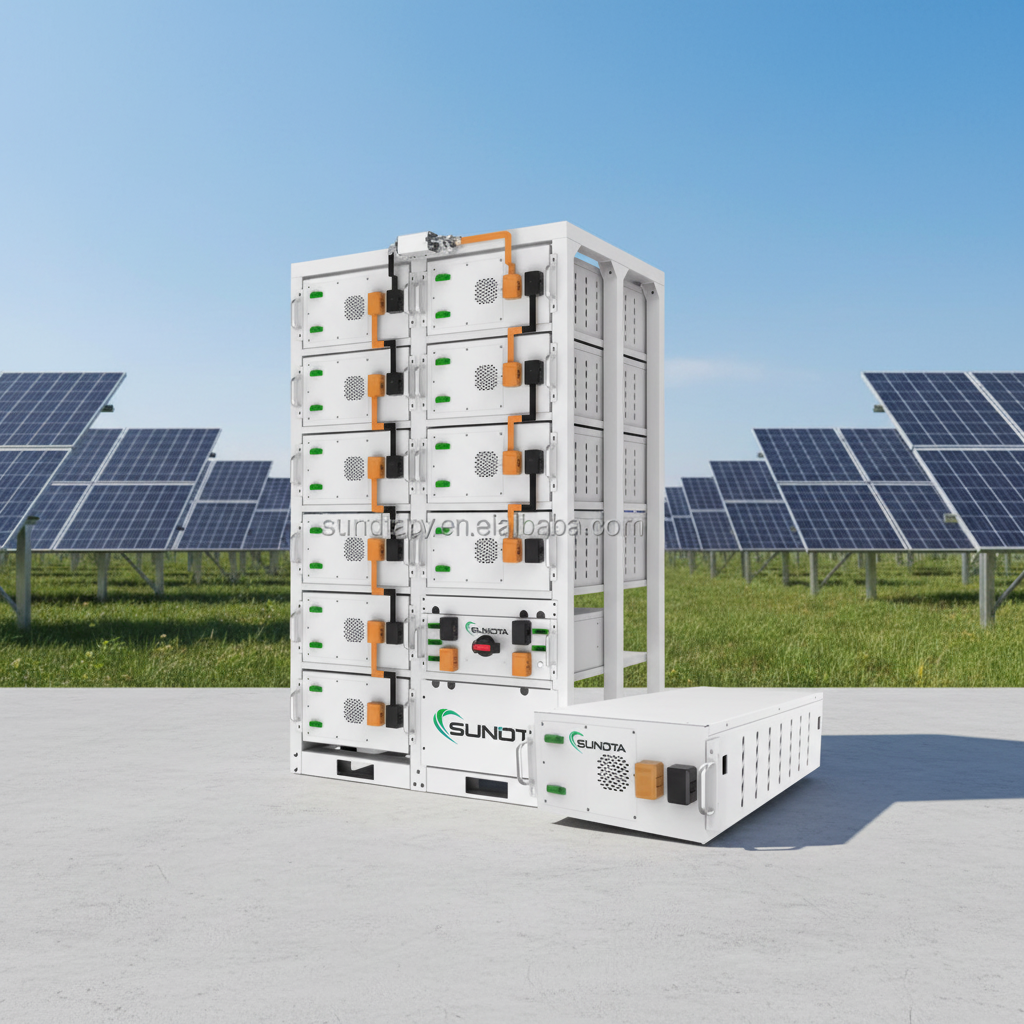
- 200V - 800V Scalable Bus Architecture
- Integrated Precision HVAC Air Cooling
- Built-in Aerosol Fire Suppression
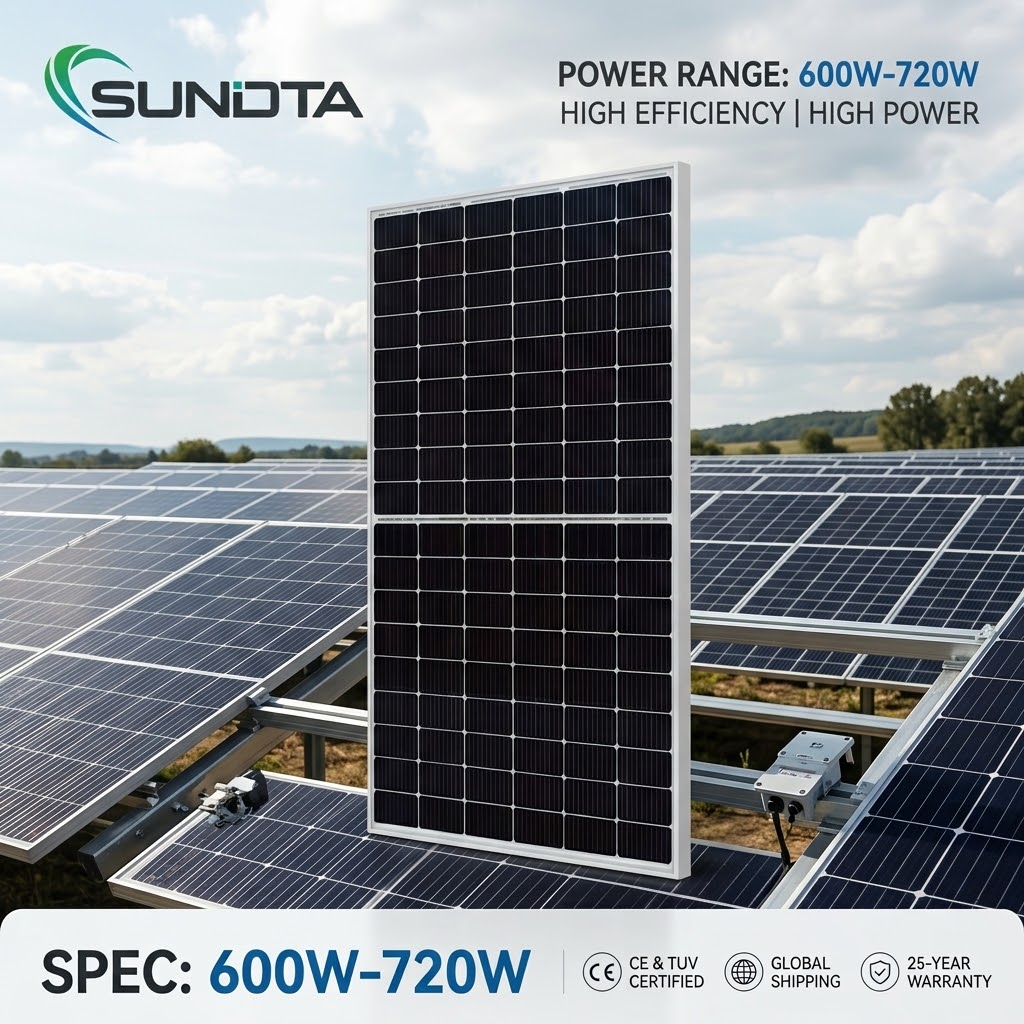
- 23.03% Module Peak Efficiency
- Half-Cut Multi-Busbar (MBB) Architecture
- Heavy Snow (5400Pa) & Wind (2400Pa) Rated
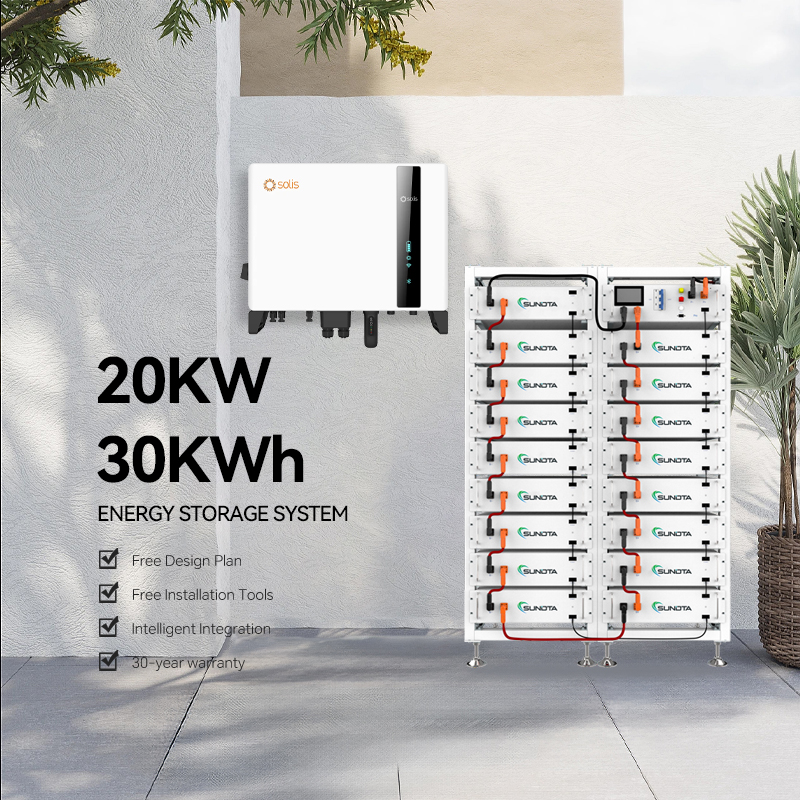
- Deye Low/High Voltage Inverter Platform
- 100% Unbalanced Three-Phase Output
- Generator Auto-Start & Smart Microgrid
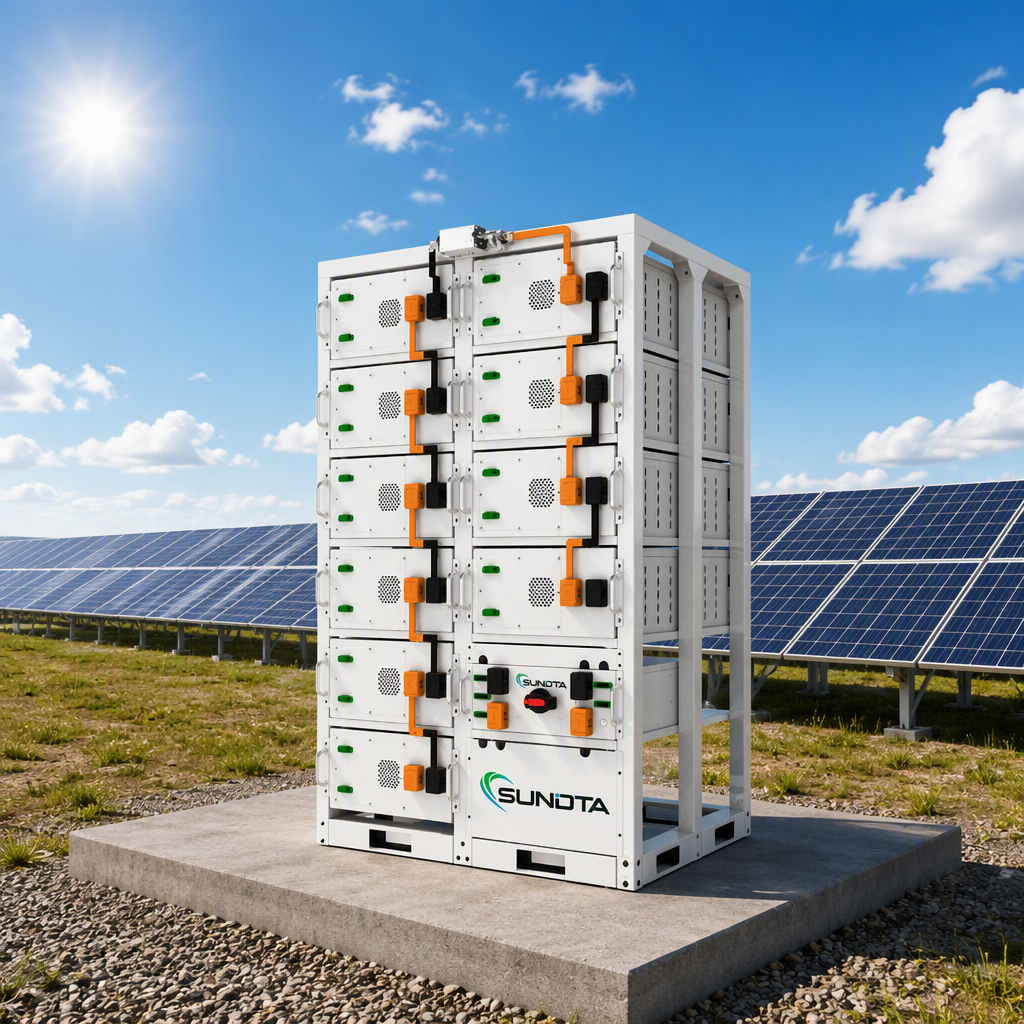
- High-Capacity 280Ah Cell Density
- Outdoor IP54/IP55 Industrial Enclosure
- Advanced Cloud EMS Remote Telemetry
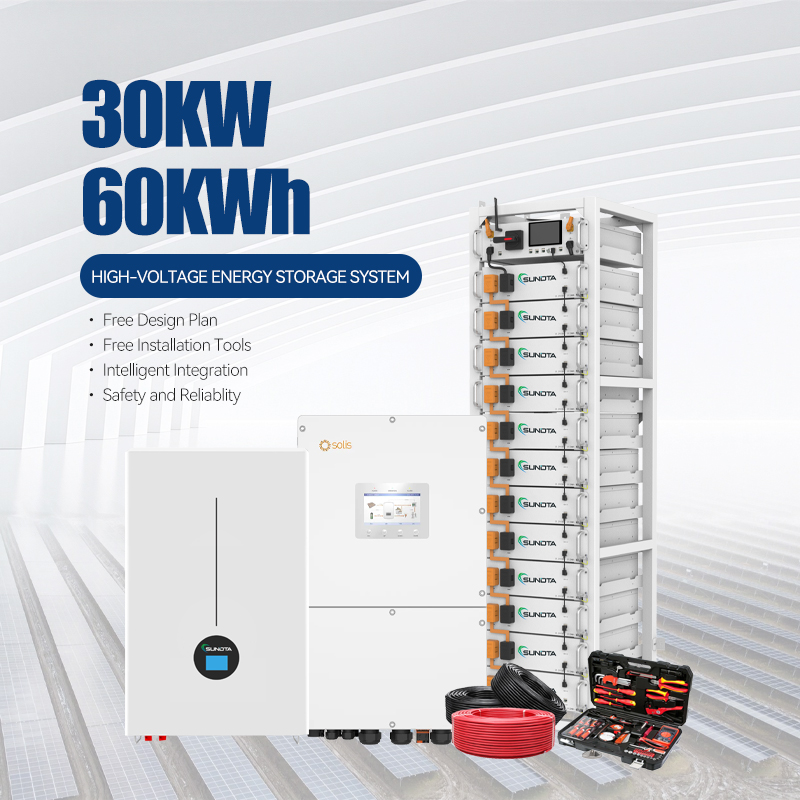
- Compact Powerwall Slim Architectural Form
- Native Plug-and-Play Closed Loop BMS
- 15-Unit Parallel Scalability (Up to 240kWh)
The Evolution of Lithium Chemistry in Solar Storage: LFP Superiority
As the international renewable energy market transitions from reactive backup systems to proactive, algorithmic-based peak shaving and time-of-use (TOU) arbitrage, battery chemistry selection has become the central pillar of levelized cost of storage (LCOS) reduction. Lithium Iron Phosphate (LiFePO4 or LFP) has definitively decoupled itself from nickel-manganese-cobalt (NMC) chemistries due to its intrinsic thermal runaway threshold (~270°C vs ~150°C), absence of heavy cobalt dependency, and exceptional electrochemical endurance.
Chinese battery manufacturing hubs—specifically within Anhui and neighboring Yangtze River Delta clusters—have driven this global transition through automated cell winding, advanced electrolyte doping, and precision prismatic encapsulation. RJV New Energy engineers utilize automotive-grade 280Ah and next-generation 314Ah prismatic LFP cells with ultra-low internal resistance (≤0.25 mΩ) to maximize round-trip efficiency (RTE ≥ 95.5%) under prolonged 0.5C and continuous 1C charging cycles. For EPCs and project developers, this operational resilience equates to over 6,000 equivalent full cycles before cell capacity degrades to 80% state of health (SoH), delivering a decade-long operating lifecycle under standard ambient temperature variations.
Global Solar & Storage Procurement Trends: 2025–2030
B2B energy procurement managers, turnkey EPC contractors, and equipment distributors face a rapidly transforming supply chain dictated by shifting grid compliance codes, fluctuating raw material indices, and localized incentive structures. Sourcing strategies are moving beyond individual component price comparisons toward integrated system reliability and streamlined customs clearance.
High-Voltage (HV) Architecture Dominance
Commercial and high-capacity residential installations are shifting rapidly from low-voltage (48V) to high-voltage (200V–800V) series stacks. HV architectures dramatically diminish conductor cross-section requirements, eliminate bulky busbars, and reduce resistive I²R heat losses during rapid charge/discharge cycles, directly unlocking a 2% to 4% increase in round-trip conversion efficiency when coupled to three-phase hybrid inverters.
Integrated Pre-Engineered Turnkey BOMs
Disjointed procurement—sourcing modules from one vendor, inverters from another, and batteries from an unvetted pack assembler—is the primary driver of commissioning delays, CAN bus handshaking errors, and split warranty claims. International buyers increasingly demand single-source accountability, selecting tier-certified manufacturers capable of providing unified flash data, matched BMS protocols, and integrated balance-of-system (BOS) equipment in dedicated sea containers.
Stricter Environmental & Safety Compliance
The implementation of stricter international storage standards, including the EU Battery Regulation (EU 2023/1542), UL 9540A unit-level thermal runaway fire testing, and IEC 62619 functional safety verification, necessitates exhaustive documentation from Chinese exporters. Importers must confirm cell provenance, carbon footprint traceability, and digital BMS safety layers prior to issuing Letters of Credit (LC).
Technical Specification Benchmark: System Selection Matrix
Selecting the optimal battery topology dictates long-term economic yield. RJV New Energy engineers configure systems using the benchmark parameters below to establish clear operational clarity before equipment fabrication commences.
| System Attribute | 48V/51.2V Low Voltage (LV) Pack | 200V–800V High Voltage (HV) Rack | Containerized Utility BESS (1–2MWh) |
|---|---|---|---|
| Typical Energy Scope | 5 kWh to 30 kWh (Parallelable) | 40 kWh to 150 kWh (Stackable) | 1,000 kWh to 3,440 kWh Container |
| Target Application | Residential Homes, Off-Grid Cabins, Small Telecom | C&I Facilities, EV Fast Charging, Farms | Utility Peaking, Microgrids, Solar Parks |
| BMS Communications | CAN 2.0B / RS485 / Modbus RTU | High-Speed CAN / Modbus TCP/IP | Fiber Optic / SCADA / IEC 61850 / Cloud EMS |
| Round-Trip Efficiency (RTE) | 92% – 94% (Due to high DC amperage) | 95% – 97% (Minimal conduction losses) | ≥ 90% (Inclusive of HVAC auxiliary loads) |
| Thermal Management | Natural Convection / Internal Fans | Industrial Air HVAC / Forced Cooling | Precision Liquid Cooling / Chiller Loops |
| Fire Safety Protocols | Cell Fusing & Thermal Barrier Pads | Aerosol Extinguishers + Thermal Runaway Cutoff | Integrated Deflagration Panels, Gas Sensors, Aerosol |
Technological Roadmaps: Next-Gen Solar & Storage Horizons
The photovoltaic-storage sector is experiencing a monumental transition toward higher volumetric energy densities and extended mechanical endurance. On the generation side, N-Type TOPCon (Tunnel Oxide Passivated Contact) and emerging Heterojunction (HJT) solar cell structures have outpaced traditional p-type PERC cells. TOPCon eliminates light-induced degradation (LID) and light-and-elevated-temperature-induced degradation (LeTID), providing an industry-leading temperature coefficient (-0.30%/°C) that performs exceptionally well in hot desert or equatorial deployment environments.
Simultaneously, lithium storage cell engineering is progressing from 280Ah toward standard 314Ah and 500Ah+ large-capacity prismatic cells. RJV New Energy's integration labs are pioneering solid-state and semi-solid electrolyte LiFePO4 integrations that operate across wider thermal thresholds (-30°C to 60°C) without the risk of dendrite propagation. Coupled with AI-driven Battery Management Systems (BMS) that leverage Kalman-filter predictive algorithms to gauge State-of-Charge (SoC) down to a ±1% margin of error, modern solar lithium arrays actively mitigate cell impedance imbalance before dynamic capacity degradation manifests.
Enterprise Strengths & Advanced Manufacturing Depth
Anhui RJV New Energy Co., Ltd. combines advanced manufacturing infrastructure with flexible commercial execution, providing global tier-one supply capabilities with transparent technical engineering.
Hefei Manufacturing Base
Situated in the heart of China’s premier photovoltaic research cluster in Hefei, Anhui. Our fully automated module assembly line delivers 2GW annual module capacity supported by ISO 9001, ISO 14001, and ISO 45001 certified manufacturing controls.
TÜV Rheinland Audited
Our operational capabilities, financial viability, and production lines have passed rigorous on-site verification by TÜV Rheinland. We maintain an AAA credit index and provide genuine, non-tampered model test reports with full batch-level trace identification.
Full OEM & Protocol Matching
We provide full sample-based, design-based, and complete custom OEM services. Our engineers natively flash communication protocols for Deye, Solis, Growatt, Victron, GoodWe, and SMA hybrid platforms, assuring flawless plug-and-play installation.
Flexible Incoterms & EU Hub
Supporting EXW, FOB, CFR, and CIF shipping with customs-cleared, localized stock options in Germany to streamline rapid project fulfillment throughout continental Europe. Flexible trade terms accommodated via T/T, L/C, and OA financing structures.
Frequently Asked Questions on Solar & Storage Sourcing
Authoritative technical, commercial, and logistical clarifications for global wholesale importers and engineering firms.
What are the minimum order quantities (MOQ) and sample lead times?
To support prototyping, engineering validation, and system matching, our MOQ for residential 51.2V LiFePO4 batteries and hybrid inverters is 1 unit. Complete residential solar energy kits are supplied starting at 1 full set. For standalone solar panels, standard orders are quoted per pallet (typically 31 to 36 pieces, equivalent to 13,650W–17,280W) to prevent transit micro-fractures, or in 20GP/40HQ full container loads. Sample units are dispatched within 5 to 7 business days, while volume container deliveries require 15 to 25 calendar days depending on production scheduling.
How does RJV New Energy ensure seamless closed-loop BMS communication?
Every LiFePO4 battery pack features a software-programmable Smart BMS supporting multi-brand protocol emulation across dual CAN bus and RS485 interfaces. Our firmware is pre-configured for native handshaking with Deye, Solis, Victron Energy, Growatt, GoodWe, Sofar, and Schneider inverters. Commissioning teams simply set the onboard DIP switches to the corresponding inverter index code to automate charge voltage cutoffs, dynamic current limits, low-temperature heating cutoffs, and real-time state-of-charge synchronization without manual coding.
Which international certifications and testing reports accompany each shipment?
Every commercial dispatch includes a comprehensive quality compliance packet. Batteries are fully certified under UN38.3 (dangerous goods transport testing), MSDS, IEC 62619 (industrial lithium safety), and CE-EMC/LVD directives. Solar modules include IEC 61215 (terrestrial PV design qualification), IEC 61730 (safety requirements), Salt Mist Corrosion (IEC 61701), and Ammonia Resistance (IEC 62716) test certifications. Furthermore, full factory flash-test electrical datasheets are cataloged per module serial number to provide absolute proof of performance.
What are the warranty coverage, cycle lifespans, and after-sales terms?
Our residential and C&I LiFePO4 battery systems feature a standard 5 to 10-year pro-rata operational warranty, warranting ≥80% capacity retention over 6,000 cycles under standard 0.5C charging conditions at 25°C. Solar modules carry a 12-year structural workmanship warranty alongside a 25 to 30-year linear power warranty limiting annual degradation to ≤0.4%–0.55%. In the event of an anomalous component failure, our technical support engineers provide remote telemetry diagnostic verification within 24 hours, shipping replacement control boards (BMS/PCS) or modules directly from domestic hubs or regional European warehouse reserves.
Can you support customized OEM branding, packaging, and microgrid design?
Yes. Over 60% of our global export volume utilizes customized branding. We offer custom silk-screened metal chassis, custom sheet-metal powder coating, bespoke LCD firmware splash screens, and localized outer carton packaging complying with regional retailer presentation standards. For complex commercial microgrids, our engineering team utilizes PVsyst and CAD modeling software to simulate solar irradiance, tilt angles, array shading, and battery autonomy hours, returning complete single-line electrical diagrams (SLD) with comprehensive bill-of-materials quotations.
Ready to Scale Your Solar & Storage Supply Chain?
Connect directly with Anhui RJV New Energy technical sales engineers. Receive optimized system sizing, certified datasheets, and direct factory container pricing within 24 hours.