High-Yield Bifacial Solar Modules & ESS Configurations
Pre-engineered hardware combinations optimized for high-temperature desert environments, UL/IEC compliance, and seamless inverter-to-battery CAN bus handshakes.
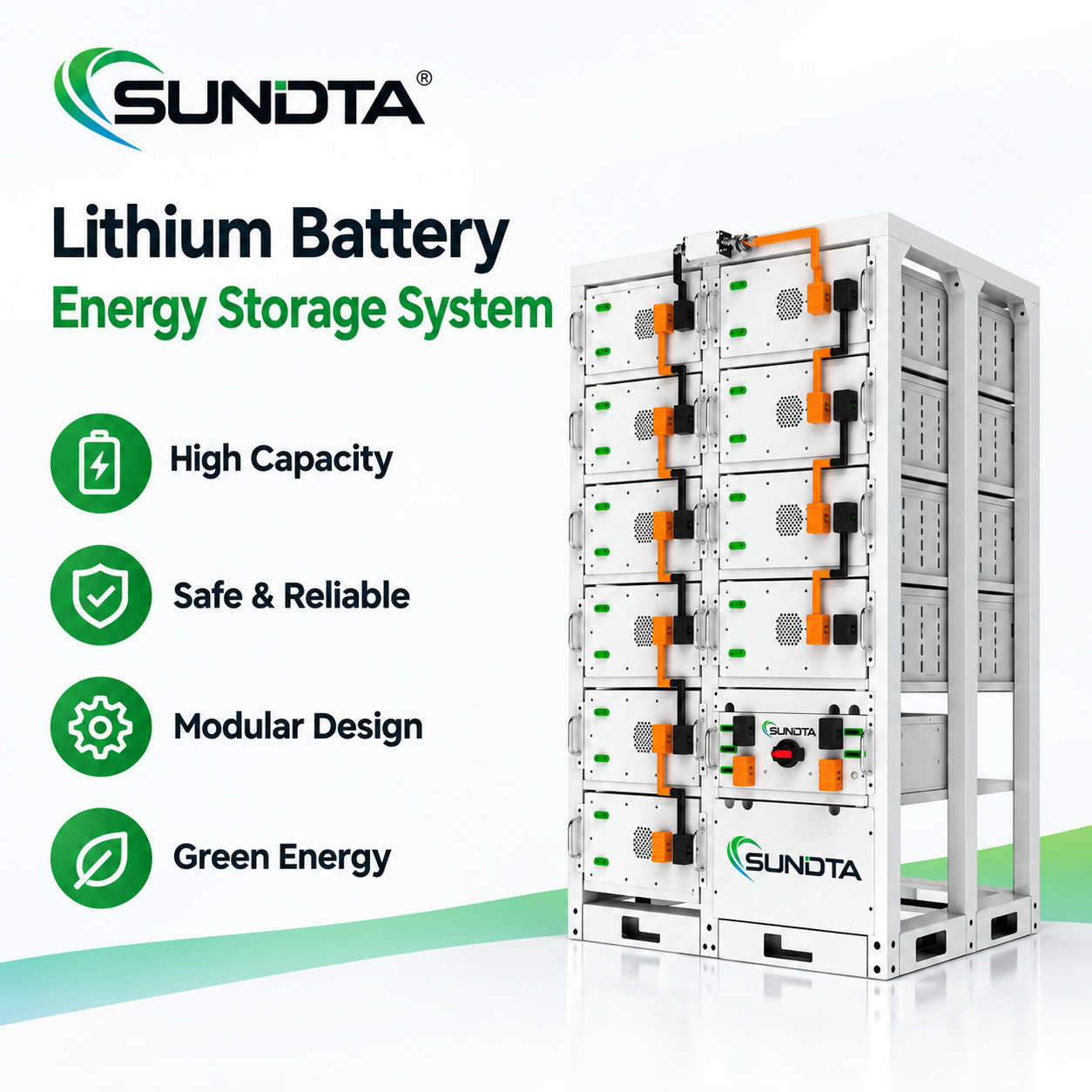
Smart BMS 51.2V Stackable LiFePO4 Home Storage System
- High-durability prismatic LiFePO4 cells
- Multi-inverter protocol auto-matching
- Modular expandable capacity up to 40 kWh
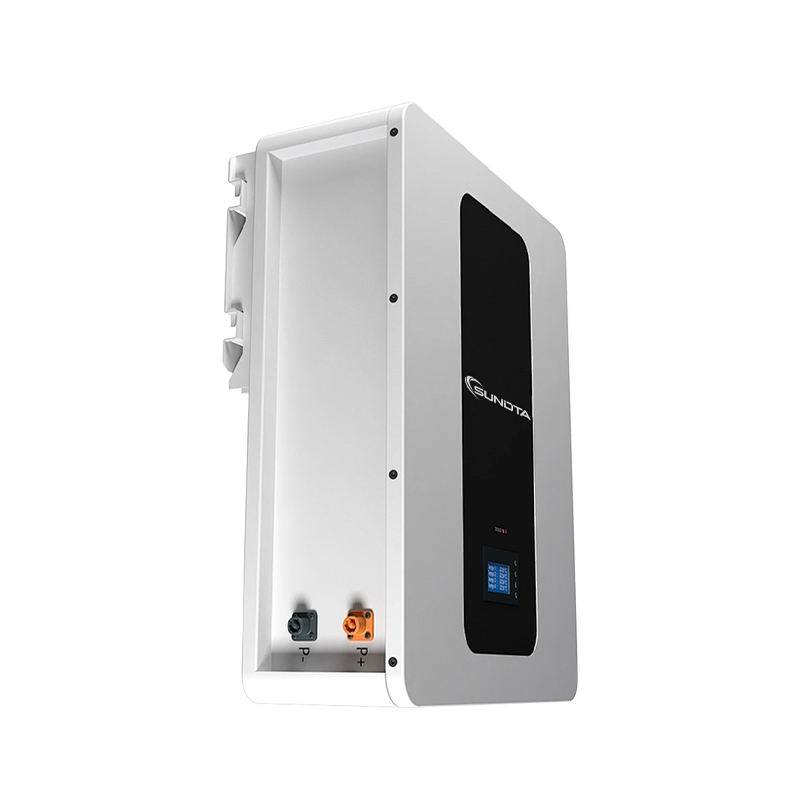
Sundta POLO-W1 5kWh Wall-Mounted Storage Unit
- Rated 51.2V 100Ah deep-cycle reliability
- IP65 enclosure for garage/carport mounting
- 6,000+ cycle life @ 80% DOD
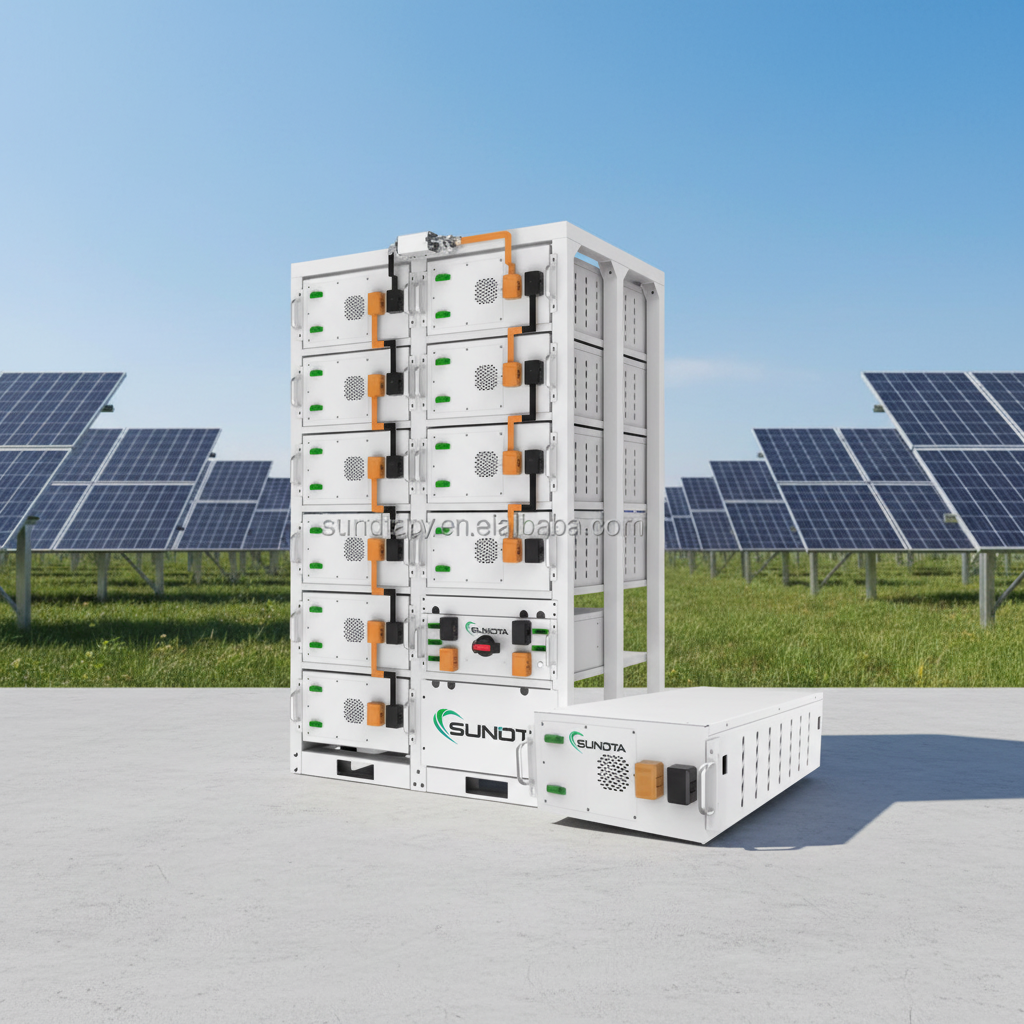
Commercial High-Voltage LiFePO4 Battery Cabinet
- Scalable 40kWh, 50kWh to 100kWh cabinets
- HV architecture minimizing round-trip heat loss
- Engineered for C&I demand-charge reduction
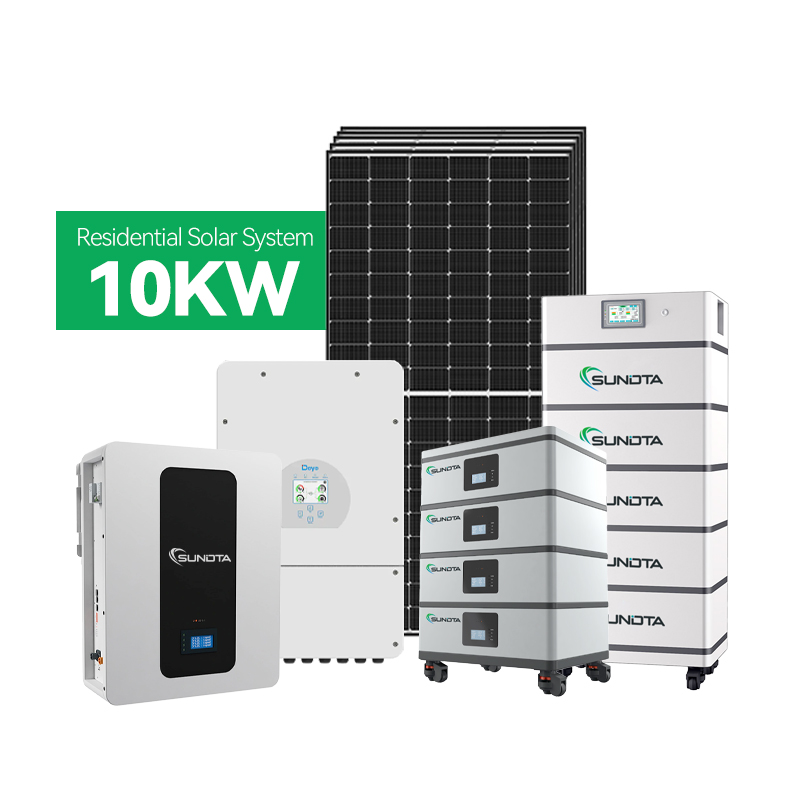
Sundta 10kW/12kW Hybrid Solar Microgrid System
- Integrated hybrid inverter + LiFePO4 bank
- Fast transfer switch for continuous UPS backup
- Dual MPPT tracking for split-roof azimuths
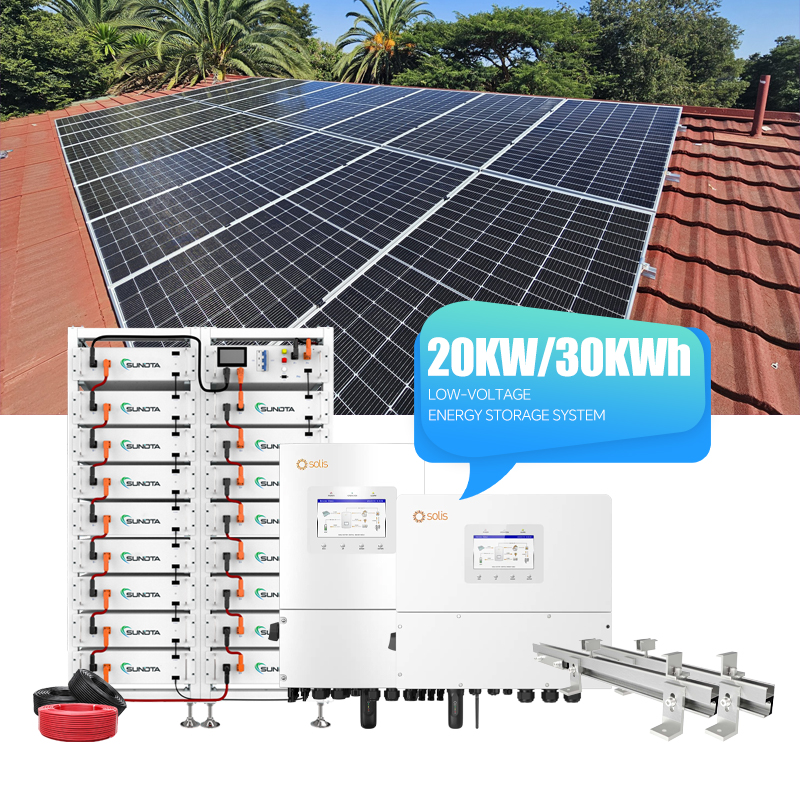
Turnkey 20kW–35kW Hybrid Commercial Solar Kit
- Complete matched PV panels, inverter & racking
- High-yield dual-surface absorption profile
- Built-in rapid shutdown & grid-tie safety logic
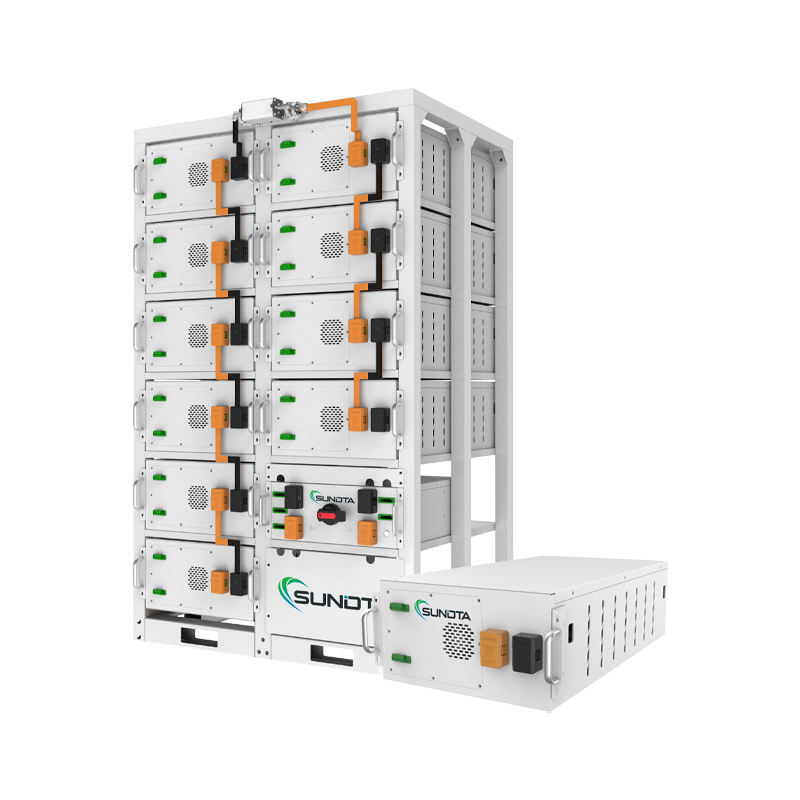
Stackable 14.336kWh 51.2V Long-Life Energy Bank
- 280Ah high-density lithium iron phosphate cells
- Smart thermal cutoff protecting cell life in heat
- CAN/RS485 closed-loop inverter integration
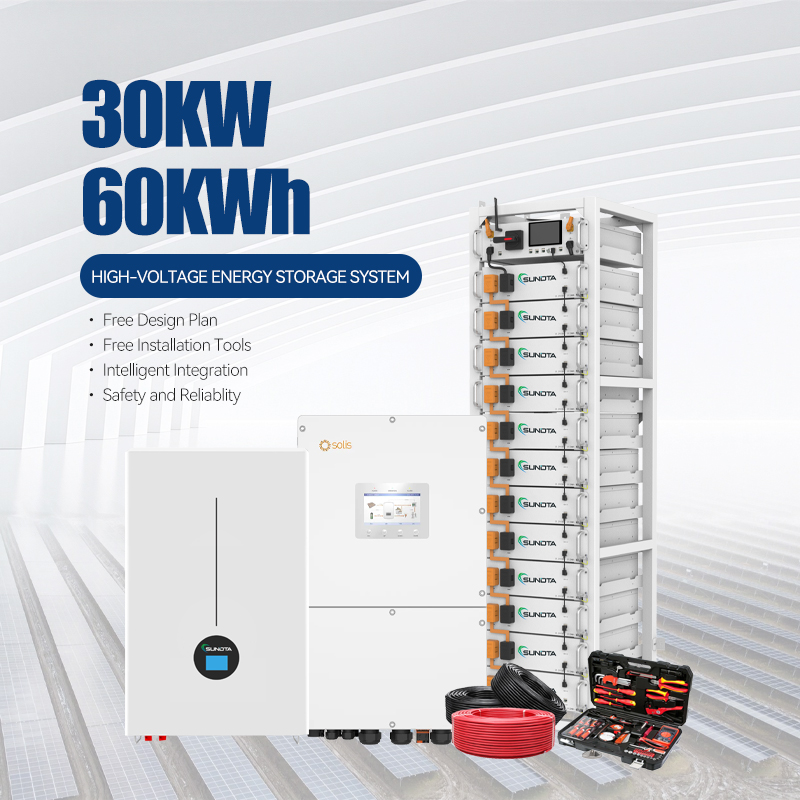
Energy Bank Powerwall 51.2V 314Ah / 16kWh
- Ultra-high ampacity 314Ah cell chemistry
- Engineered for high daily cycling under TOU rates
- Integrated breakers and LCD health monitoring
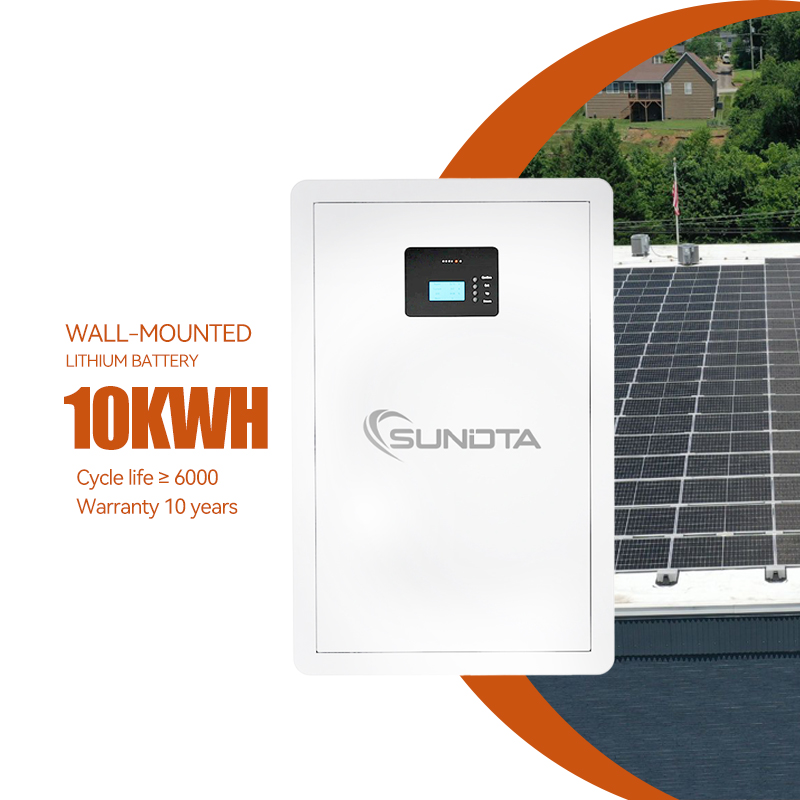
Sundta IP65 10kWh 51.2V 200Ah Wall-Mounted Storage
- Heavy-duty exterior grade corrosion coating
- Integrated smart BMS balance management
- Plug-and-play terminals for expedited labor
Bifacial PERC Solar Module Performance Mechanics in the Valley of the Sun
Operating photovoltaic equipment in Greater Phoenix, Arizona presents an unforgiving set of atmospheric and thermodynamic conditions. With direct normal irradiance (DNI) exceeding 6.5 kWh/m²/day and ambient summer temperatures regularly surpassing 115°F (46.1°C), standard single-glass monocrystalline PV modules suffer from severe performance penalties. Roof surface temperatures in Maricopa County frequently crest 165°F (73.9°C), causing operating cell temperatures to reach upwards of 80°C.
In this extreme environment, Passivated Emitter and Rear Cell (Bifacial PERC) modules engineered with dual-glass (2.0mm + 2.0mm heat-strengthened glass) encapsulated architecture deliver decisive engineering advantages over conventional glass-backsheet modules. By eliminating permeable polymeric backsheets, dual-glass bifacial modules completely eradicate moisture ingress, acid generation, backsheet embrittlement, and premature Potential Induced Degradation (PID).
Furthermore, bifacial modules exhibit cooler continuous operating characteristics. Because a portion of infrared light passes through the transparent gaps of the active dual-glass laminates rather than being trapped and absorbed as thermal energy by dark opaque backsheets, bifacial strings operate up to 2.5°C to 4.0°C cooler than monofacial counterparts under identical 1000 W/m² irradiance levels. In a climate where every degree above 25°C subtracts power output, this thermal dissipation advantage preserves megawatt-hours across hot summer operating peaks.
Phoenix Market-Specific Application Profiles
How distributed solar contractors, municipal planners, and EPC engineers deploy bifacial PERC technology across the Sonoran landscape.
Commercial White TPO Rooftops
Greater Phoenix houses vast logistics corridors across Tolleson, Goodyear, and Mesa. Warehouses featuring reflective thermoplastic polyolefin (TPO) single-ply membranes offer high surface albedo ratings (0.70–0.82). Bifacial PERC modules installed on elevated tilt-racking (10°–15°) with a minimum 0.5-meter clearance capture intense underside reflection, producing a verified 15% to 22% secondary power gain.
Solar Shading Carports & Canopies
With Phoenix parking pavement reaching 160°F, commercial retail centers, schools, and corporate parks in Scottsdale and Tempe prioritize solar canopies. Bifacial dual-glass modules serve as architectural shade canopies. The dual-sided energy absorption captures direct overhead rays while gathering reflected irradiance from concrete and light-colored vehicles underneath, offsetting high daytime HVAC peak charges.
Desert Ground-Mount & Microgrid Arrays
Across rural Maricopa and Pinal counties, agricultural pumps, water purification stations, and off-grid desert facilities rely on fixed-tilt or single-axis tracker ground mounts. Light desert caliche soils and crushed pale granite naturally provide 0.35–0.45 albedo. Dual-glass bifacial modules mounted with single-axis tracking achieve exceptional levelized cost of energy (LCOE) with minimal rear shading.
APS & SRP Time-of-Use Arbitrage
Arizona Public Service (APS) and Salt River Project (SRP) utilize export tariffs that penalize mid-day grid backfeeding while pricing 4:00 PM – 9:00 PM on-peak power heavily. Pair our high-capacity bifacial modules with high-voltage 51.2V LiFePO4 batteries to soak up surplus mid-day energy and discharge during the highest rate windows, completely insulating residential and business owners from punitive tariffs.
Bifacial Dual-Glass PERC vs. Standard Monofacial in Sonoran Environments
Empirical performance expectations based on standard meteorological year (TMY) calculations in Maricopa County:
| Engineering Attribute | Standard Monofacial Backsheet | Bifacial PERC Dual-Glass (RJV Specification) | Operational Impact in Phoenix |
|---|---|---|---|
| Module Encapsulation | 3.2mm Tempered Glass + Polymer Film | 2.0mm + 2.0mm Dual Heat-Strengthened Glass | Zero backsheet moisture ingress, zero UV yellowing under 3,800+ annual sun hours. |
| Operating Thermal Cell Temp | Nominal +35°C above ambient (up to 85°C) | 2.5°C–4.0°C cooler via transmitted infrared | Preserves 0.8% to 1.4% instant peak wattage under blistering midday summer heat. |
| Annual Degradation Rate | 0.55%–0.70% per annum after Year 1 | ≤ 0.45% per annum guaranteed | Guarantees 85%+ nameplate capacity retention at Year 30 vs ~80% at Year 25. |
| Rear-Side Energy Yield | 0% (Opaque Backsheet) | 70% ± 5% Bifaciality Factor | Produces 10%–22% additional kWh per kW installed over light gravel and white roofs. |
| PID / Micro-Crack Resistance | Moderate; prone to mechanical wind stress | Superior symmetrical glass sandwich structure | Withstands extreme monsoon downdrafts and dust haboobs without cell micro-cracking. |
Phoenix Market Trends: Navigating APS, SRP & The Inflation Reduction Act
Strategic procurement considerations under the evolving Arizona Corporation Commission (ACC) mandates.
The RCP Transition & Export Reductions
Under the ACC Resource Comparison Proxy (RCP), export credit rates continue their planned step-downs for new interconnects. Exporting unbuffered power directly to the grid yields diminishing returns. Designing systems with maximum self-consumption utilizing bifacial modules and on-site LiFePO4 batteries is now mandatory for financial feasibility.
IRA Section 48 & 30D Monetization
The Federal 30% Investment Tax Credit (ITC) combined with accelerated MACRS depreciation provides robust financial tailwinds for Phoenix C&I projects. By selecting fully certified Tier-1 quality bifacial hardware with documented bill of materials, project developers de-risk third-party tax equity underwriting.
Microgrids & Grid Resiliency
As summer electricity demand strains the regional transformer fleet, localized brownouts and public safety power shutoffs pose operational risks. Commercial facilities in Chandler and Glendale are adopting islandable microgrids featuring hybrid inverters and containerized BESS capable of black-start and peak shaving.
Rapid Permitting & NEC 690.12
Municipalities across Greater Phoenix (City of Phoenix, Mesa, Scottsdale) enforce strict National Electrical Code (NEC) 2020/2023 rapid shutdown standards. Our integrated hybrid kits and string architecture feature standardized module-level rapid shutdown (MLRSD) compliance to clear plan review without delays.
Why Direct-Sourcing from Anhui RJV New Energy Mitigates Supply Chain Risk
Procuring solar and storage components across disjointed distributors frequently leads to protocol mismatches, commissioning nightmares, and fractured warranty recourse. Anhui RJV New Energy Co., Ltd. resolves these systemic frictions by acting as a single, verified manufacturing and systems integration powerhouse based out of Hefei's world-class photovoltaic industrial cluster.
2 GW Annual Automation Capacity
Our intelligent automated manufacturing lines feature high-precision laser-cutting, multi-busbar (MBB) soldering, and dual-stage automated optical EL defect testing, ensuring zero micro-fractures in delivered bifacial modules.
TÜV Rheinland Audited Facility
Our manufacturing protocols and corporate trade capacity have passed comprehensive on-site supplier verification by TÜV Rheinland. Full flash-test reporting, I-V curves, and material traceability accompany every single container.
500+ MW Global Field Deployments
With 12+ years of manufacturing discipline, over half a gigawatt of PV infrastructure, and 38 registered patents, our modules and battery systems are field-proven across desert, tropical, and sub-zero operational installations.
Pre-Matched Inverter-BMS Handshakes
We eliminate on-site integration failures. Our 51.2V LiFePO4 batteries feature native CAN and RS485 communication firmware pre-mapped to industry-standard inverters including Deye, Solis, and Growatt for instant plug-and-play setup.
Full Compliance & Certifications
Products are rigorously tested to international and regional benchmarks, including CE, IEC 61215, IEC 61730 for module endurance, and UN38.3 plus cell-level safety certifications for our lithium storage configurations.
Flexible B2B Incoterms (FOB / CIF / DDP)
From single 40ft high-cube containers delivered straight to Long Beach or Los Angeles ports for Arizona rail-transfer, to direct jobsite deliveries, we manage complex logistics chains with transparent paperwork.
Frequently Answered Technical Questions for the Phoenix Market
Specific insights addressing high ambient temperatures, utility interconnects, racking clearances, and logistics.
How do high ambient summer temperatures in Phoenix affect the Bifacial PERC temperature coefficient?
What minimum racking height and ground cover are recommended to optimize rear-side albedo yield?
How do these bifacial modules and LiFePO4 batteries address APS and SRP billing structures?
Why is dual-glass packaging mandatory for desert reliability versus polymer backsheets?
What are the MOQ and logistical shipping options for EPCs and distributors in Arizona?
Are RJV LiFePO4 battery systems compatible with third-party inverters common in the US market?
Ready to Engineer Your Next Solar & Storage Project in Phoenix?
Whether you are procuring full 40ft container loads of high-efficiency Bifacial PERC modules, sizing a commercial 100kWh energy storage cabinet, or configuring a residential microgrid kit, RJV application engineers provide end-to-end technical support and verified factory-direct pricing.