C&I Storage
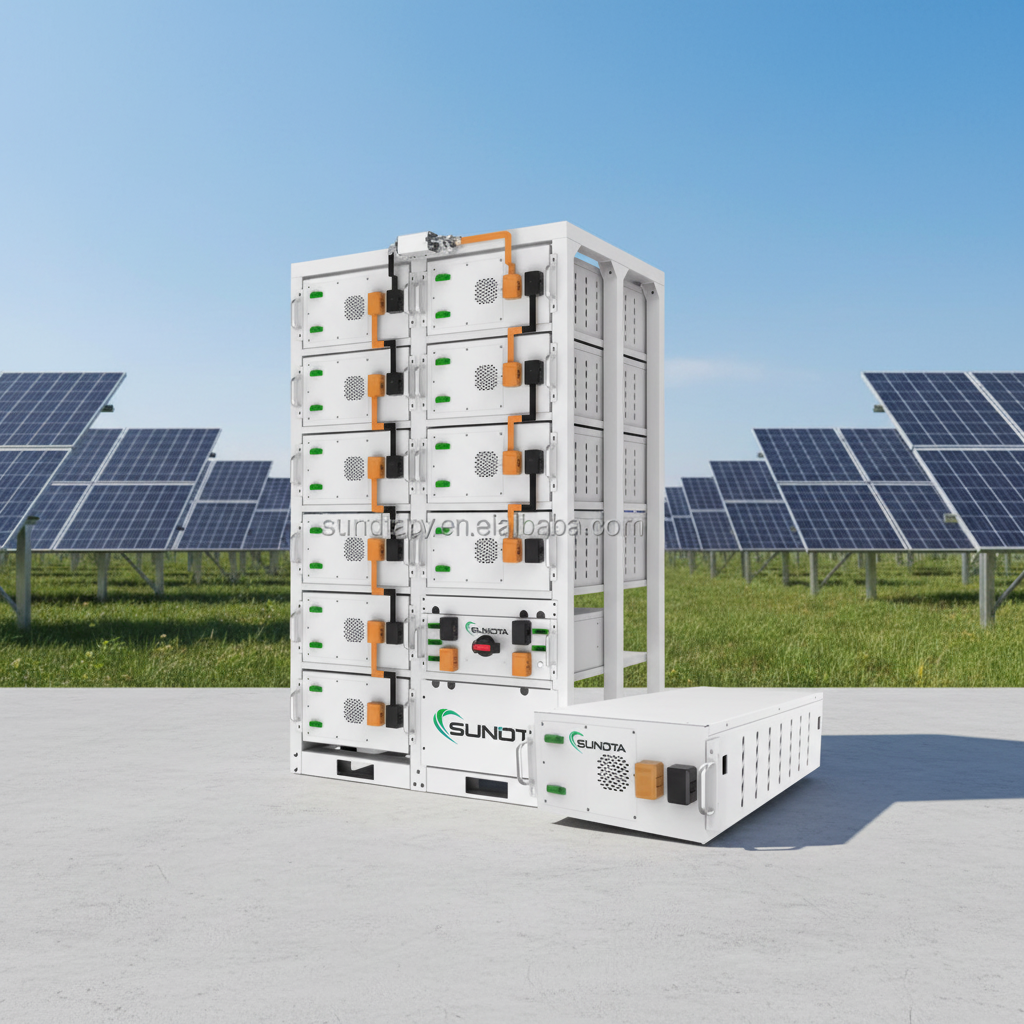
Commercial High Voltage LiFePO4 Energy Storage System 40kWh 50kWh 100kWh Cabinet
- Voltage: 200V–800V High Voltage Stack
- Air Cooling Thermal Balance Cabinet
- CAN/RS485 Dual Bus Architecture
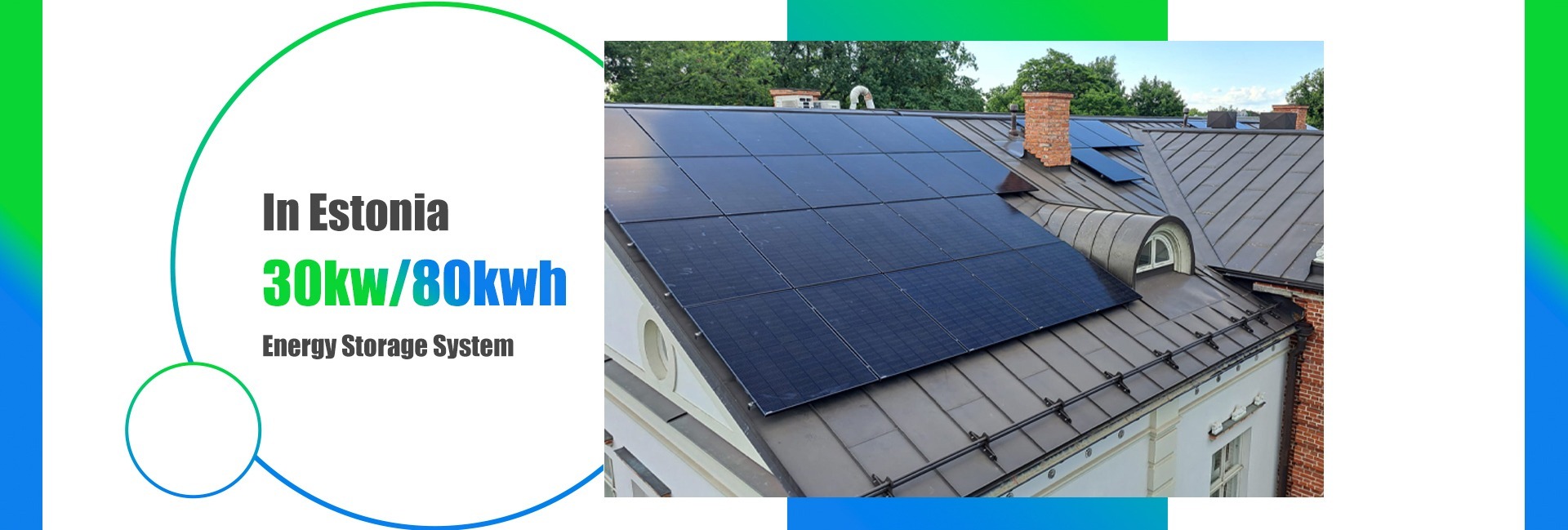
Fully tested and certified for seamless integration with regional distributed solar generators, split-phase commercial grids (120V/240V, 120V/208V), and remote off-grid agro-industrial microgrids.
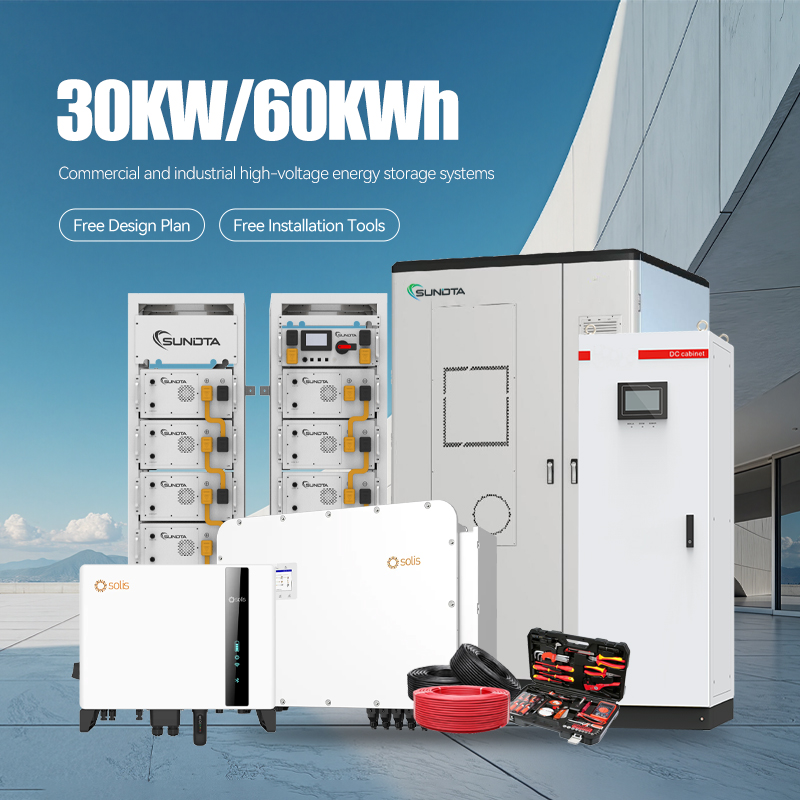
Guatemala represents one of Latin America's most dynamic yet operationally demanding electricity landscapes. With electricity governed by the Comisión Nacional de Energía Eléctrica (CNEE) and administered under the regulatory framework of the Wholesale Electricity Market (Mercado Mayorista - AMM), end-users, EPC contractors, and agricultural operators face acute power quality challenges. In peripheral regions outside the central ring of Guatemala City—such as Escuintla, Quetzaltenango, Alta Verapaz, and Petén—grid distribution handled by distribution utilities (including DEORSA and DEOCSA) is frequently subject to severe voltage sag, unannounced blackouts, and frequency fluctuations. Addressing these constraints necessitates transitioning from legacy lead-acid and rudimentary single-cycle storage to CE-certified modular stackable Lithium Iron Phosphate (LiFePO4) storage architecture.
Ambient thermal stress is the primary accelerator of cell degradation in Central America. Operating battery banks in hot, humid valleys like Puerto Barrios or high-altitude plateaus like Quetzaltenango induces severe temperature gradients within unmanaged cell enclosures. Lithium Nickel Manganese Cobalt Oxide (NMC) cells exhibit exothermic runaway thresholds around 210°C, rendering them vulnerable to thermal instability in poorly conditioned rural enclosures. In contrast, our stackable energy storage systems utilize high-grade Lithium Iron Phosphate (LiFePO4) chemistry featuring strong covalent P-O bonds within octahedral polyanion frameworks. This chemistry raises thermal runaway onset beyond 270°C, delivering unmatched thermal inertia.
Furthermore, each modular stack incorporates internal thermal balancing, solid copper busbar links, and smart micro-channel cooling fins designed to operate reliably in continuous ambient temperatures of up to 55°C. For industrial facilities seeking uninterrupted operations, the electrochemical stability of our cells guarantees an operational lifetime exceeding 10–15 years under daily cycling profiles (6,000 cycles at 80% Depth of Discharge), outlasting standard ternary lithium solutions by more than 250%.
| Evaluation Parameter | RJV Stackable LiFePO4 Module | Standard Low-Cost Lithium (NMC) | Traditional Tubular Gel / Lead-Acid |
|---|---|---|---|
| Cycle Life (@ 25°C, 80% DoD) | 6,000 – 8,000 Cycles | 1,500 – 2,500 Cycles | 500 – 1,200 Cycles |
| Thermal Runaway Critical Temp | > 270°C (Non-combustible) | ~ 180°C – 210°C (Volatile) | Thermal Warping Risk (> 50°C) |
| Usable Energy Density Ratio | 95% Usable (Full deep-draw) | 85% Usable | 50% Usable (Risk of sulfation) |
| BMS Inter-Stack Communication | Isolated Dual CAN / RS-485 Modbus | Basic Analog / Single Port | No BMS / External Balancer Only |
| Guatemala Grid Resilience | Zero-switch UPS backup (< 10ms) | External Transfer Switch required | Lagged transfer, prone to dropouts |
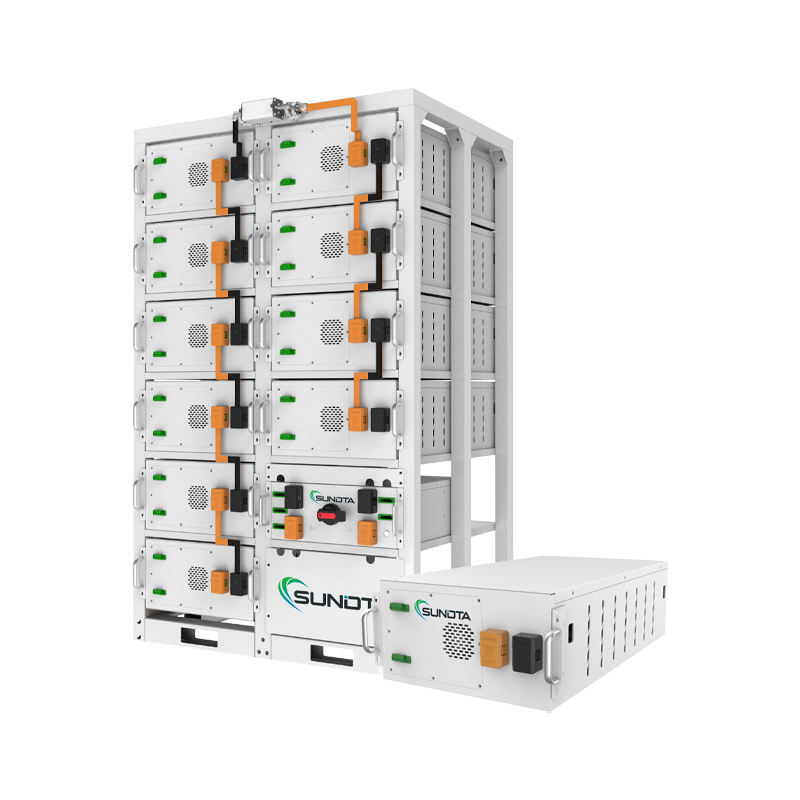
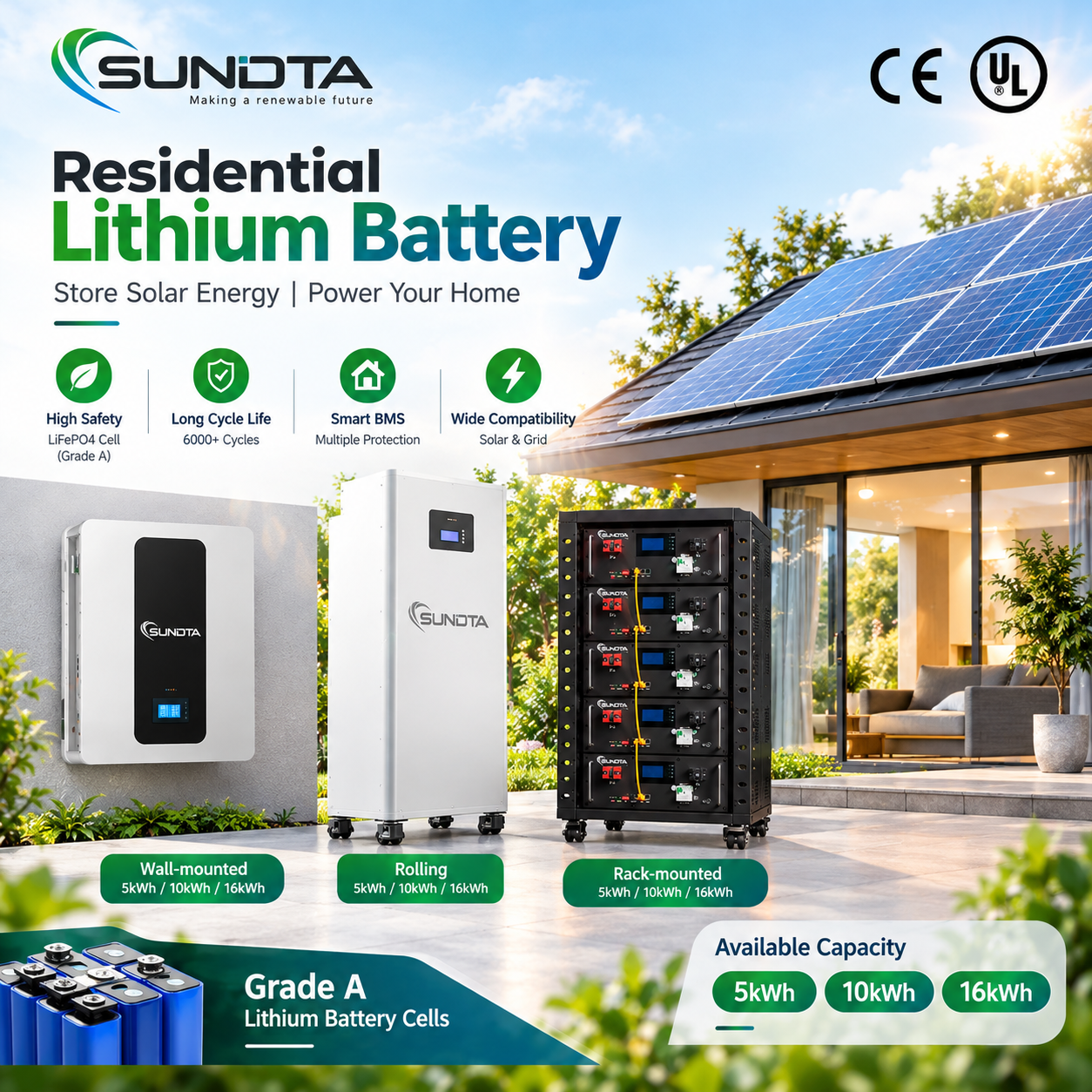
Logistical and installation constraints across Guatemala's varied terrain require systems that eliminate labor-intensive wiring mistakes. Traditional cabinet installations demand external crimping of high-ampacity heavy gauge cables, a prominent source of contact resistance and terminal oxidation when exposed to tropical humidity. Our Sundta modular stackable battery system solves this with multi-point blind-mate quick connectors and unified base-docking rails.
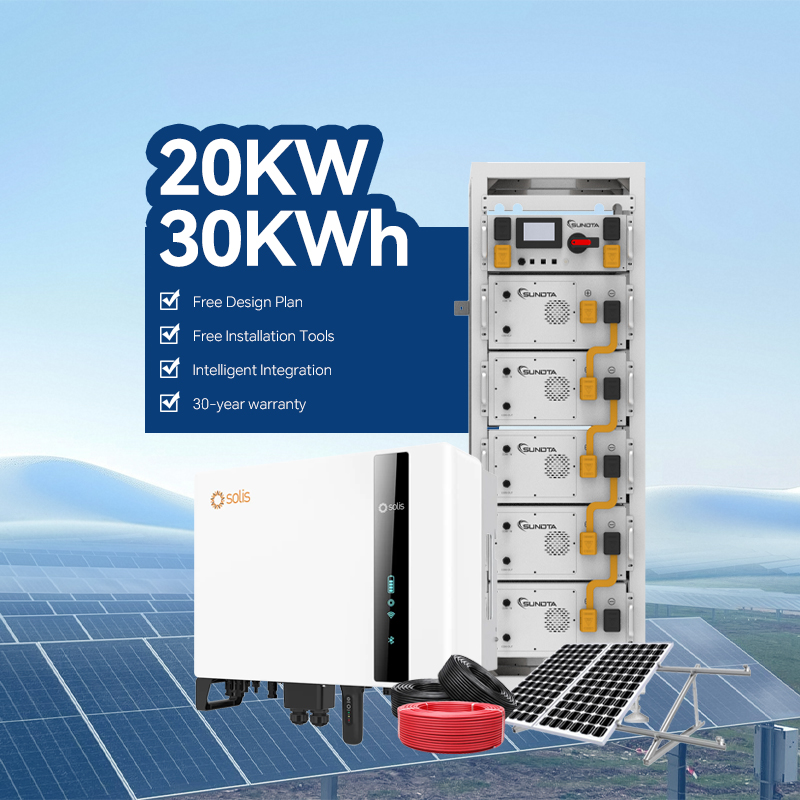
Installers can stage capacity in 5kWh, 10kWh, or 14.336kWh increments, stacking modules vertically without exposed DC high-voltage wiring. Each unit locks mechanically to resist seismic vibrations, a critical compliance feature for installations in seismic active zones such as the Motagua and Polochic fault corridors. The master BMS unit situated atop the vertical stack continuously balances individual cell groups, calculating state-of-charge (SoC) and state-of-health (SoH) via 16-bit algorithmic sampling, transmitting telemetry data seamlessly to local SCADA systems or leading hybrid inverters like Solis and Deye.
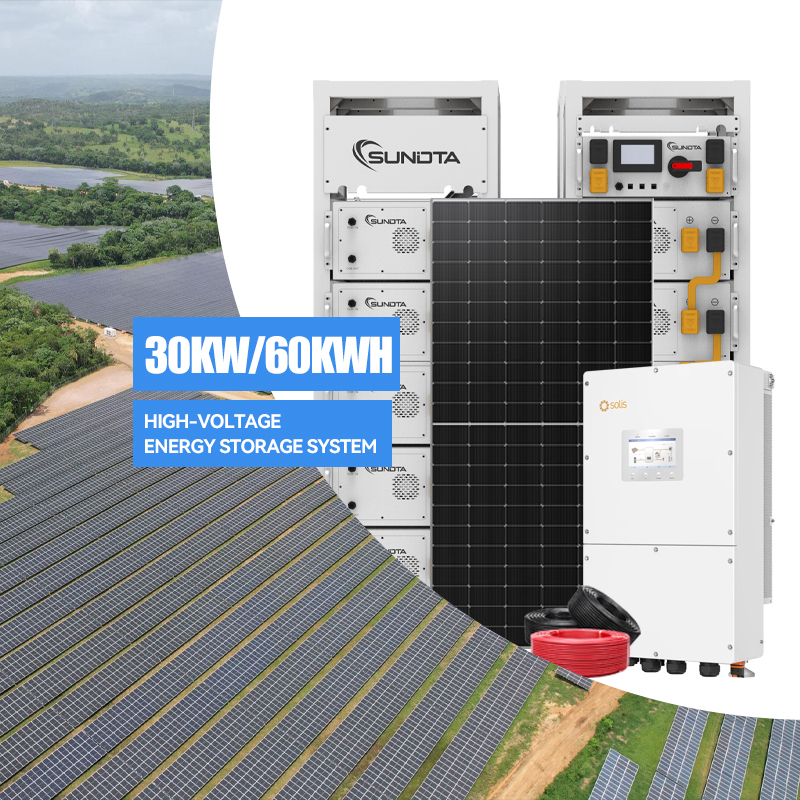
Industrial loads throughout the Pacific coast agro-export corridor (sugar refineries, palm oil processors, and refrigerated cold storage facilities) routinely experience severe voltage harmonics and uncoordinated sub-station recloser trips. When coupling stackable high-voltage storage (ranging from 200V to 800V DC) with advanced hybrid power conversion systems, the battery buffer provides instantaneous active reactive power injection (VAR support) and synthetic inertia. By keeping the DC link tightly clamped, our stackable lithium batteries eliminate inverter tripping caused by line spikes, shielding sensitive automated packaging electronics, frequency drives, and laboratory equipment.
Tailored power storage architectures addressing the specific geographic, economic, and logistical demands of Guatemala's core industries.
In high-altitude harvesting zones such as Antigua Guatemala, Cobán, and Huehuetenango, coffee washing and sorting mills require non-stop motive power during wet processing seasons. Weak feeder lines often cause voltage collapse when wet-mill depulping machinery starts. Stackable LiFePO4 batteries deliver immense peak-surge current capability, buffering heavy induction motor startup transients and integrating with local micro-hydro turbines to replace expensive diesel generator run-time.
Coastal and logistics hubs around Puerto Quetzal, Escuintla, and Santo Tomás de Castilla handle perishable fruit and vegetable exports. Tariff structures include punitive peak-hour demand rates (horas punta). By deploying our 40kWh–100kWh stackable high-voltage battery cabinets, industrial facilities execute automated time-of-use (TOU) arbitrage: charging during off-peak sunshine hours and discharging during utility peak windows, lowering baseline power expenses by up to 40%.
In eco-sensitive regions including Lake Atitlán, Petén (Tikal), and Semuc Champey, stringing grid lines is either ecologically unviable or economically prohibitive. Compact stackable lithium storage modules provide reliable, noise-free off-grid electricity. For remote telecommunication tower base stations across volcanic peaks, RJV battery systems ensure uninterrupted 48V telecom powering with autonomous remote monitoring over cellular IoT networks.
Key market indicators and regulatory dynamics steering solar-plus-storage investments across Central America.
CNEE's expansion of Distributed Generation regulations (Generación Distribuida Renovable - GDR) accelerates adoption of self-consumption solar paired with intelligent zero-export lithium storage in commercial rooftops.
Periodic El Niño weather phenomena severely suppress Guatemala's seasonal hydro generation, driving industrial electricity spot prices up. On-site solar storage offers guaranteed price hedging and operational predictability.
As Guatemala trades energy across the SIEPAC transmission grid to neighboring El Salvador and Honduras, frequency regulation standards are tightening, incentivizing private microgrids to install rapid-response BESS.
Global supply chain demands require coffee, sugar, and textile exporters to certify lower Scope 1 & Scope 2 greenhouse emissions, driving the direct replacement of heavy diesel generator banks with LiFePO4 batteries.
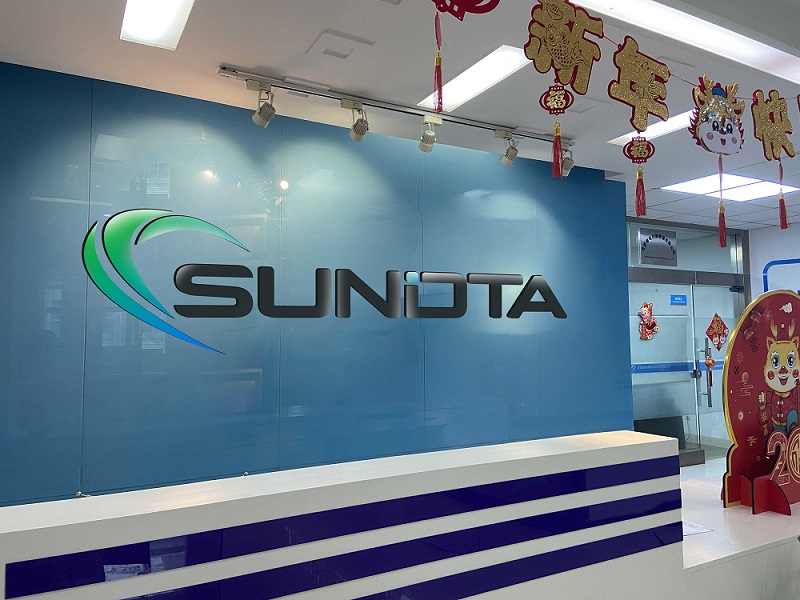
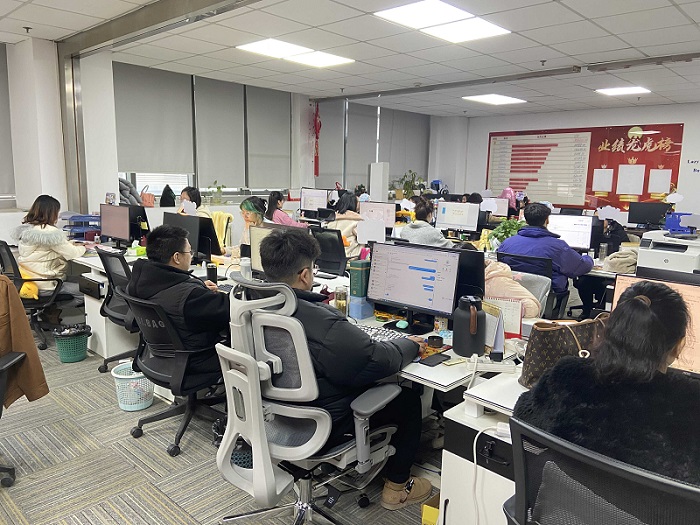
Headquartered in Hefei, Anhui—China’s global hub for photovoltaic innovation—Anhui RJV New Energy Co., Ltd. delivers engineered renewable energy hardware directly to EPC contractors, developers, and trade importers worldwide. Our factory operations have completed independent on-site audit verification by TÜV Rheinland, confirming precision manufacturing standards, strict incoming component inspection, and documented quality controls.
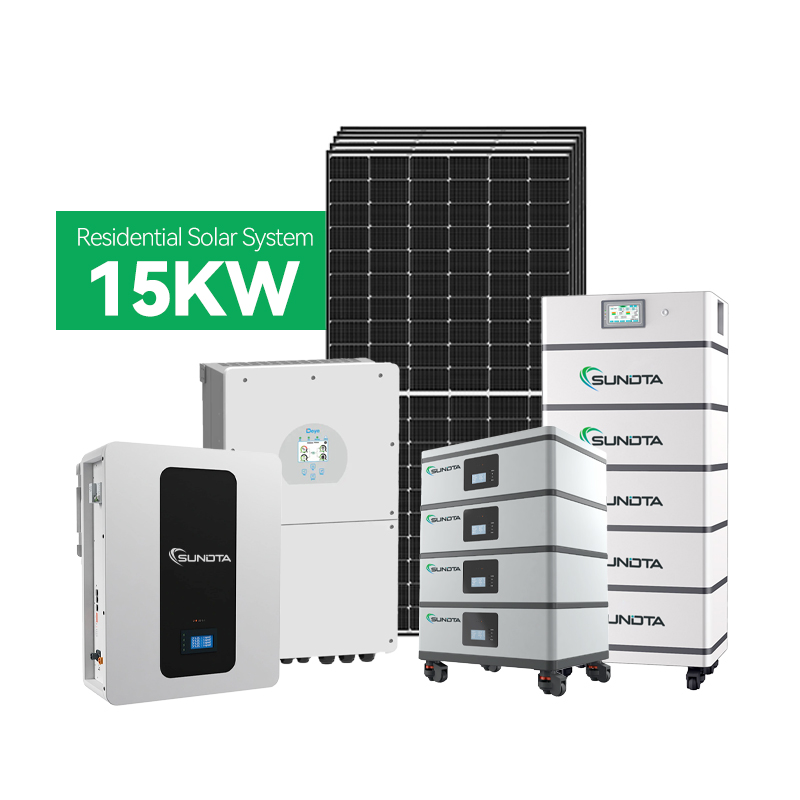
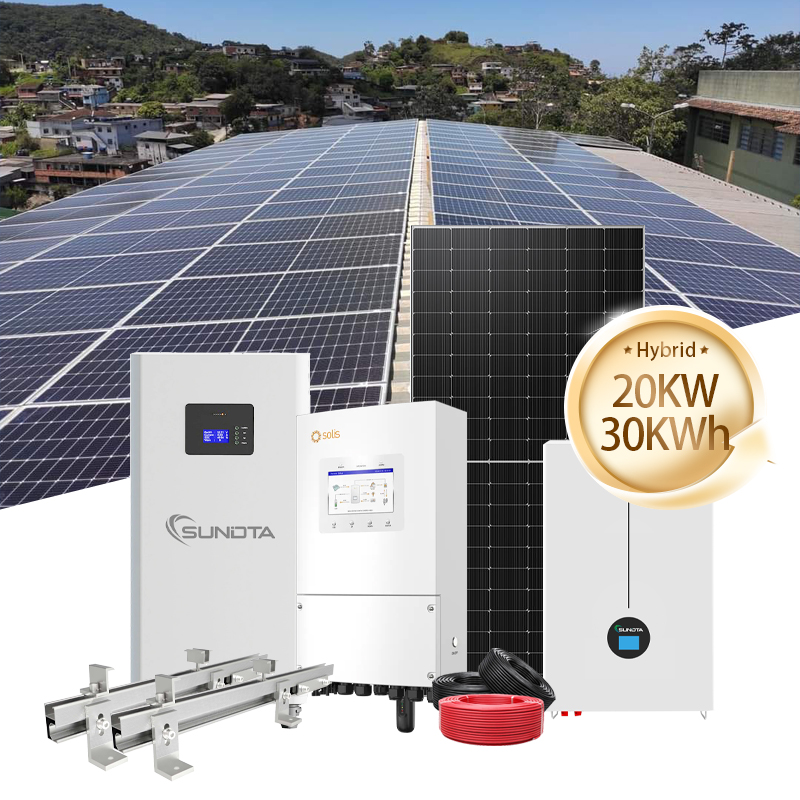
Rather than acting as a disjointed trading vendor, RJV controls the entire bill of materials. We eliminate commissioning headaches by factory-testing solar modules, Deye/Solis hybrid inverters, and stackable LiFePO4 storage batteries under common communication buses prior to export packing.
Clear answers on customs clearance, maritime logistics routes, technical grid compatibility, and after-sales support.