Tier 1 Solar Panel Sodenergy 700W–730W N-Type
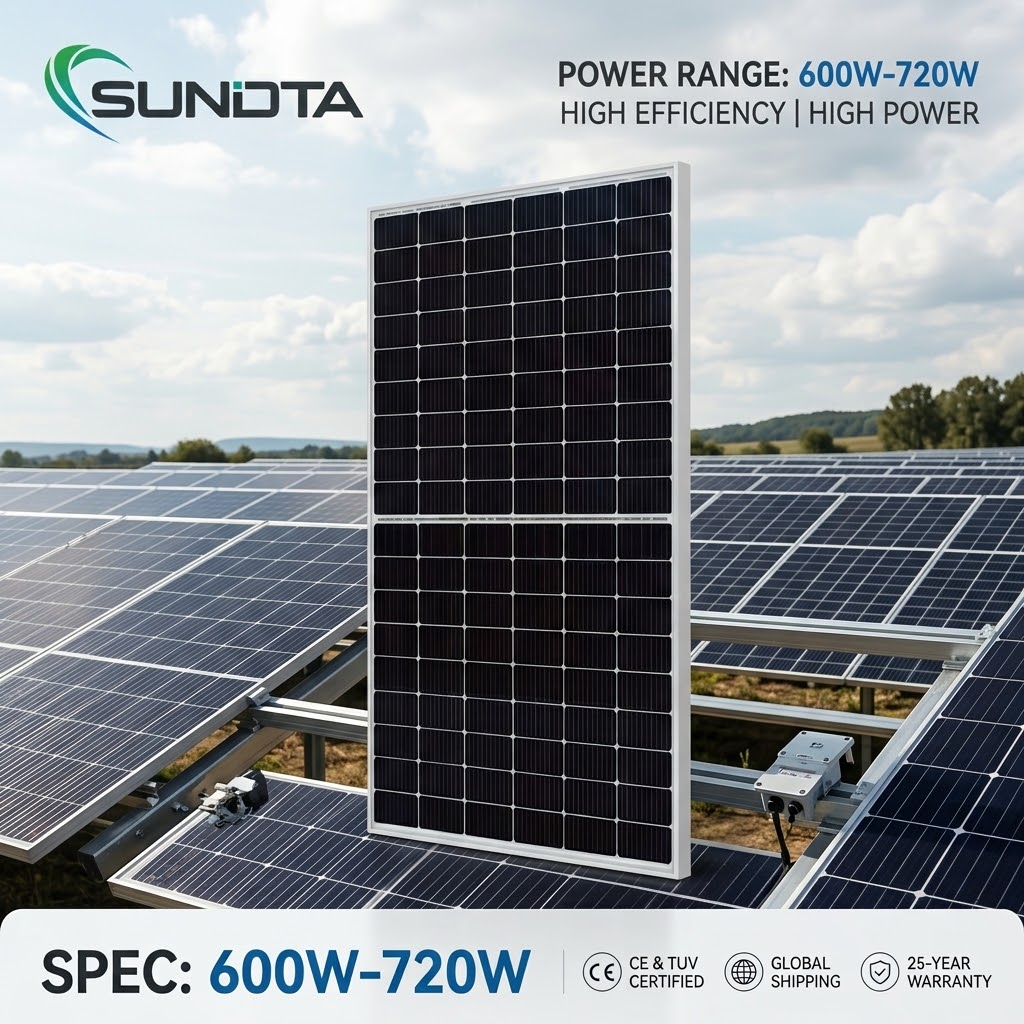
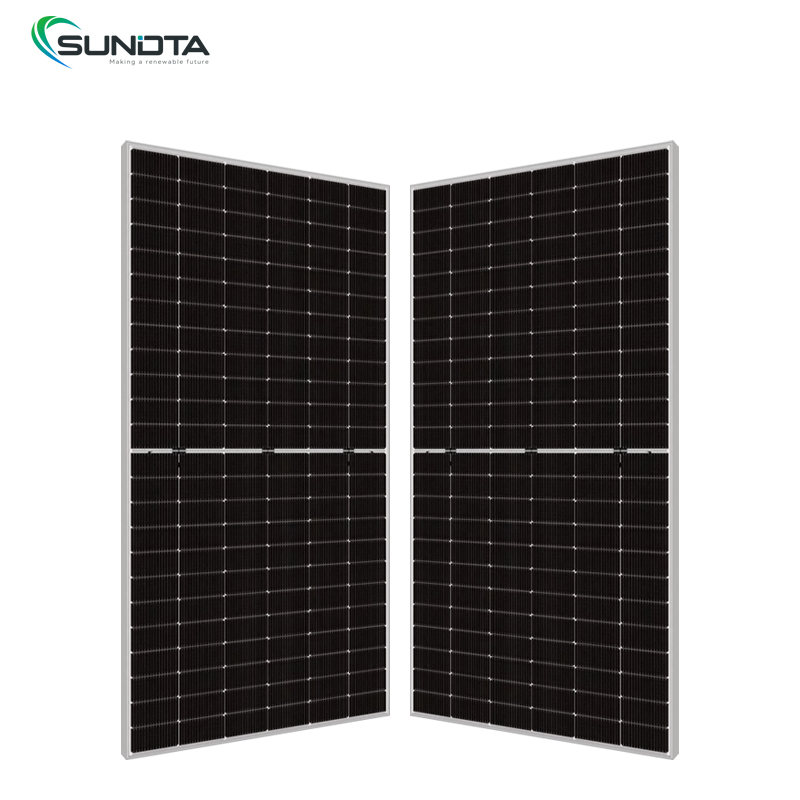
High-power N-Type monocrystalline module designed for high open-circuit voltage yield and reduced thermal degradation in high-altitude environments.
View DetailsPre-tested components calibrated for high-altitude irradiance, steep terrain water lifting, and grid-isolated environments across Lalitpur and the Kathmandu Valley.
High-power N-Type monocrystalline module designed for high open-circuit voltage yield and reduced thermal degradation in high-altitude environments.
View Details
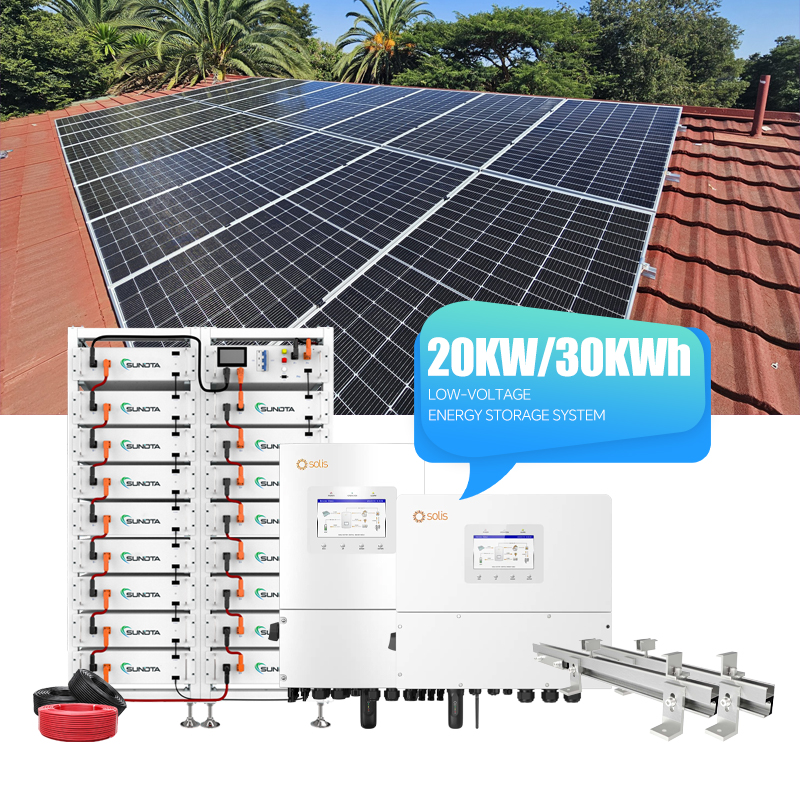
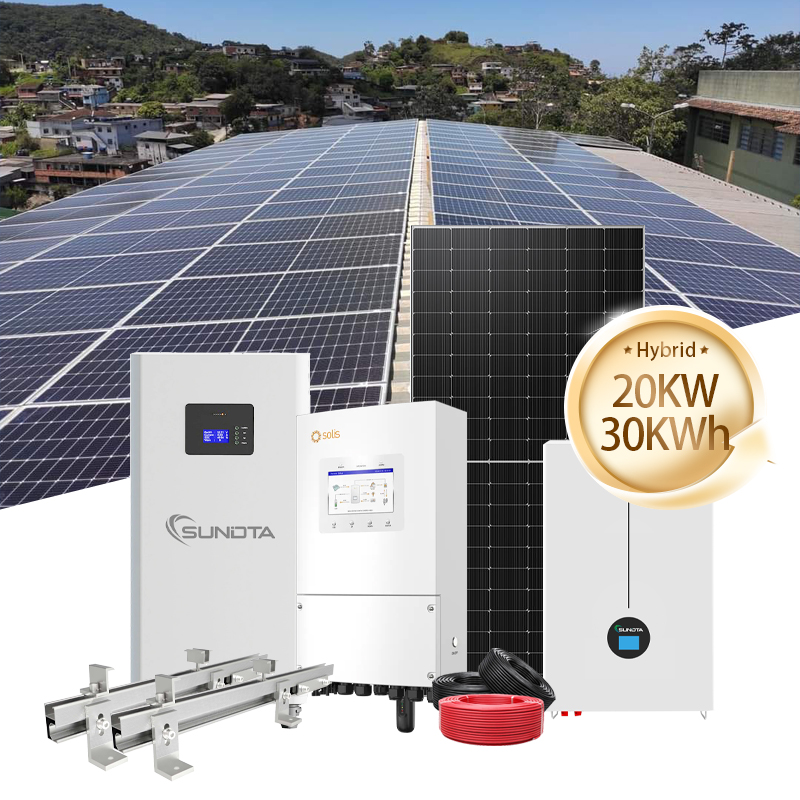
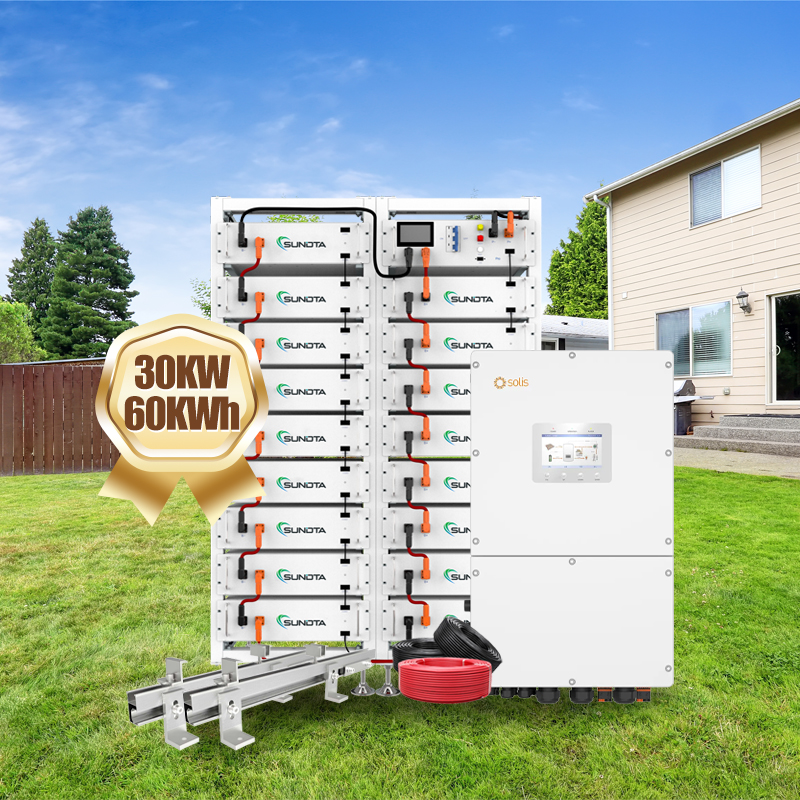
Robust 20kW–35kW hybrid power kit engineered for continuous agricultural pumping, backup processing, and commercial storage.
View Details
Integrated multi-mode pumping and microgrid architecture with LiFePO4 battery storage for round-the-clock water lifting security.
View Details
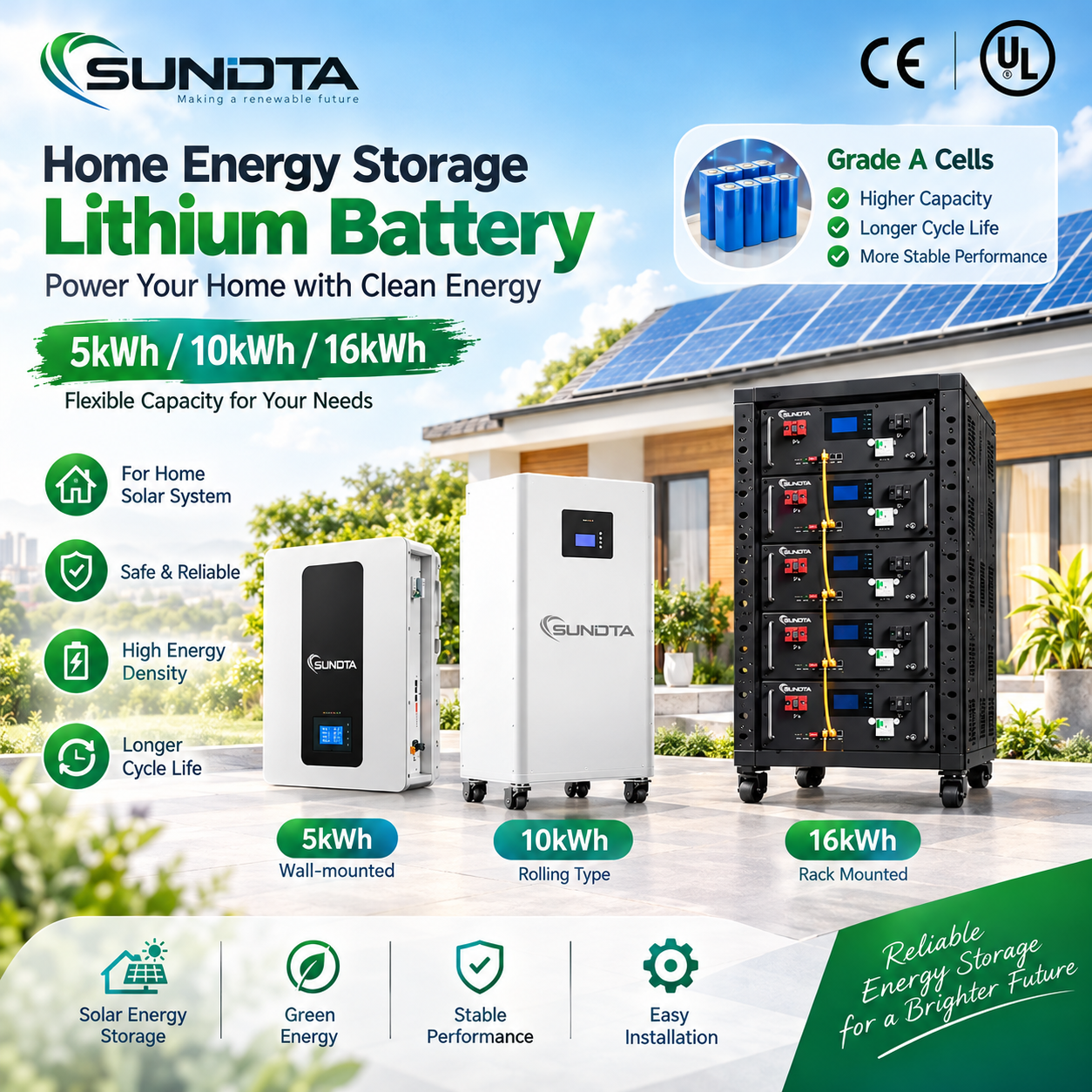
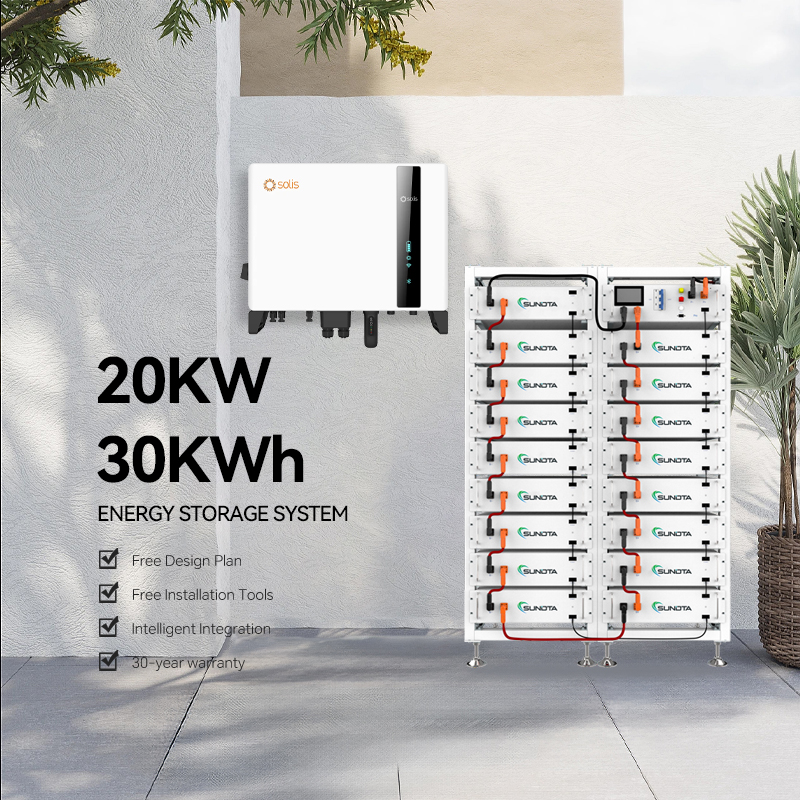
Smart BMS-driven lithium battery delivering 6,000 deep cycles for buffer storage in solar pressure boost systems.
View Details
Double-glass half-cut architecture maximizing albedo reflectance from rocky terrains and terrace slopes common in Lalitpur.
View Details
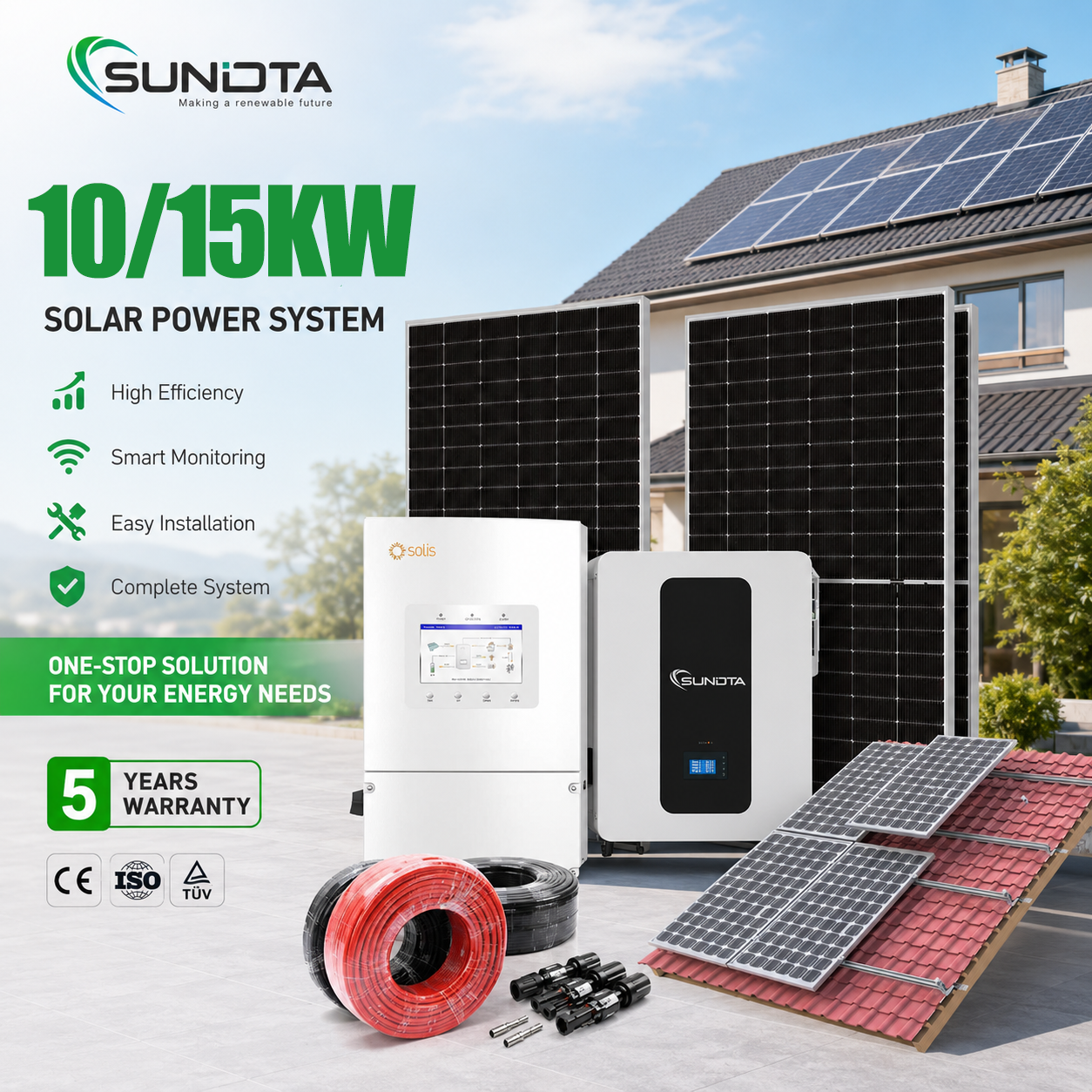
High-voltage three-phase solar management system verified for heavy induction loads and industrial pump stations.
View Details
Dual MPPT commercial configuration built to run heavy submersible pumps directly from PV with dynamic grid/diesel bridging.
View Details
Cost-optimized pumping and storage setup combining monocrystalline panels with modular LiFePO4 rack batteries.
View DetailsLalitpur District features unique geographical and hydrogeological contrasts. Ranging from dense urban centers like Patan with falling groundwater levels to rural, steep hillside agrarian communities such as Godawari, Lubhu, and southern Lalitpur (Bhattedanda and Ashrang), pumping systems face distinct challenges. Standard off-the-shelf inverters fail under these harsh electrical and topographical circumstances. RJV solar pump inverter architectures address these constraints through specific design choices:
Southern Lalitpur's cash crop and vegetable farms sit hundreds of meters above the Bagmati and Nakkhu rivers. Our inverters feature variable frequency drive (VFD) algorithms supporting heads up to 350+ meters without transient over-voltage motor trips.
Rapid urban drawing in Patan and perimeter industrial hubs requires deep boreholes (150m–250m). Integrated sensorless dry-run protection detects when water drops below pump impellers, stopping cavitation damage automatically.
To preserve productivity during monsoon seasons with heavy cloud clover, RJV inverters simultaneously combine solar generation, grid power, and backup diesel gensets, drawing only the residual deficit from fuel or grid.
Operating power electronics above 1,300 meters (the Kathmandu Valley baseline) requires thermal and dielectric derating. Thin mountain air reduces convective heat dissipation, while high ultraviolet irradiance drives PV string open-circuit voltage (Voc) higher on cold winter mornings.
| Inverter Rated Output | Recommended Pump HP | MPPT Working Range (VDC) | Max Voc Input | Recommended RJV PV Array |
|---|---|---|---|---|
| 4 kW (Single/3-Phase) | 3.0 HP – 5.0 HP | 250V – 420V | 450V | 8x 595W Bifacial PERC Modules |
| 7.5 kW (Three-Phase 380V) | 7.5 HP – 10.0 HP | 450V – 750V | 800V | 16x 595W Bifacial PERC Modules |
| 15 kW (Three-Phase 380V) | 15.0 HP – 18.0 HP | 450V – 750V | 800V | 28x 700W N-Type TOPCon Modules |
| 37 kW (Heavy Industrial) | 40.0 HP – 50.0 HP | 500V – 820V | 900V | 68x 700W N-Type TOPCon Modules |
* Note: Derating factors of 1% per 100 meters above 1,000m altitude should be calculated for thermal dissipation margins within enclosed mountain housings.
Strategic economic factors positioning direct PV-driven pumping systems at the forefront of municipal, agricultural, and industrial development in Lalitpur.
While the Nepal Electricity Authority (NEA) continues line reinforcement, remote valley rims face frequent low-voltage conditions and load disruptions. Off-grid variable-frequency solar pumping eliminates reliance on erratic transmission lines, safeguarding daily crop irrigation cycles.
Rising diesel import logistical costs via transit borders create margin pressures for commercial growers in Bagmati. Replacing diesel gensets with MPPT solar inverters offers an operational expenditure payback period of 18–26 months under regional solar insolation rates.
Lalitpur commercial installations increasingly demand remote 4G/GPRS telemetry. Contractors can monitor flow metrics, frequency modulation, pump motor temperature, and water table health via centralized cloud SCADA dashboards, minimizing on-site maintenance trips across difficult terrains.
Headquartered in the national clean energy hub of Hefei, Anhui RJV New Energy Co., Ltd. combines advanced PV manufacturing depth with rigorous power electronics engineering.
Our Hefei manufacturing facility utilizes high-precision automated stringing, non-destructive laser cutting, and double-EL testing to eliminate microcracks before shipping to landlocked ports like Birgunj/Kathmandu.
Inverter MPPT tracking windows, VFD start surges, and LiFePO4 battery communication profiles (CAN/RS485) are matched and verified on factory burn-in benches before export documentation is signed.
Our operational integrity and manufacturing lines are on-site audited by TÜV Rheinland. Full CE conformity, flash test reports, and IEC standard data sheets are issued for smooth customs clearance and import licensing.
Key technical, commercial, and logistical questions regarding solar pump inverters and PV systems sourcing from China.
Send your well depth, daily water flow target, or PV system specifications to our Hefei engineering center. We deliver fully matched Bills of Materials and CIF quotes within 24 business hours.