Optimized PV & Storage Bill of Materials for Brazil
Seamlessly integrated half-cut bifacial PERC modules, smart Deye/Solis compatible energy storage systems, and turnkey solar kits built for Brazil's tropical climates and micro-generation standards.
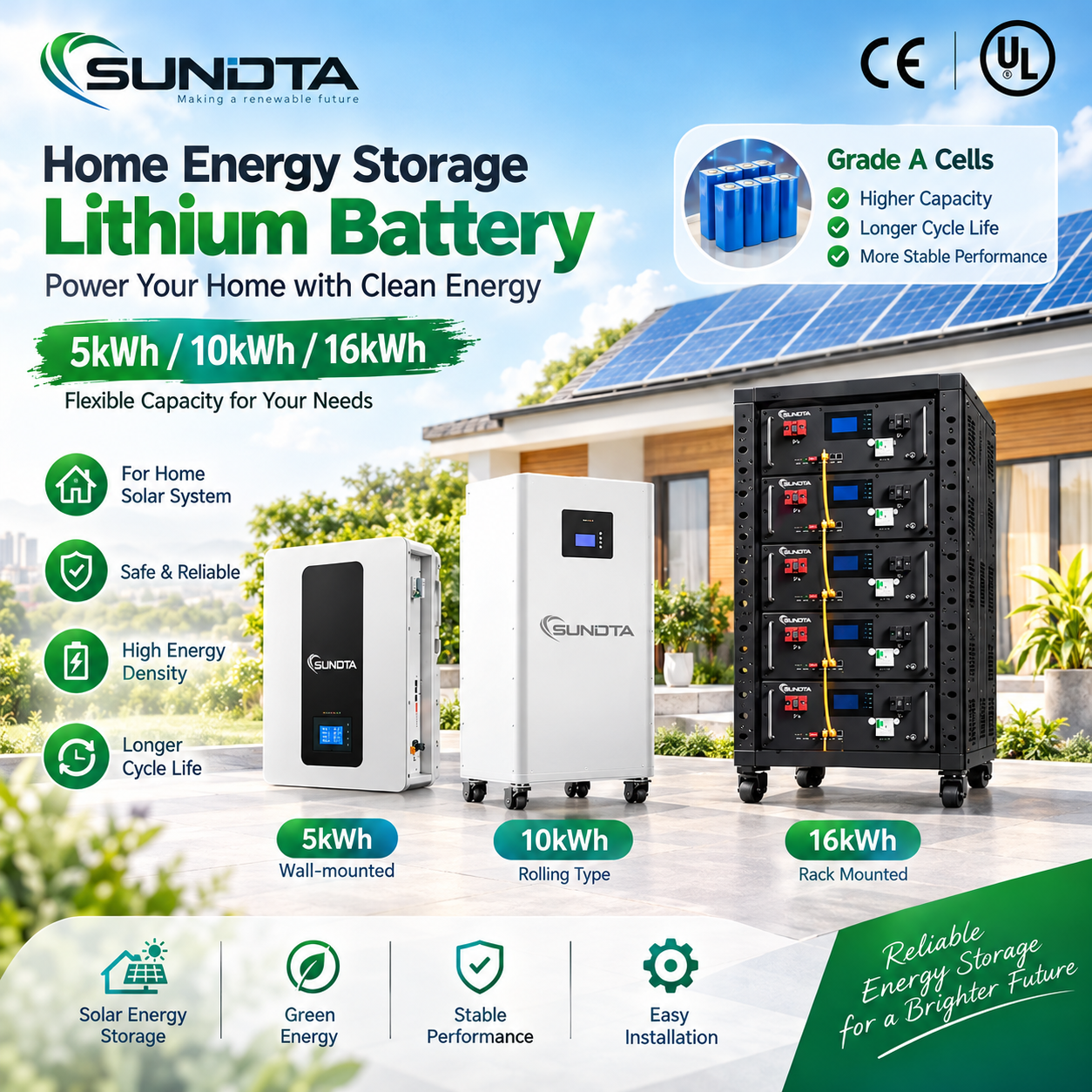
Sundta 51.2V 200Ah 10kWh LiFePO4 Wall-Mount Battery
- Grade-A Prismatic LiFePO4 Chemistry
- Closed-loop CAN/RS485 for Deye & Solis
- 6,000+ deep discharge cycles to 80% DoD
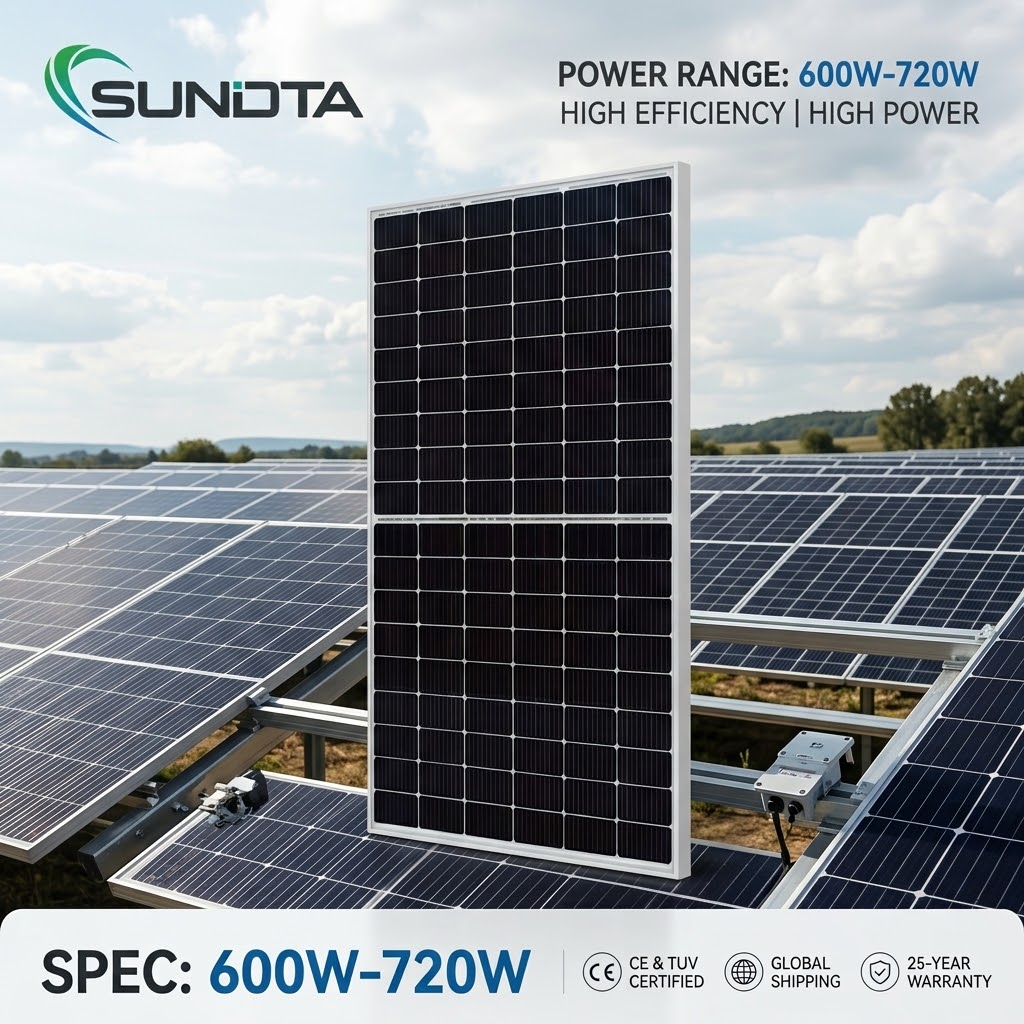
SUNDTA 500W–595W Bifacial Half-Cut PERC Module
- Dual-glass (vidro-duplo) with 70%±5% bifaciality
- Up to 25% additional rear-side energy yield
- Zero micro-crack multi-busbar (MBB) layout
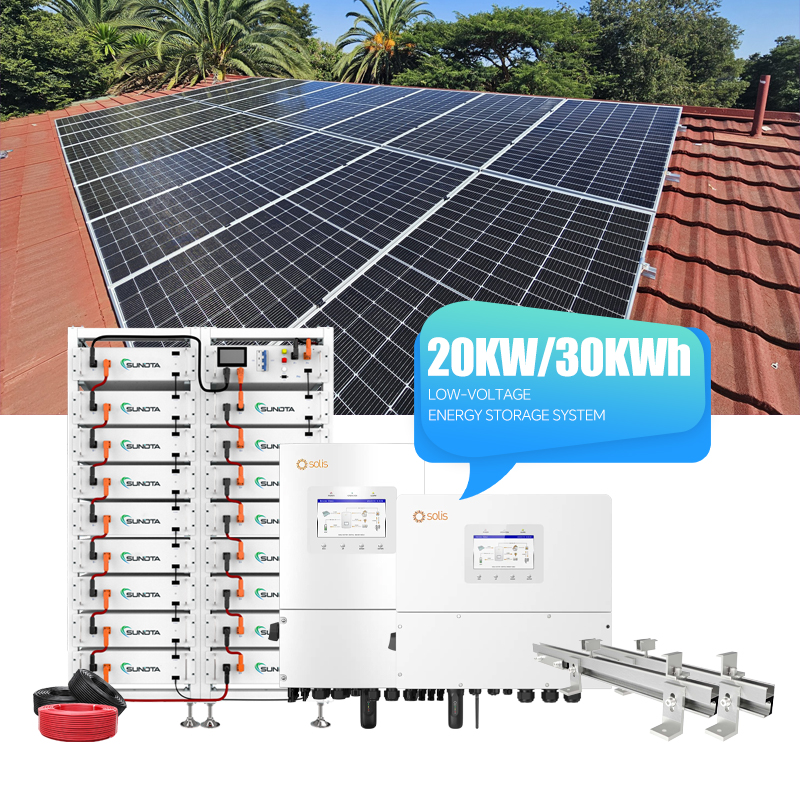
Complete 20kW–35kW Hybrid Solar Storage Power Kit
- Factory-matched PV modules, inverters & ESS
- Three-phase 220V/380V Brazilian grid readiness
- Peak-shaving & zero-export capability
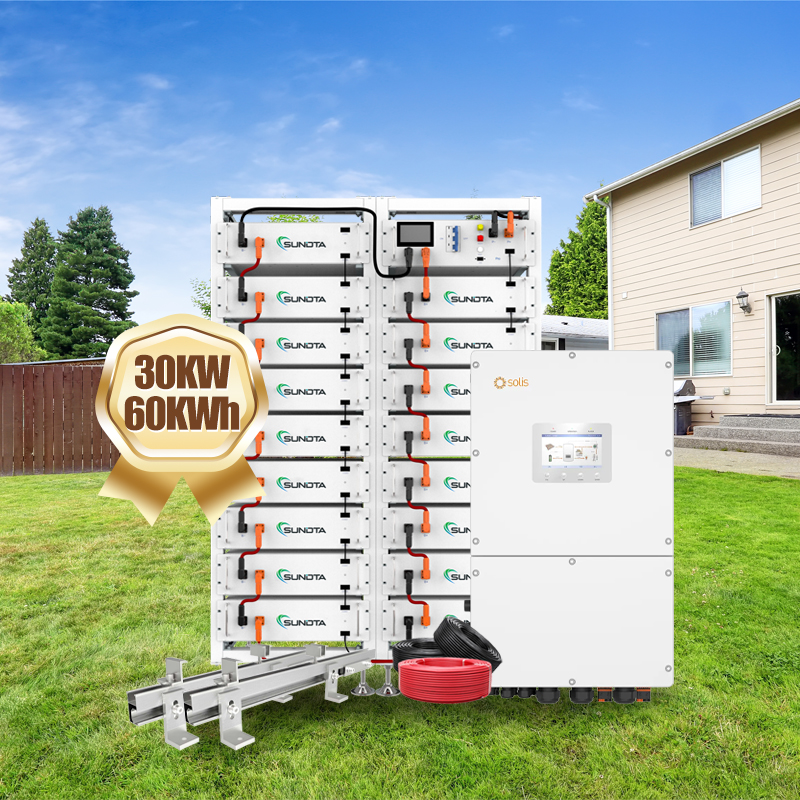
Complete 10kW–30kW Turnkey Hybrid Solar System
- Engineered for large estates and farms
- Automated EPS backup transfer < 10ms
- Certified for CE, IEC 61215 and IEC 61730
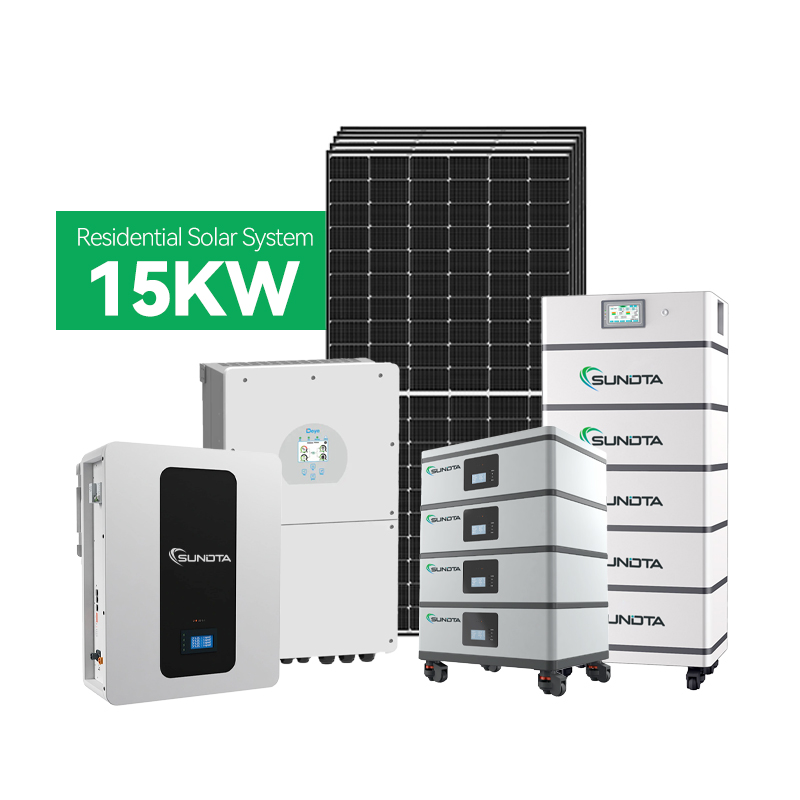
Sundta 5kW–15kW Full-Set Hybrid Home Solar Kit
- Single-phase & split-phase residential option
- Includes mounting rails, cables & string box
- High ROI design for Marco Legal da GD rules
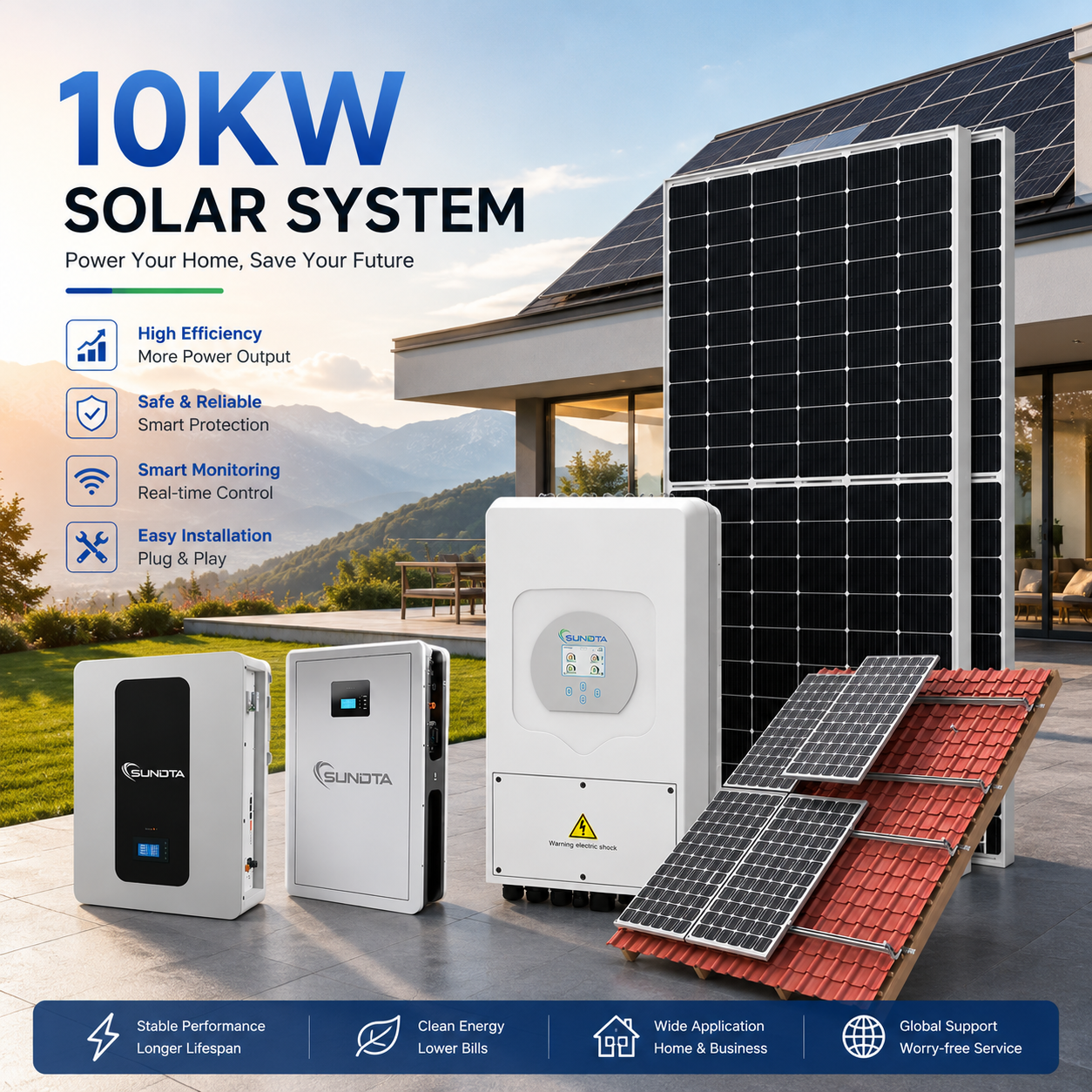
Whole-House Emergency Hybrid Backup System 15kW–50kW
- Seamless integration with existing diesel generators
- Heavy inductive load handling (compressors/pumps)
- Dual MPPT architecture for multi-pitch roofs
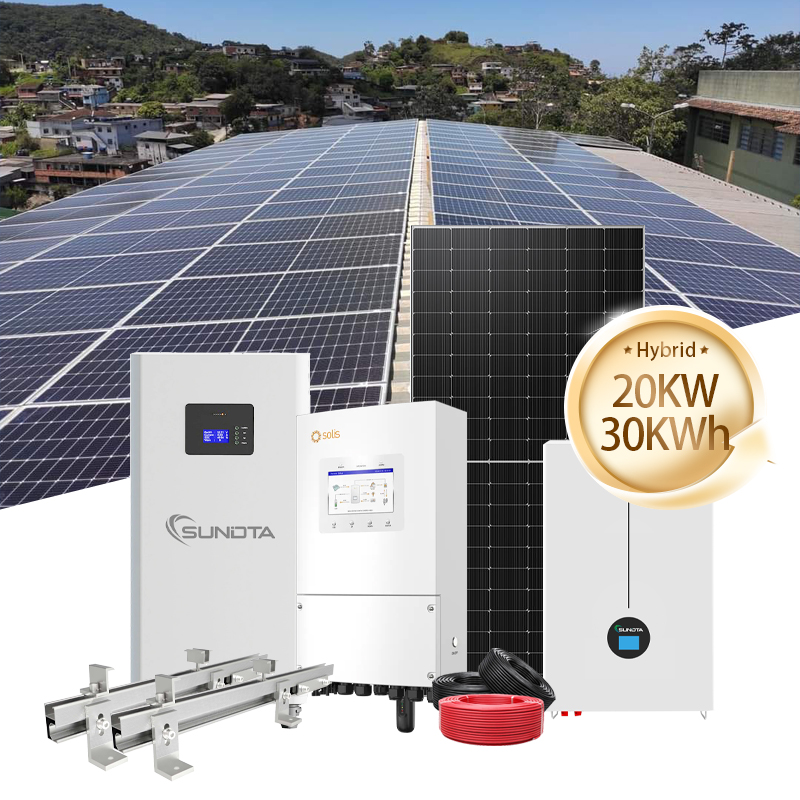
Complete All-in-One 20kW–50kW Solar Storage System
- Pre-wired high voltage lithium battery rack
- Industrial IP65 rated inverter enclosure
- Cloud-based monitoring with remote firmware update
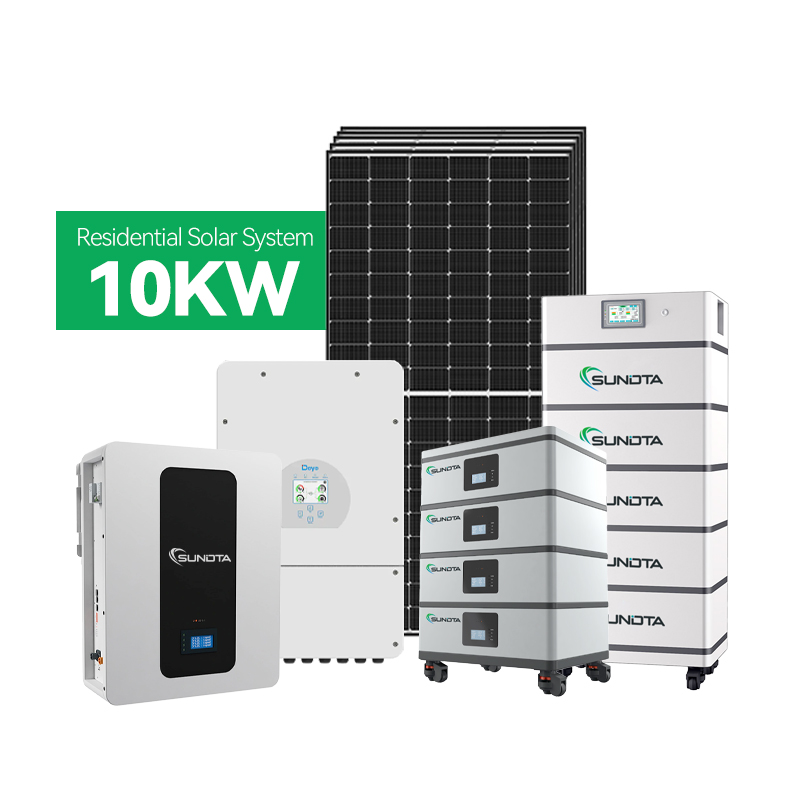
Sundta 10kW–12kW Hybrid Solar System with LiFePO4 Battery
- Ultra-low LCOE generation architecture
- Direct integration with Brazil's concessionaire meters
- Modular battery expandability up to 40kWh
Overcoming Brazil's Grid Tariff Reforms: Why Bifacial PERC Modules Are Crucial Post-Lei 14.300
A rigorous techno-economic assessment of solar module procurement, rear-side bifacial yield mechanics, and regulatory compliance for Brazilian EPC contractors and solar distributors.
The photovoltaic landscape in Brazil has entered an epochal transformation following the implementation of the Marco Legal da Geração Distribuída (Lei nº 14.300/2022). For years, Brazil’s distributed generation sector experienced explosive expansion driven by 1:1 net-metering compensations under ANEEL Normative Resolution 482/2012. Today, as the gradual transition of charging the Fio B (distribution grid component of the TUSD – Tarifa de Uso do Sistema de Distribuição) accelerates toward 100% phase-in by 2028-2029, the economics of Brazilian solar projects are irrevocably shifting.
In this new regulatory environment, engineering procurement directors (EPCs) and local integrators can no longer rely solely on nameplate wattage. To safeguard internal rates of return (IRR) and compress the payback periods of residential, commercial, and agro-industrial projects, installations must generate maximum kilowatt-hours per installed peak kilowatt (kWh/kWp). This reality makes high-efficiency Bifacial PERC (Passivated Emitter and Rear Cell) solar modules the premier technological hedge for the Brazilian market.
As a leading Chinese solar manufacturing and export powerhouse, Anhui RJV New Energy Co., Ltd. (operating the SUNDTA series) delivers direct-from-factory containerized shipments of dual-glass bifacial PERC modules (500W to 595W) engineered specifically to thrive under Brazil’s unique environmental realities—ranging from high ambient temperatures in the Sertão to salty coastal air near primary logistics hubs like Santos and Suape.
Bifacial PERC Dual-Glass vs. Conventional Monofacial PV
| Performance Parameter | SUNDTA Bifacial PERC (Dual-Glass) | Standard Monofacial PERC | Direct Value to Brazilian Projects |
|---|---|---|---|
| Bifaciality Factor | 70% ± 5% | 0% (Opaque Backsheet) | Generates substantial power from scattered & ground-reflected irradiance. |
| Albedo Energy Gain (Light Soil / Sand) | +12% to +25% Yield | 0% Baseline | Dramatically increases specific production (kWh/kWp) on rural Brazilian soil. |
| Temperature Coefficient (Pmax) | -0.34% / °C | -0.38% / °C | Retains significantly higher power output during extreme 40°C+ summer peaks. |
| Degradation (1st Year / Annual) | ≤ 2.0% / ≤ 0.45% (30-Yr Warranty) | ≤ 2.5% / ≤ 0.55% (25-Yr Warranty) | Maintains asset valuation and banked revenue across long-term PPA concessions. |
| Mechanical & Environmental Resistance | 2.0mm + 2.0mm Heat-Strengthened Glass | 3.2mm Glass + Polymer Backsheet | Immune to backsheet yellowing, micro-cracking, PID, and ammonia corroding on farms. |
| Grid Code Adaptability | INMETRO & ANEEL Aligned | Standard Variable | Pre-validated string parameters prevent inverter clipping and distribution rejections. |
Engineered for Brazil’s High-Growth Solar Corridors
From central agribusiness pivots to dense distributed generation (GD) rooftop arrays, our bifacial modules and hybrid storage setups are deployed across critical national sectors.
Agropecuária & Solar Pumping
Overcoming rural electrification bottlenecks in Mato Grosso, Goiás, and Bahia. Our dual-glass bifacial modules withstand high ammonia levels in poultry and pig operations, while delivering stable power for central pivot irrigation systems without grid dependency.
C&I Autoconsumo Remoto
Minimizing tariff escalation for industrial manufacturing plants, commercial refrigeration facilities, and logistics centers in São Paulo and Rio de Janeiro. Easily mapped to high-voltage Solis/Deye hybrid systems for maximum peak-shaving benefit.
High-Albedo Ground Mounts
Optimized for ground-mounted plants in the Brazilian Northeast (Sertão Nordestino). Installed over light-colored sandy soil, quartz deposits, or white gravel, capturing reflected ground albedo to boost plant generation yields by up to 25%.
Remote Microgrids & Island ESS
Replacing high-cost diesel gensets in isolated communities across the Amazon basin and remote riverways. Integrates SUNDTA bifacial modules with high-density LiFePO4 batteries to guarantee 24/7 stable autonomy during prolonged cloud cover.
Navigating Brazilian Import Regulations, INMETRO & Port Logistics
Key information gain for Brazilian solar distributors and EPCs sourcing container loads directly from China.
Importing photovoltaic equipment into Brazil involves complex fiscal and technical frameworks. Success hinges on working with an experienced manufacturer that understands local homologation standards, tariff classifications (NCM codes), and direct shipping procedures:
1. Portaria INMETRO Compliance: All PV modules distributed in Brazil must be registered under INMETRO Ordinance No. 140/2022 and Portaria 515/2023. RJV New Energy works alongside internationally recognized notified bodies such as TÜV Rheinland to supply test reports adhering strictly to Brazilian energy efficiency labeling (PBE - Programa Brasileiro de Etiquetagem). Our bifacial modules meet Class "A" energy yield classifications.
2. Tariff Regimes & Ex-Tarifário: Understanding the shifts in the Imposto de Importação (II) is paramount. With the recent revoking and reassessment of certain Ex-Tarifário tax exemptions on assembled PV modules (NCM 8541.43.00), selecting high-power density modules (550W–595W) minimizes structural BOS (Balance of System) expenditure, freight charges, and port customs processing costs per watt.
3. Efficient Logistics Gateways: We coordinate full container loads (FCL) utilizing vertically stacked packaging designed with shock-absorbing corners to withstand heavy ocean transit to principal Brazilian entry ports: Port of Santos (SP), Paranaguá (PR), Itajaí (SC), and Suape (PE). Our export team provides full document packs including Bill of Lading (BL), Commercial Invoice, Packing List, Certificate of Origin, and Factory Flash Test Data linked to individual panel barcodes.
Why Tier-1 Brazilian Buyers Partner with Anhui RJV New Energy
Combining world-class manufacturing depth in Hefei, China with direct engineering support for Latin American projects.
2 GW Advanced Capacity
Fully automated manufacturing lines equipped with high-precision laser cutting, non-destructive cell slicing, and multi-busbar soldering to eliminate internal stress and micro-cracks.
TÜV Rheinland Audited
Our Hefei manufacturing facility has undergone strict on-site supplier verification by TÜV Rheinland. We hold an AAA corporate credit rating, ensuring complete bankability for EPC financing.
Inverter Interoperability
Engineered for flawless integration with dominant Brazilian inverter brands such as Solis, Deye, and Growatt. We provide pre-matched MPPT voltage curves and CAN/RS485 BMS communication maps.
Dedicated Export Support
Our multilingual engineers and trade specialists provide 24/7 technical sizing, string verification, and logistics tracking aligned with Brazil's standard business hours and Portuguese documentation needs.
Frequently Asked Questions for Brazilian Importers & EPCs
Direct technical and commercial answers addressing common procurement inquiries from Brazilian solar partners.
Are SUNDTA Bifacial PERC modules compliant with INMETRO certification requirements in Brazil?
Yes. Our module series are designed and rigorously tested according to IEC 61215 and IEC 61730 international standards, which serve as the technical benchmark for INMETRO Portaria 140/2022 and Portaria 515/2023 homologation in Brazil. We assist our authorized distributors and EPC partners with comprehensive technical documentation, factory audit test reports from TÜV Rheinland, and factory flash test datasheets necessary to complete the Registro de Objeto with INMETRO smoothly.
What actual rear-side bifacial yield gain can be expected under Brazilian ground conditions?
The bifacial yield gain depends on installation height, pitch spacing, and the surface albedo of the terrain. In typical Brazilian installations:
• Light red or brown Cerrado soil: Expect a 7% to 11% additional power gain.
• Dry pale sandy soils or dry grass (Northeast / Caatinga): Expect 12% to 18% additional power gain.
• White gravel, crushed limestone, or high-reflectance industrial membrane roofs: Yield gains regularly exceed 20% to 25%.
Our sales engineering team can run customized PVSyst simulations taking your specific tilt, ground elevation, and GHI into account.
How do you safeguard dual-glass modules against micro-cracks during ocean transit to Santos or Suape?
We implement heavy-duty industrial vertical packaging tailored for 40ft High Cube containers. Modules are separated by corner corner-protectors and non-abrasive spacers, clamped inside multi-wall reinforced corrugated cartons on fumigated solid timber pallets. This rigid structure completely neutralizes dynamic flexure during transit, avoiding cell micro-cracks. Every container is equipped with moisture desiccants and tilt/shock indicator tags.
Can your hybrid inverters and LiFePO4 batteries communicate seamlessly with Deye and Solis units?
Absolutely. The intelligent Battery Management System (BMS) in our SUNDTA 51.2V and high-voltage lithium batteries has native communication firmware for Deye, Solis, Growatt, GoodWe, and Victron inverters. Protocol selection is executed via onboard DIP switches or digital interface using standard CANBUS or RS485 connections, ensuring plug-and-play closed-loop synchronization for SOC, charging voltage, and temperature monitoring.
What are the minimum order quantities (MOQ) and standard delivery lead times for Brazilian ports?
For standalone solar modules, our typical minimum order is 1 pallet (approx. 31 to 36 pieces depending on wattage) for sample testing, while commercial orders are typically sized by full 40ft High Cube container loads (approx. 620 to 720 panels or ~370 kW–420 kW). Hybrid inverters and lithium batteries can be combined in mixed container loads starting from 1 unit. Production lead times range between 12 to 20 days, with ocean transit to Brazilian ports (Santos, Paranaguá, Suape) averaging 32 to 42 days.
How does Anhui RJV New Energy handle long-term warranty claims for projects in Brazil?
All SUNDTA Bifacial PERC modules are backed by a 12-year product materials warranty and a 30-year linear power performance warranty guaranteeing ≥84.8% output at Year 30. LiFePO4 batteries carry a standard 5 to 10-year warranty (6,000 cycles). In the rare event of a performance claim, issues are validated via remote diagnostic data and barcode flash test archives. Replacement modules or credit compensations are released from our export reserves to minimize operational downtime.
Accelerate Your Brazilian Solar Projects with Tier-Engineered PV & Storage
Request direct factory quotation, comprehensive datasheets, and PVSyst yield simulation files for containerized delivery across Brazil. Our senior engineering team is ready to review your project bill of materials.