High-Efficiency Solar Modules & Integrated Kits Ready for Venezuelan Shipment
Engineered for high ambient heat, persistent humidity, and grid volatility. Each module and system kit is manufactured under TÜV Rheinland-assessed protocols with complete containerized dispatch directly from Hefei, China.
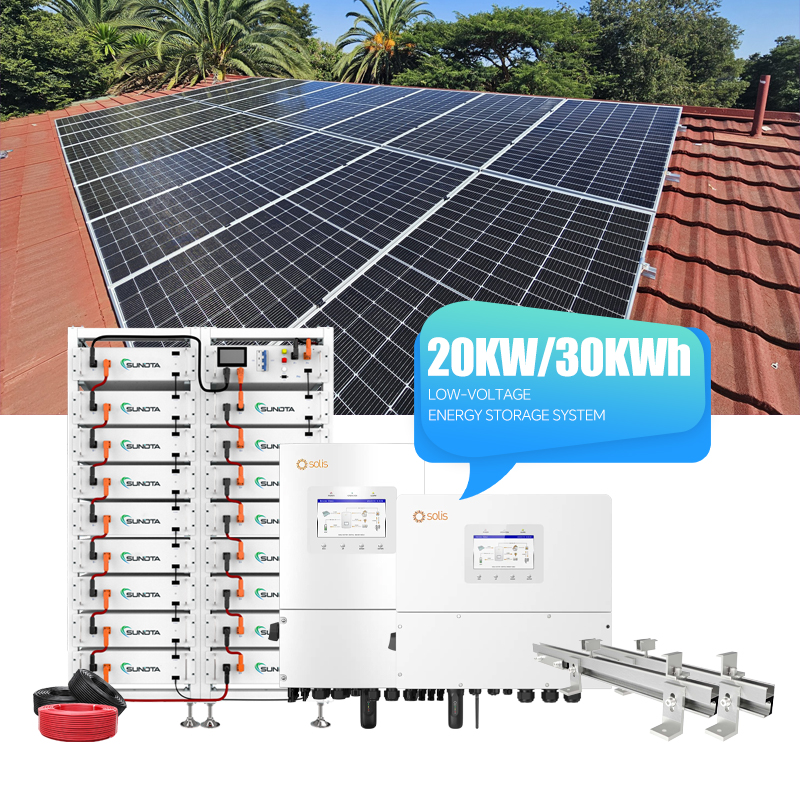
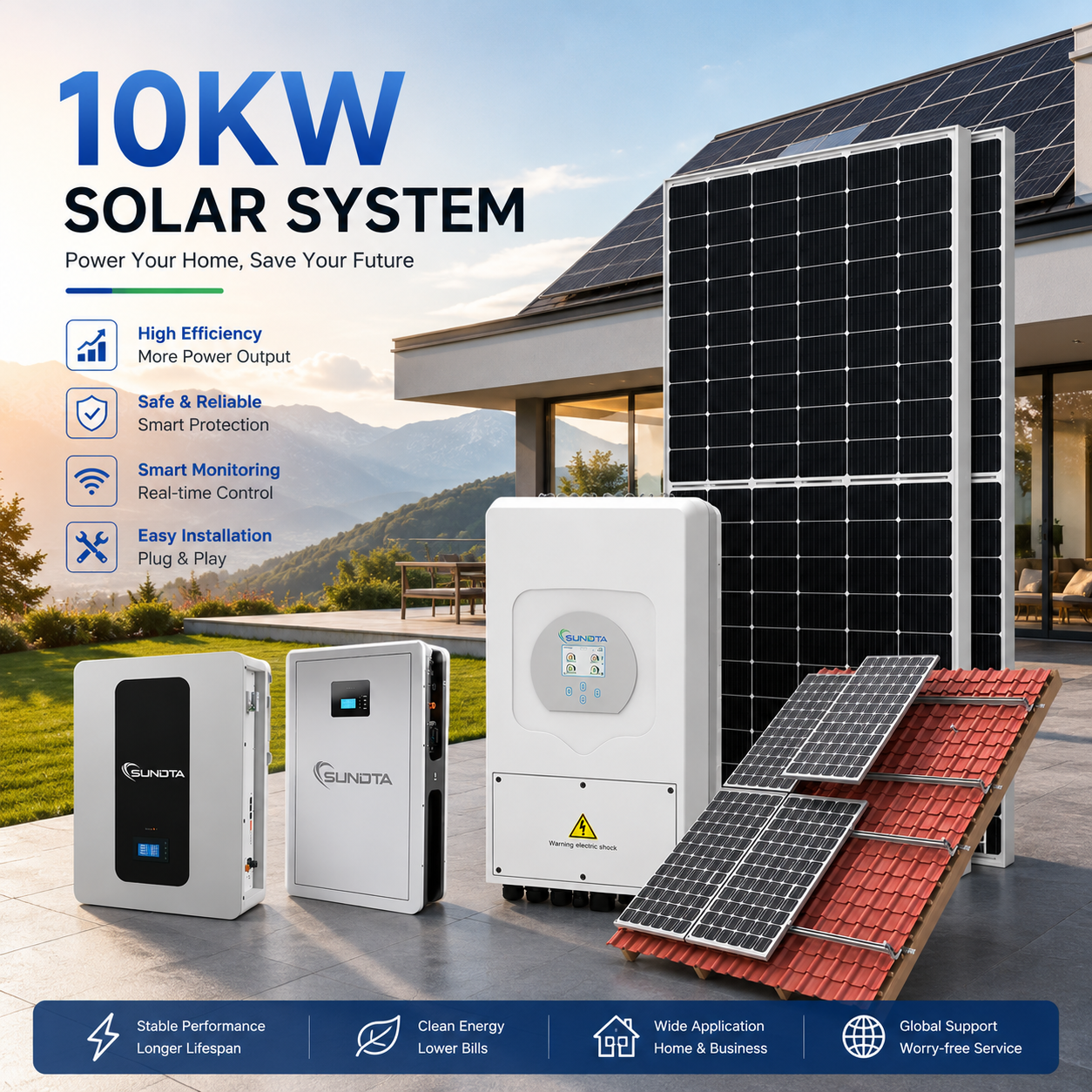
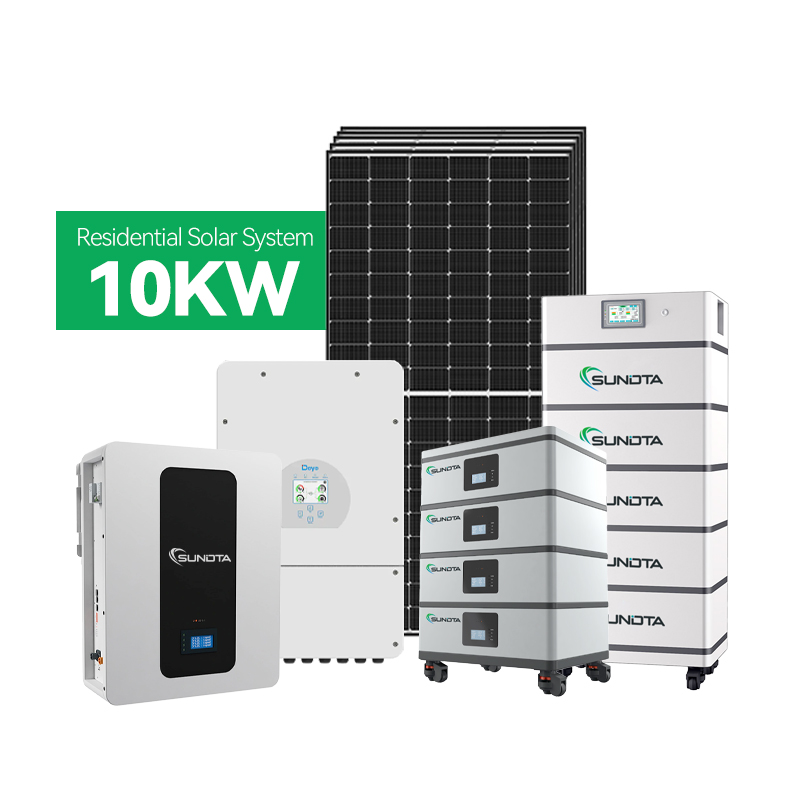
- Matched MPPT Inverter & Li-Storage
- Rated for 24/7 continuous air conditioning
- Dual-string lightning and surge protection
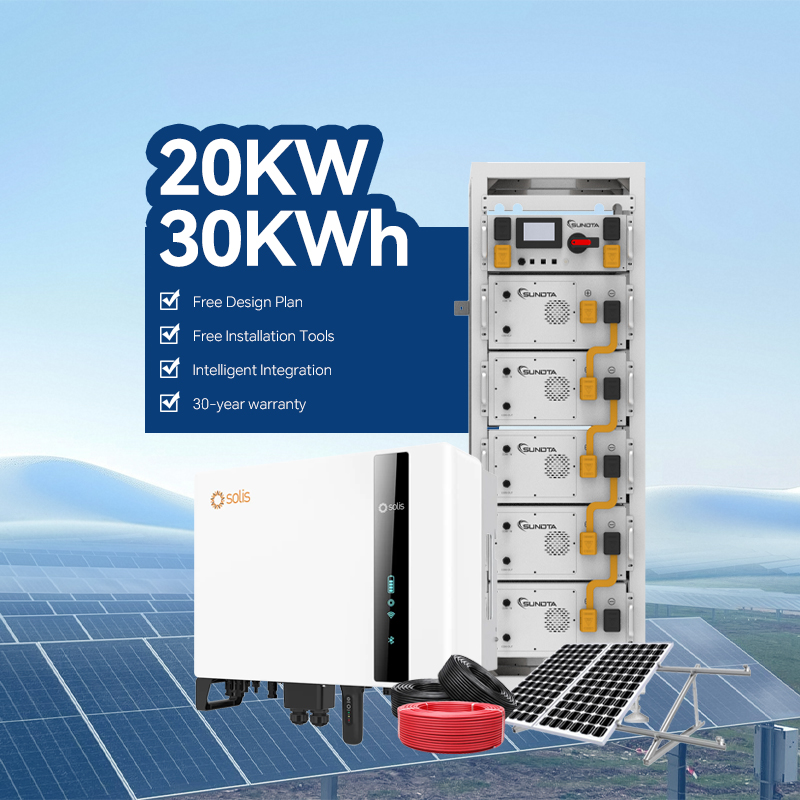
- High surge current resilience (motor starts)
- Integrated DC isolators & PV combiners
- Seamless grid-to-island mode transfer
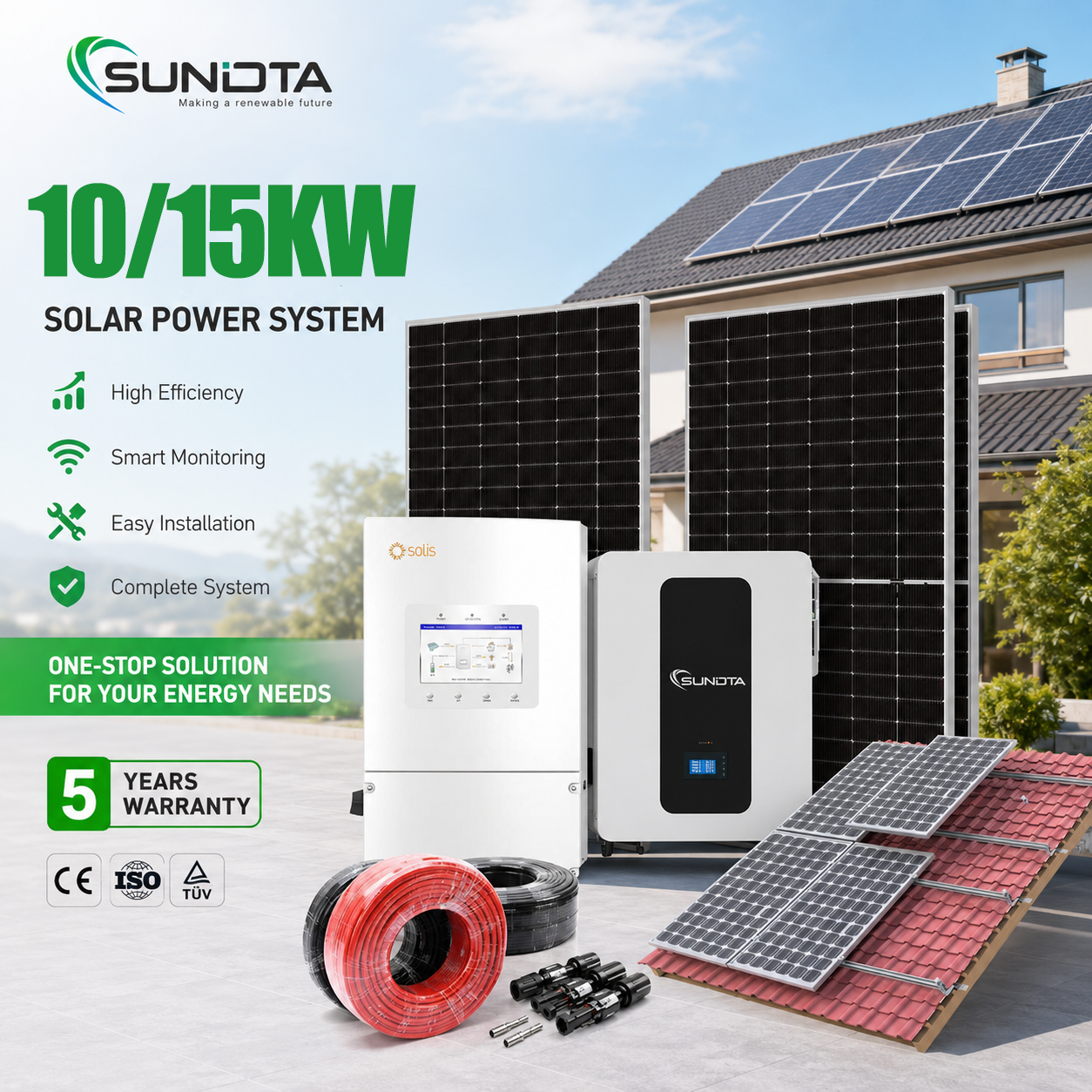
- Stackable 51.2V modular architecture
- Intelligent BMS active balancing
- Native Deye / Solis CAN protocol
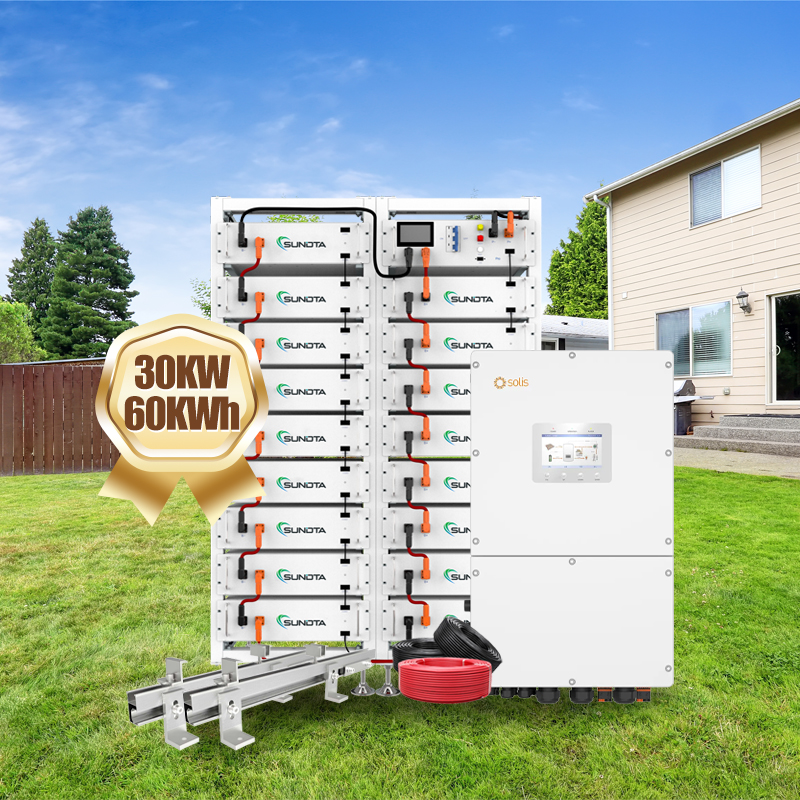
- Comprehensive bill of materials included
- High-durability aluminum mounting hardware
- Three-phase balanced load balancing
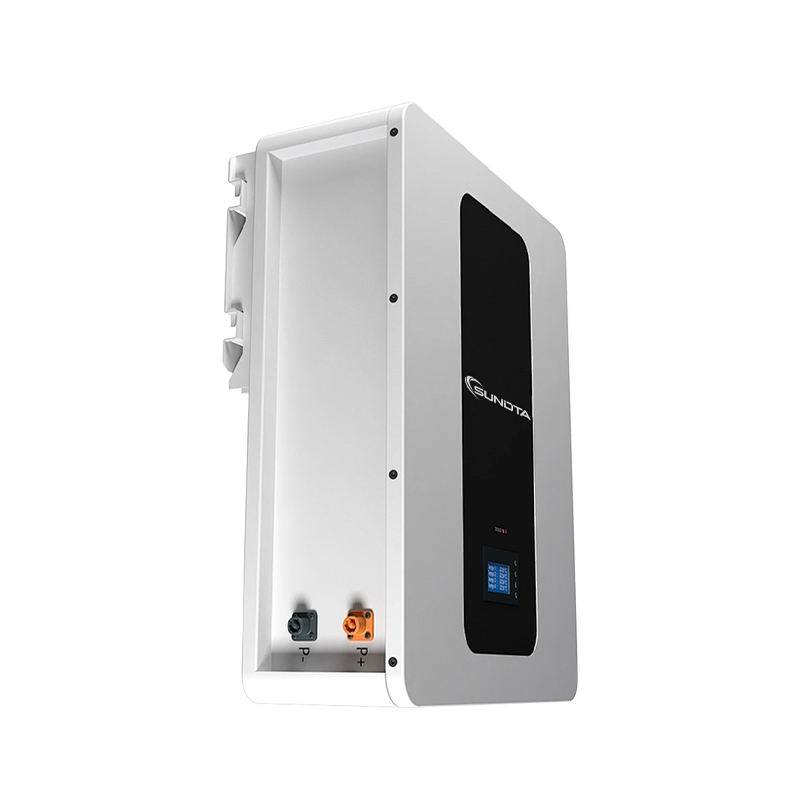
- A-Grade prismatic LiFePO4 cells
- Protected against tropical salt spray & dust
- Over 6,000 cycles at 80% DoD
- Instant 10ms UPS grade transfer
- Full black-start capacity without grid
- Remote mobile monitoring & firmware update
- Ultra-competitive direct factory pricing
- High DC-overloading capability (up to 150%)
- Designed for rapid EPC installer deployment
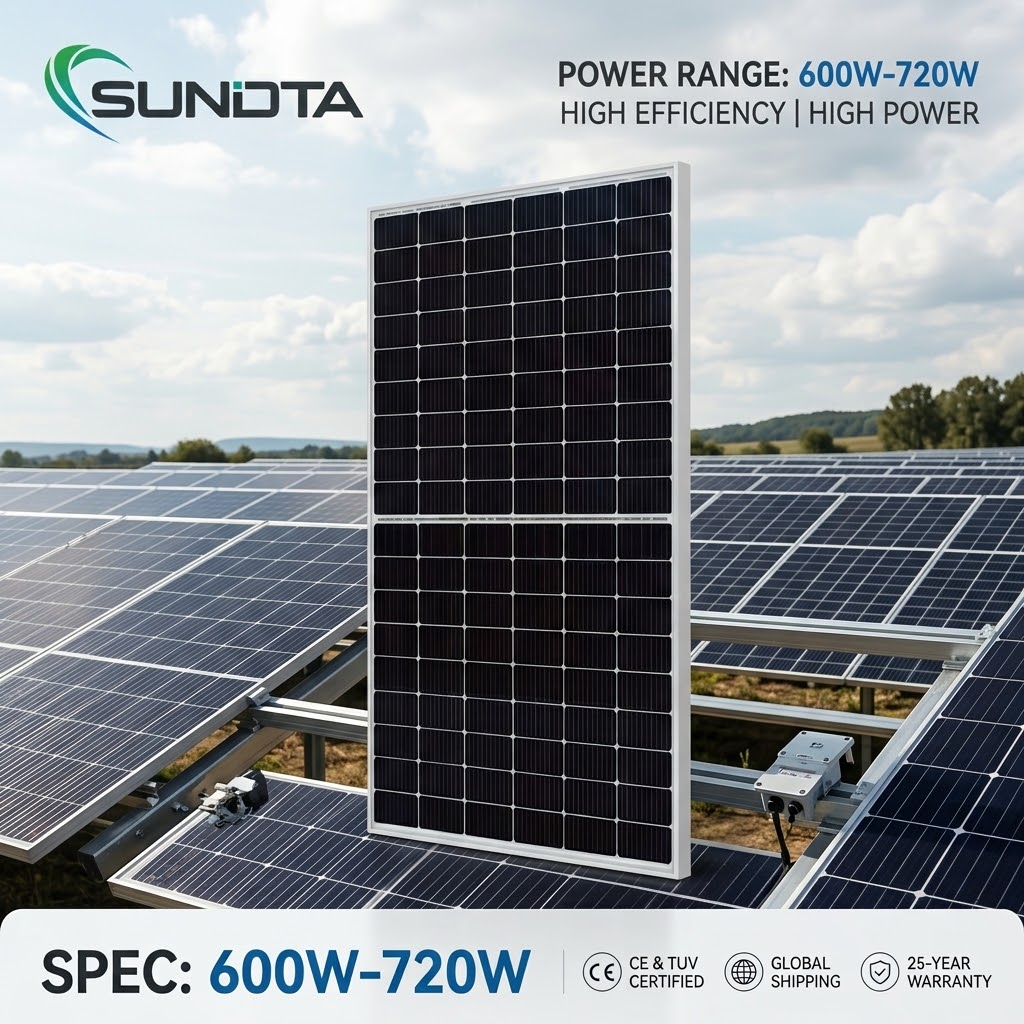
- Dual-glass anti-PID encapsulation
- Up to 25% rear-side albedo gain
- Certified salt-mist and ammonia resistance
Why Heterojunction (HJT) Silicon Technology Outperforms in Maracaibo’s Extreme Microclimate
A rigorous engineering comparison between Heterojunction (HJT), TOPCon, and legacy PERC modules operating under high irradiance, extreme thermal coefficients, and lacustrine humidity.
The Thermal Penalty Paradox: Temperature Coefficients in the Maracaibo Basin
Maracaibo, the capital of Zulia State, experiences some of the most punishing atmospheric conditions for crystalline silicon photovoltaics in Latin America. With daytime ambient temperatures frequently exceeding 38°C to 42°C, rooftop solar module operational temperatures (NOCT) routinely reach 68°C to 75°C. In standard photovoltaic cells, energy yield degrades linearly as junction heat rises above Standard Test Conditions (STC, 25°C).
Standard P-type PERC panels carry a temperature coefficient of power (Pmax) of roughly -0.35% to -0.38%/°C, while modern N-type TOPCon panels sit around -0.30%/°C. In contrast, Heterojunction (HJT) panels manufactured by our top-tier Chinese facilities feature an industry-leading temperature coefficient of just -0.26%/°C. When calculated across an operational delta of +45°C above STC, HJT modules deliver an immediate 4.5% to 6.2% absolute gain in instantaneous power output purely through thermodynamic structural resilience.
By sandwiching thin layers of amorphous silicon (a-Si:H) onto monocrystalline N-type wafers, HJT forms a superior passivated contact layer that suppresses surface recombination velocity. For industrial plants in the Zona Industrial de Maracaibo or residential sectors in Bella Vista, this thermal advantage directly offsets the massive energy draw demanded by uninterrupted air-conditioning systems.
| Cell Technology | Pmax Temp. Coeff. (%/°C) | Module Efficiency (STC) | Bifaciality Factor | Degradation (Year 1 / Annual) | Maracaibo 30-Year Performance Ratio |
|---|---|---|---|---|---|
| HJT (Heterojunction) | -0.26% | 23.5% - 24.8% | 90% ± 5% | < 1.0% / 0.35% | Superior (89.2% Residual) |
| N-Type TOPCon | -0.30% | 22.5% - 23.2% | 80% ± 5% | < 1.0% / 0.40% | High (87.4% Residual) |
| P-Type Mono PERC | -0.35% | 21.0% - 21.8% | 70% ± 5% | < 2.0% / 0.55% | Moderate (83.5% Residual) |
| Standard Poly-Si | -0.42% | 17.0% - 18.5% | N/A (Monofacial) | < 2.5% / 0.70% | Sub-optimal (78.0% Residual) |
Dual-Glass Bifaciality & The High-Albedo Lake Maracaibo Environment
Unlike inland Venezuelan terrains, Maracaibo's shoreline, agricultural fringes, and limestone-aggregate industrial rooftops provide extensive ground albedo reflectivity. With an extraordinary bifaciality coefficient of 90%±5% (compared to 70% in conventional PERC), HJT panels generate substantial electricity from the rear side via diffuse irradiation reflecting off light-colored roofs, concrete pads, and adjacent lake waters.
Furthermore, Lake Maracaibo exhibits unique microclimatic challenges: saline dampness, sulfurous petroleum-derivative air components, and high UV indexes. Our Chinese factory partners construct HJT modules using dual 2.0mm tempered glass with POE (Polyolefin Elastomer) encapsulation. POE possesses a water-vapor transmission rate (WVTR) two orders of magnitude lower than standard EVA, totally preventing Potential Induced Degradation (PID) and acetic acid corrosion inside the cell matrix over a 30-year operational lifecycle.
Key Application Scenarios Across Zulia State & Maracaibo
Tailored engineering topologies designed to solve unstable regional grid infrastructure (SEN) and prolonged blackouts.
Autonomous Residential Resilience
Sized specifically for multi-split air conditioning systems, water pumping, and medical refrigeration. Utilizing 10kW to 15kW hybrid inverters paired with 15kWh to 30kWh LiFePO4 batteries, Maracaibo residences maintain continuous power uninterrupted by daily local rationing schemes.
Commercial & Supermarket Cold-Chain
Supermarkets, bakeries, and cold-storage facilities along Delicias and 5 de Julio avenues eliminate catastrophic product spoilage. Peak-shaving HJT arrays coupled with high-voltage industrial battery systems bridge high-cost peak tariffs and eliminate diesel generator fuel burn.
Oil & Gas Infrastructure & Marine Operations
Off-grid remote terminal units (RTUs), telemetry stations, and dockside pumping units near Lake Maracaibo benefit from HJT's anti-corrosion dual-glass encapsulation. Immune to hydrocarbon vapors and high-salinity lake spray with minimum maintenance requirements.
The Photovoltaic Transition in Maracaibo (2025–2030)
Strategic economic and structural catalysts accelerating commercial and residential solar imports from China to Venezuela.
1. Grid Volatility as an Economic Driver
Historically, low domestic utility tariffs disincentivized solar adoption. Today, persistent instability in the Guri hydroelectric transmission lines and frequent local substation dropouts have turned energy reliability into an absolute business-continuity necessity. Businesses in Maracaibo are calculating payback not merely against grid kilowatt-hour costs, but against the staggering operational expenses and maintenance overhead of running diesel and gasoline generators.
2. Shift from Monofacial PERC to Bifacial N-Type/HJT
Local EPC contractors have recognized that entry-level monofacial panels suffer rapid power degradation under Zulia's sustained 40°C heat. The procurement trend is shifting rapidly toward direct CIF shipments of N-Type TOPCon and Heterojunction (HJT) modules from Chinese factories, where levelized cost of electricity (LCOE) over 25 years is significantly lower due to minimal Light-Induced Degradation (LID) and near-zero LeTID.
Why International EPCs & Venezuelan Importers Source With Us
Combining multi-gigawatt module production depth with certified power conversion integration.
2 GW Annual Capacity
Fully automated high-precision solar module assembly lines located in Hefei, Anhui, supporting OEM, ODM, and custom client branding.
TÜV Rheinland Verified
Our manufacturing facilities undergo rigorous third-party on-site audits, validating adherence to ISO 9001, IEC 61215, IEC 61730, and CE directives.
One-Stop Turnkey BOM
Eliminate split-supplier liability. We supply panels, Deye/Solis hybrid inverters, and CAN-compatible LiFePO4 batteries in synchronized container consignments.
Full Export Documentation
Experienced export logistics to Puerto Cabello, La Guaira, or Maracaibo (Guaranao transshipment), complete with flash test reports, packing lists, and COOs.
Frequently Asked Questions: Sourcing HJT Panels for Maracaibo
Essential guidance covering maritime transit, grid codes, inverter protocol handshakes, and commercial terms.
Request Factory Datasheets & Maracaibo CIF Quotations
Consult with our solar system engineers today. Send us your project load profile or distribution container targets to receive an optimized BOM, string calculation, and custom proforma within 24 hours.