Direct Hefei Manufacturing • INMETRO & COPEL Grid Tier-1 Ready

China Top Home Solar Kit Manufacturer & Exporter for the Curitiba Market

High-Efficiency N-Type TOPCon Photovoltaic Systems, Deye & Solis Hybrid Energy Management, and Smart Prismatic LiFePO4 Energy Storage Tailored for Paraná's Subtropical Climate.

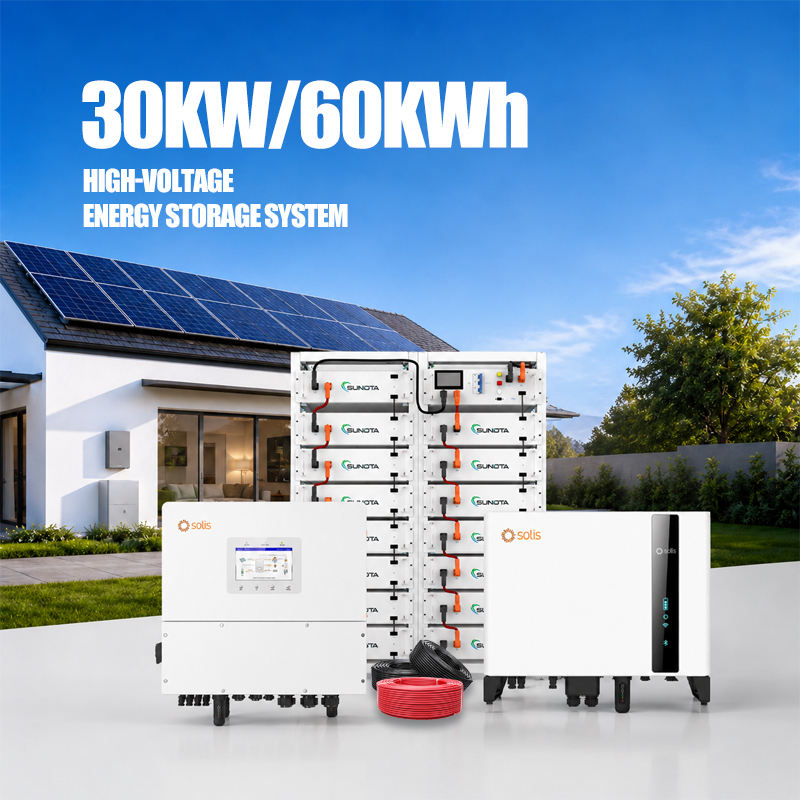
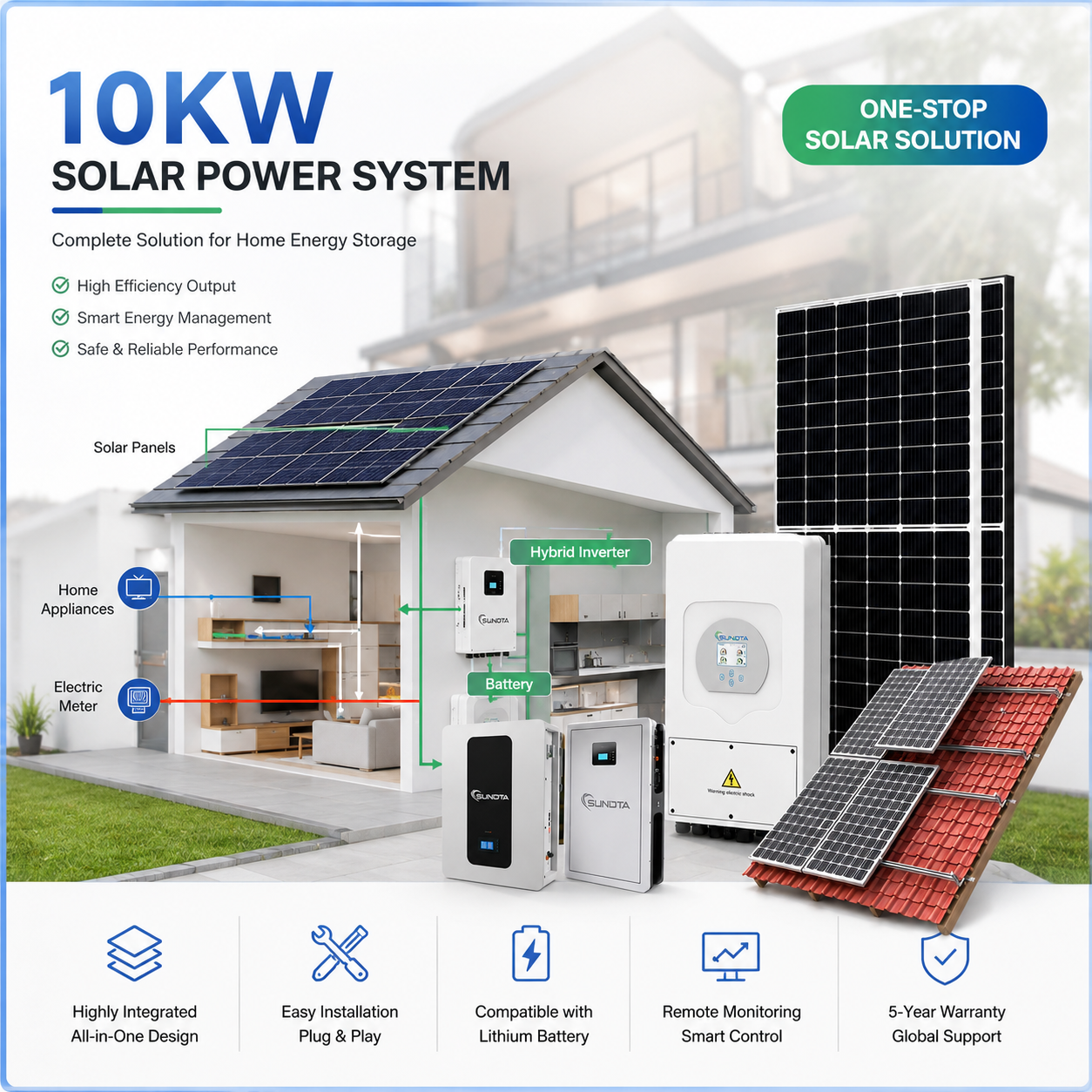
Engineered Solar Kits & Hybrid Storage Ready for Dispatch

Factory-matched Bill of Materials (BOM) ensuring zero commissioning mismatch. Fully integrated with CAN/RS485 closed-loop protocols for COPEL grid interconnection compliance.

2.0 GW
Annual Module Capacity
500+ MW
Solar Projects Delivered
38 Pat.
National Solar Patents
AAA Tier
TÜV Rheinland Assessed

Why Standard Tropical Solar Kits Underperform in Curitiba

Curitiba sits at an elevation of 935 meters above sea level on the First Plateau of Paraná (*Primeiro Planalto Paranaense*). Classified under the Köppen-Geiger system as Cfb (Subtropical Highland Oceanic Climate), the city experiences mild, wet summers and damp, overcast winters with frequent cloud cover, dense morning mist (*garoa*), and temperatures dropping toward freezing (0°C to 5°C). Standard P-Type PERC solar modules calibrated exclusively for the high-irradiance, cloudless conditions of Northeast Brazil (Sertão) suffer severe output drops under Curitiba’s diffuse solar irradiation.

Anhui RJV New Energy (Sundta) designs residential and commercial solar kits specifically calibrated for Paraná's unique irradiance dynamics. By utilizing N-Type TOPCon 16BB bifacial cells with a temperature coefficient of -0.30%/°C, our solar modules capture high conversion yields under low-light ambient conditions. Furthermore, our hybrid inverters possess ultra-low starting voltages (as low as 120V DC), initiating grid-tie power generation earlier at dawn and sustaining generation through dense dusk overcast.

Critical Engineering Insight for Curitiba EPCs: Curitiba receives an average of 4.2 to 4.5 peak sun hours (HSP) per day, significantly altered by diffuse light components. Our N-Type TOPCon arrays generate up to 8.4% more kWh per installed kWp across Paraná's winter months compared to conventional monofacial panels.
Technical Parameter Standard PV Kit (Imported) RJV Curitiba-Engineered Kit
Cell Technology P-Type PERC Monofacial N-Type TOPCon Bifacial
Low-Light Yield (<200W/m²) Rapid conversion drop-off 97.8% relative efficiency retained
Temp. Coefficient (Pmax) -0.35% to -0.38%/°C -0.30%/°C (High altitude resilience)
Inverter MPPT Startup 180V – 200V DC 120V – 140V DC (Early generation)
Battery BMS Protocol Generic RS485 (Manual sync) Automated CAN 2.0B plug-in handshake
COPEL Compliance Third-party recertification needed INMETRO & ABNT NBR 16149 tested

Navigating Lei 14.300 & Maximizing Self-Consumption under COPEL

The Brazilian regulatory landscape transitioned permanently with the enactment of Lei 14.300/2022 (Marco Legal da Geração Distribuída). As grid-injected credits face graduated remuneration reductions (*Tarifa Fio B*), storage-integrated hybrid systems have evolved from a luxury backup option into an economic imperative for Curitiba consumers.

01

Mitigating Tarifa Fio B with Smart Battery Shifting

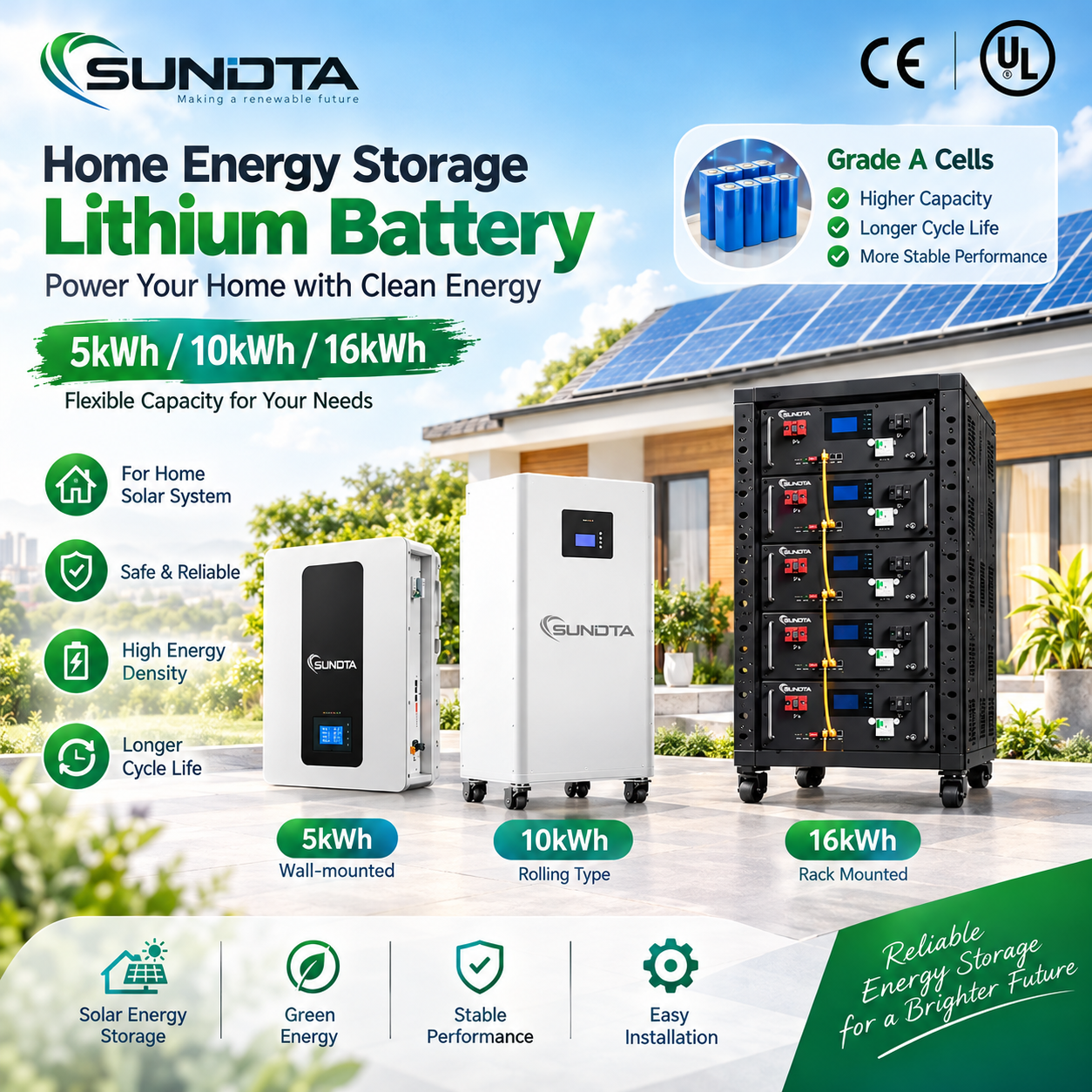
Under COPEL’s regulatory framework, solar energy injected back into the distribution network is progressively taxed on the wire usage fee (*TUSD Fio B*), reaching 100% phase-in by 2029. By integrating RJV’s 10kWh–30kWh Sundta LiFePO4 batteries with Deye/Solis smart hybrid inverters, Curitiba households can increase onsite self-consumption (*autoconsumo direto*) from 35% up to 92%. Instead of exporting surplus generation at depreciated value during midday, power is captured locally and discharged during peak evening household consumption.

02

Full COPEL NTC 905200 & NTC 903100 Technical Conformance

Companhia Paranaense de Energia (COPEL) enforces stringent grid interconnection requirements for distributed microgeneration (up to 75kW). Our factory-integrated systems come with pre-certified anti-islanding protection (*proteção contra ilhamento*), dynamic voltage-frequency disconnection limits according to ABNT NBR 16149/16150, and zero-export smart meter limits. Local Paraná EPCs and homologation engineers benefit from turnkey documentation, dramatically reducing grid connection approval timelines (*parecer de acesso*).

03

Blackout Mitigation During Curitiba Convective Storms

Severe spring and summer convective storms (*vendavais*) routinely disrupt overhead distribution feeders in Curitiba suburbs (e.g., Santa Felicidade, Campo Comprido, Umbará) and surrounding metropolitan municipalities like São José dos Pinhais and Colombo. Unlike basic grid-tied inverters that shut down instantly during utility failure, our hybrid kits execute automated <10ms UPS-grade switching to backup batteries, protecting HVAC heating, security networks, and smart home automation uninterrupted.

04

Optimized Levelized Cost of Electricity (LCOE)

Paraná residential electricity tariffs are among the highest in Southern Brazil. Combining RJV’s direct factory container pricing (FOB China or CIF Paranaguá) with 6,000-cycle Tier-1 lithium storage reduces the amortization period of hybrid solar installations from 7.2 years down to 4.1 years under current COPEL B1 residential and B3 commercial tariff structures.

Engineered Application Scenarios Across Greater Curitiba

Tailored configurations engineered for architectural, industrial, and agricultural micro-climates across Paraná.

High-End Residential Condominiums

Tailored for upscale gated communities (*condomínios fechados*) in Ecoville, Barigui, and Santa Felicidade where strict aesthetic regulations and structural roof integrity matter. Utilizing all-black N-Type TOPCon panels paired with whisper-quiet, natural-cooling wall-mounted batteries.

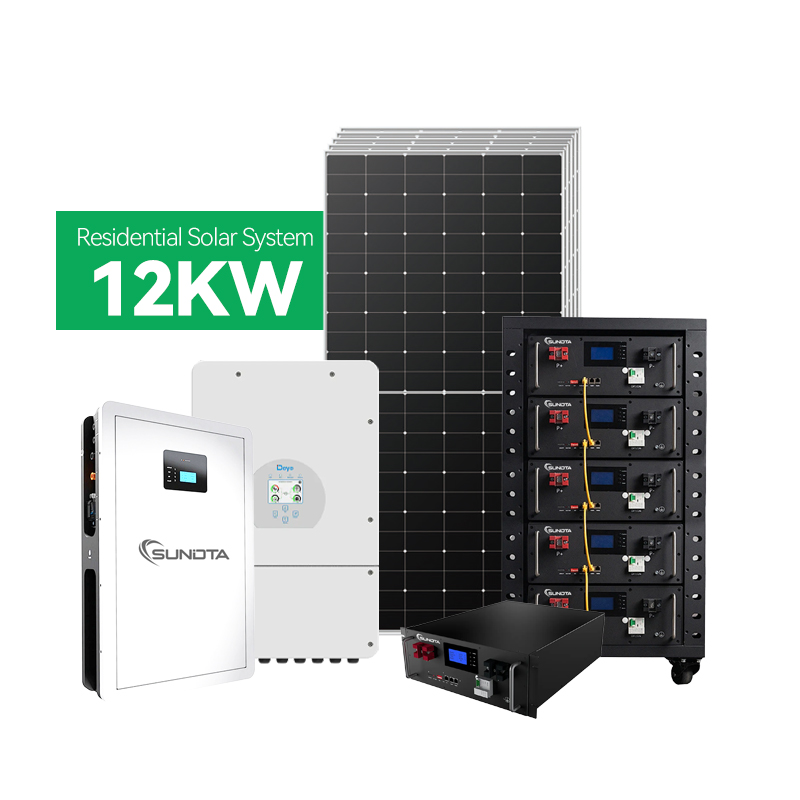
  • Primary Kit: 12kW Hybrid + 20kWh LiFePO4
  • Grid Config: Split-Phase 127V / 220V (Copel Monofásico/Bifásico)
  • Aesthetic Finish: All-Black Glass-Glass Modules

Commercial Agribusiness & Cold Storage

Engineered for food processing plants, craft breweries, and cold storage logistics hubs in São José dos Pinhais, Pinhais, and Araucária. Eliminates punitive peak-hour demand penalties (*horário de ponta*) via scheduled high-voltage battery discharge.

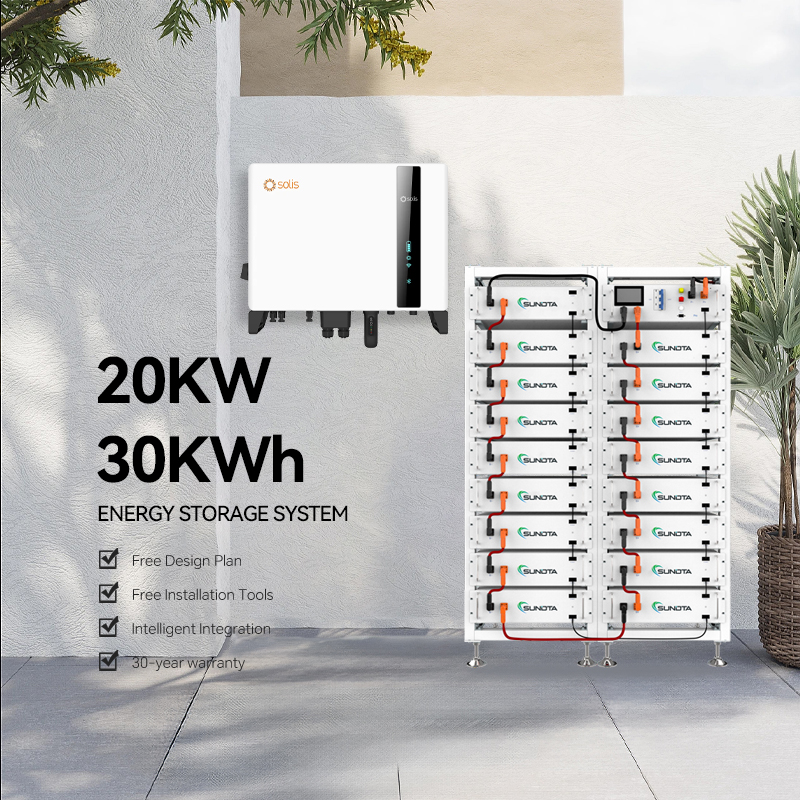
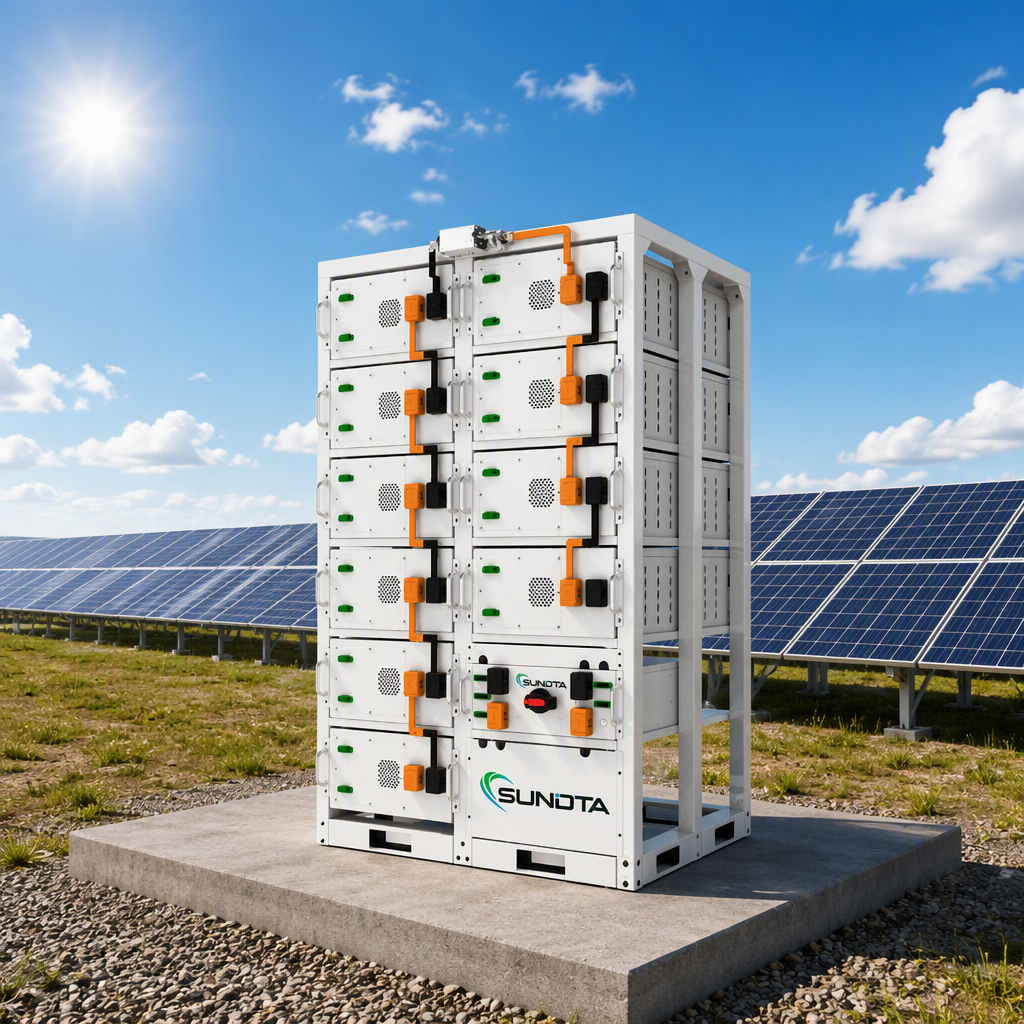
  • Primary Kit: 50kW Deye 3-Phase + 100kWh SDT-280 Cabinet
  • Grid Config: Three-Phase 220V / 380V (Copel Trifásico)
  • Key Advantage: Automated Peak-Shaving Arbitrage

Peri-Urban & Semi-Rural Microgrids

Designed for farms, equestrian centers, and private estates in Piraquara, Colombo, and Campo Largo experiencing frequent rural distribution brownouts. Operates autonomously in continuous off-grid or weak-grid islanded mode.

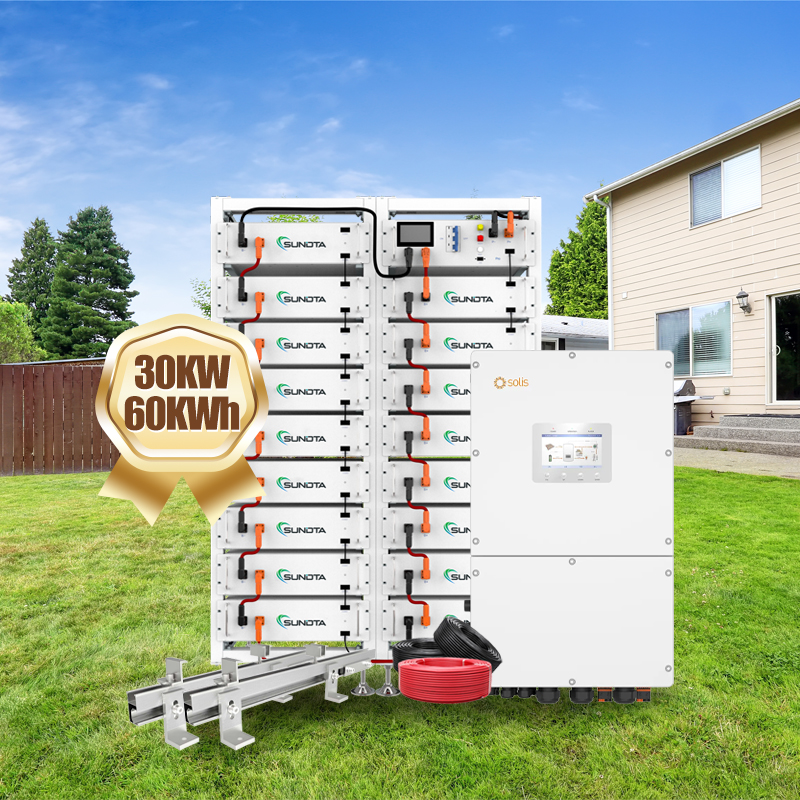
  • Primary Kit: 15kW-30kW Split All-in-One System
  • Grid Config: Hybrid Auto-Transfer / GenSet Integrated
  • Protection: Class-II Lightning & Surge Suppression

Direct Manufacturing Rigor from Hefei to the Port of Paranaguá

Anhui RJV New Energy Co., Ltd. (Sundta) operates state-of-the-art automated PV module and energy storage production facilities headquartered in Hefei's High-Tech Innovation Industrial Park. Backed by 12+ years of research and international export excellence, we eliminate the middlemen and commissioning hazards that erode margins for Brazilian solar distributors and EPC contractors.

Rather than shipping disjointed components from disparate sub-suppliers, our engineering team executes full-bench system testing prior to palletizing. Inverter MPPT windows, battery BMS communication protocols, cable terminations, and lightning arresters are paired, flashed with the latest firmware, and packed together for seamless customs clearing and swift jobsite assembly.

TÜV Rheinland Verified Comprehensive on-site audited production lines
OEM / White-Label Program Custom Portuguese labeling, manual & app
Direct Ex-Tarifário Support NCM customs tariff reduction classification
24/7 Firmware Engineering Rapid bilingual support across Brazil time zones

Dedicated Paraná Shipping Corridor

We streamline maritime freight logistics directly from Shanghai / Ningbo Port to the Port of Paranaguá (Porto de Paranaguá, PR), positioned merely 90 kilometers down the Serra do Mar highway (BR-277) from Curitiba's industrial logistics districts.

Origin: Factory Packed at Hefei, Anhui (FCL Loading)
Ocean Route: Ningbo/Shanghai → Port of Paranaguá (32-38 Days)
Customs: Full Siscomex documentation, BL, Packing List, Flash Reports
Final Mile: Bonded truck dispatch via BR-277 straight to your Curitiba warehouse

Supported Incoterms: FOB, CIF Paranaguá, CFR, EXW. Flexible payment terms through confirmed T/T or Irrevocable Letter of Credit (L/C).

Frequently Asked Questions by Brazilian EPCs & Importers

Clear technical, regulatory, and logistics answers for importing solar equipment into Curitiba and the State of Paraná.

Are RJV solar kits fully compatible with COPEL's grid standards in Curitiba?

Yes. Inverters included in our residential and commercial kits comply with COPEL Technical Standards NTC 905200 (Acesso de Microgeração Distribuída) and NTC 903100. They feature factory-configured ABNT NBR 16149/16150 trip settings, anti-islanding protection, and dynamic reactive power control (cos phi 0.8 inductive to 0.8 capacitive).

What is the typical shipping transit time to the Port of Paranaguá?

Maritime container shipping from Ningbo or Shanghai to the Port of Paranaguá (Paraná) generally takes between 32 to 38 days. Customs clearance (*despacho aduaneiro*) at Paranaguá typically averages 5 to 9 business days when supported by our complete pre-verified Siscomex documentation suite.

How do Sundta LiFePO4 batteries communicate with Deye and Solis inverters?

Our batteries feature built-in dual CAN Bus 2.0B and RS485 interfaces pre-loaded with firmware matching Deye, Solis, and Growatt communication registers. Commissioning requires simply setting the battery dip switches to the Deye/Solis protocol and plugging in the supplied RJ45 cable for immediate automatic BMS handshaking.

How does Curitiba's cold winter weather affect battery life and performance?

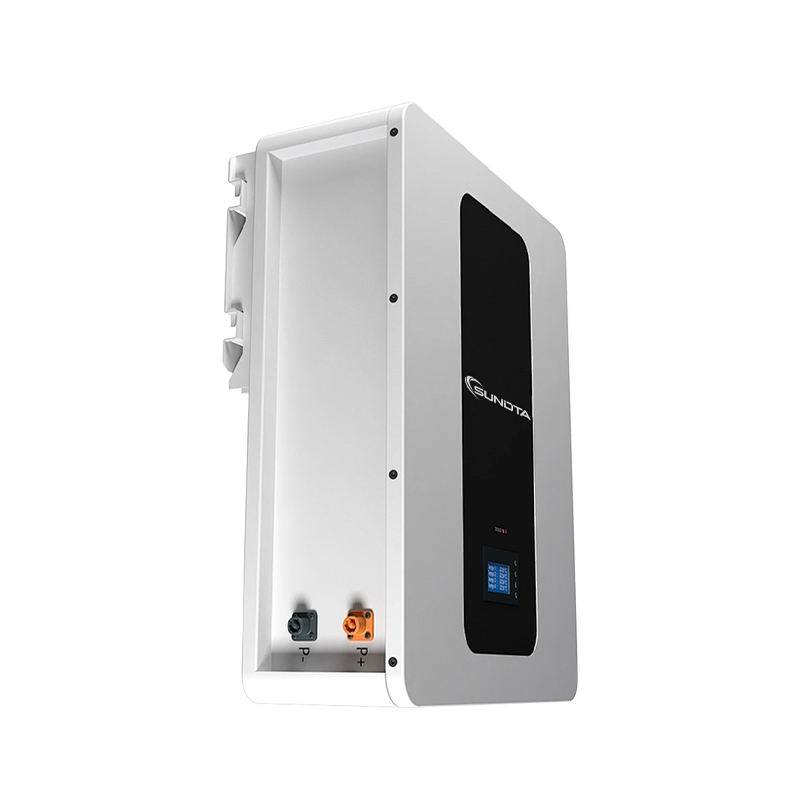
Our lithium batteries utilize Grade-A prismatic LiFePO4 cells with operational discharge ratings from -20°C to +55°C. For unconditioned outdoor installations exposed to Curitiba frost, our POLO-W1 and SDT-280 cabinets feature IP65 enclosures and optional integrated low-temp BMS heating circuits that prevent cold charging degradation.

Can we import mixed containers with panels, inverters, and batteries combined?

Yes. We specialize in consolidated FCL (Full Container Load) shipments. Our warehouse team custom-packs palletized N-Type TOPCon modules, hybrid inverters, wall-mounted batteries, DC disconnect boxes, and solar cables into a single 40ft High Cube container, optimizing cargo space and reducing port handling fees.

What Minimum Order Quantity (MOQ) is required for custom branding / OEM?

Standard unbranded kits or Sundta factory models have an MOQ of just 1 set for hybrid kits and inverters. For custom OEM branding (custom screen printing, Portuguese packaging, custom manuals, and customized app skins), the MOQ is generally one 20ft container or 50 battery units.

Partner with China's Premier Solar Kit Exporter for Paraná

Accelerate your margins in Curitiba with verified Tier-1 N-Type TOPCon solar modules, COPEL-ready hybrid inverters, and safe, deep-cycle LiFePO4 battery storage shipped straight from our Hefei manufacturing headquarters.