N-Type TOPCon Modules, Energy Storage & Turnkey Systems
Seamlessly engineered for US EPC contractors, solar project integrators, and independent distributors requiring UL-standard compatibility, zero commission friction, and high energy density.
Architectural Physics: Why N-Type TOPCon Outperforms Legacy P-Type PERC in North America
The photovoltaic manufacturing landscape has undergone a monumental shift toward N-Type TOPCon (Tunnel Oxide Passivated Contact) architecture. For solar engineering, procurement, and construction (EPC) leaders across the United States, transitioning away from legacy P-type PERC is no longer merely an incremental upgrade; it is an economic necessity driven by levelized cost of electricity (LCOE) optimization and systemic power density advantages.
TOPCon solar cells feature an ultra-thin silicon oxide tunnel layer (∼1.5 nm) paired with a doped polycrystalline silicon passivating contact on the rear side. This micro-structural bandgap engineering eliminates carrier recombination at the metal-silicon contact interface, unlocking open-circuit voltages (Voc) consistently exceeding 735 mV. When deployed in utility-scale fields from West Texas to Southern California, these cells yield lower thermal degradation and deliver unmatched conversion rates.
Key Thermodynamic & Electrical Advantages for US Project Developers
- Superior Temperature Coefficient (-0.30%/°C): In high ambient operating temperatures typical of Arizona, Nevada, and the Central Valley, N-Type TOPCon panels sustain significantly lower voltage drops compared to standard PERC modules (-0.35%/°C), resulting in a 2% to 3.8% higher net kilowatt-hour output during peak summer production curves.
- Near-Zero Light-Induced Degradation (LID & LeTID): Utilizing phosphorus-doped N-type silicon wafers eliminates the detrimental boron-oxygen defect complexes responsible for rapid initial PERC degradation. First-year degradation remains strictly under 1.0%, guaranteeing predictable 30-year cash flow models.
- Elevated Bifaciality Factor (≥80%–85%): The symmetrical junction properties allow back-side photon harvesting to capture reflected diffuse light from ground cover, snow, sand, or high-albedo commercial white TPO membrane roofs, adding up to 12% to 25% supplementary energy yield.
N-Type TOPCon vs. Alternative Photovoltaic Cell Platforms
Empirical laboratory metrics evaluating carrier recombination rates, wafer efficiency, and operational degradation.
| Performance Metric | N-Type TOPCon (Anhui RJV) | Legacy P-Type PERC | Heterojunction (HJT) | Back-Contact (BC / IBC) |
|---|---|---|---|---|
| Average Production Cell Efficiency | 25.0% – 25.8% | 22.8% – 23.2% | 25.2% – 25.7% | 25.5% – 26.2% |
| Bifaciality Factor | 80% – 85% | 65% – 70% | 85% – 90% | 50% – 70% (Asymmetrical) |
| Temperature Coefficient (Pmax) | -0.30% / °C | -0.35% / °C | -0.26% / °C | -0.29% / °C |
| First-Year Light Degradation | ≤ 1.0% | ≥ 2.0% | ≤ 1.0% | ≤ 1.5% |
| Annual Linear Degradation (Y2-Y30) | 0.40% | 0.55% | 0.35% | 0.35% – 0.40% |
| Manufacturing Capex & Silver Paste Cost | Optimized / Highly Competitive | Lowest (EoL Obsolescence) | Substantially Higher (Indium/Ag) | Highest Tooling Complexity |
| US Grid-Tie Levelized Cost (LCOE) | Lowest Systemic Cost | Marginal Under High Land Cost | Premium Utility Niche | Premium Residential Focused |
Navigating US Regulatory Compliance: UFLPA, Tariffs, and Supply Chain Traceability
Importing photovoltaic modules and cells into the United States requires unyielding documentation, adherence to trade law, and full transparency. Anhui RJV New Energy has instituted comprehensive protocol compliance designed specifically to satisfy United States Customs and Border Protection (CBP) scrutiny without logistical impoundment or project delivery derailment.
1. Traceability Under the Uyghur Forced Labor Prevention Act (UFLPA)
CBP enforces an active rebuttable presumption under UFLPA. To ensure frictionless customs passage at major US ports (Long Beach, Houston, Savannah, Newark), our export batches incorporate certified chain-of-custody documentation tracing polysilicon ingot production, wafer slicing, cell diffusion, and final assembly back to non-Xinjiang, verifiable quartz and metallurgical silicon sources. Every pallet is tagged with serial numbers backed by verified third-party laboratory quartz isotopic analyses and mill inspection certificates.
2. Section 201, Section 301, and AD/CVD Anti-Circumvention Awareness
Trade dynamics involving Southeast Asia transshipment windows and tariff investigations demand adaptive sourcing models. Anhui RJV operates transparently with established direct-from-China and authorized regional partnerships, offering clear declarations, legitimate Country-of-Origin (COO) documentation, and unbundled DDP/FOB logistics structures that mitigate unexpected retro-tariff assessments for US buyers.
3. Leveraging the US Inflation Reduction Act (IRA) Domestic Content Bonus
Under the IRA Section 45X and 48 investment tax credits (ITC), US domestic developers can unlock a 10% domestic content bonus. By pairing our highly cost-efficient, tier-calibrated N-Type TOPCon solar cells with domestic US steel racking, inverters, or local module laminate framing lines, EPC partners maximize federal tax benefits while maintaining cell efficiency standards that domestic cell lines often fail to scale reliably.
Tailored Deployment Across North American Climatic Zones
Engineered for high mechanical tolerance against hurricanes, heavy snow loads, and desert heat.
Utility-Scale Ground Mounts
Optimized for ERCOT, CAISO, and MISO single-axis tracking systems. High bifacial energy harvesting leverages ground reflectance to yield up to 25% additional power over standard flat arrays.
C&I Rooftops Under NEM 3.0
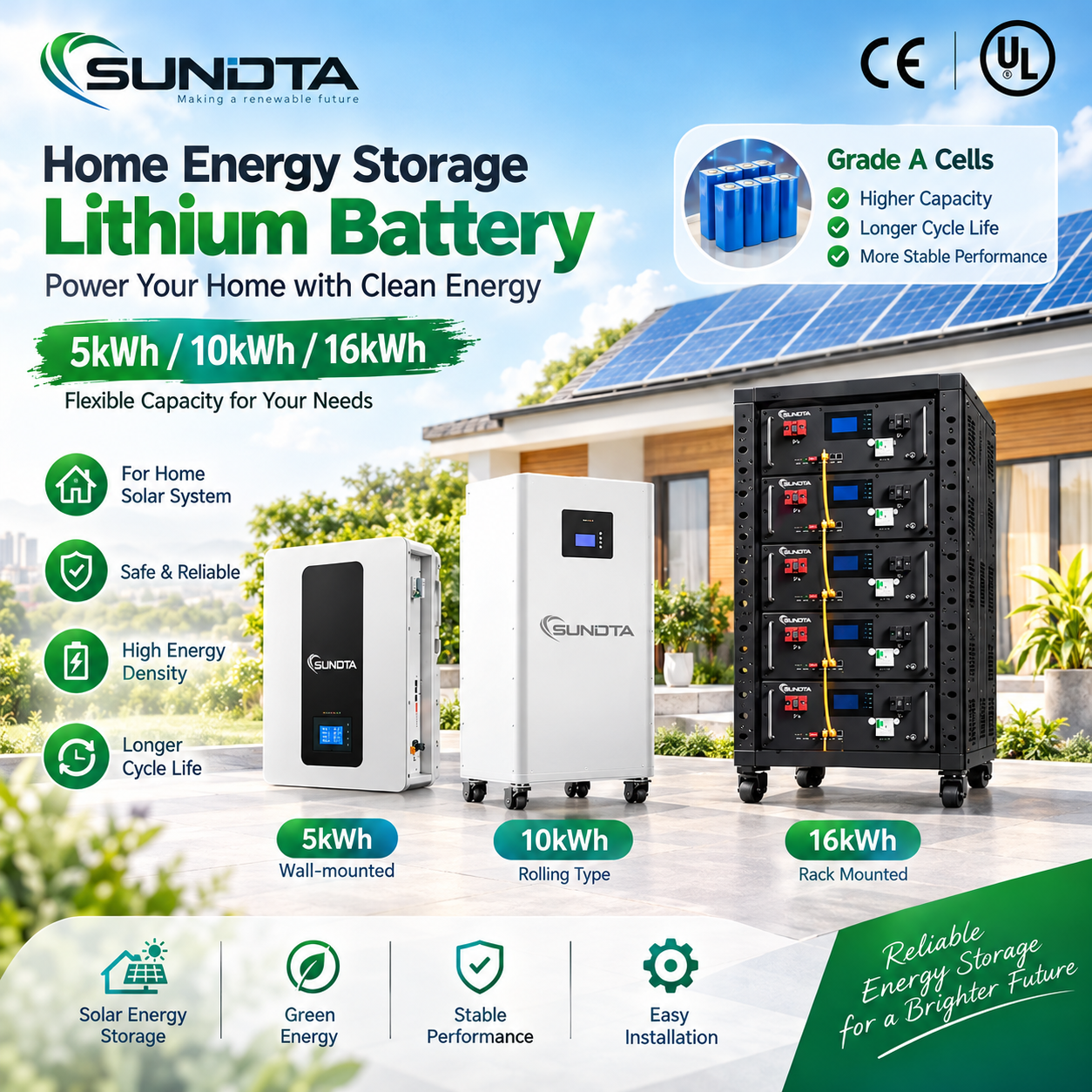
Addresses California's aggressive export rate reductions by combining 585W+ high-density TOPCon panels with scalable LiFePO4 battery banks to shave demand peaks and retain self-generated power.
Residential Islanding & Backup
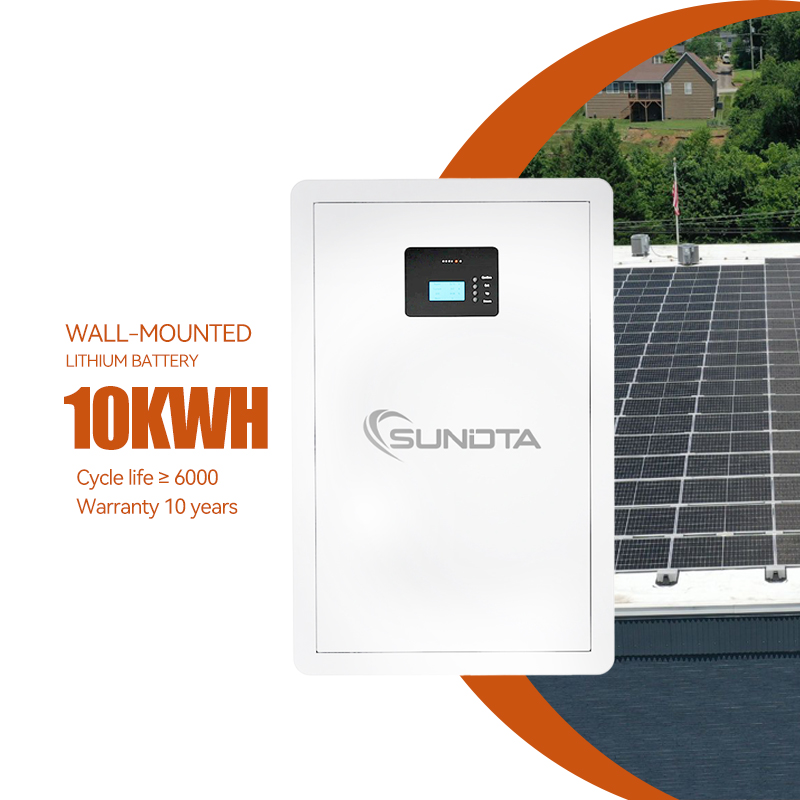
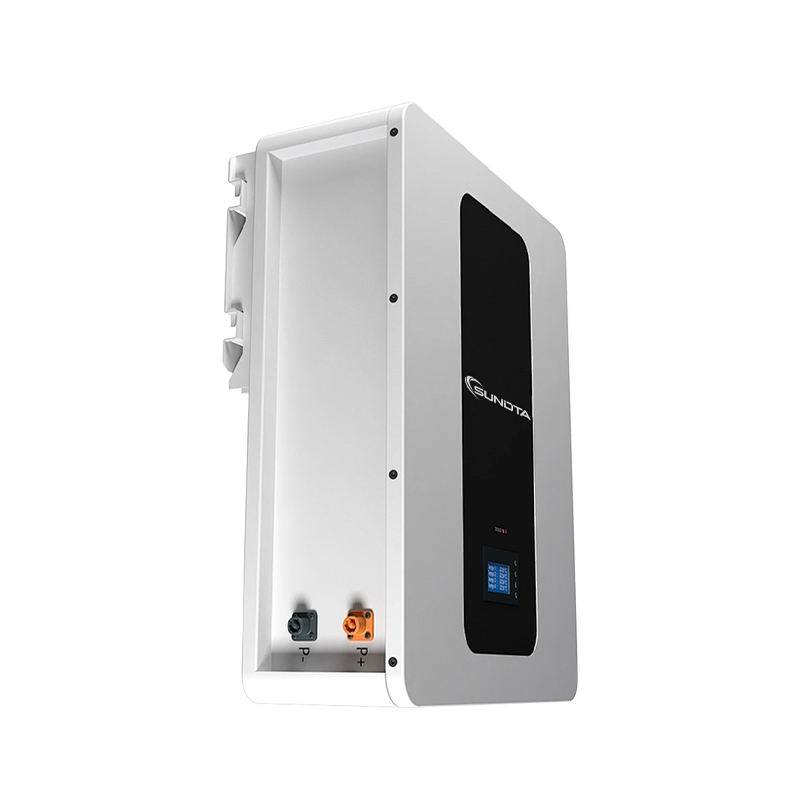
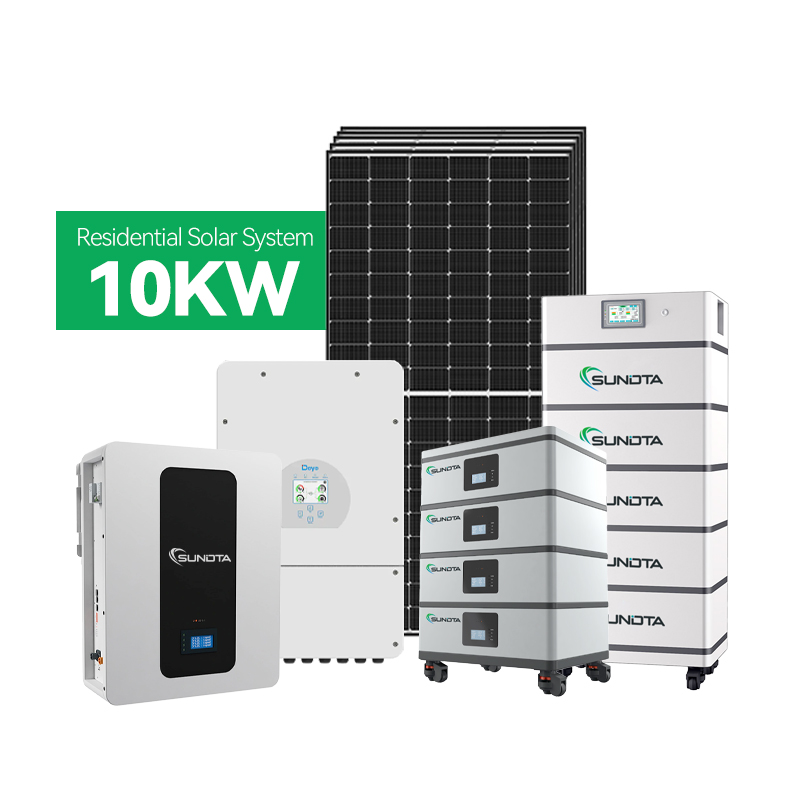
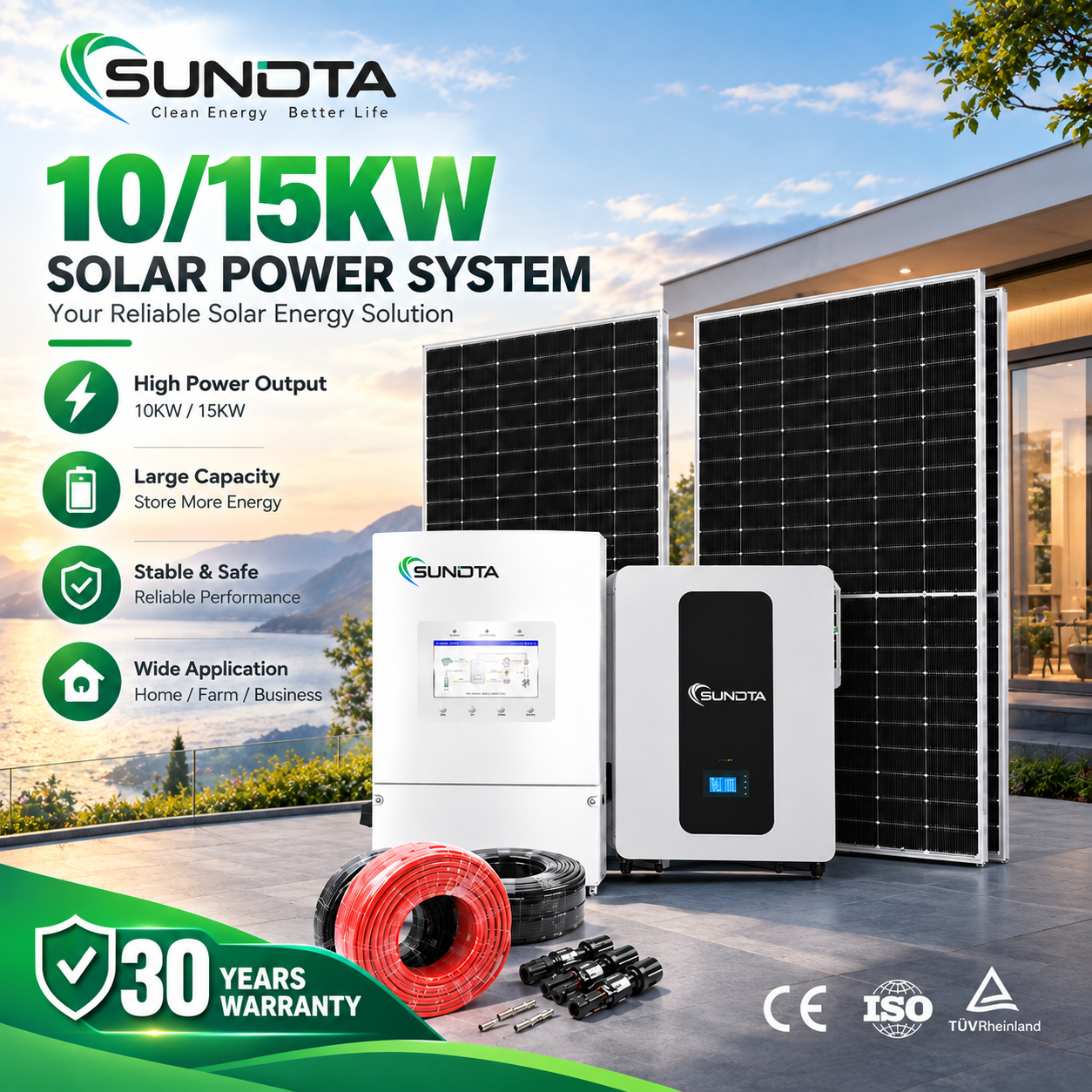
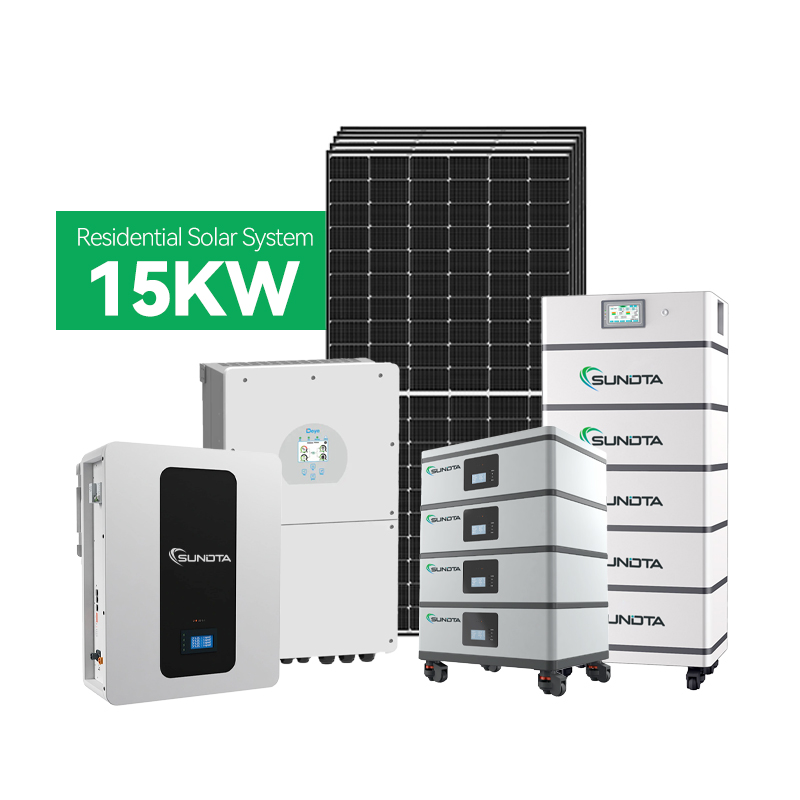
Pairs seamlessly with 51.2V 200Ah wall batteries and split-phase inverters to provide uninterrupted 120V/240V microgrid capability during Florida storms and northeast winter blackouts.
Off-Grid Agricultural & Remote
Engineered for high mechanical wind loads (2400 Pa) and snow loads (5400 Pa) in rural pumping stations, dairy operations, mining sites, and microgrid installations where grid extension is unviable.
Manufacturing Rigor: Anhui RJV New Energy's Factory Capabilities
Operating from Hefei, Anhui province—one of the world's most advanced photovoltaic manufacturing and research clusters—Anhui RJV New Energy Co., Ltd. delivers industry-leading cell and module quality backed by a decade of continuous technological iteration. Our fully automated facility is built to withstand scrutiny from independent engineering firms, insurance underwriters, and bankability auditors.
Automated Production
Over 2 GW of module and cell capacity featuring laser-assisted selective emitter (LDSE) diffusion, low-damage non-destructive cutting, and intelligent automated optical inspection (AOI) to eliminate micro-cracks before lamination.
TÜV Rheinland Assessed
Our operational management, ethical production workflows, and environmental safety protocols are independently verified by TÜV Rheinland on-site audit assessments, establishing trusted factory pedigree.
Rigorous Pre-Shipment QC
Every cell batch undergoes triple electroluminescence (EL) inspection, high-precision solar flash testing, and mechanical stress screening prior to custom vacuum pallet packing optimized for cross-ocean container integrity.
Frequently Asked Questions by US Importers, EPCs & Developers
Clear, direct answers regarding customs handling, warranty claims, electrical compatibility, and order fulfillment.
How does Anhui RJV ensure seamless UFLPA clearance through US Customs?
We provide full-chain traceability document packets for every export batch. This includes certified mining and metallurgical silicon origin records, non-Xinjiang polysilicon procurement contracts, quartz crucible audit files, production batch logs, and third-party laboratory chemical isotopic verification. These dossiers match CBP's exact evidentiary guidelines for immediate release.
What is the minimum order quantity (MOQ) and standard lead time for container orders?
For standard N-Type TOPCon solar modules, minimum procurement is typically one full container load (FCL, approx. 620-680 pieces or 400 kW depending on packaging specifications). Custom OEM orders or cell wafer shipments have flexible thresholds. Production lead times average 14 to 21 working days, with expedited shipping arrangements to West Coast and Gulf ports.
Are your LiFePO4 batteries natively compatible with US hybrid inverters?
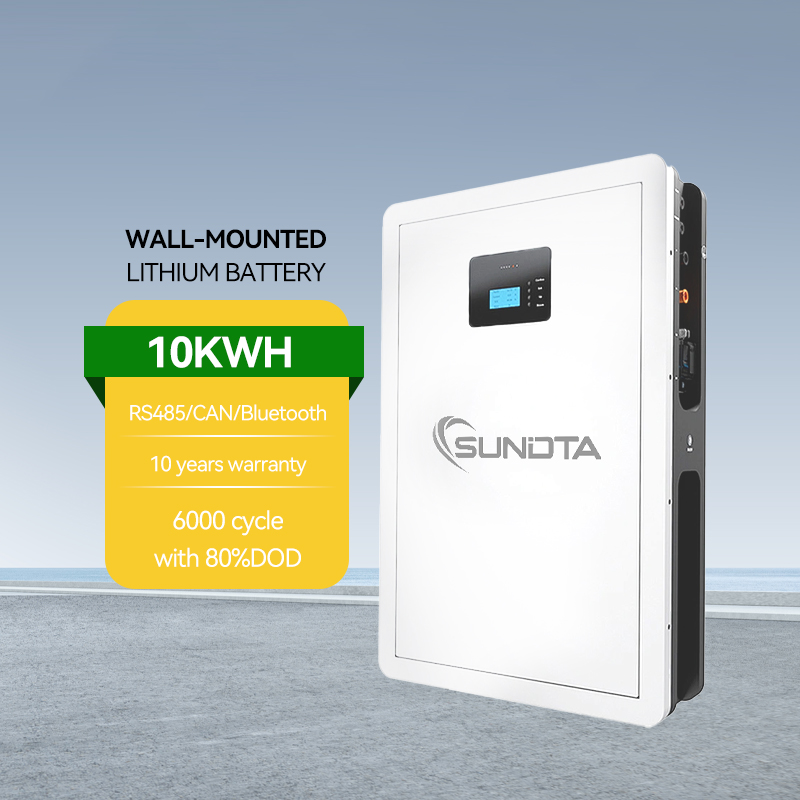
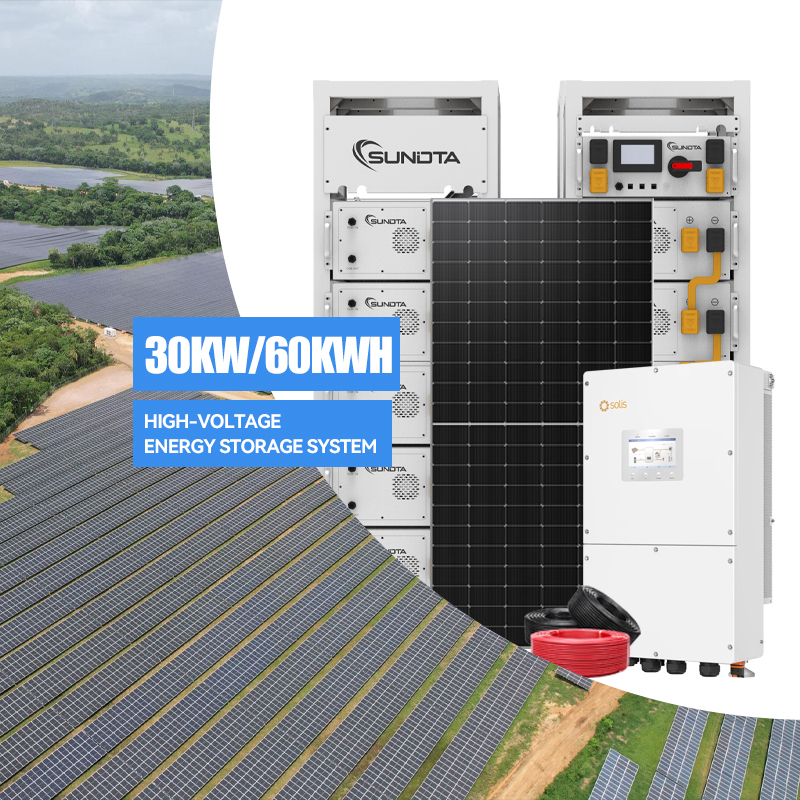
Yes. Our smart battery management systems (BMS) are pre-configured with closed-loop CANbus and RS485 communication protocols for major US and international hybrid inverters, including Solis, Deye, Growatt, Schneider Electric, and Outback Power. Plug-and-play profile configurations eliminate on-site commissioning delays.
What warranties are provided, and how are replacement claims executed in the USA?
Our N-Type TOPCon PV modules carry a standard 12-to-15 year product craftmanship warranty and a 30-year linear performance warranty (guaranteeing ≥87.4% output at year 30). LiFePO4 storage batteries carry a 10-year warranty (or 6,000 cycles to 80% capacity). In the event of warranty activation, claims are processed via flash data verification and replaced through spare inventory reserves or direct freight compensation.
Can you provide raw TOPCon solar cells to US-based domestic module assembly lines?
Yes. We supply bare Grade-A 182mm (M10) and 210mm (G12) N-Type TOPCon cells with 16BB or 0BB metallization directly to module manufacturers in the United States seeking to qualify for federal domestic manufacturing incentives while maintaining ultra-high laminate yields.
Accelerate Your US Solar Projects With Tier-1 Factory Sourcing
Request comprehensive datasheets, full UFLPA compliance documentation packets, or a fast-turnaround container quote tailored to your project location.