Engineered Solar Equipment Portfolio for Fergana Valley
Streamlined supply chain solutions combining ultra-high efficiency PV panels, intelligent hybrid inverters, and high-safety LiFePO4 battery storage, pre-tested for Andijan's regional grid standards.
Engineering Shingled Solar Modules for Andijan's Extreme Climates
As the solar procurement market across Uzbekistan shifts from simple price-per-watt considerations to levelized cost of energy (LCOE) accountability, EPC contractors and enterprise developers in Andijan face acute localized technical challenges. Situated within the Fergana Valley, Andijan exhibits a sharp continental climate characterized by sub-zero winter temperatures dipping beneath -25°C, blistering summer daytime rooftop peaks surpassing +42°C, and heavy localized airborne dust stemming from dry agricultural expanses and seasonal dust storms (humsan). Under these stringent environmental parameters, traditional half-cut busbar modules demonstrate systematic structural stress, micro-cracking, and pronounced hot-spot failures.
Shingled solar panel technology addresses these points directly through hyper-dense cell placement, overlapping structural matrixes, and busbar-free electrically conductive adhesive (ECA) joints. Rather than employing traditional copper ribbon strings soldered at temperatures exceeding 250°C—which create localized mechanical stress points—our automated China cleanroom manufacturing facilities dice ultra-pure N-Type monocrystalline cells into fine strips via non-destructive thermal laser cutting. These strips are then layered with microscopic precision using aerospace-grade ECA.
| Performance Vector | Standard Half-Cut Multi-Busbar (MBB) | RJV Shingled N-Type Monocrystalline | Operational Impact in Andijan |
|---|---|---|---|
| Interconnection Method | Metallic solder ribbons (9BB–16BB) | Electrically Conductive Adhesive (ECA) overlapping | Eliminates high-temperature soldering micro-stress; resists intense freeze-thaw cycles. |
| Active Surface Utilization | 88.5% – 91.2% (spacing losses between cells) | 99.4% (zero-gap overlap layout) | Maximizes peak wattage per square meter on industrial and municipal rooftops in Andijan. |
| Shading & Dust Soiling Behavior | String shutdown under horizontal soiling | Parallel matrix current pathways | Minimizes yield loss caused by seasonal Fergana Valley agricultural dust sedimentation. |
| Operating Temperature Coefficient | -0.34% to -0.38% / °C (P-Type PERC) | -0.29% to -0.30% / °C (N-Type TOPCon Shingled) | Generates up to 7.8% higher actual kWh harvest during hot summer months (+38°C to +45°C). |
| Hot-Spot Risk Vulnerability | High localized temperature escalation | Low reverse current density per segment | Drastically lowers risk of backsheet burns and localized cell breakdown over a 30-year lifecycle. |
By eliminating physical soldered ribbon ribbons, shingled solar panels virtually eradicate internal thermal expansion mismatch, ensuring zero mechanical fatigue when daily temperature swings in the Fergana Valley fluctuate up to 25°C within a 12-hour period. For engineering departments, warehouse operators, and private project developers throughout the Andijan Region (Andijon viloyati), investing in Chinese shingled panel production lines offers direct operational safeguards against early module degradation.
Targeted Solar Application Scenarios Across the Andijan Region
Tailoring system topography, string voltage parameters, and energy storage integration to the industrial and natural conditions of Eastern Uzbekistan.
Industrial Textile & Silk Mills
Andijan’s robust textile manufacturing corridors consume heavy baseload power during weaving, finishing, and processing. Shingled solar arrays mounted on structural shed roofs maximize generation density per square meter, offsetting escalating natural gas and commercial power tariffs while securing continuous production through integrated 100kWh+ LiFePO4 battery banks.
Automotive & Machinery Component Plants
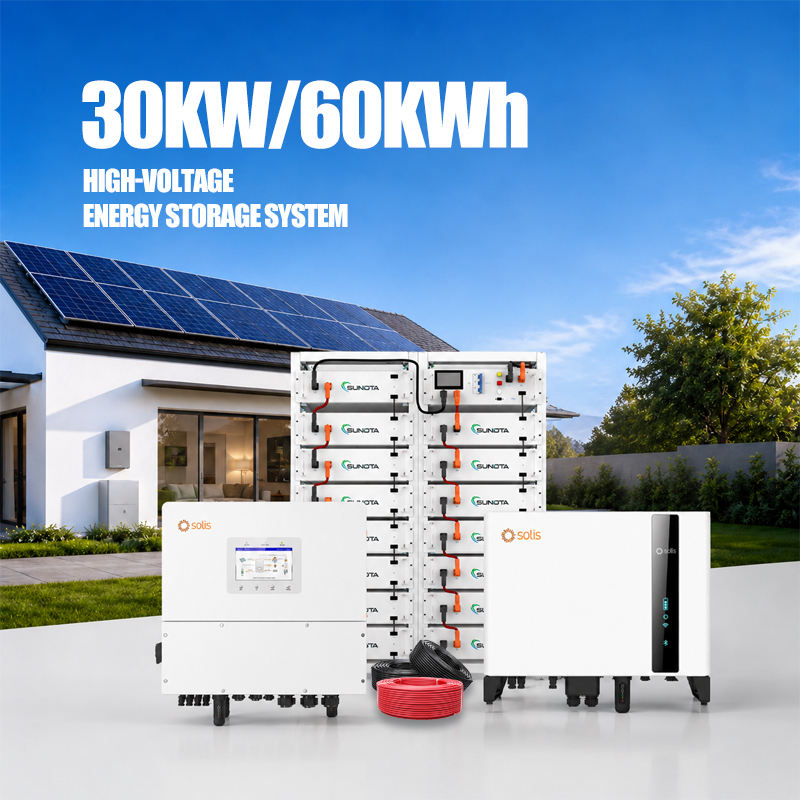
Anchored by the automotive ecosystem centered around Asaka and Andijan, component suppliers demand uninterruptible three-phase grid stability. By pairing high-wattage 590W bifacial and shingled panels with high-capacity Deye or Solis three-phase hybrid inverters, Tier-2 automotive suppliers hedge against seasonal grid curtailments and frequency variations.
Agricultural Cold Storage & Processing
The Fergana Valley is the agricultural fruit and vegetable hub of Uzbekistan. Intensive cold storage warehouses near Khodjaobad, Shahrixon, and Marhamat require massive cooling power precisely when solar irradiance is at its peak. Shingled solar arrays track daytime solar curves, dropping peak demand utility penalties significantly.
Pumping & Irrigation Microgrids
Remote cotton, fruit orchard, and greenhouse developments often face low-voltage feeder lines. Isolated off-grid and hybrid pumping microgrids driven by high-yield shingled panels supply consistent hydrostatic pressure throughout critical summer irrigation windows without diesel generator consumption.
Municipal & Residential Green Communities
Modern housing developments and administrative centers in Andijan City take advantage of governmental net-metering incentives. Shingled modules offer superior all-black architectural aesthetics, lower glare, and optimal low-light diffuse performance during autumn and winter overcast skies.
Uzbekistan Renewable Directives & Andijan Market Dynamics
The renewable energy landscape across Uzbekistan is undergoing a structural transformation governed by Presidential Decree mandates that target a minimum of 25 GW of non-hydro renewable capacity by 2030. In Andijan, this strategic pivot is amplified by high population density, intensifying urbanization, and the modernization of electrical distribution grids (Regional Electrical Power Networks - REPN). Government-mandated tariffs on commercial electric consumption have moved closer to market equilibrium, compelling corporate CFOs and facility managers to transition toward onsite distributed generation.
Key regulatory and commercial dynamics shaping procurement in Andijan include:
- The "Yashil Energiya" (Green Energy) Platform: Commercial establishments installing certified PV arrays benefit from value-added tax (VAT) exemptions, customs relief on imported renewable hardware, and property tax deferrals when acquiring verifiable Tier-standard equipment.
- Strict Distributed Generation Interconnect Codes: Regional electrical utilities in Fergana Basin require solar inverters to feature rapid shutdown, active reactive power control, and certified anti-islanding mechanics compatible with varying 220V/380V distribution voltages.
- Shifting Preference Toward Integrated Hardware Bundles: Engineering companies in Andijan increasingly avoid fractured sourcing—where panels originate from one vendor, inverters from another, and energy storage from a third. Procurement trends directly favor one-stop Chinese manufacturers that supply factory-balanced, closed-loop tested combinations.
By partnering directly with Anhui RJV New Energy Co., Ltd., B2B importers in Andijan sidestep third-party domestic middlemen, unlocking tier-one factory export pricing, direct factory warranty backing, and smooth containerized freight along the Eurasian railway corridors.
Direct Factory Capabilities Built in Hefei for Central Asia
Decade-long manufacturing excellence, strict quality assurance regimes, and optimized logistical channels to Andijan.
Automated 2.0 GW Smart Production
Operating high-speed stringers, high-precision laser-cleaving platforms, and automated laminators that eliminate micro-cracking and cell misalignment during assembly.
Comprehensive Compliance Testing
Audited on-site by TÜV Rheinland. Every batch undergoes double-EL (Electroluminescence) testing, mechanical load tests up to 5400 Pa snow/2400 Pa wind, and salt-mist/ammonia resistance evaluations.
Optimized Central Asia Rail Logistics
Direct rail container dispatching from Hefei / Xi'an via Alashankou and Khorgos border crossings directly to Andijan freight depots, minimizing maritime delays and inland handling costs.
Full OEM & Customized Engineering
Private labeling, custom frame coloring, specific glass thicknesses, customized cable lengths, and tailored mounting kits designed around Uzbek architectural requirements.
Full-System Closed-Loop Integration
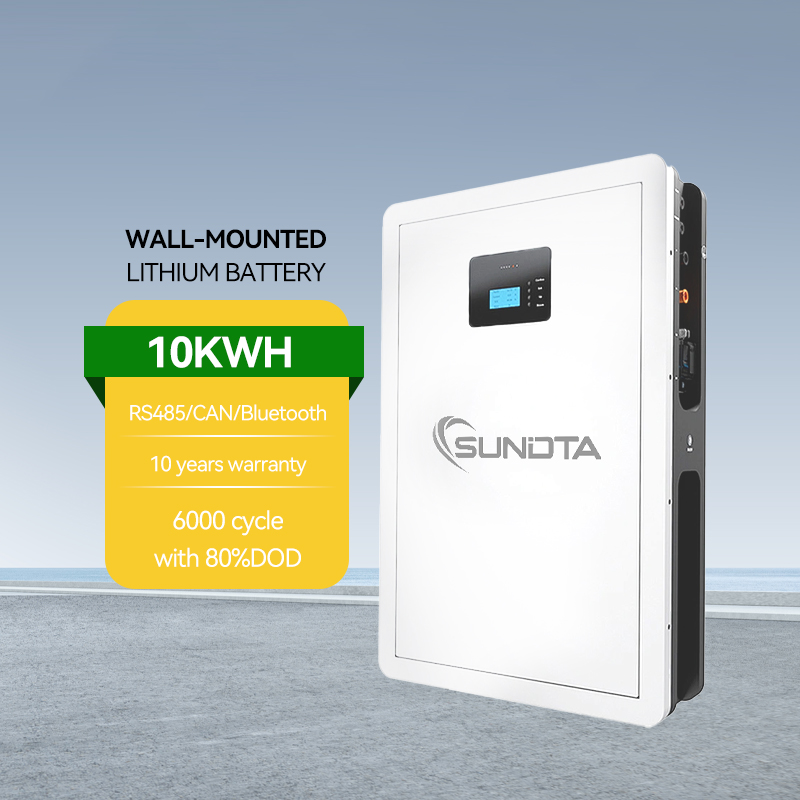
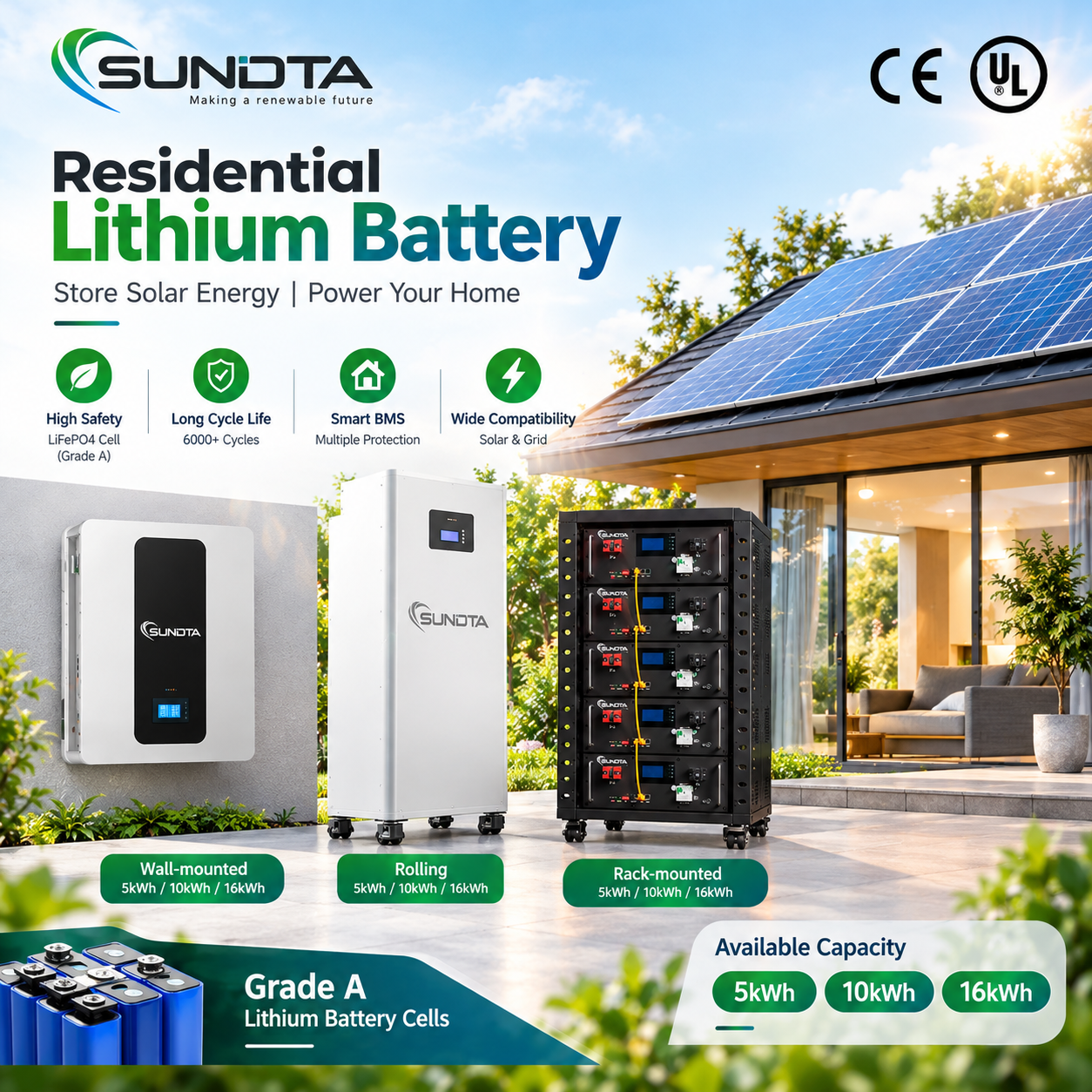
Seamless CAN / RS485 communication protocols between our LiFePO4 battery management systems and leading inverters like Deye and Solis, ensuring plug-and-play installation.
Frequently Asked Questions for Andijan Solar Importers
Direct answers addressing shipping, customs clearance, technical configuration, and warranty execution across the Fergana Valley.
What logistics route is used to deliver solar panels and ESS containers to Andijan?
How do shingled modules prevent power loss from Fergana Valley dust and sand?
What are the minimum order quantities (MOQ) for B2B buyers in Andijan?
Are the imported solar modules and inverters compliant with Uzbek certification and grid codes?
How does the company manage warranty claims and technical support for customers in Uzbekistan?
Can inverters and LiFePO4 battery systems operate during extreme sub-zero temperatures in Andijan?
Power Your Next Andijan Solar Project With Verified Factory Equipment
Consult with our photovoltaic engineering team to configure complete system bills of materials (BOM), verify inverter-battery closed-loop compatibility, and secure factory wholesale pricing for the Fergana Valley market.
Get Catalog