Grid-Resilience • Microgrids • C&I Storage

Commercial BESS Container Manufacturers & Suppliers for the Nassau Market

High-reliability LiFePO4 battery energy storage containers engineered for coastal saline durability, tropical peak load shifting, and Bahamas Power and Light (BPL) interconnection stability.

2 GW

Annual Production Capacity

500 MW+

Deployed Worldwide

6,000 Cycles

LFP Ultra-Long Lifespan

C5-M

Marine Anti-Corrosion Rating

Engineered Solutions

Commercial & Distributed Energy Storage Portfolios

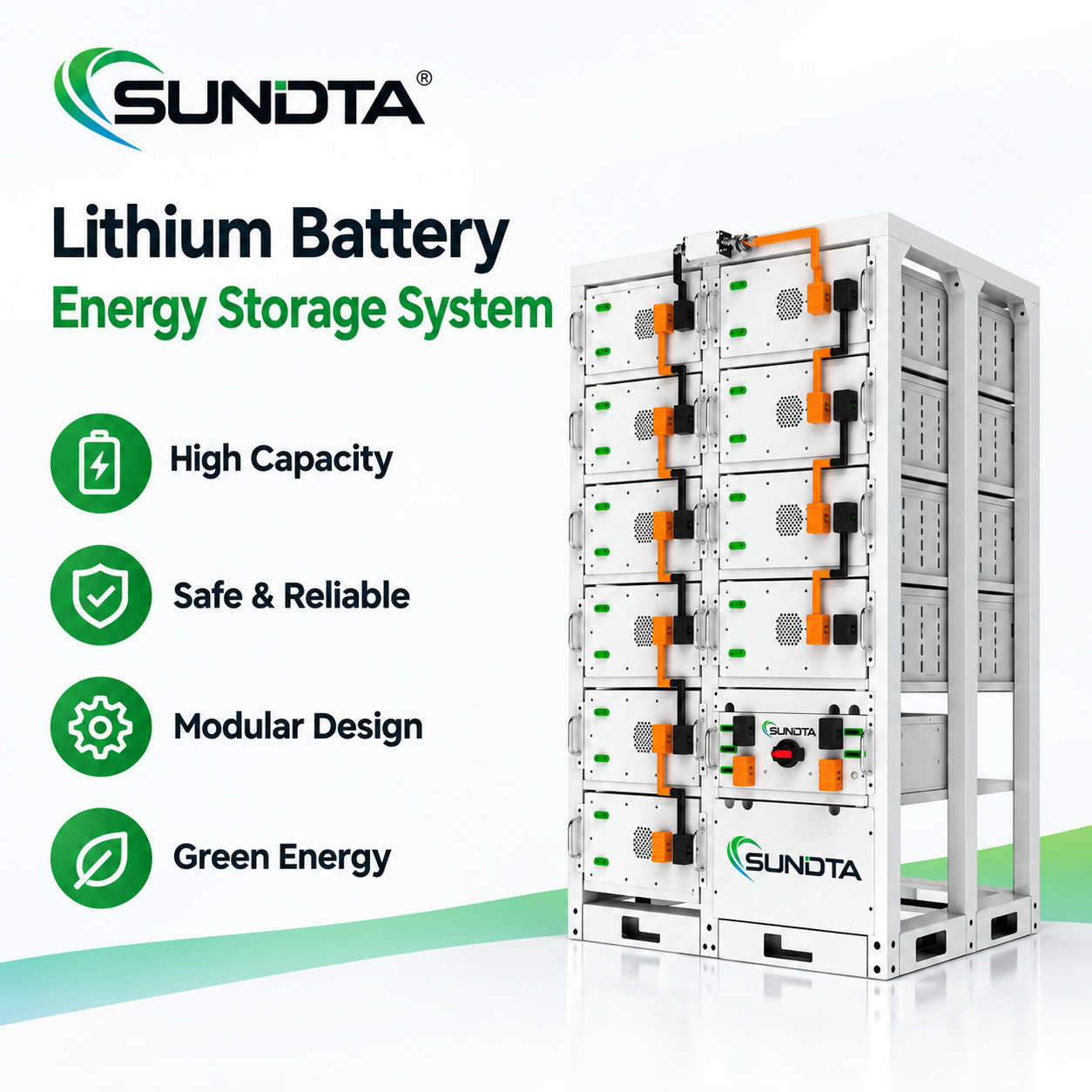
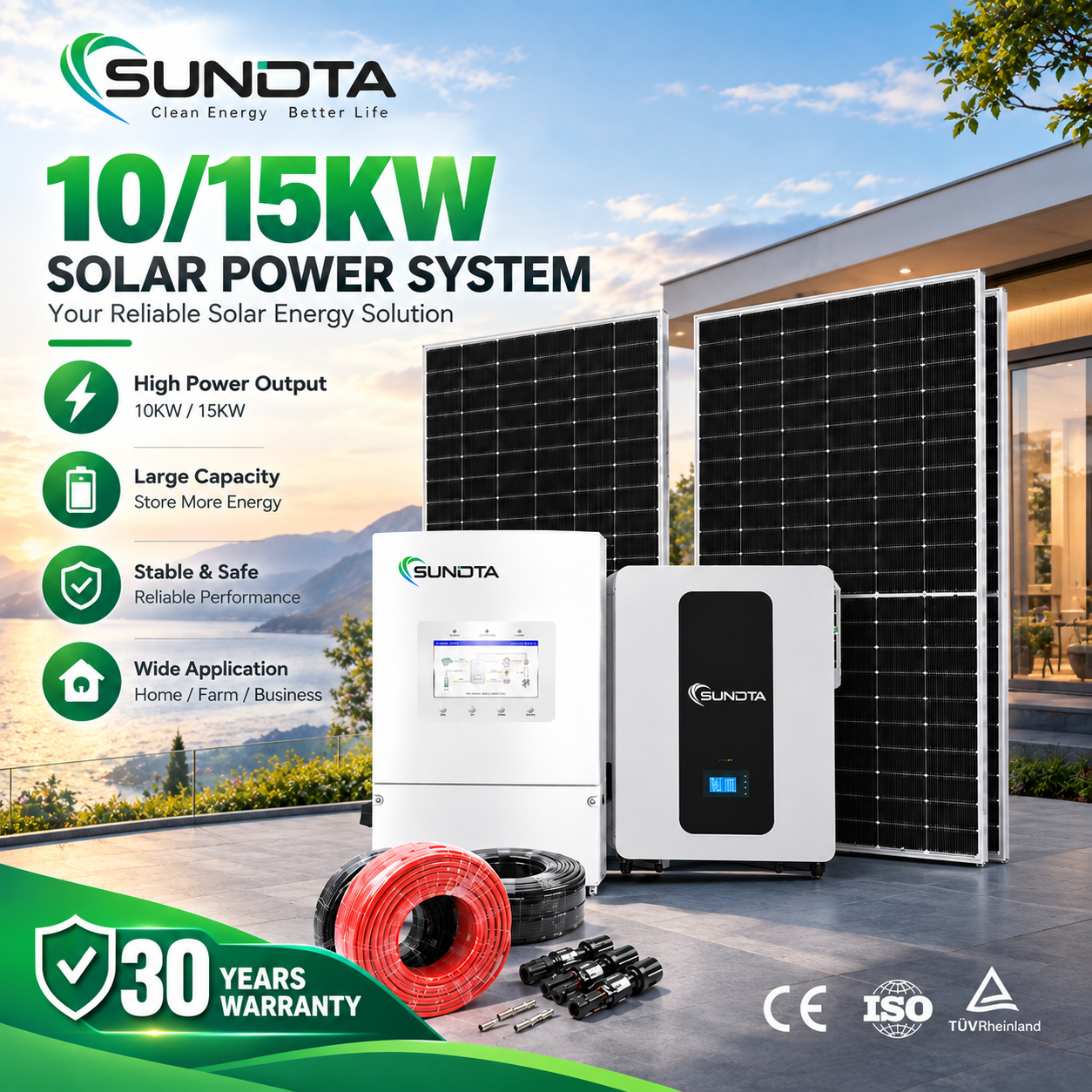
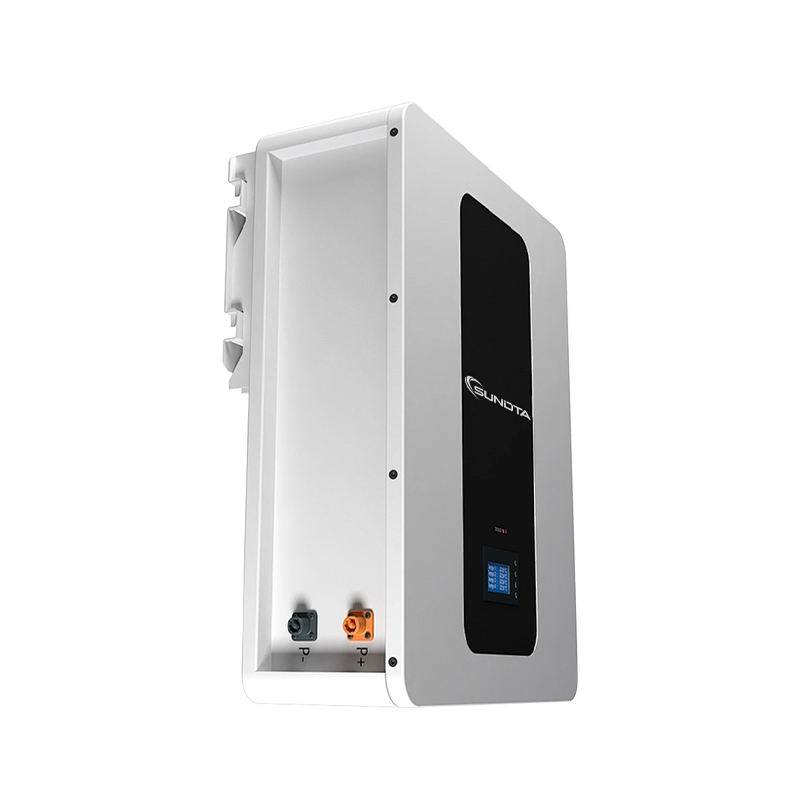
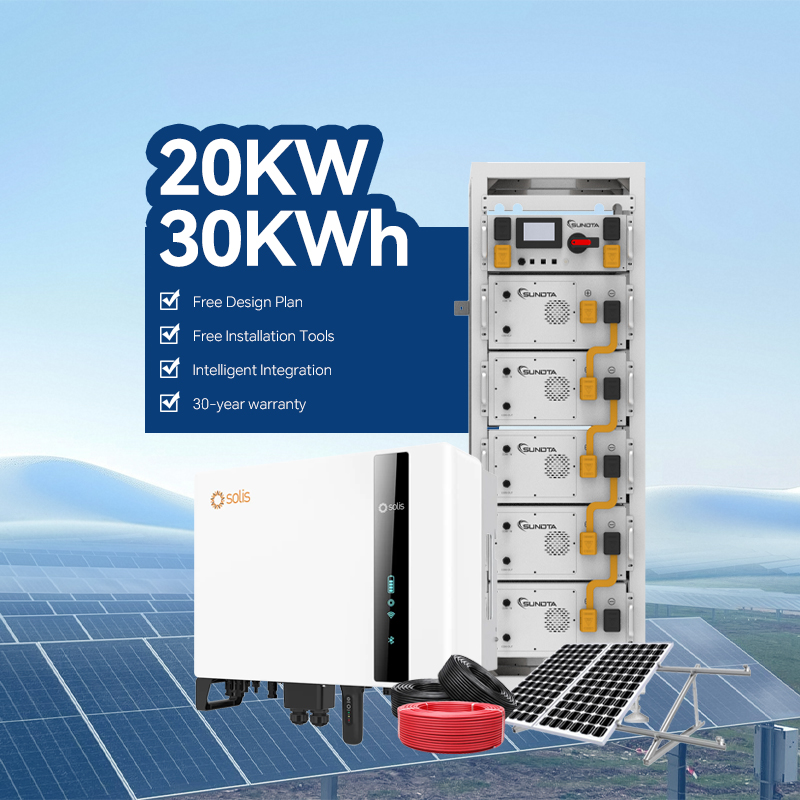
High-density battery racks, containerized systems, and integrated hybrid platforms custom-built for high ambient temperatures and critical power continuity in New Providence.

Engineering Analysis

Overcoming Island Power Vulnerabilities in Nassau, Bahamas

Industrial, commercial, and resort facility managers across New Providence face unique grid conditions that necessitate ruggedized, containerized Battery Energy Storage Systems (BESS).

Grid Fluctuations & BPL Tariff Offsetting

Nassau’s commercial power sector experiences volatile electricity tariffs heavily impacted by fuel adjustment charges from diesel and heavy fuel oil (HFO) generation. Containerized BESS installations provide peak shaving and demand reduction, storing low-cost off-peak solar power to offset tariff spikes during business operation peaks.

Hurricane Hardening & Autonomous Islanding

During extreme Atlantic hurricane seasons, grid disconnection can persist for days or weeks. Our 20ft and 40ft modular BESS units feature autonomous black-start capabilities, transferring critical commercial loads in under 15 milliseconds, synchronizing seamlessly with existing on-site emergency diesel generators.

High Ambient Heat & C5-M Saline Resilience

Tropical maritime climates cause severe electrochemical degradation and corrosion in standard electronics. Anhui RJV containers integrate industrial liquid cooling systems maintaining cell temperature deviations within ≤2.5°C, housed in heavy anti-corrosion ISO enclosures rated for coastal salt-spray endurance.

Procurement Strategy

Container Sizing & Integration Parameters for Nassau EPCs

A direct technical matrix designed to streamline specification matching for engineers and commercial facilities in The Bahamas.

System Scale BESS Capacity Range Typical Architecture Nassau Use Case Application Key Operational Benefit
Light Commercial (Retail/Offices) 100 kWh – 250 kWh Stackable HV LiFePO4 + 50kW-100kW PCS Cable Beach retail plazas, corporate banks Eliminates peak demand spikes, 100% UPS backup
Medium Industrial & Resorts 500 kWh – 1.5 MWh 20ft ISO Marine Containerized LFP Boutique resorts, food storage, processing hubs Generator-solar fuel hybridization, zero brownout loss
Utility-Scale / Microgrid Substation 2.0 MWh – 5.0 MWh+ 40ft Liquid-Cooled Container + HV Substation Private out-island developments, port terminals Frequency stabilization, reserve capacity, black-start
Market Outlook

Energy Transition Dynamics across The Bahamas

The regulatory and infrastructural landscape across New Providence is accelerating towards renewable autonomy, propelled by National Energy Policy mandates.

URCA Small-Scale Renewable Regulations

The Utilities Regulation and Competition Authority (URCA) has expanded approvals for grid-tied solar plus storage. Commercial facilities in Nassau can now deploy BESS units to legally stabilize export while self-consuming clean photovoltaic generation behind-the-meter.

Decarbonization of Hospitality & Ports

Major resort corridors around Paradise Island and Nassau Harbour are adopting rigorous ESG targets. Replacing loud, smoke-emitting spinning diesel reserves with silent, instant-response BESS containers enhances the guest experience while cutting carbon emissions by up to 65%.

Microgrid Infrastructure Electrification

New Providence logistics centers are deploying commercial EV fleets and heavy cranes. Containerized BESS absorbs high-voltage draw spikes without overtaxing localized distribution lines, buffering the island grid against abrupt step-load fluctuations.

Manufacturer Credibility

Why International Developers Source BESS Containers from RJV

Engineering precision, tier-1 component integration, and complete lifecycle assurance directly from our Hefei advanced manufacturing complex.

TÜV Assessed Facility

Our automated production facilities undergo rigorous third-party inspection by TÜV Rheinland, maintaining CE, IEC 62619, and UN38.3 transport safety certifications.

Full Turnkey BOM Matching

We eliminate commissioning delays by providing fully factory-tested container bundles: pre-integrated PCS, liquid-cooling HVAC, fire suppression, and battery stacks.

Inverter Interoperability

Engineered with open-standard communication, natively supporting major commercial hybrid platforms including Deye, Solis, and PCS architectures without protocol hacking.

24/7 Global Engineering Desk

Real-time remote commissioning support, firmware optimization, and warranty triage executed across Caribbean time zones by factory battery specialists.

Buyer Knowledge Base

Frequently Asked Questions for Nassau Energy Projects

Straight answers addressing logistics, compliance, safety, and integration for Bahamian electrical engineers and EPC contractors.

How are BESS containers shipped to Nassau port safely?

We deliver CIF or FOB to Nassau Container Port (Arawak Cay). Units comply fully with IMO dangerous goods shipping regulations (UN3536 class 9 lithium battery containers), with State of Charge (SoC) calibrated under 30% and dual nitrogen fire-suppression latches locked for ocean transit.

What fire suppression standards protect these containers?

Our commercial BESS containers feature NFPA 855-compliant multi-tier safety architecture. This includes aerosol or NOVEC 1230 gas flooding, early-warning off-gas sniffers (H2/CO detection), integrated deflagration relief panels, and automatic thermal runaway isolation per battery pack.

Can the BESS operate in split-phase or 3-phase 120V/208V/480V?

Yes. Our PCS inverter units are factory-configured to match Nassau’s American-influenced grid parameters. We offer 120V/240V split-phase for lighter installations and 120V/208V or 277V/480V 3-phase for industrial plants, hotels, and heavy commercial switchgear.

How does the battery container handle prolonged hurricane blackouts?

The system features an autonomous microgrid controller with genuine black-start capability. When Bahamas Power and Light loses line voltage, our EMS immediately commands the PCS to form an isolated grid, dynamically throttling PV arrays and initiating generator start-stops to conserve fuel.

What is the expected lifetime under Nassau’s heat and humidity?

Utilizing high-grade tier-1 LiFePO4 cells rated for 6,000 to 8,000 cycles at 80% Depth of Discharge (DoD), along with closed-loop HVAC/liquid thermal management, our systems deliver a 15+ year operational design life even in continuous 35°C ambient conditions.

What warranty and remote monitoring support is provided?

We provide a standard 10-year battery warranty backed by cloud-connected EMS monitoring. Nassau site operators can monitor cell voltages, state of health, temperatures, and power quality in real-time through an encrypted dashboard, supported directly by our engineering headquarters.

Plan Your Commercial BESS Deployment in Nassau

Consult with Anhui RJV New Energy's senior technical engineers. Receive a complete single-line diagram (SLD), thermal load calculation, and custom container quotation for your Bahamian project within 24 hours.

Contact Us