Industrial Power Engineering Whitepaper

Commercial ESS Container Manufacturers & Factories serving the Venezuela Market

Utility-Scale BESS, Modular 40ft/20ft Containerized LiFePO4 Systems & Hybrid Microgrids Engineered for Uncompromising Power Resilience Across Venezuela's Industrial Corridors.

Engineered Energy Hardware

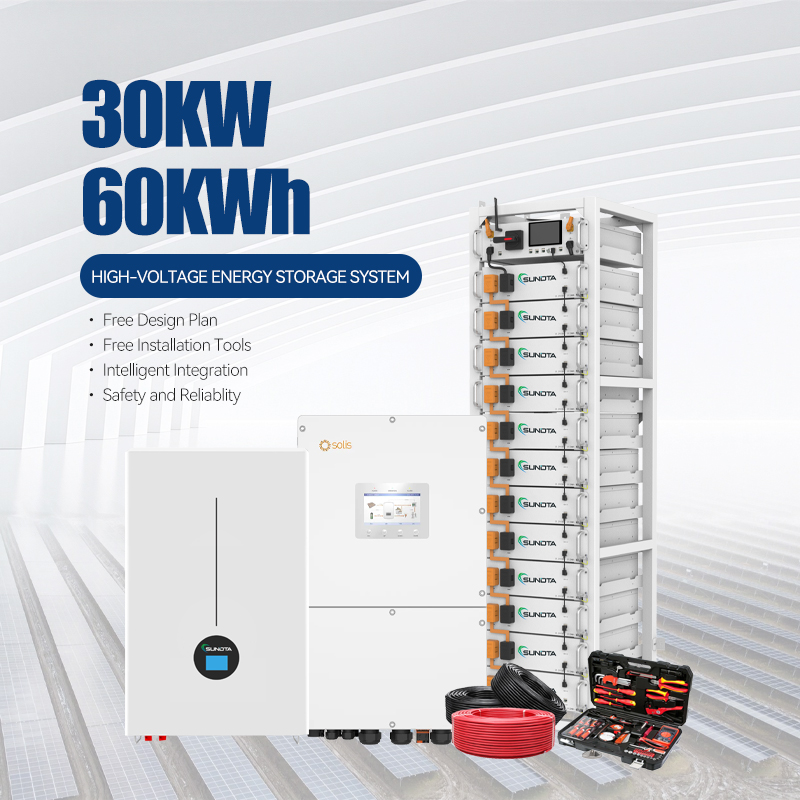
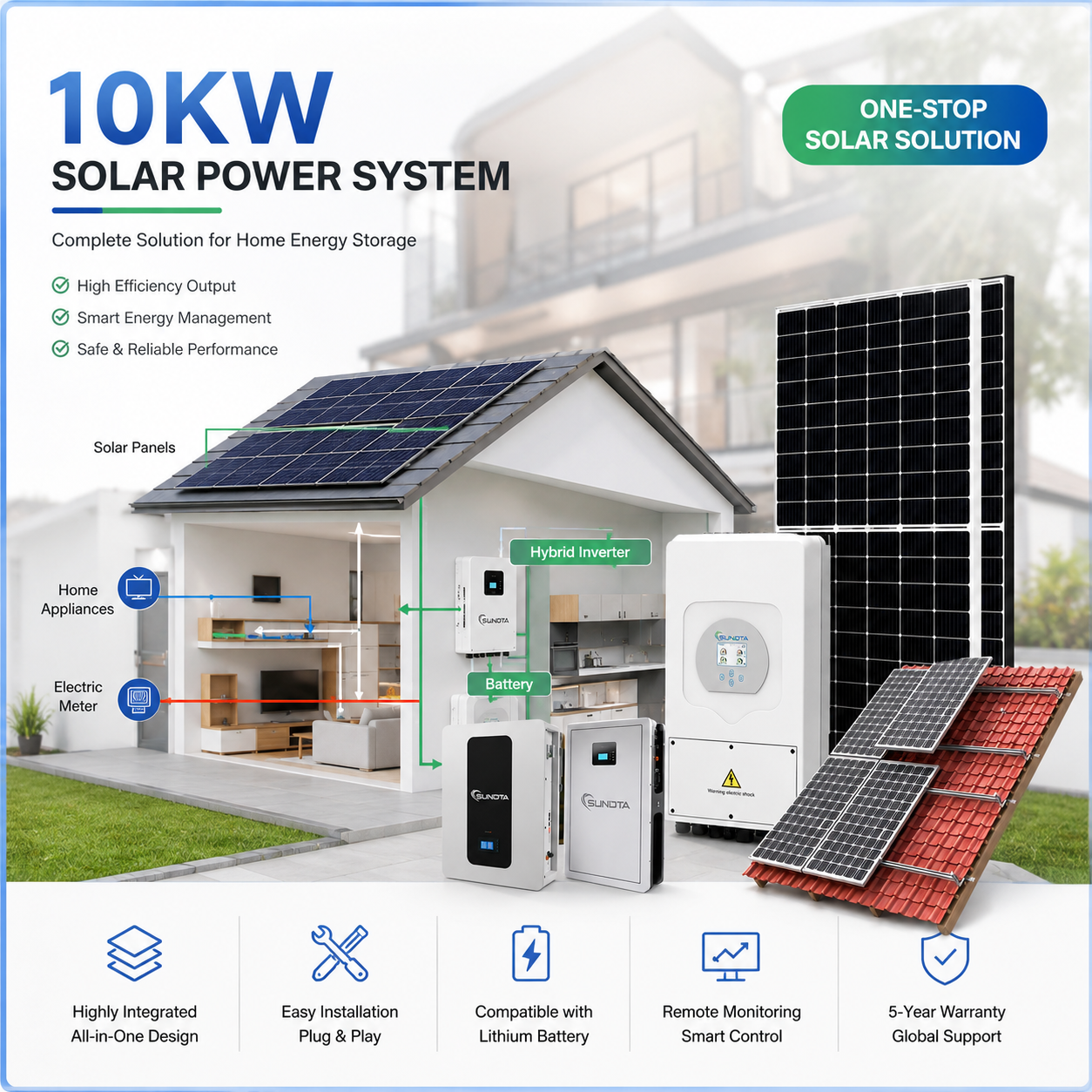
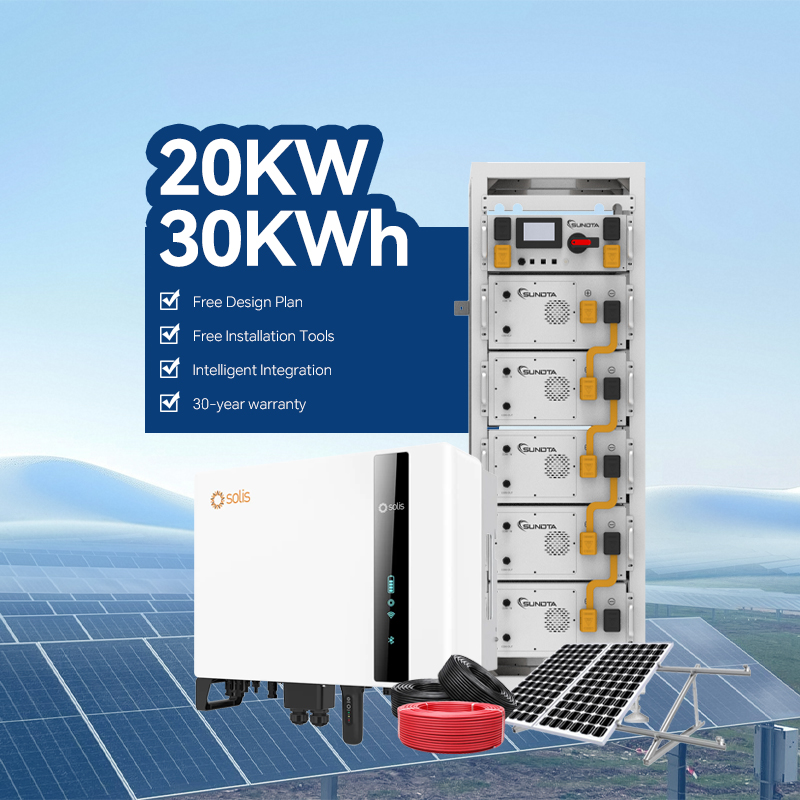
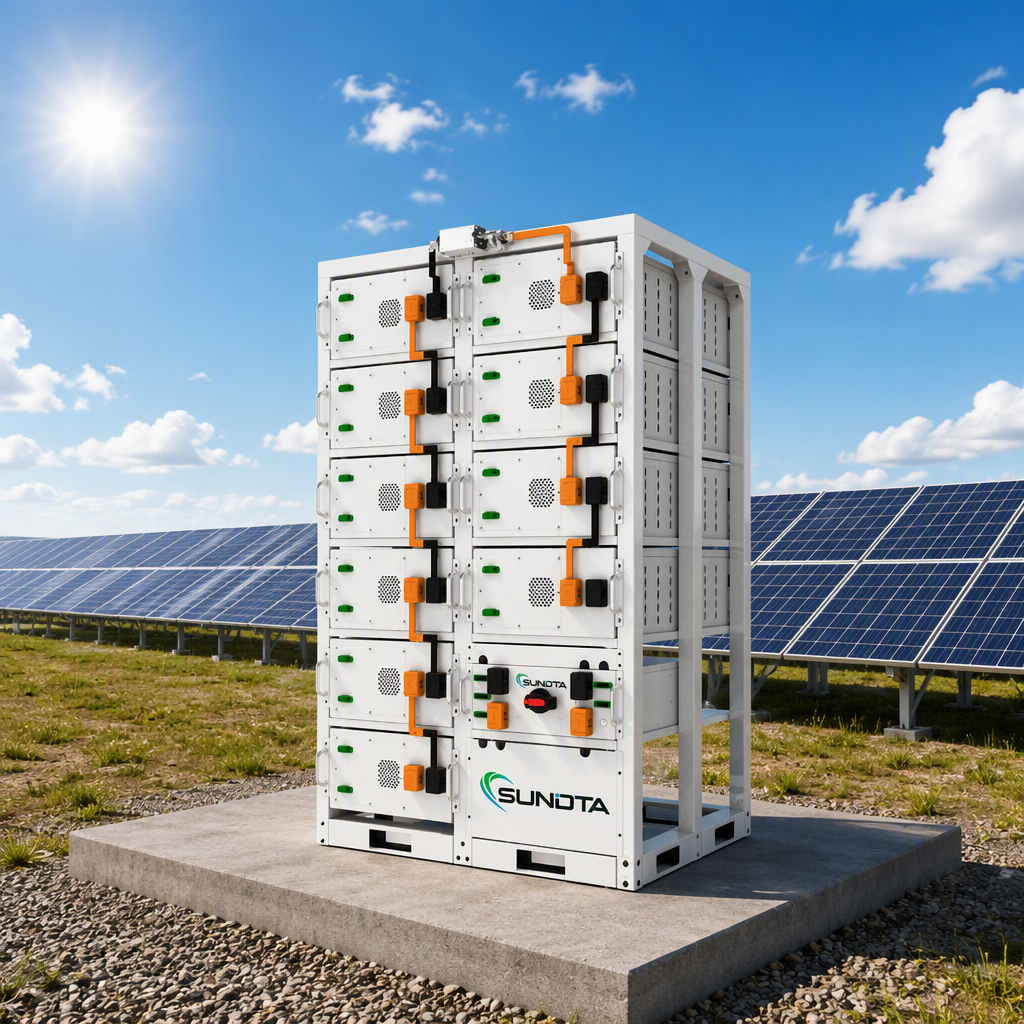
Commercial & Industrial Storage Portfolio for Venezuela

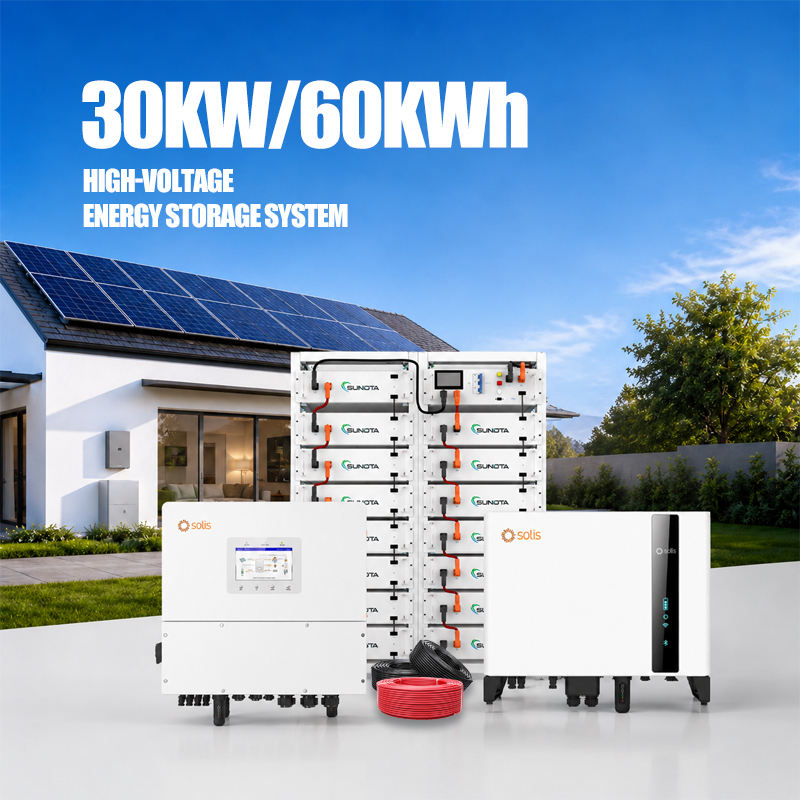
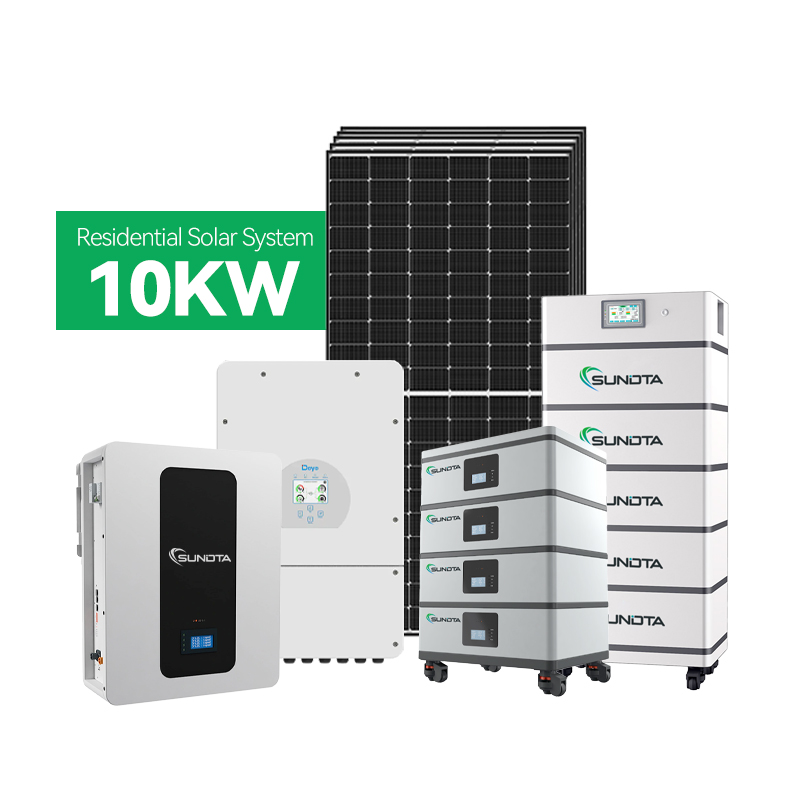
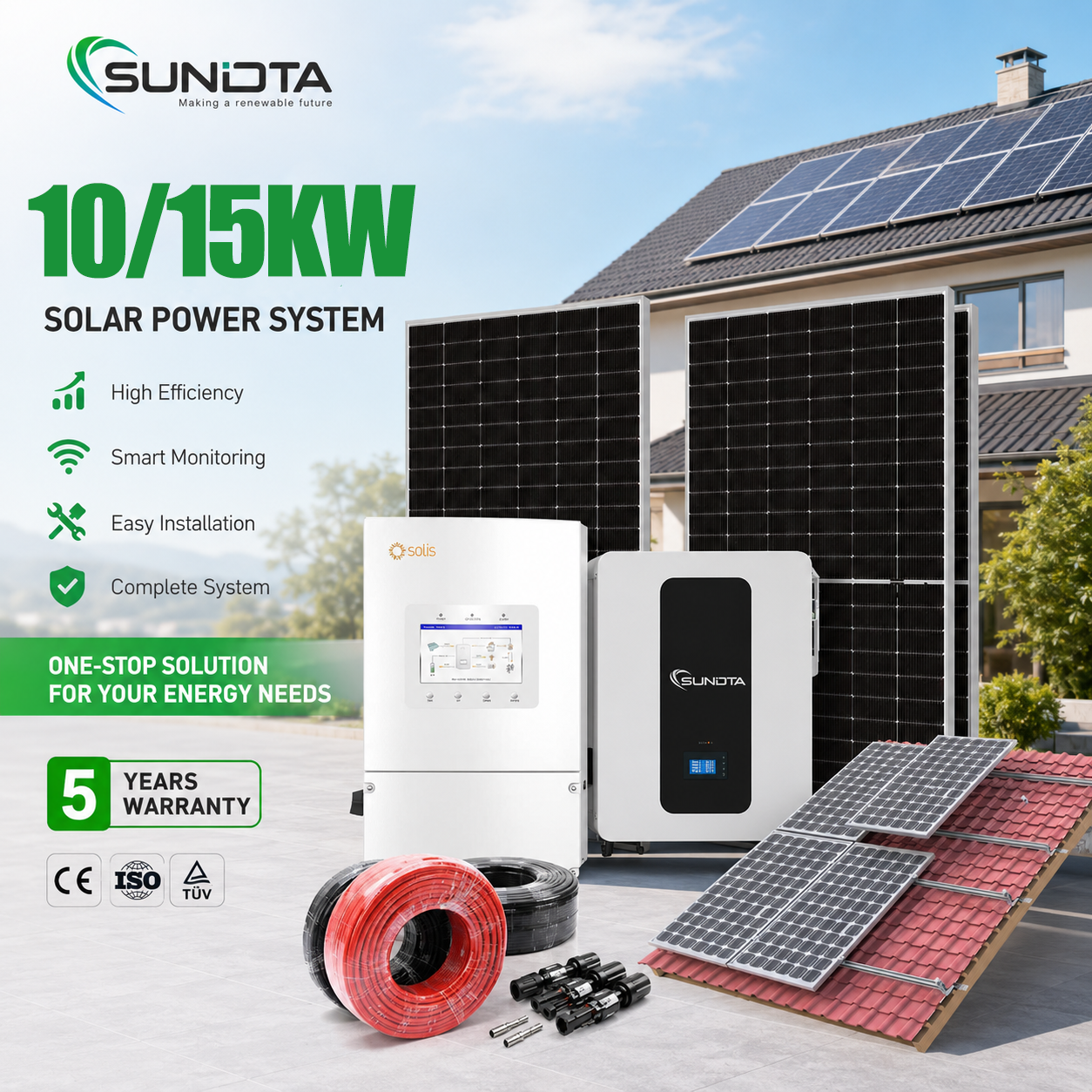
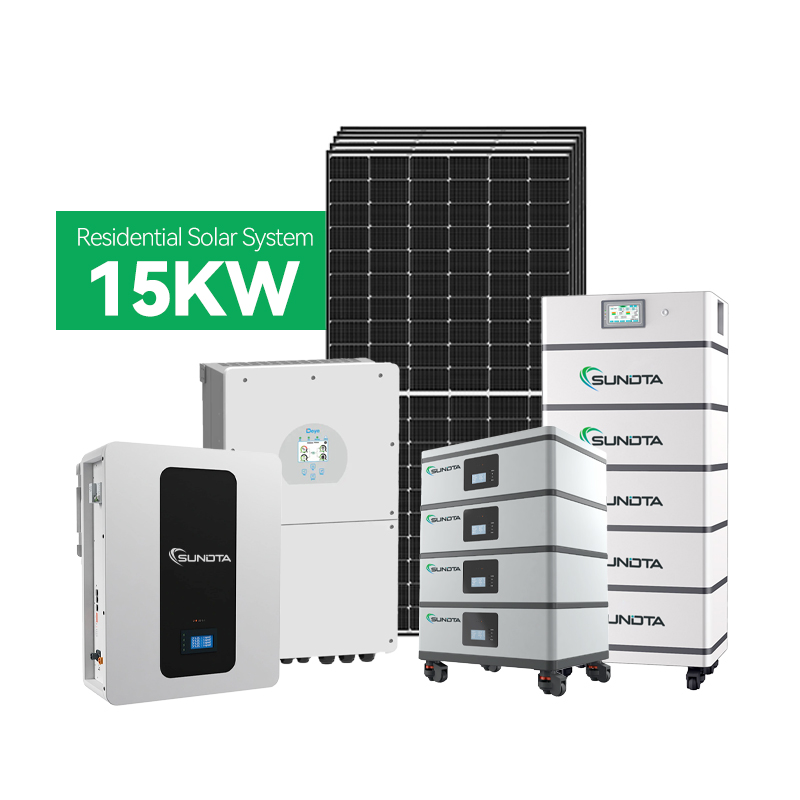
From high-voltage cabinet-level energy storage to multi-megawatt container stations and complete hybrid assemblies, our pre-commissioned systems are custom-configured for heavy frequency fluctuations and harsh tropical conditions.

Industry Technical Brief

Venezuela Grid Realities: Why Containerized BESS Is Mission-Critical

Operating industrial enterprises within Venezuela requires navigating one of Latin America's most demanding electrical infrastructures. Below is our engineering appraisal of the National Electric System (SEN) and how utility-grade BESS provides operational immunity.

SEN Vulnerability & Blackouts

Venezuela's electrical architecture relies overwhelmingly on the Guri Dam hydroelectric complex in Bolívar state. Power transmitted over 1,000+ kilometers to central, western, and northern economic zones suffers severe transmission dropouts, sub-frequency oscillations, and rolling load shedding (Plan de Administración de Cargas). Containerized ESS acts as a dynamic synthetic inertia buffer, bridging utility blackouts in under 10 milliseconds without manufacturing downtime.

Diesel Generator Displacement

Historically, Venezuelan commercial enterprises utilized legacy diesel generators. Today, industrial diesel procurement faces unpredictable supply chains, dollar-denominated spot fuel pricing ($0.30 to $0.50+/liter delivered), high filtration maintenance, and severe carbon emissions. A hybrid containerized ESS paired with solar photovoltaic modules slashes diesel burn rates by 65% to 92%, delivering an aggressive Levelized Cost of Storage (LCOS) payback.

Thermal & Marine Durability

From the high humidity and ambient temperatures of Zulia and Falcon to coastal marine exposure in Puerto Cabello, battery hardware experiences rapid degradation if not engineered properly. Our containers utilize industrial HVAC liquid-cooling topologies, maintaining cell temperature deltas below 2.5°C, coupled with C5-M anti-corrosion exterior coatings and NFPA 69/68 deflagration safety vents.

System Architecture Transfer Speed Levelized Cost of Energy (10-Yr) Fuel Logistics Risk Optimal Venezuelan Application
Legacy Diesel Genset (Stand-Alone) 12 – 45 seconds (Brownout gap) $0.38 – $0.54 / kWh Critical (Refinery & tanker bottlenecks) Temporary emergency reserve only
Solar PV + Diesel Hybrid (No ESS) Unstable (Solar curtailment issues) $0.24 – $0.32 / kWh Moderate (Intermittent genset firing) Non-critical rural agricultural pumping
Containerized BESS + Solar (RJV Integrated) < 10ms (Seamless Online UPS) $0.08 – $0.14 / kWh Zero (Self-sustaining daily cycling) Food processing, plastics, steel, cold stores
Megawatt Utility Container (20ft / 40ft) Dynamic Synthetic Inertia / Black Start $0.065 – $0.11 / kWh Zero (Grid frequency & voltage anchor) Industrial parks, private microgrids, mines
Regional Deployment Models

Tailored Application Profiles for Venezuelan Industries

Our engineering division designs turnkey container solutions specifically modeled after load demand patterns across Venezuelan commercial hubs.

Food & Agro-Logistics Zulia & Lara

Cold Chain & Dairy Protection

Meatpackers, shrimp farms, and dairy processors in Maracaibo, San Francisco, and Barquisimeto face ambient heat exceeding 38°C combined with 6-8 hour grid dropouts. Our 500kWh to 2MWh air-conditioned BESS containers run blast freezers and ammonia chillers continuously without thermal fluctuation.

Core Fit: SDT-280 HV & 20ft BESS Container
Heavy Manufacturing Valencia & Aragua

Plastics, Packaging & Assembly

Automotive components, injection molding, and pharmaceutical packaging plants in Valencia and Maracay cannot tolerate 200ms voltage sags that reset robotic production lines and burn out extruder drives. Our high-discharge C&I BESS provides active voltage stabilization and zero-transfer bridging.

Core Fit: 100kW–500kW PCS + High C-Rate LFP
Commercial Real Estate Caracas Metropolitan

Corporate Towers & Data Centers

Chacao, Las Mercedes, and El Recreo financial complexes require silent, emission-free power resilience where rooftop and basement diesel exhausts face environmental zoning constraints. Compact modular 51.2V and HV stackable battery rooms supply clean, computer-grade true sine wave power.

Core Fit: 30kWh All-in-One & 51.2V Powerwall
Extractive & Ports Anzoátegui & Bolívar

Oilfield & Port Infrastructure

Remote oil extraction camps in the Orinoco Belt, port cranes at Puerto Cabello / Guanta, and mining installations in Guayana rely on hybrid microgrids. RJV containerized BESS provides black start capabilities, generator soft-starting, and fuel-shaving under rugged outdoor conditions.

Core Fit: 1MWh / 2MWh 40ft Utility Containers
Direct Factory Advantage

Engineered in Hefei, Built for Venezuelan Reliability

Anhui RJV New Energy Co., Ltd. delivers high-precision manufacturing, pre-shipment FAT testing, and full component compatibility directly from China's clean-tech capital.

Tier-1 Prismatic LFP Chemistry

We build our ESS cabinets and containers using exclusively new, Grade-A 280Ah and 314Ah lithium iron phosphate cells (CATL/EVE tier standards) providing over 6,000 cycles at 80% Depth of Discharge with active cell balancing.

TÜV Rheinland Audited Quality

Our Hefei production workshops operate under stringent ISO9001 and ISO14001 guidelines, with on-site factory verification by TÜV Rheinland. Every unit ships with comprehensive flash data, CE certification, and UN38.3 test records.

Native PCS & BMS Interoperability

We eliminate commissioning headaches by matching BMS protocols over native CAN/RS485 lines with industrial PCS platforms (including Deye, Solis, and Megarevo). Pre-configured firmware eliminates field integration communication errors.

B2B Project Logistics to Venezuela

Experienced in shipping maritime container freight to Puerto Cabello, La Guaira, and Maracaibo. We supply comprehensive Spanish documentation, customs Harmonized System (HS) classifications, and remote commissioning support.

2GW
Annual Module & Pack Capacity
500MW+
Global Systems Commissioned
38
Proprietary R&D Patents
AAA
International Credit Rating
Procurement Guidance

Frequently Asked Questions by Venezuelan B2B Importers

Key technical, financial, and logistical considerations when importing containerized battery systems into Venezuela.

What is the recommended container HVAC cooling system for high-temperature areas like Zulia?
For ambient climates in Maracaibo, Cabimas, or Coro, where temperatures regularly exceed 38°C with high relative humidity, we mandate dual-circuit industrial liquid-cooling systems over standard air-cooling. Liquid cooling maintains cell temperatures uniform within a 2°C to 2.5°C delta, preventing uneven internal resistance and premature capacity fade. For smaller cabinet units (such as our SDT-280 40–100kWh), we incorporate high-efficiency inverter air-conditioners with conformal-coated electronics to prevent humidity-induced short-circuiting.
How do containerized ESS systems interface with local SEN grid codes and diesel generators?
Our systems utilize bidirectional hybrid PCS (Power Conversion System) inverters equipped with programmable microgrid controller software. When the SEN grid fails, the system transitions in less than 10 milliseconds (seamless online UPS transfer), meaning sensitive equipment such as PLCs, medical machines, and server racks never trip. Furthermore, the microgrid controller includes a dry-contact relay for automatic generator start/stop (AGS), allowing the diesel generator to run only when the battery state of charge (SoC) drops below a programmed threshold (e.g., 20%), running at its optimal fuel-efficiency curve.
What are the freight routes, lead times, and customs requirements for Venezuelan ports?
Shipments are routed from Chinese base ports (Shanghai/Ningbo/Shenzhen) to primary Venezuelan commercial ports: Puerto Cabello (Carabobo) and La Guaira (Vargas), or Maracaibo (Zulia) for western deliveries. Ocean transit typically takes 35 to 45 days. We supply standard Dangerous Goods (DG) packaging for Class 9 hazardous materials (UN3480/UN3536 for containerized lithium batteries), certified MSDS, UN38.3 test summaries, and export documentation to streamline SENIAT customs brokerage. Delivery terms supported include FOB China, CFR, CIF Venezuelan port, or EXW factory.
Can the ESS containers support 120V/208V, 220V/240V split-phase, and 480V industrial three-phase?
Yes. Venezuela features varied electrical topologies depending on the installation site—including American-standard split-phase 120V/240V for commercial retail, 208V/120V three-phase, and 480V delta/wye for heavy industrial installations. Our power electronics are custom wound with internal isolation transformers or configured through multi-tap PCS options to ensure immediate voltage matching without external step-up/down equipment.
What safety and fire-suppression systems are standard within your containerized ESS?
Every 20ft and 40ft container is engineered in accordance with NFPA 855 and UL 9540A safety guidelines. Safety infrastructure includes multi-stage detection (smoke, carbon monoxide, temperature, and flammable hydrogen/methane gas sensors), automated aerosol or Novec 1230 gas flood fire suppression, explosion-relief deflagration panels, and an emergency manual disconnect on the container exterior. Internal BMS monitors cell-level temperatures and voltages at 100ms intervals, executing physical string breaker disconnects prior to any critical thermal event.

Ready to Secure Uninterrupted Power for Your Enterprise?

Connect directly with Anhui RJV New Energy's senior microgrid engineers. We provide single-line electrical diagrams (SLD), battery capacity sizing, and FOB/CIF logistics quotations tailored for Venezuela within 24 hours.