High-Yield Commercial Solar & Storage Architecture
Pre-engineered photovoltaic modules, intelligent hybrid inverters, and UL-compliant LiFePO4 battery banks curated for Calgary EPCs, industrial warehouses, and commercial microgrids.
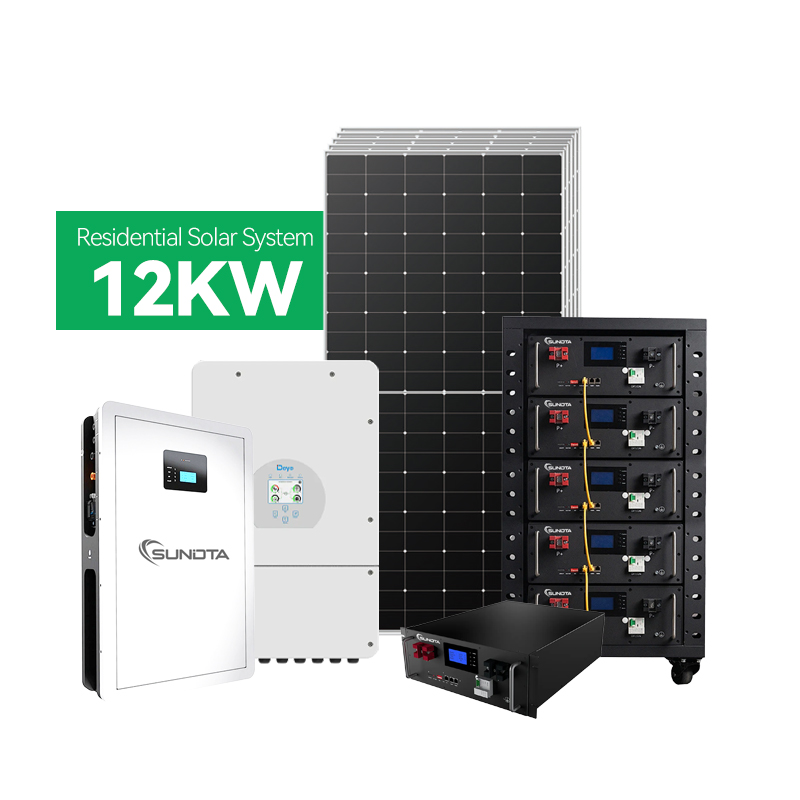
Bulk Price Sundta 12Kw Hybrid Solar Energy Storage System Monocrystalline Silicon 25Kw Battery System
- 12kW High-Yield Inverter Output
- 25kWh Monocrystalline Storage
- Seamless Grid Peak Shaving
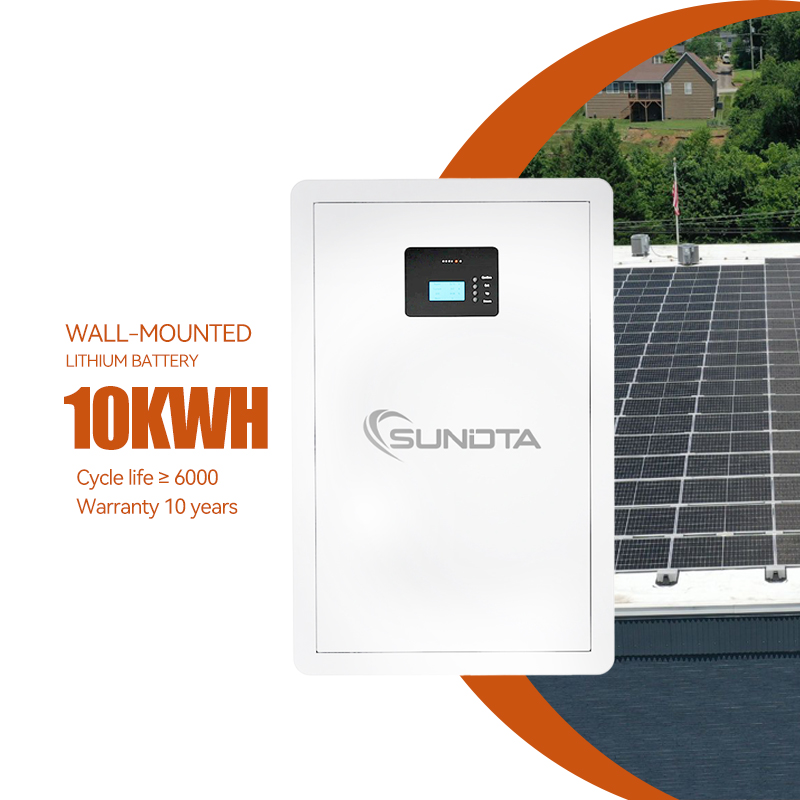
Sundta IP65 10kWh 51.2V 200Ah Wall Mounted LiFePO4 Battery with Smart BMS
- 51.2V 200Ah Deep Cycle Architecture
- Smart BMS CAN/RS485 Protocol
- IP65 Moisture & Cold Protection
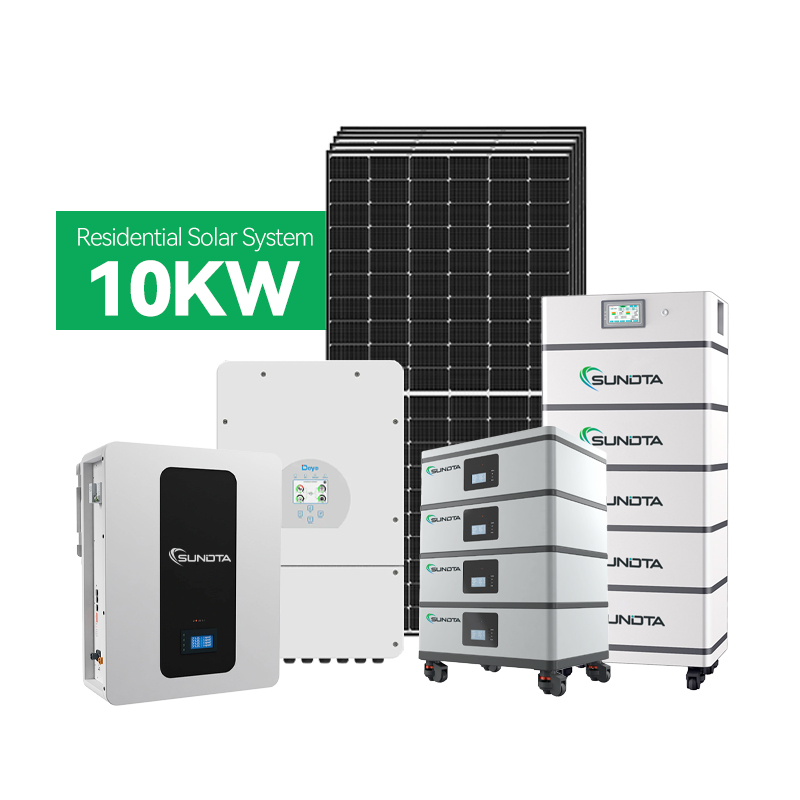
Stock Available Sundta 5KW-20KW Complete Solar Hybrid System Kit with Lithium Battery
- Pre-Configured Inverter & Battery
- Modular Expansion up to 20kW
- Rapid Install Mounting BOM
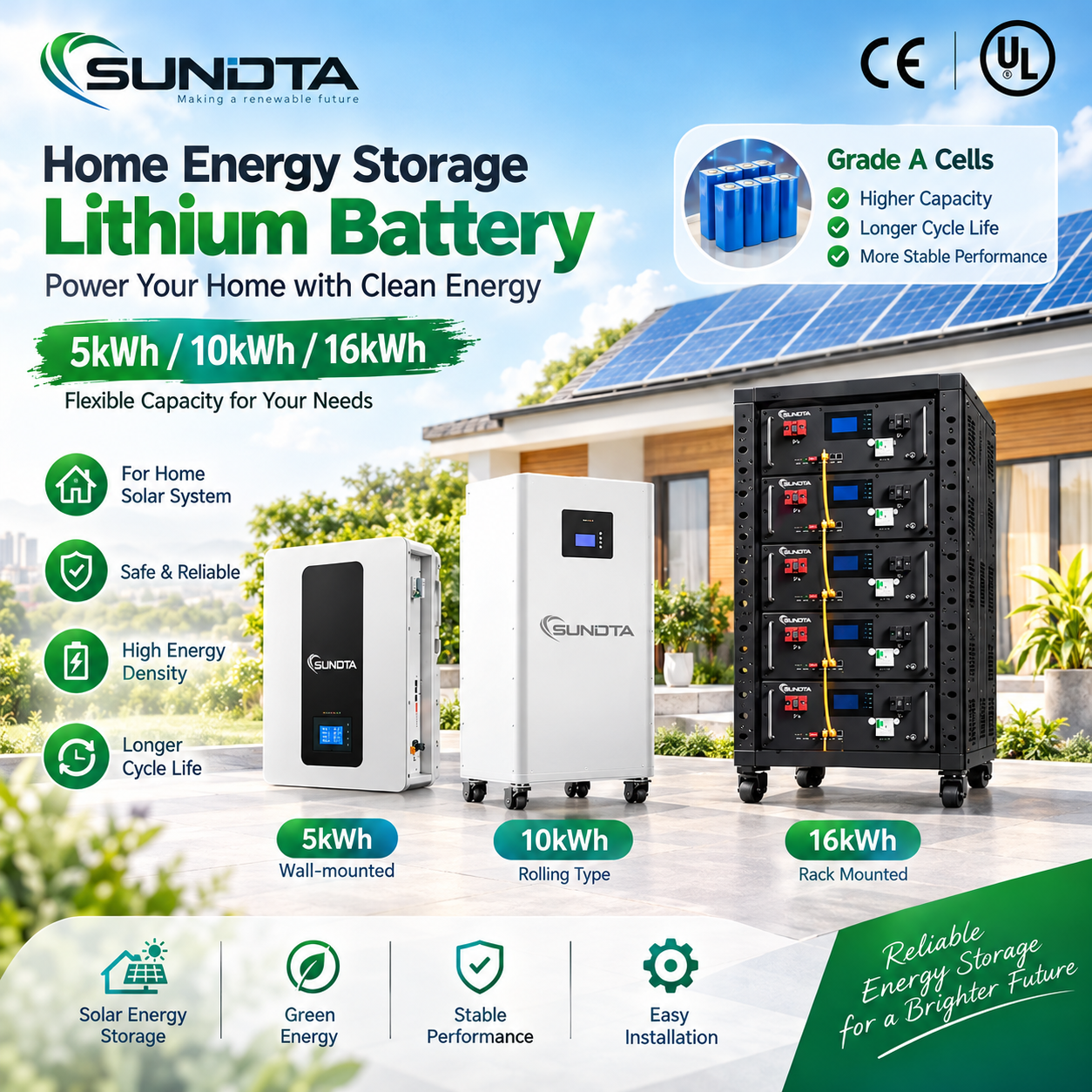
Sundta 51.2V 200Ah 10kWh LiFePO4 Battery Home & Commercial Energy Storage
- 6000+ Cycles @ 80% DoD
- Closed-Loop Inverter Paralleling
- Prismatic Grade A Automotive Cells
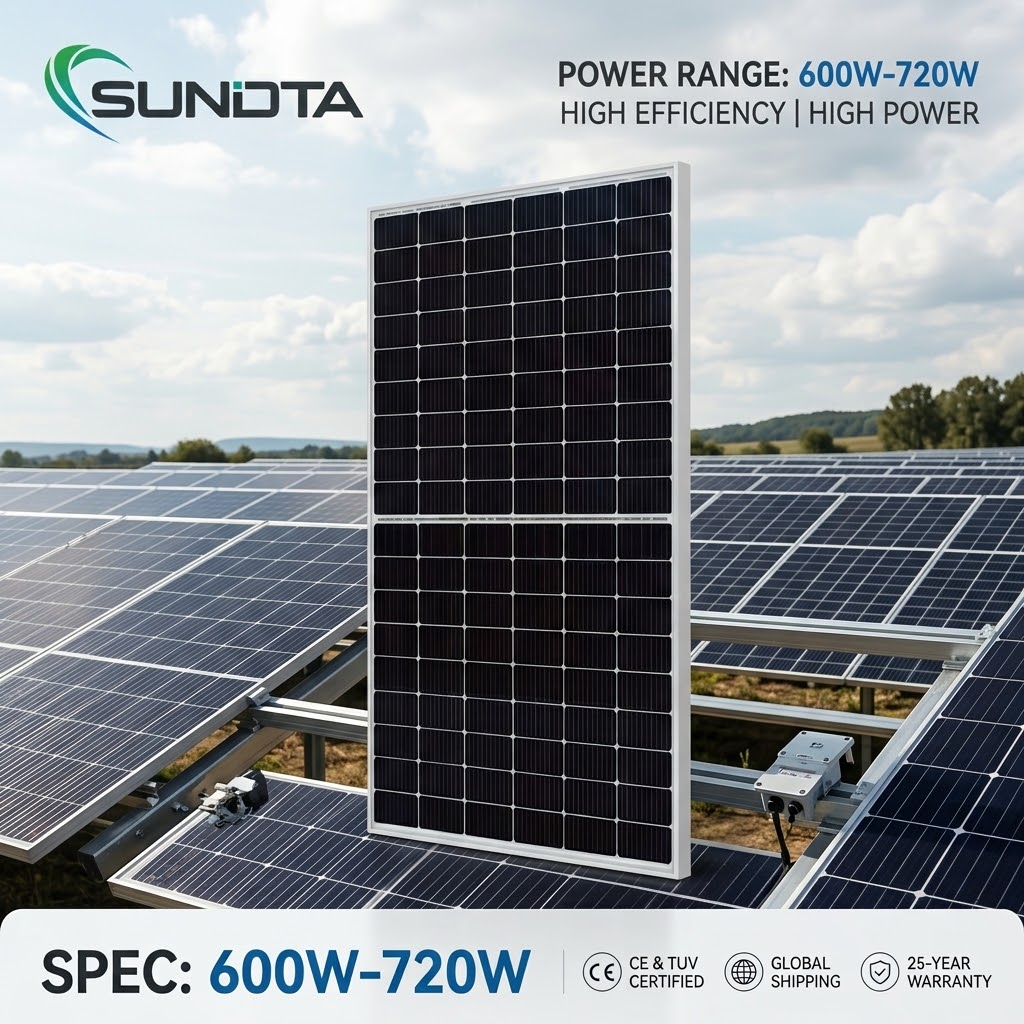
Factory Price SUNDTA 500W-595W Dual-Glass Bifacial PV Module Half-Cut PERC Panel
- Up to 25% Backside Albedo Boost
- 5400 Pa Snow / 2400 Pa Wind Rating
- Heavy Anodized 35mm Frame
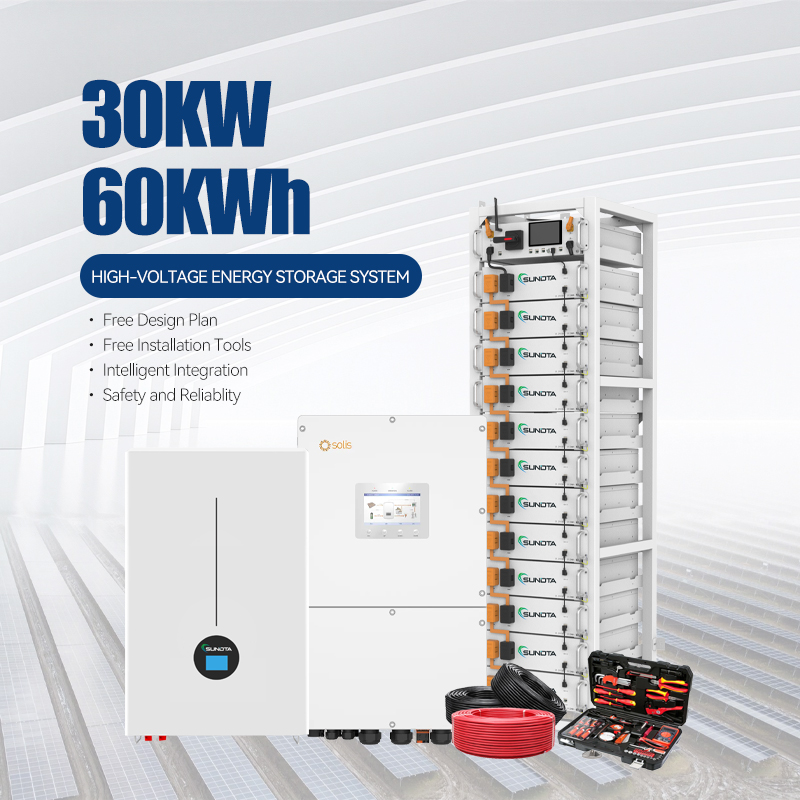
Energy Bank Powerwall 51.2V 314AH 200AH 8KW 10KW 15kWh Battery Pack
- Next-Gen 314Ah Large Cell Format
- Integrated Pre-Charge & Isolation
- Thermal Sensing & Over-Current Trip
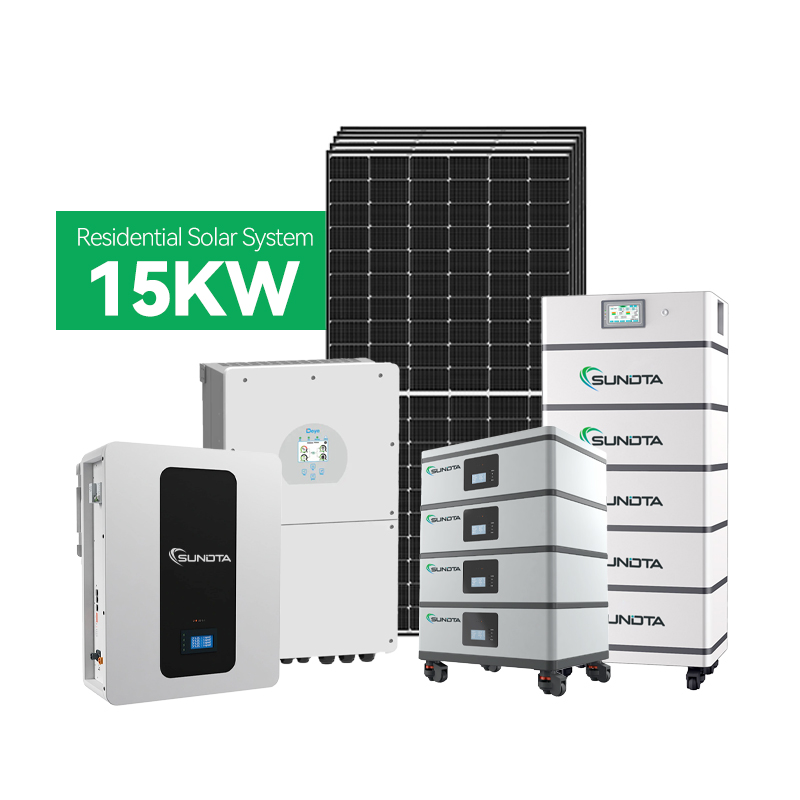
Sundta Hybrid Solar Energy System Kit 5KW 10KW 12KW 15KW Full Set Package
- Engineered Balance-of-System (BOS)
- Factory Tested Inverter & LiFePO4
- Zero-Export / Micro-Gen Compliant
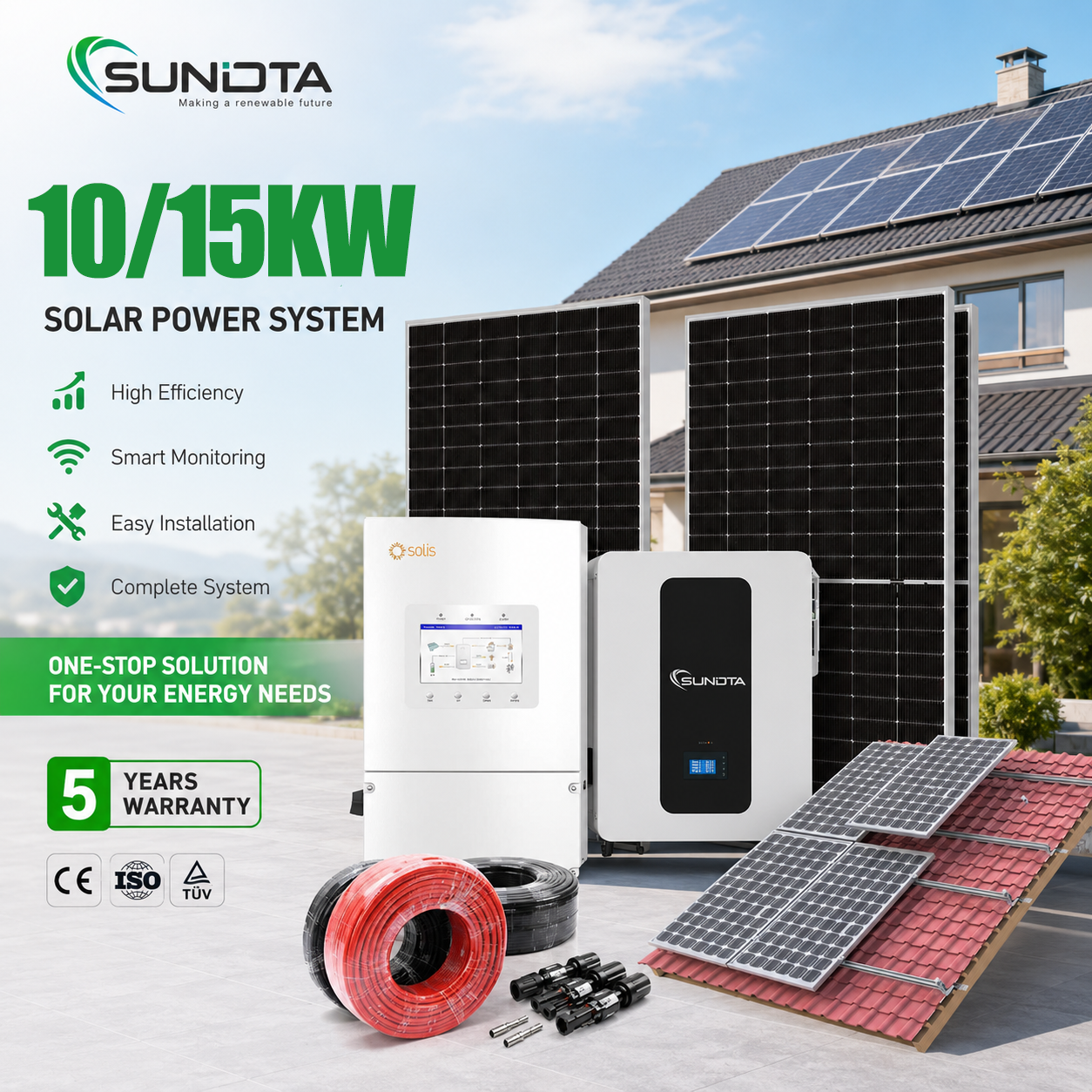
Customized Factory Price 8kW 10kW 15kW On-Off Grid Full Set with Mono Panels & LiFePO4
- On-Grid / Off-Grid Auto Switchover
- Bifacial Mono PV Array Options
- Multi-String MPPT Inverter Tech
Calgary's Solar Irradiance Profile: Capitalizing on Canada's Sun Capital
Calgary boasts one of the most advantageous photovoltaic generation profiles in North America, recording an average of 2,396 hours of bright sunshine per year and roughly 1,290 kWh/kWp in specific yield. However, standard monocrystalline modules calibrated purely for standard testing conditions (STC: 25°C cell temperature) underperform in the real-world operational matrix of southern Alberta. Because photovoltaic cell efficiency correlates inversely with temperature, Calgary’s crisp, sub-zero winter temperatures generate significant voltage increases (Voc temperature coefficient expansion) that must be rigorously matched to inverter MPPT voltage windows to prevent string overvoltage failures.
Engineering for the Chinook Phenomenon: Thermal Fatigue & Mechanical Integrity
Unlike central or eastern Canada, Calgary's proximity to the Canadian Rocky Mountains subjects solar installations to Chinook winds. These meteorological events can elevate ambient temperatures by up to 20°C within hours, followed by rapid sub-zero drops. This repeated, intense thermal expansion and contraction puts enormous strain on photovoltaic cell metallization, solder ribbon joints, and ethylene vinyl acetate (EVA) encapsulants.
Anhui RJV New Energy engineers our commercial bifacial modules and TOPCon cells with multi-busbar (MBB) half-cut architecture and POE (Polyolefin Elastomer) encapsulation. By reducing the physical span of the silicon wafer and splitting the internal operating current, mechanical stress along solder joints is diminished by over 60%, mitigating the micro-crack propagation that typically plagues standard modules installed in the Calgary and Bow Valley corridors.
Bifacial Photovoltaic Physics in Snow Conditions
Ground snow cover in Calgary has an albedo coefficient ranging from 0.60 to 0.85, reflecting significant diffuse radiation onto the rear side of elevated flat-roof or ground-mounted arrays. Our 500W–595W Dual-Glass Bifacial PERC/TOPCon modules provide an active bifaciality factor of 80% ± 5%. When installed at optimal 35°–45° fixed tilt angles on commercial flat roofs (utilizing high-reflectance TPO roofing membranes or white gravel ballasts), backside generation yields a 15% to 27% increase in total kilowatt-hour harvest throughout the winter months, rapidly paying back balance-of-system (BOS) capital costs.
Commercial Application Scenarios
Engineered B2B solar and energy storage configurations customized for local Calgary industry verticals, zoning bylaws, and utility connection rules.
Distribution Hubs & Industrial Warehouses
From Balzac logistics corridors to the industrial southeast (SE) Calgary zones (Foothills, Great Plains), vast low-slope metal roofs represent ideal solar real estate. These systems integrate high-output bifacial modules with three-phase Solis/Deye commercial inverters to flatten expensive peak demand surcharges under ENMAX delivery rate schedules.
- High power-density 595W bifacial modules
- Lightweight ballasted racking integration
- Demand charge mitigation via scheduled ESS
Cold-Storage, Agri-Business & Food Processing
Facilities with uninterrupted refrigeration requirements face steep tariff charges during mid-day electrical pool pricing spikes. Combining 51.2V 200Ah/314Ah LiFePO4 battery banks with commercial solar arrays provides peak shaving and autonomous backup during weather-induced distribution grid dropouts.
- Low-voltage and high-voltage rack battery stacks
- Under-10ms automatic transfer switchover
- CSA-certified balance of system hardware
Commercial Plazas & Corporate Microgrids
Commercial real estate owners leveraging Alberta’s Clean Energy Improvement Program (CEIP) can finance turn-key commercial rooftop installations. Our all-black aesthetic modules and containerized BESS power stations offer high curb appeal, ESG compliance, and export monetisation under Alberta's Micro-Generation Regulation.
- CEIP-compliant equipment verification
- All-black module options for premier architecture
- Bi-directional revenue optimization
Market Trends Reshaping Calgary Commercial PV Procurement
Procuring commercial solar equipment for Alberta requires an intimate understanding of the provincial regulatory framework. As the only fully deregulated electricity wholesale market in Canada, Alberta's power price fluctuations provide distinct financial incentives for commercial distributed generation coupled with energy storage.
| System Architecture Component | Calgary Environmental & Grid Specification | RJV Engineering Advantage | Procurement Impact |
|---|---|---|---|
| Module Snow Loading | Minimum 5,400 Pa front side rating; snow shed release angles >30° | Reinforced 35mm anodized alloy frame with anti-reflective glass | Zero frame deflection under packed wet spring blizzards |
| Cold Weather Voc Margin | Temperature expansion engineered down to -40°C design ambient | String sizing safety calculations embedded in BOM generation | Inverter overvoltage trip prevention across mid-winter peaks |
| BESS Operating Chemistry | UL 1973 / UL 9540A tested LiFePO4 cells with thermal control | Automotive-grade prismatic cells with internal heated BMS paths | Reliable charging performance without thermal cell throttling |
| Inverter Grid Connection | CSA C22.2 No. 107.1 / UL 1741-SB compliance (ENMAX / FortisAlberta) | Turnkey pre-configured Deye, Solis, and RJV custom inverter suites | Rapid interconnection approval under Micro-Gen rules (<5MW) |
| Albedo Snow Reflection | Bifacial backside reflectivity matching TPO or snow (0.60–0.85) | Dual-glass 2.0mm+2.0mm construction with 80% bifaciality factor | Up to 27% increase in LCOE energy harvest Nov–March |
The Alberta Clean Energy Improvement Program (CEIP)
In the City of Calgary, the Clean Energy Improvement Program provides commercial property owners with low-cost, long-term financing tied to the property rather than the business entity. RJV supplies comprehensive module flash reports, TÜV test data, and inverter factory declarations that simplify engineering approval for CEIP designated contractors.
TIER (Technology Innovation and Emissions Reduction) Credits
Commercial and institutional facilities in Calgary generating solar energy above their local baseline can aggregate offset credits under Alberta’s TIER regulation. High-efficiency modules and automated telemetry from RJV’s hybrid systems ensure precise kilowatt-hour tracking required for carbon credit verification and monetisation.
Manufacturing Depth, System-Level Responsibility
Eliminating procurement risks through direct manufacturing control, verified quality testing, and turnkey electrical compatibility.
2 GW Automated Capacity
Fully automated manufacturing facilities featuring precision laser scribing, automated electroluminescence (EL) crack detection, and calibrated flash testing.
TÜV Rheinland Assessed
Operations and quality systems audited and certified on-site by TÜV Rheinland. Full model-level compliance documentation provided with every container.
Unified PV & Storage BOM
We eliminate commissioning failures by matching module current/voltage specs, inverter MPPT windows, and LiFePO4 battery BMS CAN protocols prior to shipment.
Dedicated Engineering Support
Our bilingual electrical engineering group assists Calgary EPCs with string calculations, CAD layout guidance, and custom OEM/ODM packaging requests.
Frequently Asked Questions by Local Installers & EPCs
Direct answers concerning certification standards, shipping logistics to Calgary, cold climate tolerances, and system compatibility.
Are your solar panels and inverters certified for electrical permitting in Alberta?
Yes. Commercial solar equipment installed within the City of Calgary and surrounding jurisdictions (Rocky View County, Foothills County) must comply with Canadian Electrical Code (CEC) standards. Our modules conform to IEC 61215 / IEC 61730 and hold international certifications equivalent to UL 61730 / CSA standards. Inverters supplied (including Deye, Solis, and RJV platforms) carry UL 1741, CSA C22.2 No. 107.1, and IEEE 1547 certifications, ensuring compliant permitting through ENMAX Power or FortisAlberta.
How do RJV bifacial solar panels perform under heavy Calgary snowfall?
Our bifacial modules are engineered with dual 2.0mm tempered glass and robust 35mm anodized aluminum frames rated for a front static mechanical snow load of 5,400 Pa. Furthermore, dual-glass panels warm faster than polymer backsheet panels when sunlight strikes the rear surface via ground albedo reflection off snow, accelerating the natural shedding of snow cover from the front glass.
What are the shipping routes, lead times, and Incoterms for delivery to Calgary?
We routinely ship under CIF or DDP terms. Ocean containers depart directly from major ports (Shanghai/Ningbo) to the Port of Vancouver, British Columbia, followed by bonded Canadian Pacific (CPKC) or Canadian National (CN) intermodal rail transfer directly into Calgary intermodal terminals (Alyth Yard / Conrich). Transit times generally range from 22 to 32 days from vessel departure to Calgary customs clearance.
How do your LiFePO4 battery storage systems operate in sub-zero winters?
Lithium iron phosphate (LiFePO4) chemistry must not be charged below 0°C without thermal conditioning. Our commercial battery systems and IP65 powerwalls incorporate smart BMS modules with integrated low-temperature cutoffs, as well as optional internal heating pads powered by incoming solar power to ensure battery cells remain within their optimum 15°C to 25°C operating band before charging cycles commence.
Can I customize module branding or receive complete pre-wired balance-of-system kits?
Yes. We offer extensive OEM and custom labeling services for distributors and EPC developers. We also engineer and bundle complete turnkey kits—including PV modules, matching hybrid inverters, DC combiners, ESS cabinets, and cable runs—ensuring single-source accountability and plug-and-play commissioning on site.
Ready to Scale Your Commercial Solar Projects in Calgary?
Contact our engineering desk today for containerized FOB/CIF pricing, full IEC/CSA technical datasheets, and complete electrical string compatibility analysis tailored to your upcoming Alberta tender.