High-Efficiency Modules, Inverters & Storage Available for Barisal Commercial & Residential Projects
Engineered for maximum kilowatt-hour yield in tropical riverine climates. Directly matched with closed-loop CAN bus smart lithium storage systems to eliminate local project downtime.
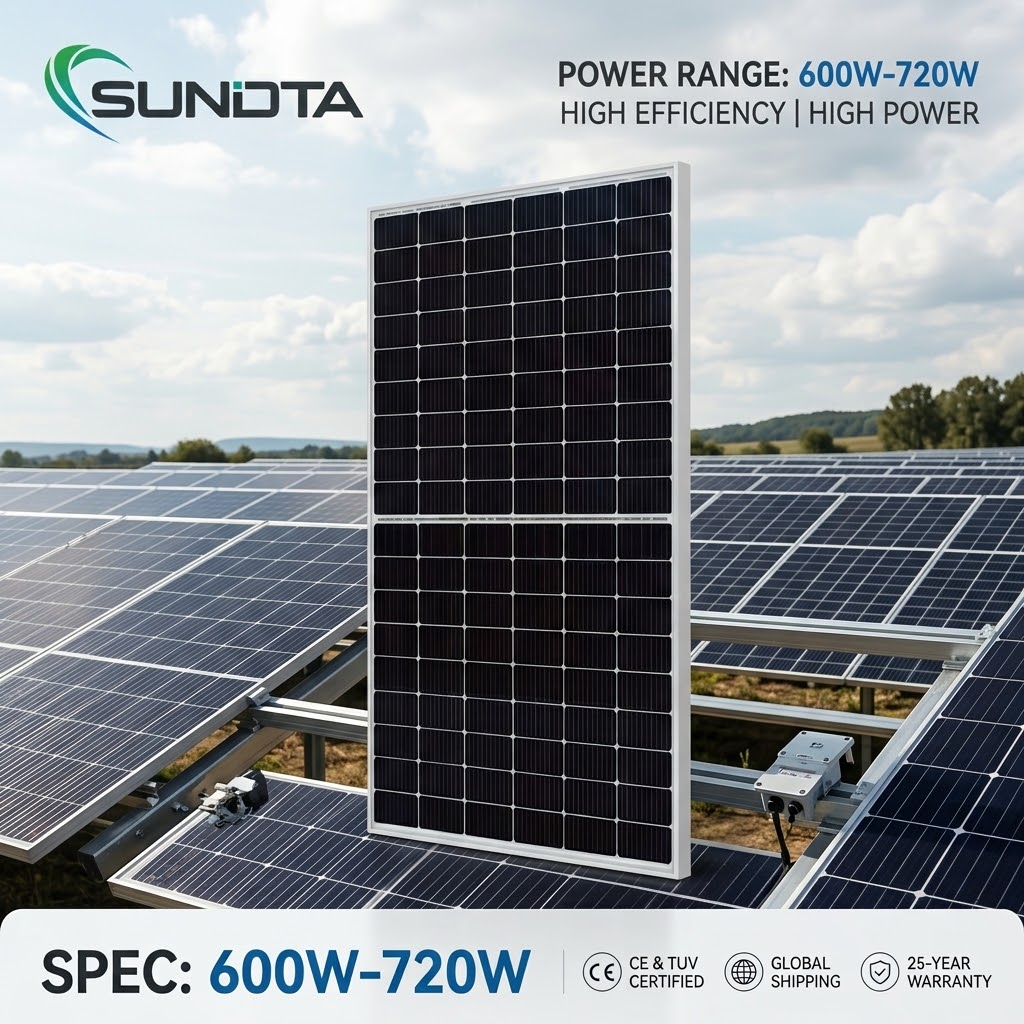
Factory Price SUNDTA 500W-595W Black Glass Bifacial PV Module 23.03% Efficiency Half-Cut PERC Solar Panel for Home Energy System
- Dual-glass anti-corrosion barrier
- High albedo rear generation yield
- Zero PID micro-crack resistance
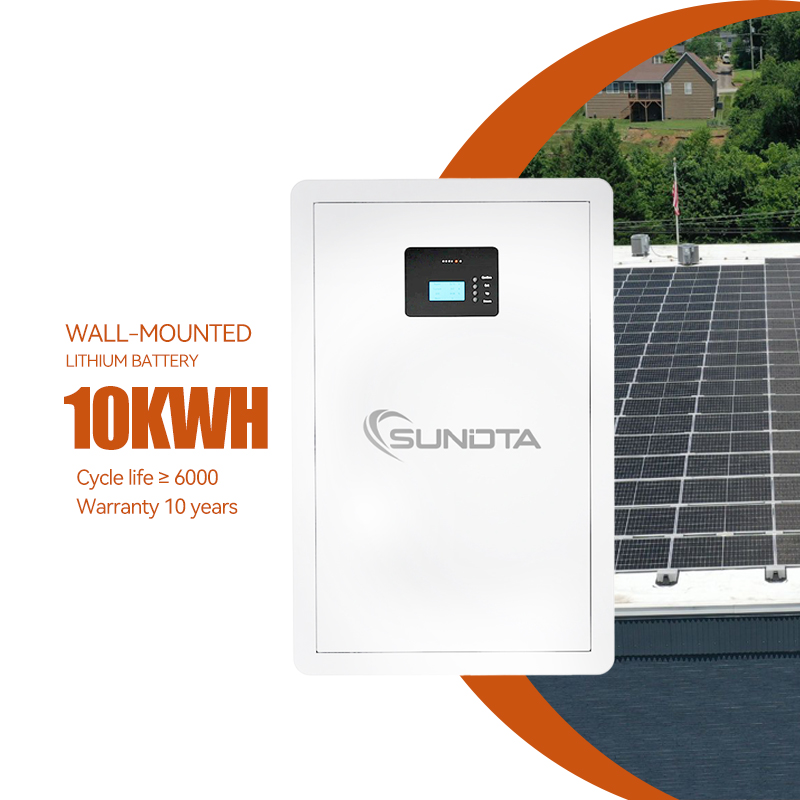
Sundta IP65 10kWh 51.2V 200Ah Wall Mounted LiFePO4 Battery for Home Solar Storage with Smart BMS
- 51.2V 200Ah automotive-grade cells
- Smart BMS with CAN/RS485 interface
- 6,000+ deep cycles at 80% DoD
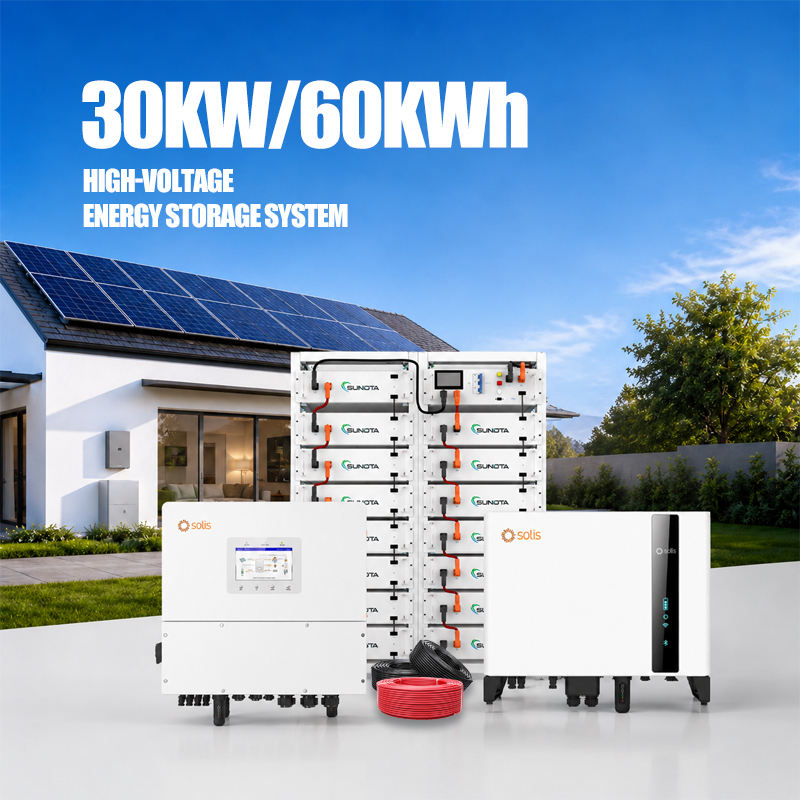
51.2V Split All-in-One Solar Battery Inverter System 30kWh 30kWh LiFePO4 Energy Storage Backup Power Hybrid CAN CE Long Warranty
- Integrated hybrid power conversion
- Seamless <10ms UPS cutover
- Heavy duty commercial duty cycle
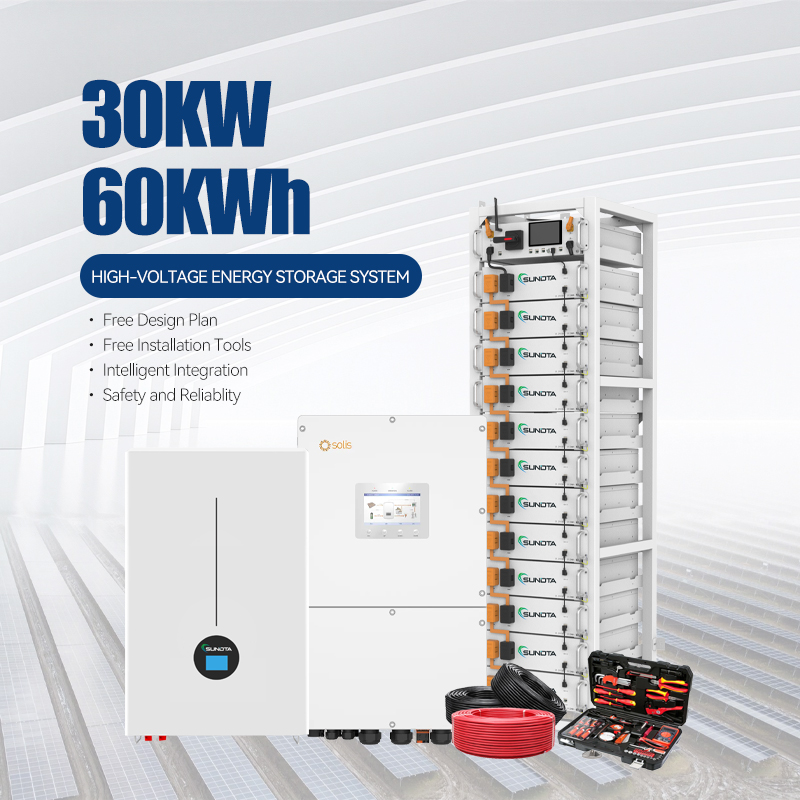
Energy Bank Powerwall 51.2V 314AH 200AH 8KW 10KW Lithium Battery Sell Home Solar Battery 15kwh Battery Pack for Home Energy
- Ultra-dense 314Ah prismatic cells
- Compatible with Deye, Solis, Growatt
- Thermal runaway prevention shell
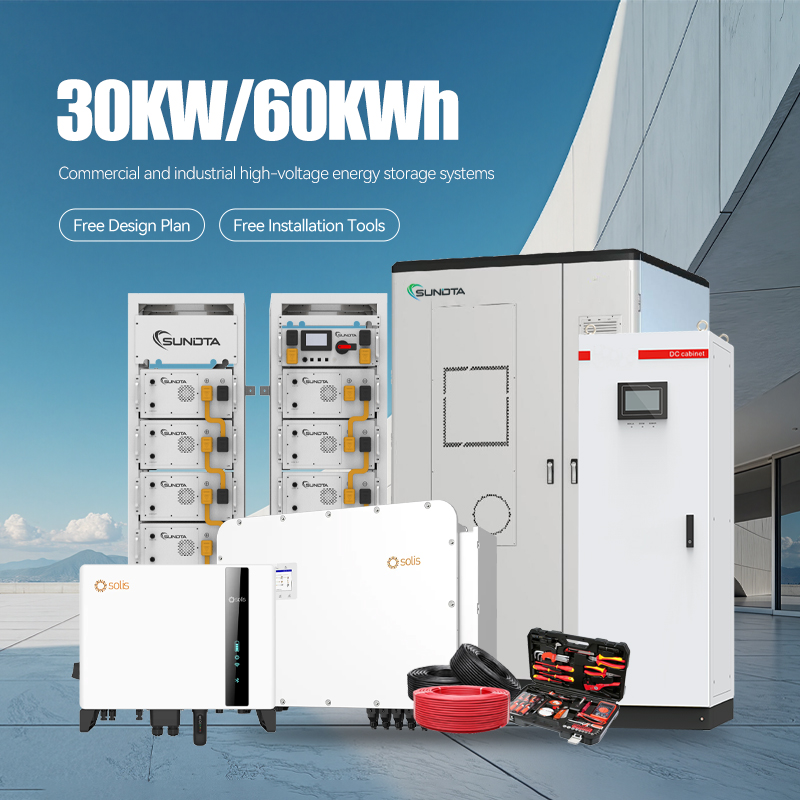
30KWH 51.2V 314AH LiFePO4 Battery Solar Energy Home Energy Storage 48v Solar Battery ALL in ONE SOLAR POWER SYSTEM
- Pre-wired plug-and-play architecture
- Intelligent cell balancing BMS
- High ambient temperature tolerance
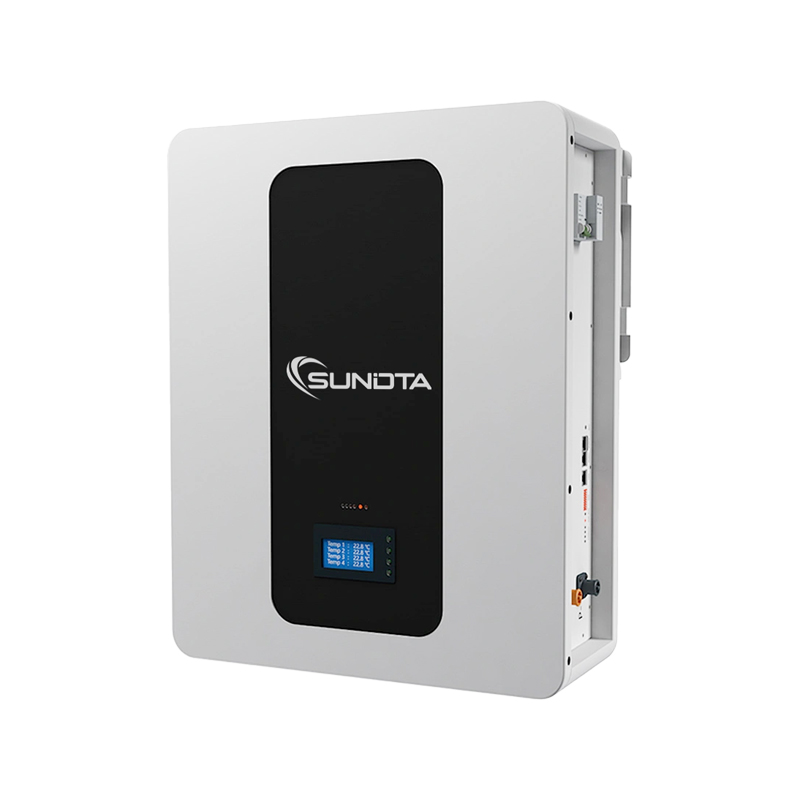
Sundta EU Warehouse 48V/51.2V LiFePO4 Lithium Ion Battery 10kWh Solar Home Energy Storage System Wall-Mounted 200Ah Capacity
- Multi-unit parallel expansion
- Real-time SOC monitoring screen
- Multi-tiered overcurrent circuit
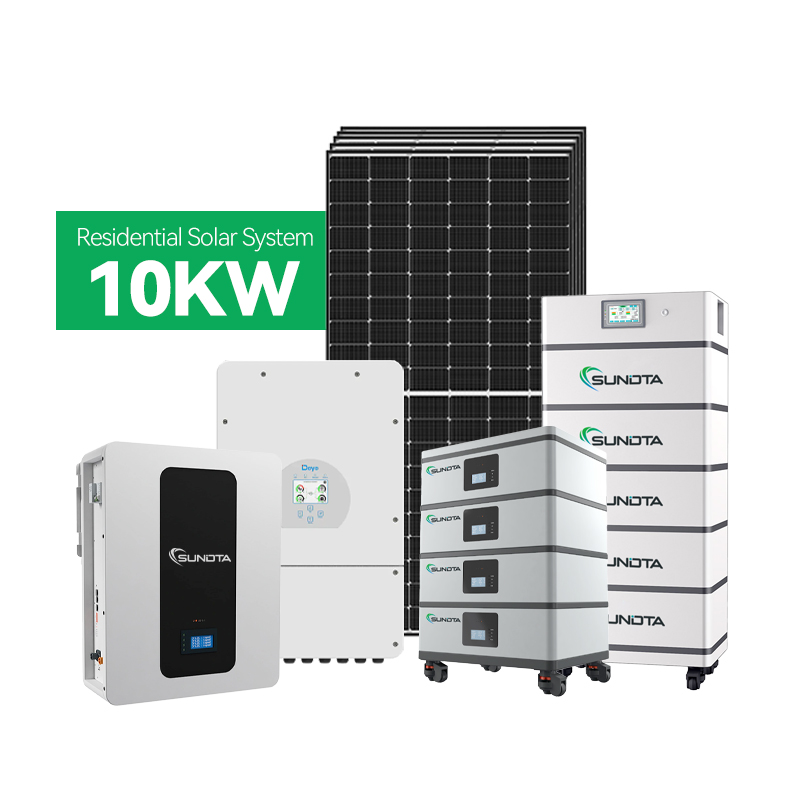
2026 Sundta Low Price 10KW 12KW Hybrid Solar System for Home Use with Lifepo4 Battery and BMS System
- Dual MPPT tracking efficiency >99.9%
- Generator autostart dry contact
- Complete balance of system included
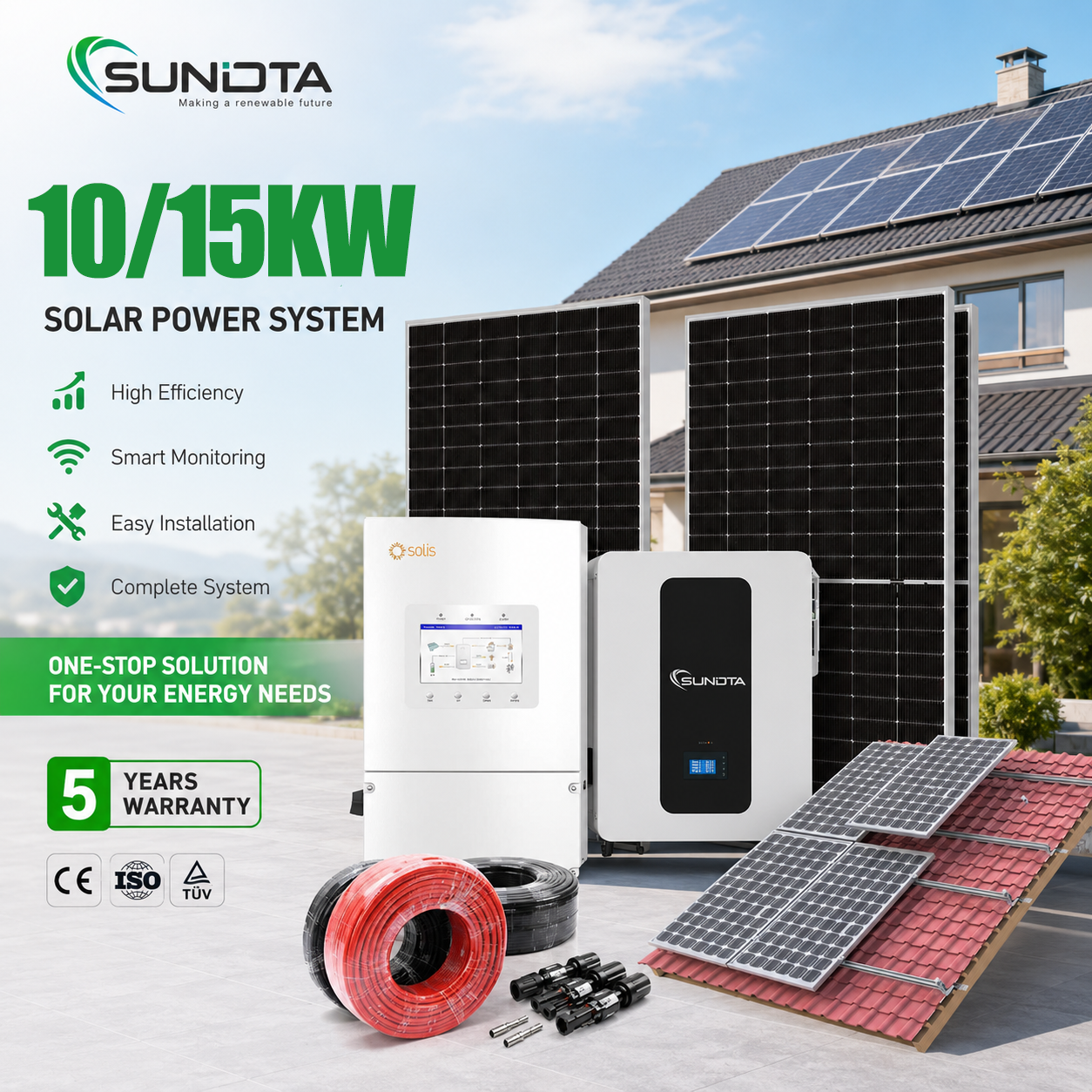
Customized Factory Price 8kW 10kW 15kW On-Off Grid Solar System Full Set with Mono Solar Panel & Lithium LiFePO4 Battery
- Engineered for unstable rural grids
- Anti-salinity aluminum mounting racks
- Full containerized BOM dispatch
Why Heterojunction (HJT) Architecture Outperforms Conventional PV in the Barisal Delta
A thermodynamic, degradation, and yield assessment of N-type silicon wafer heterojunction technology under southern Bangladesh's extreme ambient moisture, coastal saline air, and elevated thermal coefficients.
The Barisal Division—spanning the southern delta plain encompassing Barisal Sadar, Bhola, Patuakhali, Jhalokati, Pirojpur, and Barguna—presents one of the most mechanically demanding microclimates in South Asia for solar photovoltaic generation. Situated at the estuary of the Ganges-Brahmaputra-Meghna basin and fronting the Bay of Bengal, Barisal experiences sustained relative humidity levels exceeding 82% to 90% during the prolonged monsoon, summer ambient temperatures surging above 38°C (translating to solar module operational surface temperatures beyond 68°C), and substantial saline atmospheric deposition. For engineering procurement and construction (EPC) contractors, industrial rooftop owners, and off-grid mini-grid developers, selecting traditional P-type PERC or even standard N-type TOPCon modules frequently results in premature degradation, thermal yield throttling, and elevated Levelized Cost of Electricity (LCOE).
Heterojunction with Intrinsic Thin Layer (HJT) technology directly mitigates these localized geographic stressors. By sandwiching an N-type crystalline silicon wafer between ultra-thin layers of intrinsic and doped amorphous silicon (a-Si:H), capped with a transparent conductive oxide (TCO) layer, HJT creates a symmetrical, low-temperature manufacturing cell architecture that eliminates the vulnerability vectors inherent in diffused-junction cells.
Superior Temperature Coefficient (-0.26%/°C)
While standard PERC panels suffer power degradation rates of -0.37%/°C to -0.40%/°C and TOPCon hovers around -0.30%/°C, HJT operates at an ultra-low -0.26%/°C. Under Barisal’s extreme 68°C module operating conditions, HJT delivers an immediate 4.2% to 7.8% higher relative power output during peak insolation hours.
True 90%±5% Bifaciality Factor
HJT’s naturally symmetrical bifacial cell structure yields rear-side generation factors between 85% and 95%, compared to 70% for PERC and 80% for TOPCon. Installed above reflective pond surfaces in Barisal fish farms (Aqua-PV) or light-colored industrial rooftops, rear-side gain generates an additional 12% to 22% gross kWh yield.
Complete PID, LID & Moisture Immunity
Due to the protective TCO conductive layer and N-type substrate devoid of boron-oxygen defects, HJT exhibits zero Light-Induced Degradation (LID) and zero Potential-Induced Degradation (PID). Symmetrical dual-glass encapsulation provides an impenetrable barrier against coastal saline vapor and river fog.
| Performance Parameter | Standard P-Type PERC | N-Type TOPCon | Anhui RJV / Sundta HJT Module | Field Advantage in Barisal |
|---|---|---|---|---|
| Cell Architecture | Diffused P-Type (Al-BSF / Passivated) | Tunnel Oxide Passivated Contact | Amorphous/Crystalline Heterojunction | Eliminates high-temperature junction fatigue |
| Temperature Coefficient (Pmax) | -0.370 % / °C | -0.300 % / °C | -0.260 % / °C | Saves up to 6.8% daytime energy loss in summer |
| Bifaciality Factor | 70% ± 5% | 80% ± 5% | 90% ± 5% | Massive rear harvest over rivers, canals & sands |
| First-Year Degradation | ≤ 2.0% | ≤ 1.0% | ≤ 1.0% | Full output guarantee from day one of grid sync |
| Annual Linear Degradation | 0.55% / year | 0.40% / year | 0.375% / year | 30-Year power retention exceeding 88.0% |
| PID / Damp Heat Resistance | Moderate risk under 85% RH | Sensitive to front grid moisture | Impermeable TCO + Dual Glass | Withstands monsoon downpours and Meghna saline fog |
Thermodynamic Equilibrium and Microclimate Resistance
In standard field installations across Bakerganj or the southern delta coastal rim, the solar cell operates well above the standard test condition (STC) of 25°C. When ambient air reaches 36°C with minimal coastal wind dispersion, cell core temperatures easily reach 65°C to 70°C. Standard solar modules lose substantial operational voltage (Voc) under this thermal stress. Because HJT has an exceptionally high open-circuit voltage (Voc > 750mV per cell compared to ~690mV for PERC), its bandgap interface preserves carrier mobility, making it uniquely efficient under the diffuse, high-haze sunlight characteristic of Bangladesh's pre-monsoon and monsoon seasons.
Furthermore, mechanical wind shear induced by Bay of Bengal tropical depressions and cyclones demands robust mechanical durability. Our HJT and high-efficiency bifacial assemblies are constructed with 2.0mm+2.0mm heat-strengthened glass and 35mm-40mm anodized aluminum frames rated for 5,400 Pa front snow/wind loads and 2,400 Pa rear wind uplift, ensuring zero cell micro-cracking during heavy seasonal gales.
High-Impact Deployment Scenarios in the Barisal Industrial & Rural Ecosystem
Custom-engineered solar configurations matched to the distinct commercial profiles, agricultural processing centers, and geographically isolated riverine communities of Southern Bangladesh.
Agri-Photovoltaics & Cold Chain Storage (Patuakhali & Barguna)
Seafood processing and shrimp aquaculture require non-stop refrigeration. Coupling rooftop and canal-bank HJT bifacial arrays with our 30kWh to 100kWh LiFePO4 batteries prevents thousands of dollars in spoilage during frequent grid blackouts while utilizing water reflection to maximize rear-side power gains.
Char Island Hybrid Microgrids (Bhola & Meghna River Islands)
Remote chars disconnected from the national grid rely on expensive diesel fuel. Our turn-key off-grid solar-plus-storage platforms replace noisy generators with clean, 24/7 continuous power for rural markets, hospitals, and telecommunication towers with sub-10ms automatic failover.
Industrial Rice Mills & Jute Processing (Barisal Sadar & Jhalokati)
Heavy induction motors in rice parboiling and milling generate heavy reactive loads. RJV’s multi-MPPT high-voltage three-phase hybrid inverters paired with HJT panels stabilize factory busbars, perform peak tariff shaving, and eliminate reliance on volatile grid tariffs.
Payra Port Logistics & Coastal Infrastructure
Maritime handling centers, warehouses, and naval docks along the Payra Deep Sea Port corridor face extreme airborne salinity. The corrosion-proof dual-glass framing of our HJT and bifacial modules meets IEC 61701 Severity 6 salt-mist standards, ensuring uninterrupted 30-year operational lifetimes.
Barisal's Renewable Trajectory: Net Metering, Diesel Displacement, and Grid Modernization
Navigating the regulatory landscape of SREDA, BPDB, WZPDCL, and the economic shift toward private renewable asset ownership in southern Bangladesh.
Bangladesh's power generation landscape is experiencing an structural transition. The Sustainable and Renewable Energy Development Authority (SREDA) alongside the Ministry of Power, Energy and Mineral Resources have accelerated national renewable adoption targets to achieve over 4,000 MW of green capacity. Within the West Zone Power Distribution Company (WZPDCL) and Bangladesh Rural Electrification Board (BREB) operational jurisdictions covering Barisal, electricity tariffs for industrial (LT-D2, HT-3) and commercial consumers have increased steadily, creating an overwhelming financial case for commercial captive solar installations.
Economic Impact of Net Metering Guidelines in Southern Bangladesh
Under the revised Bangladesh Net Energy Metering (NEM) guidelines, commercial entities with sanctioned loads exceeding 10 kW can connect their solar systems to the WZPDCL/BREB three-phase grid, exporting midday surplus units to offset peak nighttime consumption. Because industrial facilities in the Barisal BSCIC Industrial Area and riverside cargo hubs operate 6 to 7 days a week, self-consumption ratios routinely exceed 75%.
Deploying HJT panels instead of standard PERC dramatically increases net-metered financial yield. Given HJT's higher kilowatt-hour output per installed peak watt (Wp) in hot climates, developers in Barisal typically realize an additional 8% to 11% in monthly export revenue or bill reductions, compressing project payback periods from 5.4 years down to approximately 4.1 years.
Logistics Advantage: Direct Dispatch via Mongla & Chittagong Ports
Shipping large-scale solar project equipment into Barisal has historically faced infrastructural hurdles. However, with the inauguration of the Padma Multipurpose Bridge and upgraded coastal highways, importing equipment through Mongla Port provides a swift 3 to 4 hour direct land transit route directly into Barisal Sadar, Patuakhali, and Payra. Anhui RJV New Energy manages turnkey export logistics from Shanghai, Ningbo, and Shenzhen ports directly to Mongla and Chattogram (Chittagong), providing complete customs documentation, LC compliance, clean bills of lading, and verified pre-shipment inspections.
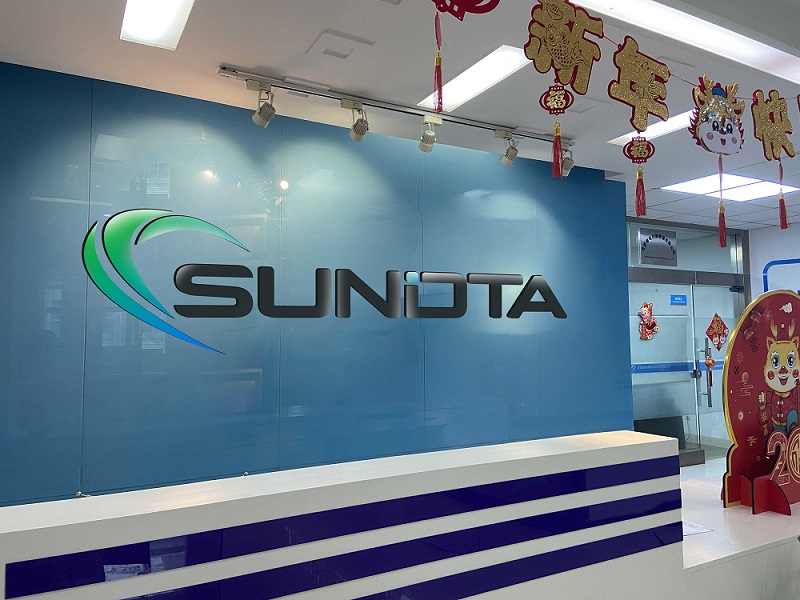
Engineered by Anhui RJV New Energy: Tier-1 Production Standards & Verified Integrity
Combining 12+ years of photovotaic R&D with multi-gigawatt automated production lines in Hefei, China, delivering bankable clean tech hardware to commercial importers across the globe.
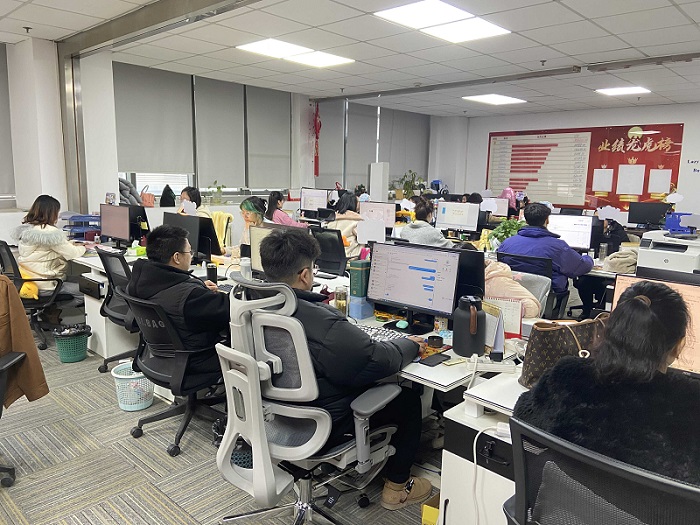
Advanced Module Manufacturing
Our fully automated Hefei manufacturing base employs continuous optical inspection, multi-busbar (SMBB) laser cutting, and vacuum lamination ensuring void-free cell encapsulation.
Seamless Inverter & BMS Interoperability
We work closely with global leaders like Deye and Solis. Our 51.2V and high-voltage LiFePO4 batteries feature pre-programmed CAN/RS485 firmware protocols for true plug-and-play synchronization.
Rigorous Quality & Flash Data Tracking
Every single module shipped to Bangladesh includes barcode-tracked IV curve flash test data, EL (electroluminescence) crack-free validation reports, and comprehensive IEC/CE compliance dossiers.
24/7 Dedicated Engineering Desk
From initial PVsyst string sizing and SLD electrical drawings to remote inverter commissioning and firmware adjustments, our project engineers support your field staff across every phase.

 TÜV Assessed
 CE Standard
Frequently Asked Questions by Importers, Contractors & EPCs in Barisal
Essential guidance on letters of credit, customs handling at Mongla/Chittagong, environmental durability, and complete balance-of-system integration.
Why is Heterojunction (HJT) financially superior to TOPCon and PERC in Barisal's climate?
What payment mechanisms and trade terms are supported for Bangladeshi importers?
Which port of entry is recommended: Mongla or Chattogram (Chittagong)?
How do RJV batteries and inverters withstand coastal humidity and grid volatility?
Can you provide customized OEM system branding and complete balance-of-system kits?
What warranties and after-sales support mechanisms are supplied?
Accelerate Your Next Solar & Storage Project in Barisal
Whether you require a sample pallet of HJT bifacial modules, a customized 15kW residential hybrid package, or multi-megawatt containerized ESS storage, our engineering team is ready to review your project single-line diagram and deliver a competitive factory-direct quote.