Engineered High Voltage Battery Systems & Hybrid Storage
Direct factory supply featuring automotive-grade prismatic LiFePO4 cells, closed-loop CAN/RS485 smart BMS communication, and stackable modular high-voltage architectures for residential autonomy and C&I microgrids.
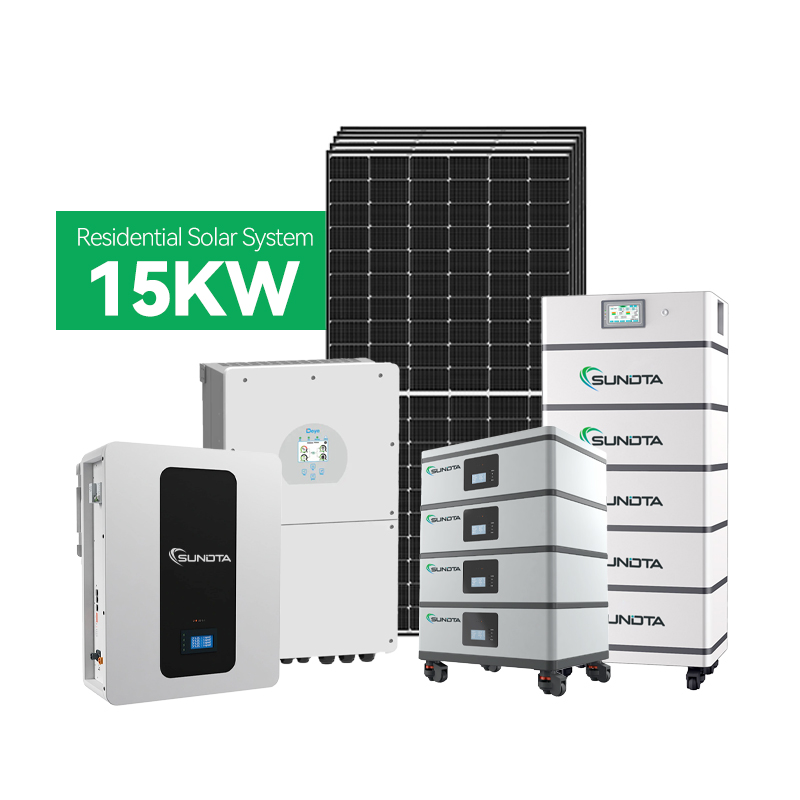
Sundta Hybrid Solar Energy System Kit 5KW 10KW 12KW 15KW Full Set
- Complete Turnkey Solar & LiFePO4 Kit
- Dual MPPT High-Yield Architecture
- Seamless DOMLEC Grid Parallel / Off-Grid
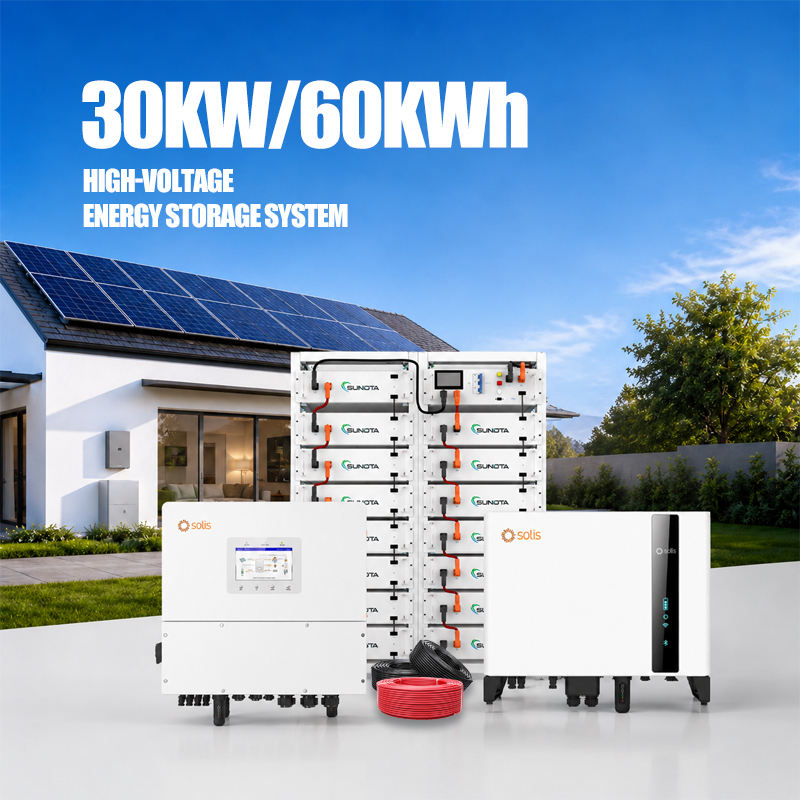
51.2V Split All-in-One Solar Battery Inverter System 30kWh LiFePO4 Power Backup
- Heavy-Duty Split-Phase Output
- Integrated Inverter + Battery Cabinet
- CAN / RS485 Protocol Autodetect
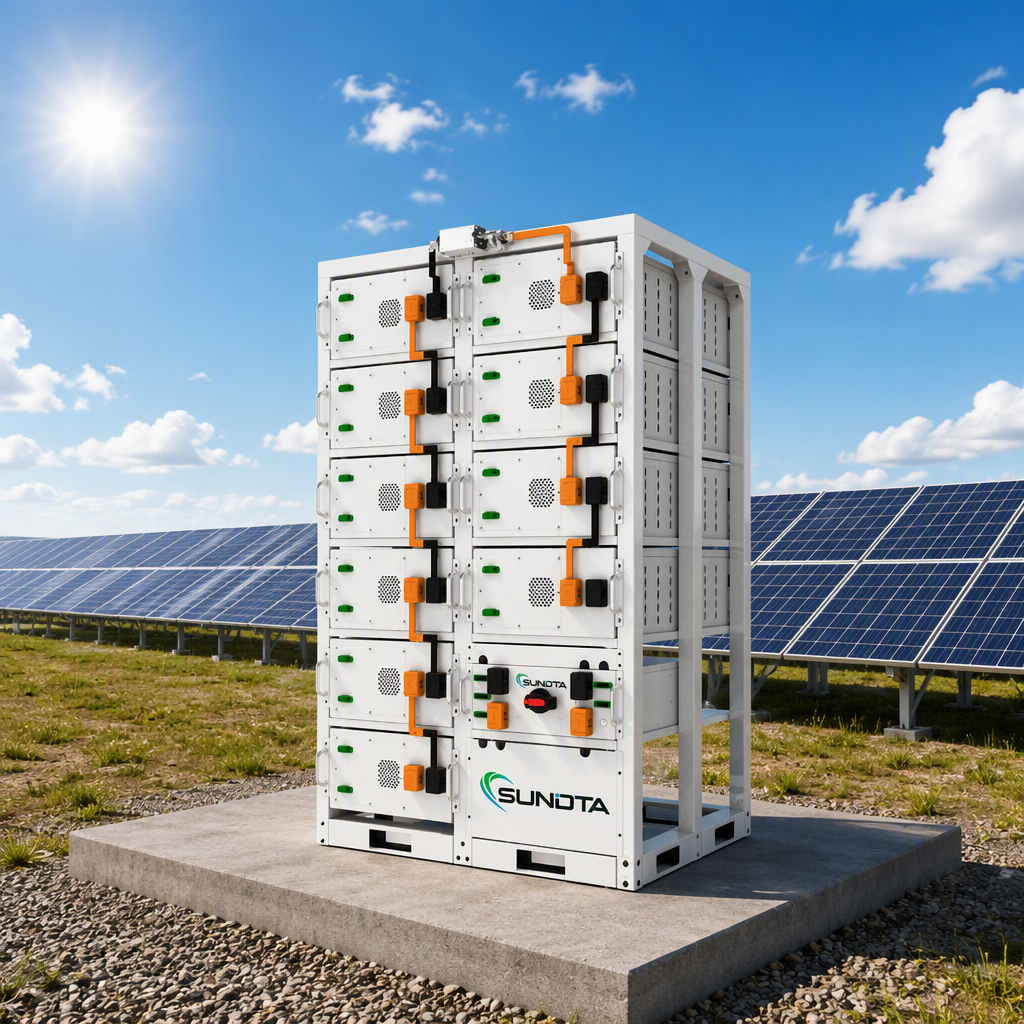
SUNDTA SDT-280 Commercial High Voltage LiFePO4 ESS 40-100kWh Cabinet
- 200V–800V DC High Voltage Stack
- Industrial Air-Cooled Active Balancing
- Ideal for C&I Peak Shaving & Microgrids
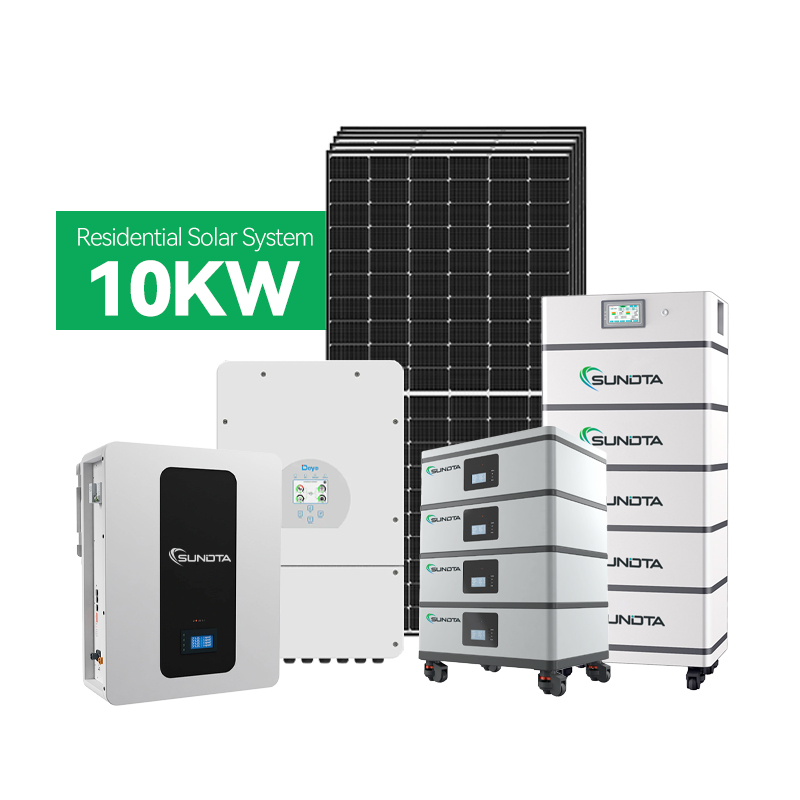
Sundta 5KW 8KW 10KW 12KW 15KW 20KW Hybrid System with Lithium Battery
- Modular Battery Sizing 10kWh–40kWh
- Deye / Solis Matched Firmware
- Zero-Flicker UPS Transfer (<10ms)
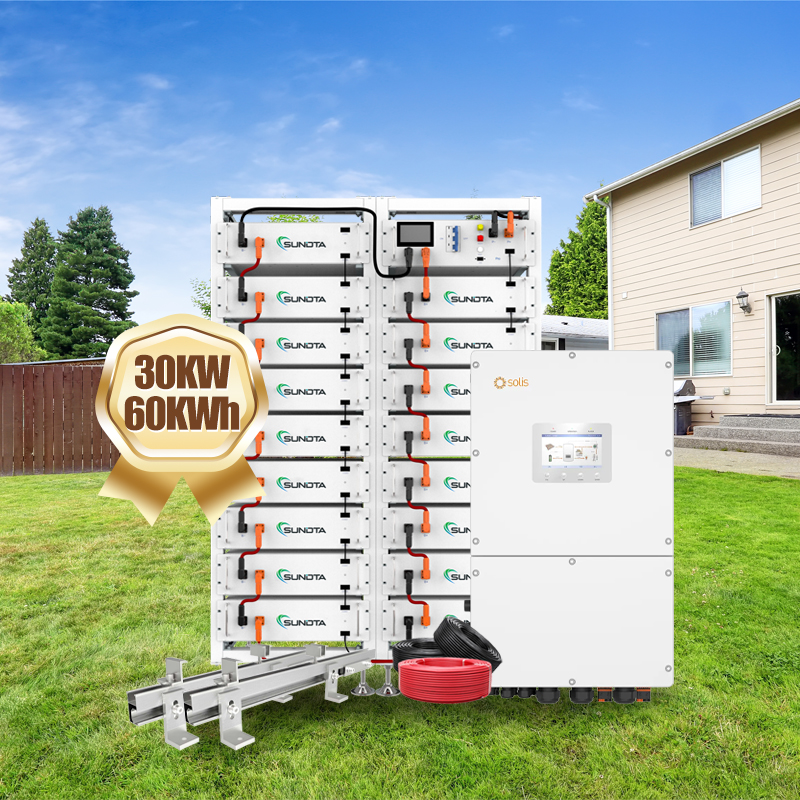
Complete 30kW Solar System 10kW 15kW 20kW 30kW Hybrid Energy System
- Three-Phase 380V/400V Industrial Ready
- CE Marked & Grid-Code Compliant
- Supports Generator Auto-Start Control
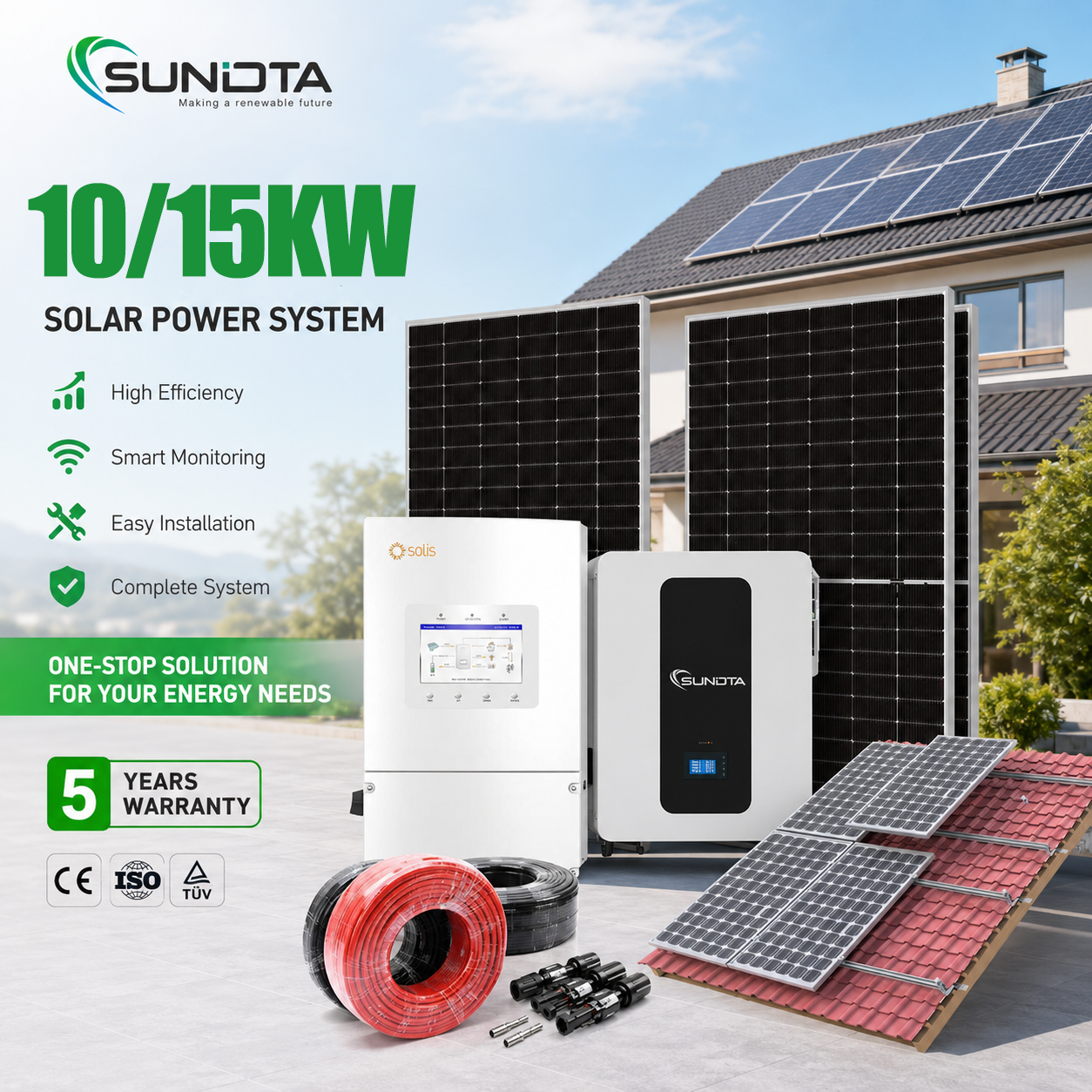
Hybrid 15kWh Inverter System 300Ah Lithium Ion Split Stackable System
- Tool-Free Inter-Module Plug Sockets
- High Surge Tolerance for AC Motor Loads
- Direct Tower Expansion up to 60kWh
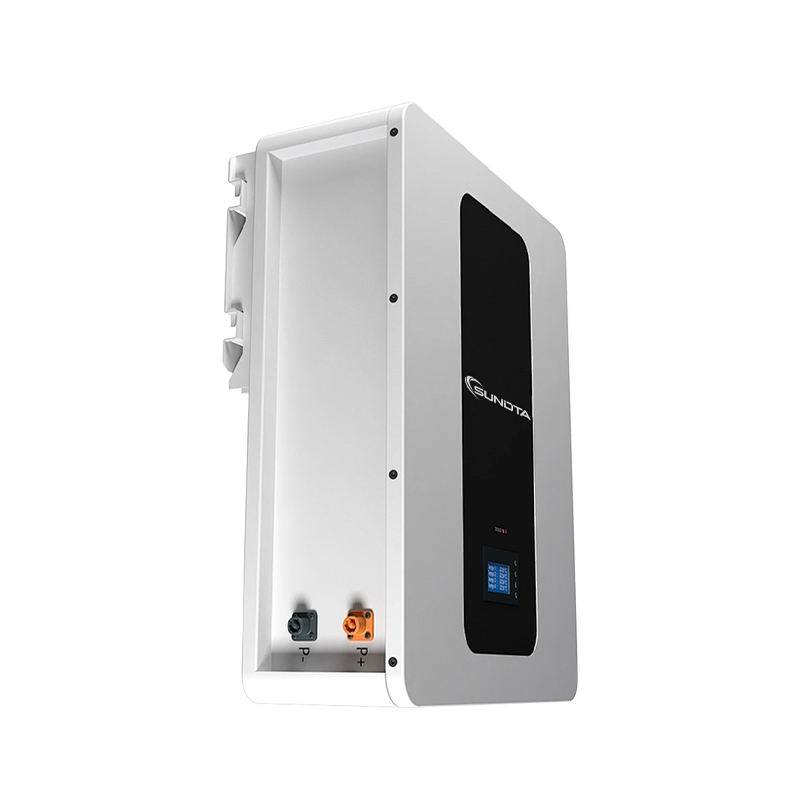
Sundta POLO-W1 LiFePO4 Lithium Battery Wall-Mounted 5kWh Deep Cycle 51.2V
- Marine-Grade Anti-Corrosion Finish
- 6,000+ Cycles at 80% Depth of Discharge
- Compact Wall-Mount Footprint
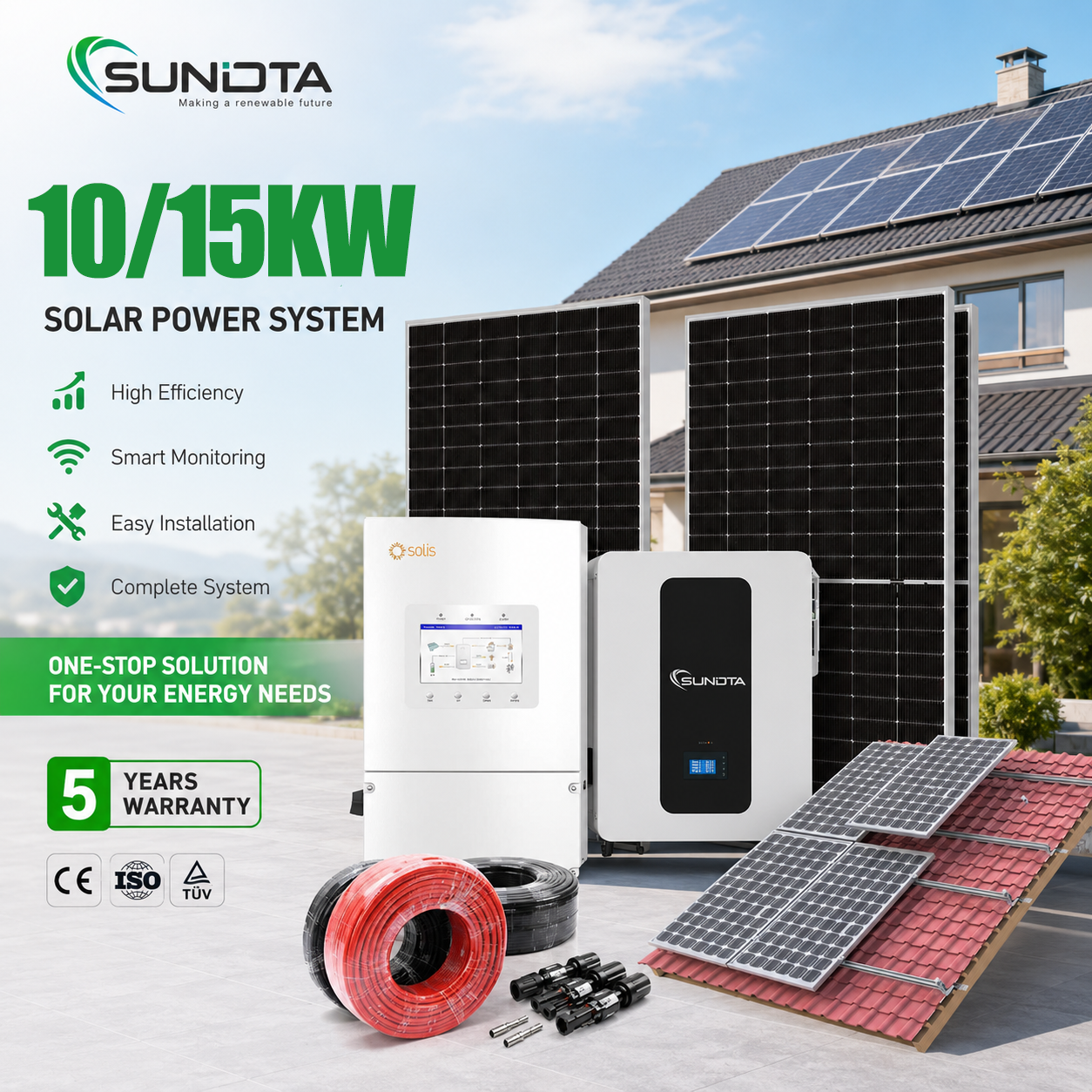
Factory Price 8kW 10kW 15kW On-Off Grid Solar System with LiFePO4 Battery
- N-Type TOPCon High-Efficiency Panels
- Hybrid Inverter with Smart Export Limit
- Hurricane-Resistant Mounting Hardware
High Voltage (HV) Architecture vs. Low Voltage (48V) Systems: The Caribbean Efficiency Mandate
Why modern B2B solar installations across the Commonwealth of Dominica are migrating from legacy 48V low-voltage banks to modular, high-voltage stackable lithium iron phosphate systems.
In island grid territories like Dominica, where ambient operating temperatures routinely exceed 32°C (90°F) with relative humidity above 80%, electrical balance-of-system design requires rigorous thermal and ohmic management. For years, Caribbean off-grid installations relied on heavy 48V DC nominal battery banks. However, supplying a modern 12kW to 50kW continuous inverter load from a 48V DC bus incurs astronomical current demands ($I = P / V$). Drawing 12kW at 48V requires a staggering 250 Amperes continuous current, necessitating thick 4/0 AWG or double 70mm² copper cabling, generating heavy Joule losses ($P_{loss} = I^2 R$), and causing substantial internal heat buildup across battery terminals and circuit breakers.
The High Voltage Stackable Advantage: By connecting Grade-A LiFePO4 cells in series within precision-engineered stackable modules, RJV's high-voltage energy storage systems operate at bus voltages from 200V DC up to 850V DC. Delivering 15kW of power at 400V DC requires less than 38 Amperes. This drastic reduction in current output delivers tangible commercial advantages for Dominican commercial properties, resorts, and critical facilities:
| Engineering Parameter | Traditional 48V Low Voltage Bank | RJV High-Voltage Stackable LiFePO4 | Operational Benefit for Dominica |
|---|---|---|---|
| Operating Current (at 15kW Load) | 312.5 Amps (Extreme heat stress) | 37.5 Amps (Minimal heat generation) | Eliminates terminal thermal runaway risks in tropical climates. |
| Inverter Conversion Topology | Two-stage DC-DC step-up to DC bus | Direct DC bus coupling (no boost stage) | Elevates total system efficiency from ~88% to over 96.5%. |
| Copper Cabling Requirements | Dual 70mm² – 95mm² heavy flex copper | Standard 6mm² – 10mm² solar PV DC wire | Dramatically reduces balance-of-system material and installation costs. |
| Scalability & Footprint | Bulky parallel busbars, large floor footprint | Vertical stacking via quick-connect pins | Saves up to 65% mechanical room floor space in compact properties. |
| BMS Communications | Complex multi-pack master/slave drift | Unified High-Voltage Controller (BDU) | Millivolt-level active cell balancing across all series modules. |
Every stack incorporates our proprietary Battery Disconnect Unit (BDU) / High-Voltage Control Box at the top of the tower. This master unit houses the main contactors, pre-charge resistors, fast-acting DC fuses, surge arresters, and the central intelligence board. The BDU constantly computes State of Charge (SOC) and State of Health (SOH) using extended Kalman filter algorithms, guaranteeing that whether tied to a three-phase commercial Deye or Solis hybrid inverter, the energy system provides instantaneous load support without voltage sag during sudden grid disconnects.
Proven Deployment Scenarios Across Dominica
Customized engineering configurations tailored to the operational demands of Dominica Electricity Services Limited (DOMLEC) grid infrastructure, coastal microclimates, and remote off-grid geography.
Eco-Lodges & Boutique Resorts
Dominica's signature eco-tourism sector—spanning Soufrière, Calibishie, and the Morne Trois Pitons rainforest perimeter—demands silent, zero-emission 24/7 power. Our HV stackable systems eliminate polluting diesel gensets, allowing hospitality operators to maintain air conditioning, water pressurization, and refrigeration silently through battery storage charged by rooftop or ground-mount arrays.
Roseau Commercial & Cold Storage
Commercial facilities and food logistics warehouses in the capital of Roseau and Portsmouth face high peak-demand electricity tariffs from DOMLEC. Our 40kWh to 100kWh HV battery cabinets allow automated peak shaving—discharging during mandatory tariff surge windows and recharging during solar mid-day peaks—lowering operational utility expenditures by up to 45%.
Post-Hurricane Grid Resilience
Following catastrophic storms like Hurricane Maria, the transmission grid can take months to rebuild. RJV stackable LiFePO4 systems feature black-start capability, islanding instantly from the DOMLEC line without backfeeding. Paired with wind-rated solar structures, they serve as indestructible municipal shelters, clinics, and communications command hubs.
Dominica's Transition: National Resilient Energy Policy & Storage Growth
Aligning high-voltage battery storage deployment with the Commonwealth of Dominica's goal of becoming the world's first fully climate-resilient nation.
CREAD Mandates & CRRP 2030
Under the Climate Resilience Execution Agency of Dominica (CREAD) and the Climate Resilience and Recovery Plan (CRRP), the island is fast-tracking decentralized renewable storage. Distributed battery systems relieve grid congestion along coastal 11kV lines, making stackable ESS an integral priority for building codes and commercial permitting.
Displacing Fossil Fuel Surges
Dominica relies heavily on diesel-fired generation at Fond Cole and Sugar Loaf, driving electricity tariffs between US$0.33 and US$0.42 per kWh (heavily affected by global fuel surcharges). High-voltage battery systems deliver a Levelized Cost of Storage (LCOS) well below US$0.10/kWh over a 15-year operational lifecycle, offering rapid ROI.
Customs Duty Relief for Solar
To incentivize energy sovereignty, the Government of the Commonwealth of Dominica provides duty and VAT concessions on certified renewable energy components, including lithium batteries, hybrid inverters, and PV modules. RJV supplies complete import documentation matching Dominica Customs tariff codes for rapid clearance.
Frequently Asked Questions: Importing & Operating High-Voltage Batteries in Dominica
Authoritative technical answers to common questions asked by electrical engineers, EPC contractors, and commercial importers in Roseau, Portsmouth, and Marigot.
How do RJV high-voltage stackable batteries integrate with the DOMLEC utility grid?
How do the battery enclosures hold up against Dominica's coastal salt spray and high humidity?
Can we scale capacity later if our power consumption or resort load increases?
What certifications and maritime safety paperwork do you provide for shipping to Roseau?
How are warranty claims, firmware upgrades, and technical support handled remotely in Dominica?
Why Caribbean EPCs & Distributors Partner with RJV New Energy
From automated Gigawatt-scale manufacturing facilities in Hefei, China, directly to Caribbean installation sites—delivering documented Tier-1 quality control and verified supply chain integrity.
2 GW Annual Capacity
Automated manufacturing lines, laser welding of cell terminals, and fully computerized multi-stage aging testing ensure zero-defect delivery on every container.
TÜV Rheinland Verified
Our complete operations, cleanroom manufacturing environments, and quality management systems are assessed and verified on-site by TÜV Rheinland with full certification transparency.
Grade-A LiFePO4 Chemistry
Zero recycled or secondary B-grade cells. We deploy exclusively brand-new prismatic lithium iron phosphate cells with matched internal resistance (IR) and exact capacity sorting.
One-Stop PV System Sourcing
Eliminate interoperability errors. RJV manufactures and coordinates matching N-Type TOPCon solar modules, hybrid inverters, HV batteries, and balance-of-system components in unified shipments.
Engineer Your Energy Storage Project for Dominica
Whether you require a single 15kWh residential high-voltage stack, a 100kWh commercial hotel storage cabinet, or full containerized MWh equipment for island microgrids, our senior system engineers provide complete single-line diagrams (SLD), sizing audits, and FOB/CIF Roseau quotations within 24 hours.