Hybrid System
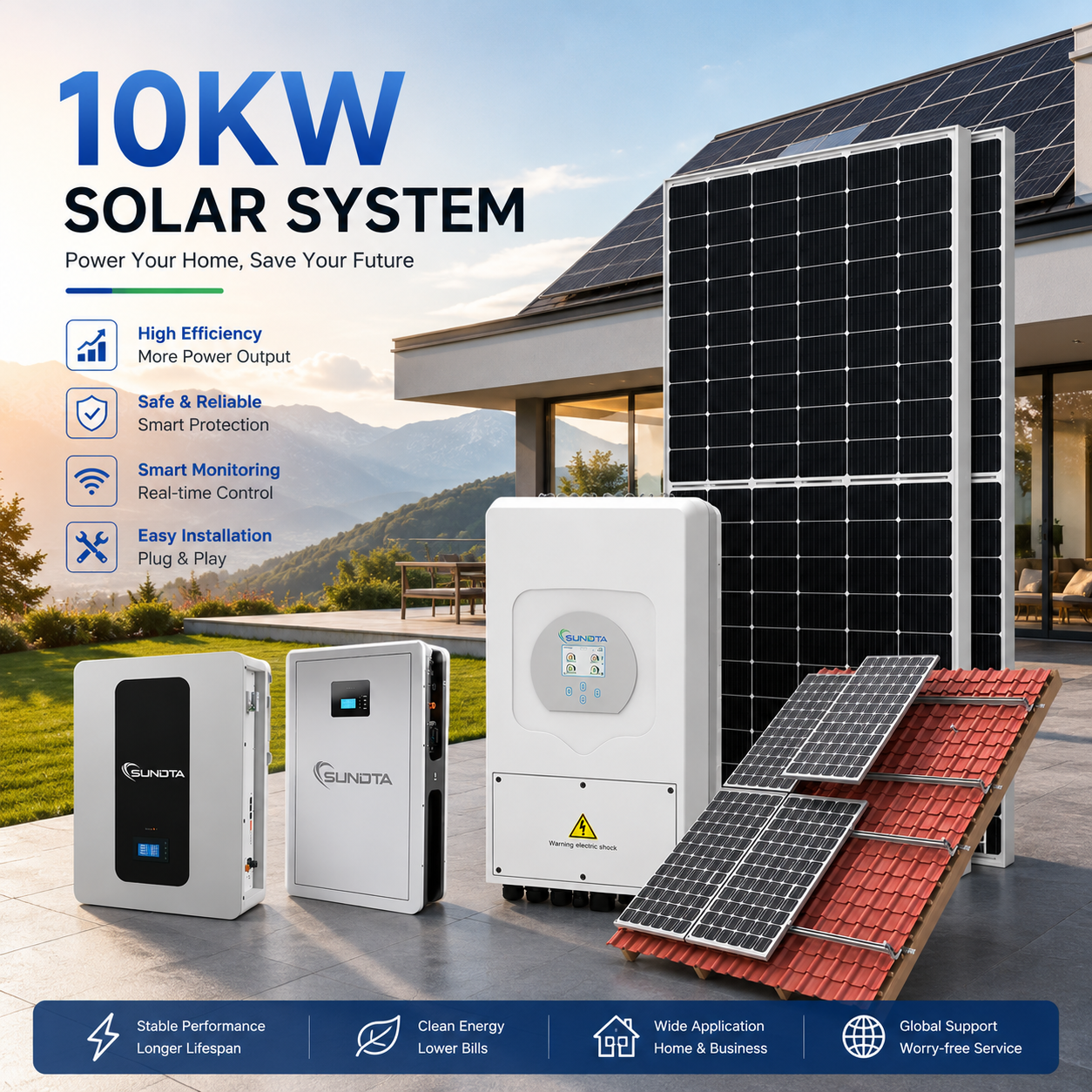
Emergency Backup Whole House Hybrid Solar System 15kW-50kW
- Smart MPPT Dual Tracking Input
- Integrated LiFePO4 High-Cap Battery
- Seamless Microsecond Grid Islanding
Engineered for commercial resilience, residential autonomy, and peak microgrid performance in challenging high-irradiance and humid climatic conditions.
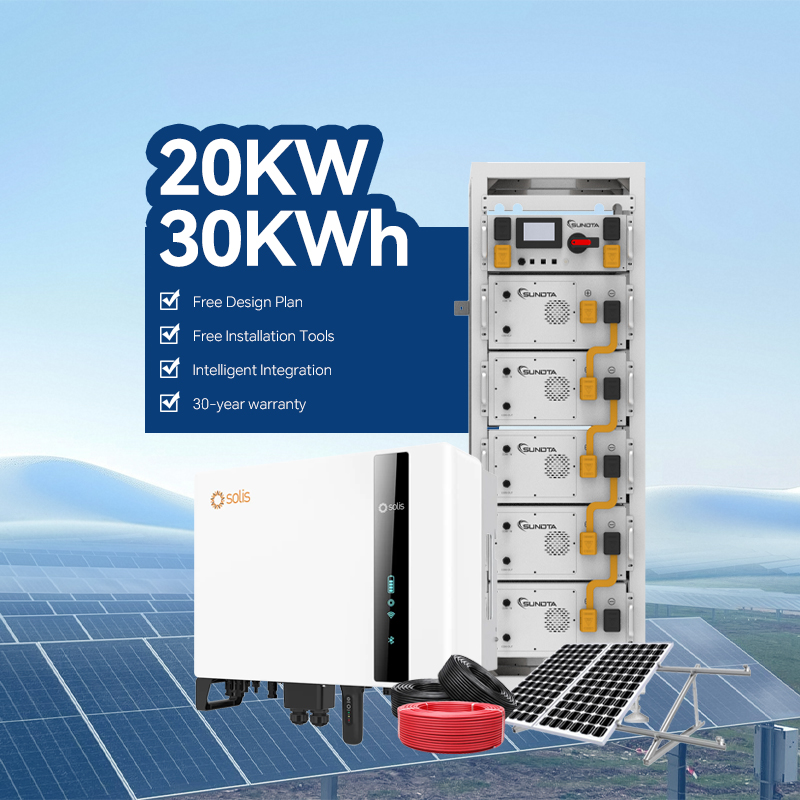

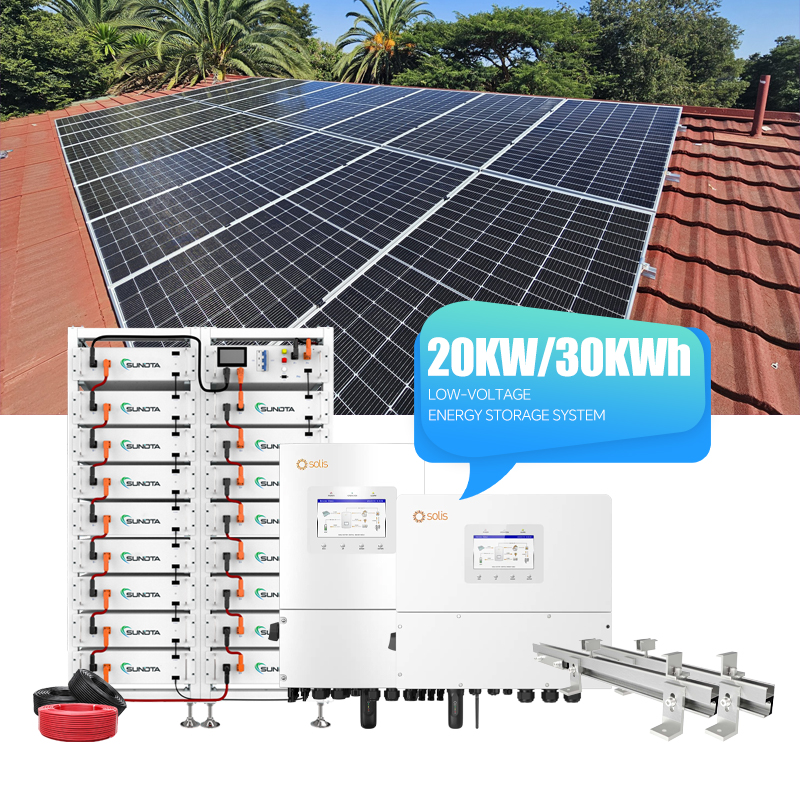
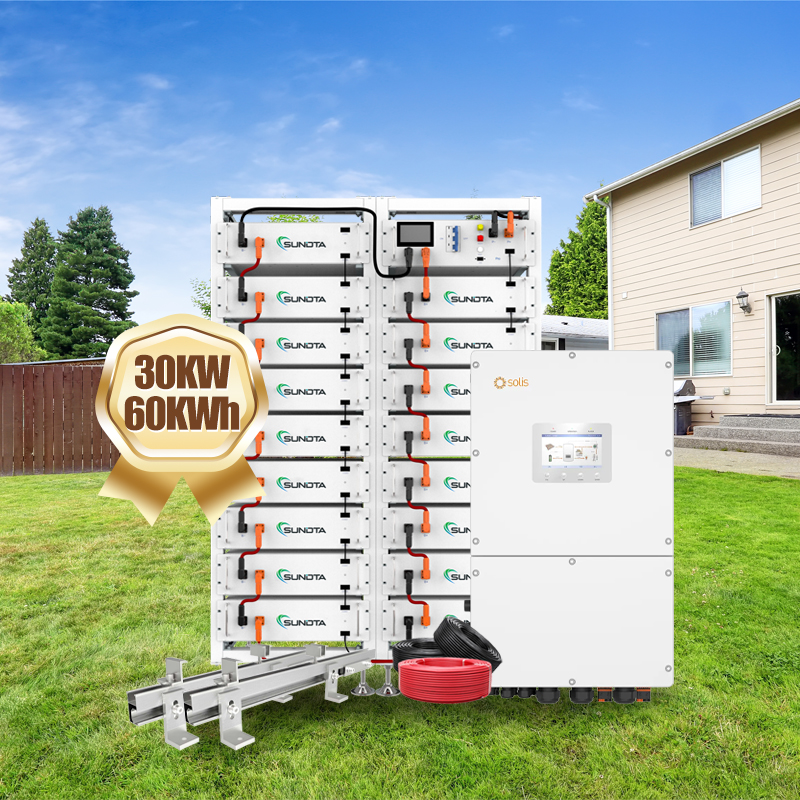
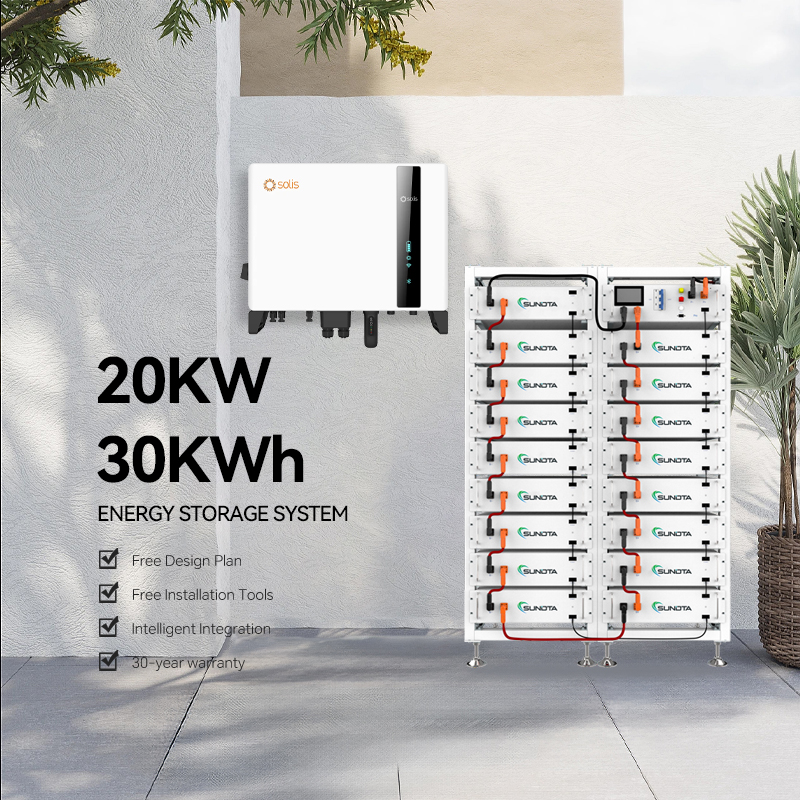
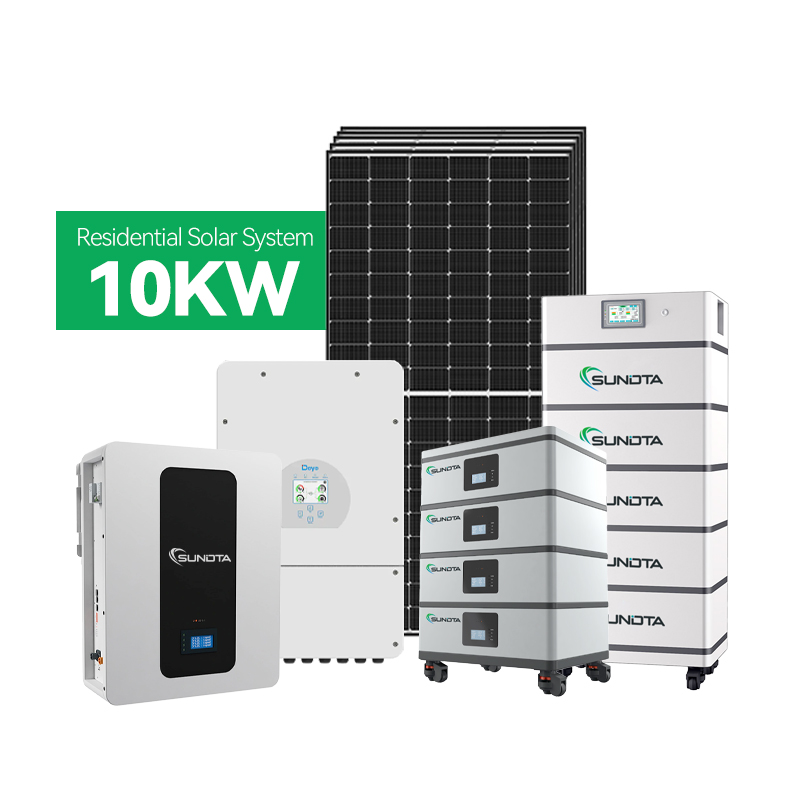

A comprehensive assessment of physical cell architecture, thermodynamic performance advantages, and localized operational parameters across both the Eurasian hub and the US Southeastern solar belt.
Heterojunction Technology (HJT) represents the theoretical apex of single-junction crystalline photovoltaic silicon. While legacy p-type PERC structures struggle against light-induced degradation (LID) and N-Type TOPCon cells require intricate high-temperature tunneling oxide passivations that remain vulnerable to surface recombination losses, HJT integrates an ultra-thin monocrystalline N-type silicon core sandwiched symmetrically between wide-bandgap hydrogenated intrinsic amorphous silicon (a-Si:H) and doped amorphous silicon films.
This heterojunction interface delivers continuous surface passivation, slashing carrier recombination rates to near-theoretical minimums. The open-circuit voltage (Voc) achieved systematically surpasses 750mV, unlocking baseline industrial conversion efficiencies ranging from 25.5% to beyond 26.5% at mass production scales. Because the process is fundamentally low-temperature (under 200°C), thermal mechanical stress on the crystal lattice is drastically minimized, resulting in cell architectures inherently impervious to micro-cracking and PID (Potential-Induced Degradation).
The operational landscape of the Georgia region—characterized by high summer temperatures exceeding 35°C to 40°C alongside high relative humidity—presents a severe test for traditional PV modules. Standard PERC panels carry a temperature coefficient of Pmax hovering between -0.35% and -0.38%/°C, resulting in massive clipping and thermal generation losses during the longest sun-hour periods of the year.
In contrast, RJV's advanced HJT architecture exhibits an industry-leading temperature coefficient of just -0.26%/°C. In hot operating environments where module temperatures regularly reach 60°C to 65°C, HJT delivers an immediate 4.5% to 6.2% net yield advantage over standard modules simply through thermodynamic resilience. Furthermore, with an optical bifaciality factor reaching 85% - 95% (compared to PERC's 70% or TOPCon's 80%), our dual-glass HJT modules capture vast amounts of albedo radiation from clay, crushed stone, limestone, and reflective flat-roof membranes common across commercial structures in Georgia.
| Cell Architecture Metric | Standard P-Type PERC | N-Type TOPCon | RJV Heterojunction (HJT) |
|---|---|---|---|
| Average Cell Efficiency (Production) | 22.8% - 23.2% | 24.5% - 25.1% | 25.6% - 26.4%+ |
| Temperature Coefficient (Pmax) | -0.35% / °C | -0.30% / °C | -0.26% / °C |
| Bifaciality Factor Rating | 65% - 70% | 75% - 80% | 85% - 92% (Native) |
| First-Year Power Degradation | < 2.0% | < 1.0% | < 0.5% (Zero LID/PID) |
| 30-Year Performance Linear Retention | 84.8% | 87.4% | 88.5% - 90.3% |
| Manufacturing Process Thermal Steps | High Temp (>850°C) | High Temp (>900°C) | Low Temp (<200°C) |
Precision-tailored deployments serving industrial energy security, agricultural microgrids, and mission-critical logistics networks.
Large-scale distribution facilities across highway logistics corridors in Georgia feature sprawling flat-membrane roofs. RJV HJT modules paired with 50kW-125kW commercial hybrid inverters maximize midday peak shaving, eliminating high demand charges during intense cooling-demand months while stabilizing facility power during grid brownouts.
Across the Kakheti wine region as well as agrarian valleys, intensive refrigeration and irrigation demand coincide precisely with high solar irradiance. Elevated HJT arrays allow selective light transmission beneath panels while generating high-density power from both direct sunlight and grass/soil back-reflection, delivering clean autonomy for irrigation pump stations.
High-altitude eco-resorts and telecom relay stations face transmission vulnerabilities and extreme ambient shifts. Combining ruggedized HJT double-glass modules with stackable 51.2V LiFePO4 smart BMS systems ensures uninterrupted operation under sub-zero snowy winters and scorching summer days alike.
Anhui RJV New Energy Co., Ltd. eliminates procurement fragmentation. Located in Hefei, China, our integrated manufacturing and testing complex guarantees synchronized power electronics and module reliability.
2 GW annual high-precision module manufacturing capability featuring AI-driven multi-stage EL crack inspection before lamination and dispatch.
Inverter MPPT tracking windows, CAN/RS485 protocols, and battery charge curves are factory verified to avoid commissioning downtime.
Rigorous on-site verified supplier assessment, CE, IEC 61215/61730, and UN38.3 battery transport compliance documents shipped per container.
Turnkey shipping across FOB, CFR, CIF, and EXW with dedicated engineering support running 24/7 across international time zones.
Annual Module Capacity
Global Projects Delivered
National Patent Certs
Verified Credit Rating
Direct technical answers addressing system integration, customs documentation, warranty compliance, and local utility interoperability.
While TOPCon offers an improvement over legacy PERC, its temperature coefficient sits at approximately -0.30%/°C with a lower bifaciality of ~75-80%. HJT delivers an ultra-stable -0.26%/°C and an optical bifaciality of 85-95%. In intense summer operating climates where roof and ground temperatures climb above 65°C, HJT prevents heavy midday power throttling and extracts up to 6-8% higher real-world kWh yield per installed kWp.
Our stackable and rack-mounted 51.2V LiFePO4 systems utilize pre-flashed, CAN and RS485 protocols natively mapped to Solis, Deye, and Growatt inverter communication profiles. This eliminates open-loop voltage-sensing guesswork, ensuring exact state-of-charge (SOC) synchronization, active cell temperature throttling, and automated dynamic current limiting.
We maintain highly flexible order thresholds: standalone hybrid inverters and stackable battery units start from 1 piece/set, while modular PV systems start at 1 full kit. Solar panels are typically shipped by the pallet (approx. 13.6kW to 17.2kW) or full 40ft HQ containers for large EPC ventures. Standard factory dispatch takes 10 to 20 working days, backed by complete packing lists, flash test reports, and customs documentation.
Yes. Every complete hybrid power kit can be customized with site-specific aluminum mounting rails, stainless hardware, DC combiner boxes, and surge protectors engineered to withstand up to 2400 Pa wind resistance and 5400 Pa mechanical snow loading. Simply submit your local roof type or ground geo-survey data during inquiry.
All RJV equipment is supported by accredited third-party documentation, including TÜV Rheinland factory audit verifications, CE declarations, IEC 61215/61730 international module safety certifications, and UN38.3 plus MSDS hazardous goods transport verification for lithium battery shipments.
Send your project parameters, electrical single-line requirements, or targeted bill of materials. RJV’s Hefei engineering team will generate a fully compatible system design and direct factory quotation within 24 business hours.