Factory-Engineered Energy Storage & Hybrid PV Systems for Bogotá
Every energy storage system listed below is manufactured with Grade-A prismatic LiFePO4 lithium chemistry, complete with integrated smart BMS for Deye, Solis, and Growatt inverters, calibrated to withstand the power quality swings of the Sabana de Bogotá grid.
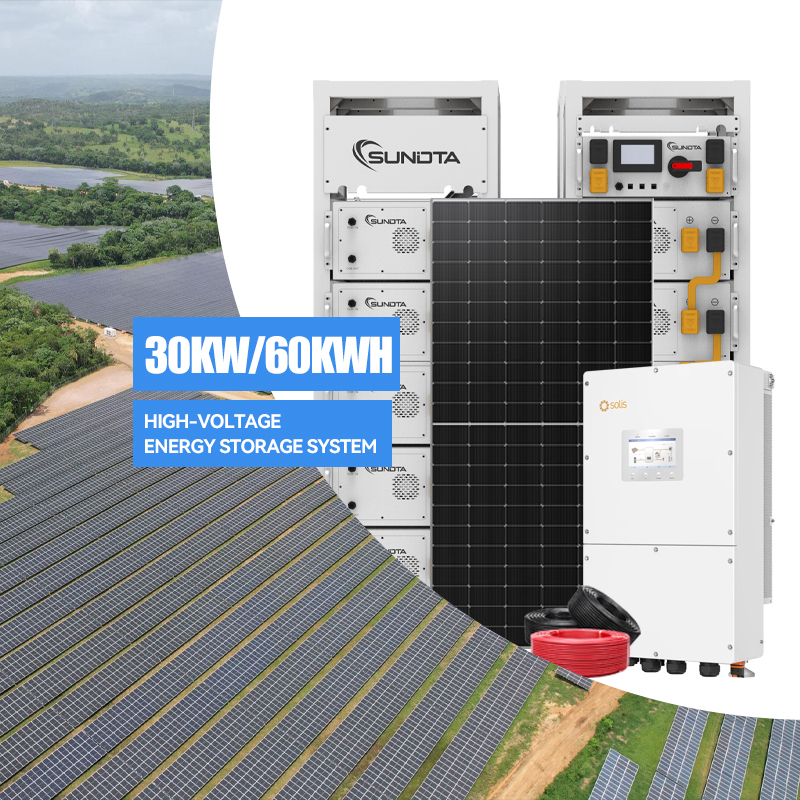
Off Grid Hybrid Solar Energy Storage System 20KW 30KW 40KW Hot-selling 30 kw Hybrid for Home Use With EU Certification
- Three-phase 208V/220V/480V compatible
- Dual MPPT tracking with high surge margin
- CE certified & RETIE submission ready
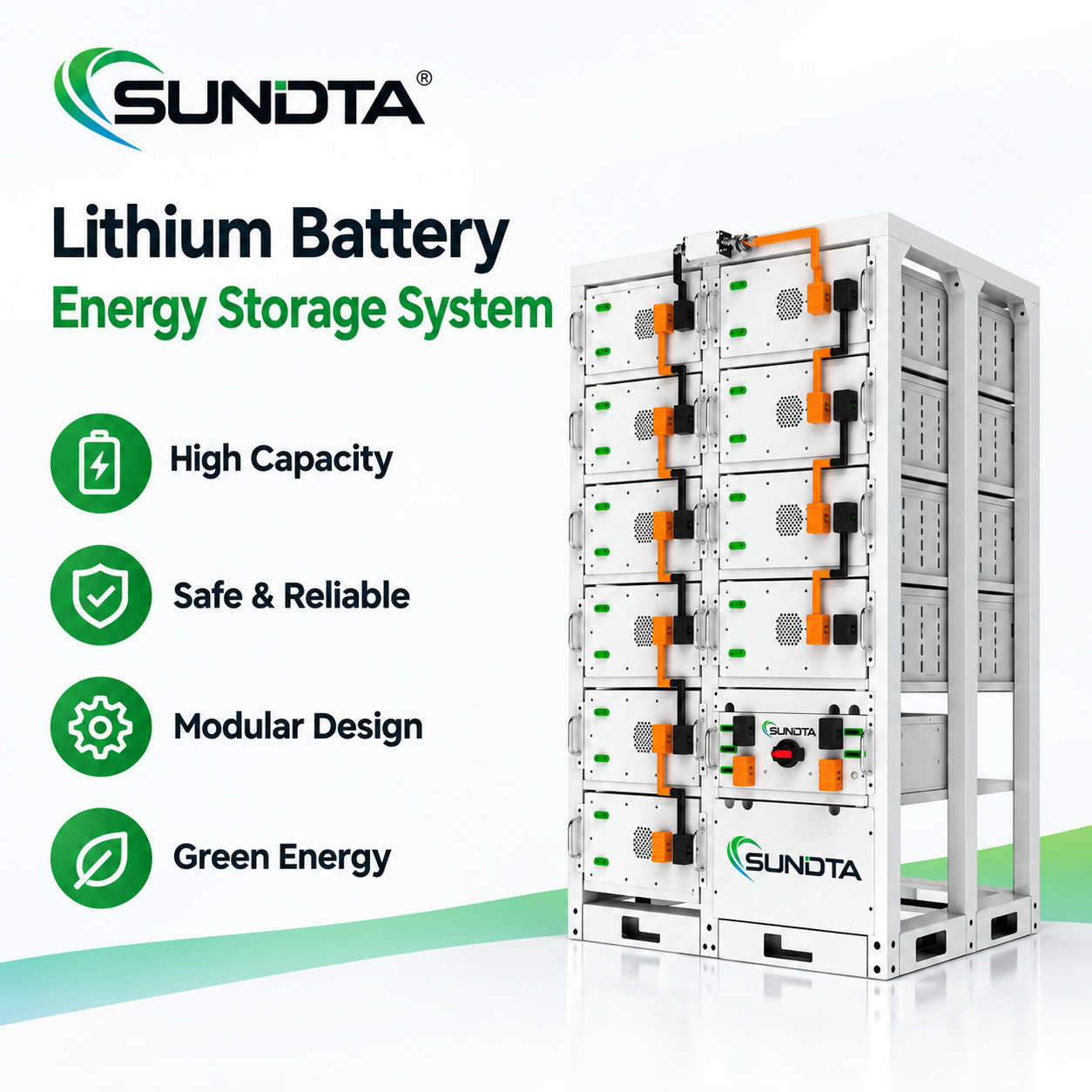
Smart BMS 51.2V Stackable LiFePO4 Solar Home Battery Storage System Monocrystalline Inverter Compatible Lithium PV Pack
- Scalable from 5.12kWh up to 30.72kWh
- CAN / RS485 automated handshake
- Built-in aerosol fire suppression bay
Fast Shipping Stock Solar Battery 48V 51.2V 100Ah 200Ah 5kWh Wall Mounted LiFePO4 Local Warehouse
- Compact Powerwall footprint for city apartments
- Up to 15 packs in parallel (75kWh max)
- High-durability cold-rolled steel casing
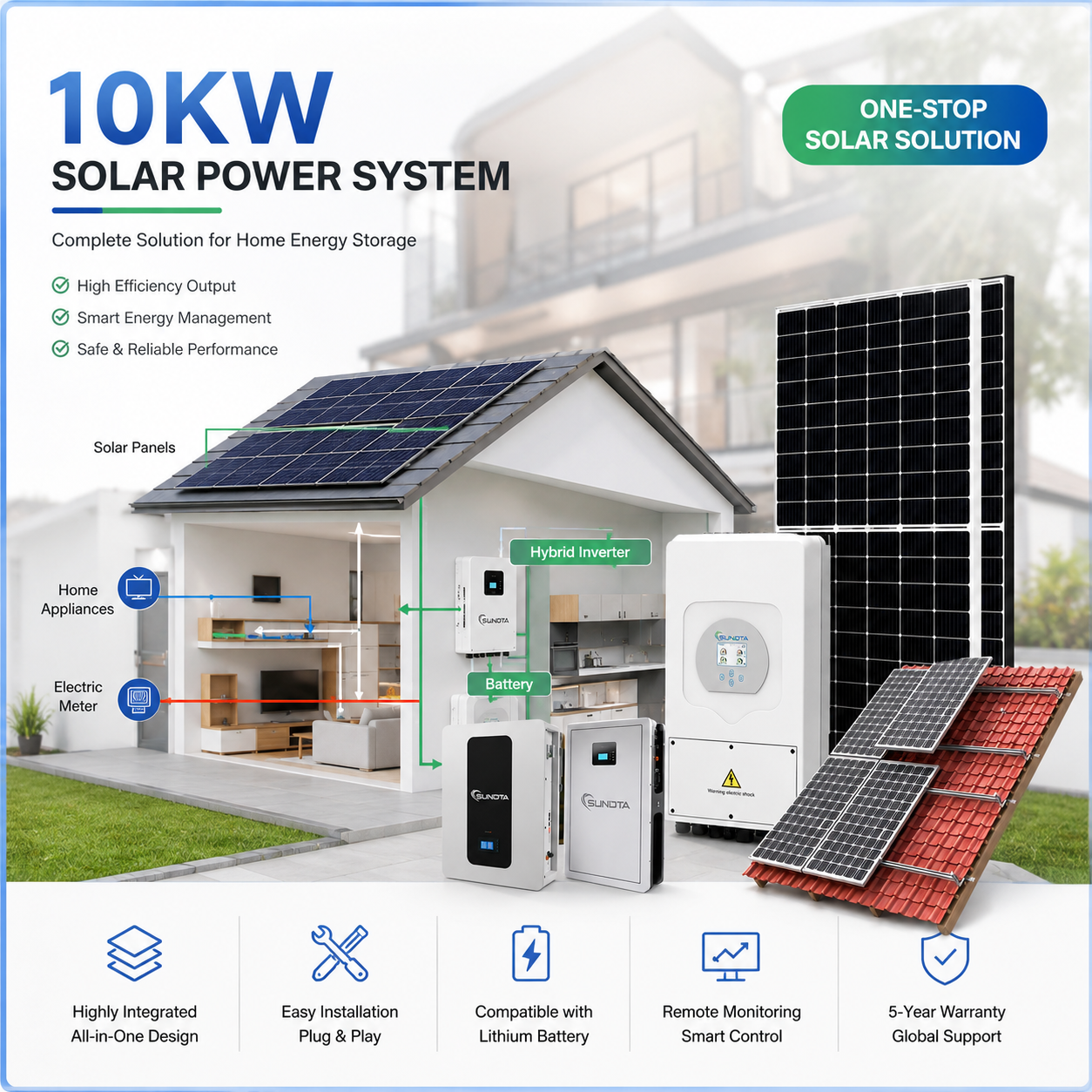
15kW-50kW High-Efficiency Hybrid Solar Power System with Smart MPPT for Whole-House Backup
- Sub-10ms UPS automatic transfer switch
- Integrated Smart MPPT controllers
- Ideal for peri-urban estates & clinics
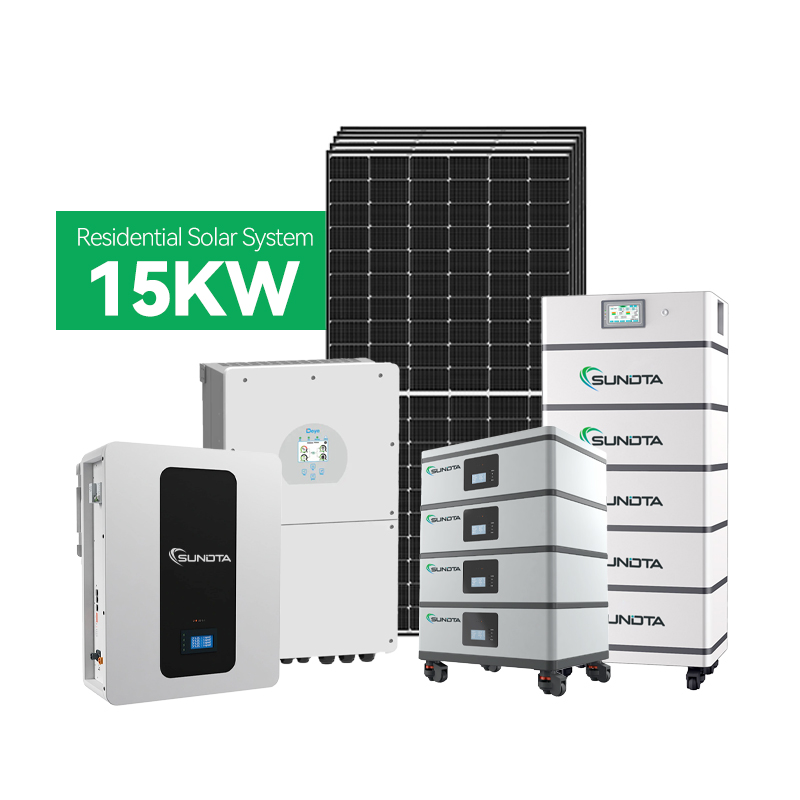
Sundta Hybrid Solar Energy System Low Price Solar Panel Kit 5KW 10KW 12KW 15KW Full Set Solar System Kit Home System
- Pre-wired combiner box & DC isolators
- High-yield Tier-1 monocrystalline panels
- Rapid installation design for local installers
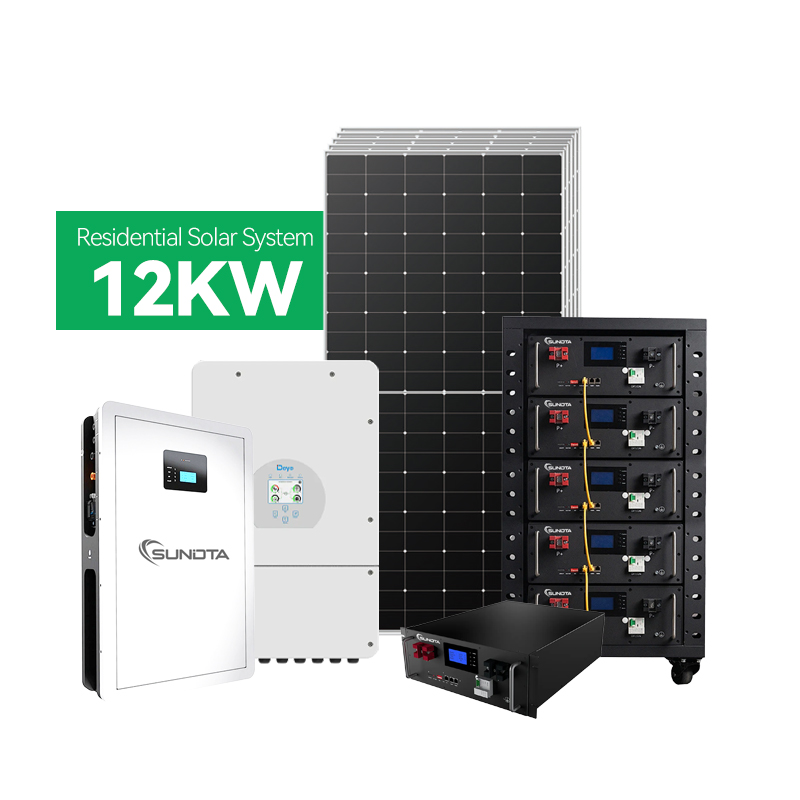
Bulk Price Sundta 12Kw Hybrid Solar Energy Storage System Monocrystalline Silicon 25Kw Residential Battery System for Home Use
- High thermal efficiency for Bogotá nights
- Supports unbalanced 3-phase split loads
- Direct bulk container pricing available
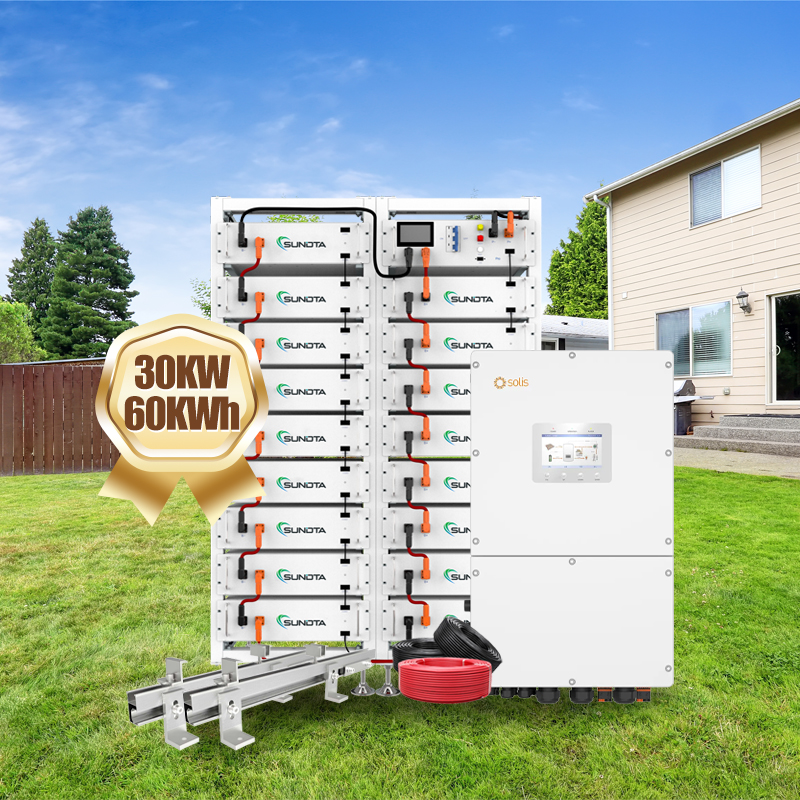
Complete 30kw Solar System 10kw 15kw 20kw 30kw Solar Energy System 30 kw Hybrid for Home Use With EU Certification
- IEC 62619, CE, UN38.3 test certification
- Microgrid operating mode supported
- Smart app monitoring via Wi-Fi/4G
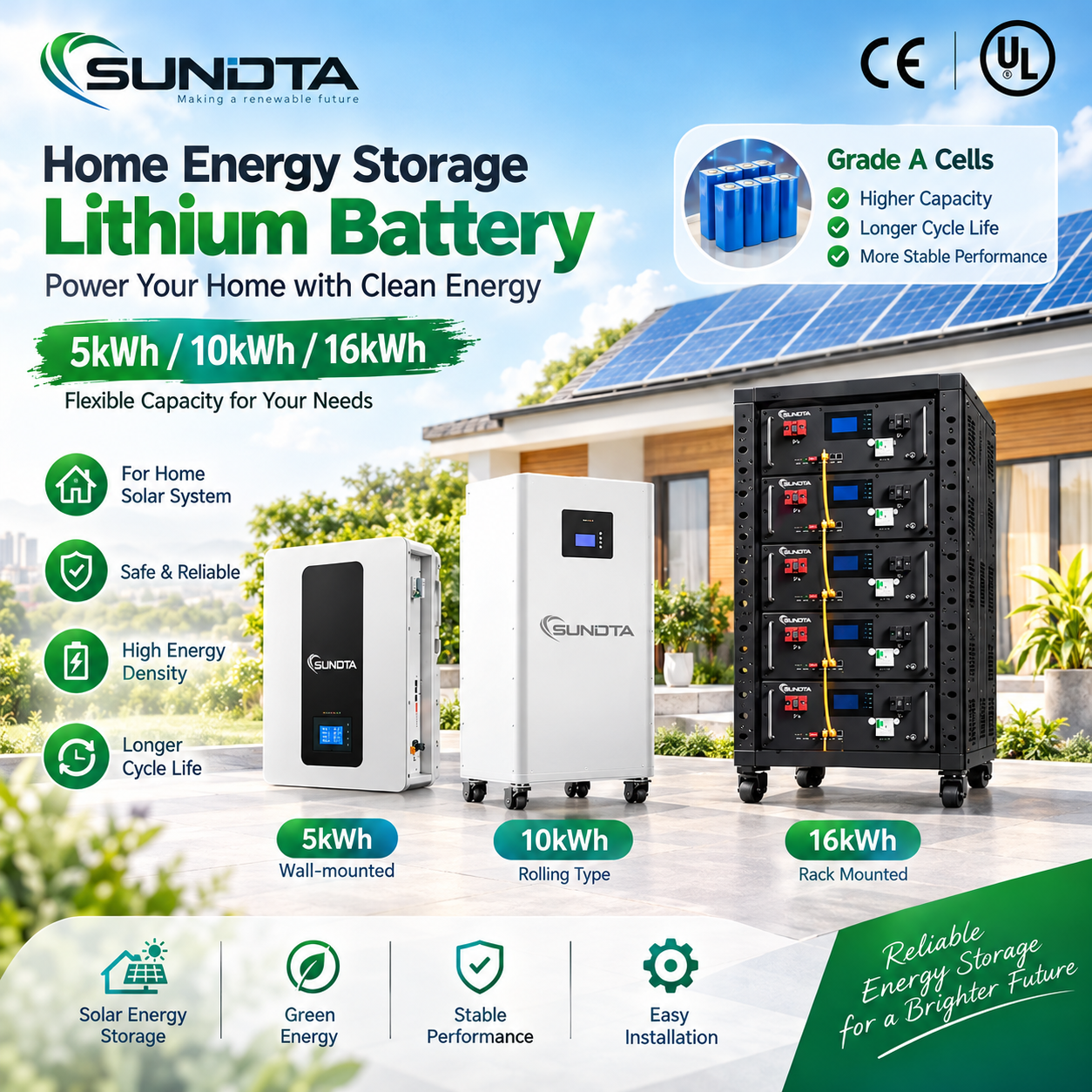
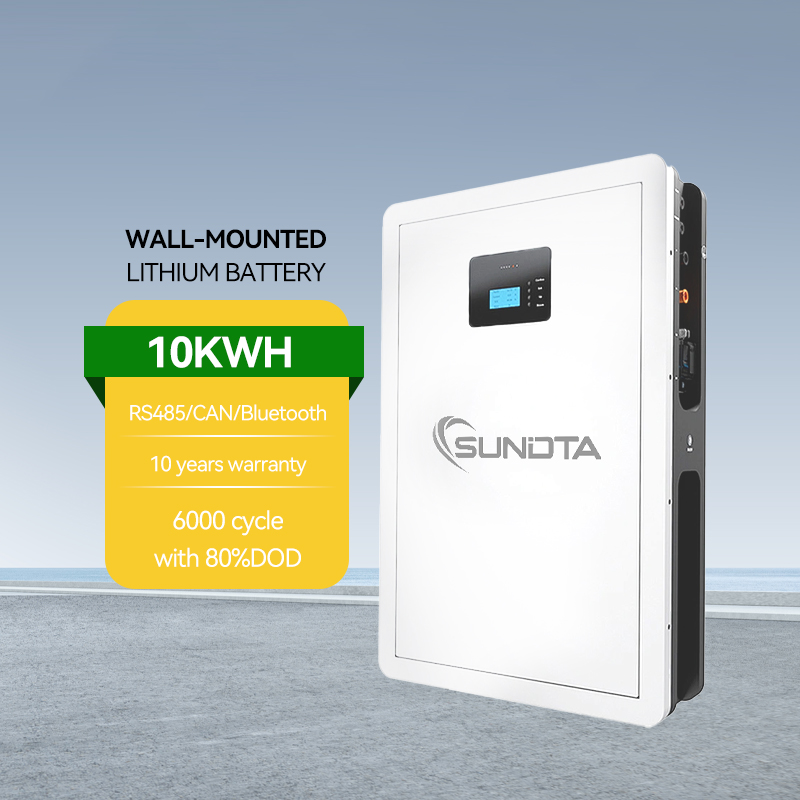
Sundta 51.2V 200Ah 10kWh LiFePO4 Battery Wall Mounted Home Solar Energy Storage Battery with Smart BMS
- Premium 200Ah prismatic LiFePO4 cells
- Automated balance management circuit
- Wall or floor installation flexible brackets
Navigating Bogotá's Energy Landscape: Why Residential Battery Storage Has Shifted From Luxury to Critical Infrastructure
The urban and peri-urban landscape of the Bogotá Metropolitan Area (Bogotá D.C., Chía, Cajicá, La Calera, Cota, and Sopó) presents a distinctive convergence of electrical, meteorological, and regulatory variables. Historically dependent on Colombia's hydroelectric grid, the regional electricity matrix has experienced acute exposure to climatic anomalies, particularly the El Niño Southern Oscillation (ENSO), which severely diminishes reservoir levels across the Chingaza and Guavio basins. Consequently, municipal grid utility tariffs managed by Enel Colombia have experienced persistent upward volatility, compounded by demand-side charges and grid stabilization levies on residential strata 4, 5, and 6.
In response, solar engineering, procurement, and construction (EPC) contractors, renewable project developers, and residential electrical wholesalers across Cundinamarca are migrating away from simple grid-tied photovoltaic systems toward AC-coupled and DC-coupled hybrid LiFePO4 battery energy storage systems (BESS). A self-consumption system combined with 10kWh to 30kWh of dedicated lithium iron phosphate storage allows homeowners to bypass escalating peak tariffs, capture daytime generation surplus, and secure seamless sub-10 millisecond power continuity during local transformer dropouts and transmission interruptions.
High-Altitude (2,640m) Environmental Stressors & Factory Design Specifications
Bogotá's elevation of 2,640 meters (8,660 ft) above sea level drastically impacts heat dissipation, dielectric breakdown voltage, and electrochemical aging. Standard sea-level battery designs fail prematurely when deployed in the Andean plateau without factory-level high-altitude modifications.
| Bogotá Environmental Stressor | Impact on Conventional Battery Packs | Anhui RJV Factory Engineering Solution | Compliance & Test Standard |
|---|---|---|---|
| Rarefied Air Density (2,640m Altitude) | Diminished convective cooling; severe inverter and BMS MOSFET thermal throttling at peak discharge. | Oversized anodized aluminum heatsinks, forced thermal ducting, and derating-free continuous output up to 3,000m. | IEC 60664-1 Altitude Table |
| Dielectric Clearance Breakdown | Lower air pressure reduces flashover voltage thresholds between busbars, increasing arcing risks. | Creepage and clearance distances expanded by 28% across high-voltage DC terminals; molded insulation barriers. | RETIE Annex 20.2 & IEC 62619 |
| Sabana Diurnal Temperature Swing (6°C–19°C) | Nighttime temperatures in Suba/Chía drop to 4°C–8°C, precipitating lithium plating during charging. | Smart BMS integrates internal PTC thermal pre-heating plates to maintain cell cores at optimal 20°C before charge cycle. | UN38.3 & UL 1973 Certified |
| Morning Condensation & High Andean Humidity | Elevated humidity levels create micro-condensation on PCBA surfaces, causing signal crosstalk on CAN bus. | Triple-conformal polyurethane coating on all BMS logic boards; IP65 outdoor wall-mount enclosures available. | IEC 60529 IP65 Rating |
Localized Application Scenarios in Bogotá D.C. & Greater Cundinamarca
Our modular battery architectures address distinct localized grid behaviors, architectural structures, and electrical code profiles across the capital district.
Primary Driver: Escalating residential block tariffs and peak-time utility demand charges under Enel Colombia.
System Configuration: 51.2V 200Ah (10.24kWh) Wall-Mounted LiFePO4 paired with 8kW Single/Split-Phase Hybrid Inverter. Offsets up to 85% of daytime grid dependency while powering high-end domestic loads, refrigeration, and security circuits through night hours.
Primary Driver: Frequent rural-feeder branch trips, thunderstorm-induced outages, and electric gate/water pump dropouts.
System Configuration: 15kW to 20kW Stackable Lithium Storage (20kWh–30kWh) with smart ATS transition under 10ms. Seamlessly powers subterranean hydropneumatic pumps, HVAC heating, and automated entry systems without electrical blinks.
Primary Driver: High contracted capacity penalty fees and manufacturing line sensitivity to harmonic distortions.
System Configuration: 30kW–50kW Hybrid PV Inverters with 50kWh–100kWh High-Voltage Rack Battery Storage. Delivers active power factor correction, shaved maximum demand spikes during morning ramp-up, and guaranteed clean sine-wave backup.
Navigating Colombian Regulations: Law 1715, Law 2099, CREG 174 & RETIE
Importing home battery storage into Bogotá requires strict adherence to national energy policy frameworks to maximize tax benefits and ensure seamless electrical certification.
UPME Certification & Tax Deductions
Under Law 1715 of 2014 and modernized Law 2099 of 2021, equipment certified through the UPME (Unidad de Planeación Minero Energética) enjoys a 0% import tariff, 0% VAT (IVA exclusion), accelerated 33% annual depreciation, and a 50% income tax deduction spread over 15 years. Anhui RJV supplies model-specific certificates and technical datasheets directly formatted for UPME filing.
RETIE Certification & Grid Compliance
The Colombian Technical Regulation of Electrical Installations (RETIE) mandates stringent mechanical enclosure durability, short-circuit containment, fire suppression resistance, and galvanic isolation. Our lithium battery storage series comes equipped with verified CE and IEC 62619 test dossiers, significantly accelerating on-site inspection approvals by Colombian authorized certification bodies (CIDET, SGS, or QCERT).
CREG 030 / CREG 174 Autoproduction
Resolutions CREG 030 and CREG 174 govern small-scale distributed generation (AGPE) in Colombia. Inverters and hybrid battery packs must feature anti-islanding protection and precise bidirectional meter communication. RJV batteries natively synchronize with Deye and Solis firmware profiles that carry validated grid-code presets tailored for the 60Hz 120V/208V/240V Enel Codensa network.
Why Latin American Importers Partner With Anhui RJV New Energy
From automated laser-welded busbar assembly to full closed-loop protocol matching, our Hefei intelligent manufacturing base ensures uncompromised quality, eliminating field commissioning failures in Bogotá.
2GW Automated Manufacturing
Equipped with fully automated cell-sorting lines, robotic laser welding, and automated aging cabinets. Every cell is tested for internal resistance (IR) and capacity matching down to ±0.05Ah.
TÜV Rheinland On-Site Assessed
Factory operations and quality management systems independently audited and certified by TÜV Rheinland. We hold an AAA commercial credit rating and over 38 proprietary patents.
Native Multi-Inverter CAN Bus
Pre-programmed dual-channel CAN and RS485 communication protocols supporting Deye, Solis, Growatt, Victron, and GoodWe without requiring complex third-party protocol converters.
24/7 Spanish Engineering Support
Our dedicated engineering support division provides bilingual configuration support, string calculation validation, and remote BMS firmware updates across Western Hemisphere time zones.
Frequently Asked Questions for Bogotá B2B Buyers & EPC Installers
Critical answers regarding customs logistics, RETIE compliance, altitude performance, and commercial warranties.
What is the standard shipping route and transit time from Hefei to Bogotá?
Typical shipping departs from Ningbo or Shanghai port. Maritime freight proceeds to the Port of Buenaventura (Pacific route, 25–32 days) or the Port of Cartagena (Atlantic route, 28–35 days). From the port terminal, goods are transported via bonded overland logistics through the main Andes highway network directly into the Zona Franca de Bogotá (Free Trade Zone) within 3 to 5 business days for final customs clearance.
Do RJV battery packs require altitude power derating when installed at 2,640m in Bogotá?
No. While standard sea-level competitors mandate an 8% to 12% output power derating above 2,000m to avoid thermal overload, RJV home storage batteries feature upgraded heat-sink mass and enhanced thermal airflow pathways engineered for high-altitude barometric pressures, guaranteeing 100% full-rated continuous charge and discharge up to 3,000 meters above sea level.
How does Anhui RJV assist with RETIE inspection compliance in Colombia?
We supply full factory test reports according to IEC 62619, IEC 62040, CE-LVD, and UN38.3. Furthermore, our battery enclosures utilize UL94-V0 fire-resistant structural polymers, internal thermal fuses, and automated DC double-pole disconnect circuit breakers that conform directly with RETIE Chapter 20 installation mandates.
What is the Minimum Order Quantity (MOQ) and payment structure for wholesale orders?
For standard 51.2V 100Ah and 200Ah residential batteries and hybrid inverters, our MOQ starts at 1 unit for sample evaluation and verification. Complete solar system kits start at 1 set. For wholesale and customized OEM orders, we accept T/T, irrevocable L/C at sight, and offer FOB, CIF, or DDP delivery terms. Palletized mixed-container orders (combining modules, inverters, and battery storage) are fully accommodated.
Are RJV batteries compatible with 120V / 240V split-phase Colombian residential grids?
Yes. The Colombian urban residential standard frequently involves 120V line-to-neutral or 120V/240V split-phase architecture. Our 51.2V low-voltage battery banks communicate seamlessly with split-phase Deye and Solis hybrid inverters, providing balanced active power injection and independent neutral balancing under unequal phase loading.
What warranty coverage is provided, and how are replacement modules handled?
Our residential LiFePO4 batteries feature a 10-year factory performance warranty or 6,000 cycles (whichever occurs first) retaining ≥70% original capacity at 25°C. In the event of a documented component fault, replacement BMS boards or cell modules are dispatched via international express air freight directly to your Bogotá facility.