Commercial ESS
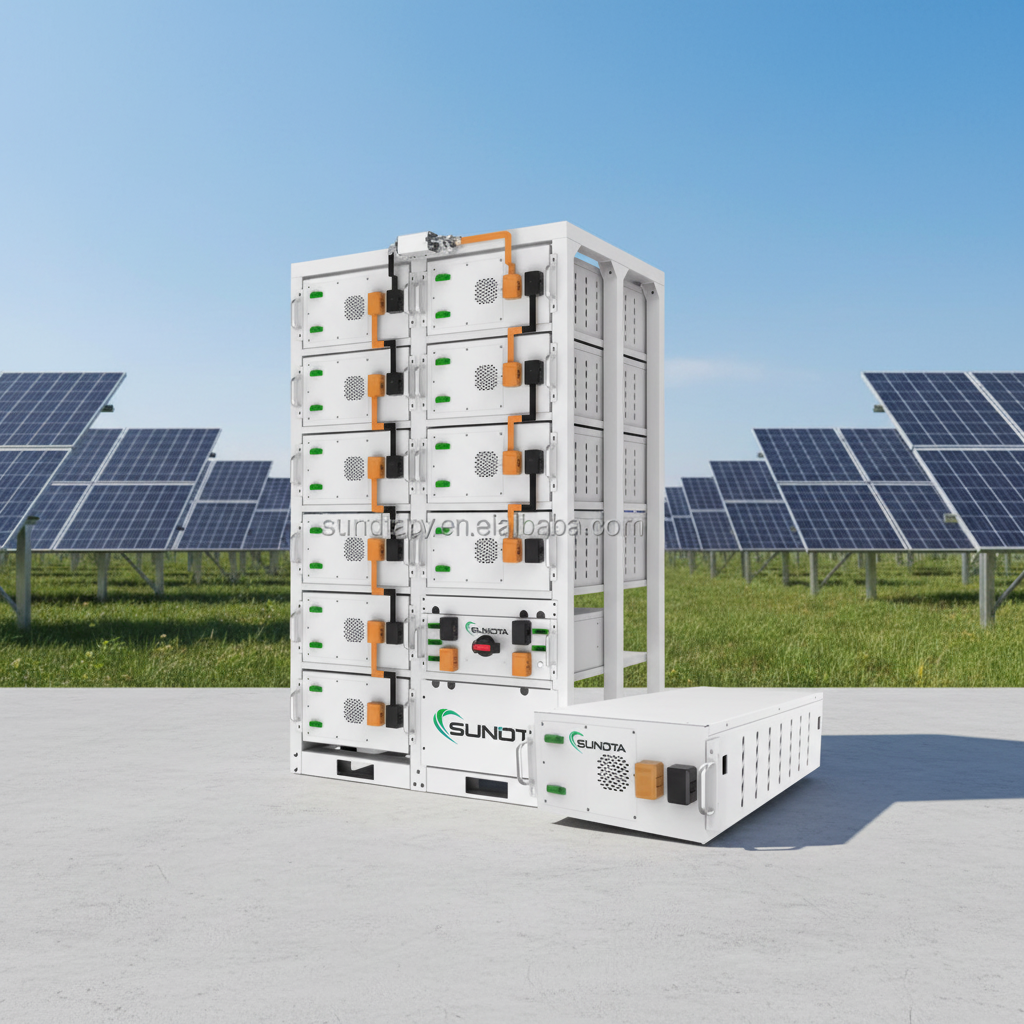
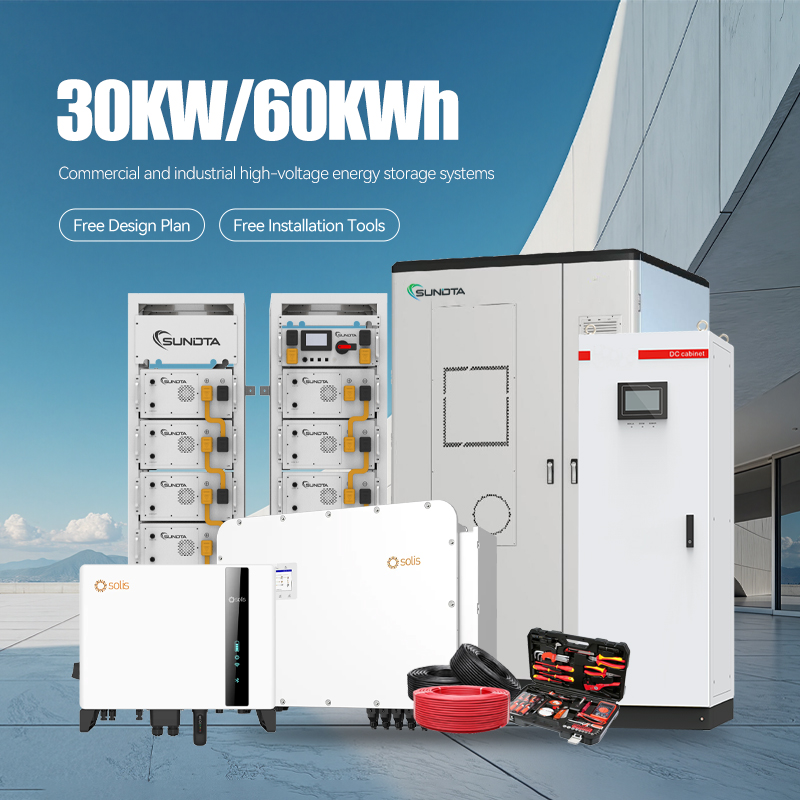
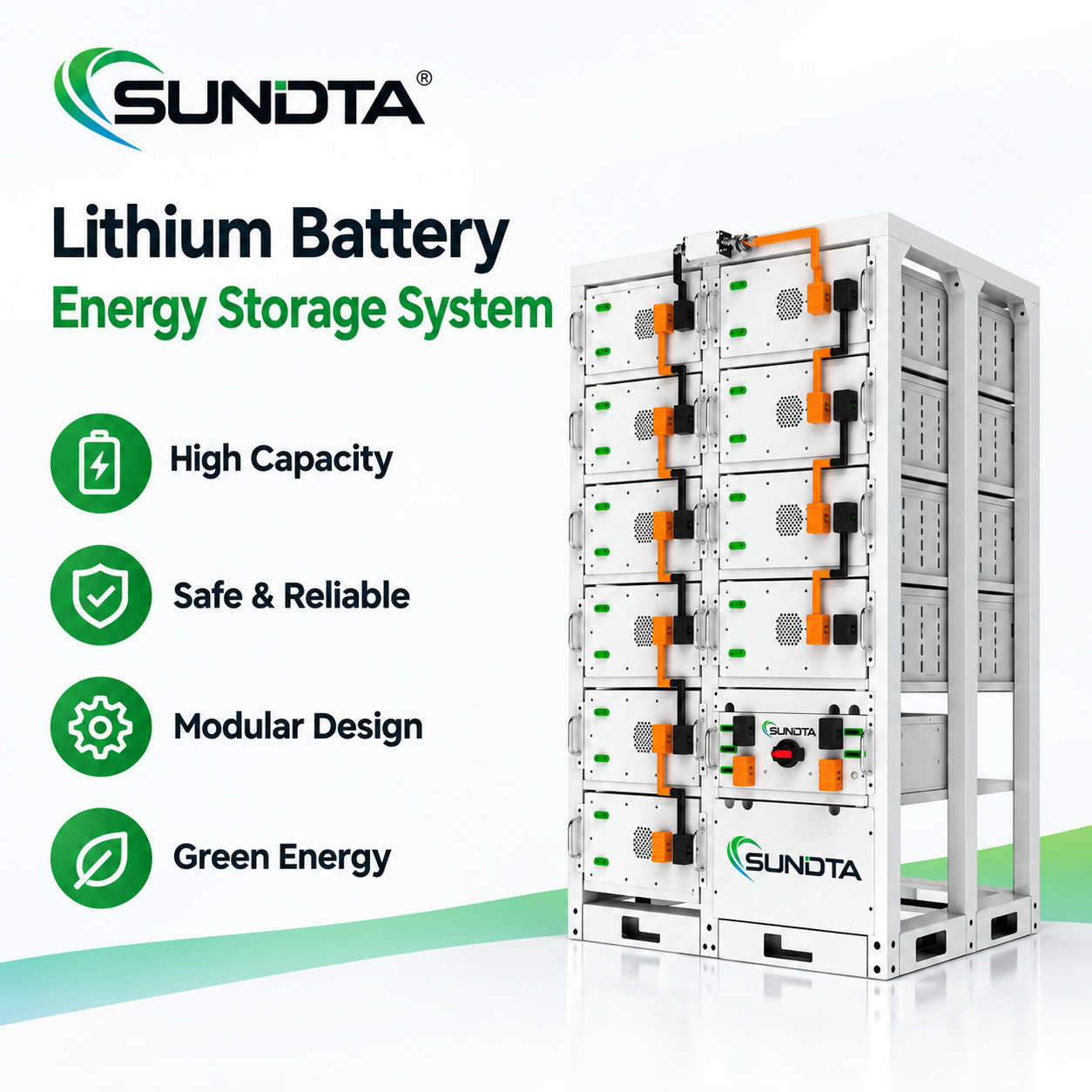
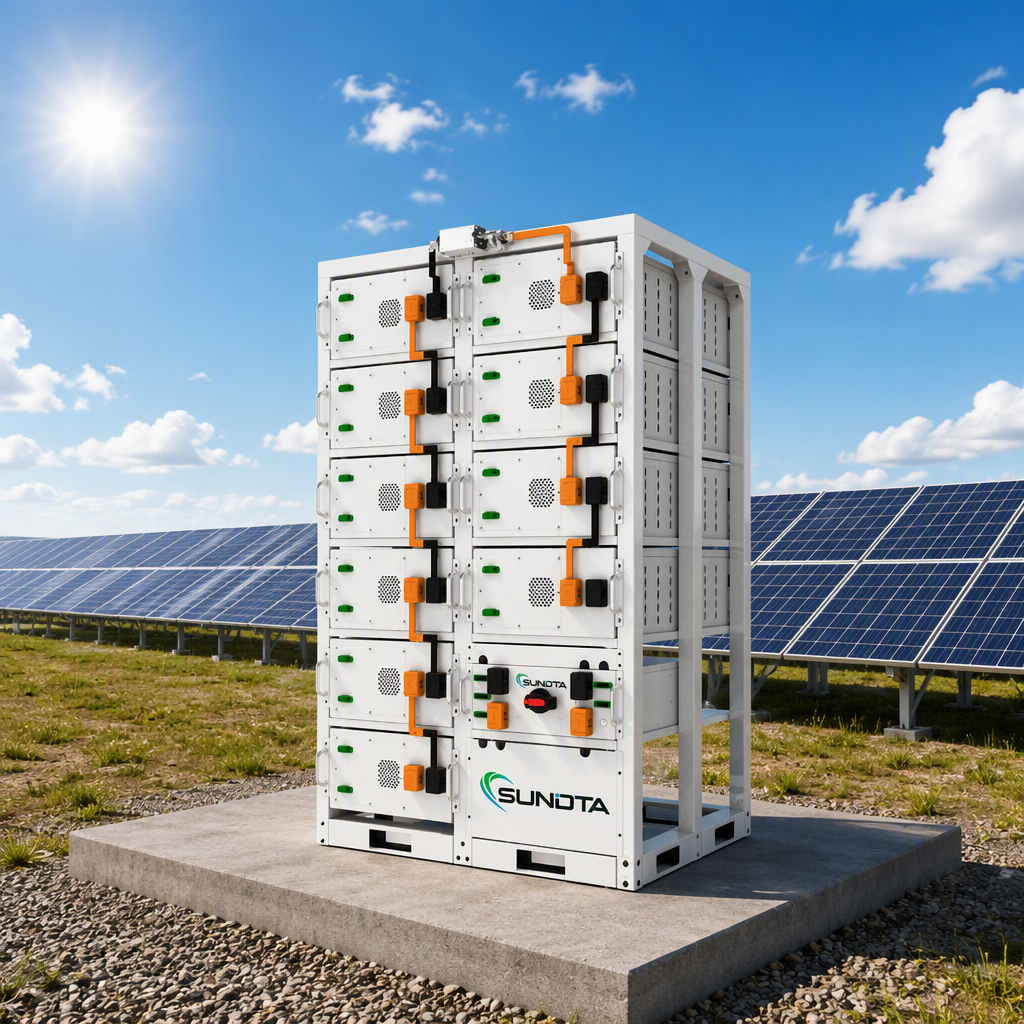
Commercial High Voltage LiFePO4 ESS (40kWh–100kWh)
- Air-cooling rack battery cabinet
- Dual on/off-grid load dispatching
- Compatible with Solis & Deye hybrid
Direct Tier-1 Industrial PV Solutions, High-Voltage LiFePO4 Energy Storage, and UL 1741-Ready Microgrid Integration for North Carolina Distributors and EPCs
From single-phase split-phase residential hybrid platforms to 100kWh+ commercial lithium battery storage racks, each unit is stress-tested, factory-commissioned, and verified for regional distribution.
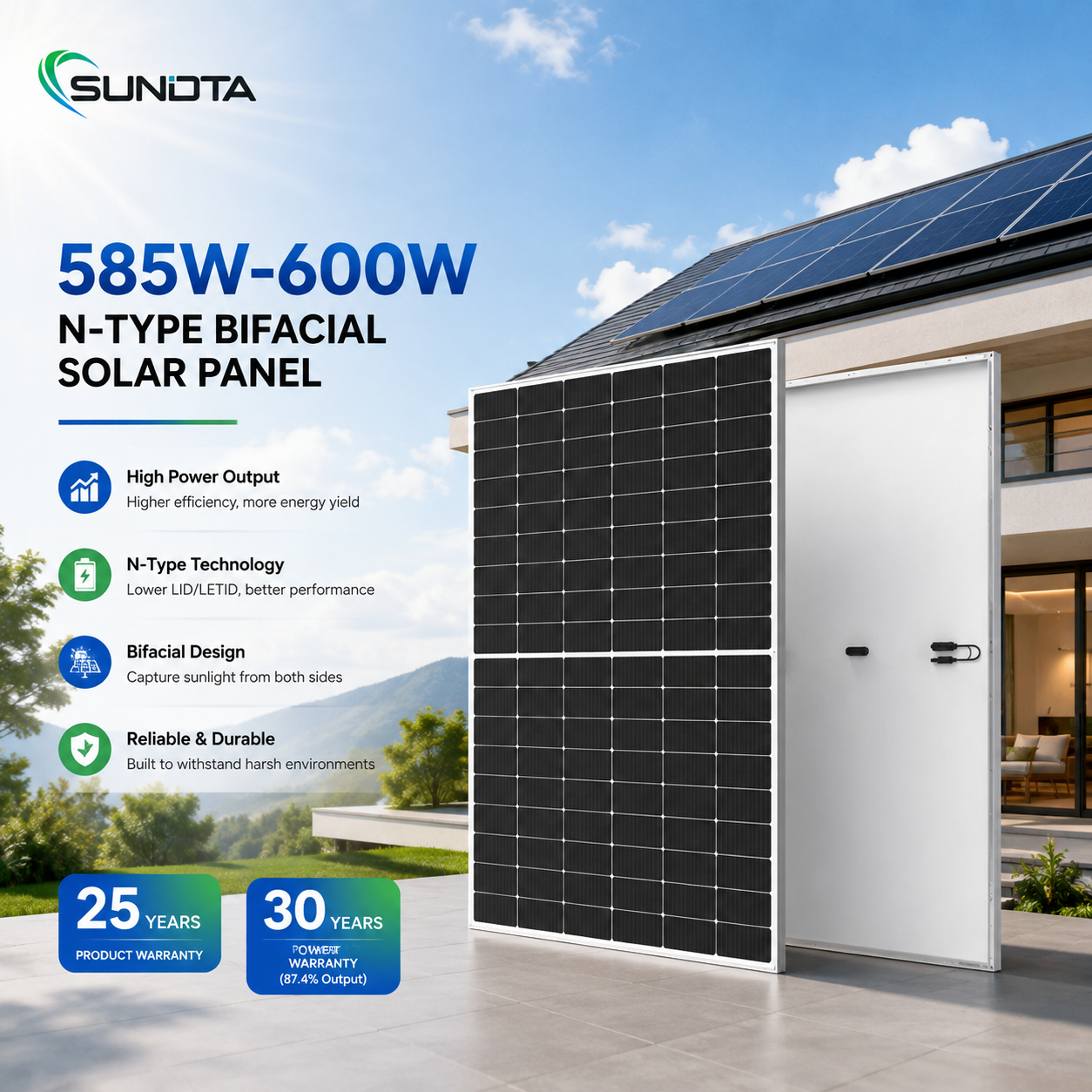
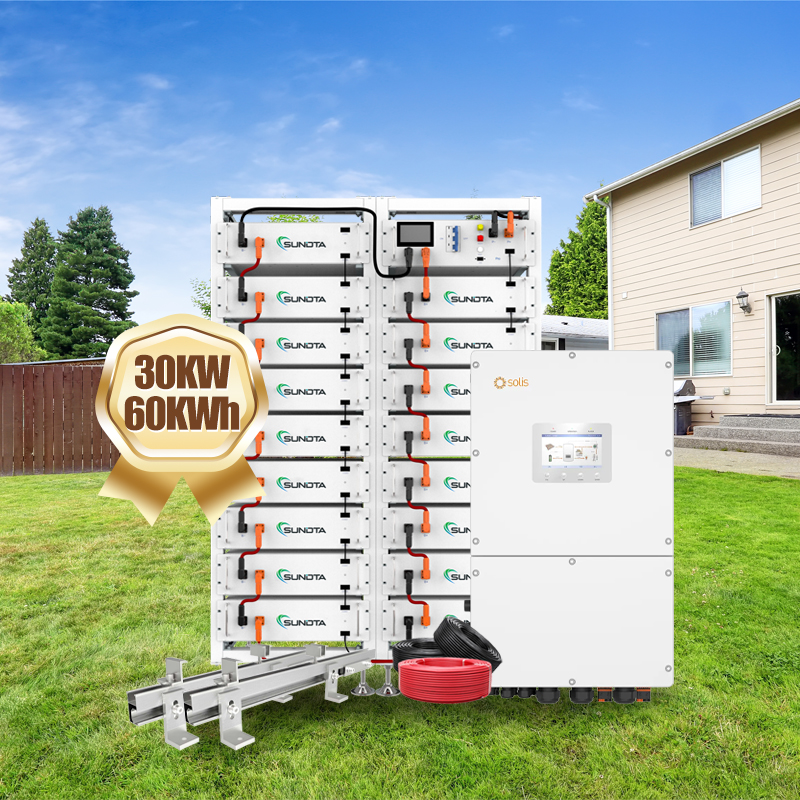
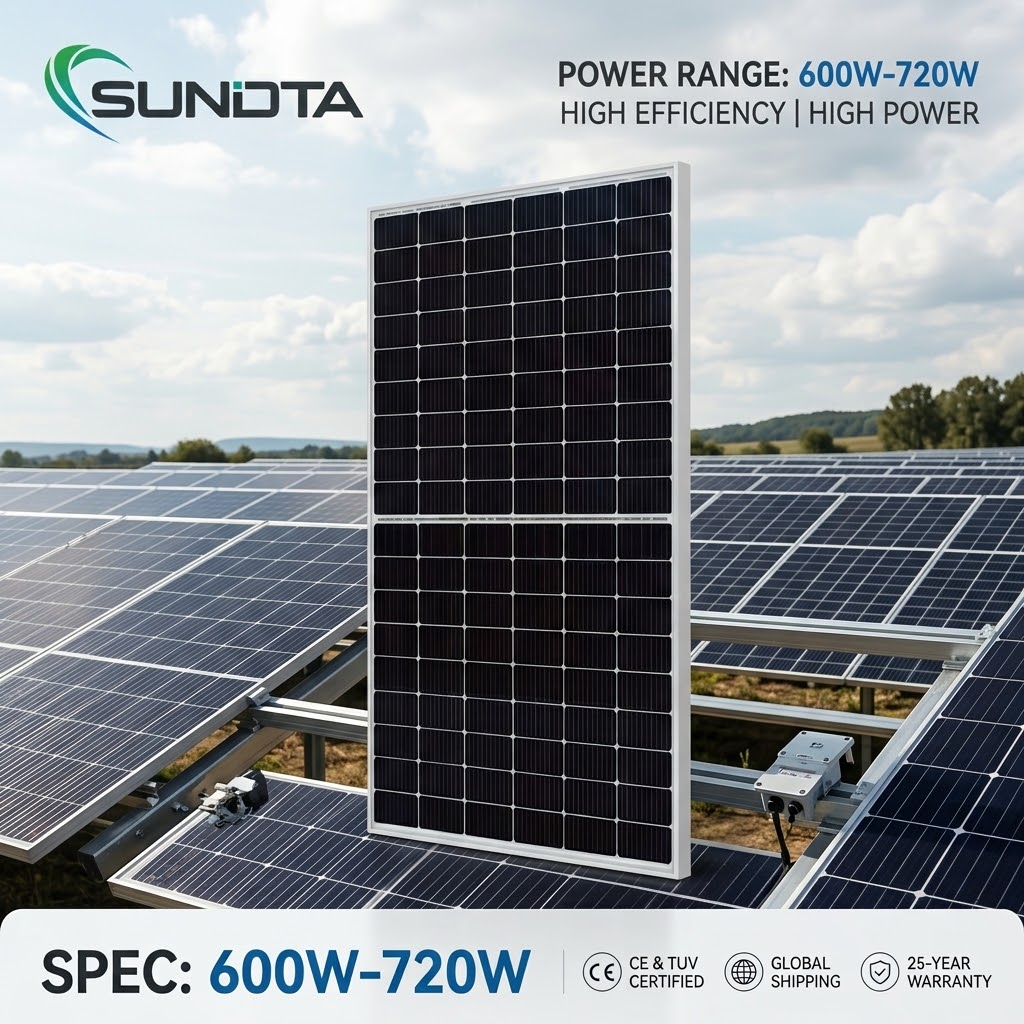
Deploying hybrid solar inverters across Charlotte, Mecklenburg County, and the broader Metrolina corridor requires distinct compliance standards, load shifting mechanisms, and severe-weather microgrid capabilities.
Under the revised solar tariff framework across the Carolinas, traditional 1:1 net energy metering has transitioned to time-varying credits and minimum monthly bills. Anhui RJV hybrid inverters utilize dynamic firmware that prioritizes behind-the-meter battery storage during peak tariff windows (6 PM – 9 PM), preventing unprofitable grid exports while eliminating demand spikes for commercial facilities.
Charlotte frequently experiences severe convective summer storms and Atlantic hurricane peripheral feeder bands, destabilizing above-ground distribution lines. Our hybrid inverter architecture provides a <10ms automatic transfer switch (ATS) response, ensuring seamless uninterruptible power supply (UPS) capability to mission-critical IT hubs, distribution centers, and high-value residential loads.
Subtropical summers across Charlotte push rooftop ambient conditions well past 40°C. Anhui RJV hybrid inverters feature dual-stage smart fan dissipation and heavy-duty die-cast aluminum heat sinks rated up to 60°C operating environments. Our components maintain full nominal output without thermal derating, safeguarding your levelized cost of energy (LCOE).
As North Carolina remains a top-five solar market in the United States, Charlotte serves as both the state's financial powerhouse and a major clean-tech manufacturing logistics node.
The I-85 and I-77 logistics corridors surrounding Charlotte are undergoing historic warehouse and cold-storage construction booms. Developers are heavily retrofitting rooftops with commercial-grade hybrid solar setups. Pairing 75kW–125kW Solis/Deye high-voltage three-phase inverters with 100kWh–500kWh lithium iron phosphate storage cabinets allows facility operators to achieve substantial Corporate Clean Energy Goals while mitigating surging capacity charges.
Simultaneously, residential property owners in surrounding suburban communities like Huntersville, Matthews, and Fort Mill are rapidly adopting all-in-one storage solutions to guard against grid outages while claiming the 30% Federal Investment Tax Credit (ITC) under the Inflation Reduction Act (IRA).
| System Parameter | Traditional Grid-Tie | RJV Hybrid ESS Solution |
|---|---|---|
| Grid Outage Performance | Shuts down automatically (Anti-Islanding) | Instantaneous Islanding (<10ms UPS switch) |
| NC Time-of-Use Optimization | Zero control; exports during lowest rates | Intelligent peak shaving & self-consumption |
| Battery Interoperability | Requires expensive AC retrofit couplings | Direct DC coupling; 97.6%+ round-trip efficiency |
| Communication Protocol | Proprietary locked software | Native open CAN 2.0 / RS485 BMS handshakes |
A critical consideration for EPC procurement officers in Charlotte: evaluating voltage architectures based on physical run distance, thermal loss, and balance-of-system cost.
| Architecture Criterion | 48V / 51.2V Low Voltage (LV) Systems | 200V–600V High Voltage (HV) Stacks | Engineering Strategic Advantage |
|---|---|---|---|
| Target Capacity Range | 5 kWh – 30 kWh (Residential / Small Office) | 40 kWh – 500 kWh (Commercial, Multi-Family, AgTech) | Matches local utility load profiles precisely |
| Cabling & Copper Requirements | Heavy AWG 2/0 to 4/0 battery cables required | Standard slim wiring (minimal $ copper infrastructure) | HV significantly slashes BoS balance-of-system labor |
| Inverter MPPT Matching | Dual MPPT (up to 500V DC input) | Quad/Multi MPPT (up to 1000V DC commercial input) | Enables longer strings, lower combiner box footprint |
| Round-Trip Battery Efficiency | 94.5% – 95.8% (DC-DC conversion stage) | 97.2% – 98.4% (Direct DC link bus) | Less heat dissipation in Charlotte attics and utility sheds |
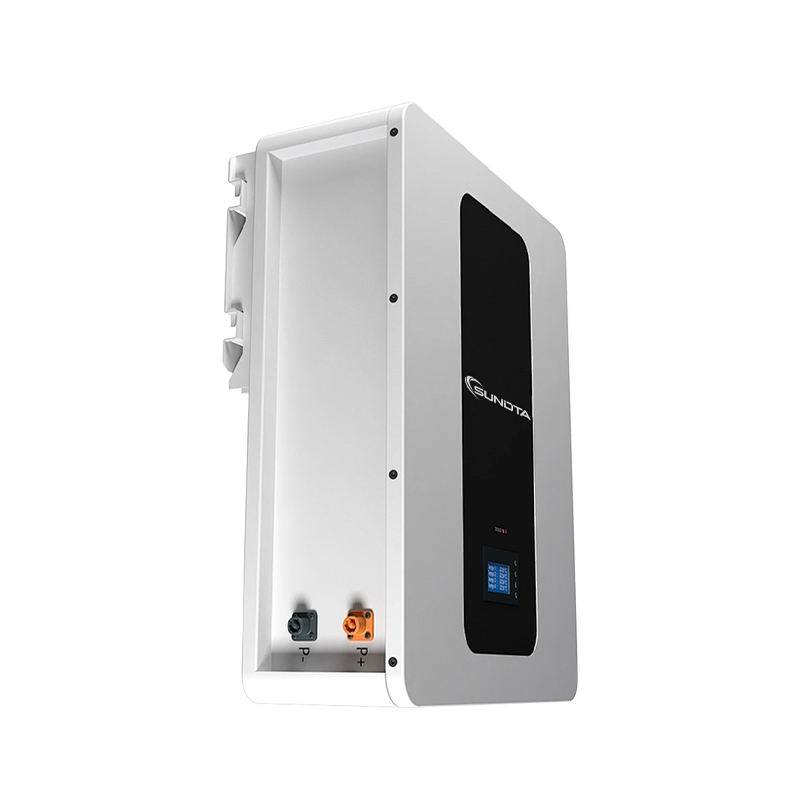
| Modular Maintenance | Hot-swappable parallel wall units (e.g., Sundta POLO) | Series-connected rack modules with Master BMS | Scales effortlessly as facility power demands grow |
From our advanced manufacturing headquarters in Hefei, China, to direct job-site container drops across the Port of Wilmington and Port of Charleston, we eliminate intermediate supply chain markups while guaranteeing Tier-1 performance.
Our automated production lines and corporate management undergo strict on-site verification by TÜV Rheinland. We maintain ISO 9001, ISO 14001, and ISO 45001 accreditations, backed by an AAA Enterprise Credit Assessment for transparent global transactions.
The #1 failure mode in commercial solar projects is cross-vendor communication conflict between third-party inverters and lithium BMS stacks. We pre-test, pre-flash, and factory-verify inverter and battery protocol communication before shipment, guaranteeing instant handshakes.
Whether you require EXW, FOB Ningbo/Shanghai, CIF East Coast terminals, or direct DDP customs-cleared truck deliveries to your Charlotte or Greensboro warehouse, our supply-chain desk handles all documentation, flash-test curves, and UN38.3 battery transport compliance.
Get exact engineering, regulatory, and trade answers before placing your commercial container order.
Yes. Our inverter platforms adhere to IEEE 1547-2018 standards and UL 1741-SA / SB specifications. They support advanced grid-supportive algorithms including reactive power dispatch, voltage ride-through, and frequency control mandated by Duke Energy Carolinas (DEC) and Duke Energy Progress (DEP).
Our commercial and residential battery systems feature robust IP55 to IP65 enclosures with conformally coated printed circuit boards (PCBs) and internal condensation management. The thermal cooling ducts prevent thermal hot-spots during humid Carolina July/August heat waves, prolonging battery life to 6,000+ deep cycles.
We accommodate both emerging installers and utility-scale distributors. Standard hybrid inverters and residential wall batteries start at an MOQ of 1 unit. Commercial systems and complete residential kits start at 1 full set. Solar panel shipments are palletized (typically 31 to 36 modules per pallet) or containerized for maximum shipping cost-efficiency.
Absolutely. Anhui RJV New Energy offers end-to-end OEM and ODM customization services. We tailor exterior industrial design, color aesthetics, branded silk-screening, custom packaging, and customized mobile monitoring application interfaces (iOS/Android) for regional energy brands across North America.
We routinely execute contracts under FOB, CFR, CIF (Port of Wilmington / Charleston / Savannah), and door-to-door DDP terms. Accepted payment options include Telegraphic Transfer (T/T), Letter of Credit (L/C at sight), D/P, PayPal, and Western Union for prototype sampling.
We provide around-the-clock (24/7) tier-3 engineering support via dedicated project communication channels. We supply turnkey electrical one-line diagrams (SLD), remote firmware updating tools, direct CAN protocol debugging, and carry replacement control boards and power modules for rapid warranty resolution.
Send your project blueprints, monthly load curves, or utility tariff schedules. Our technical engineering desk will deliver a fully matched hybrid inverter and LiFePO4 battery Bill of Materials (BOM) with factory-direct pricing within 24 hours.