Engineered Solar & LiFePO4 BESS Systems for Immediate Deployment
Tested for severe voltage fluctuations, deep cycle endurance, and smart CAN-bus synchronization with tier-one multi-megawatt PCS units.
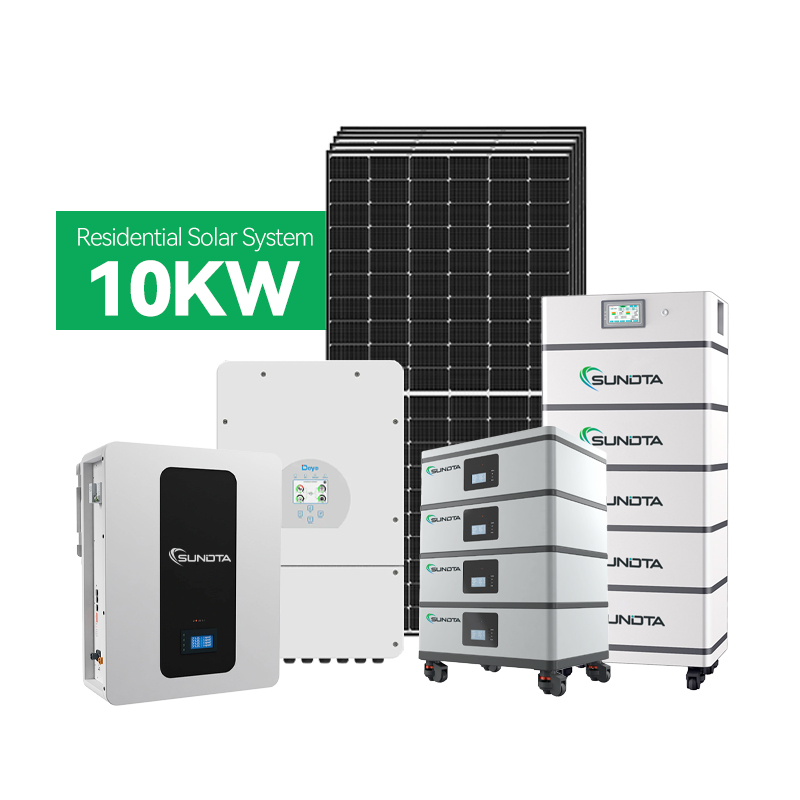
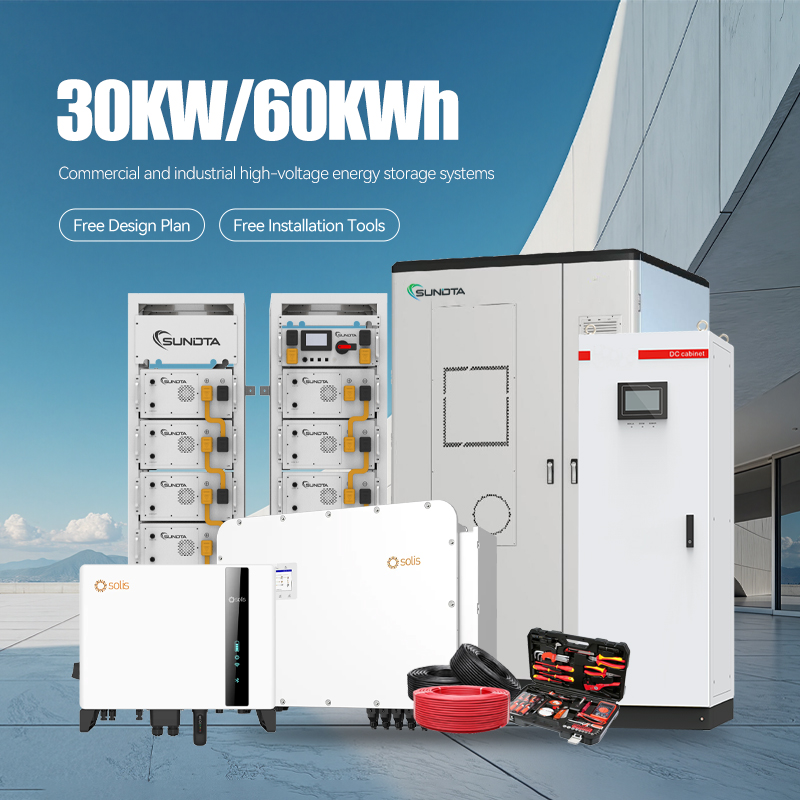
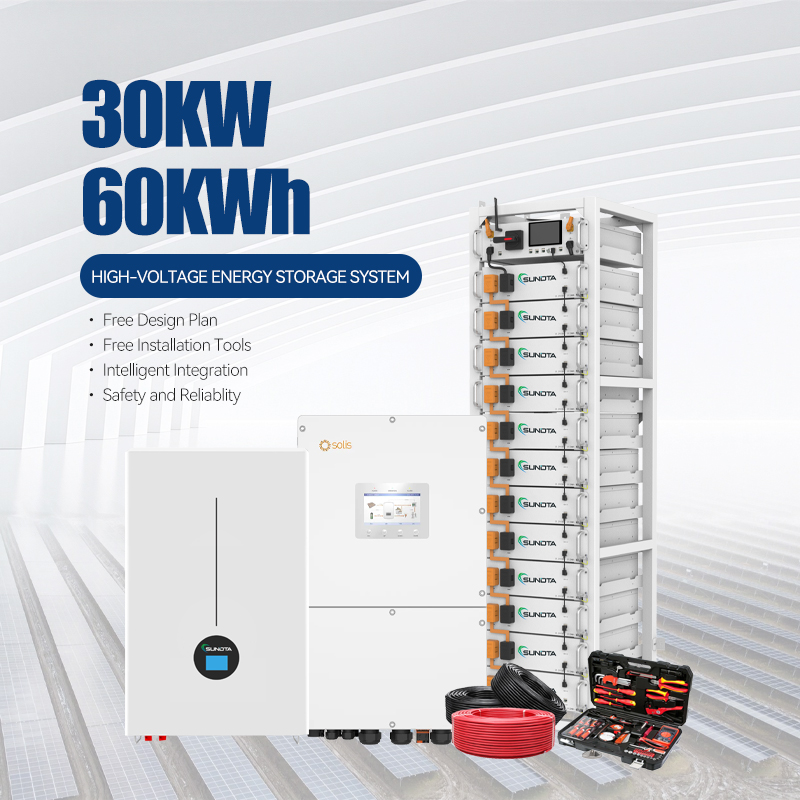
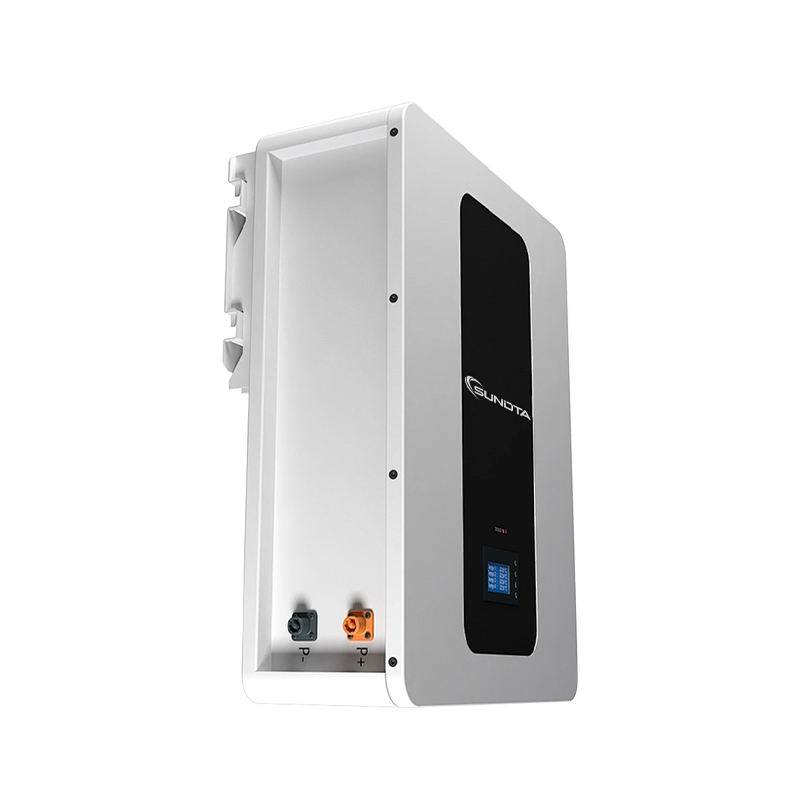
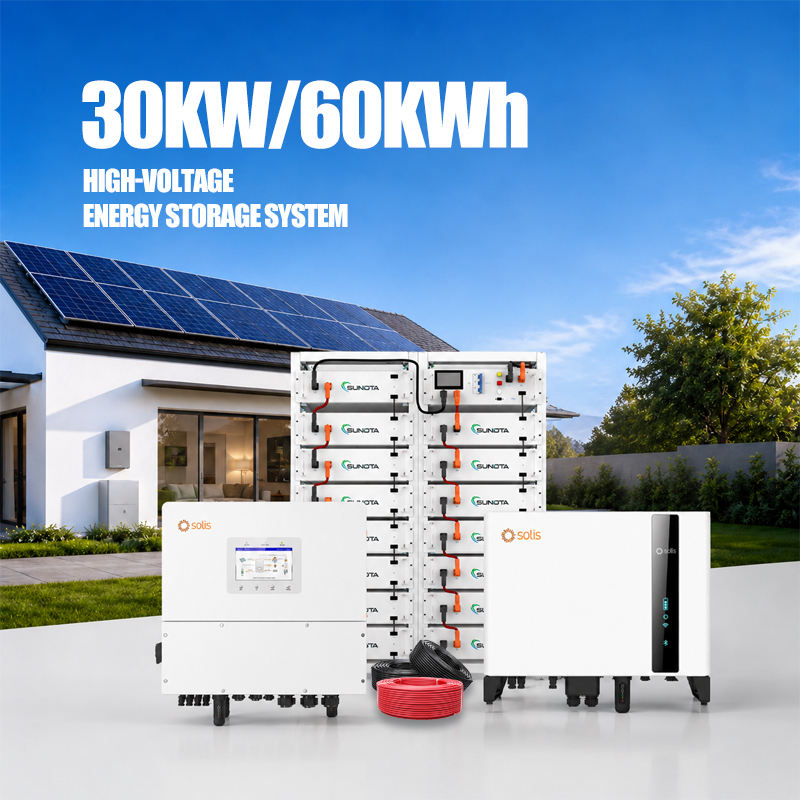
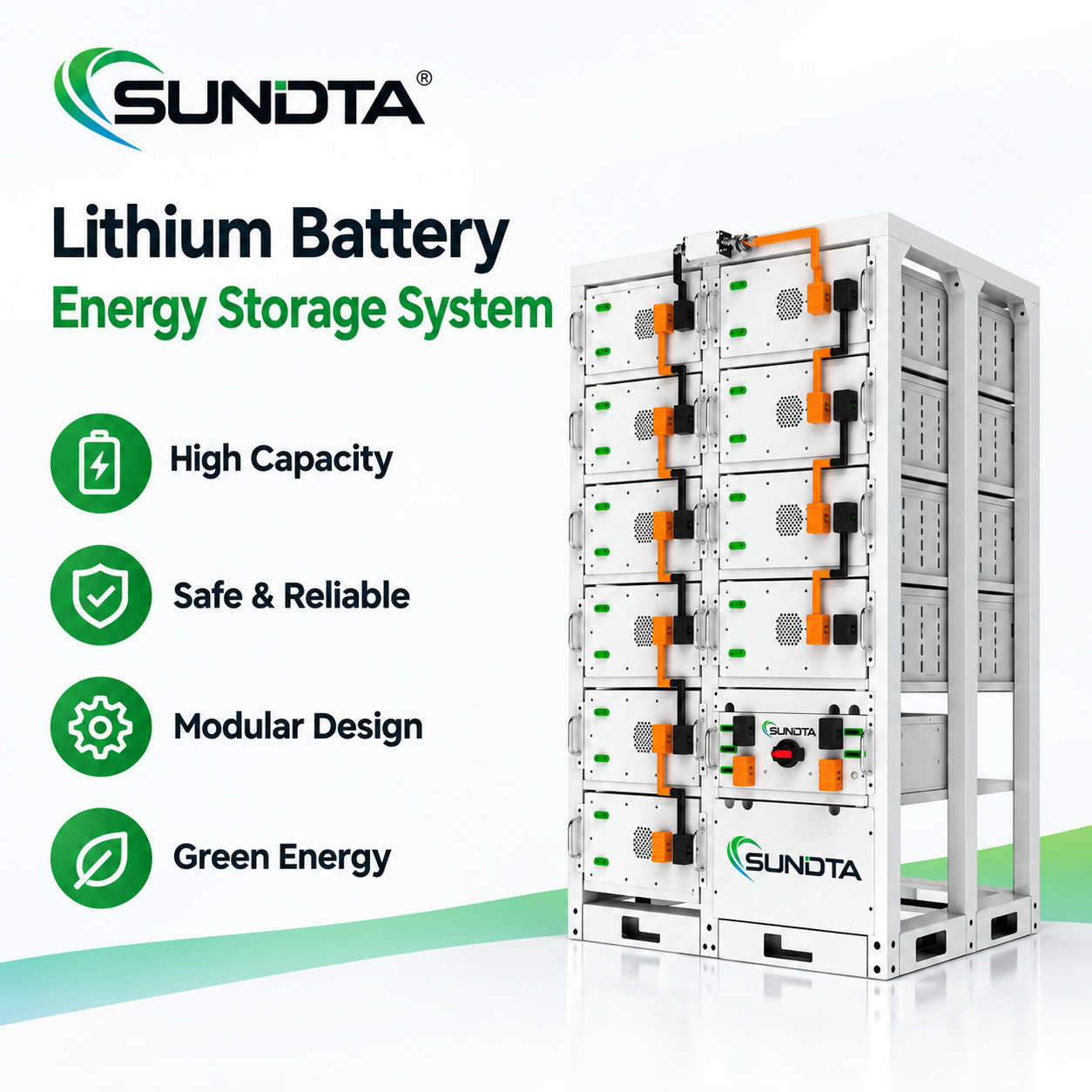
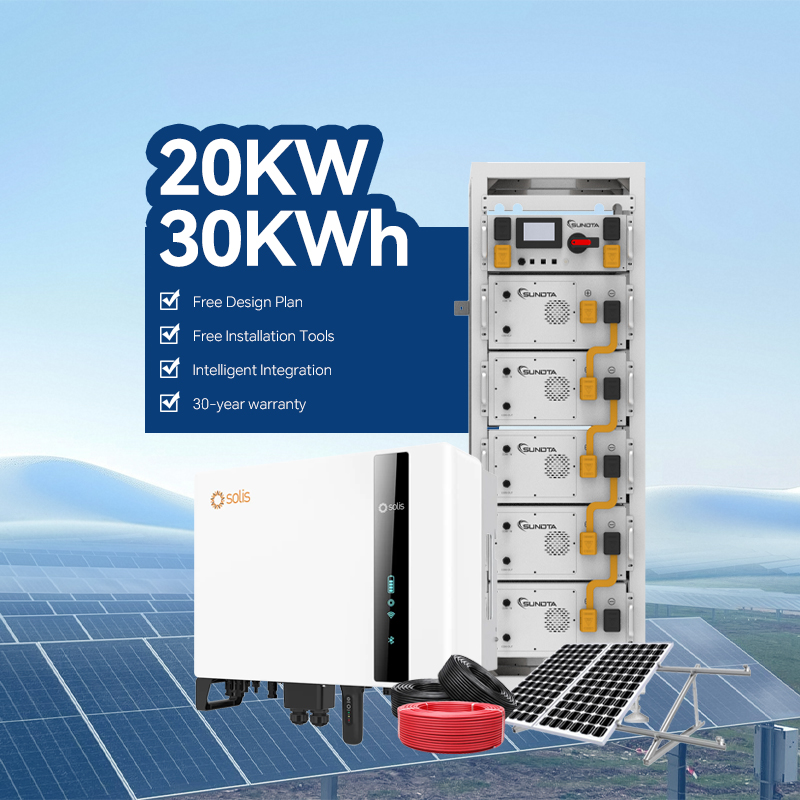
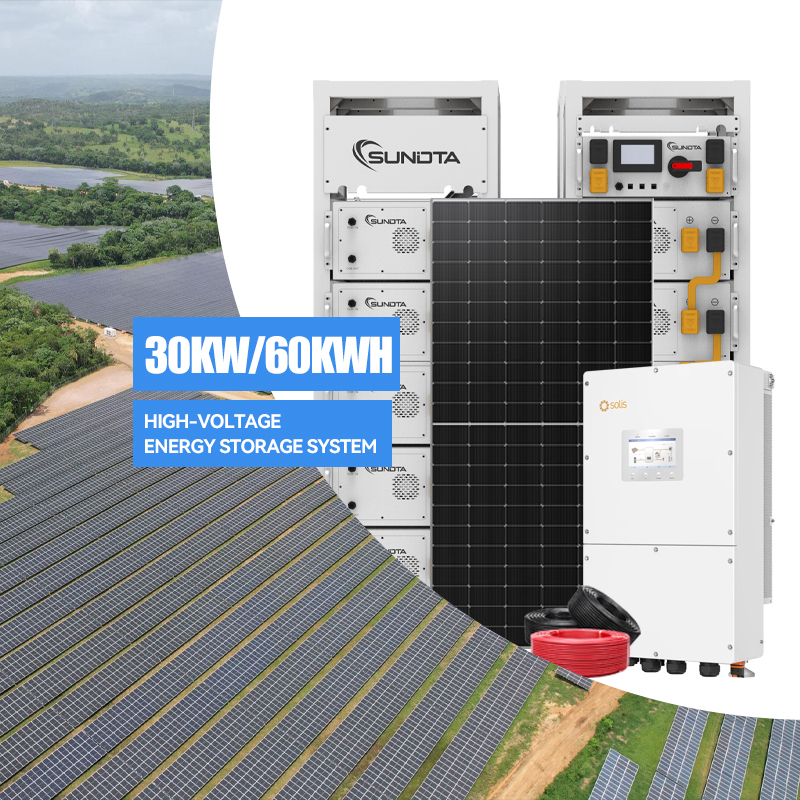
Engineering Industrial Battery Energy Storage Systems (BESS) for Rawalpindi
As the primary industrial, logistics, and military manufacturing hub of northern Punjab, the twin-city metropolitan region of Rawalpindi faces unprecedented grid-supply disruptions, steep Time-of-Use (TOU) tariffs from the Islamabad Electric Supply Company (IESCO), and volatile fuel expenditures associated with heavy industrial diesel generators (gensets). For industrial operators spanning the Rawat Industrial Estate, the Kahuta Triangle industrial cluster, and manufacturing facilities across the Grand Trunk (G.T.) Road corridor, localized containerized Battery Energy Storage Systems (BESS) have transitioned from an experimental asset to a mission-critical infrastructure investment.
Sourcing large-scale energy storage containers requires an in-depth understanding of the specific electrical, environmental, and thermal dynamics in the Potohar plateau. Summer peak ambient temperatures exceeding 44°C, high atmospheric particulate dust levels (PM10 and PM2.5), recurring transmission sag, and abrupt rolling load-shedding demand robust containerized enclosures with industrial-grade thermal dissipation, intelligent Battery Management Systems (BMS), and sub-10-millisecond uninterruptible transfer capability.
Engineering Core Insight: A standard utility BESS container engineered for temperate zones will experience severe cell degradation and up to 35% thermal derating when operated under Rawalpindi's ambient peak conditions unless equipped with dedicated micro-channel liquid cooling, IP55/IP65 segregated thermal compartments, and aerosolized multi-stage fire suppression systems complying with NFPA 855 standards.
Anhui RJV New Energy Co., Ltd., leveraging over 12 years of specialized photovoltaic and lithium electrochemical production experience, designs and integrates bespoke 20-foot and 40-foot containerized BESS configurations ranging from 500 kWh to 2.5 MWh capacity. Our turnkey systems integrate directly with high-voltage Power Conversion Systems (PCS) and mainstream hybrid power electronics—ensuring total protocol and hardware compatibility before leaving our factory floor.
Localized Deployment Scenarios Across Rawalpindi's Commercial Zones
Optimized for rapid payback against escalating IESCO peak commercial tariff rates and critical process continuity.
Rawat Industrial Estate: Textile & Plastics
Continuous synthetic spinning and injection molding operations suffer severe batch spoilage from sub-second voltage dips. RJV BESS containers deliver seamless dynamic synthetic inertia and UPS-grade cutover, protecting high-torque continuous drive extruders from line-voltage droop.
IESCO Peak Tariff Shaving & Demand Control
With Nepra peak-hour industrial tariffs rising sharply, RJV energy storage systems charge during off-peak windows or midday solar generation surplus, discharging automatically during the mandatory four-hour evening peak billing window to compress monthly capacity charges.
Diesel Genset Hybridization & LCOE Reduction
Displacing high-maintenance 500kVA–1250kVA diesel gen-sets along the Kahuta industrial corridor. RJV BESS operates in virtual synchronous generator (VSG) mode, absorbing transient motor start-up spikes and allowing diesel generators to run strictly at their peak thermodynamic fuel-efficiency curve.
Cold Storage & Pharma Processing Centers
Pharmaceutical laboratories and temperature-controlled fruit storage centers on Murree Road require non-oscillating thermal equilibrium. RJV containerized LiFePO4 systems guarantee uninterrupted chiller motor drives during widespread transmission collapses.
Engineering Specifications: Containerized BESS Architectures
A granular side-by-side assessment of RJV C&I standard, liquid-cooled, and high-voltage container platforms.
| System Architecture | Cell Chemistry & Form Factor | Nominal Energy / C-Rate | Cooling Technology | BMS Communication Protocol | Target Rawalpindi Project Scope |
|---|---|---|---|---|---|
| RJV-C20-1000 Standard | CATL / EVE 314Ah Prismatic LiFePO4 | 1,000 kWh | 0.5C Continuous | Precision Dual Industrial HVAC | CAN 2.0B / Modbus TCP / RS485 | Flour mills, auto part machining, feed processing plants |
| RJV-C40-2000 Pro Liquid | High-Density 314Ah Prismatic LiFePO4 | 2,150 kWh | 0.5C - 1.0C Peak | Closed-Loop Liquid Glycol Circulation | Isolated Industrial Ethernet / DNP3 | Continuous textile spinning, multi-megawatt microgrids |
| RJV-RACK-HV High Voltage | 280Ah / 314Ah Modular Rack-mount | 100 kWh to 500 kWh Scalable | Direct Air Forced Thermal Ducting | Closed-loop Solis / Deye CAN protocol | Commercial plazas, surgical centers, telecom switching |
| RJV-HYBRID Turnkey C&I | Tier-1 LiFePO4 Prismatic Stack | 30 kWh to 100 kWh Hybrid | Smart Heat Sink + Internal Fan array | Integrated Touchscreen BMS interface | Executive estates, workshops, retail headquarters |
The Shifting Energy Landscape in Pakistan: Why BESS is Inevitable
The renewable energy landscape across Pakistan, and specifically within the IESCO territory, is undergoing fundamental structural transitions that directly elevate the investment return on containerized storage:
1. Nepra Tariff Restructuring & Net Metering Revisions: National Electric Power Regulatory Authority (NEPRA) policy adjustments continue to taper solar buyback export rates toward national average generation costs, while widening the tariff differential between off-peak and peak industrial slots. Commercial enterprises can no longer rely purely on grid export economics. Maximum internal self-consumption—buffered through multi-megawatt LiFePO4 battery containers—represents the only viable shield against continuous power tariff hikes.
2. Liquid Cooling vs. Forced-Air Dissipation: Historically, early storage systems deployed in northern Pakistan suffered premature thermal capacity fade due to unequal rack heat gradients. Today's trend is an emphatic shift toward closed-loop liquid-cooled BESS containers. By maintaining an inter-cell temperature variance of less than 2.5°C throughout demanding 1C charge/discharge cycles in extreme summer heat, liquid thermal management systems prolong battery operational longevity from 7 years to upwards of 15 years (>6,000 cycles at 80% Depth of Discharge).
3. Competitive Trading Bilateral Contract Market (CTBCM) Readiness: As Pakistan implements the CTBCM framework, enabling bilateral power purchases between independent power producers (IPPs) and bulk power consumers (BPCs), BESS containers act as critical dispatch balancing assets. Industrialists in Rawalpindi with on-site storage can arbitrate power rates dynamically, selling fast-response frequency regulation or securing cheaper off-peak blocks directly.
Integrated Engineering Depth & Strict Quality Assurance
Unlike trading intermediaries, Anhui RJV New Energy delivers end-to-end integration, from cell grading to multi-megawatt container commissioning.
2 GW Automated Capacity
Equipped with fully automated module lamination lines and computerized lithium cell sorting machinery. Every 314Ah cell is tested for internal AC resistance, static capacity, and open-circuit voltage consistency before module rack assembly.
Pre-Commissioned Closed Loop
Our containerized systems undergo full-load burn-in testing in our Hefei facility. Inverter MPPT windows, high-voltage battery BMS interfaces, and PCS firmware handshakes with Deye, Solis, and Growatt are validated prior to container sealing.
TÜV Rheinland Audited
Backed by an on-site verified TÜV Rheinland assessment, AAA enterprise credit certification, and 38 technology invention patents. We provide complete CE declarations, UN38.3 shipping compliance, and flash test data sheets for rapid clearance at Karachi and Rawalpindi Dry Port.
Frequently Answered Technical Questions for Rawalpindi Importers
Critical considerations on logistics, Letter of Credit (LC) procedures, IESCO integration, and thermal management.
How does an RJV BESS container withstand Rawalpindi's 45°C summer ambient temperatures?
Our containers feature dual-walled thermal insulation with rock-wool or high-density polyurethane filling, maintaining internal compartment stability even when exterior steel temperatures exceed 60°C. Coupled with intelligent industrial HVAC or closed-loop liquid thermal cooling units, individual cell core temperatures are kept consistently between 22°C and 28°C to ensure zero premature thermal aging or emergency shutdown.
What is the delivery logistics route and customs processing for Rawalpindi delivery?
Shipments depart from Shanghai or Ningbo ports directly to Karachi Port (KICT / QICT). From Karachi, containerized BESS platforms are transported via bonded heavy-haul road trailers directly to the Rawalpindi Dry Port (Chaklala) or delivered under customs bond directly to the client's industrial site for clearance. We furnish full HS code classification documentation (typically HS 8507.6000), MSDS, and UN38.3 dangerous goods transport certifications.
Which payment terms and State Bank of Pakistan (SBP) mechanisms are supported?
We work smoothly with standard irrevocable Letters of Credit (L/C at sight), documentary collections (CAD), and telegraphic transfer (T/T). Our international banking accounts accommodate multi-currency settlements, and our logistics division assists your clearing agents with all required Form-M, electronic import form (EIF), and consular packing manifests.
Can the BESS synchronize with our existing on-site Cummins / Caterpillar diesel generators?
Yes. The RJV Energy Management System (EMS) features dedicated dry-contact and Modbus RS485 interfaces that integrate seamlessly with Deep Sea Electronics (DSE) or ComAp generator controllers. The BESS serves as the grid-forming reference, allowing your diesel generators to start smoothly under zero load and ramp up only when state of charge (SoC) parameters necessitate baseline support.
What fire safety and fault isolation safeguards are incorporated into the containers?
Safety is non-negotiable. Every containerized BESS unit incorporates a three-tier protection architecture: pack-level thermal run-away sensor detection, an autonomous Novec 1230 or aerosol fire suppression system, and structural deflagration blast relief vents complying with NFPA 855 and UL 9540A testing criteria. Flammable gas detection (CO, H2) triggers instantaneous circuit separation before thermal propagation can occur.
What is the typical Return on Investment (ROI) period for a Rawalpindi factory?
Under present IESCO commercial/industrial B3 and B4 tariff bands combined with diesel fuel prices, a properly sized RJV BESS delivering peak shaving and genset displacement delivers full capital amortization within 2.8 to 4.2 years. Factoring in the avoidance of costly motor burnout from brownouts and zero production downtime, payback is frequently achieved even faster.