Deep-Cycle Storage
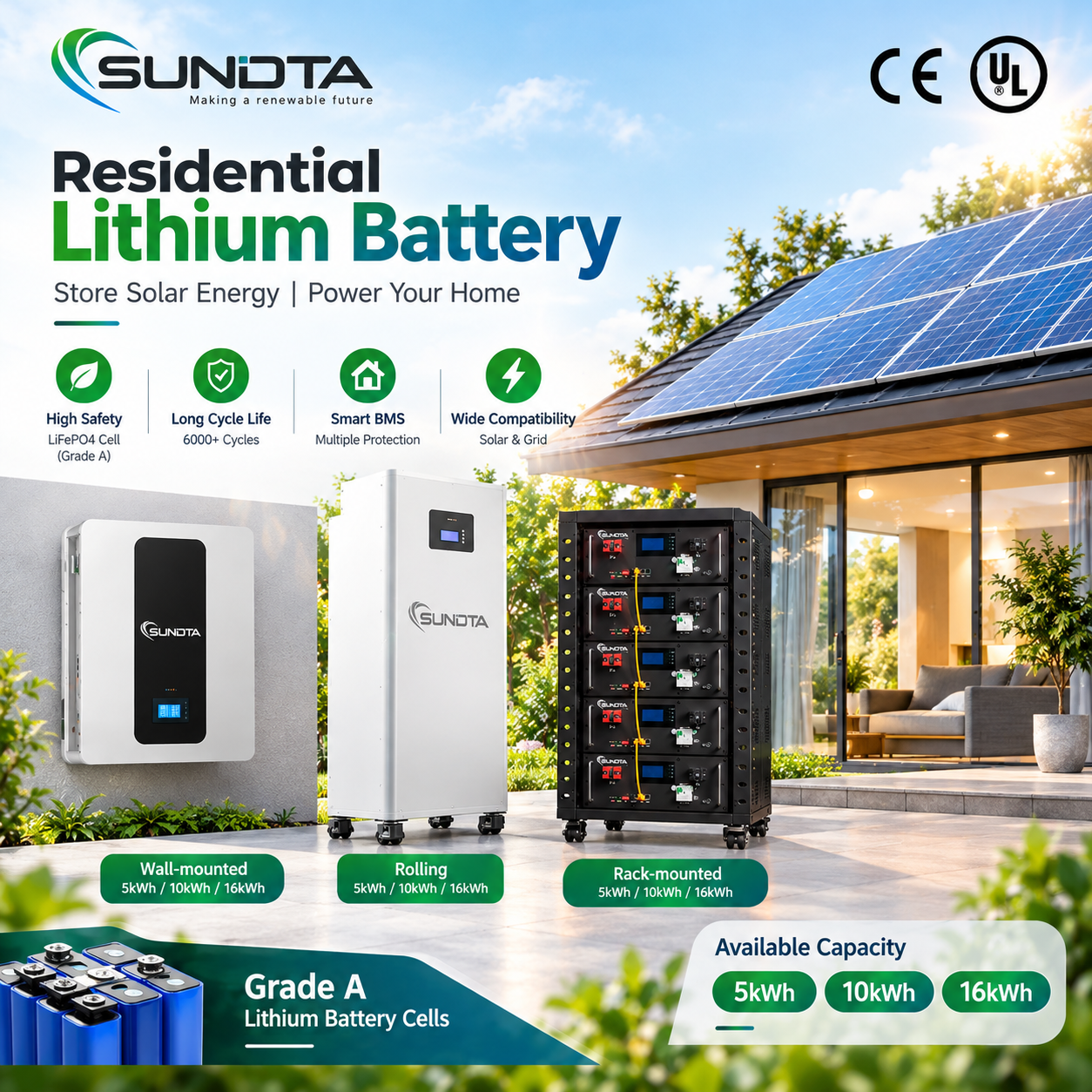
30KWH 51.2V 314AH LiFePO4 Battery All-in-One Solar Storage
- Grade-A 314Ah Prismatic LiFePO4 Cells
- Dual Isolated CAN/RS485 Communication
- Over 6,000 Cycles @ 80% DoD Autonomy
Engineered to resist saline fog, high-velocity hydrocarbon winds, and rapid Caspian thermal oscillations. Selected for Baku marine logistics, offshore substations, coastal aquaculture, and autonomous nautical installations.
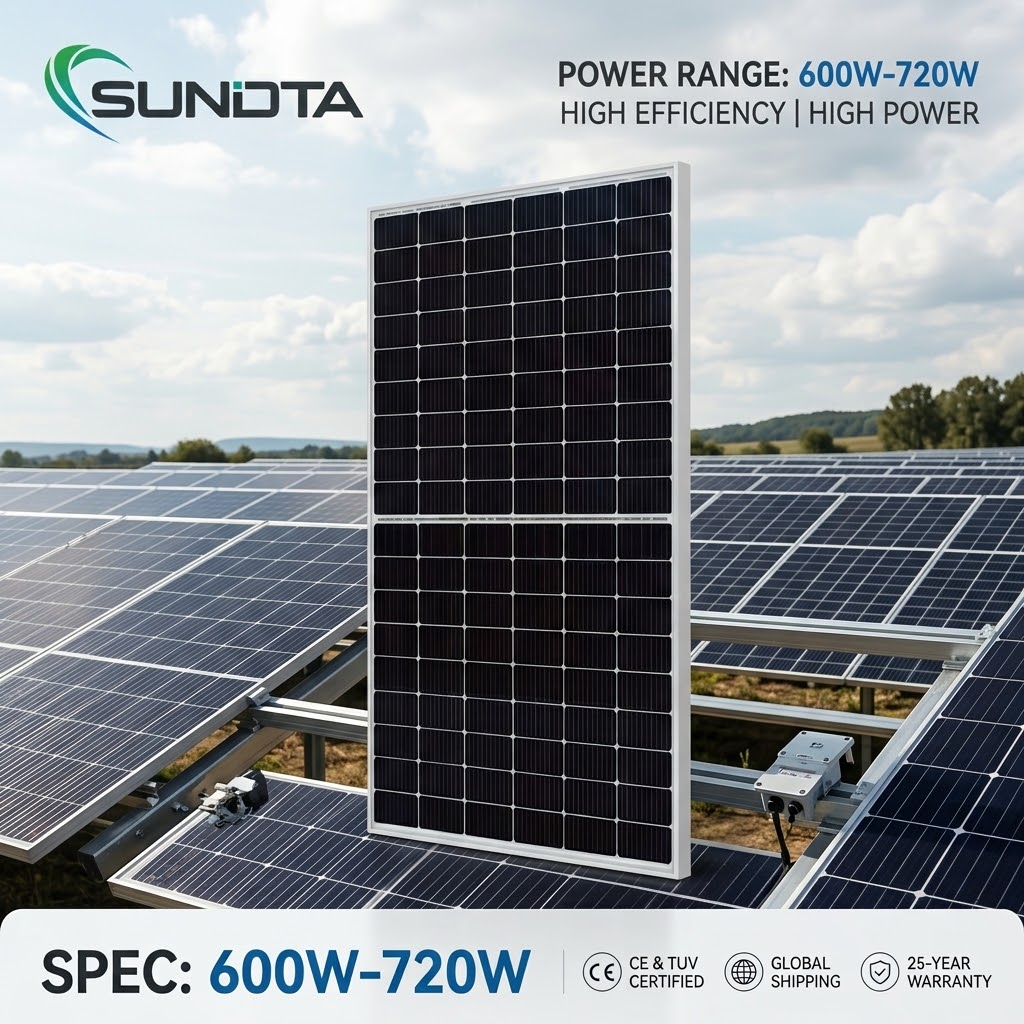
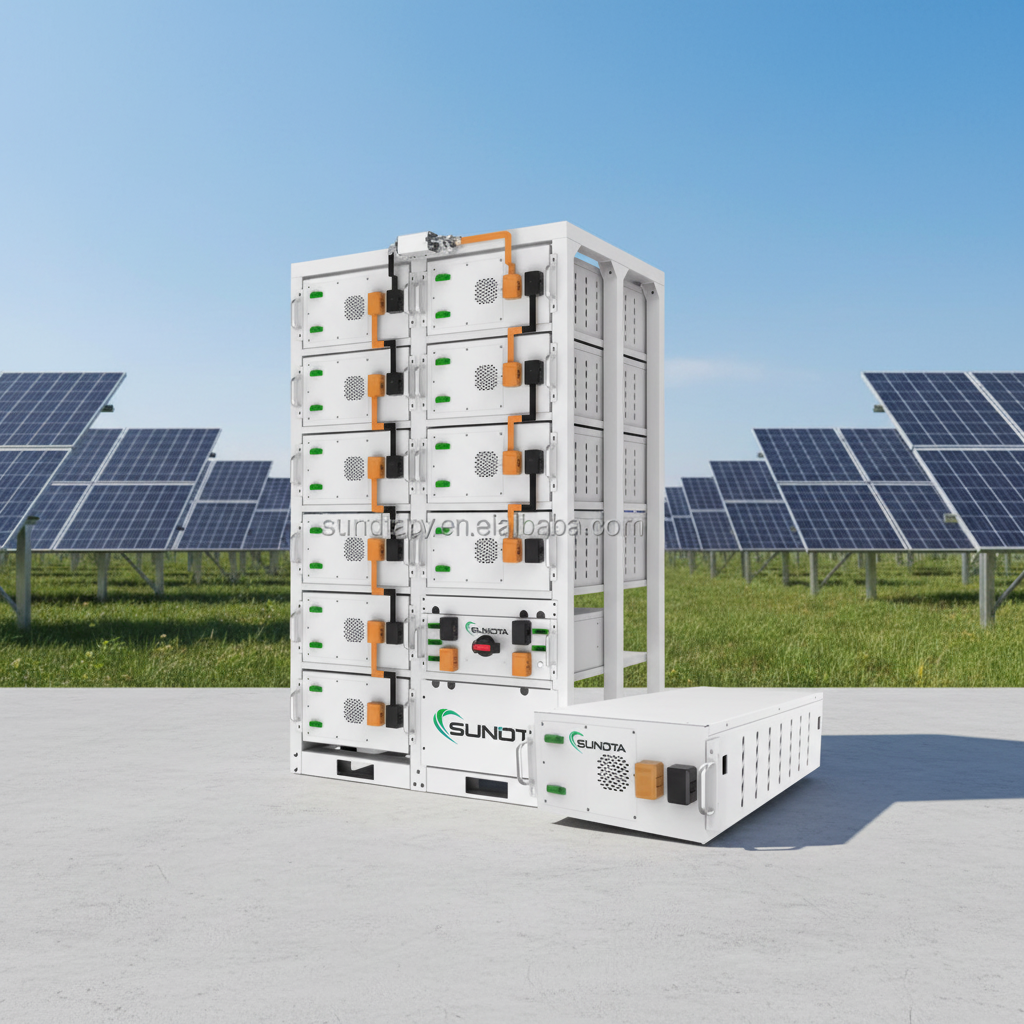
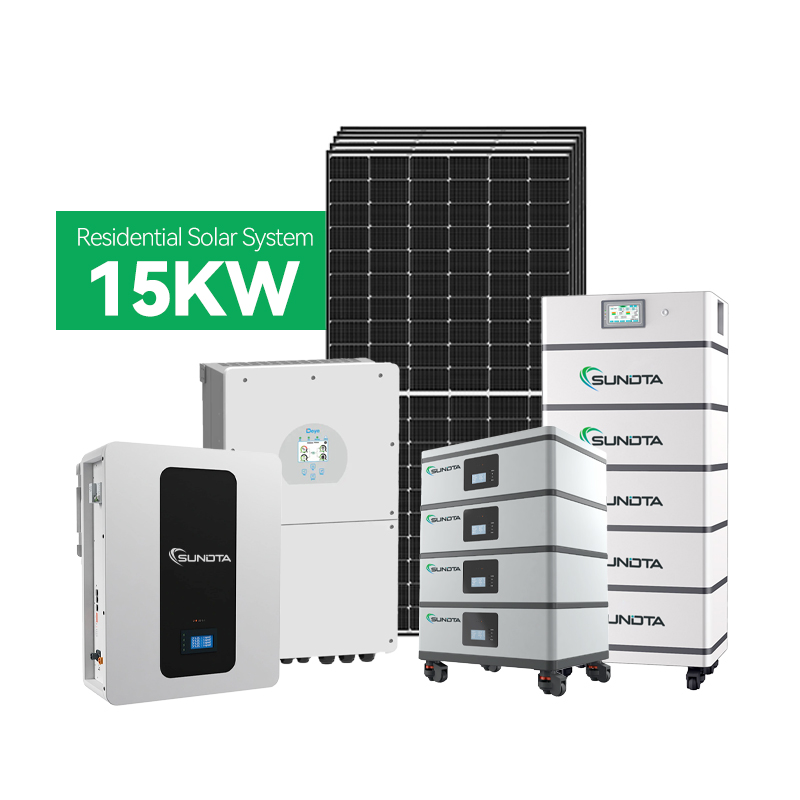
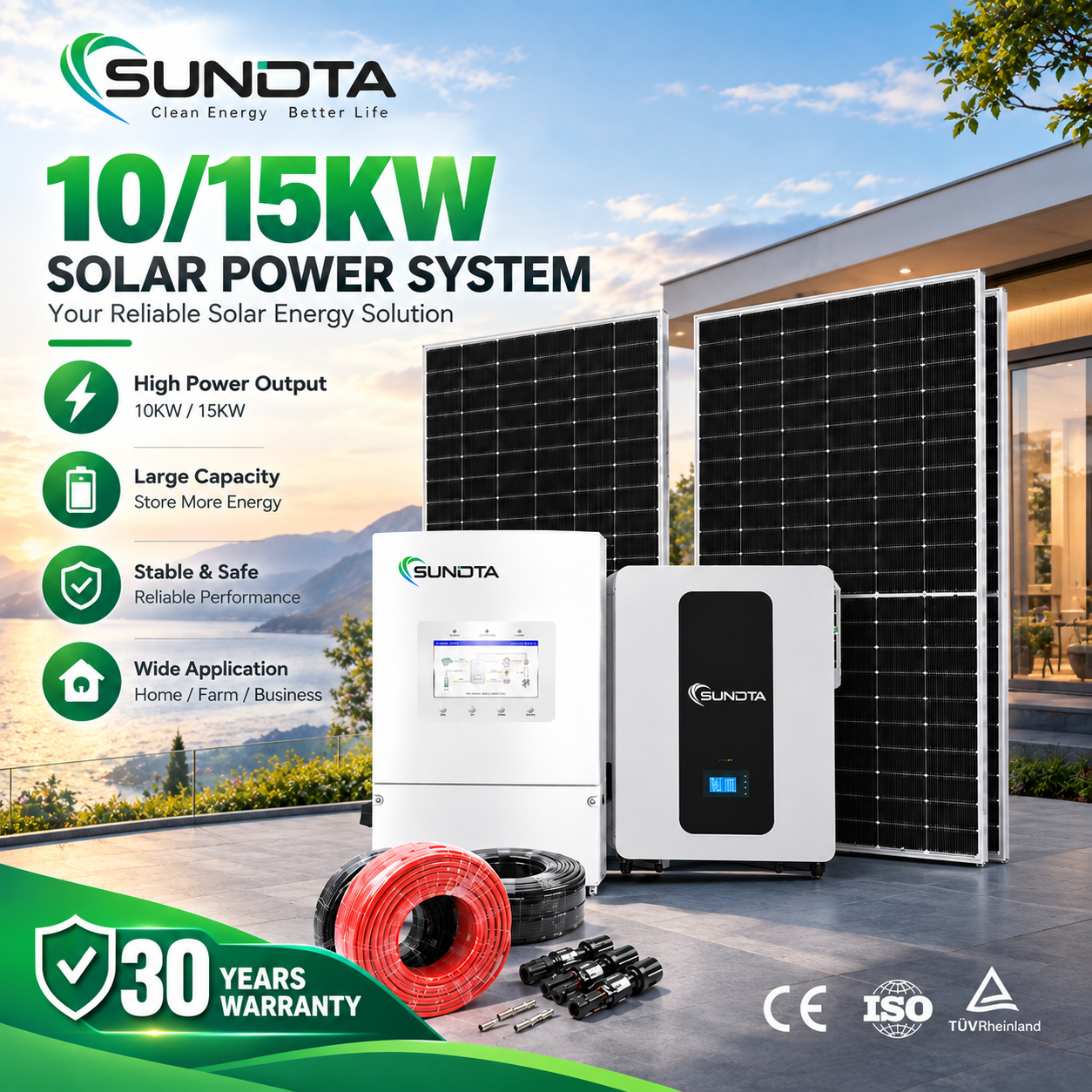
The Caspian basin presents a unique hydro-meteorological convergence. Standard terrestrial solar installations frequently encounter rapid degradation in Baku Bay, Absheron, and offshore fields due to specific environmental variables.
Azerbaijan’s Caspian coastal strip, notably the Absheron Peninsula (including the Port of Baku at Alyat and offshore platforms near Neft Daşları), experiences relentless atmospheric stress. The notorious northern gale (Khazri) and southern airflow (Gilavar) create continuous mechanical vibration and cyclic wind loading exceeding 3,800 Pa to 5,400 Pa. Terrestrial modules with thin 30mm frames suffer localized micro-cracking across cell interconnects within 18 months under these conditions.
Anhui RJV New Energy exports marine-spec solar modules featuring heavy-duty 35mm–40mm anodized aluminum frames (anodization layer ≥ 15μm) fortified with corner-locking gussets and dual-stage chemically toughened 2.0mm POE (Polyolefin Elastomer) encapsulation glass. This dual-glass architecture shields fragile N-type silicon wafers from cyclic deflection, eliminating cell cleavage caused by Caspian wind-shear patterns.
Although the Caspian Sea maintains an average salinity of approximately 1.2% (lower than oceanic bodies), its water chemistry contains distinctively elevated sulfate, calcium, and magnesium ion concentrations. When whipped into high-velocity aerosols by Khazri winds, this brackish atmospheric spray forms an adhesive, electrically conductive film on module front sheets and junction interfaces.
Under continuous marine operation, surface conductive films induce severe Potential Induced Degradation (PID) if anti-PID encapsulation materials are not incorporated. Our marine-grade photovoltaic modules utilize dense cross-linking POE encapsulants rather than standard EVA, providing volumetric resistivity up to 1×10¹⁵ Ω·cm. Combined with IP68-sealed potting junction boxes and Class A fire-rated back glass, these panels guarantee complete zero-current-leakage protection even during high-humidity Caspian fog events.
Marine platforms, oil service vessels, floating dry-docks, and coastal breakwaters benefit substantially from high-albedo sea reflections. Our TOPCon dual-glass bifacial modules exploit this phenomenon through a 30-year linear performance model offering up to 80%±5% bifaciality. Backside photovoltaic cells convert sunlight scattered from water surfaces and light-toned maritime decks, yielding an additional 15% to 28% real-world kWh output compared to conventional monofacial systems without requiring additional vessel deck area.
| Evaluation Parameter | Standard Terrestrial PV Panels | RJV Caspian Marine-Grade Modules | Operational Impact in Azerbaijan |
|---|---|---|---|
| Salt Fog Corrosion Standard | IEC 61701 Severity 1-2 (Mild) | IEC 61701 Severity 6 (Harsh Marine) | Zero galvanic corrosion on coastal & offshore rigs |
| Encapsulant Material | Standard EVA (Hydrolytic Risk) | Cross-linked Polyolefin Elastomer (POE) | Prevents acetic acid formation & internal cell browning |
| Mechanical Static/Dynamic Load | 2,400 Pa Wind / 5,400 Pa Snow | 3,600 Pa Dynamic / 6,000 Pa Static | Resists severe Khazri gale buffeting in Baku offshore zones |
| Bifacial Albedo Gain | 0% (Opaque Backsheet) | Up to 28% Dual-Glass Bifacial Capture | Optimizes constrained naval deck & floating platform spaces |
| Junction Box & Connectors | IP65/IP67 Snap Clamps | IP68 Potted + Corrosion-Resistant Plating | Eliminates short circuits and marine moisture ingress |
Optimized solar topologies designed to resolve regional energy challenges, from the deep-water offshore sectors to modern inland green corridors.
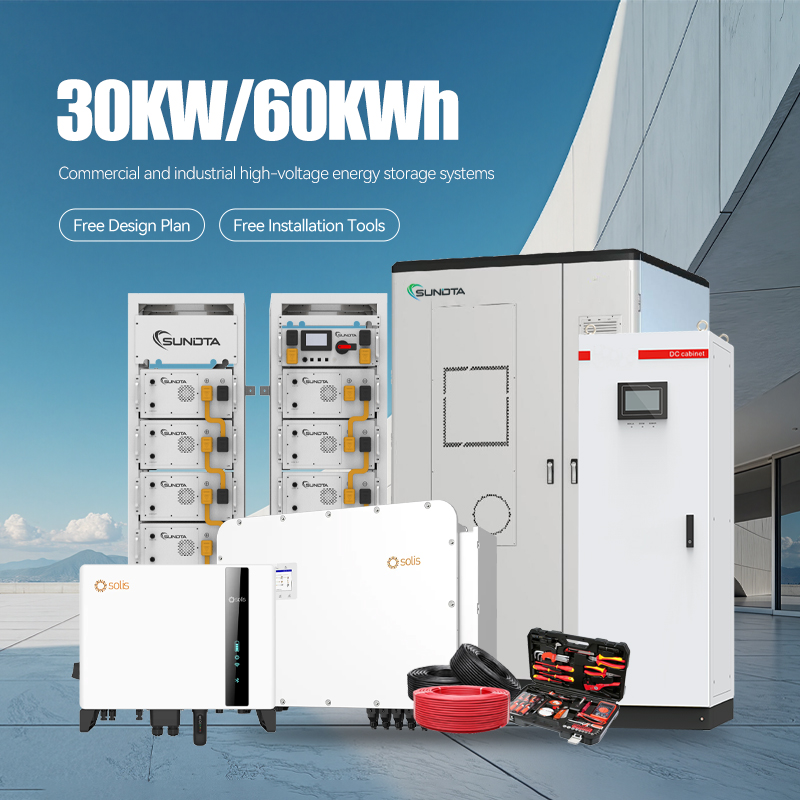
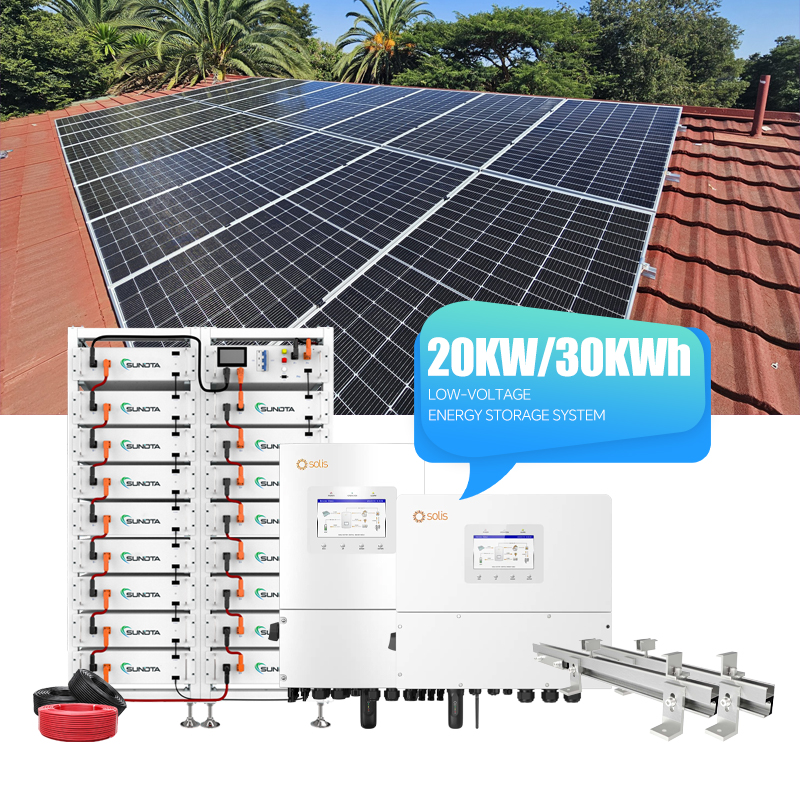
Unattended Caspian hydrocarbon platforms require uninterruptible autonomous power for SCADA, telemetry, emergency valves, and obstruction beacons. RJV’s 595W bifacial modules paired with modular rack-mounted high-voltage LiFePO4 batteries replace unreliable diesel generation, drastically trimming helicopter-servicing maintenance cycles.
The Trans-Caspian International Transport Route (Middle Corridor) is expanding through the Port of Baku at Alyat. Our 50kW–125kW commercial hybrid inverters paired with 100kWh–500kWh battery cabinets shave daytime peak tariff loads while powering automated cranes, reefer container parks, and customs administration centers.
Bunkering barges, pipelay vessels, and tugs operating between Baku, Aktau, and Turkmenbashi install our lightweight, rugged solar arrays on wheelhouse decks and accommodation superstructures. Closed-loop CAN integration with hybrid inverters maintains auxiliary DC-bus charging without running auxiliary generators at anchor.
Sturgeon aquaculture along the Neftchala and Lenkoran coastal belts requires continuous water aeration and UV filtration. RJV off-grid solar systems (15kW to 50kW) paired with 314Ah lithium banks eliminate vulnerability to rural grid interruptions, safeguarding valuable Caspian sturgeon populations.
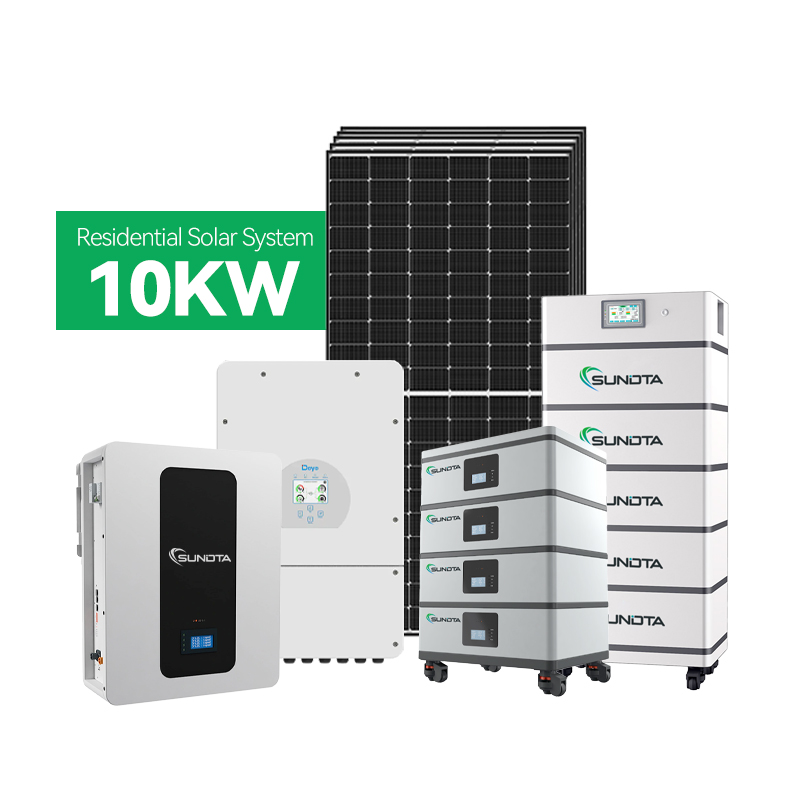
High-end coastal developments along Bilgah, Mardakan, and Zagulba face high summer air-conditioning loads and unstable rural feeder voltage. Our all-black aesthetic N-type panels integrated with 10kWh–30kWh stackable residential systems deliver quiet self-consumption and reliable emergency backup.
Leveraging national decarbonization directives, our export division coordinates containerized BESS (1MWh–2MWh) and turnkey utility kits to support regional reconstruction across agricultural processing, mini-hydro hybrid stabilization, and municipal municipal infrastructure.
Following COP29 in Baku, Azerbaijan has accelerated its transformation from a conventional petroleum producer to an integrated renewable energy exporter serving both the Caucasus and Southern European markets.
Recent decrees issued by the Ministry of Energy have formalized legal frameworks for net metering, granting commercial and industrial facilities with systems up to 150kW grid-feed rights. Maritime logistics operations and shoreside businesses in Sumgait and Baku can now offset costly retail tariffs through certified grid-tie inverters.
Azerbaijan, Georgia, Romania, and Hungary are advancing an undersea high-voltage direct current (HVDC) power cable under the Black Sea. This landmark interconnector unlocks large-scale international off-take for renewable projects in Azerbaijan, creating unprecedented institutional demand for Tier-1 quality, utility-scale photovoltaic infrastructure.
State energy operator SOCAR and affiliated service fleets are aggressively pursuing scope 1 and scope 2 emission reductions. Equipping maritime supply bases, pipe-laying vessels, and service platforms with hybrid PV/ESS systems has shifted from an experimental concept to a mandatory tender evaluation metric.
Clear, direct answers regarding customs clearance, sea transport to Baku, technical compatibility, and electrical standards in Azerbaijan.
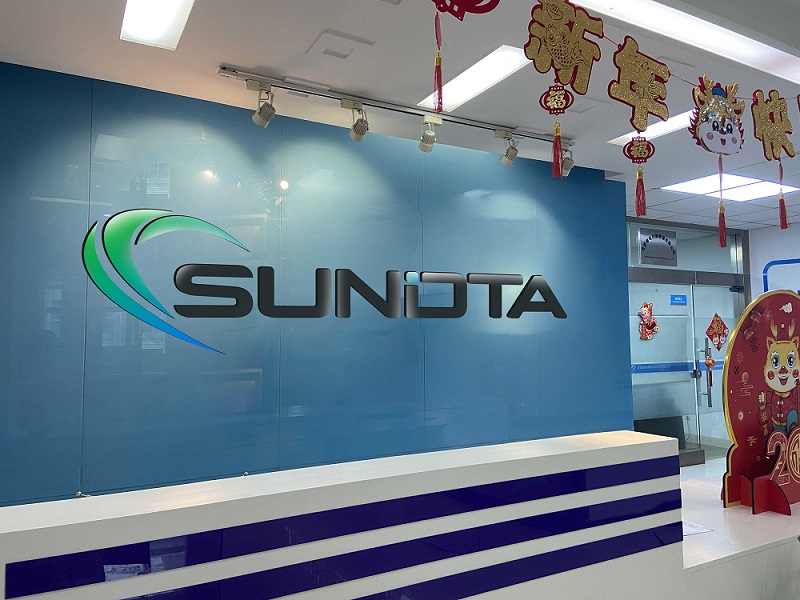
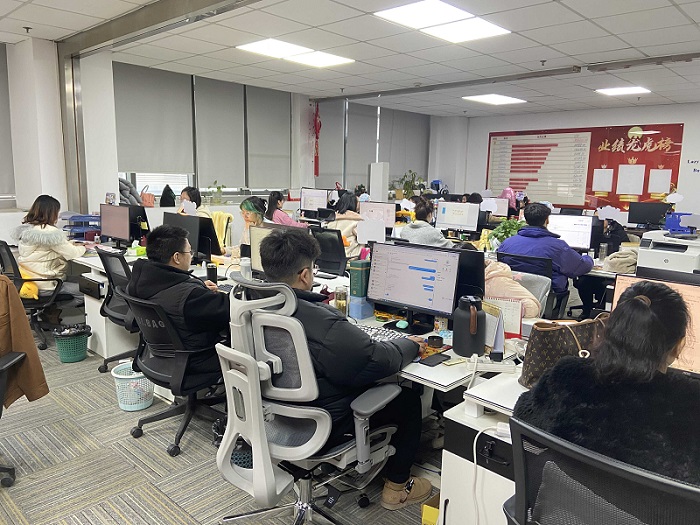
Headquartered in the high-tech industrial cluster of Hefei, Anhui RJV New Energy Co., Ltd. stands as an integrated manufacturer and global turnkey solutions provider. Established by veteran engineers in photovoltaic materials and energy electronics, the enterprise operates high-speed, fully automated module production lines yielding over 2.0 GW in annual manufacturing capacity.
Unlike simple traders, RJV oversees full quality lifecycles: from high-precision laser dicing of half-cut M10/G12 TOPCon wafers and automated multi-busbar (SMBB) string soldering, to electroluminescence (EL) double-stage microscopic flaw detection and high-pressure insulation testing.
With an immaculate supply track record exceeding 500 MW in projects deployed worldwide, we provide Azerbaijani energy developers, EPC contractors, and marine service companies with direct, factory-level technical support, reliable warranty documentation, and matched system bills of materials.
From initial electrical sizing to customs arrival at Baku / Alyat port.
Our engineers review load requirements, wind profiles, and salinity criteria to specify BOM.
Pre-shipment verification of inverter MPPT windows and LiFePO4 battery BMS protocols.
Automated EL testing, high-voltage flash checks, and comprehensive container loading photos.
Multimodal rail/ferry via the Middle Corridor or sea shipment to direct clearing terminals.
24/7 remote commissioning assistance, local engineering guidance, and warranty backing.