Engineered B2B Solar & Storage Bill of Materials (BOM)
Seamlessly pre-configured for Southern California Edison (SCE) and Los Angeles Department of Water and Power (LADWP) utility interconnects under California's Net Billing Tariff (NEM 3.0).
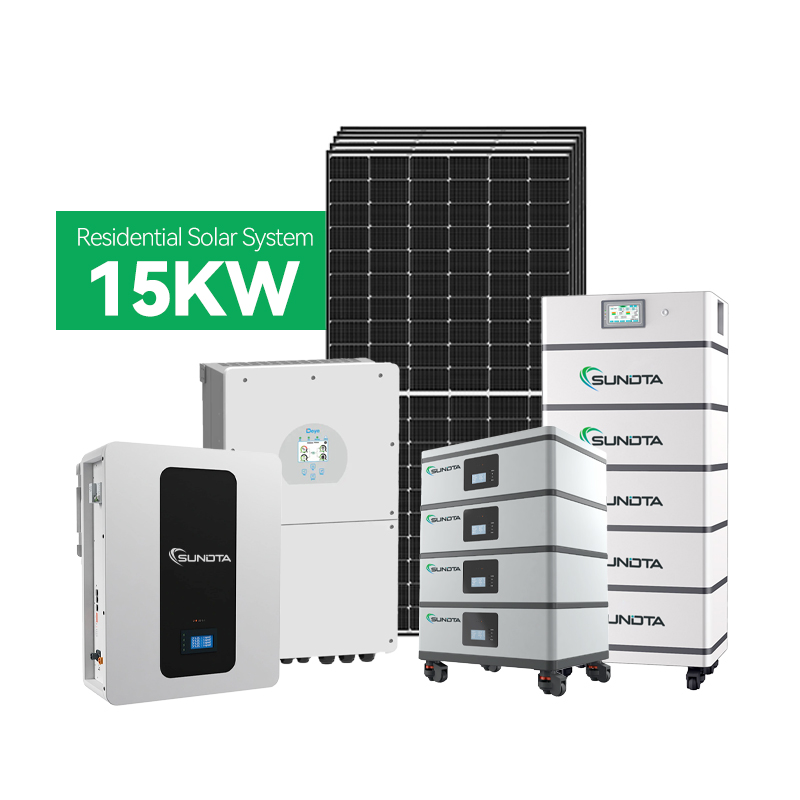
Sundta Hybrid Solar Energy System Low Price Solar Panel Kit 5KW 10KW 12KW 15KW Full Set Solar System Kit Home System
- N-Type TOPCon bifacial module array
- Split-phase low-voltage hybrid inverter
- Zero-export & peak-shaving firmware
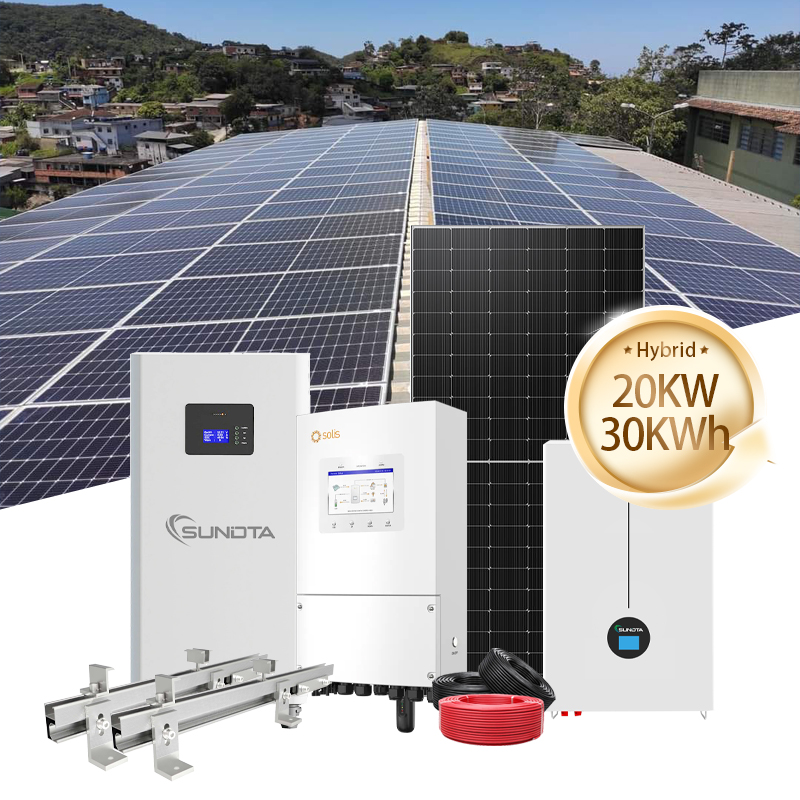
Complete Hybrid Solar Energy Storage System 20KW 30KW 50KW All in One Solar Panel Energy System for Home with Lithium Battery
- Three-phase 208V / 480V C&I compatible
- Deep-cycle prismatic LiFePO4 cells
- Integrated smart rapid shutdown (RSD)
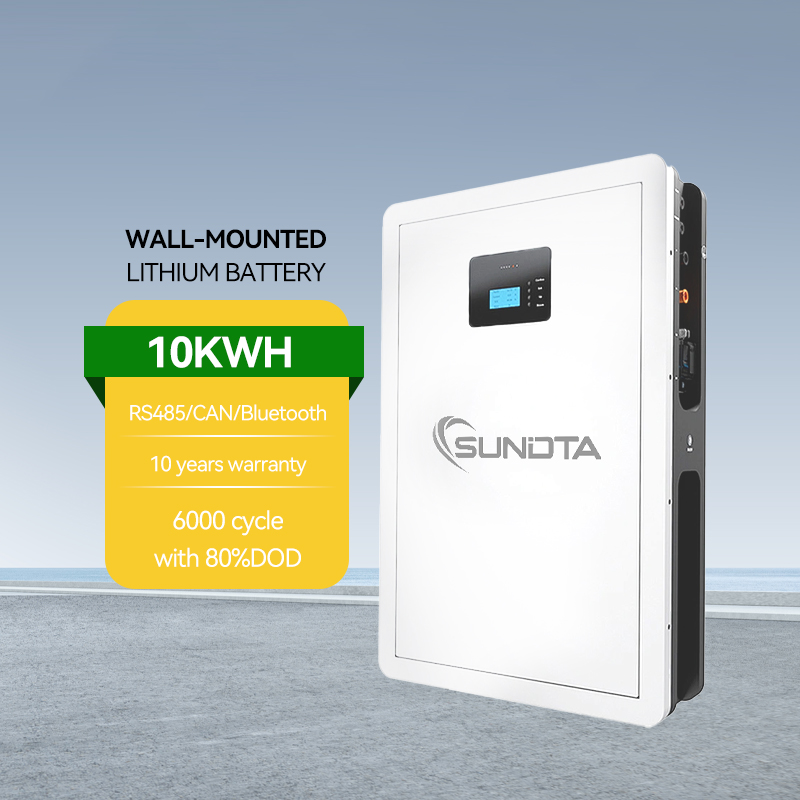
Fast Shipping Stock Solar Battery 48V 51.2V 100Ah 200Ah 5kWh Wall Mounted LiFePO4 Local Warehouse
- 51.2V nominal voltage / CAN & RS485
- Closed-loop integration with Solis / Deye
- Compact footprint for residential garages
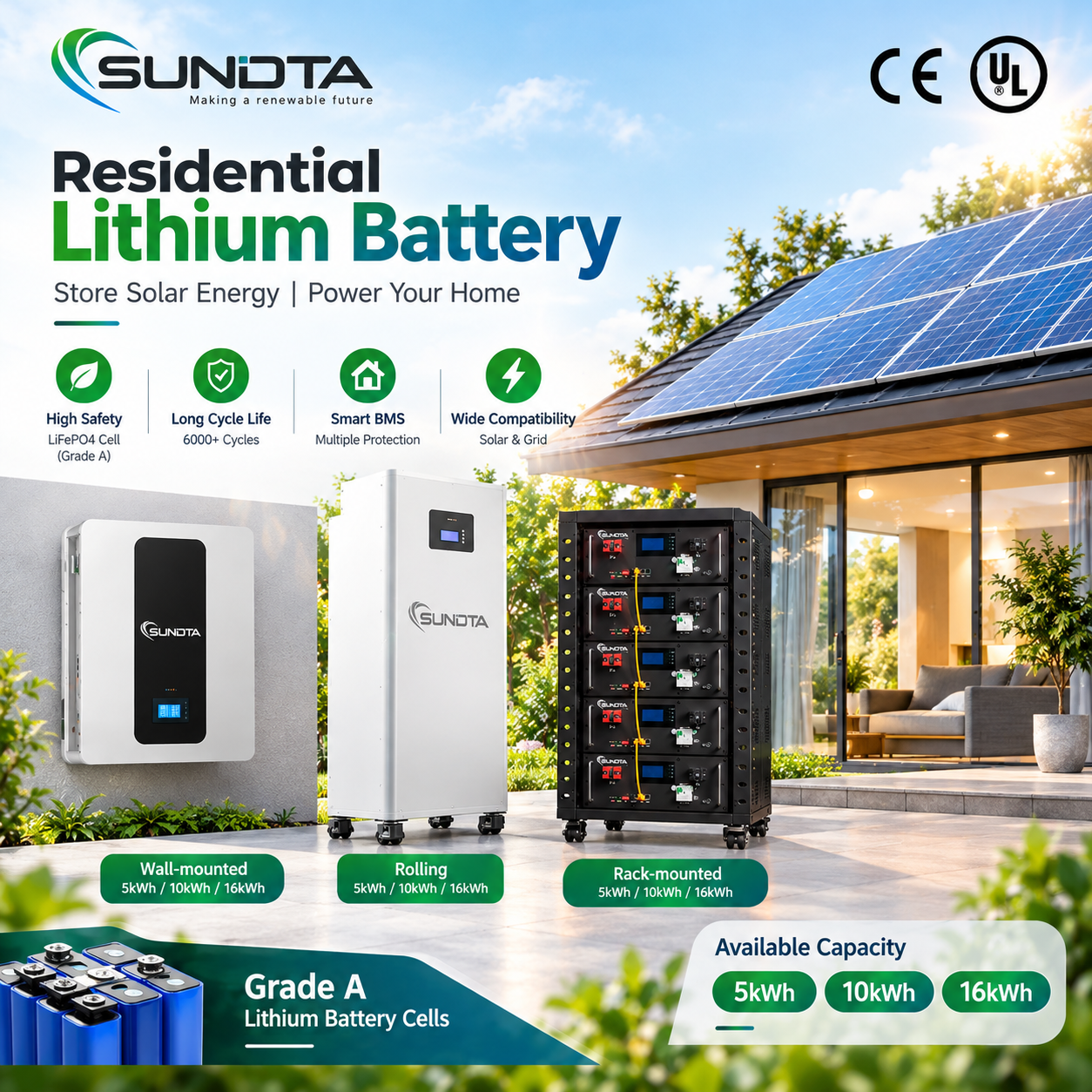
Sundta Stacked 10kWh 20kWh 30kWh Modular LiFePO4 Battery Stacked Solar Energy Storage Battery for Home Solar
- Plug-and-play toolless busbar connection
- 6,000+ lifecycle rating at 80% DoD
- Scalable from 10 kWh to 30 kWh per stack
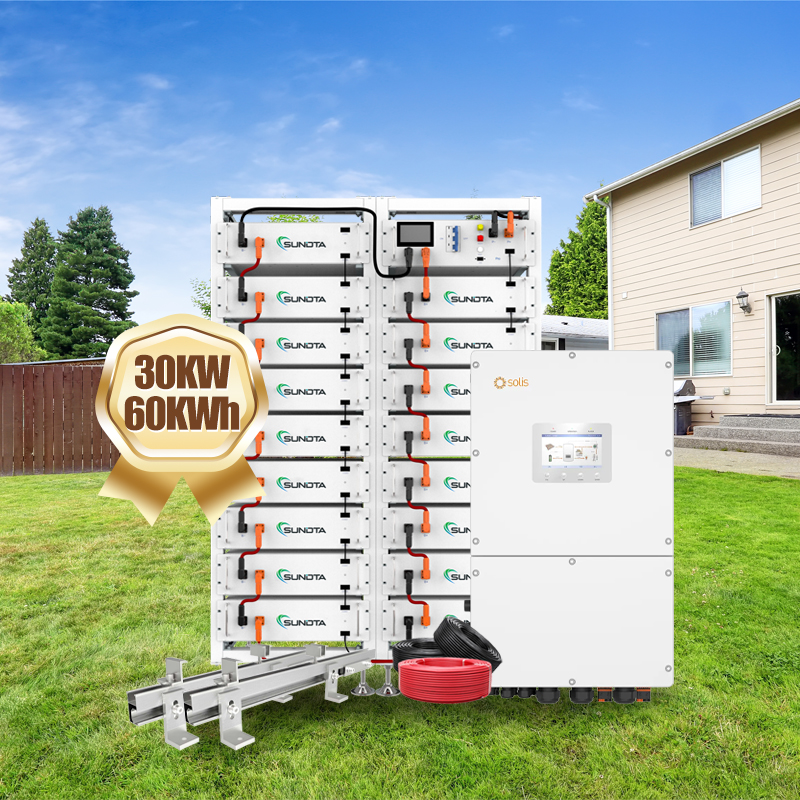
Complete 30kw Solar System 10kw 15kw 20kw 30kw Solar Energy System 30 kw Hybrid for Home Use With EU Certification
- High-power TOPCon glass-glass architecture
- Industrial-grade balance of system (BOS)
- String-level smart diagnostics
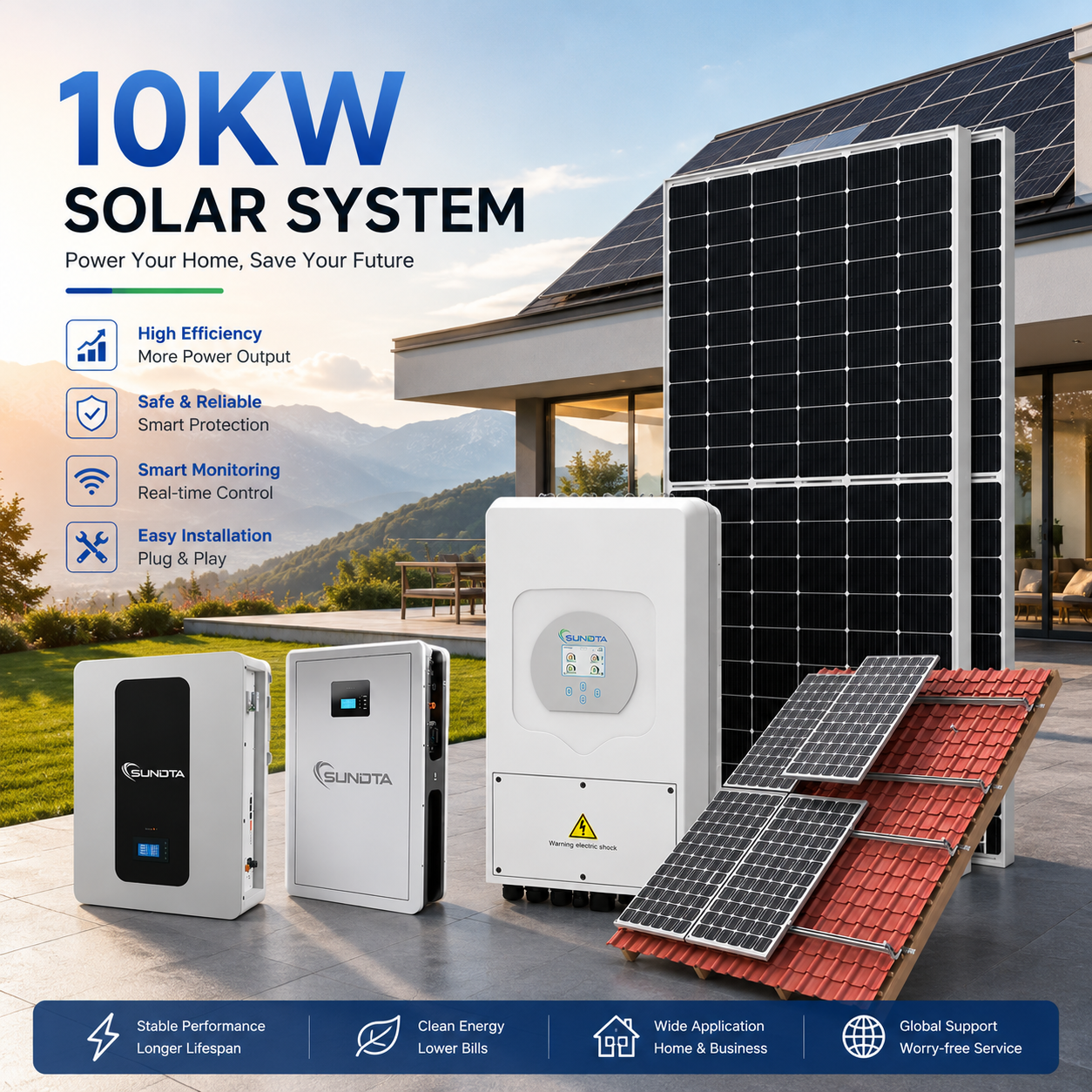
Emergency Backup Whole House Hybrid Solar Power System 15kW 20kW 25kW 30kW 50kW Solar Generator with Smart MPPT Battery
- Sub-10ms UPS grade transfer switch
- Whole-home HVAC surge load management
- Integrated dual MPPT solar trackers
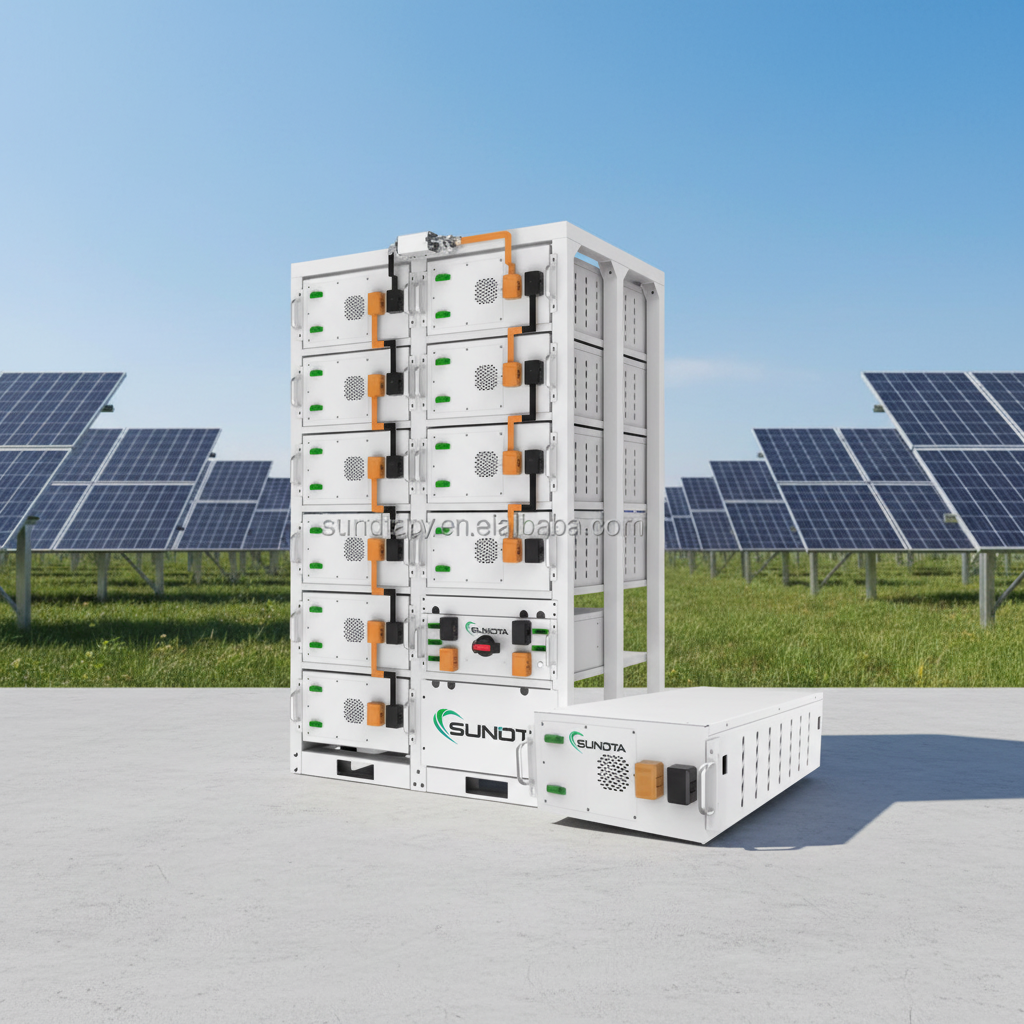
Commercial High Voltage LiFePO4 Energy Storage System 40kWh 50kWh 100kWh Air Cooling LiFePO4 Battery Cabinet for on Off Grid
- HV rack configuration (200V–800V DC)
- Internal thermal runaway aerosol mitigation
- Factory and multi-family demand charge management
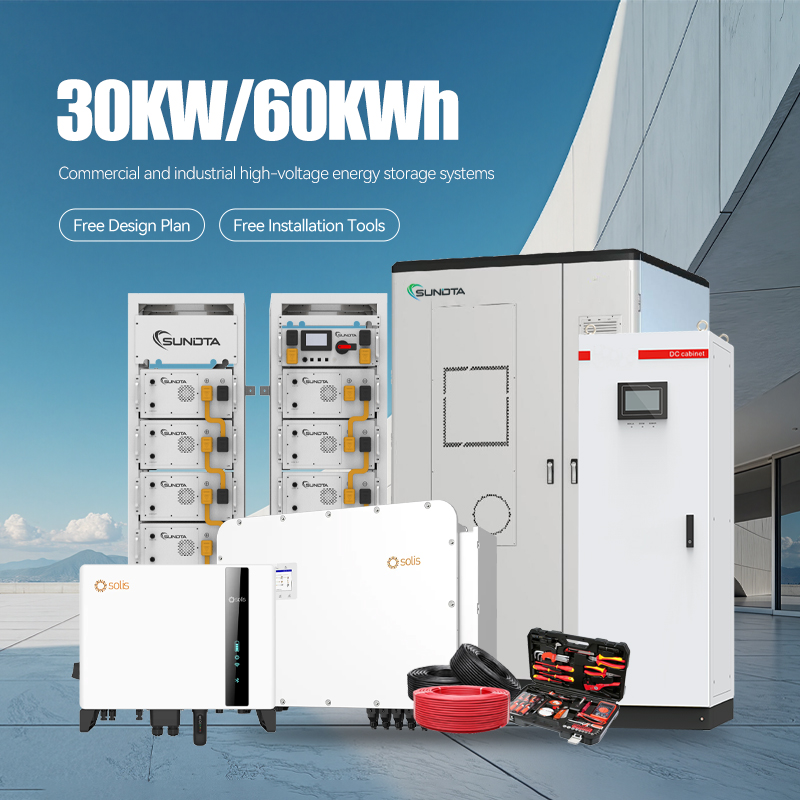
30KWH 51.2V 314AH LiFePO4 Battery Solar Energy Home Energy Storage 48v Solar Battery ALL in ONE SOLAR POWER SYSTEM
- Next-gen 314Ah high volumetric density cells
- Built-in active equalization management
- Direct integration with N-Type PV strings
Technical Whitepaper: Why N-Type TOPCon Dominates the Los Angeles Solar Market
The transition from legacy P-Type Passivated Emitter and Rear Cell (PERC) technology to N-Type TOPCon (Tunnel Oxide Passivated Contact) marks an irreversible engineering leap forward across Southern California. In the Greater Los Angeles Basin—spanning dense urban rooftops in the central metro area to sweltering inland microclimates such as the San Fernando Valley and the Inland Empire—photovoltaic operating environments present extreme thermodynamic challenges that severely penalize outdated PV chemistries.
N-Type silicon wafers are heavily doped with phosphorus instead of boron. In legacy P-type PERC cells, boron readily bonds with trace oxygen impurities under solar irradiation, generating boron-oxygen complexes that cause permanent Light-Induced Degradation (LID) and Light and elevated Temperature Induced Degradation (LeTID), resulting in an immediate 2% to 3% capacity write-off within the first 48 hours of outdoor operation. In contrast, N-Type TOPCon cells exhibit near-zero LID/LeTID (<1% first-year degradation), preserving nameplate rating and strictly maintaining revenue calculations for EPC contractors and commercial asset owners.
| Engineering Parameter | Legacy P-Type PERC | Anhui RJV N-Type TOPCon | Los Angeles Grid / Operational Impact |
|---|---|---|---|
| Temperature Coefficient (Pmax) | -0.35% to -0.39% / °C | -0.30% / °C | Preserves up to 6.8% more output during 105°F+ inland Valley heat waves. |
| Bifaciality Factor | 65% - 70% | 80% - 85% | Generates massive rear-side yield on high-albedo cool-roof TPO commercial buildings. |
| First Year Degradation | 2.0% - 2.5% | ≤ 1.0% | Eliminates initial year yield deficits, guaranteeing EPC contractual PR guarantees. |
| Annual Linear Degradation | 0.55% / year | 0.40% / year | Provides 87.4% retained output at Year 30 vs. 80.2% on standard legacy modules. |
| Low-Irradiance Performance | Sub-optimal (poor bandgap response) | Superior (Extended daily curve) | Generates critical morning and late-afternoon power during high-rate TOU windows. |
Localized Los Angeles Application Scenarios & Engineering Realities
Deploying solar power in Southern California is not a generic endeavor. The geographic juxtaposition of the Pacific Ocean and inland desert topography creates microclimatic variations within 30 miles that demand tailored PV BOM selection:
1. San Fernando Valley & Inland Logistics Heat Corridors
Rooftops in Burbank, Glendale, Van Nuys, and Ontario routinely experience summer ambient temperatures surpassing 105°F (40.5°C). Actual rooftop metal skin and dark tile surface temperatures exceed 150°F (65.5°C). Operating under cell temperatures of 70°C, legacy PERC panels suffer power degradation exceeding 17.5%. Our N-Type TOPCon modules—boasting a class-leading -0.30%/°C temperature coefficient—cut this thermal loss drastically, avoiding inverter clipping and sustaining continuous harvest during peak midday irradiance.
2. Coastal Marine Layers (Santa Monica, Long Beach, South Bay)
Coastal Los Angeles installations must battle heavy morning marine fog ("May Gray" and "June Gloom") alongside pervasive airborne salt mist. N-Type TOPCon’s superior low-light spectral response captures diffuse blue and ultraviolet wavelengths early in the morning hours before cloud burn-off. Furthermore, our dual-glass POE (Polyolefin Elastomer) encapsulation guarantees zero potential-induced degradation (PID) and meets IEC 61701 Class 6 severe salt spray corrosion standards for coastal port installations.
3. Title 24 & Cool Roof Commercial Industrial (C&I) Hubs
California Title 24 Building Energy Efficiency Standards mandate reflective "Cool Roofs" (white TPO or PVC membranes) across commercial warehousing throughout the City of Vernon, City of Industry, and Torrance. Pairing our Bifacial N-Type TOPCon modules with a 0.85 albedo white membrane delivers up to 22% additional energy harvest from the rear side. This allows EPCs to downsize module counts, saving substantial racking, balance-of-system (BOS), and structural reinforcement expenditures.
Navigating California NEM 3.0 & LA Regulatory Frameworks
The enactment of the California Public Utilities Commission (CPUC) Net Billing Tariff (NEM 3.0) in April 2023 fundamentally disrupted the solar value proposition across investor-owned utility territories like Southern California Edison (SCE). Export compensation dropped by approximately 75% to 80%, transforming standalone grid-tied PV systems into sub-optimal financial investments.
Under NEM 3.0, the economic engine of solar is no longer unconstrained grid export, but precise on-site self-consumption and battery arbitrage. Exporting power at 1:00 PM yields an insignificant avoided-cost credit of roughly $0.05/kWh, while grid power drawn between 4:00 PM and 9:00 PM under SCE TOU-D-PRIME rates exceeds $0.55/kWh. Achieving project viability requires two simultaneous engineering imperatives:
- Maximized Energy Density per Square Foot: Constrained urban roofs throughout Los Angeles require maximum wattage to charge storage systems fully during the short 4-hour midday window. N-type TOPCon modules achieve up to 480W on standard 54-cell residential footprints and 595W on 72-cell formats.
- Harmonized DC-Coupled & Hybrid Storage Integration: Solar panels must communicate flawlessly with high-cycle LiFePO4 batteries and hybrid inverters (such as Deye and Solis). Our turnkey bundled kits allow instantaneous curtailment or sub-cycle redirection of surplus DC solar direct to battery banks without double-inversion thermodynamic losses.
Simultaneously, within the Los Angeles Department of Water and Power (LADWP) municipal territory—which is not regulated by the CPUC—NEM 1.0/NEM 2.0 net metering remains in effect, but strict transformer loading guidelines and Rule 21 interconnection reviews impose rigid grid safety thresholds. All systems supplied by Anhui RJV are fully compliant with IEEE 1547-2018, UL 1741-SB/SC, and UL 9540/9540A rapid shutdown and ESS fire safety standards.
Los Angeles Solar Contractor & Importer FAQ
Critical operational answers for commercial developers, purchasing directors, and local electrical contractors sourcing solar hardware for Greater LA projects.
FAQ Do your N-Type TOPCon panels comply with California Title 24 Building Energy Codes?
Yes. Since the 2022 Title 24 update (extended in the 2025 code revision), all newly constructed single-family residences, multi-family developments, and selected commercial occupancies throughout California require prescriptive solar PV and battery storage readiness. Our N-Type TOPCon modules carry certified CEC (California Energy Commission) listing data, UL 61730 Type 1/Type 2 fire classifications, and high density ratings to fulfill Title 24 prescriptive compliance with minimal roof envelope impact.
FAQ How do you navigate shipping logistics, customs, and port clearance into Los Angeles?
Our global operations are stationed with direct supply chain links to the Port of Los Angeles (POLA) and Port of Long Beach (POLB). We support flexible Incoterms including FOB, CIF, and full DDP door-to-door delivery to warehouse facilities throughout San Pedro, Carson, and the Inland Empire. Flash test reports, traceability documentation, and clean bill-of-lading dossiers accompany every container for frictionless US Customs clearance.
FAQ Are your bundled hybrid inverters certified under California Rule 21 and LADWP Interconnection?
Every hybrid inverter paired with our systems (including our Deye and Solis platforms) features UL 1741-SB/SC certification with smart inverter functions. This enables autonomous frequency-watt, voltage-watt, and volt-VAR response compliant with Southern California Edison Rule 21 tariff criteria and LADWP plan check requirements for fast-track permitting across all Southern California AHJs (Authorities Having Jurisdiction).
FAQ Why is N-Type TOPCon preferred over standard PERC on high-albedo commercial roofs?
Standard P-Type PERC exhibits a rear-side bifaciality of only 65% to 70%. When installed over standard white reflective TPO roofs in Southern California commercial parks, a significant portion of reflected light is lost as uncollected heat. Anhui RJV N-Type TOPCon modules deliver a verified 80% to 85% bifaciality factor, converting upward-reflected photons into an additional 15% to 22% real-world kWh yield.
FAQ How does your battery chemistry ensure fire safety in residential and garage settings?
All our storage solutions utilize high-stability Lithium Iron Phosphate (LiFePO4) prismatic cells. Unlike standard NMC (Nickel Manganese Cobalt) chemistries, LiFePO4 offers extreme thermal stability with an oxygen-release threshold exceeding 500°F (260°C). Units are certified to UL 1973 cell standards and UL 9540 system standards, preventing thermal runaway and meeting stringent Los Angeles Fire Department (LAFD) residential storage setbacks.
FAQ What is the Minimum Order Quantity (MOQ) and can we order mixed containers?
For distributors and EPC developers, our MOQ is structured for commercial flexibility. Hybrid inverters and modular 51.2V LiFePO4 batteries can be ordered starting from single units or pallet levels. Solar panels are shipped by pallet (approx. 13.6 kW to 17.2 kW) or full 40-foot HQ container loads. We accept mixed-container consolidation allowing you to import panels, inverters, and racking on one single bill of lading.
Why Top Tier Global Buyers Partner with Anhui RJV New Energy
From automated module manufacturing in Hefei, China, to streamlined distribution across North America, we remove supply risk from your energy transition projects.
2 GW Annual Automation
12+ years of PV research and manufacturing. High-precision laser cutting, non-destructive slicing, and dual-stringer robotics ensure flawless cell alignment.
TÜV Rheinland Verified
Comprehensive on-site supplier verification and ISO9001/14001 audits. Products feature international CE, IEC 61215, IEC 61730, and UN38.3 transport compliance.
System-Level Pre-Matching
We eliminate commissioning delays on site. Inverter MPPT input windows, DC voltage curves, and battery BMS communication protocols are cross-tested prior to release.
24/7 Dedicated Support
Our bilingual senior application engineers support US West Coast time zones for string sizing calculations, Single-Line Diagrams (SLD), and firmware support.
Ready to Source High-Yield N-Type TOPCon for Your Next Los Angeles Project?
Whether you require a sample container for residential NEM 3.0 retrofits in the San Fernando Valley or multi-megawatt bifacial delivery to an Inland Empire logistics facility, our team will deliver competitive pricing, certified engineering specifications, and full BOM coordination within 24 hours.
Contact Us