B2B Engineering & Export Technical Brief

OEM/ODM Bidirectional Solar Inverter Factories & Suppliers in Costa Rica

Turnkey Energy Storage Inverter Sourcing: Split-Phase 120/240V, C&I Peak Shaving, Microgrid Black-Start & ICE/ARESEP Law 10.086 Compliance for Solar EPCs & Distributors

Certified Product Portfolio

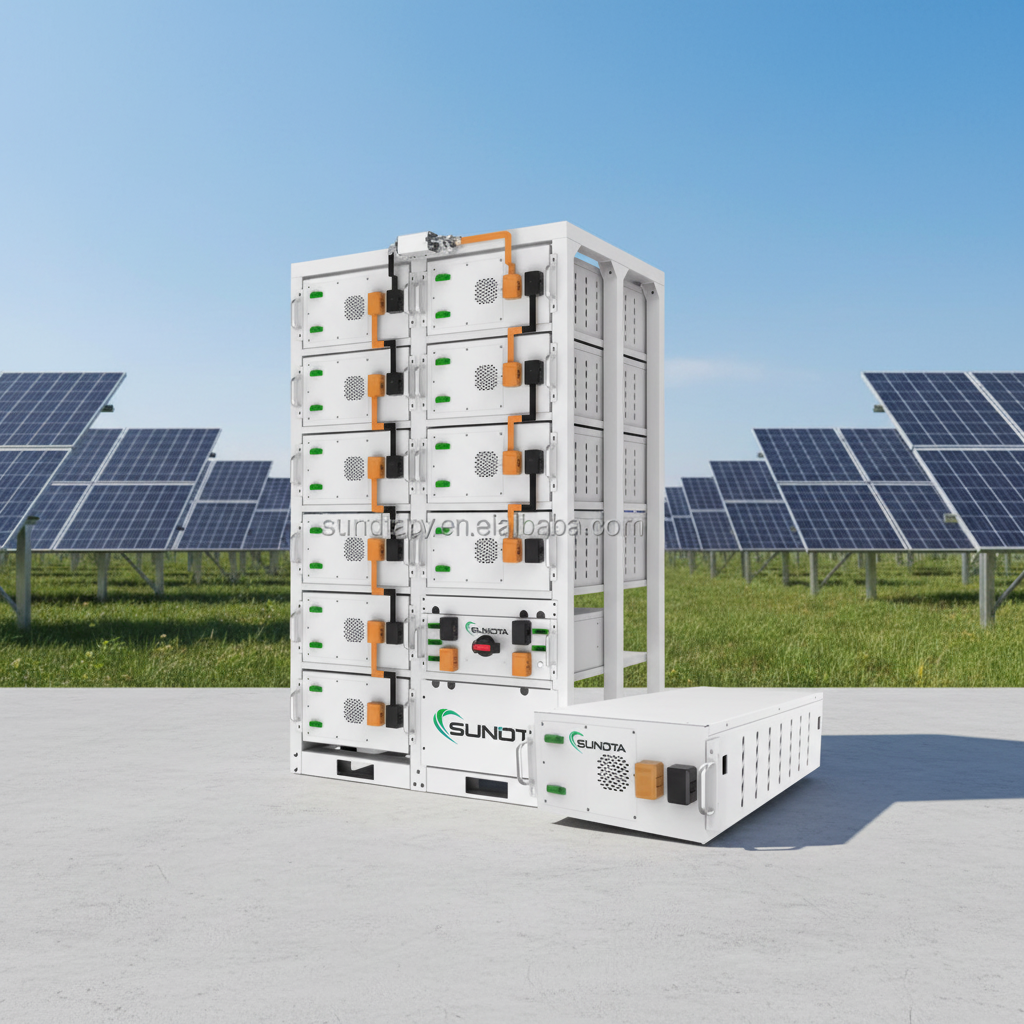
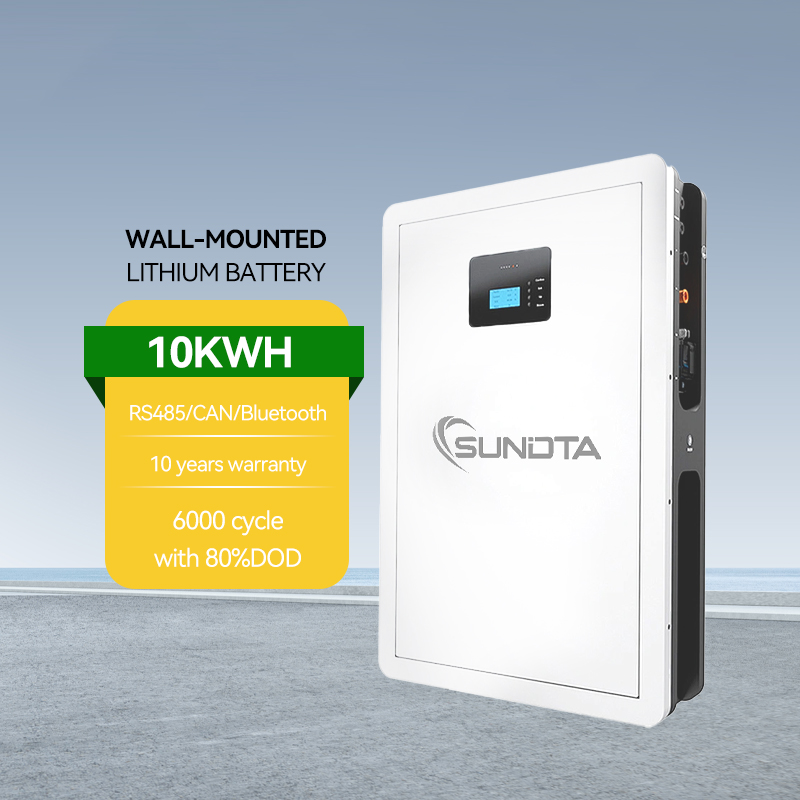
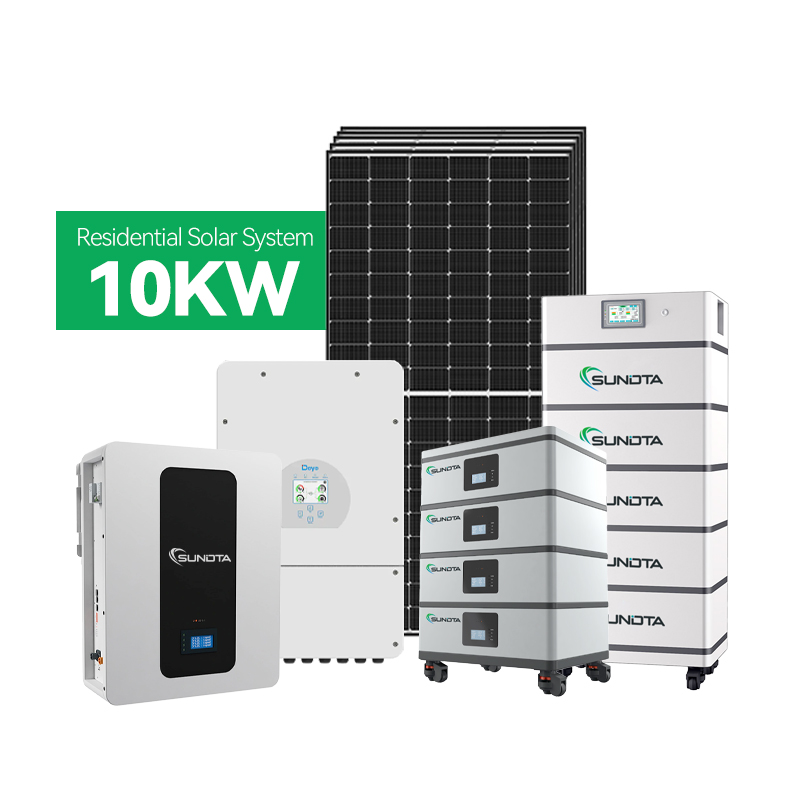
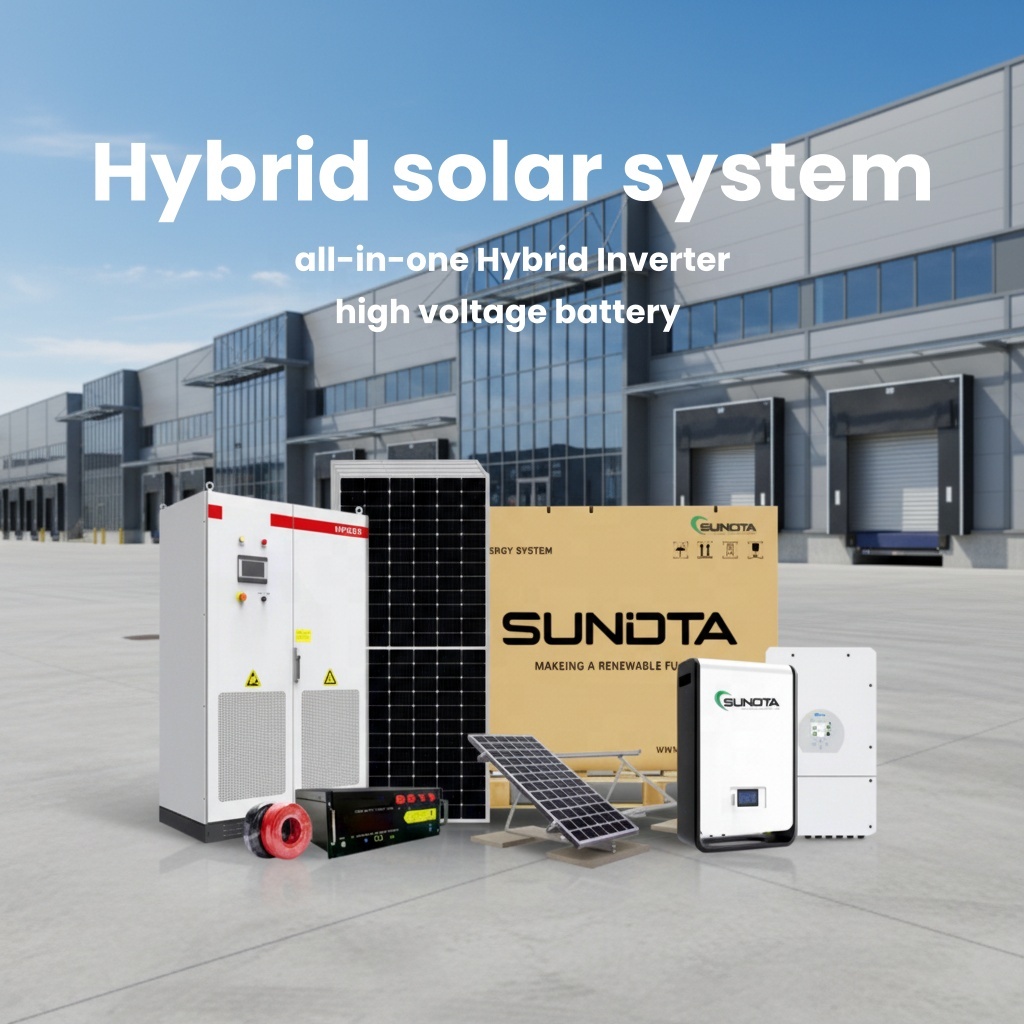
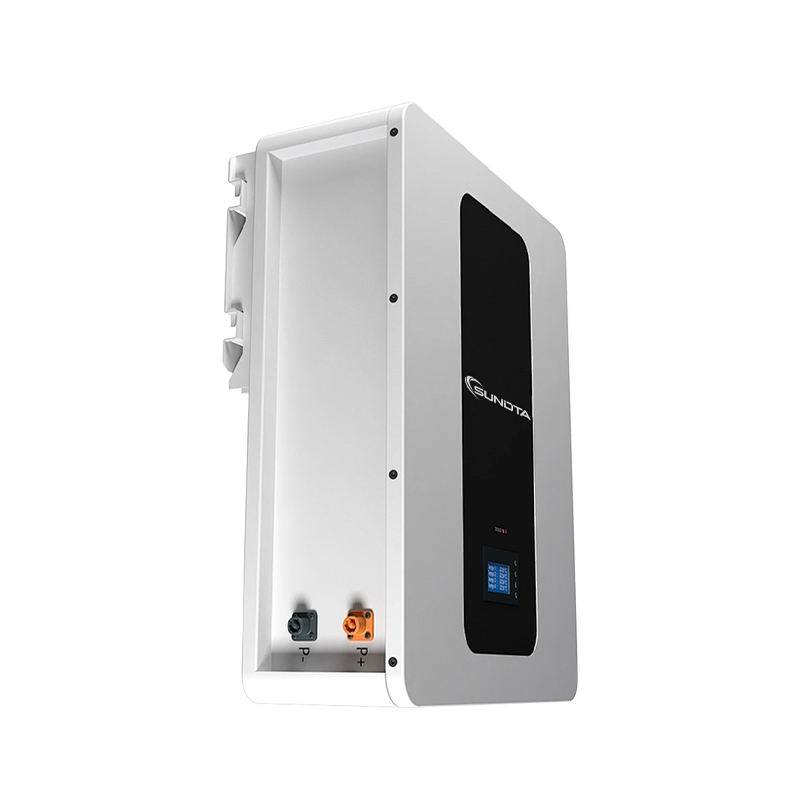
High-Efficiency Bidirectional Inverters & Integrated LiFePO4 Energy Storage Systems

Engineered for high-yield solar harvesting, seamless grid-export arbitrage, and resilient off-grid backup. Fully compatible with CAN/RS485 smart communication protocols, dual-voltage microgrid architectures, and extreme tropical ambient humidity.

2+ GW
Annual Manufacturing Capacity
500+ MW
Delivered Global Microgrid Projects
< 10ms
On-Grid to Islanded Transfer Time
38 Pat.
Proprietary Inverter & BMS Patents
Engineering Deep-Dive

Bidirectional Power Inversion: Architecture, Grid Interconnection & Tropicalization

In contemporary photovoltaic engineering, bidirectional solar inverters represent the cornerstone of active distributed energy resources (DERs). Unlike legacy unidirectional string inverters that merely rectify and feed direct current (DC) from solar arrays into alternating current (AC) for synchronous utility export, bidirectional inverters manage four-quadrant four-wire power flows. They seamlessly govern battery charge cycles from both PV generation and the utility grid, while delivering precision AC backup power, active power factor correction, and synthetic inertia during grid instability.

For project developers, engineering procurement contractors (EPCs), and equipment wholesalers serving Costa Rica, bidirectional inverters must satisfy distinct thermodynamic and electrical grid prerequisites. From a power topology perspective, our OEM/ODM inverter platforms integrate high-frequency galvanic or transformerless dual-stage converter topologies. On the DC-DC stage, independent Maximum Power Point Tracking (MPPT) channels are engineered with ultra-wide input voltage windows (120V to 850V DC) to capture maximum diffuse solar irradiance prevalent during Central American cloud-cover and rainy seasons (la época lluviosa).

On the battery side, bidirectional buck-boost charge controllers regulate current flow into low-voltage (48V nominal / 51.2V LiFePO4) or high-voltage (200V–800V DC) battery architectures. A core engineering criterion involves the inverter's Digital Signal Processor (DSP) firmware, which facilitates closed-loop communication over Controller Area Network (CAN 2.0B) and Modbus RS485. This ensures real-time cell-level state-of-charge (SoC), state-of-health (SoH), and dynamic charge-current-limit (CCL) modulation, eliminating thermal runaway hazards and extending prismatic LiFePO4 cycle longevity beyond 6,000 cycles at 80% Depth of Discharge.

Regional Field Deployments

Engineered for Costa Rica's Microclimates and Grid Topologies

Costa Rica presents unique electrical and environmental deployment conditions—ranging from high-salinity coastal resorts in Guanacaste to heavy cloud-forested coffee plantations in Tarrazú and industrial clusters in San José.

Eco-Resorts & Villas in Guanacaste & Nicoya

Tropical coastal environments demand IP65 / NEMA 4X enclosure protection and conformal-coated internal PCB assemblies to resist salt-fog corrosion. Our bidirectional units feature zero-export throttling and intelligent load shifting to avoid diesel generator operation during peak tourist seasons.

Coffee Beneficios & Agro-Industry in Central Valley

Processing wet coffee cherries and macadamia requires inductive motor surge handling during harvest months (November to March). Our inverters deliver 200% continuous surge tolerance for 10 seconds, preventing inverter tripping on heavy three-phase bean-sorter motor kick-ins.

Cold Storage & Food Logistics in Alajuela & San José

High Time-of-Use (ToU) utility tariffs from ICE and CNFL make demand charge mitigation crucial. Through automated peak-shaving algorithms, bidirectional units discharge battery storage during peak 5:00 PM–9:00 PM tariff hours and recharge overnight when off-peak hydro energy is lowest.

Off-Grid Remote Microgrids in Osa Peninsula & Talamanca

In conservation corridors where the national grid is physically inaccessible, our bidirectional inverters integrate automatic black-start capabilities, microgrid AC-coupling with micro-hydro turbines, and auxiliary dry-contact auto-activation for emergency biodiesel gensets.

Procurement Engineering Matrix

Technical Selection Guide: Bidirectional Inverter Topologies for Costa Rica

Ensure regulatory compliance with ARESEP standards and local distribution operators (ICE, CNFL, ESPH, COOPEGUANACASTE, COOPESANTOS) before placing container-level OEM/ODM orders.

System Category Nominal Output / Voltage Battery Operating Window Grid Code Standard Ideal Local Application
Residential Split-Phase Hybrid 5kW – 12kW
120V / 240V AC Split
40V – 60V DC (Low-Voltage LiFePO4) UL 1741 SA/SB, IEEE 1547-2018, Rule 21 Gated communities, private homes in Escazú, Santa Ana, Jacó
Commercial Three-Phase Hybrid 20kW – 50kW
120V/208V & 277V/480V
160V – 800V DC (High-Voltage Stacks) IEC 62109-1/-2, VDE-AR-N 4105, CE LVD Boutique hotels, pharmaceutical warehouses, coffee mills
Industrial C&I BESS PCS 100kW – 500kW+
480V AC 3-Phase
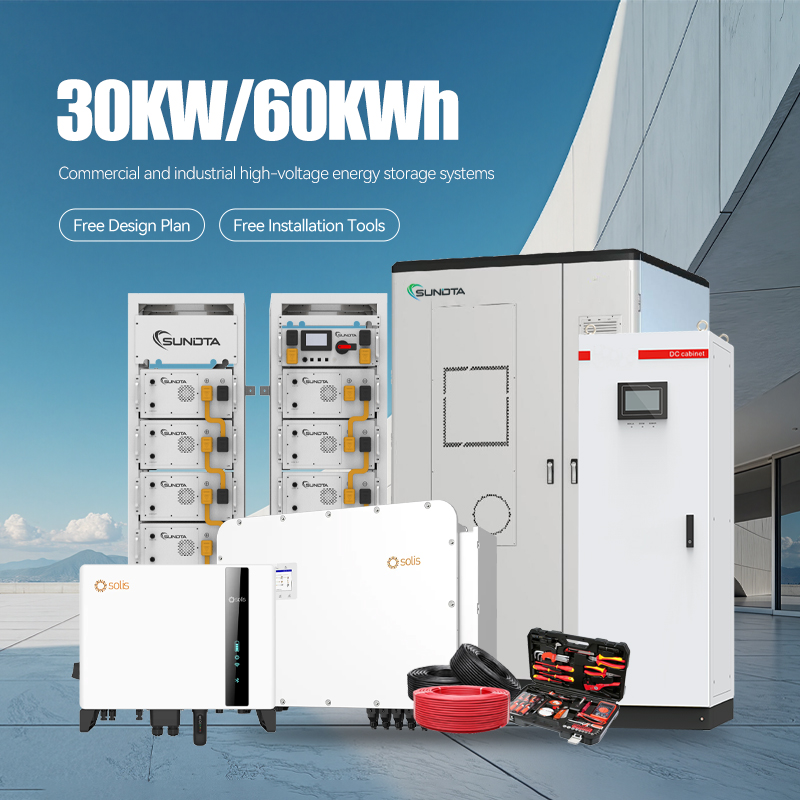
600V – 1000V DC (Containerized BESS) IEEE 1547.1, UL 9540A, NFPA 855 Free trade zones (Coyol, El Barreal), food processing factories
Pure Off-Grid Tropical Inverter 5kW – 15kW
120V / 240V Dual Output
48V DC with High Surge Peak IEC 60068 (Environmental/Saline), CE Off-grid eco-lodges, isolated rain-forest research stations

*Note: RJV New Energy engineers configure firmware factory parameters to match ICE/ARESEP voltage and frequency trip limits (59.3 Hz – 60.5 Hz window; < 0.16s anti-islanding trip threshold) prior to export packaging.

Policy & Economic Context

Costa Rica Solar Storage Trends: The Impact of Law 10.086 & Energy Transition

Understanding the statutory and macroeconomic drivers shaping solar procurement decisions across Central America's clean energy leader.

Ley 10.086 Framework (Distributed Generation)

The enactment of Law 10.086 expanded the scope of distributed energy resources, enabling virtual net metering, collective self-consumption, and explicit legal recognition of energy storage systems (BESS). Commercial clients can now monetize stored solar power through grid injection credits.

Tariff Volatility & Drought Risk Mitigation

While Costa Rica generates over 95% of its electricity from renewable sources, dry spells associated with El Niño severely diminish hydroelectric reservoir capacities (such as Lake Arenal). When ICE activates thermal bunker fuel plants, electricity tariffs spike by 25–40%, accelerating the ROI of self-generating hybrid solar storage.

Grid Congestion & Zero-Export Restrictions

In rapidly expanding tourism corridors served by regional cooperatives (e.g., Coopeguanacaste), local distribution substations frequently impose interconnection quotas or zero-export restrictions. Our bidirectional inverters incorporate precision fast-response CT meters that restrict utility back-feed to 0W while directing 100% of excess solar to battery banks.

Factory Manufacturing Depth

Why Tier-1 Solar Distributors & EPCs Partner with Anhui RJV New Energy

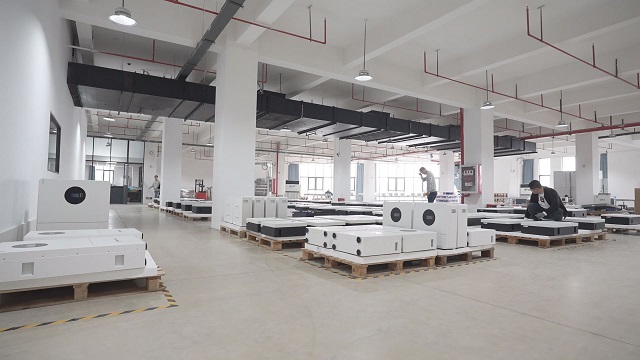
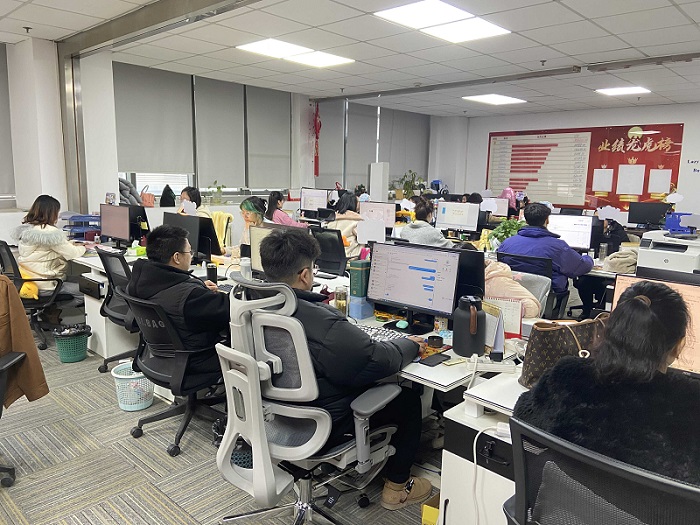
Headquartered in the global clean-tech hub of Hefei, China, Anhui RJV New Energy Co., Ltd. combines comprehensive automated PV module production lines (exceeding 2 GW annual capacity) with state-of-the-art power electronics assembly and energy storage engineering. Having driven solar research, system integration, and international export since 2016, our manufacturing operations are verified on-site by TÜV Rheinland.

For overseas partners requiring custom OEM/ODM solutions, our engineering division offers full turnkey customization:

  • ✔ Custom Firmware Profiles: Pre-programmed ICE/ARESEP grid codes, specific Modbus registers, and Spanish-language touch UI.
  • ✔ Private Label Packaging: Custom silk-screen chassis printing, branded mobile monitoring apps, and localization of packaging documentation.
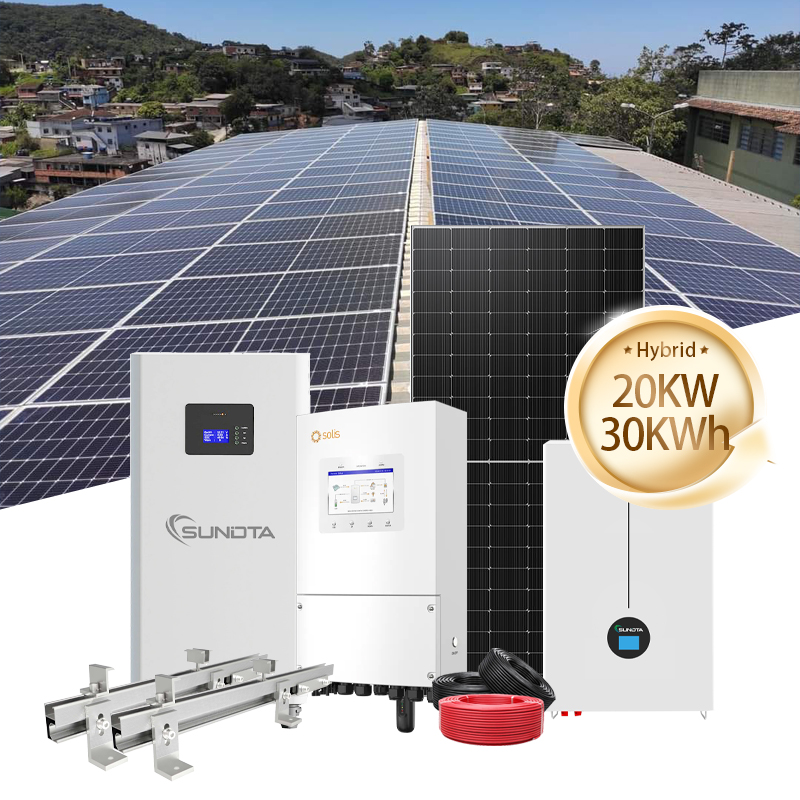
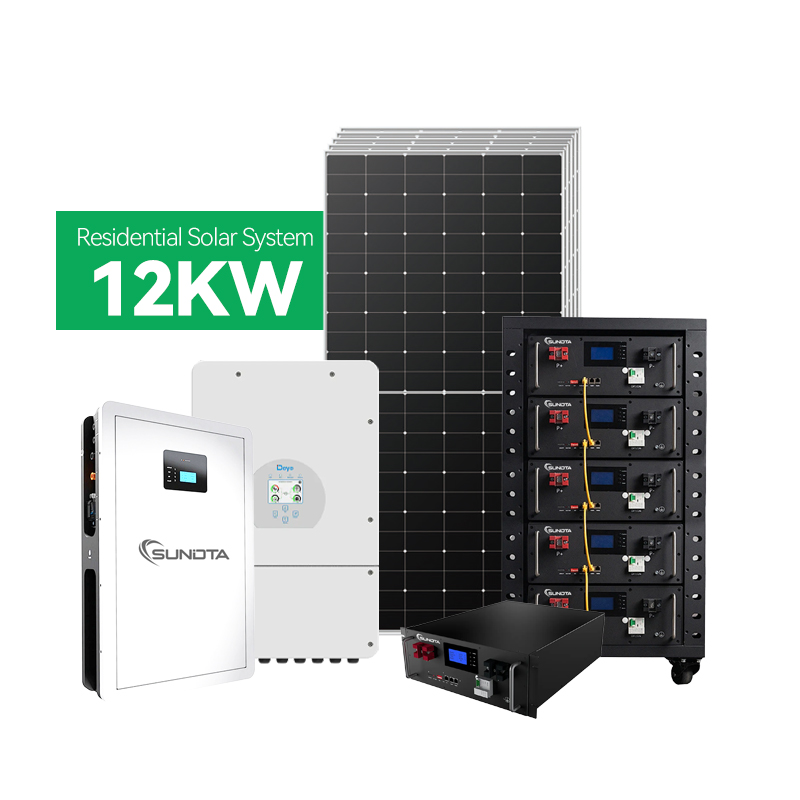
  • ✔ Pre-Integrated Bill of Materials (BOM): Guaranteed plug-and-play communication between our N-Type TOPCon modules, Deye/Solis inverters, and RJV LiFePO4 storage units.
Buyer Knowledge Base

Frequently Asked Questions by Solar Importers & EPCs in Costa Rica

Critical considerations regarding customs import tariffs, electrical certification, microgrid stability, and container logistics.

What are the import tariff exemptions for solar inverters and LiFePO4 batteries under Costa Rican law? +
Under Costa Rica's Law 7447 (Regulación del Uso Racional de la Energía) and subsequent fiscal reforms, certified clean energy equipment—including solar inverters, photovoltaic panels, and dedicated battery energy storage systems—can qualify for significant exonerations on import tariffs (DAI - Derecho Arancelario a la Importación) and value-added tax (IVA). RJV provides fully compliant commercial invoices, packing lists with precise HS tariff codes (e.g., 8504.40 for inverters and 8507.60 for lithium-ion accumulators), and factory quality certificates required by the Ministry of Environment and Energy (MINAE) for tariff waiver processing.
How do your bidirectional inverters fulfill ICE and ARESEP technical grid interconnection standards? +
ARESEP (Autoridad Reguladora de los Servicios Públicos) and distribution companies such as ICE, CNFL, and ESPH mandate compliance with IEEE 1547 and UL 1741 standards for grid-tied distributed generation. Our bidirectional inverters feature factory-calibrated anti-islanding protection (frequency drift and active ROCOF detection), voltage ride-through (LVRT/HVRT), frequency response (FWH), and programmable reactive power regulation (Volt-VAr / Watt-PF modes). Certified test reports from accredited laboratories are supplied with every procurement batch to expedite municipal and utility permits.
How do you protect inverters against Costa Rica's high humidity and coastal salt-fog environments? +
Equatorial climates present harsh ambient conditions: average relative humidity exceeding 85% in Puntarenas and Limón, along with heavy coastal airborne salt deposition. RJV applies multi-coat conformal polyurethane and silicone coatings across all printed circuit boards (PCBs) to prevent galvanic corrosion and fungal growth. Furthermore, our inverter chassis feature IP65/IP66 ingress protection ratings with die-cast aluminum heat sinks, pressure-equalizing breathable ePTFE membrane vents, and corrosion-resistant stainless-steel external fasteners (SUS316 upon request).
Can your bidirectional hybrid inverters communicate seamlessly with existing third-party battery systems? +
Yes. Our inverters support both open-loop voltage-based operation (for legacy or lead-crystal systems) and high-speed closed-loop CAN 2.0B / RS485 communication. The firmware includes pre-integrated protocols for all major battery management systems (BMS), including RJV Sundta, Pylontech, BYD, Dyness, and custom OEM BMS protocols. If your project utilizes custom prismatic cell configurations, our software engineers can map customized Modbus registers before shipment.
What Incoterms and sea freight shipping routes are typical for orders destined for Puerto Limón or Puerto Caldera? +
We support standard international commercial terms including FOB (Shanghai, Ningbo, or Shenzhen), CFR, CIF, and EXW. For shipments arriving on Costa Rica's Pacific coast (serving the Central Valley and Guanacaste), ocean freight typically routes to Puerto Caldera. For Caribbean destinations, cargo is dispatched to Puerto Limón / APM Terminals Moín. Typical ocean transit time from Chinese major container ports ranges between 24 and 32 days. Our logistics team handles UN38.3 battery transport certifications and DG (Dangerous Goods) container stowage documentation.

Request Container-Level Pricing & Engineering Specifications

Consult with RJV's technical engineering team for complete Bill of Materials (BOM) design, customized OEM inverter branding, or prompt factory direct quotations for your upcoming solar and energy storage projects in Costa Rica.

Send an Inquiry