High-Efficiency Solar Inverters & Integrated Storage Kits
Engineered for tropical high-humidity grids, marine salinity resilience, and rapid Brazilian distribution. Matched components with zero mismatch penalty.
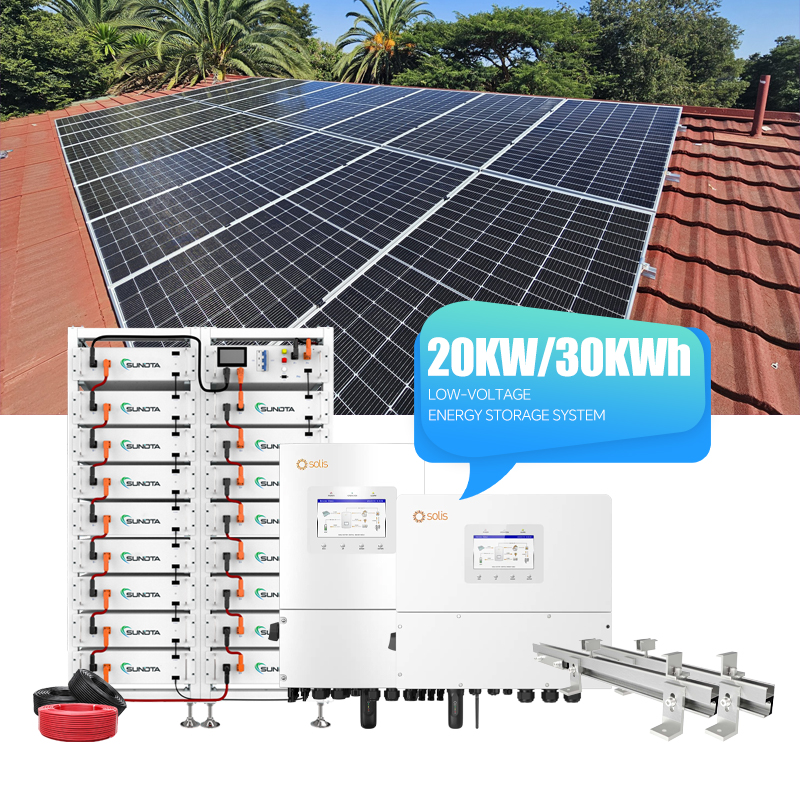
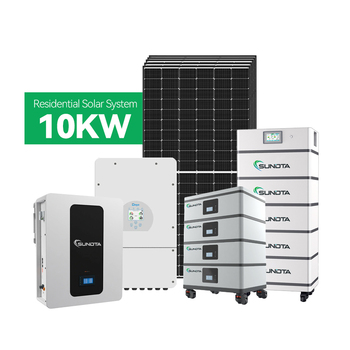
- Configurable: 20kW to 35kW output
- High-capacity LiFePO4 battery cabinet
- Smart EMS with peak-shaving control
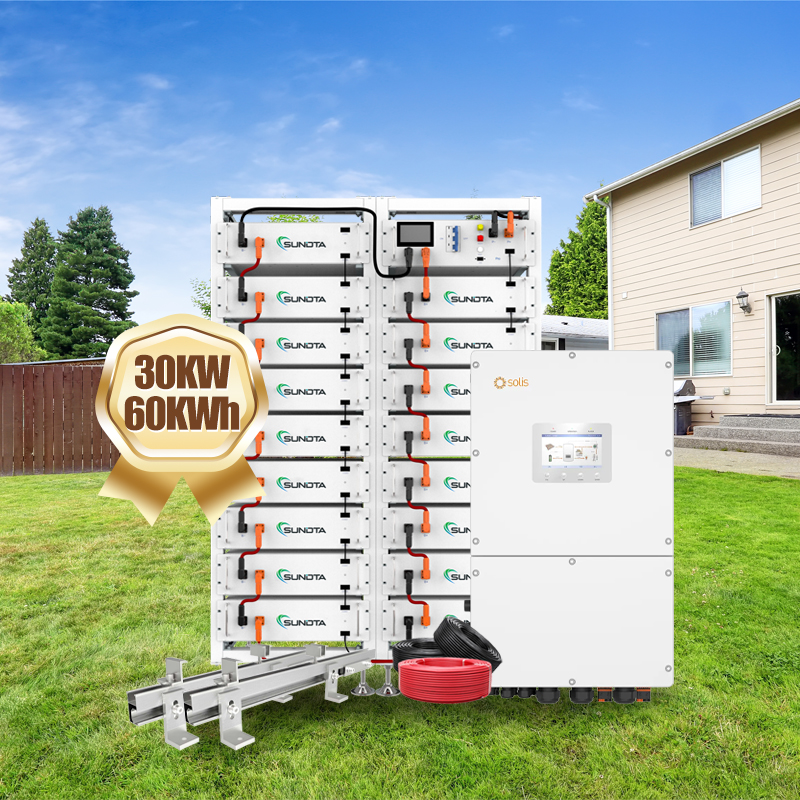
- 10kW to 30kW scalable platform
- Dual MPPT & unbalance phase support
- CE & IEC compliance certified
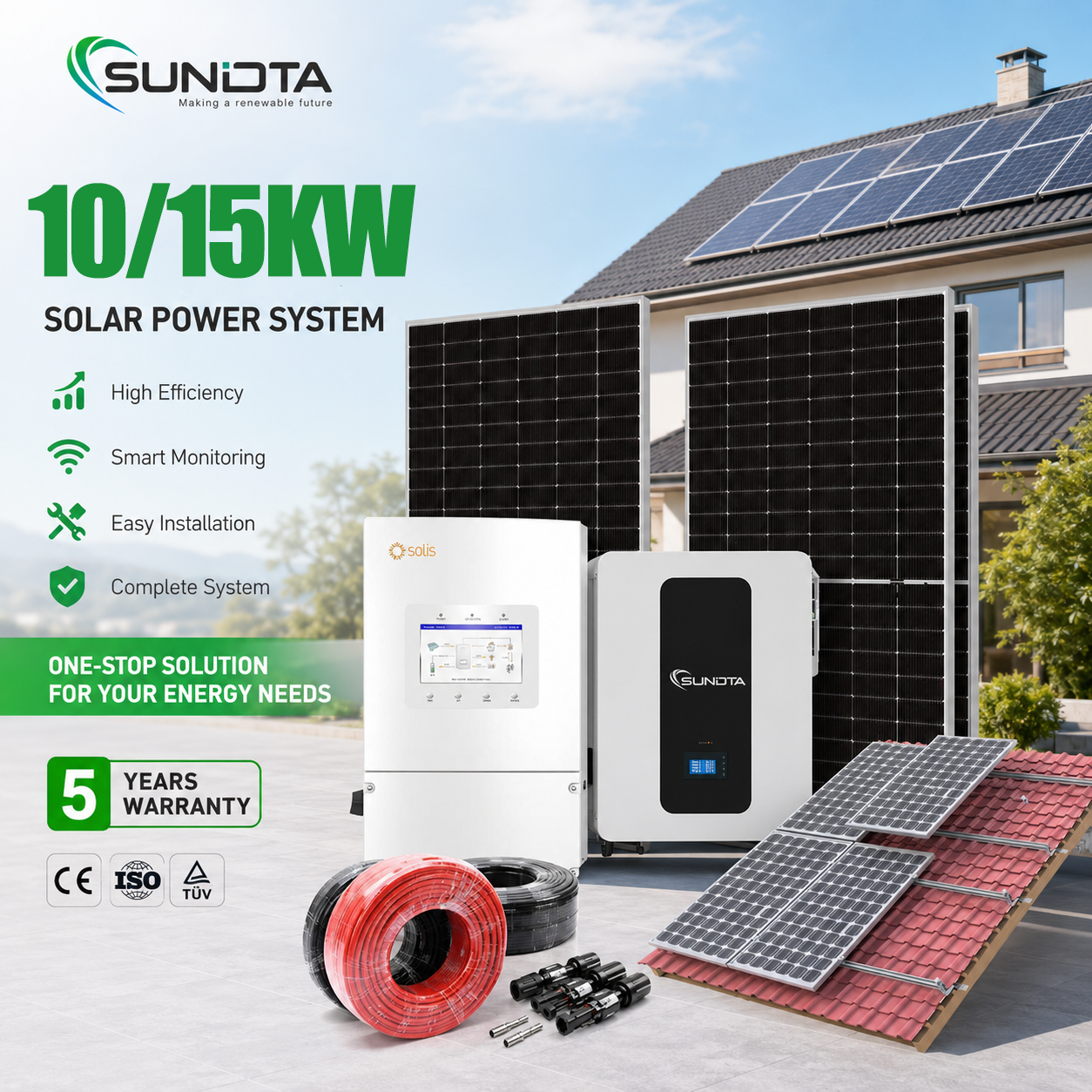
- 15kWh 300Ah modular battery
- Closed-loop CAN/RS485 BMS link
- Integrated 15kW split MPPT
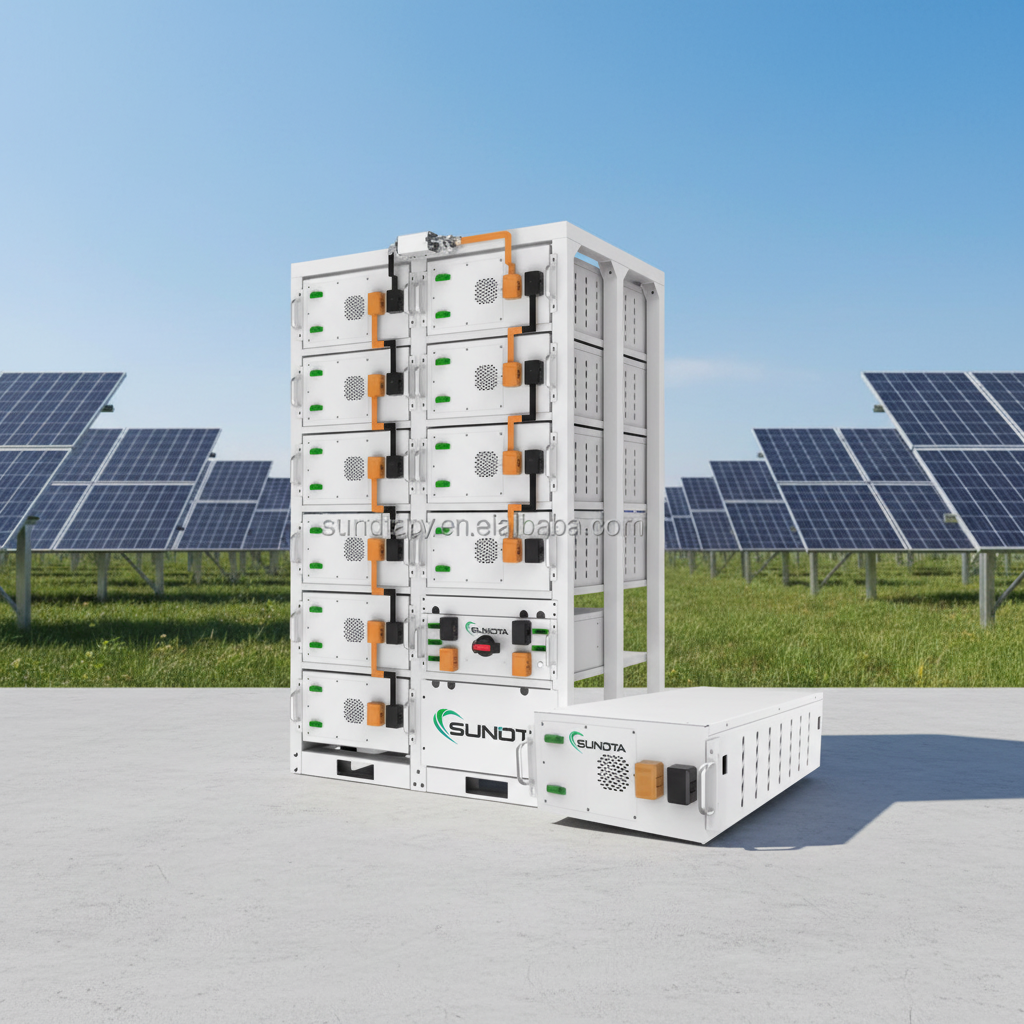
- HV architecture: 40kWh to 100kWh
- Intelligent forced-air cooling
- On-grid & off-grid seamless switch
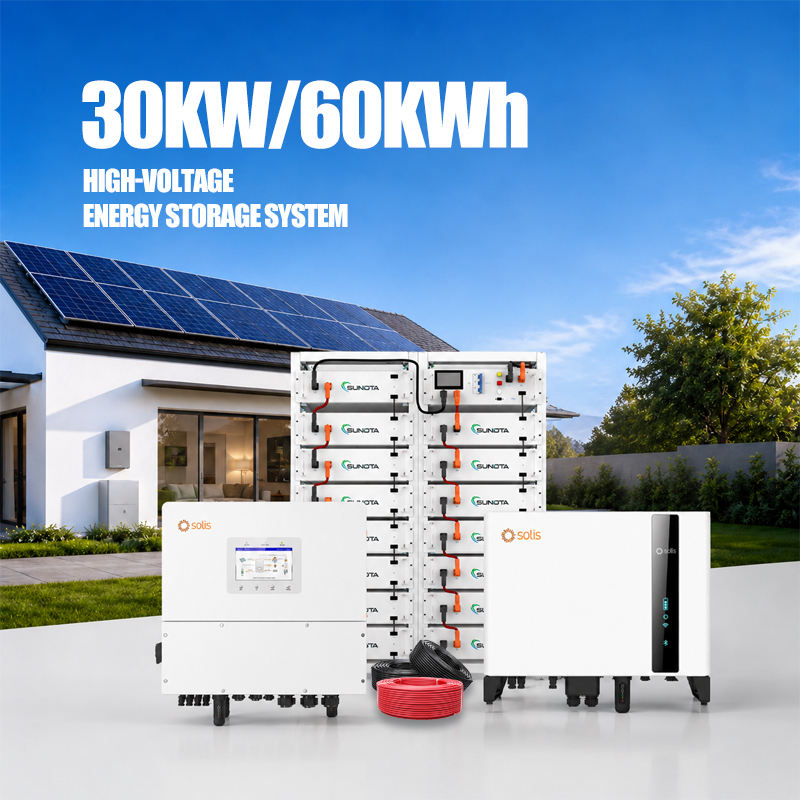
- 51.2V low-voltage safe installation
- 30kWh capacity with 6,000+ cycles
- Extended 10-year factory warranty
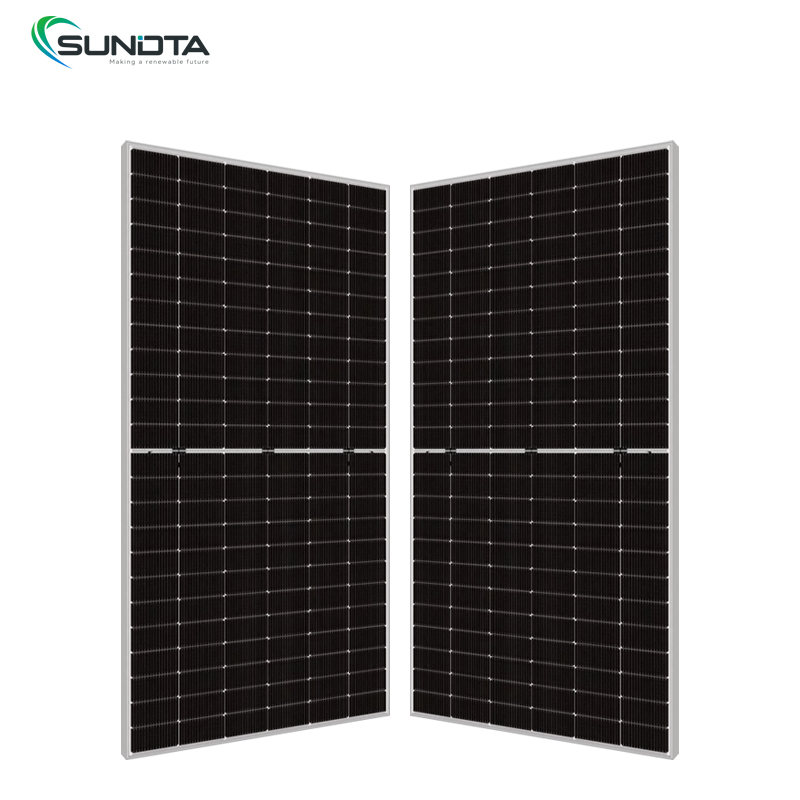
- 700W to 730W ultra-high power rating
- N-Type TOPCon cell architecture
- Lowest temperature degradation coefficient
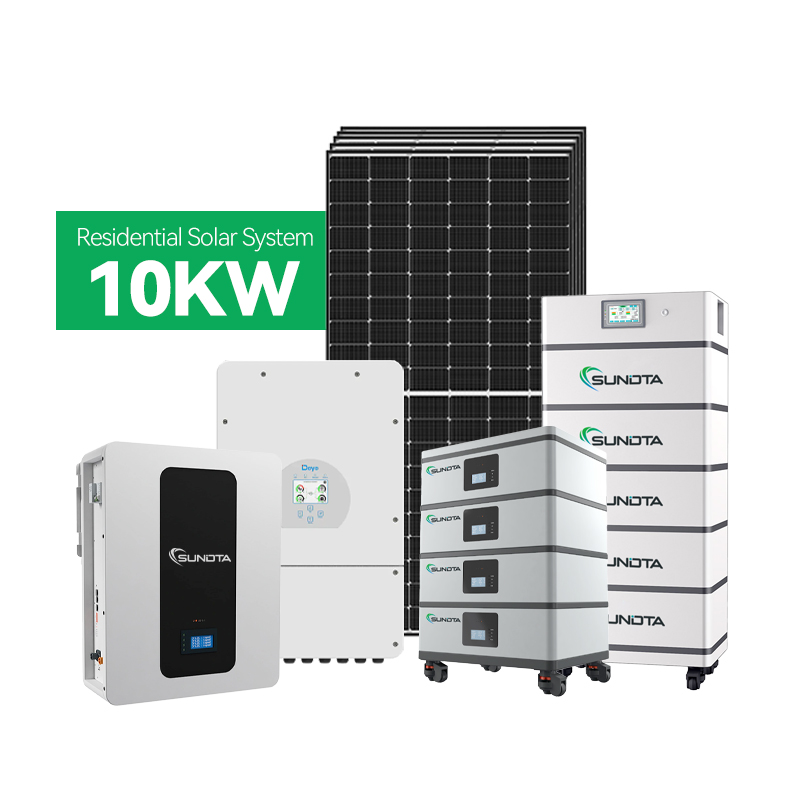
- 10kW / 12kW split-phase or 3-phase
- Integrated tier-1 lithium storage
- App-controlled power flow switching
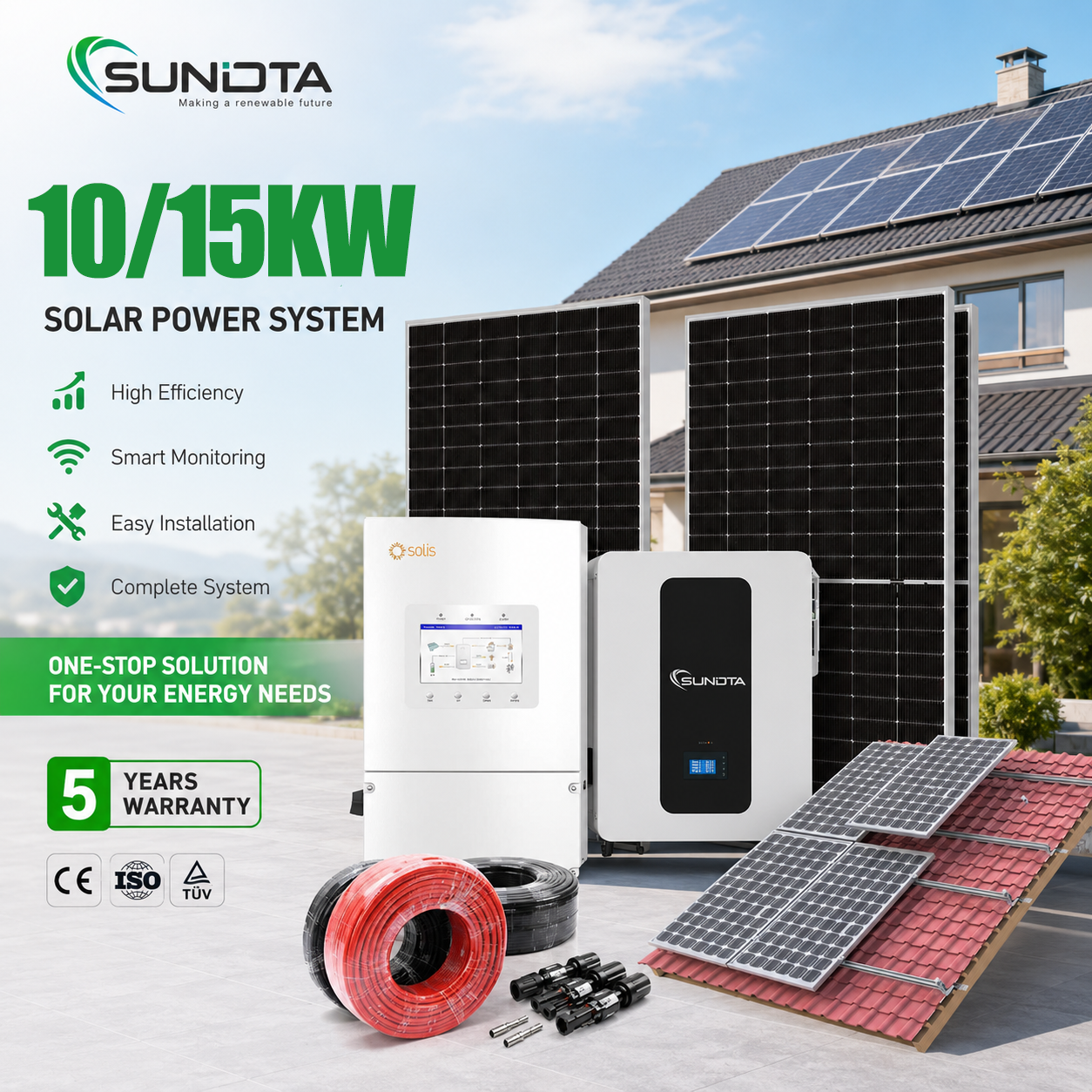
- Customized inverter: 8kW / 10kW / 15kW
- Mono half-cut panels + racking included
- Pre-wired combiner box & DC disconnect
Navigating Distributed Generation (GD) in Greater Recife: Microinverter Advantages in Pernambuco's Coastal Environment
The solar market in Recife, Pernambuco, and the broader Northeast of Brazil (Região Nordeste) represents one of the highest solar irradiance corridors in the Southern Hemisphere, averaging between 5.4 and 6.1 kWh/m²/day of Global Horizontal Irradiance (GHI). However, engineering solar power conversion systems for Recife requires addressing unique electrical, climatic, and regulatory challenges that standard off-the-shelf string inverters often fail to resolve over a 25-year operational lifecycle.
As an established high-tech manufacturer headquartered in Hefei with dedicated export channels to the Port of Suape (Pernambuco), Anhui RJV New Energy provides tier-1 OEM and ODM micro solar inverter solutions, hybrid balance-of-system architectures, and energy storage assemblies designed specifically for Brazilian commercial and residential requirements. Under the current regulatory framework governed by Lei 14.300/2022 (Marco Legal da Geração Distribuída), optimizing self-consumption rates and maximizing energy harvest during peak production windows is the single most critical financial factor for EPCs, solar integrators, and commercial asset managers across Pernambuco.
Technical Reality for Recife EPCs: Coastal air currents carrying Atlantic ocean salt spray (maresia), combined with the high ambient humidity of Greater Recife and strict grid-connection thresholds mandated by Neoenergia Pernambuco (formerly Celpe), demand Module-Level Power Electronics (MLPE) equipped with IP67/IP68 ingress seals, die-cast aluminum heat sinks, and galvanic isolation.
1. Atmospheric Corrosion (Maresia) & Thermal Engineering in Coastal Recife
Installations across metropolitan Recife—including Boa Viagem, Pina, Piedade, and the industrial corridor extending south toward Cabo de Santo Agostinho and Ipojuca—experience severe C5-M (Marine Coastal) atmospheric corrosivity as defined by ISO 12944. Traditional central string inverters, which rely on internal forced-air convection with active fans, ingest high volumes of saline, airborne moisture. Over an operating window of 24 to 36 months, this creates conductive crystalline bridges across high-voltage DC bus printed circuit boards (PCBs), leading to catastrophic ground-fault trip events, isolation errors (F01/F02 faults), and early dielectric breakdown.
In contrast, our OEM/ODM micro solar inverters utilize an entirely fanless, fully potted solid-state enclosure. By potting the entire internal power stage—including high-frequency planar transformers, GaN/SiC MOSFET switching arrays, and microcontrollers—with an engineered thermally conductive polyurethane resin compound, sensitive electronic components remain 100% isolated from ambient humidity and salt ions. The outer enclosure is forged from ADC12 die-cast aluminum alloy treated with an anodic oxidation primer and double electrostatic fluorocarbon powder coating, certified to withstand over 2,000 hours of continuous ASTM B117 salt spray testing without surface pitting or ground bond compromise.
2. Electrical Topology: Solving Recife’s Asymmetric Grid Voltages
The electrical distribution infrastructure managed by Neoenergia Pernambuco presents substantial voltage variances across different municipal sectors. While newer commercial developments frequently employ standard 380V/220V three-phase four-wire wye topologies, significant portions of older residential, multi-family, and historical neighborhoods in Recife utilize 220V delta distribution without a neutral wire, or experience acute line-voltage fluctuations ranging between 190V and 245V RMS under shifting seasonal substation loads.
Our OEM/ODM microinverter firmware includes localized grid-protection algorithms specifically programmed to comply with ABNT NBR 16149, NBR 16150, and Portaria INMETRO nº 140/2022. Features include:
- Ultra-Wide AC Voltage Capture: Dynamic tracking operates from 176V to 264V single-phase, eliminating unnecessary grid disconnection trips common during mid-day grid overvoltages caused by high local solar backfeed.
- Integrated Active & Reactive Power Regulation (Volt-Watt & Volt-VAr Modes): Dynamically adjusts reactive power injection (cos φ adjustable from 0.8 leading to 0.8 lagging) to stabilize feeder voltages at the Point of Common Coupling (PCC) before triggering utility anti-islanding lockouts.
- Zero Safe DC Voltage on Rooftops (MLPE Safety): Standard DC string systems operate at 600V to 1,000V DC. In Recife’s humid tropical climate, high-voltage DC arcs pose substantial fire risks for commercial roofs. Our microinverters restrict rooftop DC cabling to individual module open-circuit voltages (typically under 50V DC), eliminating high-voltage DC arcing hazards and offering intrinsic compliance with firefighter safety standards.
3. Shading Mitigation & Maximum Yield on Irregular Architectural Rooftops
Urban density in Recife—characterized by high-rise residential towers adjacent to low-rise commercial structures and single-family dwellings, alongside ubiquitous tropical vegetation such as coconut palms—creates complex, non-uniform shading profiles throughout the morning and afternoon. In a traditional string inverter topology, partial shading across a single photovoltaic module drags down the current output of the entire electrical string via bypass diode conduction losses.
By pairing independent Maximum Power Point Trackers (MPPT) with each solar module or module pair (such as our 2-in-1 and 4-in-1 microinverter series), each PV panel operates at its individual maximum yield curve. Field data from multi-family installations in Olinda and Recife demonstrates an overall annual energy yield increase of 14% to 23% compared to traditional centralized string inverters, significantly accelerating the financial payback period under the volumetric distribution tariff rules of Brazilian Lei 14.300.
| Evaluation Parameter | OEM/ODM Microinverter (RJV MLPE) | Standard String Inverter | Direct Impact on Recife EPCs & Investors |
|---|---|---|---|
| Ingress & Anti-Corrosion | IP67 / IP68 Fully Resin Potted, Fanless, C5-M certified | IP65 Active Fan Air Cooling, exposed heat sinks | Eliminates failure caused by marine salt mist in Boa Viagem/Pina coastal zones. |
| Rooftop DC Voltage | 16V – 60V Low Voltage DC (Intrinsic Safety) | 600V – 1,000V High Voltage DC | Zero risk of sustained DC electric arc fires; full compliance with safety norms. |
| MPPT Granularity | 1 MPPT per 1 or 2 modules (Independent tracking) | 1 or 2 MPPTs per 10 to 24 modules | Recovers up to 23% energy loss caused by urban high-rise and tree shading. |
| Grid Voltage Adaptation | Customized for Neoenergia 220V Delta & 380V Wye | Fixed European 230V/400V grid firmware profile | Prevents high mid-day disconnection errors during utility voltage surges. |
| Monitoring & Diagnostics | Module-Level Telemetry via PLC / Zigbee / Sub-1G | String-Level Aggregated Telemetry only | Enables pinpoint module failure detection without physical roof inspections. |
| Warranty & Design Life | 12 to 25 Years Design Life | 5 to 10 Years Standard Design Life | Aligns directly with the 25-year performance warranty of tier-1 solar modules. |
Comprehensive OEM & ODM Customization for Brazilian Brand Distributors
Anhui RJV New Energy does not merely export standard catalog components; we serve as the primary ODM engineering backplane for established distributors and renewable energy brands across South America. Our manufacturing facilities in Hefei incorporate state-of-the-art Panasonic SMT placement lines, nitrogen reflow ovens, automated optical inspection (AOI), and multi-stage functional in-circuit testing (ICT).
Mechanical & Brand Customization
Custom aluminum tooling, branded powder coatings, laser-etched metal labels, Portuguese installation manuals, and localized distribution packaging designed for Suape container logistics.
Firmware & Communications
Tailored firmware protocols compliant with SunSpec, Modbus-RTU, and local telemetry platforms. Native closed-loop CAN communication mapping for hybrid Deye and Solis inverters.
INMETRO Homologation Support
Comprehensive pre-compliance test reports and laboratory sample batching aligned with Portaria INMETRO 140/2022 to accelerate homologation with accredited Brazilian testing institutes.
Every unit undergoes 100% 4-hour full-load thermal burn-in testing at 50°C within our environmental simulation chambers, guaranteeing a field failure rate lower than 0.12% across initial deployment cycles.
Engineered for Greater Recife’s Critical Energy Applications
From high-density coastal urban rooftops to heavy industrial logistic centers in Suape, our power electronics deliver sustained yield under harsh tropical operating realities.
Coastal Multi-Story Rooftops
Ideal for apartments and homes in Boa Viagem and Casa Forte facing complex shading from surrounding high-rises and persistent marine corrosion.
Get a Quote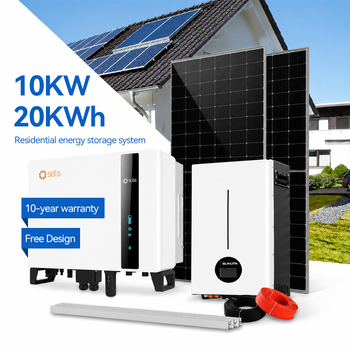
Porto de Galinhas Resort Systems
Supplying decentralized solar systems for coastal beach hotels and tourist infrastructure where high daytime air conditioning loads align with peak solar hours.
Get a Quote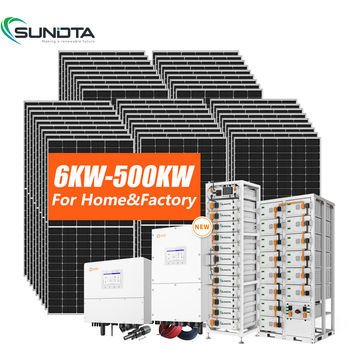
Suape Port Logistics Hubs
High-capacity 3-phase hybrid configurations designed for cold-chain logistics warehouses and heavy manufacturing plants operating within Suape Industrial Complex.
Get a Quote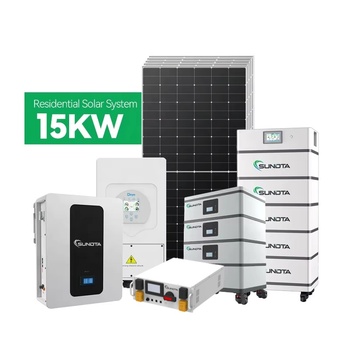
Agreste Agricultural Pumping
Robust off-grid and hybrid installations for fruit farms and automated irrigation networks in Caruaru, Petrolina, and the semi-arid Sertão of Pernambuco.
Get a QuoteDirect-from-Factory B2B Sourcing Advantages
Eliminate intermediary margins, secure full supply chain visibility, and gain direct engineering support from our Hefei manufacturing base.
2 GW Production Scale
Automated manufacturing infrastructure ensuring volume consistency, stable lead times, and competitive price structures across modules and power electronics.
Pre-Matched PV BOM
Microinverters, hybrid inverters, N-type TOPCon modules, and LiFePO4 batteries matched at factory level to prevent communication conflicts and warranty disputes.
Complete Export Docs
Full CE declarations, IEC 61215/61730 certifications, UN38.3 lithium safety dossiers, and factory flash test sheets prepared for rapid Brazilian customs clearance.
24/7 Bilingual Engineering
Dedicated technical sales engineers supporting string sizing, single-line diagrams (SLD), firmware updates, and distributor after-sales warranty claims.
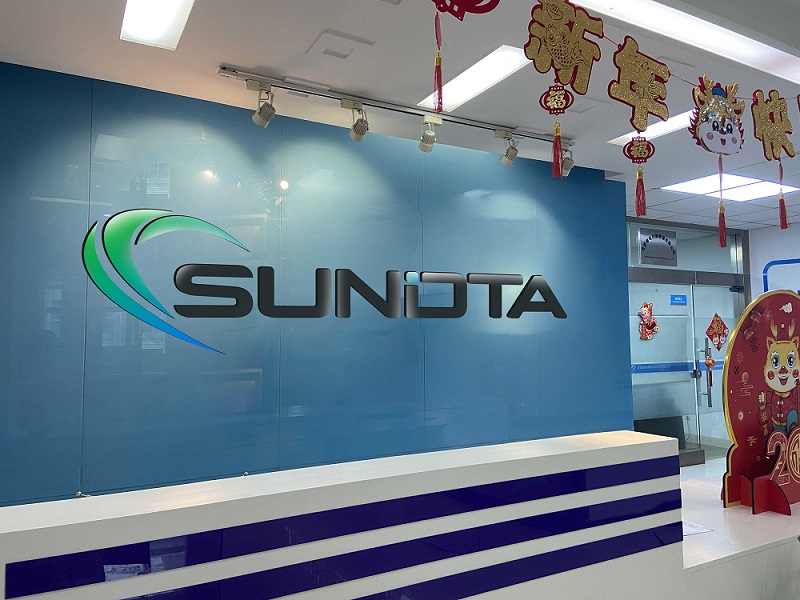 Hefei Production Facility
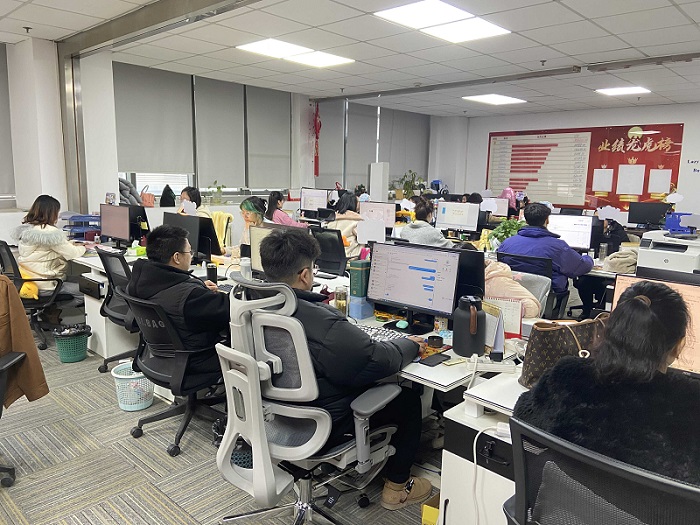 Automated Assembly Workshop
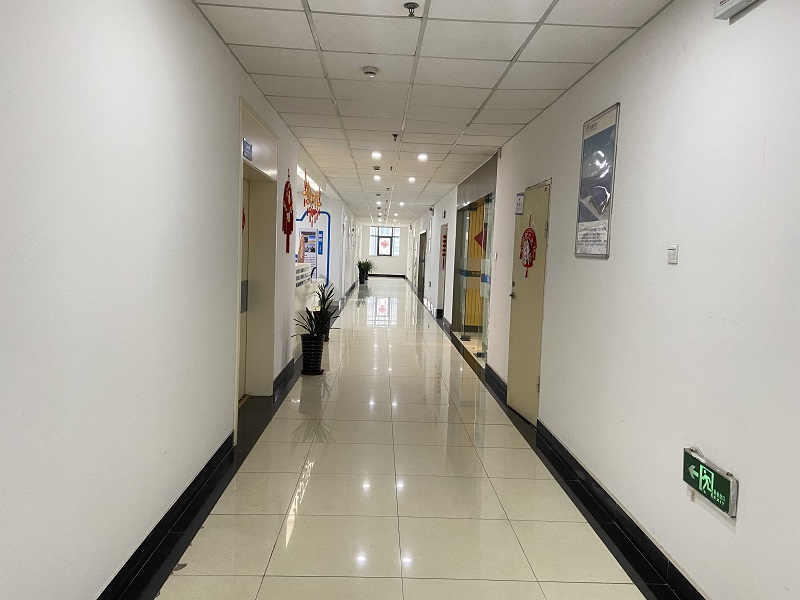 QC Testing & Verification
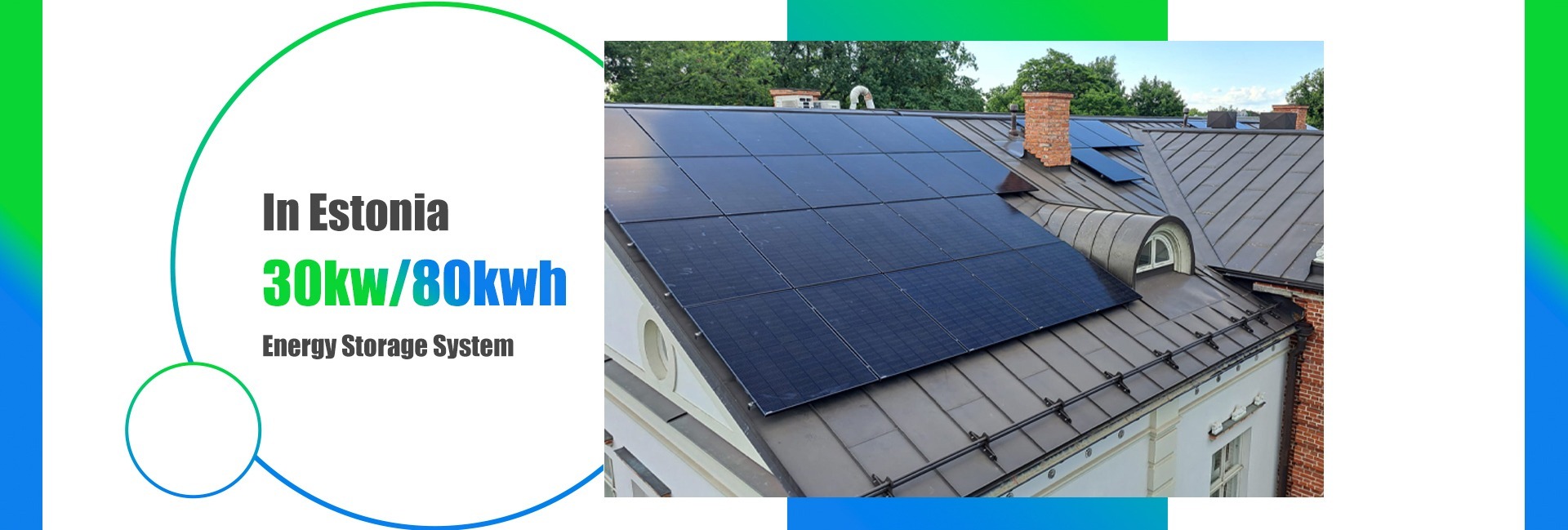 Containerized Global Logistics
Frequently Asked Questions: Sourcing Microinverters for Recife
Clear, direct technical and commercial answers for Brazilian solar distributors, EPCs, and import managers.