CAN / RS485 Ready
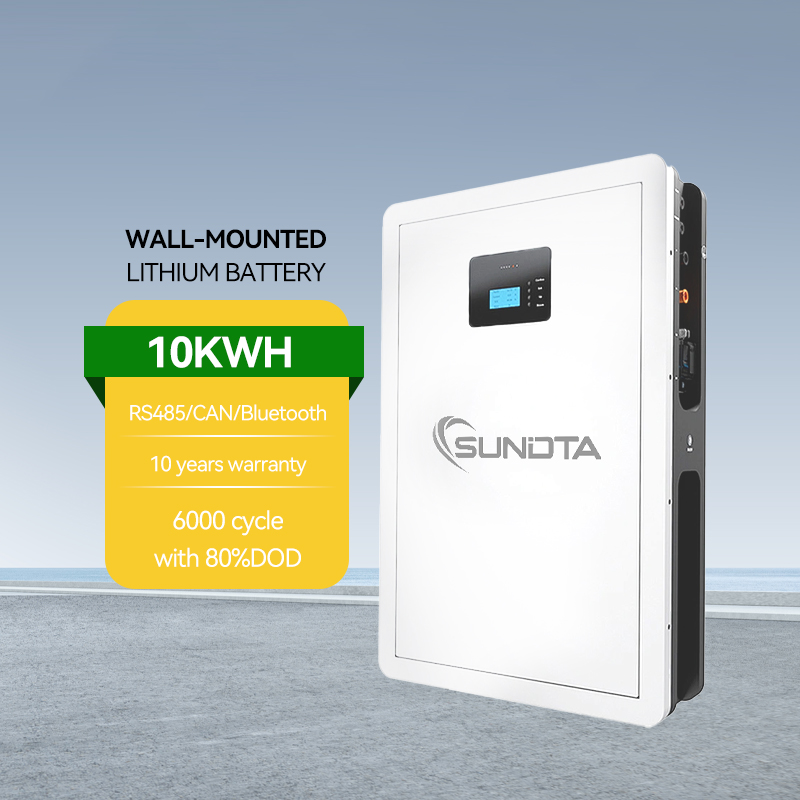
Pre-engineered systems and components fully compatible with variable voltage topologies, variable-frequency drives (VFD), and high-surge motor induction demands for irrigation, livestock, and hybrid rural microgrids.
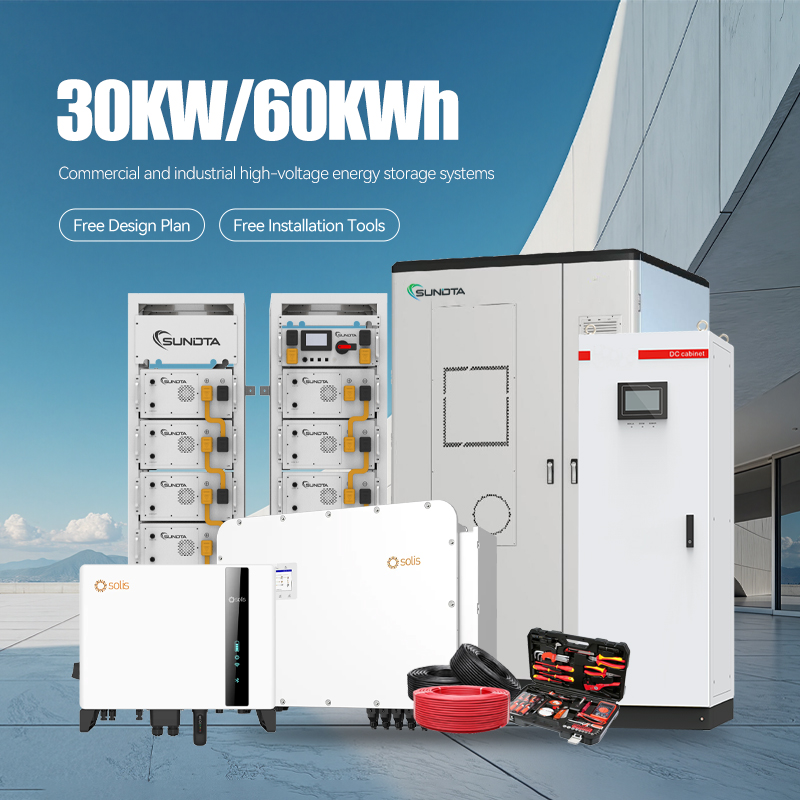
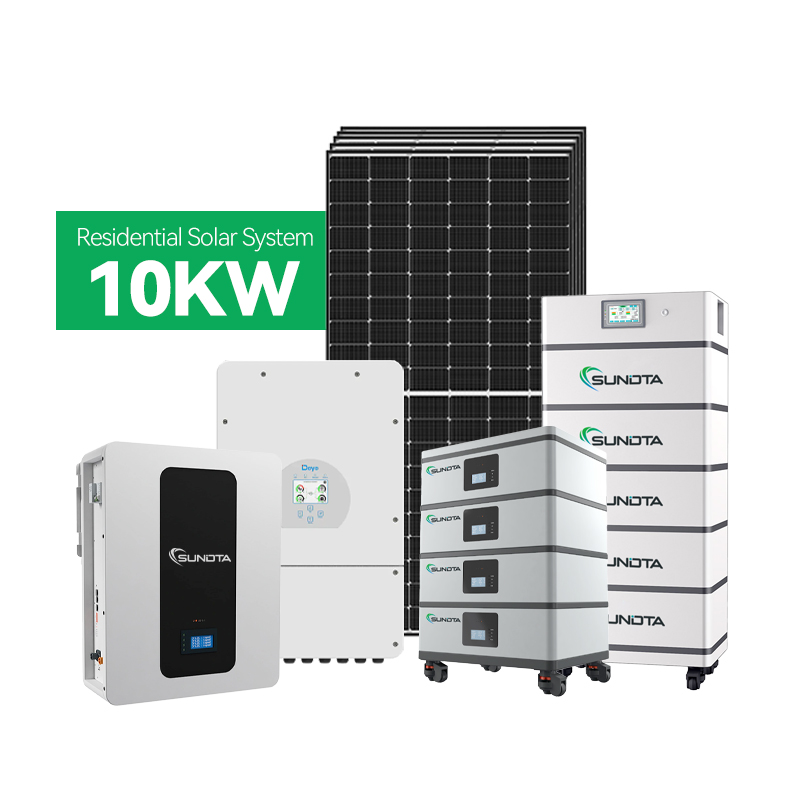
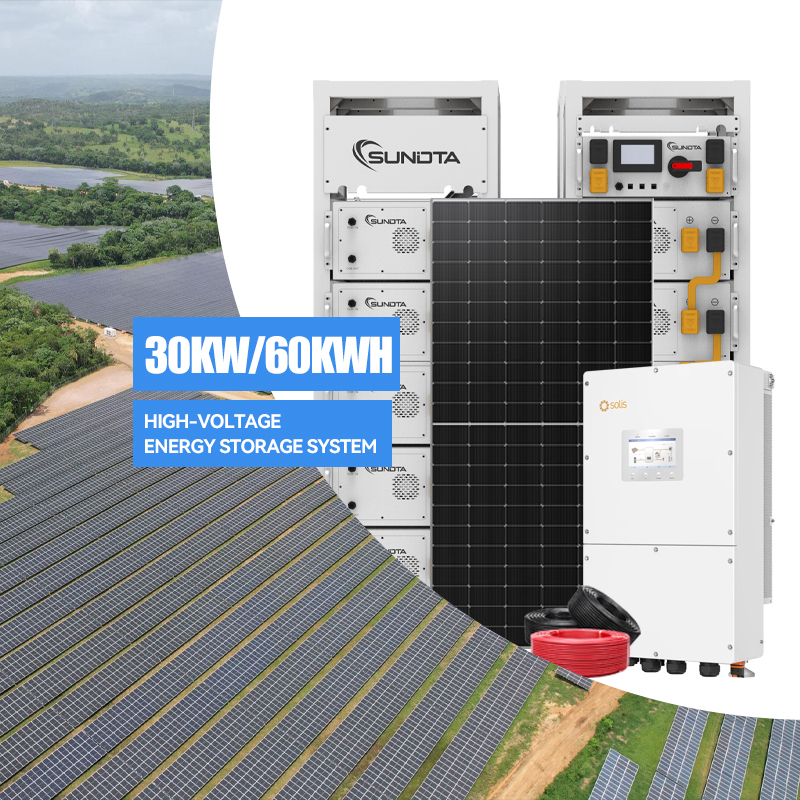
A comprehensive examination of electrical grid infrastructure, irradiance fluctuations, non-interconnected zones (ZNI), and OEM/ODM engineering parameters for Colombian EPC contractors and agricultural distributors.
Colombia presents a radically dualistic energy landscape. While major metropolitan centers connected to the National Interconnected System (SIN - Sistema Interconectado Nacional) operate on established medium-voltage lines, more than 52% of Colombia’s national territory—encompassing regions such as La Guajira, Chocó, Vichada, and parts of Córdoba and Nariño—is classified as ZNI (Non-Interconnected Zones). In these regions, agricultural producers, cattle ranchers, and municipal water authorities rely almost entirely on expensive, logistics-heavy diesel generation to operate deep-well water pumps.
The operational cost of diesel in departments like La Guajira or Putumayo is aggravated by transportation tariffs, frequent fuel contamination, and continuous mechanical failure of high-wear internal combustion engines. Implementing high-efficiency OEM/ODM solar pump inverters (variadores solares de frecuencia) provides an immediate operational transition from OPEX-intensive diesel pumping to zero-fuel levelized cost of water (LCOW). As an exporter, our primary engineering focus for the Colombian market is designing variable-frequency drives (VFD) and hybrid solar pump inverters that operate reliably under fluctuating solar irradiance, handling water extraction from high-head aquifers exceeding 200 to 350 meters dynamic head.
A frequent error made by international exporters shipping power electronics to Colombia is failing to address local three-phase voltage variations. Unlike Europe, which standardizes on 400V 50Hz, Colombia operates at a base frequency of 60Hz with distinct regional secondary distribution voltages. In departments such as Antioquia, Cundinamarca, and Valle del Cauca, rural commercial pumping loads often run on three-phase 208V/220V systems, while industrial agro-installations (such as palm oil extraction plants in Meta or banana plantations in Urabá) utilize 440V or 480V 60Hz topologies.
Furthermore, any grid-connected hybrid pump inverter or solar equipment entering Colombia must adhere strictly to RETIE (Reglamento Técnico de Instalaciones Especiales) standards. Our OEM/ODM production processes incorporate certified galvanically isolated architectures, UL1741/IEC62109 compliance, anti-islanding protection, and built-in surge protection devices (Type II DC and AC SPDs) specifically calibrated to survive the highest lightning strike densities in South America (flash density up to 60 flashes/km²/year in the Magdalena Medio region).
Submersible borehole pumps and high-volume surface booster pumps experience extreme mechanical stress when switched directly on and off. In off-grid solar operations, sudden morning start-ups or cloud passages can cause aggressive voltage drops and rapid motor stall, leading to catastrophic water hammer (golpe de ariete), which ruptures PVC/HDPE irrigation pipes and snaps pump motor shafts. Our specialized solar pump inverter series integrates advanced vector control (FVC) algorithms with automated soft-start and deceleration ramping.
The firmware continuously analyzes DC bus stability. If PV array voltage degrades below the critical Vmp setpoint, the inverter automatically lowers the motor frequency (e.g., from 60Hz down to 35Hz) rather than abruptly tripping. This maintains continuous, pressurized water delivery during cloudy intervals. Integrated dry-run protection sensors (utilizing software-based cos φ power factor monitoring) instantly shut down operation when well levels drop, completely eliminating the need for down-hole mechanical probe wiring that frequently fails due to mineral encrustation in Colombian groundwater.
Detailed technical specifications for EPC sizing across different Colombian agricultural topologies.
| Inverter Series / Tier | Input Voltage (DC Window) | Output Voltage & Frequency | Target Hydraulic Application | Communication & Hybrid Switching |
|---|---|---|---|---|
| SPI-Mini Series (0.75kW - 4kW) | 80V - 450V DC (Optimized MPPT) | 1-Phase / 3-Phase 110V/220V @ 60Hz | Smallholder drip irrigation, livestock drinking troughs in Boyacá and Santander. | RS485 / Modbus, auto dry-run sensing, single-switch AC grid bypass. |
| SPI-Pro Ag (5.5kW - 18.5kW) | 250V - 800V DC (Wide Window) | 3-Phase 220V / 380V / 440V @ 60Hz | Coffee washing stations in Caldas/Huila; deep submersible boreholes (120-220m). | Integrated GPRS/4G Cloud IoT monitoring, dual AC/DC auto-transfer contactor. |
| SPI-Mega Heavy (22kW - 110kW) | 450V - 900V DC (Industrial Bus) | 3-Phase 440V / 480V @ 60Hz | Sugarcane center-pivot irrigation (Valle del Cauca), African Palm drainage (Cesar). | CAN / Modbus TCP, gen-set ATS integration, IP65 dual enclosure with heat-pipe cooling. |
| BESS-Integrated Hybrid (10kW - 50kW) | 150V - 600V DC + 51.2V/HV Battery | Split-Phase 120/240V, 3-Phase 220/380V | 24/7 Aquaculture aeration and hydroponic greenhouses requiring night pumping. | Closed-loop CANbus with RJV LiFePO4 batteries, zero-second UPS mode transfer. |
Real-world engineering implementations built to resist the humidity, altitude, and climatic demands of Colombia.
Arid desert regions requiring water extraction from depths up to 300 meters. Systems are engineered with dust-resistant IP65 NEMA 4X enclosures, sand-storm filtration, and integrated high-head multi-stage submersible pump drives.
High altitude installations (1,500 - 2,500 masl) where air density decreases cooling efficiency. Our inverters feature internal de-rating protection and high-elevation heat pipe sinks for mountainous riverbed elevation pumping.
Vast horizontal grazing plains requiring high-volume low-head distribution across miles of pipelines. Solar pump inverters operate with automated pressure-transducer feedback loops to maintain stable pipe line pressures.
Combining world-class manufacturing scale in Hefei, China, with customized OEM engineering adapted to South American import requirements.
Customized front-panel branding, multilingual Spanish LCD UI firmware, personalized carton packaging, and tailored warranty certificates for your local distribution brand in Colombia.
Every inverter and LiFePO4 battery undergoes 100% full-load high-temperature burn-in testing, insulation resistance checking, and simulated motor surge tests before shipping to Buenaventura or Cartagena.
We supply full DIAN-ready customs documentation, Certificate of Origin (Form A / FTA documentation), TÜV Rheinland factory audit reports, and test declarations minimizing import customs delays.
Direct communication with our power electronics R&D team in Hefei. We assist your project engineers with string calculations, dynamic head sizing, and firmware parameter setting via 24/7 dedicated channels.
Essential guidance covering maritime transit, RETIE conformity, warranty processing, and motor sizing.
Yes. Our solar pump inverters generate a true sinusoidal PWM output via advanced variable-frequency drive (VFD) technology. They are completely compatible with off-the-shelf standard three-phase asynchronous induction motors (Franklin Electric, Grundfos, Pedrollo, Barnes, etc.) commonly installed across Colombia. There is zero need to purchase expensive proprietary DC brushless pumps. For depths over 100 meters, we provide optional output AC reactors (filtros senoidales) to eliminate voltage reflection spikes (dv/dt) and protect motor coil insulation.
We provide FOB, CFR, and CIF shipping from major Chinese deep-water ports (Shanghai, Ningbo, or Shenzhen) directly to Colombia’s key entry ports: Puerto de Buenaventura (Pacific corridor, typically 26–32 days maritime transit) and Puerto de Cartagena / Barranquilla (Atlantic corridor, typically 30–35 days transit). All dangerous goods declarations (UN38.3, MSDS) for battery storage shipments and shock-resistant wooden crate packaging for heavy inverters are managed directly by our dedicated logistics export division.
Our dual-input hybrid solar pump inverters feature automated AC/DC power blending. When sunlight decreases during cloudy spells or late afternoon, the inverter smoothly supplements power from an auxiliary AC source (the regional electrical grid or an on-site diesel generator) without cutting water delivery. Furthermore, an integrated dry-contact relay automatically starts and stops the diesel generator only when solar irradiance drops below your programmed threshold, cutting fuel consumption by up to 80% to 90%.
For standard models carrying our factory brand, the MOQ is 1 unit for evaluation and sample testing. For custom OEM printing, private labeling, custom silkscreen casings, and bespoke firmware branding, our MOQ generally begins at 10 to 20 units depending on the inverter power rating. Typical OEM manufacturing lead time ranges from 15 to 25 days following proforma confirmation and technical drawing approval.
We back our solar inverters with a standard 3 to 5-year factory warranty (extendable to 10 years for C&I projects), and 5 to 10 years for our LiFePO4 battery modules. In the rare event of a component failure, our 24/7 technical team conducts immediate remote diagnostic analysis. Critical replacement PCBA control boards, IGBT modules, and accessories are dispatched via express air courier (DHL/FedEx) directly to your facilities in Bogotá, Medellín, Cali, or Barranquilla, minimizing project downtime.
Supplying your well depth, target daily flow (m³/day), and pump motor specs. Our application engineers deliver complete BOM calculations, MPPT string designs, and container quotes within 24 hours.