Certified Solar & Energy Storage Systems for Trujillo Importers
Full-scale factory manufacturing, tier-grade balance of system (BOS) components, and closed-loop BMS communication configured for the coastal agro-industrial belt and highland microgrids of La Libertad.
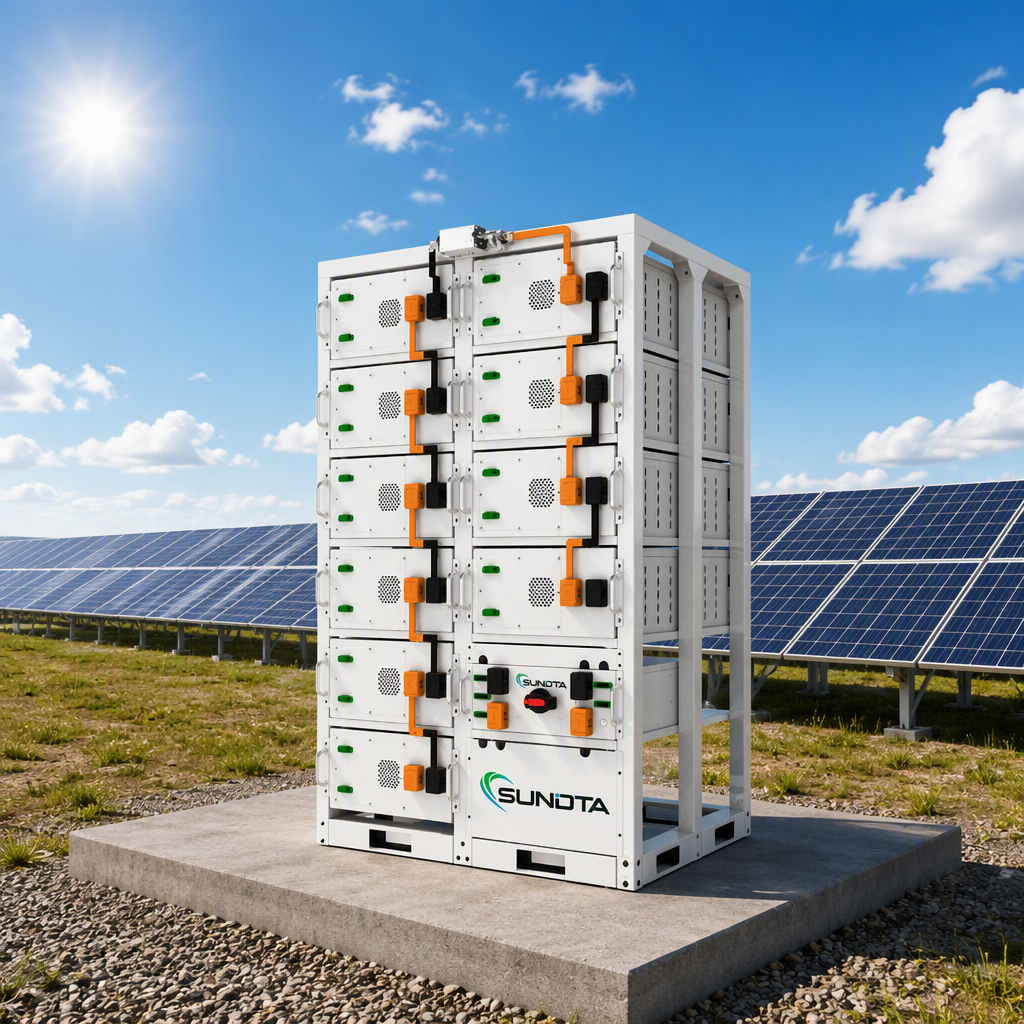
SUNDTA SDT-280 Commercial High Voltage LiFePO4 Energy Storage System 40-100kWh
- Air-cooled battery cabinet configuration
- Supports Hybrid, Off-Grid & Grid-Tied modes
- 280Ah high-safety prismatic cells
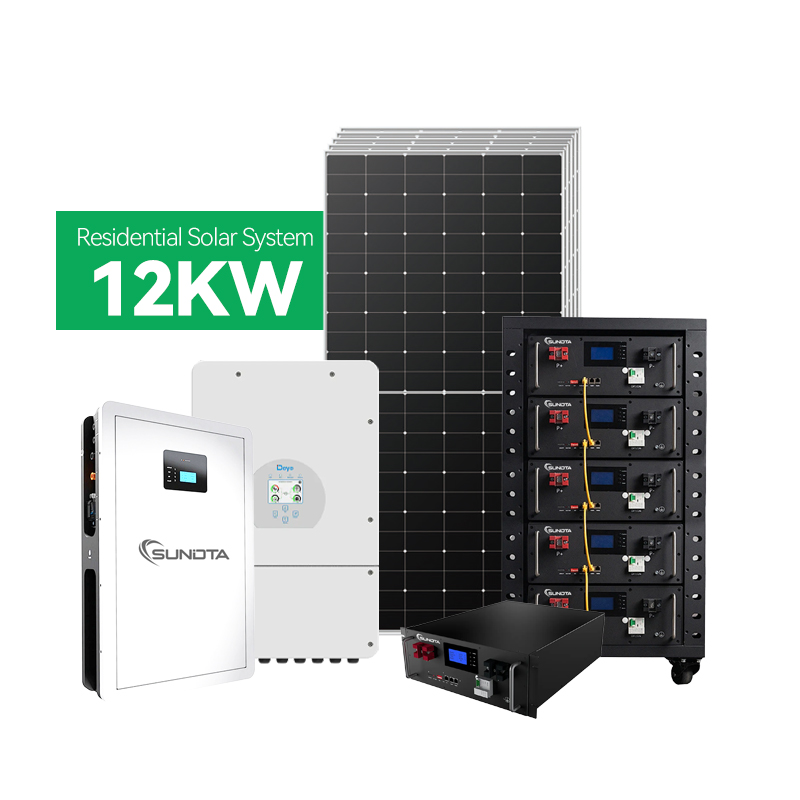
Bulk Price Sundta 12Kw Hybrid Solar Energy Storage System 25Kw Battery
- High-yield Monocrystalline N-type PV array
- Split/Three-phase backup autonomy
- Seamless EPS switching <10ms
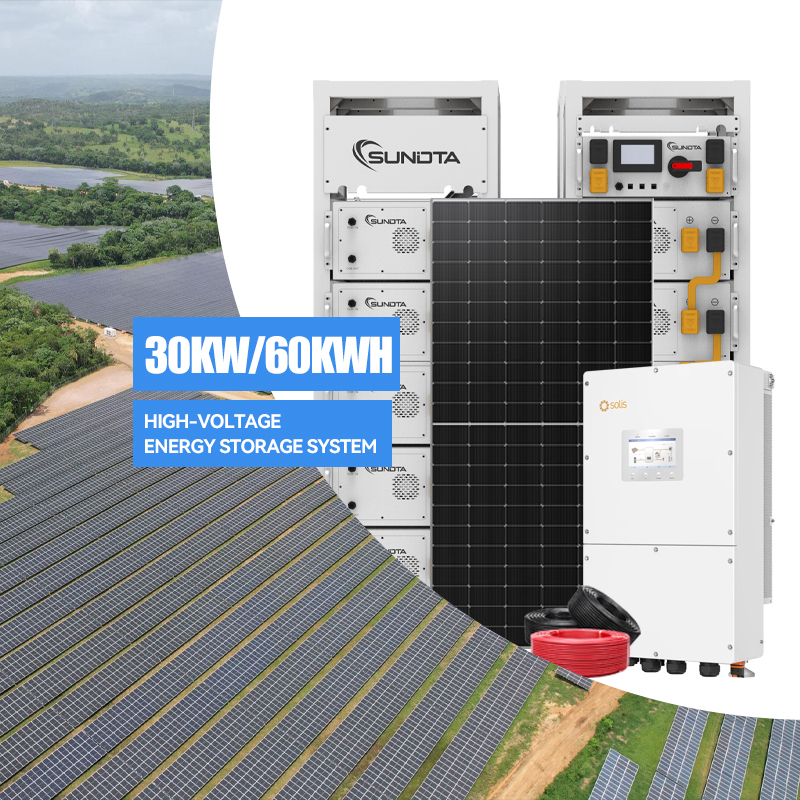
Off Grid Hybrid Solar Energy Storage System 20KW 30KW 40KW EU Certified
- High-frequency pure sine-wave MPPT
- Dual AC input for diesel generator synchronization
- Multi-unit parallel expansion capability
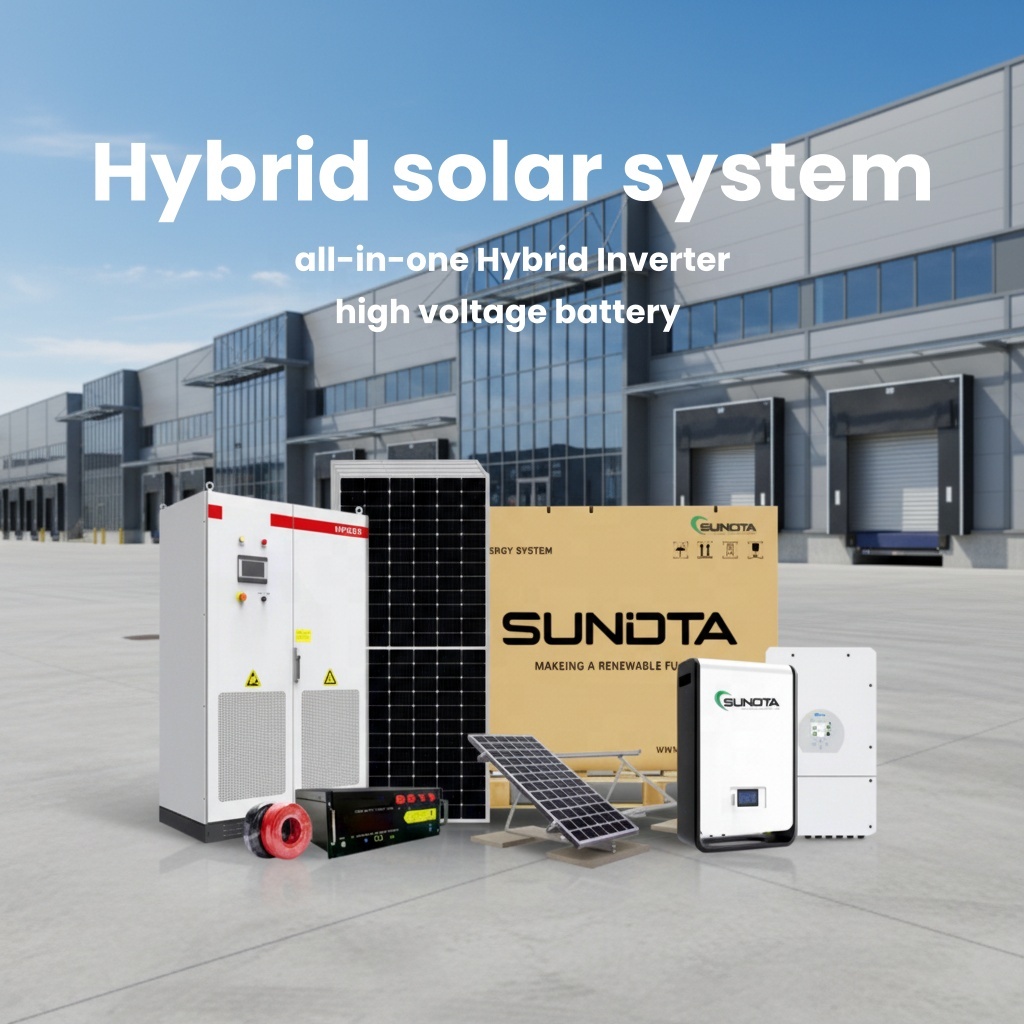
All in One Energy Storage Outdoor Cabinet 100kw 200kw 500kw LiFePO4
- Integrated EMS, PCS & liquid/air thermal conditioning
- IP55 outdoor corrosion-resistant enclosure
- Peak-shaving and black-start functionality
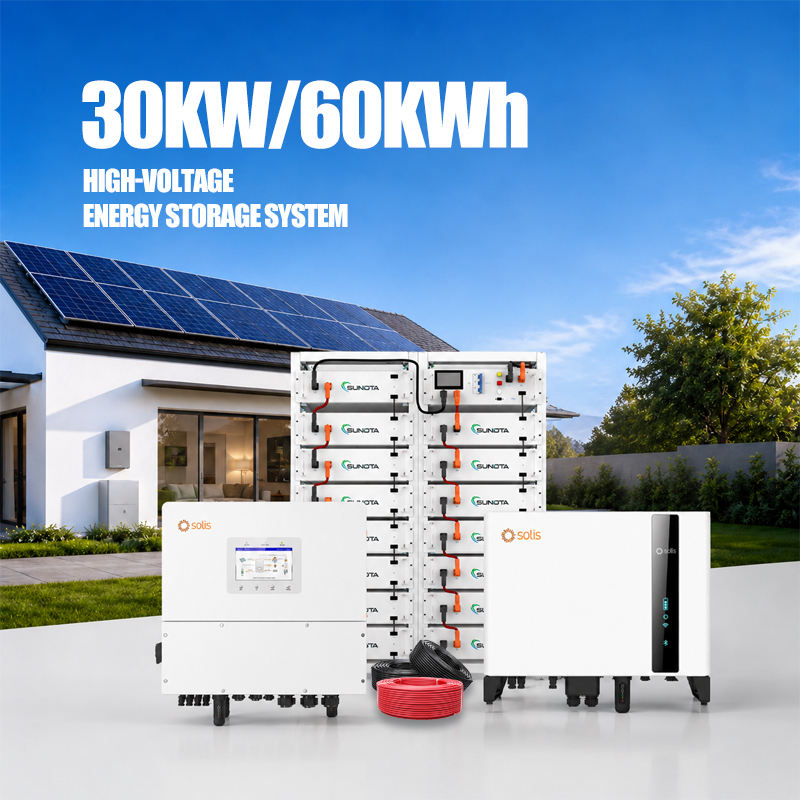
51.2V Split All-in-One Solar Battery Inverter System 30kWh LiFePO4 Backup
- Native CAN / RS485 protocol synchronization
- CE certified, >6,000 cycle lifespan at 80% DOD
- Built-in arc fault & thermal runaway suppression
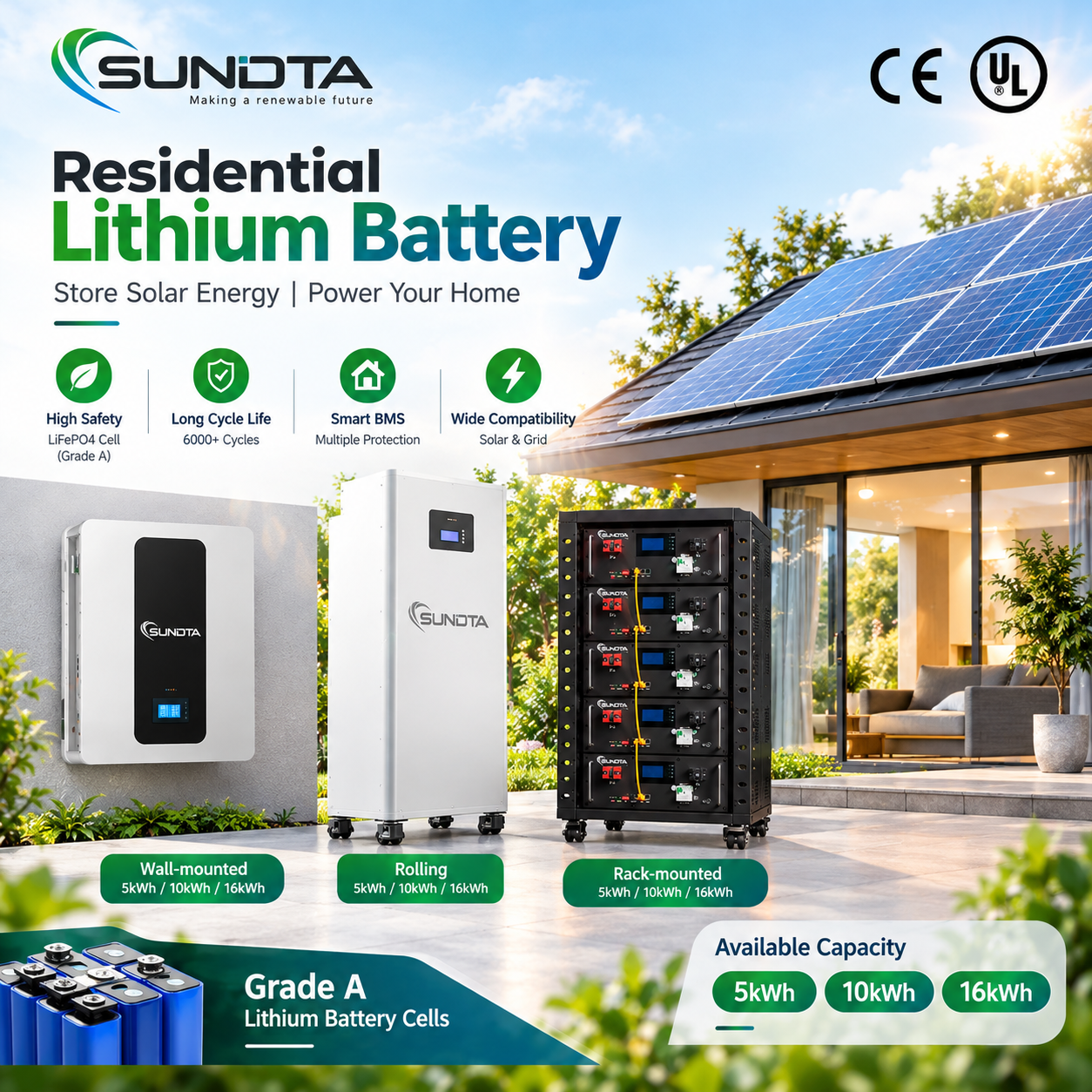
Sundta Stacked 10kWh 20kWh 30kWh Modular LiFePO4 Storage Battery
- Quick plug-and-play stacking architecture
- Internal busbar design without exposed cables
- Intelligent multi-tier BMS with auto-cell balance
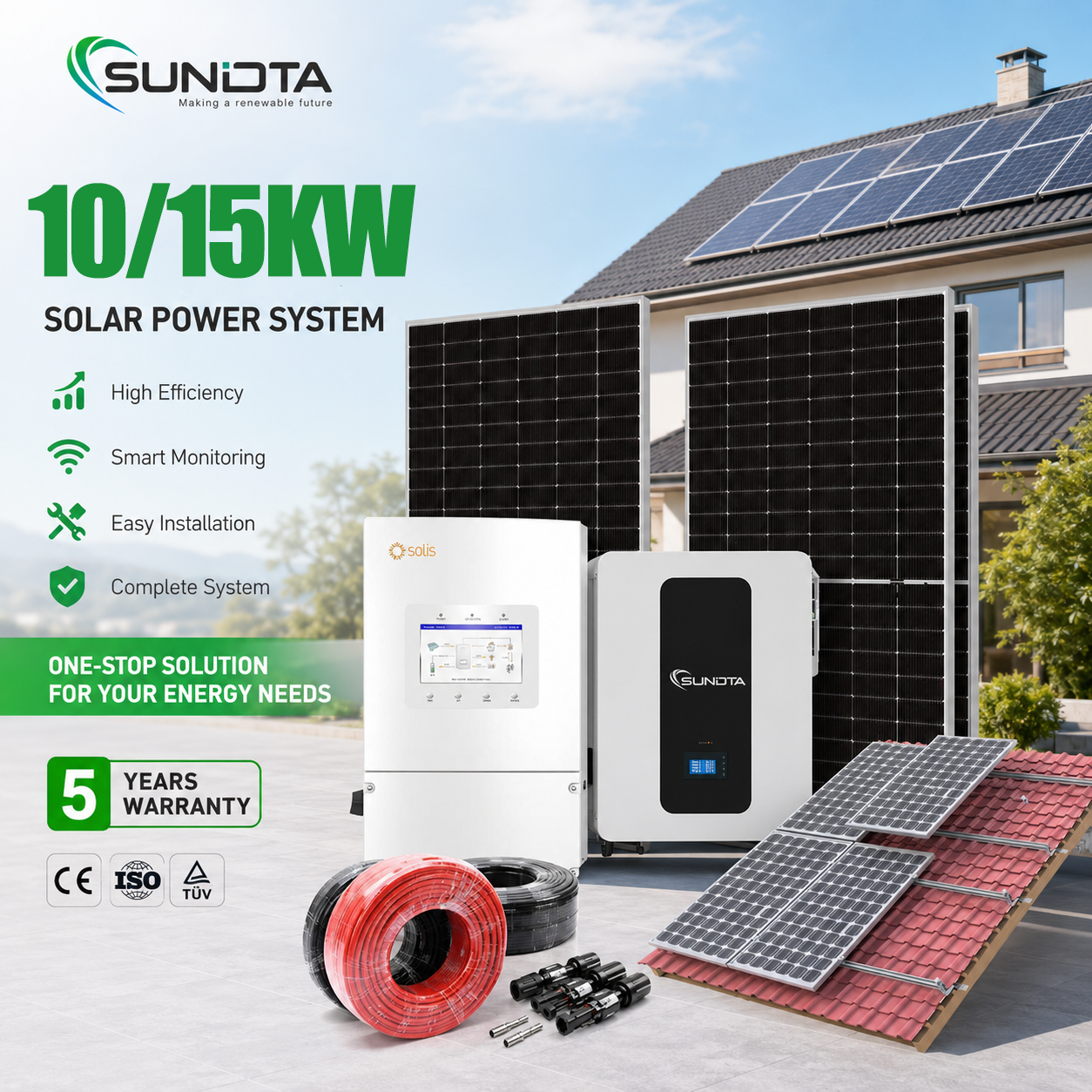
Hybrid 15kWh Inverter System 300Ah Lithium Ion Battery Split MPPT 15kW
- Dual MPPT tracker with 99.9% dynamic efficiency
- Robust CAN communication for leading hybrid inverters
- Compact footprint suitable for indoor/outdoor utility walls
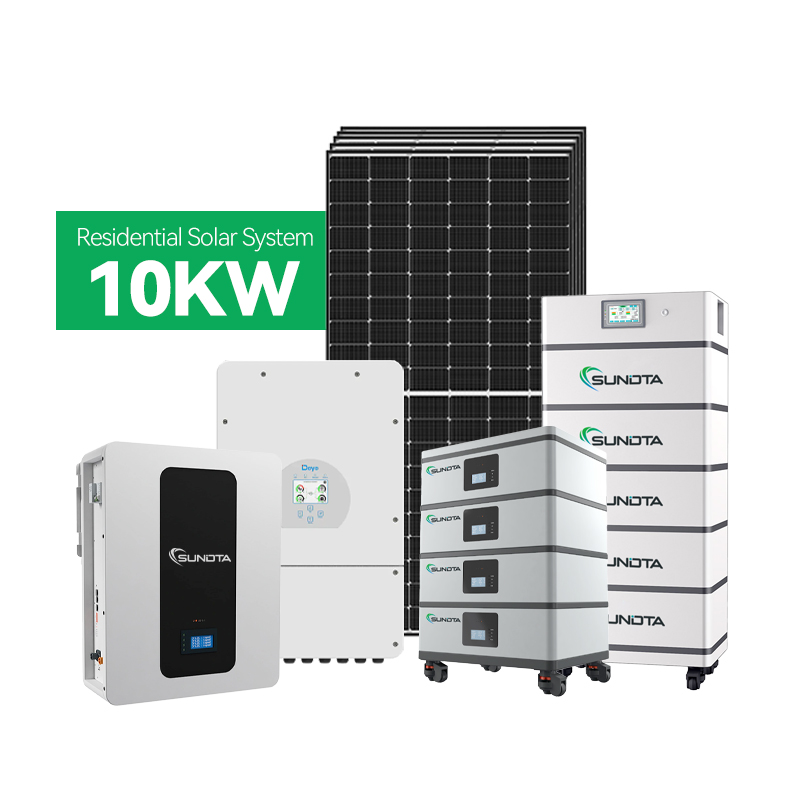
2026 Sundta 10KW 12KW Hybrid Solar System with LiFePO4 Battery & BMS
- High continuous surge endurance for induction motors
- Factory price-performance benchmark for distributors
- Full monitoring via Wi-Fi / 4G cloud telemetry
The Trujillo Energy Ecosystem: Grid Vulnerabilities & High Solar Potential
The Department of La Libertad, centered around the metropolitan capital of Trujillo, stands as one of South America's most dynamic agricultural export clusters and commercial transit corridors. Geographically situated within the arid Peruvian coastal plain, Trujillo benefits from exceptional solar resource parameters, with horizontal surface irradiation consistently exceeding 5.5 to 6.4 kWh/m²/day throughout the year. However, this solar abundance contrasts sharply with localized power infrastructure challenges.
While urban sectors within Víctor Larco Herrera, El Porvenir, and downtown Trujillo are serviced by the regional concessionaire Hidrandina (distributing power from the National Interconnected Electric System - SEIN), the transmission topology is historically constrained. High-voltage transmission lines stretching across desert terrain are vulnerable to seasonal atmospheric events, grid frequency instability, and voltage flickers. In the peripheral agricultural belts of Chao, Virú, and the sprawling Chavimochic irrigation scheme, power reliability deteriorates drastically. Agro-exporters processing sensitive crops like blueberries, asparagus, and avocados frequently encounter grid voltage drops exceeding ±12%, resulting in automatic machinery shutoffs, motor coil burnouts, and substantial batch spoilage in cold-storage operations.
Consequently, commercial farmers, packing factories, and off-grid residential installations in Trujillo have moved away from conventional grid-tied string inverters. The localized market requirement demands robust, heavy-duty Off-Grid and Hybrid Energy Storage Systems (ESS) capable of providing uninterrupted microgrid autonomy, high surge capability for industrial induction pumps, seamless black-start functionality, and dual-source diesel-genset synchronization.
Engineered Localized Applications across Trujillo & La Libertad
Off-grid systems supplied to the Peruvian market are not generic retail appliances; they are mission-critical power generation stations sized specifically to withstand regional load dynamics, ambient humidity fluctuations, and rigorous operational duty cycles.
Agro-Industrial Cold Chain & Irrigation
Virú and Moche river basins require high continuous power for deep-well submersible pumps (15kW–75kW) and refrigerated pack-houses. Our 50kW–500kW ESS cabinets deliver high C-rate surge handling without grid-tripping interruptions.
Coastal High-Salinity Residential Zones
Coastal enclaves in Huanchaco, Las Delicias, and Salaverry experience thick marine fog (garúa) and elevated salinity. Sealed IP65 LiFePO4 wall packs with C5 anti-corrosion brackets maintain battery thermal stability and eliminate internal galvanic oxidation.
Andean Foothill Mining & Eco-Lodges
Transit corridors heading east into Otuzco, Huamachuco, and Santiago de Chuco experience significant grid drops or zero transmission lines. High-voltage off-grid stacks eliminate expensive diesel hauling logistics across rough topography.
Detailed Engineering Comparison: Solar Microgrid vs. Diesel Generation in Trujillo
Many remote operations in La Libertad rely heavily on stationary diesel gen-sets (CAT, Cummins, or Perkins). While the initial capital expenditure (CAPEX) of a diesel generator is lower, the operational expenditure (OPEX) in Peru—factoring fuel delivery over rugged roads, oil replacements every 250 hours, and engine overhauls—makes thermal generation unsustainable.
| Evaluation Parameter | Standalone Diesel Gen-Set (50 kVA) | Solar-Plus-Storage Hybrid Microgrid (50kW / 100kWh) | Engineering Benefit for Peruvian Operators |
|---|---|---|---|
| Levelized Cost of Energy (LCOE) | $0.38 – $0.52 USD / kWh (at $4.60/gal diesel) | $0.082 – $0.115 USD / kWh | Reduces energy generation costs by >72% over a 10-year operating horizon. |
| Maintenance Interval | Every 250 hours (Lube, filter change, downtime) | Semi-annual optical array wash; zero battery maintenance | Drastically lowers field technician deployment costs in remote provinces of La Libertad. |
| Dynamic Load Response | Lag time 2–5 seconds; voltage sag during motor starts | Instantaneous inverter response (<10 milliseconds) | Prevents tripping of programmable logic controllers (PLCs) in agro-packing lines. |
| Harsh Environment Resilience | Air intakes prone to sand/dust clogging | Fully sealed IP65/IP55 cabinets with air heat exchangers | Eliminates particulate abrasion inside electronics and battery compartments. |
| Asset Lifespan | 12,000 to 18,000 running hours until rebuild | LiFePO4 cells rated >6,000 cycles (approx. 15 years daily use) | Capital asset retains long-term asset value and guarantees predictable overheads. |
Emerging Trends & Regulatory Drivers in the Peruvian Solar Sector
The renewable energy landscape across Peru is approaching an inflection point, driven by policy modernization from the Ministry of Energy and Mines (MINEM) and the Supervisory Agency for Investment in Energy and Mining (OSINERGMIN).
1. Legislative Progress Toward Distributed Generation (Generación Distribuida)
Under the framework of Supreme Decree No. 014-2019-EM and successive drafts regarding distributed generation regulations, Peru is laying the legal groundwork for commercial and residential consumers to interconnect rooftop solar arrays and sell surplus energy back to concessionaires such as Hidrandina. Commercial enterprises in Trujillo are preparing for this shift by procuring hybrid inverters that comply with IEEE 1547 and UL 1741 standards. These units function today as self-consumption, zero-export off-grid protection devices and can transition via firmware update into grid-tied export systems once net-billing tariffs are enacted nationwide.
2. Transition from Lead-Acid to Prismatic LiFePO4 Chemistry
Historically, remote solar projects in the Peruvian sierra and coastal valleys relied on imported deep-cycle AGM, Gel, or flooded lead-acid batteries. These chemistry types have proved uneconomical due to their limited 50% Depth of Discharge (DOD), rapid thermal degradation when ambient temperatures exceed 28°C, and short lifespans (typically 500 to 800 cycles). Current engineering specifications throughout La Libertad mandate Lithium Iron Phosphate (LiFePO4) prismatic cells. With a native DOD of 80% to 90%, integrated Battery Management Systems (BMS), and cycle durability exceeding 6,000 cycles, the total cost of ownership for lithium storage is less than half that of legacy lead-acid systems.
3. Integration of Industrial Dual-Source Microgrids
High-capacity agribusiness packing houses in Chao and Virú operate around the clock during peak harvest seasons. To balance capital expenditure and security, operators deploy Solar-Diesel Hybrid Architectures. In this configuration, our hybrid inverters actively throttle output based on load demand, running the solar-plus-storage array as the primary baseload source and automatically triggering dry contacts to fire auxiliary diesel generators only when battery state-of-charge (SOC) drops below 20% during prolonged cloud cover.
Anhui RJV New Energy: Direct Factory Capabilities for Export Sourcing
Sourcing renewable energy components from separate brokers introduces communication mismatch errors, delayed container loading, and fragmented warranty claims. Anhui RJV New Energy Co., Ltd. (operating modern manufacturing lines in Hefei, Anhui, China) acts as an integrated system manufacturer and single-source procurement partner for B2B distributors, engineering contractors (EPCs), and commercial developers across Latin America.
Automated Module Production
Over 2.0 GW of annual manufacturing capacity utilizing fully automated stringer, lamination, and EL test equipment. We deliver high-efficiency N-type TOPCon and bifacial PERC modules engineered for high albedo soils.
Full CAN/RS485 Protocol Matching
Our engineering team verifies communication handshakes between SUNDTA LiFePO4 batteries and leading inverter platforms (including Deye, Solis, and Growatt) before dispatch, eliminating commissioning communication faults on site.
TÜV Rheinland Audited Facility
Our operations have undergone comprehensive on-site inspections by TÜV Rheinland. Systems hold international CE markings, UN38.3 lithium transport compliance, and IEC 61215/61730 certifications required by Peruvian customs.
Whether shipping full container loads (FCL) directly into the Port of Salaverry (Trujillo's immediate seaport) or consolidating multi-component shipments via the Port of Callao in Lima for overland transit along the Pan-American Highway North, our international logistics department prepares complete, audit-ready documentation to streamline SUNAT clearance.
B2B Procurement & Engineering FAQ for Trujillo Buyers
Detailed technical, regulatory, and logistics responses for solar contractors, agricultural project developers, and hardware importers in La Libertad.
What is the standard customs clearance process for solar gear in Peru?
Photovoltaic panels, inverters, and lithium batteries must clear SUNAT customs. Solar equipment generally benefits from preferential import tariff structures under Peruvian clean-energy initiatives, but requires accurate commercial invoices, packing lists with individual cell serializations, UN38.3 test summaries, and CE declarations. Shipments landed at Salaverry or Callao can be cleared rapidly using our pre-vetted customs document pack.
How do your systems handle high marine salinity in Huanchaco and Salaverry?
For installations situated within 5 kilometers of the Pacific shoreline, we configure all inverters with conformal-coated electronics boards and IP65/IP66 enclosures. Our outdoor battery cabinets are constructed using electro-galvanized cold-rolled steel with C5 anti-corrosion powder coatings, and all external fasteners use 316-grade stainless steel to prevent salt-fog pitting.
Are SUNDTA batteries compatible with other third-party inverters?
Yes. Our lithium energy storage cabinets and wall-mounted batteries feature proprietary BMS units pre-loaded with firmware protocols for industry-standard hybrid inverters, including Deye, Solis, Victron Energy, Growatt, and Schneider Electric. We provide complete pinout wiring diagrams (RJ45 CAN/RS485) and DIP switch settings for every order.
What is the minimum order quantity (MOQ) for commercial shipments?
For standalone inverters and wall-mounted LiFePO4 batteries, our MOQ starts at just 1 unit for sample evaluation. For turnkey residential kits (inverter + panels + battery), MOQ is 1 set. Commercial-scale ESS cabinets and full-pallet solar panel orders are packaged specifically for LCL or 20ft/40ft HQ container loading to optimize sea freight tariffs from China.
Can the system support three-phase industrial pumping equipment?
Absolutely. For 220V/380V/440V three-phase inductive motor loads common in the agricultural valleys of Virú and Chao, our systems support multi-inverter parallel synchronization. Up to 16 inverter units can be linked in parallel to provide substantial active power capacity and handle heavy motor in-rush currents without requiring oversized diesel infrastructure.
What factory warranties and remote telemetry support are provided?
Our LiFePO4 battery modules carry a standard 5-to-10-year manufacturer warranty backed by guaranteed 6,000 cycle durability to 80% original capacity. Hybrid inverters carry standard 5-year warranties (extendable to 10 years). Systems integrate cloud-based Wi-Fi/4G modems, allowing our Hefei engineering center to run remote diagnostics, analyze log curves, and update firmware remotely alongside local Peruvian installers.
Connect with Our Engineering Desk for the Trujillo Market
Request comprehensive electrical datasheets, mechanical line drawings, factory FOB/CIF pricing, and customized microgrid sizing for your next commercial, agricultural, or residential deployment in Peru.