Engineered Powerwall & Hybrid Energy Storage Portfolio
Pre-engineered LiFePO4 battery modules, hybrid split-phase inverters, and high-efficiency bifacial solar kits built for extreme durability in cold, damp coastal climates.
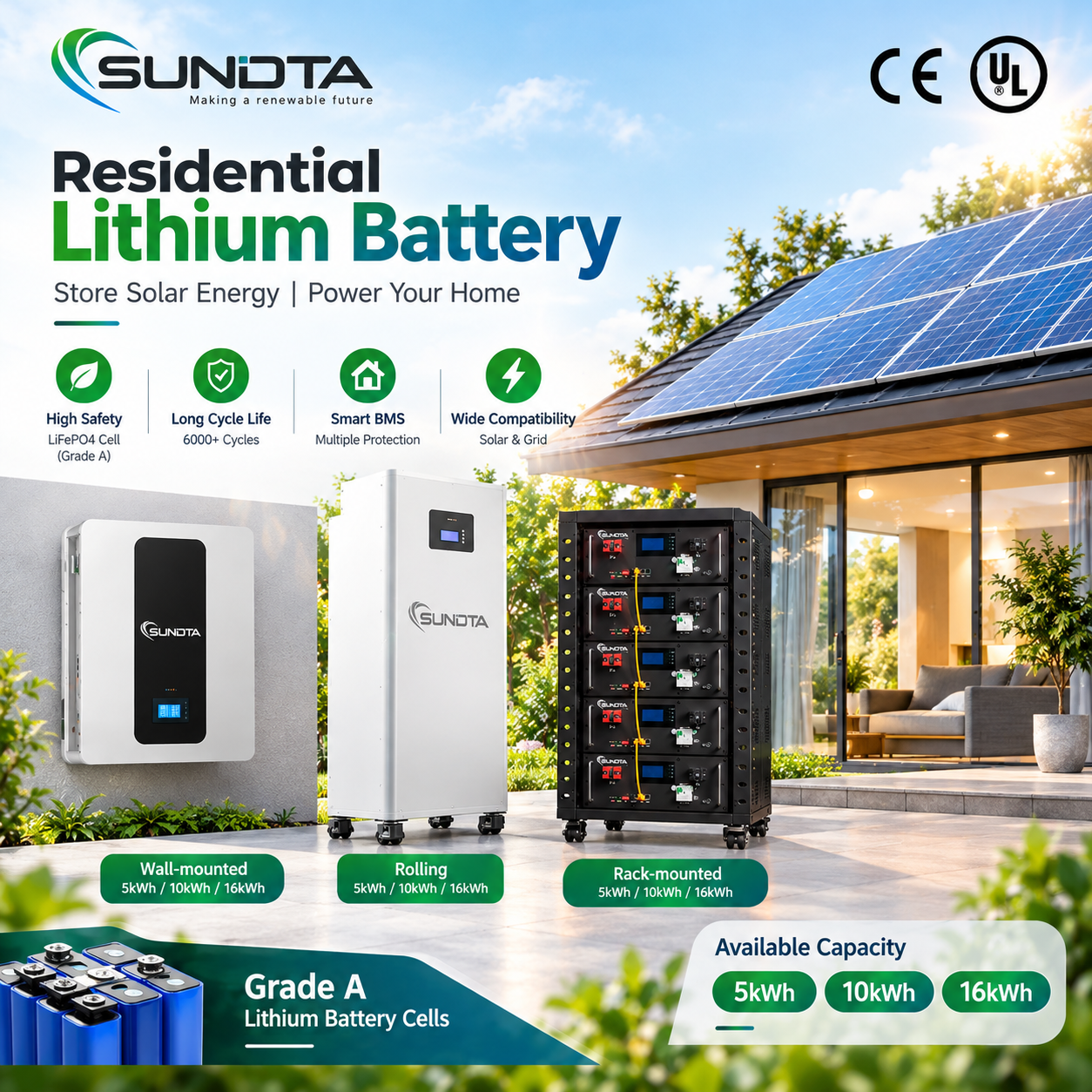
Energy Bank Powerwall 51.2V 314AH 200AH 8KW 10KW Lithium Battery Sell Home Solar Battery 15kwh Battery Pack for Home Energy
- CATL/EVE 314Ah Prismatic LiFePO4 Cells
- 15.36 kWh Expandable Storage Pack
- Wall-Mount Slimline & Modern Aesthetic
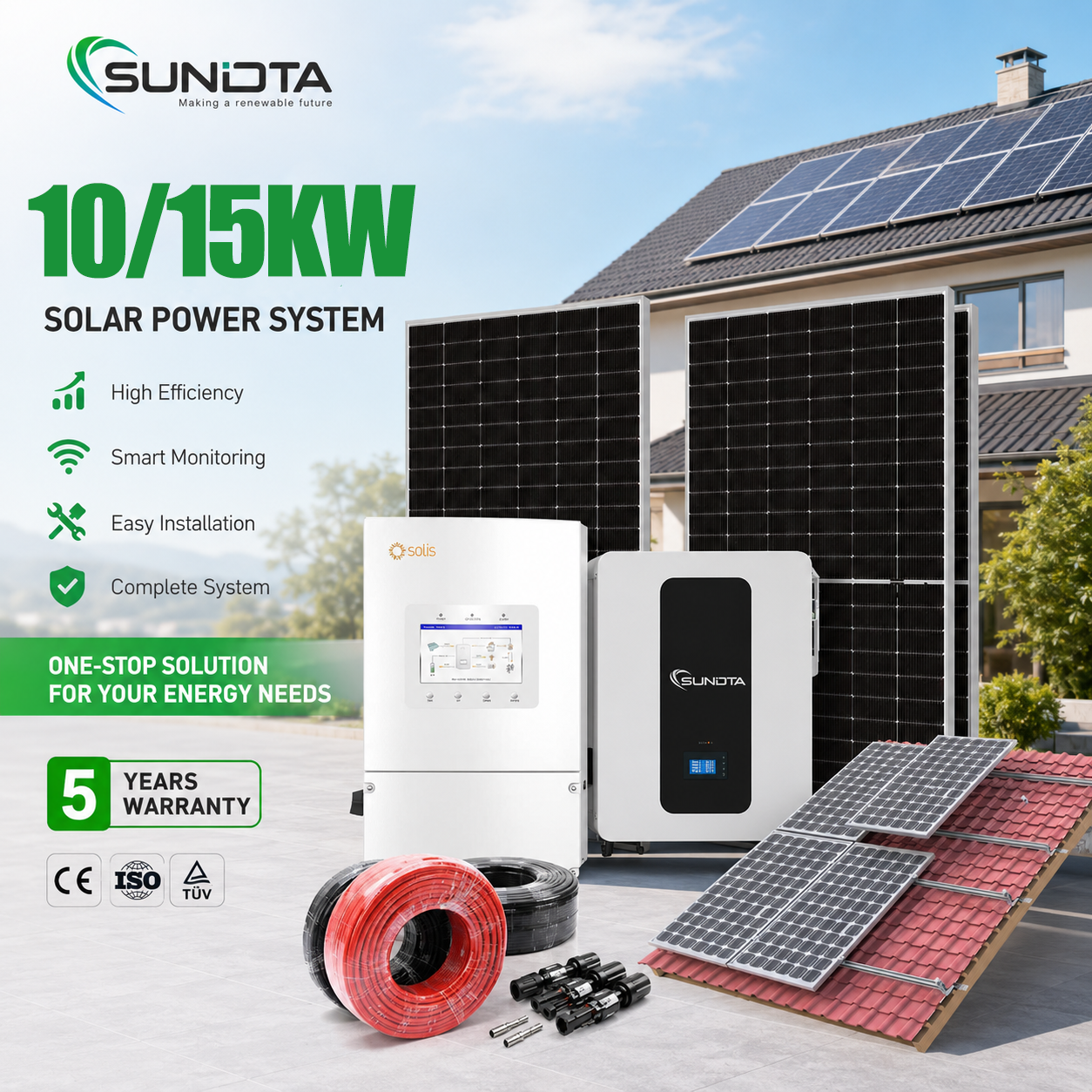
Customized Factory Price 8kW 10kW 15kW On-Off Grid Solar System Full Set with Mono Solar Panel & Lithium LiFePO4 Battery
- Split-Phase 120V/240V Canadian Compliant
- Monocrystalline Half-Cut High Yield Arrays
- 4ms Auto-Transfer Islanding Protection
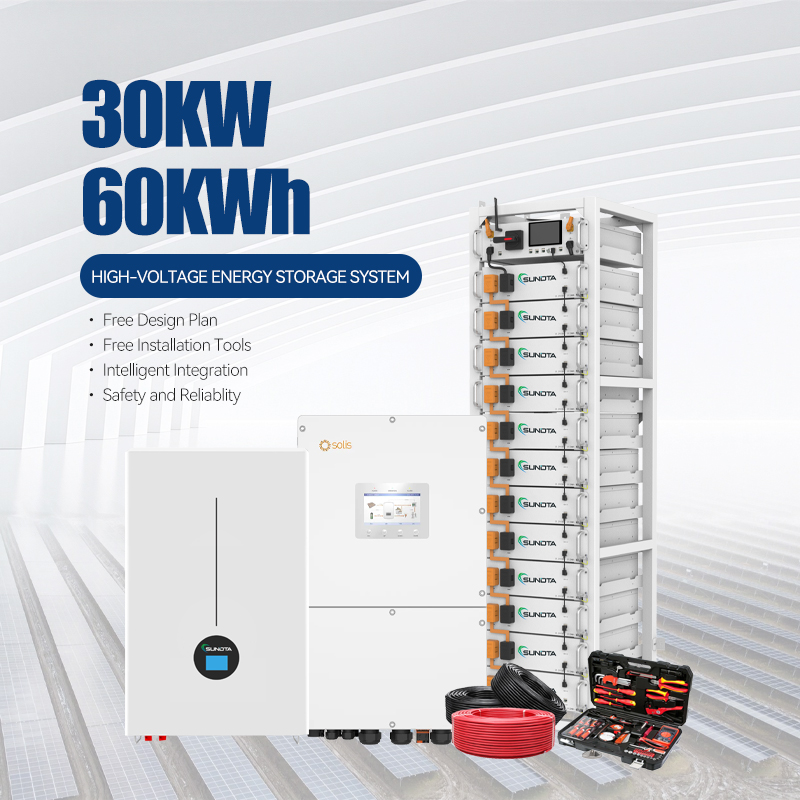
Sundta Stacked 10kWh 20kWh 30kWh Modular LiFePO4 Battery Stacked Solar Energy Storage Battery for Home Solar
- Cable-Free Plug-and-Play Quick Stacking
- Scalable from 10.24 kWh to 30.72 kWh
- Integrated Fire Aerosol Safety Protection
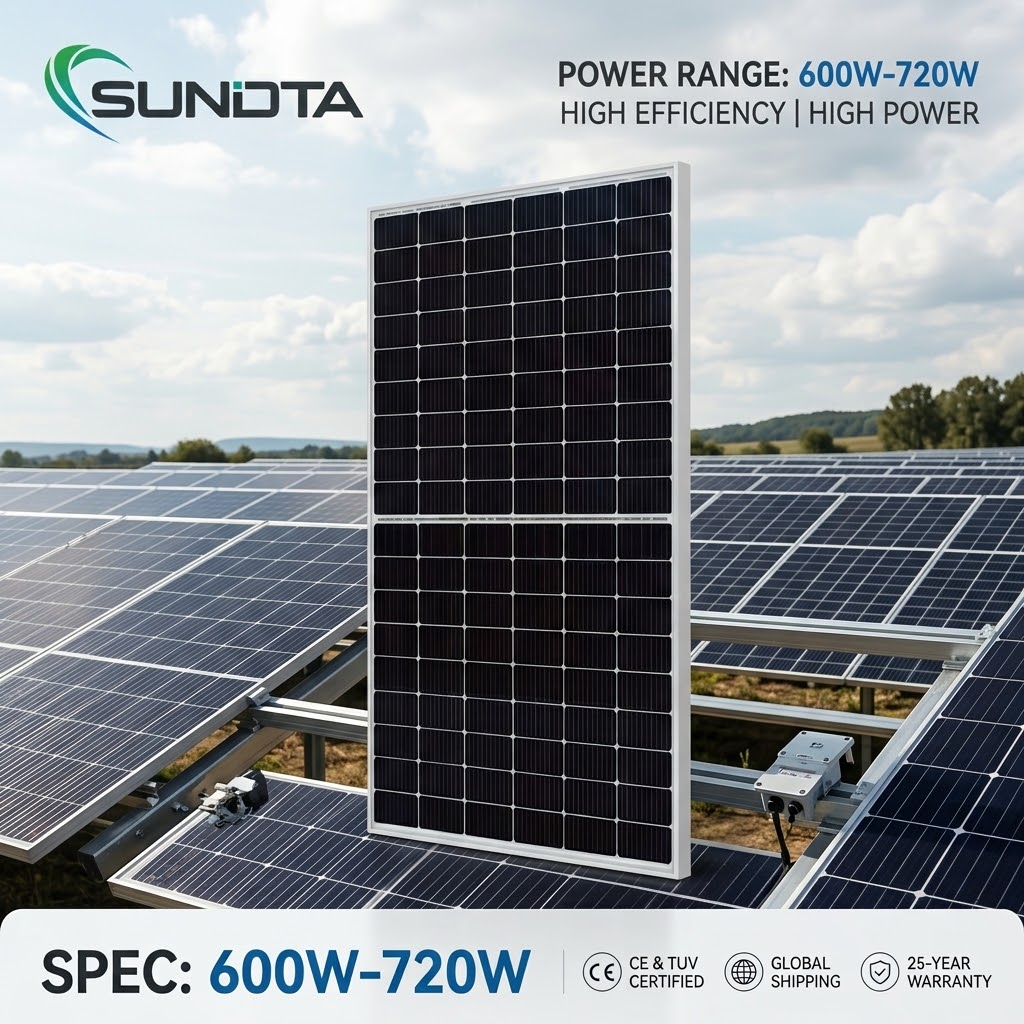
Factory Price SUNDTA 500W-595W Black Glass Bifacial PV Module 23.03% Efficiency Half-Cut PERC Solar Panel for Home Energy System
- 5400 Pa Heavy Wet-Snow Load Rated
- Dual-Glass Anti-PID Moisture Ingress Seal
- +25% Additional Rear-Side Energy Gain
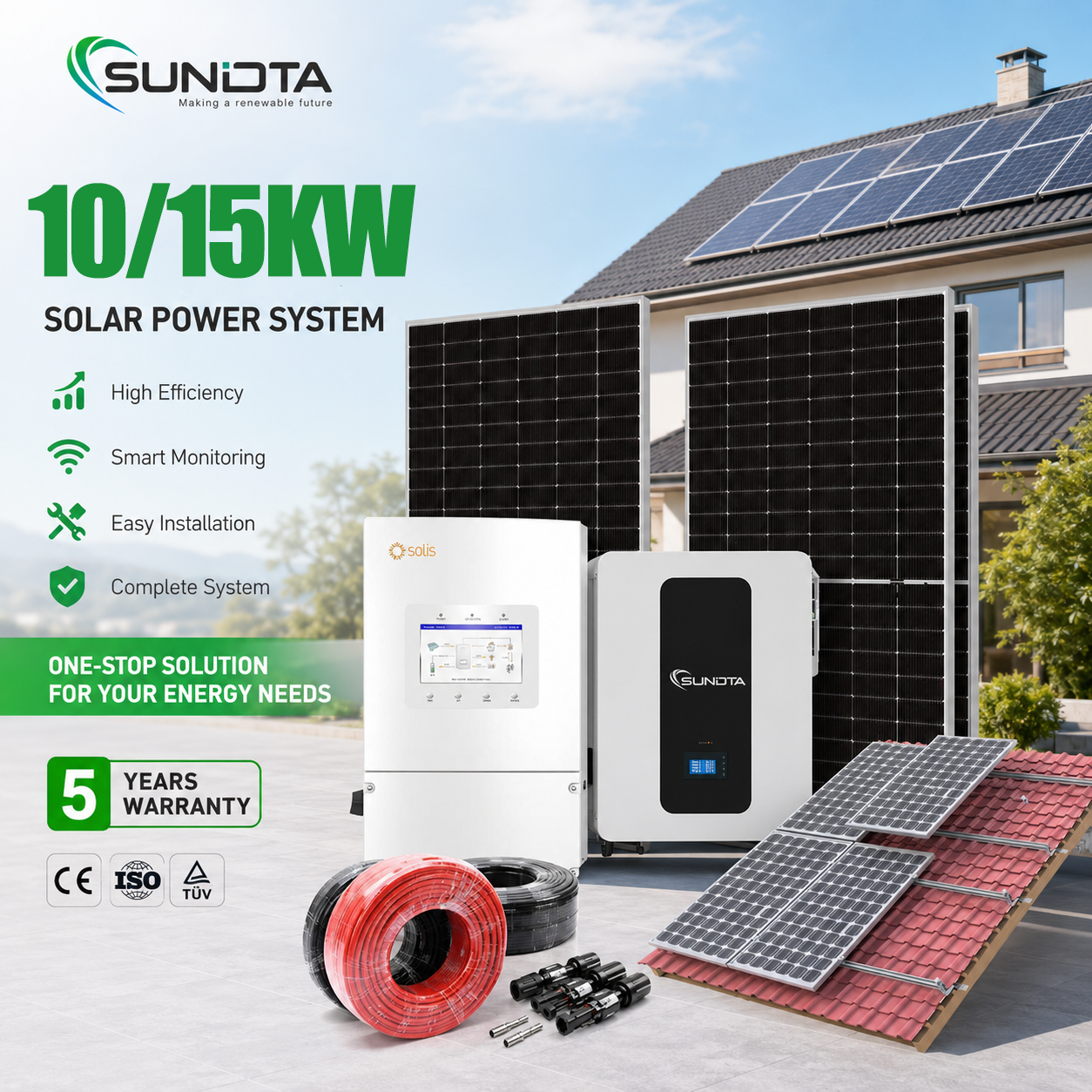
Hybrid 15kWh Inverter System 300Ah Lithium Ion Battery Split Stackable CAN Communication Home Use MPPT 15kW
- Native Closed-Loop CAN/RS485 Architecture
- Dual MPPT Tracker with 99.9% Efficiency
- Smart App Telemetry & Remote Firmware Updates
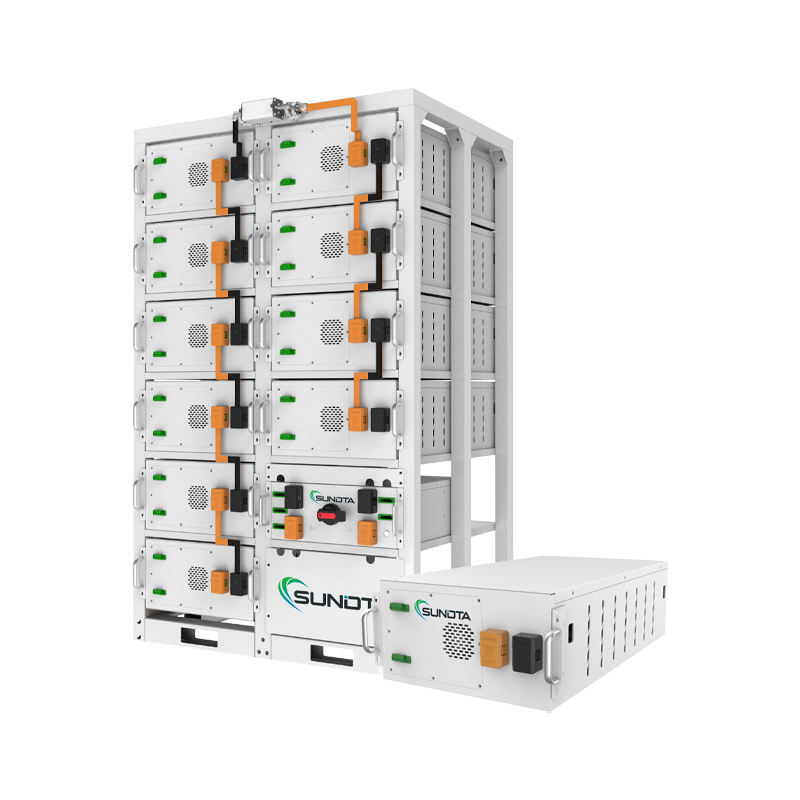
High Quality LiFePO4 Lithium Battery Stackable 51.2V 14.336kWh Wall-Mounted 10-Year Warranty Home Energy Storage Solar Battery
- Automotive-Grade Prismatic Cell Construction
- Ultra-Low Thermal Runaway Chemical Matrix
- Compatible with Solis, Deye, Schneider, Victron
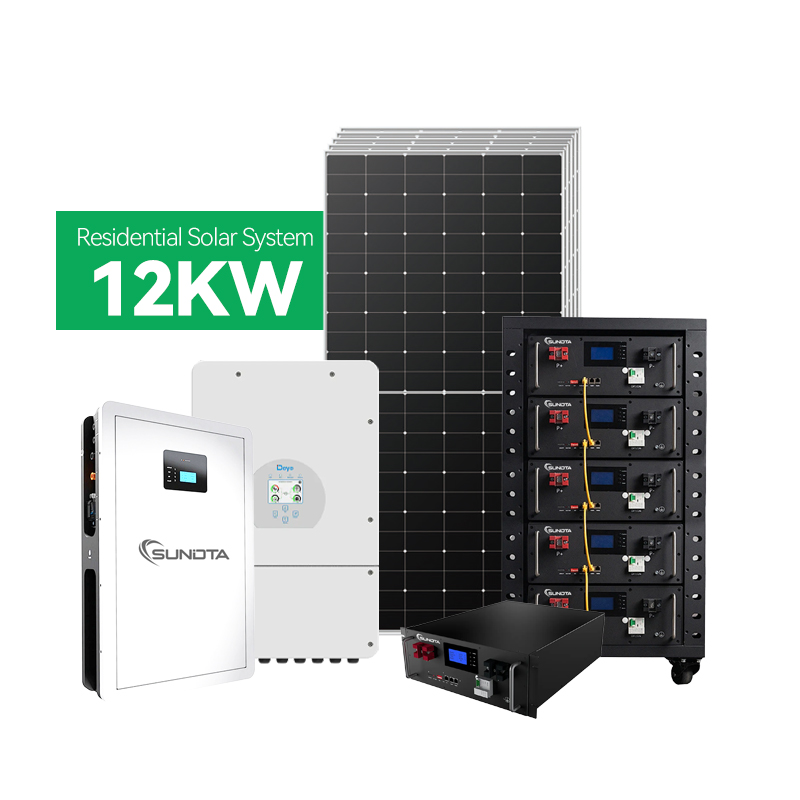
Bulk Price Sundta 12Kw Hybrid Solar Energy Storage System Monocrystalline Silicon 25Kw Residential Battery System for Home Use
- 25.6 kWh Heavy-Duty Storage Capacity
- 12kW Continuous AC Split-Phase Output
- Whole-Home Backup (Heat Pumps & EV Chargers)
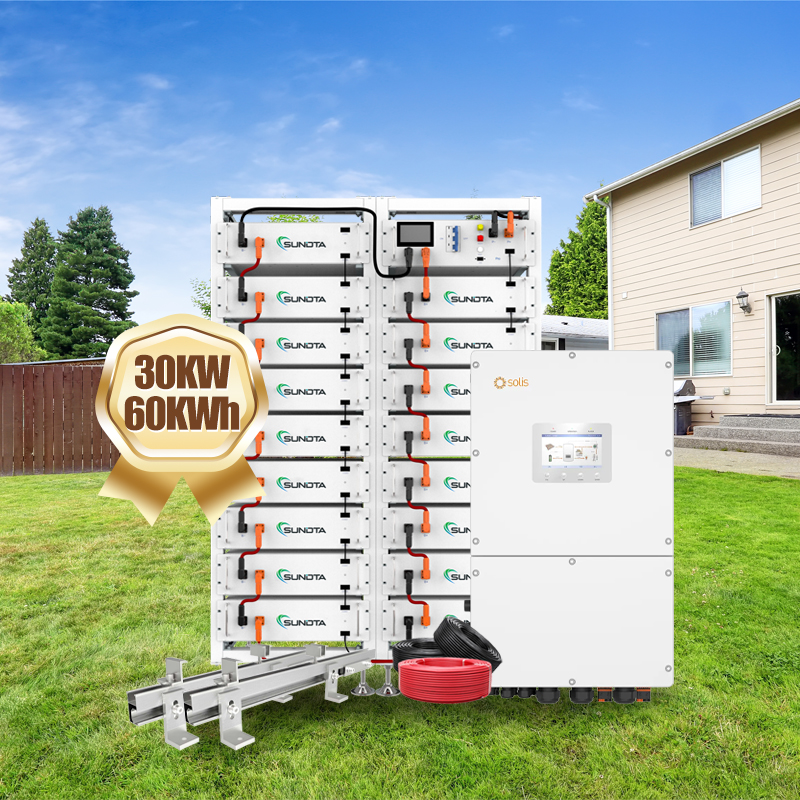
Complete 30kw Solar System 10kw 15kw 20kw 30kw Solar Energy System 30 kw Hybrid for Home Use With EU Certification
- Commercial 3-Phase 208V / 480V Support
- Peak Shaving & Agricultural Cold Storage Backup
- Scalable with Parallel Inverter Synchronization
Engineering Resilient Lithium Iron Phosphate (LiFePO4) Powerwall Infrastructure for British Columbia
The transition toward distributed electrical energy storage across Vancouver, Richmond, Burnaby, Surrey, and the broader Lower Mainland is being accelerated by structural shifts in regional electrical tariffs, winter storm vulnerability, and municipal decarbonization bylaws. Unlike traditional residential solar-plus-storage markets, sourcing Powerwall battery systems for the Pacific Northwest demands rigorous engineering alignment with BC Hydro grid protocols, cold-weather electrochemical performance, seismic anchoring regulations, and municipal fire protection codes.
1. Electrochemical Architecture: Why Prismatic LiFePO4 Outperforms NMC in Coastal BC
Historically, residential energy storage was dominated by Nickel Manganese Cobalt (NMC) formulations due to high volumetric energy density. However, for residential wall-mounted and stackable power units deployed in British Columbia basements, mechanical rooms, and attached garages, Lithium Iron Phosphate (LiFePO4 / LFP) has become the non-negotiable benchmark due to three fundamental technical vectors:
- Thermal Stability & Runaway Thresholds: LiFePO4 cells possess an olivine crystal structure that remains electrochemically stable up to 270°C (518°F), whereas NMC cells experience exothermic oxygen release and catastrophic decomposition between 150°C and 210°C. This inherent safety margin eliminates the danger of uncontrolled cascade fires in dense residential zoning districts throughout Greater Vancouver.
- Long-Term Cycle Life: Under typical 80% Depth of Discharge (DOD) regimes at 0.5C charge/discharge rates, RJV LiFePO4 cells deliver between 6,000 and 8,000 operational cycles prior to reaching 70% End-of-Life (EOL) capacity retention. In contrast, standard NMC batteries experience significant cell degradation after 2,500 to 3,000 cycles, yielding a dramatically higher levelized cost of storage (LCOS).
- Environmental Footprint: LFP cells eliminate cobalt and nickel, mitigating toxic heavy-metal exposure during production and end-of-life recycling—a core priority under British Columbia's circular economy mandates.
2. Cold Climate Operability: Sub-Zero Electrolyte Dynamics & Self-Heating BMS
Although coastal Vancouver enjoys moderate maritime temperatures compared to interior British Columbia, winter conditions frequently plunge below 0°C during arctic outflow events, accompanied by high relative humidity. Standard lithium-ion batteries cannot be safely charged at temperatures below freezing (<0°C) without risking irreversible metallic lithium plating on the graphite anode, creating permanent internal micro-short circuits and safety degradation.
| Engineering Attribute | Standard Commercial Battery Pack | RJV Low-Temp Powerwall Series | Impact on Vancouver Installations |
|---|---|---|---|
| Charging Temp Window | 0°C to 45°C | -25°C to 55°C (With Internal PTC Film) | Enables unheated garage or outdoor shed placement. |
| Discharge Cut-Off | -10°C (Severe voltage sag) | -30°C (Internal heating pre-conditioning) | Guarantees blackout backup power during ice storms. |
| BMS Thermal Management | Passive air convection | Smart active thermal foil heating via PV input | Conserves grid power by warming cells via solar energy. |
| Humidity Protection | Standard conformal coating (IP20) | IP65 Enclosure with nano-hydrophobic seal | Resists 95%+ relative humidity and coastal salt-mist. |
3. Closed-Loop Inverter Telemetry: CAN 2.0B & RS-485 Interoperability
The single greatest operational vulnerability encountered by Canadian EPC contractors is communication failure between the high-capacity Battery Management System (BMS) and hybrid power electronics. An open-loop configuration relying solely on voltage-based State of Charge (SOC) estimation leads to premature battery cut-off, thermal imbalances, and rapid capacity drift.
Anhui RJV Powerwall and modular stack systems feature native CAN 2.0B and isolated RS-485 interfaces with pre-flashed handshake protocols for Deye, Solis, Schneider Electric Conext, Victron Energy, Growatt, and Sol-Ark hybrid inverters. The internal micro-controller transmits real-time cell-level diagnostics—including maximum charge current limit (CCL), discharge current limit (DCL), individual cell millivolt variance (ΔmV), internal resistance, and multi-point NTC temperature data—every 100 milliseconds. This enables the inverter to dynamically adapt its MPPT charge curve to prevent over-voltage spikes and preserve cell longevity.
Localized Applications Across Greater Vancouver & BC
Tailored energy storage designs solving critical geographical, regulatory, and infrastructural challenges in the Lower Mainland and Vancouver Island.
Atmospheric River Blackout Protection
The Lower Mainland faces recurring November-to-February atmospheric rivers and severe windstorms that disrupt BC Hydro overhead distribution lines. Our 10kW to 15kW split-phase hybrid Powerwall systems provide seamless 4ms transfer times, instantly isolating critical loads—including sub-pumps, refrigeration, heating fans, and medical devices—without experiencing voltage drop.
BC Hydro Tier-2 Rate Optimization
Under BC Hydro's residential step-rate billing, monthly electrical consumption exceeding 1,350 kWh jumps substantially to the Tier 2 penalty rate (~14.08¢/kWh + taxes). Homes adopting cold-climate heat pumps and Level 2 electric vehicle (EV) charging easily surpass this threshold. An RJV 15kWh to 30kWh Powerwall stores excess daytime solar to supply evening loads, clipping consumption permanently down into Tier 1 brackets.
Vancouver Island & Gulf Islands Microgrids
Island communities—such as Salt Spring, Bowen, and Sunshine Coast properties—face delayed power restoration during maritime storms. Combining our modular high-voltage battery racks with high-efficiency 595W bifacial solar panels provides autonomous, zero-emission microgrids capable of operating completely off-grid for weeks with automatic dry-contact generator auto-start integration.
Fleet Electrification & Commercial Peak Shaving
Commercial warehouses and distribution facilities in Richmond, Delta, and Surrey investing in light-duty commercial EV delivery fleets face severe utility demand charges. Our 50kW to 100kW commercial battery storage cabinets supply instantaneous high-amperage charging without triggering costly utility service transformer upgrades.
Vancouver Building By-law (VBBL) Zero Emission Compliance
The City of Vancouver operates under the VBBL—the most stringent municipal green building code in North America. By mandating low embodied carbon and zero operational emissions in new residential rezonings and developments, integrated solar-plus-storage allows developers to attain required Energy Step Code tier targets while providing high-value smart amenities.
Cascadia Subduction Zone Seismic Readiness
Southwestern British Columbia sits directly within the active Cascadia Subduction seismic hazard zone. Our wall-mounted and floor-standing battery systems feature structural steel mounting brackets rated for Zone 4 seismic acceleration forces. Equipped with internal G-force mechanical cut-offs and multi-layer structural cell baffles, they prevent electrolyte leakage or electrical shorting during ground movements.
Emerging Trends Reshaping Energy Storage in British Columbia
Forward-looking market drivers that B2B wholesalers, solar installers, and electrical distributors must monitor heading into 2026–2030.
1. BC Hydro Net Metering 2.0 & Dynamic Time-of-Use
As BC Hydro moves toward optional and eventual mandatory Time-of-Use (TOU) rates, electricity exported during mid-day solar peaks will yield lower monetary credits compared to energy consumed during evening demand spikes (4:00 PM – 9:00 PM). Solar arrays without localized battery storage will face diminishing payback returns. Powerwall systems capable of autonomous time-shifting will become the central component for maximizing ROI across the province.
2. CleanBC Provincial Rebates & 0% PST Exemption
The Government of British Columbia maintains a provincial sales tax (7% PST) exemption on clean energy generation and storage equipment, including lithium battery storage systems, solar modules, and hybrid inverters. Combined with Canada Greener Homes Affordability initiatives and clean energy retrofit financing, wholesale procurement costs are directly subsidized, creating record demand for factory-direct imports.
3. Virtual Power Plants (VPP) & Grid Ancillary Dispatch
Pilot programs are underway across Metro Vancouver evaluating aggregated residential batteries behaving as a unified Virtual Power Plant (VPP). RJV Powerwall units are designed with open SunSpec Modbus protocols and IEEE 2030.5 cloud APIs, positioning installers to participate in upcoming grid-stabilization revenue-sharing programs directly through utility-authorized cloud aggregators.
Why Direct Sourcing from RJV Eliminates Import & Commissioning Risk
Combining 2GW automated module manufacturing capacity with specialized lithium packaging lines in Hefei, China, we engineer integrated systems free from interoperability snags.
Seamless Freight to the Port of Vancouver (Roberts Bank & Burrard Inlet)
Shipments departing our Hefei facility move rapidly through the Port of Shanghai or Ningbo directly across the trans-Pacific shipping lane to the Port of Vancouver (Canada's premier gateway). With direct container sailings averaging 14 to 18 ocean transit days, Canadian importers benefit from the lowest shipping lead times on the continent.
Vancouver Powerwall Buyer & Engineering FAQ
Direct technical answers addressing certification, permitting with Technical Safety BC, cold weather operation, and customs clearing.
What certifications are required to legally install these battery systems in Vancouver and BC?
How do these batteries withstand winter temperatures in Lower Mainland unheated garages?
Are RJV LiFePO4 batteries natively compatible with Deye, Solis, and Sol-Ark inverters?
What is the Minimum Order Quantity (MOQ) and sample policy for Canadian EPCs?
How are warranties and spare parts managed across British Columbia?
Can these systems operate independently of the grid during extended storm blackouts?
Ready to Scale Your Solar & Battery Storage Supply in BC?
Request factory-direct B2B price lists, complete technical datasheets, CAD dimensional drawings, and certification packets. Our bilingual solar engineers respond within 12 hours.