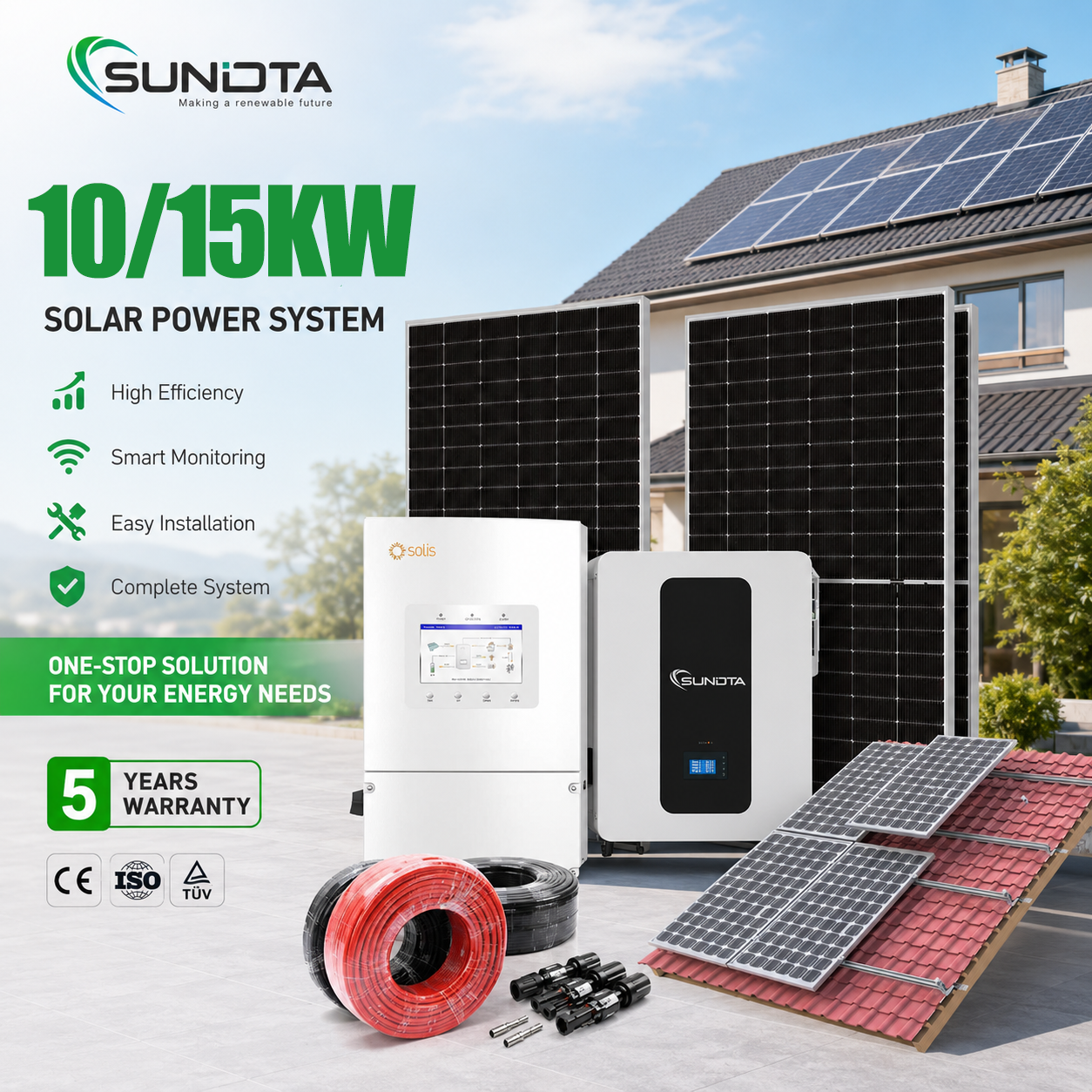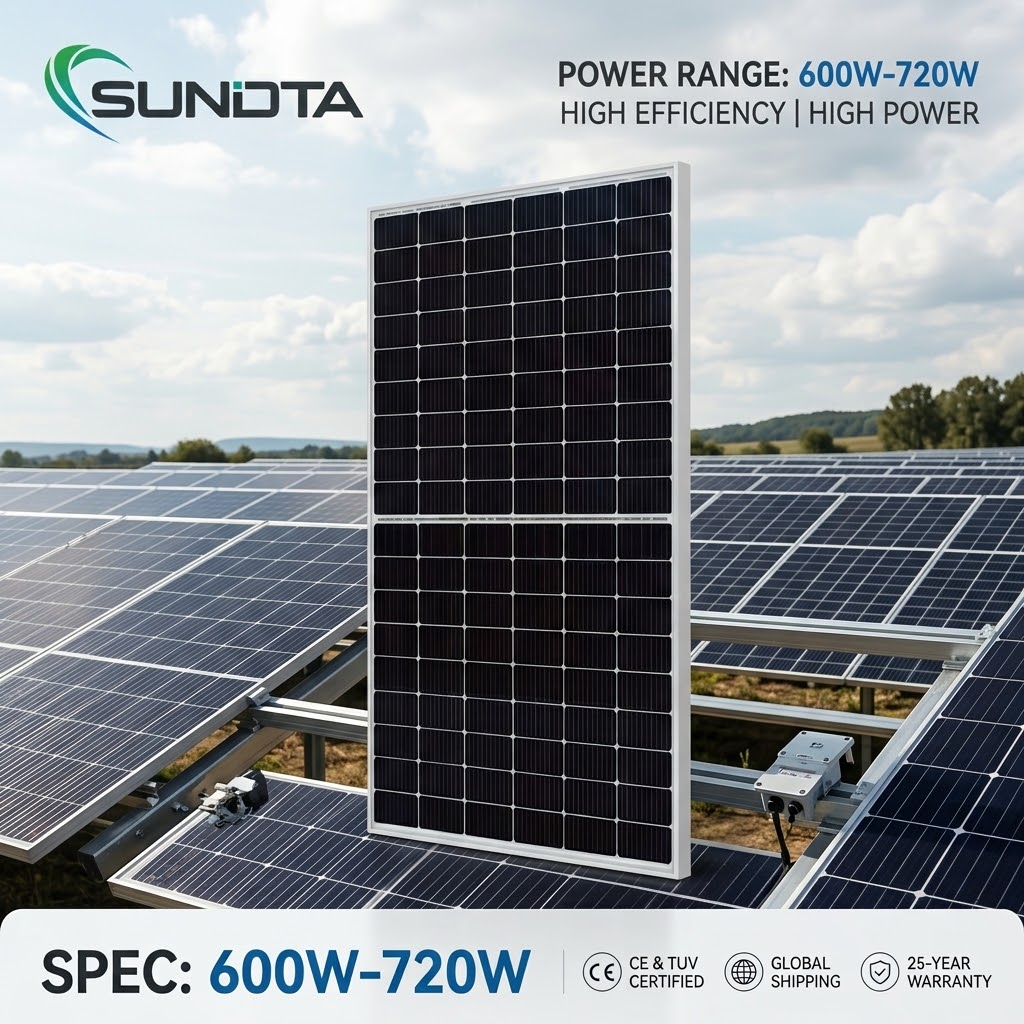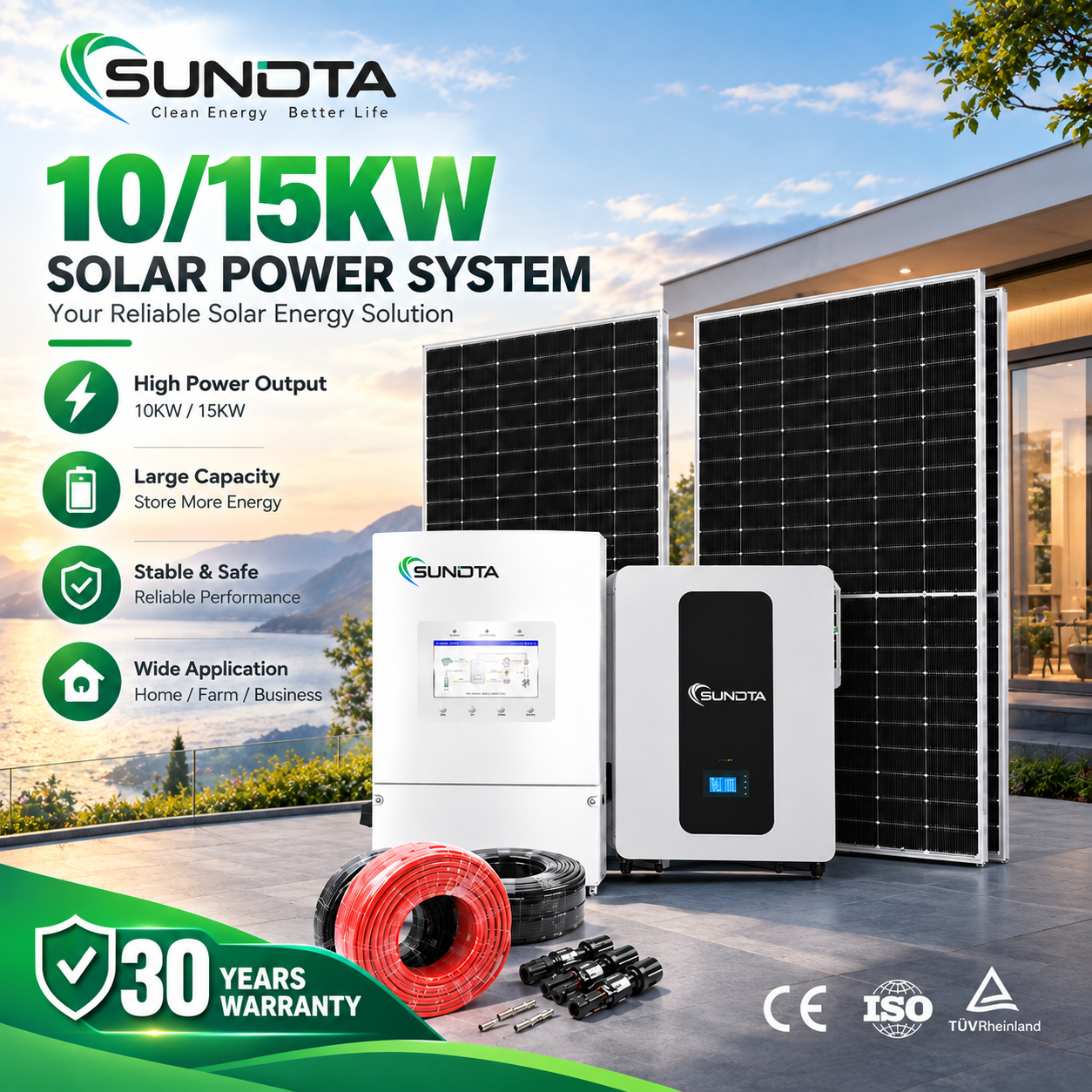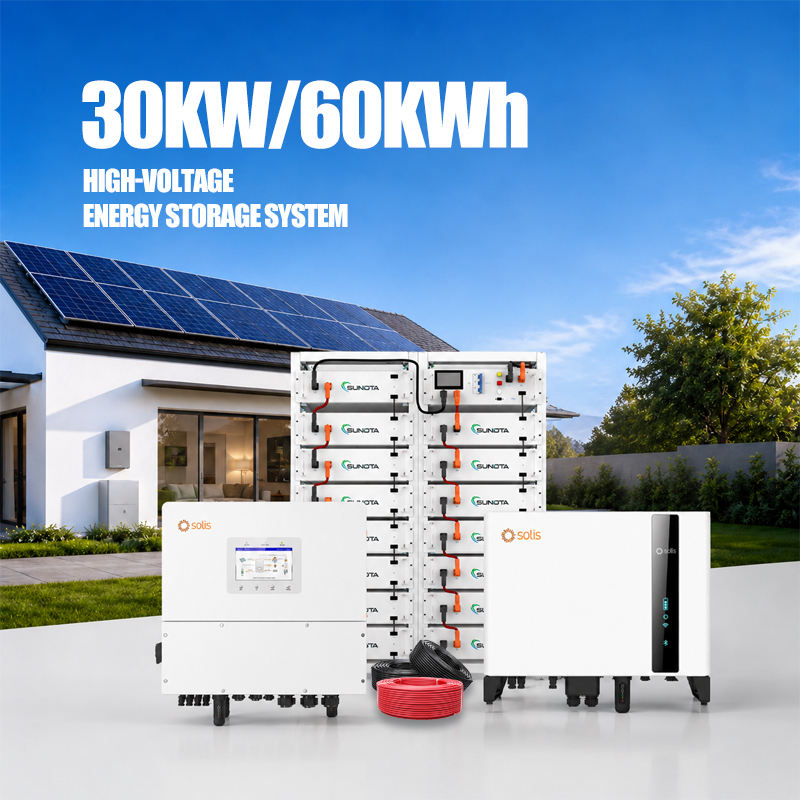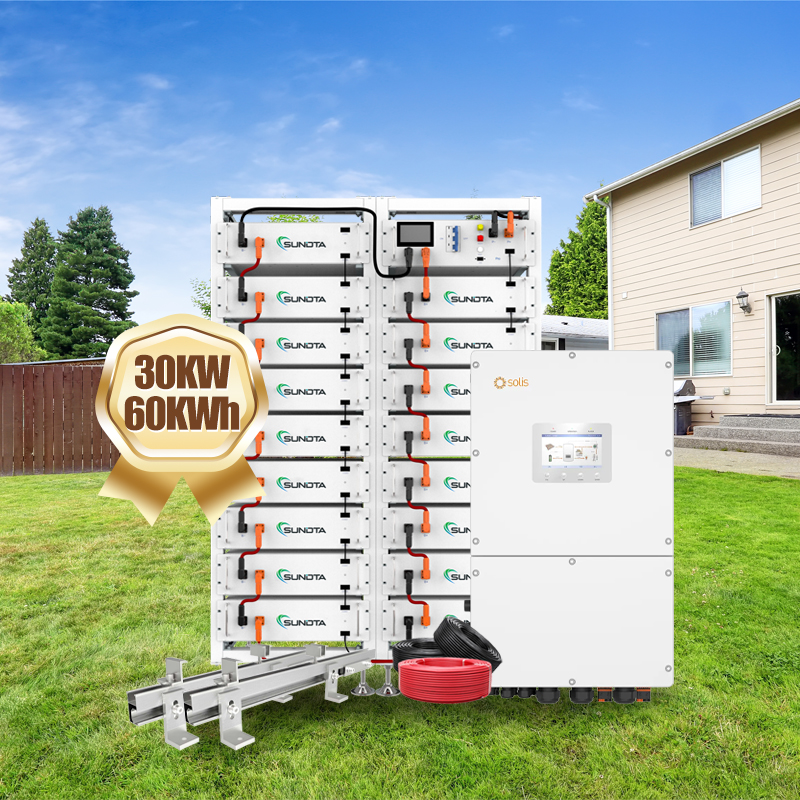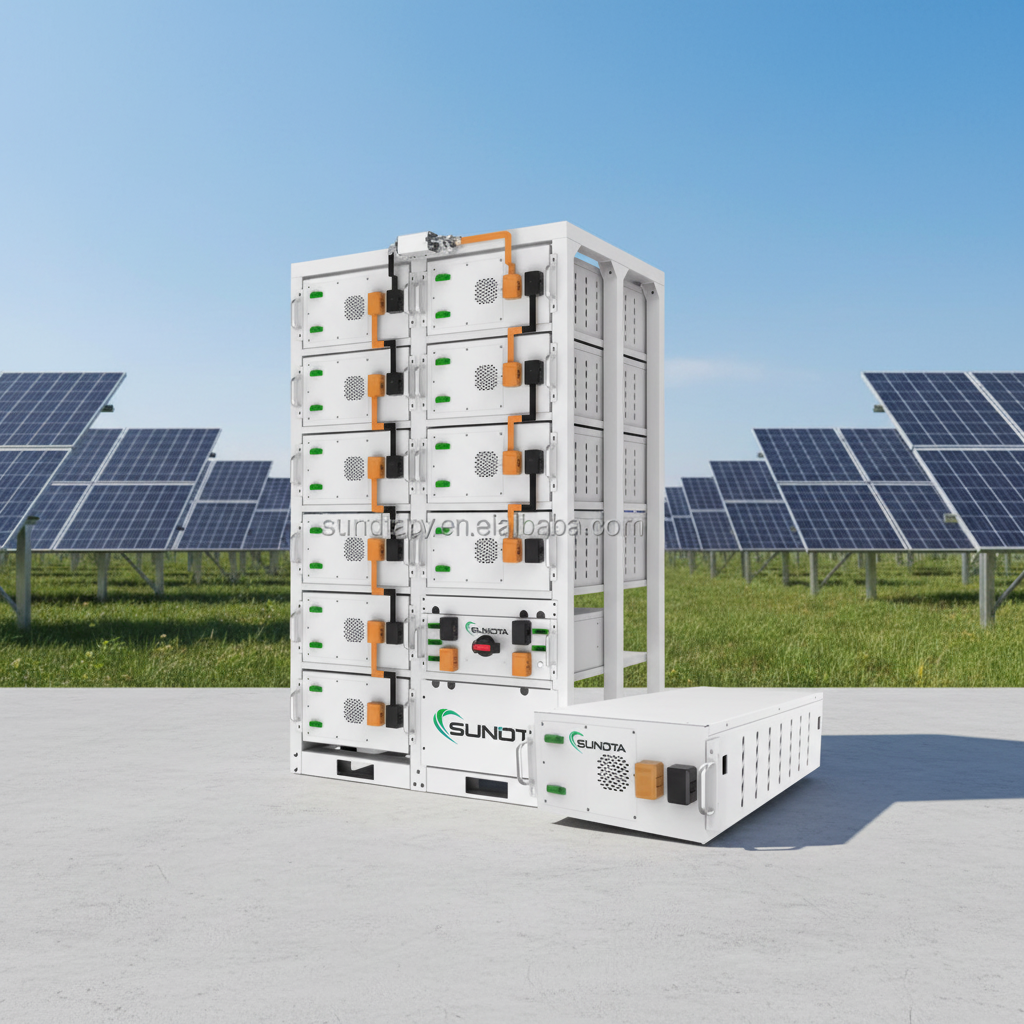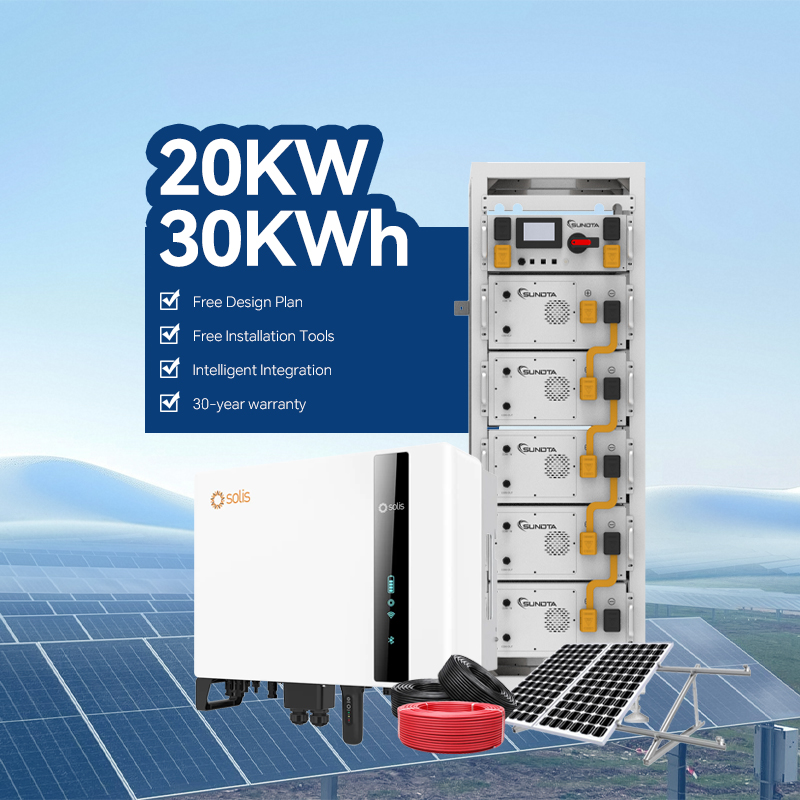
20kW–35kW Hybrid Solar Panel & Energy Storage Kit
- High-yield MPPT solar generation
- LiFePO4 modular backup reserve
- Integrated DC distribution switchgear
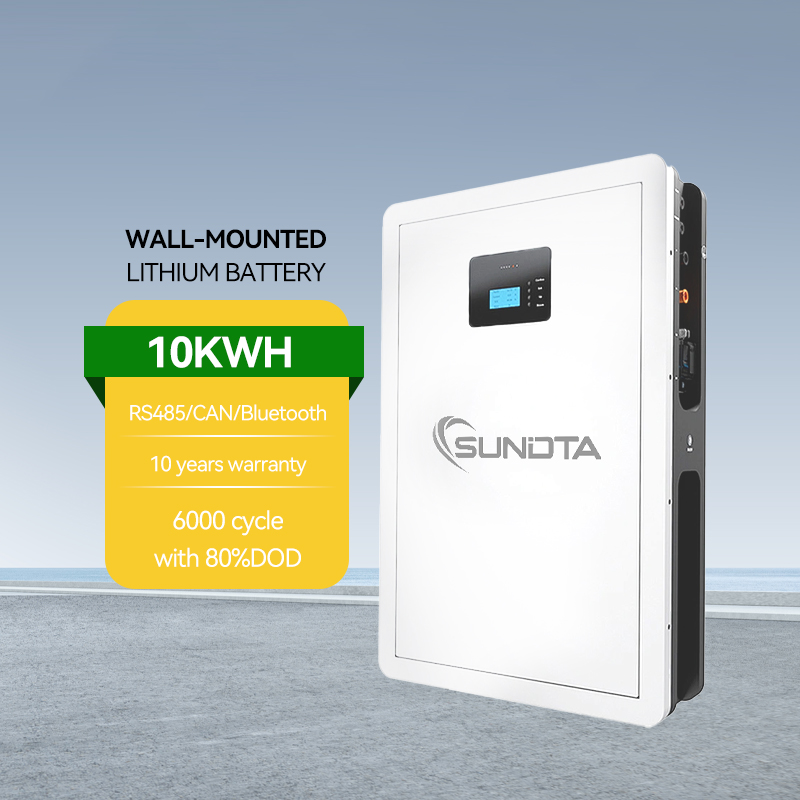
Directly sourced from RJV New Energy manufacturing lines. Matched with smart dual-bus BMS protocols, high-voltage battery cabinets, and closed-loop CAN/RS485 communication with Deye and Solis inverters.
Understanding why standard 19-inch rack-mounted lithium iron phosphate (LiFePO4) architecture has supplanted traditional flooded, AGM, and lead-carbon blocks across industrial, telecommunications, and high-reliability solar microgrid applications.
Modern server rack batteries utilize heavy-duty Grade-A prismatic aluminum-cased LiFePO4 cells rather than cylindrical or pouch cells. The olivine crystal structure of LiFePO4 (lithium iron phosphate) features strong covalent bonds between phosphorus and oxygen atoms, which completely prevents oxygen liberation during thermal stress and overcharge conditions.
A critical engineering differentiator in modern energy storage manufacturing is cell serial configuration. While early legacy systems utilized 15S configurations (48.0V nominal), Tier-1 industrial manufacturers standardize on 16S architectures (51.2V nominal). This matches inverter low-voltage cut-offs perfectly without entering the steep discharge cliff of LFP chemistry.
The Battery Management System (BMS) governs cell voltage delta, charge state, and multi-tier protection. Utilizing automotive-grade redundant microcontrollers, RJV rack batteries actively balance cell deviations above 3.40V, while coordinating closed-loop communication over CAN bus 2.0B and isolated RS485 backbones.
| Evaluation Parameter | Industrial Rack Mount LiFePO4 (RJV) | Commercial Wall-Hung Units | Conventional VRLA / AGM Banks |
|---|---|---|---|
| Usable Depth of Discharge (DoD) | 90% – 95% Daily | 80% – 90% | 50% Maximum (Premature degradation beyond) |
| Cycle Life @ 25°C (0.5C/0.5C) | ≥ 6,000 Cycles to 80% SOH | 4,000 – 5,000 Cycles | 800 – 1,200 Cycles |
| Paralleling Scalability | Up to 32 Units with Master-Slave Addressing | Typically 4 – 8 Modules Max | Severely limited by string cross-currents |
| Thermal Stability Threshold | +270°C (Non-combustible olivine lattice) | +270°C | +60°C (Sulfation, electrolyte dry-out) |
| Maintenance & Form Factor | Zero maintenance; Hot-swap standard 19" rack | Wall mounting studs; High wall load | Regular acid/gas checks; Heavy floor footprint |
Deploying critical energy storage in San Miguel and adjacent commercial-industrial corridors demands specific engineering adaptations to counter tropical ambient thermal stress, intermittent utility feeders, and heavy motor inrush demands.
San Miguel's extensive agro-industrial milling sector frequently suffers from brownouts and severe voltage flickers on rural distribution feeders. Industrial 19-inch rack battery banks, coupled with heavy-duty 30kW–50kW split or three-phase hybrid inverters, absorb instantaneous inductive motor loads from conveyors and hullers, ensuring zero product loss and continuous batch cycles.
Off-grid and weak-grid telecom Base Transceiver Stations (BTS) scattered across rural and regional San Miguel require compact, tamper-proof, high-cycle energy systems. The standard 3U/4U rack mount battery fits into standard telecom enclosures, operating reliably even without continuous air conditioning thanks to high-temperature electrolyte formulations.
Commercial refrigeration systems represent continuous, non-negotiable thermal baseloads. By utilizing RJV high-voltage commercial rack cabinets (40kWh to 100kWh), food storage hubs in the San Miguel district perform diurnal peak shaving—discharging stored midday PV power during high peak-tariff windows to dramatically compress operating overhead.
Critical surgical suites and pathology freezers cannot tolerate the 15-to-30-second start delay typical of standalone diesel gensets. RJV rack mount LiFePO4 systems maintain constant DC bus tension to deliver instantaneous uninterruptible power supply (UPS) transfer in under 10 milliseconds, bridges generator start-up, and conditions harmonic distortion.
Large manufacturing sheds across San Miguel are increasingly deploying bifacial PERC and N-type TOPCon solar panel arrays (500W–595W). Integrating centralized rack mount LiFePO4 battery cabinets prevents reverse power flow penalties where grid export is prohibited or unmetered, maximizing internal solar utilization up to 98%.
For autonomous communities or industrial eco-zones operating beyond the reach of reliable transmission lines, multi-rack LiFePO4 banks function as the voltage source and primary grid stabilizer. They dynamically integrate with RJV PV arrays and backup gensets via smart frequency shifting to establish stable mini-grid networks.
A rapid strategic shift is taking place across regional manufacturing hubs. Energy managers are moving from reactionary backup power toward proactive, revenue-generating battery storage assets.
While 48V/51.2V systems continue to dominate sub-20kW residential and telecom installations, commercial operations in San Miguel are rapidly migrating toward High-Voltage (HV) battery racks ranging from 200V to 800V DC. By stringing 16S modules in series under a centralized High-Voltage Control Box (BCU), transmission losses are reduced by up to 60%, drastically cutting copper conductor sizes and boosting overall round-trip efficiency (RTE) above 95%.
With regional utilities implementing steeper time-of-use (TOU) tariff differentials between peak evening windows and midday solar troughs, battery energy storage systems are no longer treated as passive emergency assets. Smart inverter-interfaced rack systems are configured for automated economic dispatch—storing excess low-cost energy or solar production and discharging during maximum tariff brackets to achieve sub-3-year payback horizons.
Insurance underwriters and municipal building regulators throughout commercial districts are enforcing strict thermal runaway mitigation codes. Sourcing rack batteries from factories verified with UL9540A large-scale fire propagation test data, module-level aerosol extinguishing systems, and cell-to-cell thermal insulation shields has become an mandatory procurement prerequisite for high-density municipal or corporate installations.
With over 12 years of dedicated PV and electrochemical storage R&D, RJV New Energy eliminates component mismatches and supply chain volatility through complete, vertically integrated production lines in Hefei, China.
Every single lithium iron phosphate cell undergoes robotic multi-channel OCV/IR capacity sorting and grading, eliminating voltage dispersion before laser busbar welding.
Native firmware handshakes for CAN 2.0B protocols with Solis, Deye, and Growatt inverters ensure instant BMS matching without field flashing errors or communication dropouts.
Full regulatory compliance documentation including TÜV Rheinland on-site factory verification, CE marking, UN38.3 transport safety, and IEC 62619 product integrity dossiers.
Exporting across Southeast Asia, North America, and Europe under FOB, CFR, CIF, and EXW terms with integrated containerized shipping and localized customs document preparation.
Direct answers to the most common technical and commercial inquiries submitted by project developers, engineering contractors, and solar distributors.
Whether you require single rack modules for telecom BTS projects or multi-megawatt commercial high-voltage battery cabinets for industrial microgrids, our technical team provides full BOM matching, wiring schematics, and factory-direct price schedules within 24 hours.