TOPCon N-Type
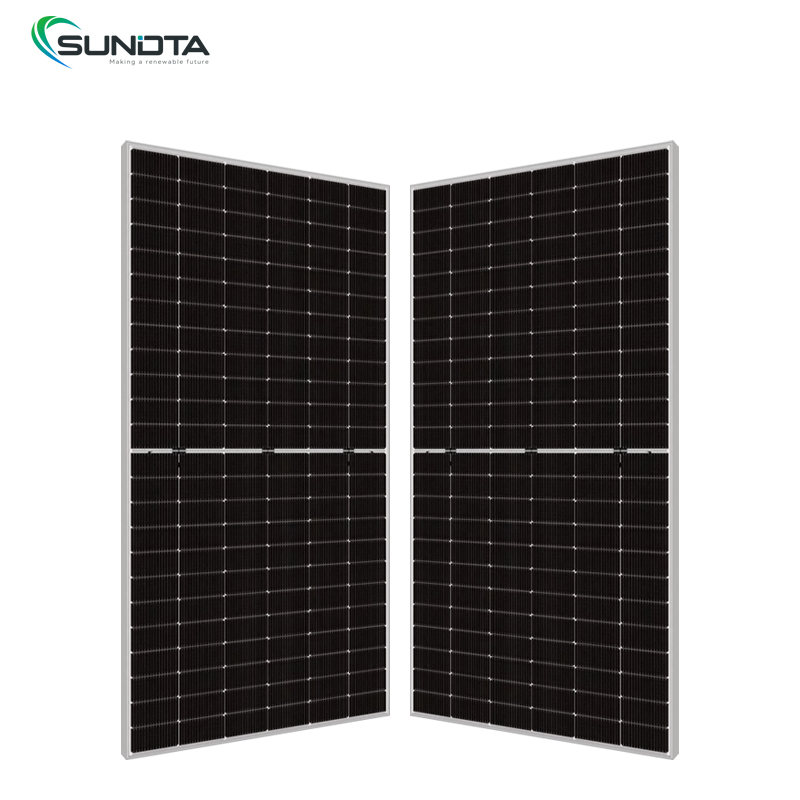
Tier 1 Solar Panel Sodenergy 700W–730W N-Type PV Panel
- Up to 22.8% Conversion Efficiency
- Ultra-Low Temp. Coefficient (-0.30%/°C)
- Bifacial Double Glass Architecture
Precision-engineered N-Type TOPCon Photovoltaic Modules, Deye & Solis Hybrid Storage Systems, and High-Safety LiFePO4 Battery Systems engineered for the Gran Asunción microclimate and ANDE grid infrastructure.
Explore commercial and residential rooftop turnkey kits, split-phase/three-phase hybrid inverters, tier-1 panels, and rack/wall-mount energy storage units ready for sea freight delivery.
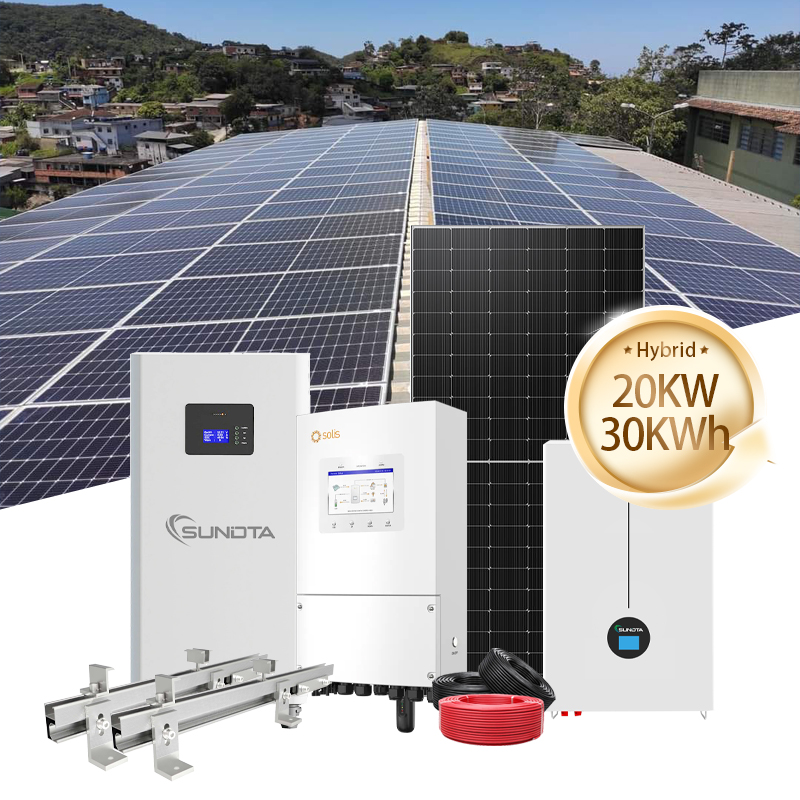
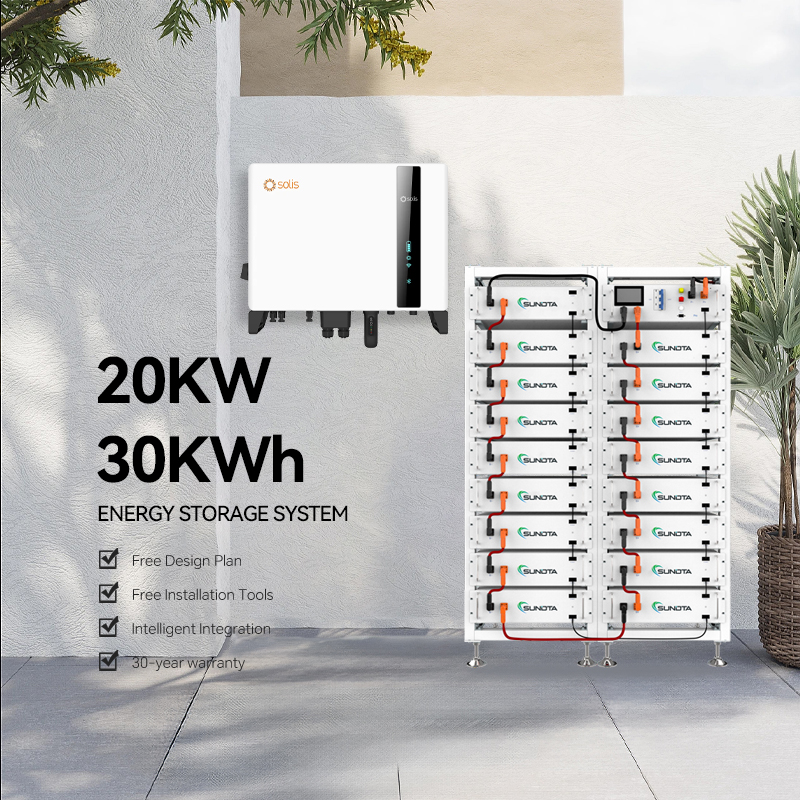
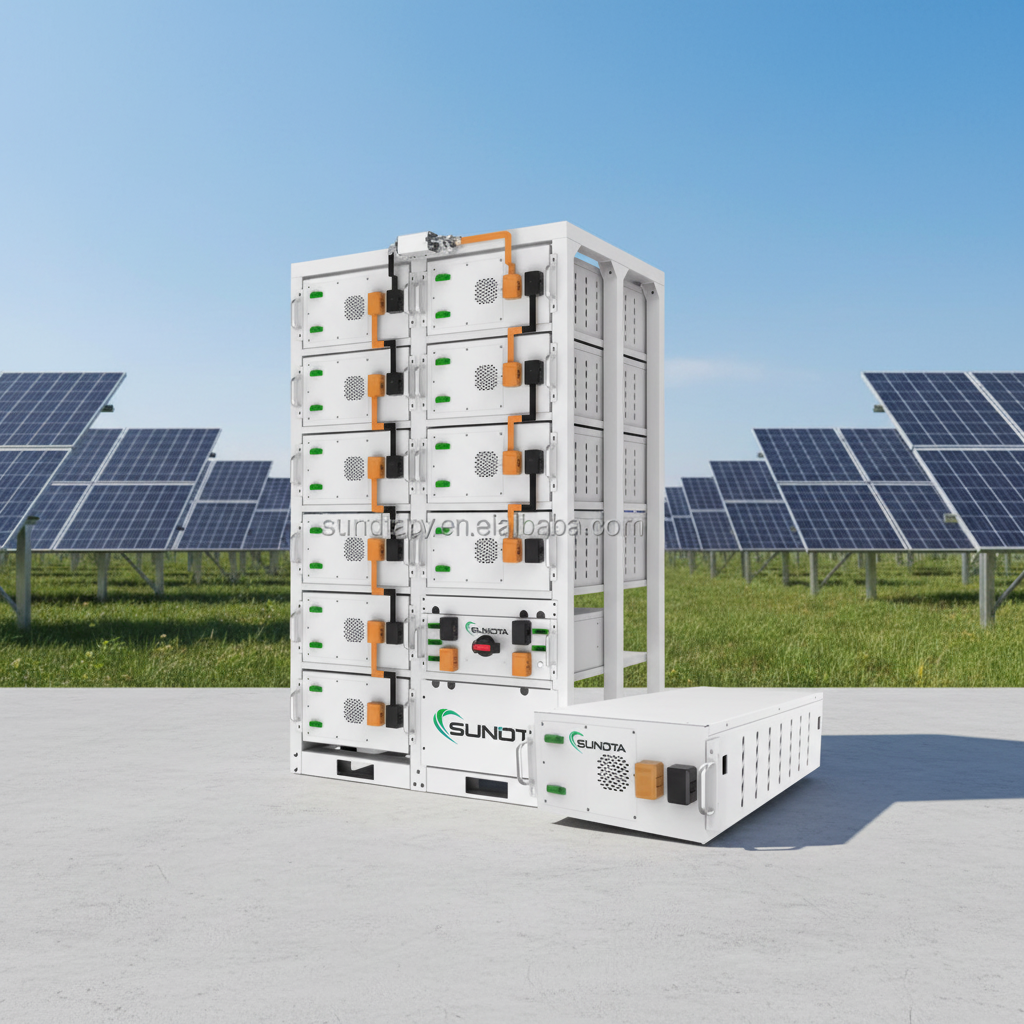
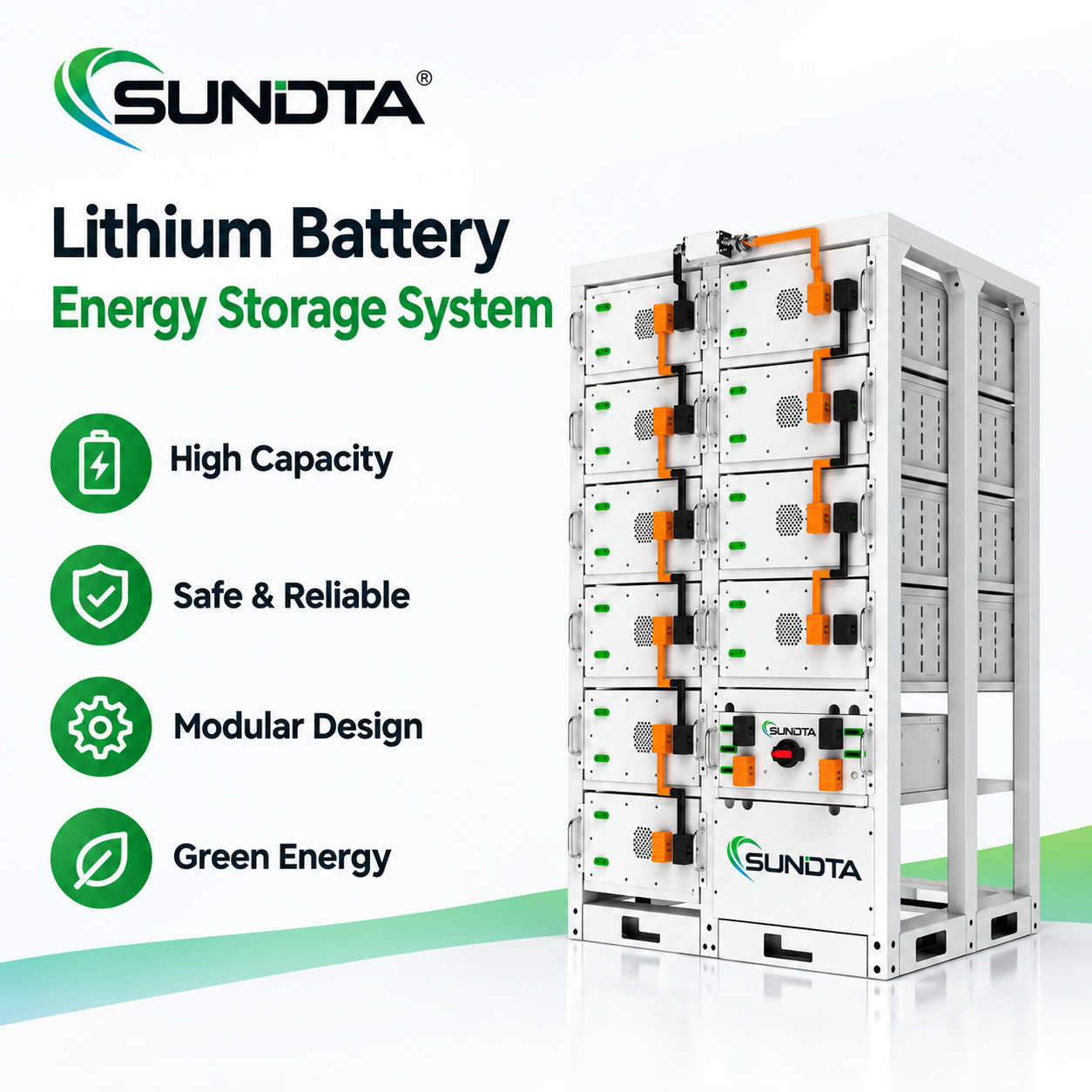
Asunción, alongside surrounding metropolitan areas like San Lorenzo, Luque, Fernando de la Mora, and Mariano Roque Alonso, experiences intense subtropical solar irradiation averaging between 4.8 to 5.6 kWh/m²/day. While Paraguay enjoys an abundant supply of clean hydroelectric power generated from the Itaipú and Yacyretá bilateral complexes, the urban grid managed by the Administración Nacional de Electricidad (ANDE) faces severe distribution bottlenecks. During summer heatwaves—when temperatures routinely surge past 42°C—intensive air conditioning loads trigger localized brownouts, voltage sags down to 180V on nominal 220V lines, and transformer failures across industrial and affluent residential zones.
Sourcing rooftop PV equipment for Asunción is not merely a matter of buying generic solar panels. It requires precision thermal engineering. Standard P-Type PERC solar modules suffer from high negative temperature coefficients (often -0.37%/°C to -0.40%/°C), meaning that when roof surfaces in Asunción heat up to 65°C, panel power degradation exceeds 15% to 18%. RJV New Energy engineers our N-Type TOPCon bifacial modules with a superior temperature coefficient of just -0.30%/°C. Combined with lower light-induced degradation (LID) and zero potential-induced degradation (PID), our panels deliver 4.5% to 7% higher specific kWh/kWp yields throughout Paraguay's blistering summers.
| System Component | Generic Market Specification | RJV Industrial Standard (for Asunción) | Local Engineering Impact |
|---|---|---|---|
| PV Technology | P-Type PERC Monocrystalline | N-Type TOPCon Bifacial Dual-Glass | Prevents thermal derating during peak summer midday temperatures (>40°C). |
| Inverter Architecture | Standard Grid-Tie Inverters | Hybrid Low/High-Voltage Storage Inverters | Guarantees 100% operation during ANDE transformer blackouts & low voltage dips. |
| Battery Chemistry | Lead-Acid or Low-C Rating NMC | Lithium Iron Phosphate (LiFePO4) Grade A | Eliminates thermal runaway risk; withstands ambient storage temperatures up to 55°C. |
| Grid Zero-Export | Manual Frequency Shift | High-Speed CT Current Sensor + Modbus Meter | Prevents illegal back-feeding into ANDE transmission nodes prior to net-metering approval. |
Furthermore, residential and commercial micro-generation under Paraguay’s evolving regulatory framework demands that hybrid inverters maintain flawless Zero-Export limitation capabilities. Using ultra-fast response current transformers (CTs) and bi-directional smart meters, our hybrid systems throttle production to match real-time facility demand in less than 20 milliseconds. When grid outages strike, the ultra-low 4ms transfer switch immediately isolates the facility into an independent microgrid, ensuring continuous cooling, cold-chain preservation, and medical refrigeration without interruption.
Customized system sizing designed for specific commercial, manufacturing, and luxury residential operations throughout Gran Asunción and surrounding logistical zones.
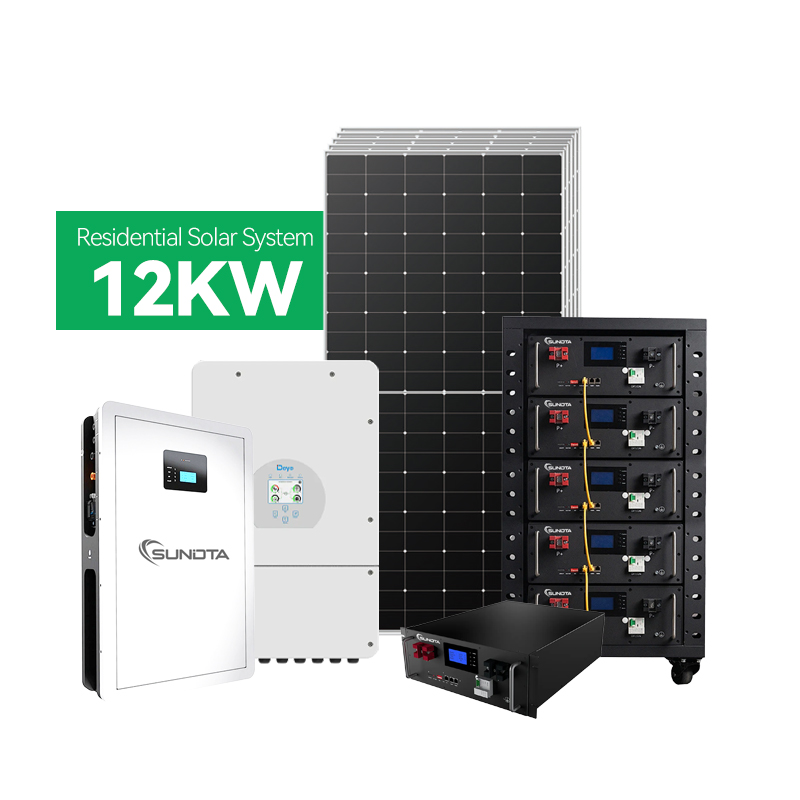
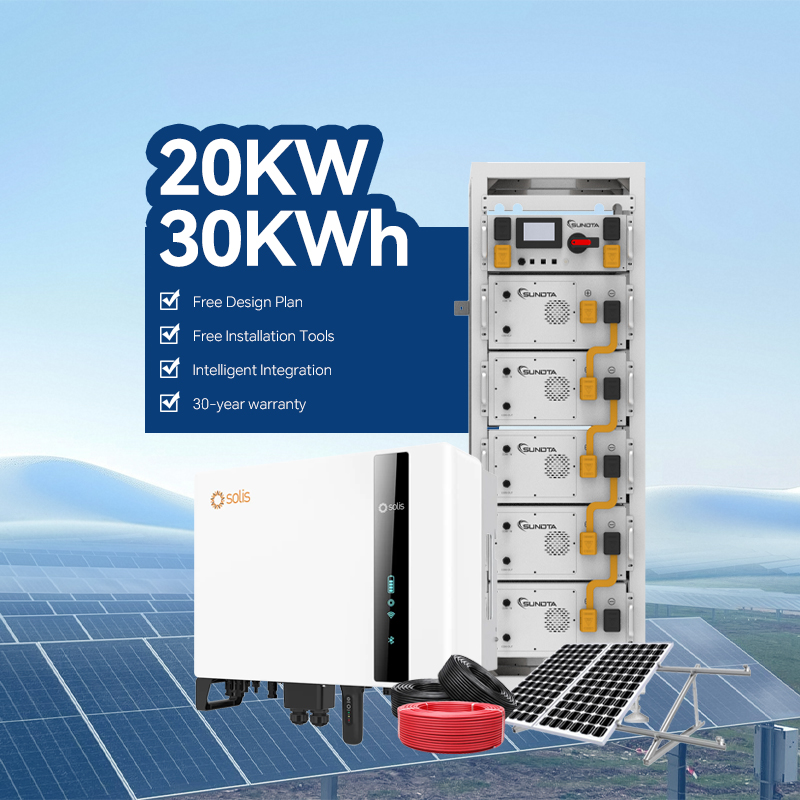
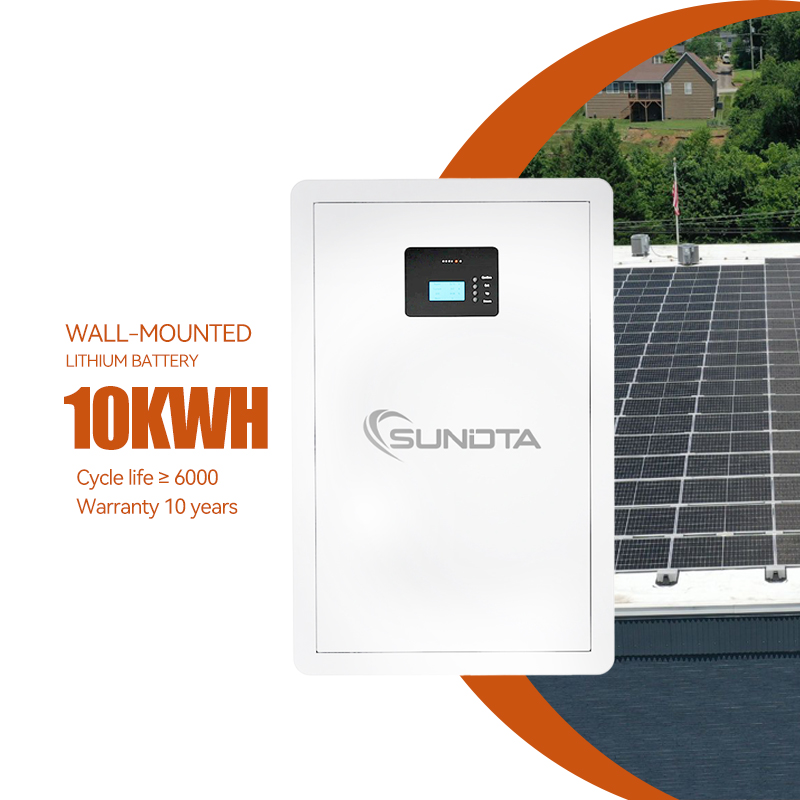
Homes equipped with extensive centralized HVAC, heat pumps, and electric vehicle charging require reliable split-phase and three-phase hybrid installations. Our 10kW to 20kW Sundta hybrid systems combined with 15kWh–30kWh stackable LiFePO4 batteries deliver uninterrupted luxury comfort during neighborhood distribution line cuts while lowering monthly utility expenditures.
Distribution centers, pharmaceutical cold storages, and meat processing facilities along the Paraguay River river-corridor utilize our Deye 50kW and Solis commercial hybrid series. Sized with high-voltage battery banks (50kWh–100kWh), these installations shave expensive peak demand tariffs and guarantee cold-chain integrity when summer line voltage drops below operating thresholds.
Agro-industrial factories in the Central and Cordillera departments integrate multi-inverter parallel configurations (up to 250kW PV arrays). Complete systems integrate seamlessly with existing onsite diesel generator sets through automated dry-contact starting protocols, lowering diesel consumption by up to 65% during extended grid failures.
Historically, Paraguay maintained some of the lowest industrial electricity rates in Latin America. However, recent infrastructure strain, tariff restructuring for heavy commercial consumers, and frequent extreme weather events have changed the purchasing calculus for procurement directors in Asunción. Rather than viewing photovoltaic technology strictly as an energy-saving asset based on Levelized Cost of Electricity (LCOE), B2B buyers now evaluate solar installations through the prism of business continuity and power quality stabilization.
Voltage instability is notorious for damaging sensitive machinery, industrial chillers, and precision IT hardware. The surge in adoption of Tier-1 hybrid systems—combining Deye or Solis inverters with intelligent lithium storage—serves a double purpose: serving as an ultra-reliable, clean, zero-noise online UPS while concurrently insulating companies from future utility rate inflation. Direct importing from audited manufacturing centers in Hefei, China provides local Paraguayan EPC contractors and energy distributors with up to a 35% margin advantage over sourcing through third-country intermediaries in Brazil or Argentina.
Anhui RJV New Energy Co., Ltd. provides comprehensive supply-chain transparency, accredited product testing, and turnkey electrical engineering support.
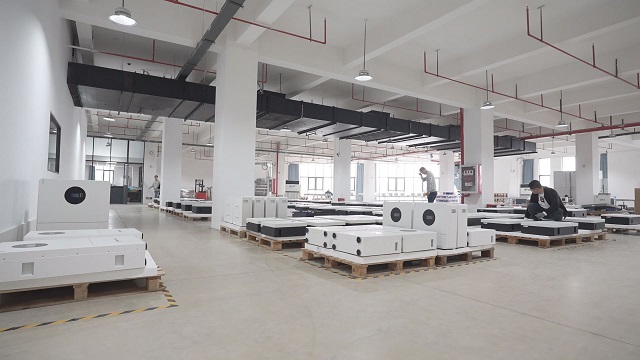
State-of-the-art robotic production lines in Hefei, Anhui ensure exact cell string alignment, EL crack-detection testing, and rigorous flash testing before boxing.
Our operational management, factory workshops, and product safety compliance undergo direct onsite audits by TÜV Rheinland, backed by verified CE certificates.
Complete PV systems are matched down to voltage windows and closed-loop BMS communication protocols (CAN/RS485), preventing commissioning friction on-site.
Full support for maritime shipping via Buenos Aires / Montevideo transshipment up the Paraná-Paraguay waterway directly to Puerto Fénix or Terport Asunción.
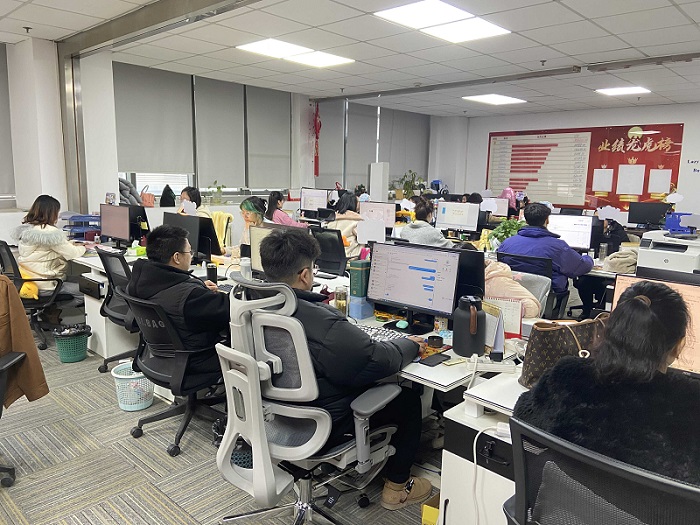
Inside our automated workshops: From wafer sorting to module encapsulation and high-voltage battery rack integration.
Addressing import logistics, ANDE grid compliance, inverter synchronization, and minimum order requirements.
Cargo departs primarily from Shanghai or Ningbo ports, traveling by ocean carrier to South American hub ports (such as Buenos Aires, Argentina or Montevideo, Uruguay), where it is transferred to river feeder barges transiting upstream to Puerto Seguro Fluvial, Puerto Fénix, or Terport in Villeta. Transit duration typically averages 45 to 60 days. Our export department handles all maritime container packing protocols, providing complete ocean bills of lading, certified packing lists, certificate of origin, and flash test reports for smooth customs clearance via the Paraguayan Ventanilla Única de Importación (VUI).
Yes. All Deye and Solis inverters supplied by RJV are factory-configured for 50Hz line frequency and matched to Paraguayan grid parameters (single-phase 220V L-N, three-phase 380V/400V L-L). The inverters feature broad programmable AC input voltage windows (180V–265V per phase) specifically engineered to ride through localized voltage sags during high-load summer periods without tripping offline or dropping consumer loads.
Absolutely. Our hybrid turnkey systems come equipped with intelligent current transformers (CTs) and digital power meters that enable dynamic Zero-Export. The inverter's DSP continuously calculates facility load demand and modulates solar power output in real time so that not a single watt of excess energy feeds back into the municipal grid, avoiding any regulatory non-compliance issues with local utility inspectors.
For complete turnkey hybrid solutions and energy storage battery cabinets, our MOQ starts at just 1 set. Hybrid inverters can be sourced starting from 1 unit for prototype testing. For standalone photovoltaic modules, shipping is optimized by full pallet quantities (typically 31 to 36 pieces per pallet) or mixed 20ft/40ft HQ containers combining panels, mounting structures, and batteries to optimize freight expense per watt.
Consult with our dedicated PV system engineers to receive customized electrical schematics, string calculations, Bill of Materials (BOM), and factory-direct pricing tailored for your projects in Paraguay.
Get Catalog