High-Efficiency Solar Inverters, Batteries & Integrated Power Systems
Our complete systems provide continuous pumping torque, variable frequency regulation, and resilient energy storage designed to withstand high humidity, equatorial heat, and remote off-grid conditions.
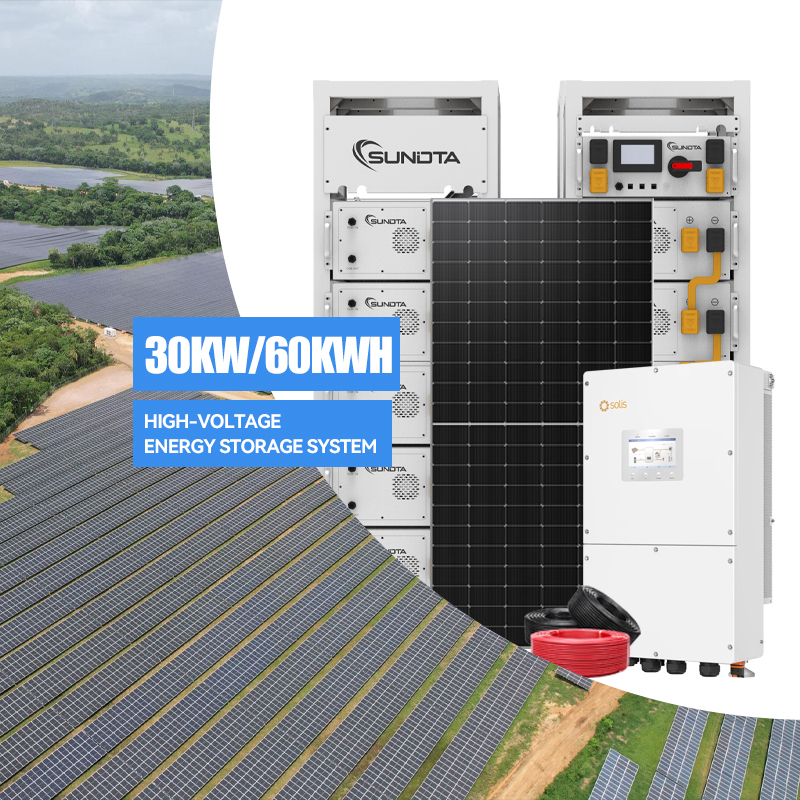
- Dual MPPT tracking up to 99.9% efficiency
- Pure sine wave output for heavy inductive pump motors
- Generator autostart dry contacts for hybrid backup
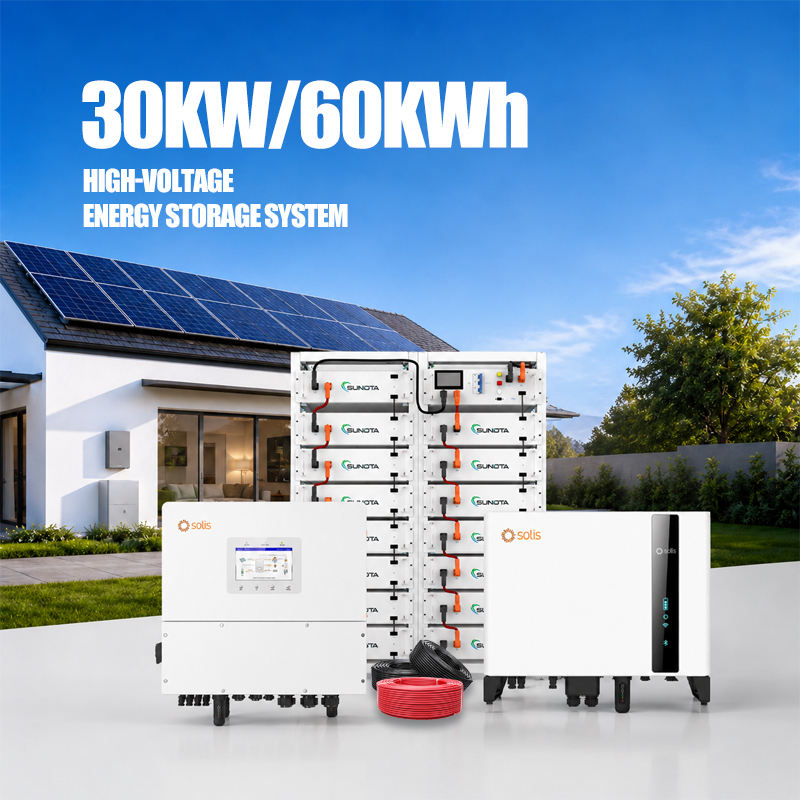
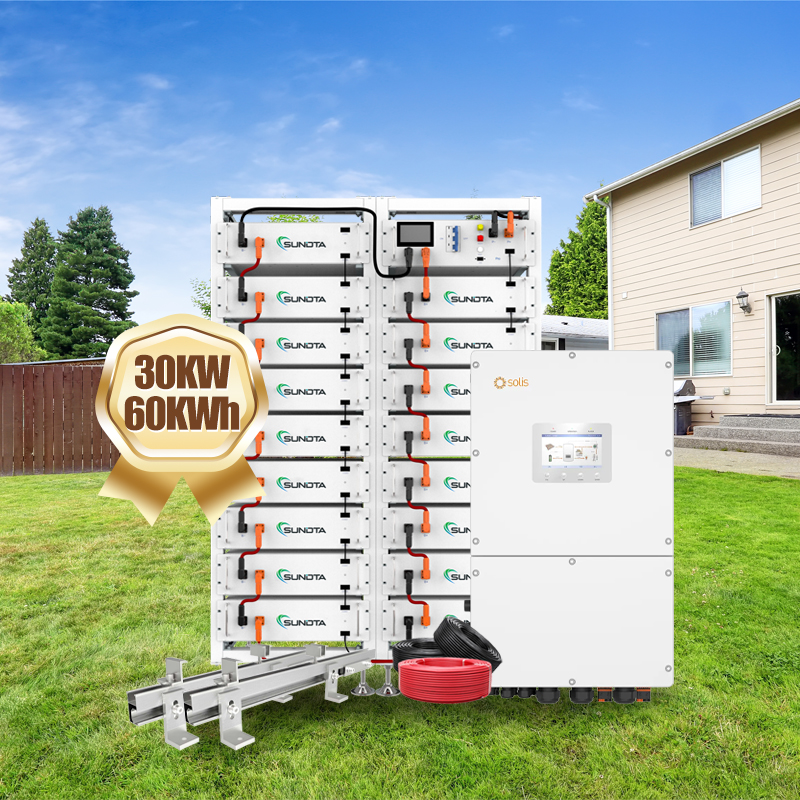
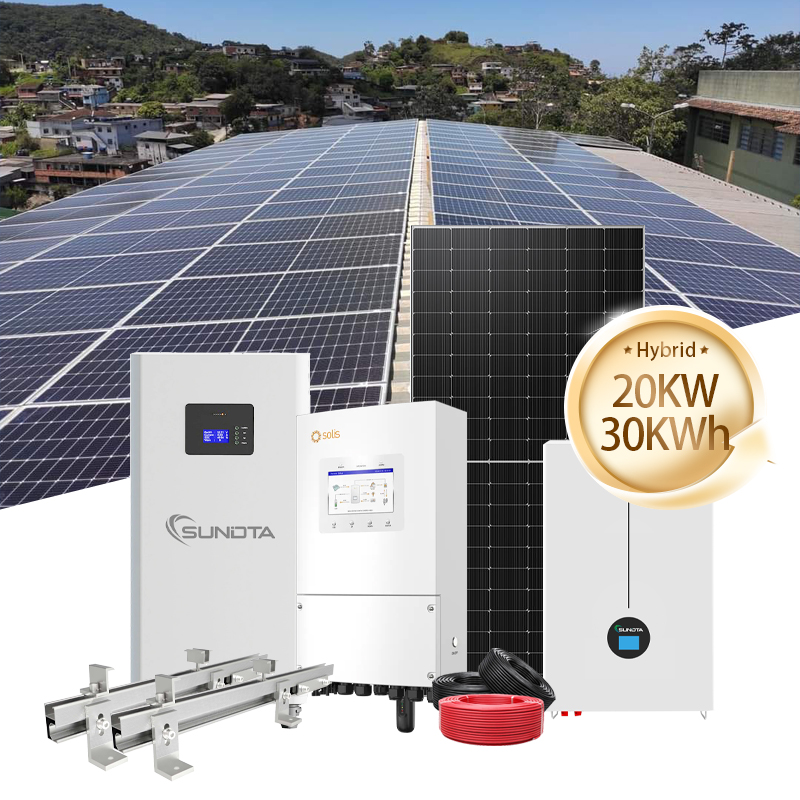
- Integrated 30kWh Grade-A LiFePO4 cells
- Pre-wired split-phase power electronic cabinet
- 6,000+ deep cycles at 80% DoD
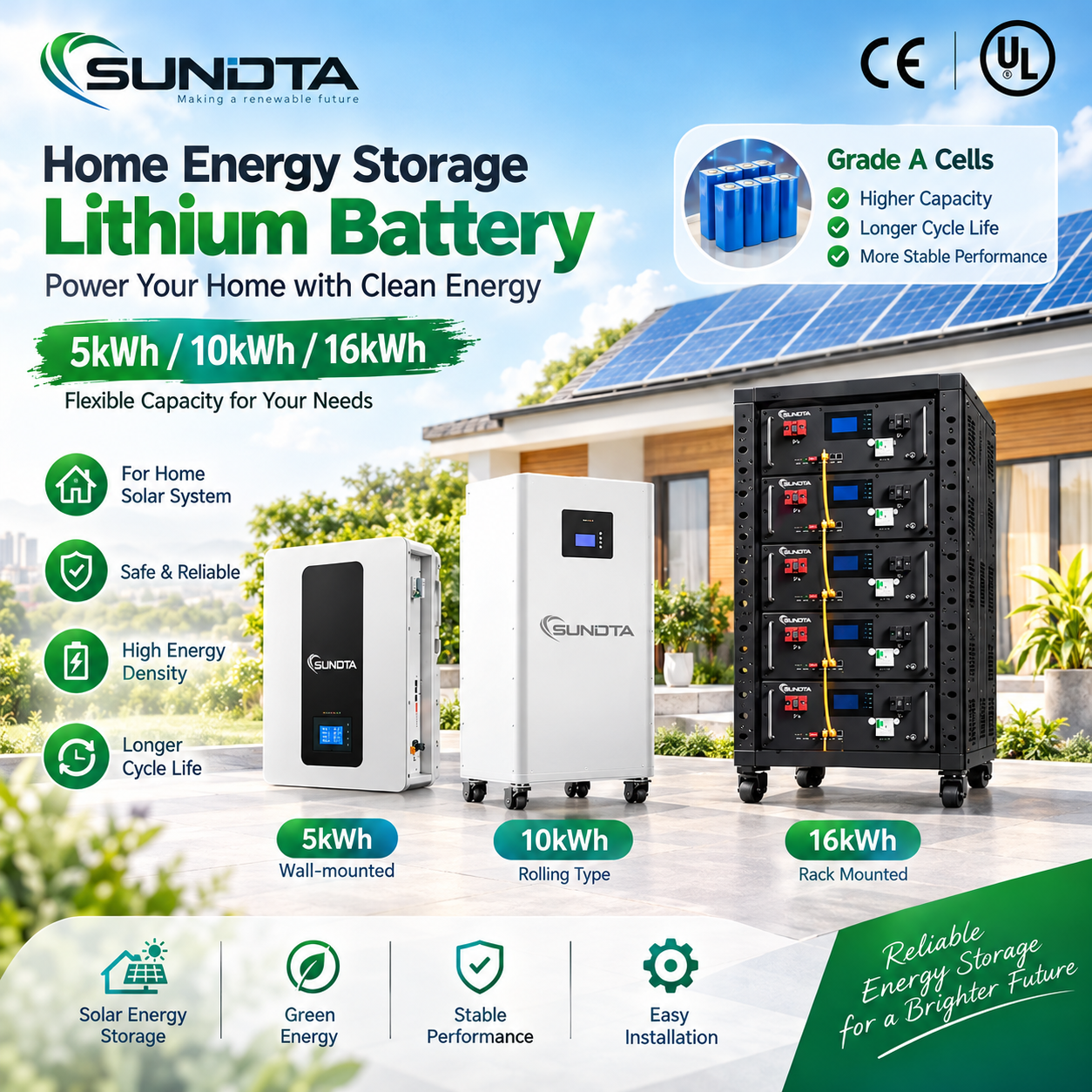
- Wall-mountable space-saving enclosure
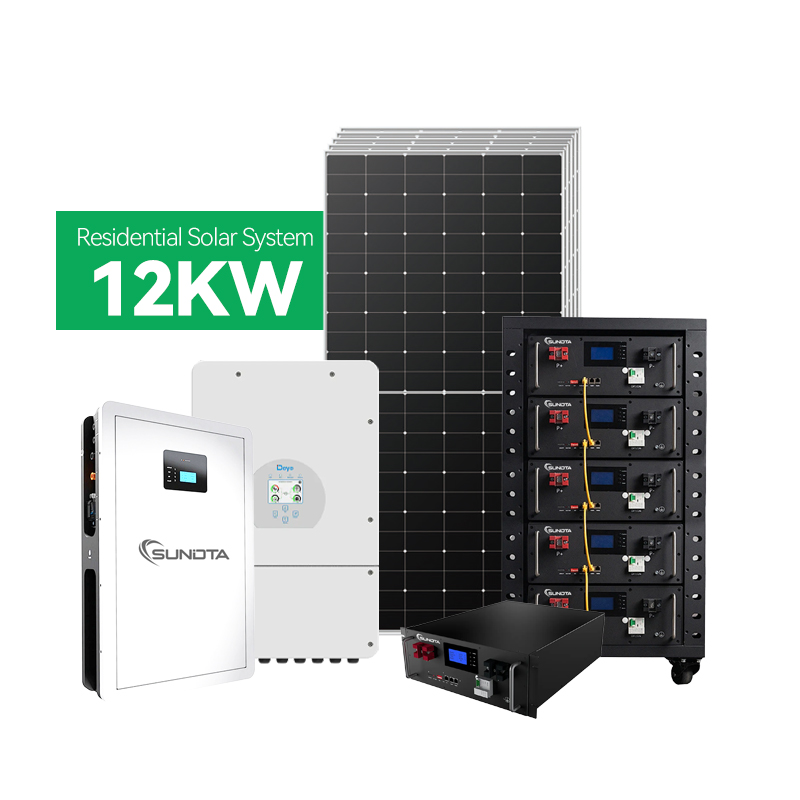
- CAN/RS485 direct integration with Deye/Solis
- High-temperature tolerant chemistry for Manaus
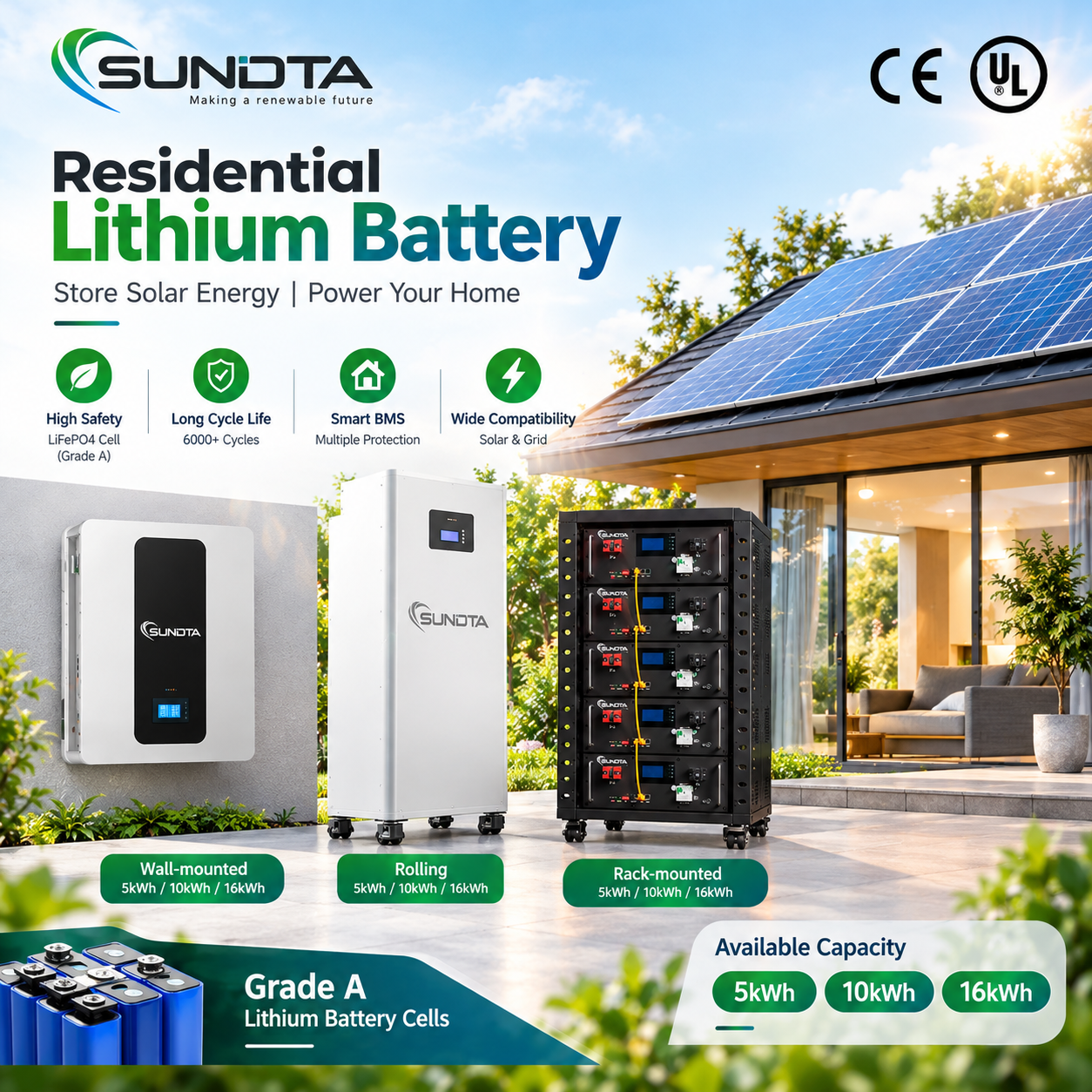
- Plug-and-play stacking without complex wiring
- Expandable up to 15 units in parallel
- Built-in active equalization balancing circuit
- Matched TOPCon high-wattage PV modules
- Full balance of system: combiner boxes, DC disconnects
- Factory pre-tested wiring harnesses for fast installation
- Supports multi-pump alternating motor starter circuits
- High surge current capacity (up to 200% for 10s)
- Remote GSM/4G cloud monitoring for remote rivers
- Optimized for deep well submersible centrifugal pumps
- Rapid charge/discharge capability (0.5C - 1C)
- NEMA 3R / IP65 weather-sealed casing
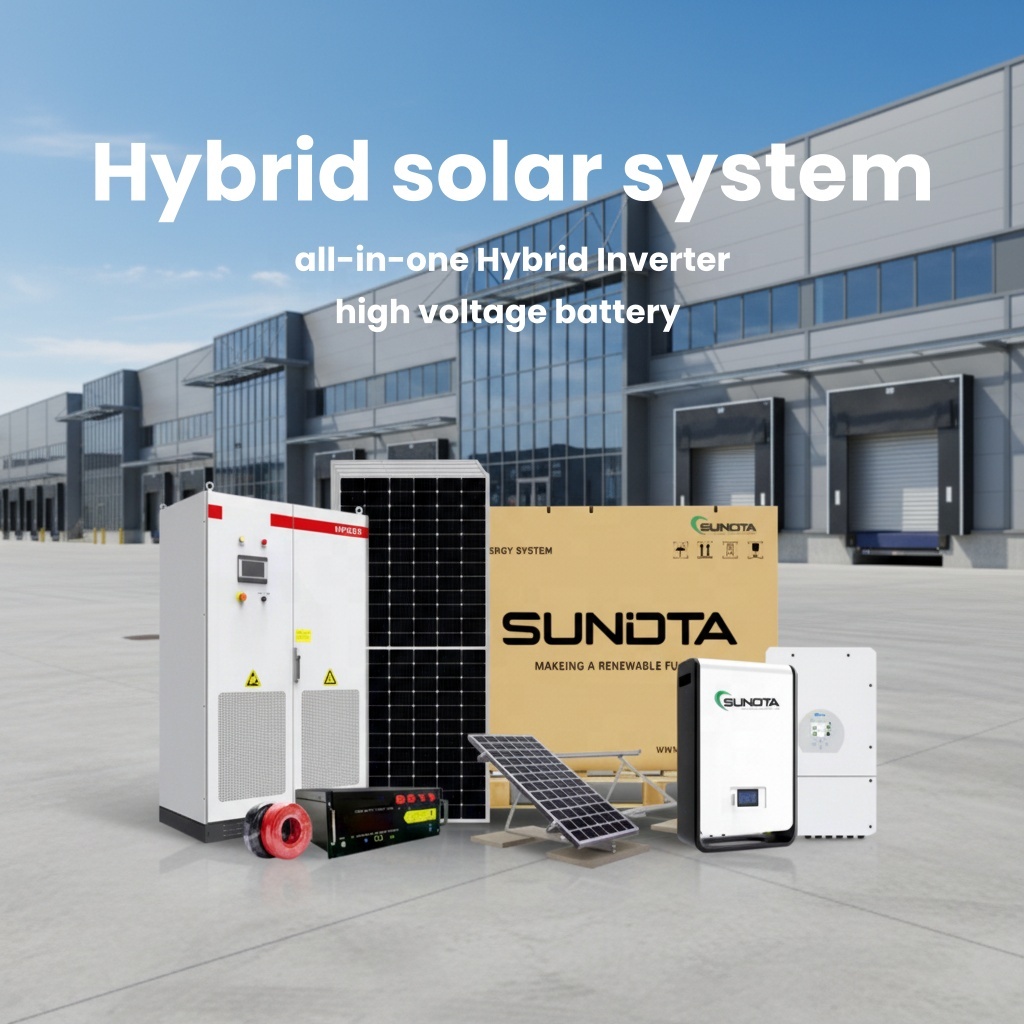
- Integrated HVAC, aerosol fire suppression, & PCS
- Designed for municipal water distribution in Amazonas
- Multi-source microgrid integration (Solar + Hydro + Genset)
Engineering Solar Water Solutions for the Amazon Basin: The Manaus Imperative
The state of Amazonas, centered around its capital Manaus, presents one of the world's most technically demanding environments for hydrological and energy engineering. Despite sitting atop the planet's largest hydrological river system—the confluence of the Rio Negro and Rio Solimões—access to clean, pressurized potable water and consistent agricultural irrigation remains a profound operational challenge. Outside the immediate urban grid of Manaus and the industrial nodes of the Polo Industrial de Manaus (PIM), hundreds of isolated communities (comunidades ribeirinhas), farming operations, and agro-processing facilities rely almost entirely on expensive, logistically vulnerable, and environmentally damaging diesel generators (grupos geradores).
Operating diesel equipment in the interior of Amazonas involves crippling lifecycle costs: river barges must transport diesel fuel hundreds of nautical miles upriver, resulting in fuel prices that frequently exceed twice or three times the urban retail rate at the pump. Furthermore, diesel combustion engines operating under continuous 90%+ relative humidity and equatorial ambient temperatures (averaging 32°C to 38°C) experience rapid mechanical wear, fuel degradation, carbon fouling, and frequent injector failures. Anhui RJV New Energy engineered our comprehensive portfolio of solar water pumping systems, solar variable frequency drive (VFD) inverters, and tropicalized hybrid energy storage systems specifically to eliminate diesel reliance across the Amazon Basin, delivering zero-fuel operational stability with multi-decade resilience.
Decarbonization in the Isolated Systems (Sistemas Isolados): Brazilian national energy directives, supported by initiatives such as Mais Luz para a Amazônia, demand the systematic displacement of diesel generators. Modern solar pumping installations achieve complete capital expenditure amortisation within 14 to 22 months compared to continuous diesel genset operation throughout Amazonas.
Hydro-Climatic Dynamics: High Humidity, Variable Clouds, and High Irradiance
Engineers designing solar pumping installations for Manaus must account for distinct equatorial environmental conditions. While the Amazonas region enjoys peak equatorial solar irradiance often exceeding 1,850 kWh/m² per year, it also experiences substantial cloud-cover fluctuations during the rainy season (inverno amazônico) and extremely high ambient vapor pressure. Standard commodity solar inverters and off-the-shelf centrifugal pumps routinely fail in this environment due to moisture ingress, internal PCB corrosion, and inadequate maximum power point tracking (MPPT) algorithms that stall during sudden irradiance drops caused by fast-moving tropical rain squalls.
Our factory solves these failure mechanisms through targeted manufacturing interventions:
- Conformal Coating Protection: All internal inverter printed circuit boards receive military-grade silicone conformal coatings (MIL-I-46058C approved) to protect against fungal growth, high humidity corrosion, and electrochemical migration.
- Dynamic Solar Pumping MPPT Tracking: RJV solar pumping inverters feature response speeds of under 15 milliseconds, continuously tracking sunlight variations to modulate pump rotational velocity rather than shutting down during temporary cloud coverage.
- Dual AC/DC Hybrid Supply: Intelligent switching modules seamlessly blend direct photovoltaic power with our LiFePO4 battery banks or existing backup generators, ensuring 24/7 continuous water extraction without dry-run damage.
Core Topologies of RJV Solar Water Extraction
Modular architectures designed for subterranean boreholes, deep river intake barges, and gravity-fed reservoir networks.
Direct Photovoltaic VFD Pumping
Battery-less design using high-voltage solar arrays directly coupled to 3-phase AC submersible or surface pumps. Features automatic start/stop governed by solar irradiance and water tank float sensors, maximizing m³/day yield per dollar invested.
Hybrid Solar-Storage Pumping
Combines high-efficiency N-Type TOPCon solar panels with modular 51.2V LiFePO4 battery banks. Delivers steady, uninterrupted pressure required for precision drip irrigation, livestock, and nighttime municipal distribution networks.
Microgrid Floating Intake Stations
Engineered for fluctuating river water levels (up to 14 meters of seasonal amplitude between cheia and seca on the Rio Negro). Self-contained pontoon solar systems with flexible wiring and submersible centrifugal pumps.
Engineering Benchmark: RJV Solar Pumping vs. Conventional Diesel Extraction
The table below demonstrates the operational and financial analysis based on a continuous 15 kW pumping demand located along the Amazonas river network over a 5-year operating window.
| Evaluation Parameter | Conventional Diesel Generator Pumping | RJV Solar Hybrid Pumping Solution | Operational Impact in Manaus & Interior |
|---|---|---|---|
| Levelized Cost of Water (LCOW) | US$ 0.18 – 0.32 per m³ | US$ 0.03 – 0.05 per m³ | 78% to 85% operating cost reduction |
| Fuel Logistics Vulnerability | High: dependent on seasonal river barges and volatile fuel supply | Zero: 100% on-site solar irradiance harvesting | Eliminates fuel starvation risk during low river seasons (vazante) |
| Maintenance & Service Cycle | Oil & filter changes every 250 hrs; overhauls every 3,000 hrs | Routine visual inspection; zero periodic fluid changes | Critical advantage given scarcity of trained mechanics in remote reaches |
| System Lifespan | 3 to 5 years under equatorial humidity | Solar modules: 25-30 yrs; Battery: 10-15 yrs; Inverter: 10 yrs | Substantially superior lifecycle asset value and capital longevity |
| Environmental & Regulatory | CO2 emissions, fuel spill risk in protected Amazon biomes | Zero tailpipe emissions; safe, non-toxic LiFePO4 chemistry | Full compliance with IBAMA & IPAAM environmental licensing standards |
Targeted Applications Across Manaus & the Amazonas Interior
From commercial plantations along the AM-010 to remote riverside extraction along the Rio Negro and Solimões.
Açaí & Cassava (Mandioca) Agriculture
Commercial açaizeiros demand continuous root saturation during dry intervals to sustain yields. Our solar pumping units deliver high-volume irrigation from local igarapés without consuming valuable plantation revenues in diesel costs.
Isolated Community Potable Water
Providing automated groundwater extraction from deep artesian wells (poços tubulares profundos) in terra firme soils, driving water into elevated communal storage tanks without operator intervention.
Aquaculture & Pisciculture Oxygenation
Fish farming of native Tambaqui and Matrinxã demands continuous water turnover and aerator operation. RJV hybrid storage configurations ensure round-the-clock biological oxygenation, preventing catastrophic night stock loss.
Jungle Eco-Lodges & Conservation Stations
Luxury eco-tourism operators near Novo Airão and the Anavilhanas Archipelago mandate absolute silence and zero emissions. RJV all-in-one solar storage and quiet pumping maintain pristine eco-credentials for discerning guests.
Amazonas Market Trends: Logistics, Decarbonization, and Customs Advantages
The commercial dynamics of sourcing solar equipment for the Amazonas market require deep familiarity with localized freight channels and tax policies. Manaus operates under the special customs regime of the Zona Franca de Manaus (ZFM), overseen by SUFRAMA (Superintendência da Zona Franca de Manaus). For EPC contractors, distributors, and large municipal concessionaires operating within Amazonas, sourcing directly from RJV New Energy as an international manufacturer delivers substantial commercial advantages:
Direct Maritime Logistics to the Port of Manaus (Porto de Manaus)
While Manaus is geographically located in the center of the rainforest, it features deep-water ocean ports accessible by container vessels traversing up the Amazon River from the Atlantic Ocean (via Belém/Barcarena). Anhui RJV New Energy manages complete export workflows under FOB, CFR, and CIF terms directly to the Port of Manaus. By packaging complete system bills of materials—including N-Type TOPCon panels, pre-wired inverter boards, mounting structures, and LiFePO4 batteries—in consolidated container loads, our clients avoid expensive intermodal road transshipment across Brazil's fragile BR-319 highway, eliminating damage risk and saving up to 30% on internal Brazilian transport freight.
Tropical Engineering Compliance: Resisting Tropical Storms & Oxidation
Equipment entering Amazonas faces rigorous physical challenges: lightning surges during daily afternoon downpours, intense UV radiation exceeding index 11+, and high organic silt content in river extraction sites. RJV solar systems incorporate Class I + II DC/AC surge protection devices (SPDs), IP65 to IP66 outdoor enclosures, and heavy-duty 316 stainless steel pump impellers engineered to resist abrasive river silt that destroys common plastic impellers within months.
Manufacturing Authority, Supply Chain Depth & Global Verification
A trusted tier-oriented manufacturing partner certified by TÜV Rheinland with proven international bankability.
TÜV Rheinland Assessed Factory
Our Hefei manufacturing base operates under rigorous ISO9001/14001 quality standards, inspected on-site by TÜV Rheinland. Full flash test reports and electroluminescence (EL) inspection logs are provided for every container batch.
2 GW Production Scale
With an annual module capacity exceeding 2 GW, we supply ultra-high-efficiency N-type TOPCon and bifacial PV modules with lower temperature coefficients, critical for generating peak watts under Manaus equatorial temperatures.
Inverter Brand Integration
Strategic partnerships with Solis and Deye provide direct integration into our energy storage arrays. Closed-loop CAN communication protocols ensure seamless coordination between inverter brains and RJV LiFePO4 batteries.
Complete Knock-Down (CKD) & OEM
We support distributors across Brazil with custom OEM branding, tailored pallet packaging for river barge transit, and tailored mechanical mounting hardware for local corrugated roofs and tropical ground conditions.
Frequently Asked Questions: Sourcing for the Manaus Market
In-depth answers addressing logistics, customs regimes, electrical sizing, and environmental resistance.
How do RJV solar pumping systems handle the extreme 14-meter seasonal water level variations in Amazonas?
In the Amazon Basin, the vertical difference between flood season (cheia) and dry season (seca) can reach 14 meters. We supply systems designed for two distinct installation types: floating pontoon pump barges and deep boreholes. For river extraction, our solar VFDs pair with multi-stage submersible centrifugal pumps mounted on floating pontoons equipped with flexible, UV-stabilized, abrasion-resistant discharge piping and shielded submersible submersible electrical cable. For land-based artesian wells (frequently 60 to 120 meters deep in the Alter do Chão aquifer around Manaus), our high-head DC/AC pumps maintain static head delivery regardless of surface river levels.
What prevents solar panel and inverter degradation in Manaus's 90%+ relative humidity?
Standard PV modules suffer accelerated potential-induced degradation (PID) and moisture ingress in equatorial climates. RJV supplies dual-glass bifacial and N-Type TOPCon modules utilizing POE (polyolefin elastomer) encapsulation rather than standard EVA. POE prevents water vapor transmission and acetic acid generation, entirely halting cell corrosion. Our inverters feature minimum IP65/IP66 enclosures, internal dehumidifying air paths, gold-plated connection pins, and MIL-spec silicone conformal coatings across all printed circuit boards.
Can RJV systems be delivered directly to the Port of Manaus (Porto Chibatão / SuperTerminais)?
Yes. We regularly handle direct international maritime container shipping to the public and private port facilities of Manaus (Porto de Manaus, Chibatão, and SuperTerminais). Ocean liners travel up the Amazon River directly from coastal transshipment hubs. We provide comprehensive export documentation, including Clean On Board Bills of Lading, Commercial Invoices, Packing Lists with precise NCM (Nomenclatura Comum do Mercosul) tariff classification codes, and CE/TÜV compliance certificates for seamless clearance through Brazilian Federal Revenue (Receita Federal).
How does the solar pump inverter operate during dense Amazon rainstorms or overcast afternoons?
RJV solar pumping inverters utilize fast-response maximum power point tracking (MPPT) with wide DC voltage operating windows (up to 800V DC). Rather than shutting off when irradiance drops below full output, the inverter's variable frequency algorithm smoothly modulates motor RPM, maintaining water flow at proportional rates. For missions requiring constant pressure (such as agricultural processing or commercial cooling), our hybrid systems automatically blend input power from our modular LiFePO4 battery banks or existing backup generators via integrated ATS dry contacts.
What is the Minimum Order Quantity (MOQ) and lead time for Manaus commercial buyers?
To accommodate both municipal test projects and commercial distribution runs, our MOQ is flexible: single-unit orders (1 piece / 1 set) are supported for hybrid inverters, battery storage cabinets, and complete residential kits. Full container loads (20GP or 40HQ) are standard for PV module pallets and large-scale agricultural projects to maximize ocean freight efficiency. Production lead times typically range from 15 to 25 days, with maritime transit from Chinese ports to Manaus averaging approximately 40 to 50 days.
Are replacement parts, firmware support, and engineering guidance available after delivery?
Anhui RJV provides complete 24/7 remote engineering support. Our engineers supply comprehensive electrical single-line diagrams (SLDs), string calculation layouts, and pump curve matching before any quotation is executed. We provide modular replacement PCB boards, spare fan assemblies, and plug-and-play BMS modules with container orders, backed by standard factory warranties ranging from 5 to 10 years on inverters and storage batteries, and 25 to 30 years linear performance warranties on solar modules.
Design Your Custom Solar Pumping or Microgrid Project
Whether you are an EPC contractor bidding on Amazonian rural water electrification, an agricultural distributor based in Manaus, or an industrial facility in the Polo Industrial seeking energy self-sufficiency, our engineering team will provide a fully matched bill of materials within 24 hours.