Engineering-Grade PV Modules, Inverters & Storage Systems
Direct factory supply designed to endure Biobío's corrosive maritime humidity, heavy industrial dust, and seismic operational requirements. Every Bill of Materials (BOM) integrates factory-tested CAN/RS485 closed-loop protocols for immediate SEC Chile interconnection.
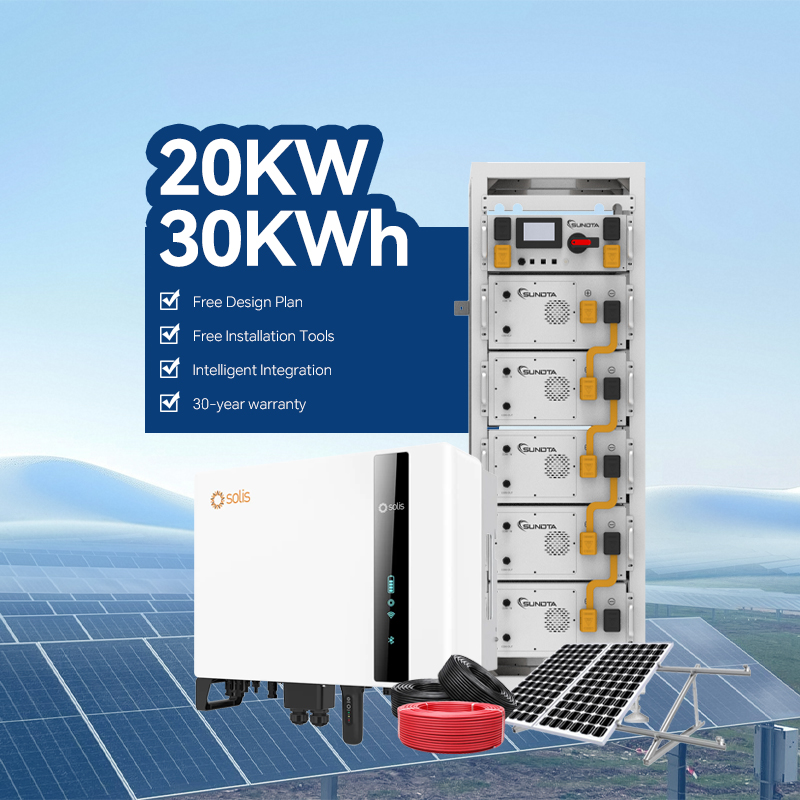
20kw Complete Set Solar Energy Power Storage System 20KW 30KW 25kw 35kw Hybrid Solar Panel Electric Power Generation Kit
Turnkey industrial generation kit pre-engineered for agricultural packing plants and light industrial workshops in Biobío. Delivers seamless automatic grid-fail transfer within 10 milliseconds, high-yield TOPCon arrays, and coordinated circuit protection.
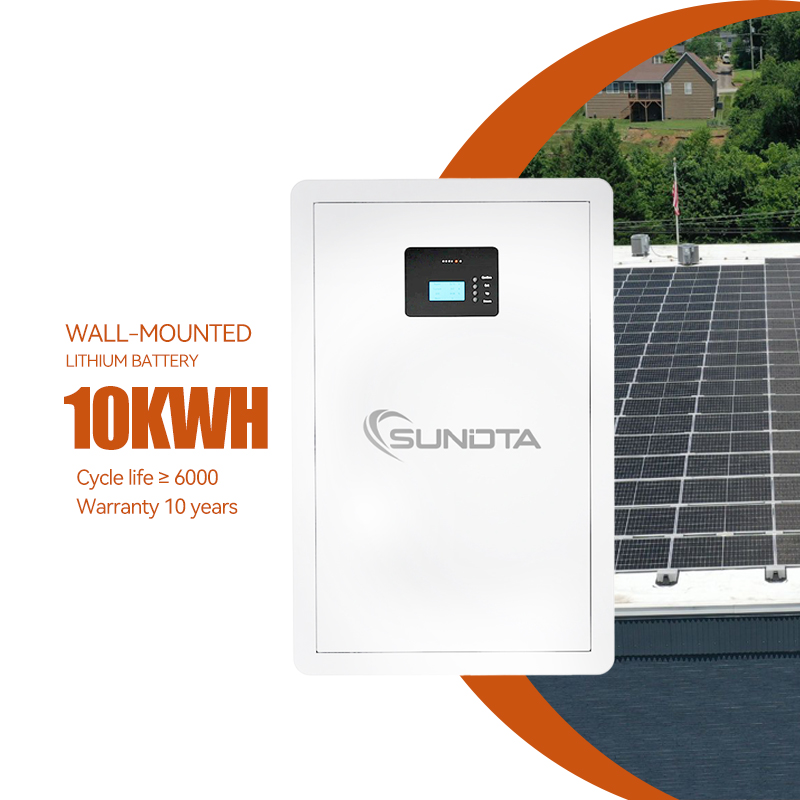
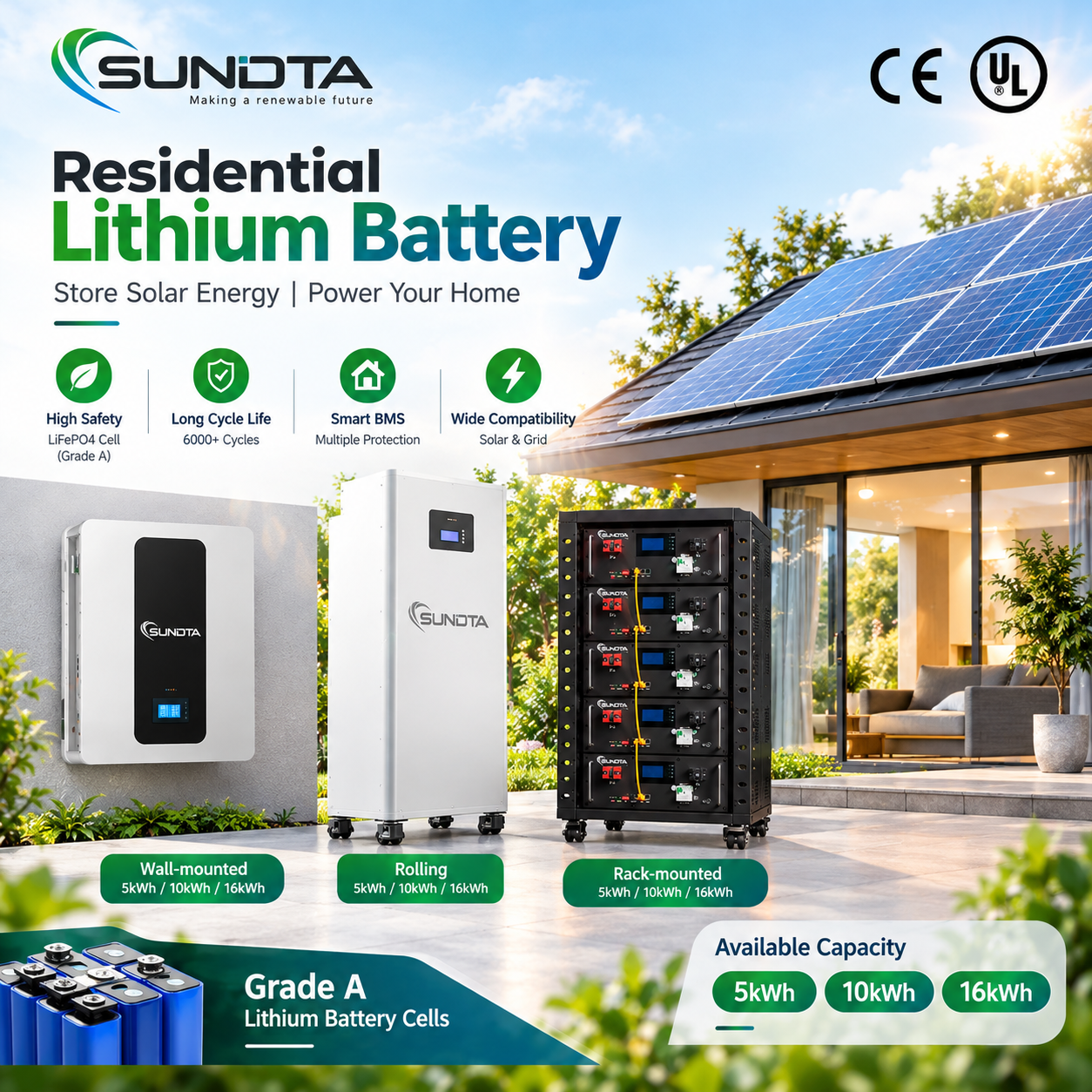
Sundta IP65 10kWh 51.2V 200Ah Wall Mounted LiFePO4 Battery for Home Solar Storage with Smart BMS
Wall-mounted hermetically sealed battery enclosure optimized for coastal micro-climates. Resists salt-fog corrosion across Talcahuano and San Pedro de la Paz while providing over 6,000 deep cycles at 80% DOD with dual CAN/RS485 communications.
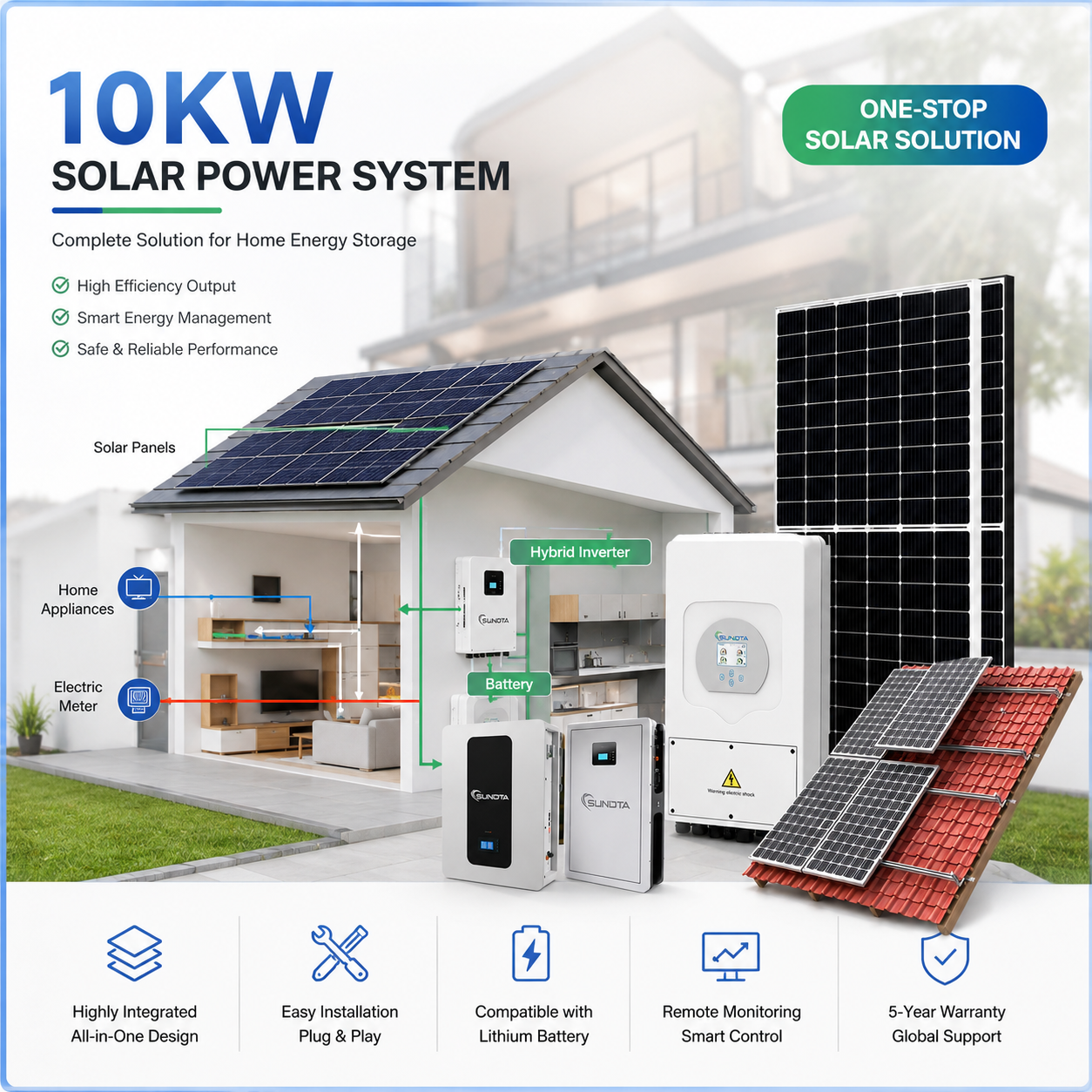
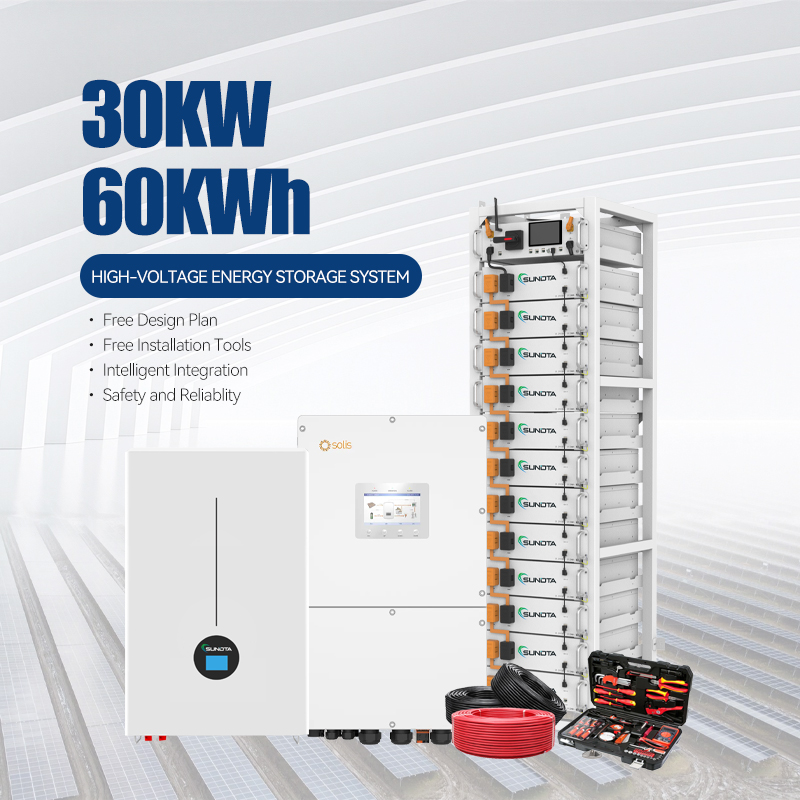
15kW-50kW High-Efficiency Hybrid Solar Power System with Smart MPPT for Whole-House Backup
Scalable multi-tracker architecture configured to counteract variable cloud cover and shading profiles typical of southern Chile. Provides total unbalance compensation across three phases for uneven industrial equipment loads.
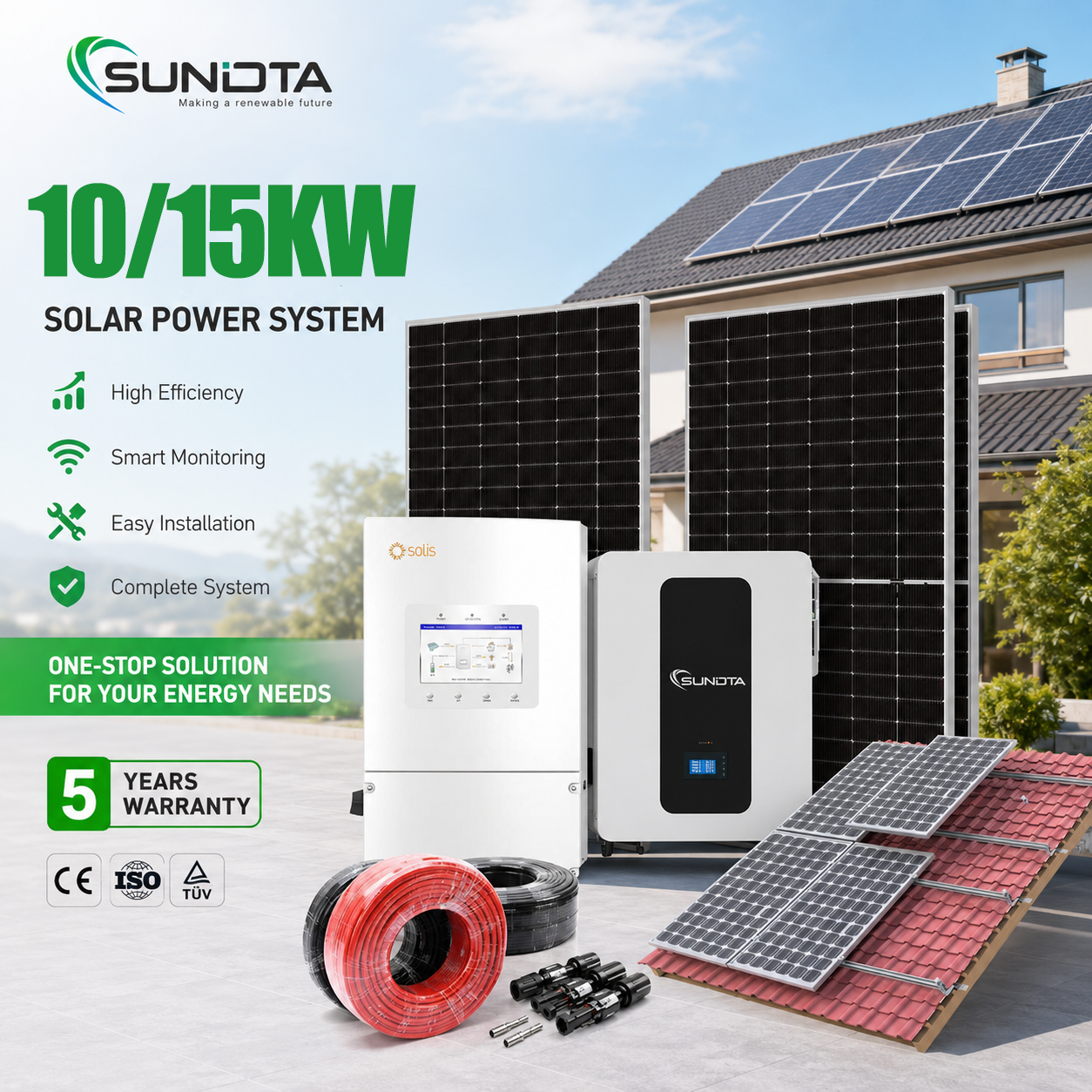
Hybrid 15kWh Inverter System 300Ah Lithium Ion Battery Split Stackable CAN Communication Home Use MPPT 15kW
Modular vertical stack system engineered for rapid installation inside compact technical rooms. Compatible with standard Chilean 220V/380V distribution networks, featuring native Deye, Solis, and Growatt inverter handshake handoff firmware.
Energy Bank Powerwall 51.2V 314AH 200AH 8KW 10KW Lithium Battery Sell Home Solar Battery 15kwh Battery Pack for Home Energy
Ultra-dense lithium iron phosphate chemistry utilizing pristine 314Ah automotive-grade prismatic cells. Delivers critical peak shaving and time-of-use (TOU) arbitrage for commercial accounts under the CGE and Chilquinta distribution grids.
Sundta Stacked 10kWh 20kWh 30kWh Modular LiFePO4 Battery Stacked Solar Energy Storage Battery for Home Solar
Toolless plug-and-play stacking architecture. Eliminates external DC wire clutter, minimizing installation labor hours for regional EPC installers operating across Chiguayante, Hualpén, and the greater Gran Concepción perimeter.
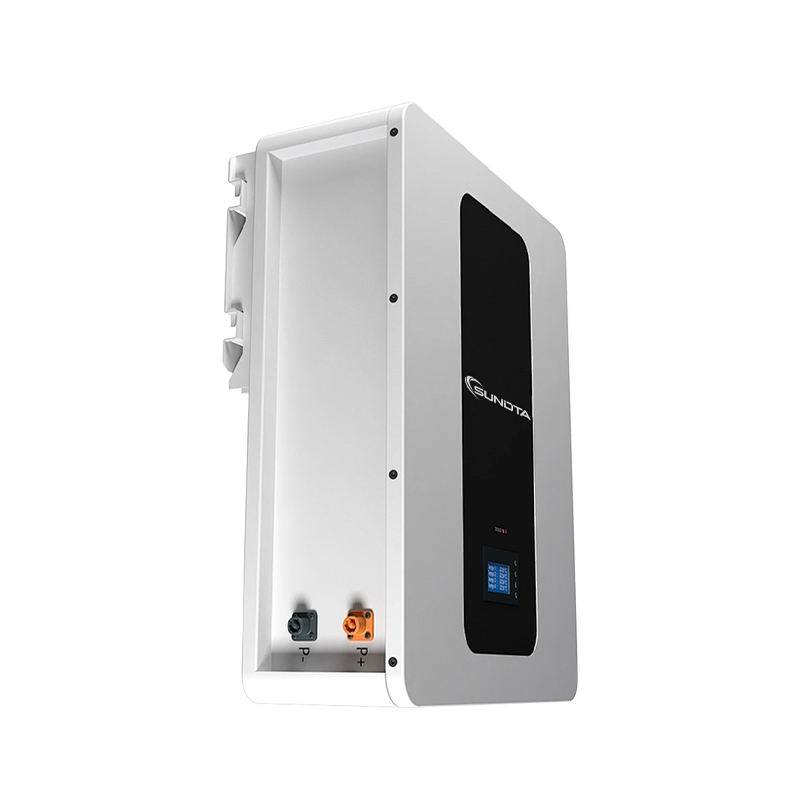
Sundta POLO-W1 LiFePO4 Lithium Battery Wall-Mounted 5kWh Home Power Storage Solar Energy System Deep-Cycle 51.2V 100Ah IP65
Cost-optimized entry module targeted at residential Net Billing (Ley 20.571) programs. Features integrated circuit breaker disconnects, LED state-of-charge indicators, and robust thermal management down to -10°C.
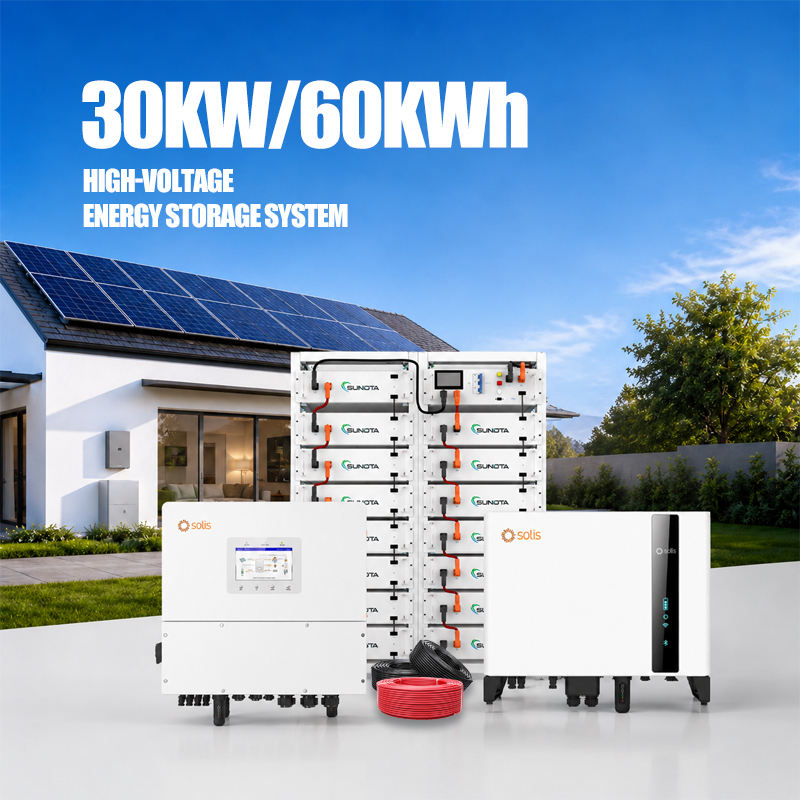
51.2V Split All-in-One Solar Battery Inverter System 30kWh 30kWh LiFePO4 Energy Storage Backup Power Hybrid CAN CE Long Warranty
Heavy-duty commercial energy storage integration. Built with dual battery disconnects, integrated industrial grade inverter, surge arrestors, and heavy-duty steel chassis engineered to absorb seismic shocks up to 8.8 Mw.
Photovoltaic Performance Metrics in Concepción & Biobío Basin
Deploying solar equipment in the Biobío Region (Latitude 36.8° S) presents unique microclimatic criteria that demand rigorous mechanical and electrical adaptations far beyond standard high-desert installations.
1. Solar Irradiance Specifics vs. Coastal Salinity Constraints
While the Atacama Desert to the north enjoys direct normal irradiance (DNI) exceeding 3,000 kWh/m²/year, the Concepción metropolitan hub and the surrounding Biobío coastal plain experience a humid Mediterranean climate influenced by the cold Humboldt Current. The Global Horizontal Irradiance (GHI) averages between 1,450 to 1,680 kWh/m²/year. Diffuse radiation comprises up to 34% of total annual generation due to persistent coastal morning fog (camanchaca) and winter cloud systems.
For Chilean solar procurement officers and EPC contractors, this makes standard p-type PERC panels inefficient. Our N-Type TOPCon bifacial modules offer superior low-light responsiveness and a significantly lower temperature coefficient (-0.30%/°C vs -0.35%/°C of PERC). Furthermore, our dual-glass panels utilize 2.0mm+2.0mm semi-tempered glass treated with anti-reflective nanocoatings that resist salt-crust accumulation, maintaining high quantum yield in marine environments such as Coronel, Talcahuano, Lota, and Penco.
Corrosion mitigation is vital. Our solar modules and mounting arrays undergo rigorous IEC 61701 Severity 6 Salt Mist testing and IEC 62716 Ammonia resistance certifications, guaranteeing that anodized aluminum frames (anodization layer ≥ 15μm) and junction boxes (IP68 rated with silicone potting) do not suffer from galvanic degradation or potential-induced degradation (PID).
2. Seismic Resistance & Mechanical Load Compliance (NCh433 & NCh2369)
Concepción is located in one of the most seismically active subduction zones on Earth, adjacent to the Peru-Chile Trench. All PV installations must strictly conform to Chilean seismic codes NCh433 (Seismic Design of Buildings) and NCh2369 (Seismic Design of Industrial Structures and Facilities). Rooftop systems and ground-mounted arrays must withstand sudden lateral accelerations exceeding 0.40g to 0.55g without frame distortion, cell microcracking, or fastener shearing.
Our module line incorporates proprietary 35mm to 40mm structural aerospace-grade 6005-T6 aluminum extrusions engineered to sustain dynamic mechanical loads up to 5,400 Pa front side (snow/vertical downward) and 2,400 Pa reverse side (wind suction). Furthermore, internal cell strings utilize high-density multi-busbar (16BB/18BB) round-wire soldering. This multi-contact topology ensures that if seismic micro-fractures occur over a 25-year lifespan, the current pathways remain redundant, completely preventing hot-spot development and mismatch power loss.
Decarbonizing Greater Concepción's Core Economic Sectors
From forestry and cellulose plants to port cold-storage facilities, our integrated PV and energy storage architectures solve local grid tariff peaks and supply interruptions.
Forestry, Pulp & Timber Processing
The Biobío region is the heart of Chile's forestry industry. Remote sawmills and processing plants near Arauco and Los Ángeles suffer from rural feeder voltage sag. Our 50kW to 500kW hybrid architectures stabilize reactive power, smooth inductive motor starts, and offset high peak-hour transmission tariffs (horas punta).
Fisheries & Port Cold-Chain Logistics
Talcahuano, Coronel, and San Vicente handle vast seafood and fruit exports requiring continuous refrigeration. Our split-system 30kWh to 2MWh BESS units provide instantaneous uninterruptible backup, protecting multimillion-dollar frozen inventories against maritime grid trip-outs while cycling during peak rates.
Viticulture & Fruit Orchards (Itata & Biobío Valleys)
Modern automated drip irrigation, frost-protection wind machines, and winery fermentation tanks require reliable energy during early spring. Ground-mount bifacial arrays paired with smart inverters deliver seasonal grid autonomy and feed surplus power back to the grid under Ley 20.571.
Commercial Net-Billing & Residential Estates
In residential areas like San Pedro de la Paz, Chiguayante, and Concepción Centro, homeowners and retail strips are adopting our 5kW to 15kW all-black TOPCon arrays and wall-mounted LiFePO4 batteries to escape surging CGE retail electricity charges and build resilience against storm outages.
System Sizing & Compliance Specifications for Concepción EPCs
Direct technical comparison helping Chilean procurement teams match grid regulations, tilt angles, and battery chemistries for maximum Return on Investment (ROI).
| Application Scale | Recommended System BOM | Chilean Grid Regulation | Optimal Tilt / Azimuth | Primary Value Driver in Biobío |
|---|---|---|---|---|
| Residential Urban (3 kW – 8 kW) |
Full-Black N-Type TOPCon 460W + 5kW Solis/Deye Single-Phase + 10kWh Sundta IP65 Wall Battery | Ley 20.571 (Net Billing) SEC Formulario TE-4 Approval |
32° to 35° North Azimuth: 0° Due North |
100% self-consumption of day generation; mitigation of 220V municipal blackout frequencies during coastal storms. |
| Light Commercial & Agricultural (15 kW – 50 kW) |
580W-595W Bifacial Half-Cell Panels + 30kW-50kW Hybrid 3-Phase Inverter + 30kWh Modular Stack | Ley 21.118 (Expanded DG) Capacity limit up to 300 kW |
34° to 37° North Ground Albedo ≥ 25% |
Peak tariff reduction (punta winter pricing); emergency pumping autonomy for agricultural irrigation networks. |
| Medium Industrial & Cold Storage (100 kW – 500 kW) |
700W N-Type Bifacial Arrays + Solis S6-EH3P HV Inverters + 100kWh-200kWh High-Voltage Rack BESS | Norma Técnica PMGD Pequeños Medios de Generación |
36° North Ground/Rooftop Seismic bracing NCh2369 |
Demand charge peak clipping; stable factory backup with millisecond automatic transfer switch (ATS). |
| Utility & Microgrid (1 MW – 5 MW) |
Custom high-density TOPCon strings + 1MWh to 2MWh Containerized BESS with liquid HVAC | CEN (Coordinador Eléctrico Nacional) Grid Interconnection Code |
Single-Axis Tracker or 35° Fixed Ground | Capacity firming; stabilizing rural Biobío distribution nodes; participation in the national ancillary services market. |
Strategic Macro Trends Driving Biobío's Renewable Transition
Chile's accelerated National Decarbonization Plan mandates the complete retirement of coal-fired thermal generation plants—a milestone heavily focused on the Biobío region due to the legacy coal infrastructure around the Coronel industrial bay. The shutdown of units at Bocamina and complex industrial retrofits have created a local power supply restructuring, causing industrial tariffs to climb and pushing manufacturing operations toward private behind-the-meter generation.
Simultaneously, the modernization of Chile's Distributed Generation Law (Ley 21.118) increased individual net billing installation capacities up to 300 kW, while providing regulatory pathways for commercial users to transfer surplus energy credits across multiple company branches under the same distribution concessionaire. This allows a logistics terminal in Talcahuano to offset office electricity bills in downtown Concepción using its warehouse rooftop solar generation.
Finally, the mandatory modernization of electrical installations supervised by the Superintendencia de Electricidad y Combustibles (SEC) requires every inverter, battery storage unit, and PV module to carry verified safety registrations (protocolos PE Nº 8/01 for PV modules and PE Nº 8/03 for inverters). Anhui RJV New Energy supports local EPCs by supplying all necessary TÜV test certifications, manufacturer authorization declarations, and complete single-line schematics to ensure swift SEC project authorization without bureaucratic delay.
Why Engineering Procurement Teams Partner with RJV New Energy
Direct factory manufacturing out of Hefei, China, eliminating broker margins and guaranteeing full BOM traceability for your containers bound for Puerto Coronel or San Antonio.
Tier-1 Manufacturing Scale
Operating over 2 GW of automated module production capacity with advanced automated stringers, high-speed thermal laminators, and AI-driven electroluminescence (EL) double defect scanners to eliminate hidden microcracks prior to palletization.
Pre-Tested Inverter & BMS Handshake
Our Sundta and Powerwall LiFePO4 batteries feature pre-configured CAN/RS485 firmware protocols tailored for Deye, Solis, and Growatt inverters. We test the closed-loop communication in-house to ensure error-free commissioning on your Chilean job sites.
TÜV Rheinland Inspected Facilities
Our Hefei manufacturing plants have completed extensive on-site factory audits by TÜV Rheinland. We maintain ISO9001, ISO14001, and ISO45001 certifications alongside comprehensive CE, IEC 61215, IEC 61730, and UN38.3 battery transport compliance.
38 Active Intellectual Property Patents
Continuous R&D investment has yielded 38 patent certificates spanning junction box heat dissipation, multi-busbar solder ribbon geometries, high-efficiency bifacial cell packaging, and modular battery connection hardware.
24/7 Bilingual Engineering Desk
We provide full project sizing reviews, string calculations (ensuring Voc within safety limits during Concepción's 0°C winter mornings), single-line diagrams, and remote commissioning assistance directly to your installation teams.
Frequently Asked Questions for Chilean Solar Importers
Key contractual, technical, and logistics details addressing the specific questions of EPCs, distributors, and project developers in Chile.
Q What are the standard shipping routes and transit times to the Concepción market?
Ocean freight is typically routed directly from Shanghai or Ningbo ports to Puerto Coronel, Puerto San Vicente (Talcahuano), or the central port of San Antonio / Valparaíso. Average ocean transit times range from 28 to 35 days. We supply full maritime export packing, corner-protected vertical pallets, desiccants, and container moisture barriers to withstand Pacific crossings.
Q Do your products meet the certification protocols of SEC Chile?
Yes. Our photovoltaic modules comply with IEC 61215 and IEC 61730 standards, while our hybrid inverters carry CE and IEC 62109-1/-2 certification with built-in anti-islanding protection conforming to VDE-AR-N 4105 and UNE 206006 IN requirements. This documentation satisfies SEC PE Nº 8/01 and PE Nº 8/03 submittal criteria for fast-track Formulario TE-4 grid connection filing.
Q How do your panels maintain longevity in Concepción's humid, salty atmosphere?
We utilize double-glass (dual-glass) laminated packaging with POE (polyolefin elastomer) encapsulant, which offers near-zero water vapor transmission rates compared to standard EVA. Coupled with high-grade marine anodized aluminum frames and IEC 61701 Class 6 Salt Mist testing, our modules eliminate the risk of delamination, internal busbar oxidation, and potential-induced degradation (PID).
Q What is the Minimum Order Quantity (MOQ) for Chilean buyers?
For hybrid inverters and wall-mounted LiFePO4 batteries, our MOQ starts from 1 unit or set to facilitate client sampling and SEC lab evaluations. For standalone solar PV modules, orders are typically consolidated by pallet (36 pieces) or 20GP/40HQ shipping containers (approximately 17,280W to 260kW+ per container). Mixed-container shipments combining panels, inverters, and batteries are supported.
Q What payment terms and Incoterms are supported for Chilean accounts?
We operate under standard international trade terms including FOB China, CFR, CIF Talcahuano/Coronel, or EXW. For verified EPC companies, commercial distributors, and volume accounts, we accept wire transfers (T/T), Irrevocable Documentary Letters of Credit (L/C at sight), and structured progress payments tied to pre-shipment third-party inspections.
Q How does the cold winter climate in Biobío affect inverter sizing?
During cold, clear winter mornings in Concepción and the interior valley of Chillán/Los Ángeles, ambient temperatures can drop near 0°C. This causes the open-circuit voltage (Voc) of photovoltaic strings to rise significantly due to the negative temperature coefficient of voltage. Our engineering desk verifies string sizing to ensure maximum string Voc stays comfortably below the inverter's maximum input window (typically 500V or 1,000V DC), preventing high-voltage shutdowns.
Request Direct Factory Quotation & Technical Datasheets
Partner directly with Anhui RJV New Energy Co., Ltd. for your upcoming residential, commercial, or PMGD solar installations in Concepción, Talcahuano, Coronel, and the broader Biobío Region. Receive customized system sizing, flash test data, and competitive factory-direct pricing within one working day.