Optimizing Levelized Cost of Electricity (LCOE) in the Greater La Plata Macro-Region
The energy transition in La Plata, the provincial capital of Buenos Aires, has transitioned from policy theory to high-yield capital deployment. Anchored between the industrial petrochemical complexes of Ensenada and Berisso, the heavy manufacturing zones of Parque Industrial La Plata (PILP), and Argentina's densest horticultural green belt (Cinturón Hortícola de La Plata), power consumers face escalating commercial electricity tariffs governed by EDELAP and regulated under National Law 27.424 (Distributed Generation) and Buenos Aires Provincial Law 15.325.
In this temperate, humid Pampean climate (Köppen Cfa), conventional monofacial solar panels are systematically underperforming relative to project financial models. The localized global horizontal irradiation (GHI) averaging 1,650 to 1,740 kWh/m²/year, coupled with frequent ground-albedo opportunities across greenhouse polyethylene canopies, crushed shell/limestone soils, and flat commercial concrete roofs, makes Bifacial PERC (Passivated Emitter and Rear Cell) modules the definitive solar asset class for commercial and industrial (C&I) deployments.
Selecting a certified bifacial module factory requires more than reviewing maximum power point (Pmax) datasheets under Standard Test Conditions (STC). Industrial engineering procurement teams in La Plata must account for bifaciality factors (≥70% ± 5%), light-induced degradation (LID) mitigation, glass-glass mechanical integrity under heavy Pampero wind gusts, and seamless string-voltage pairing with hybrid inverters and low/high-voltage lithium energy storage systems.
Engineered Systems for Commercial & Residential Projects
Pre-matched PV modules, hybrid string inverters, and high-capacity LiFePO4 battery storage engineered for seamless CAN/RS485 closed-loop operation.
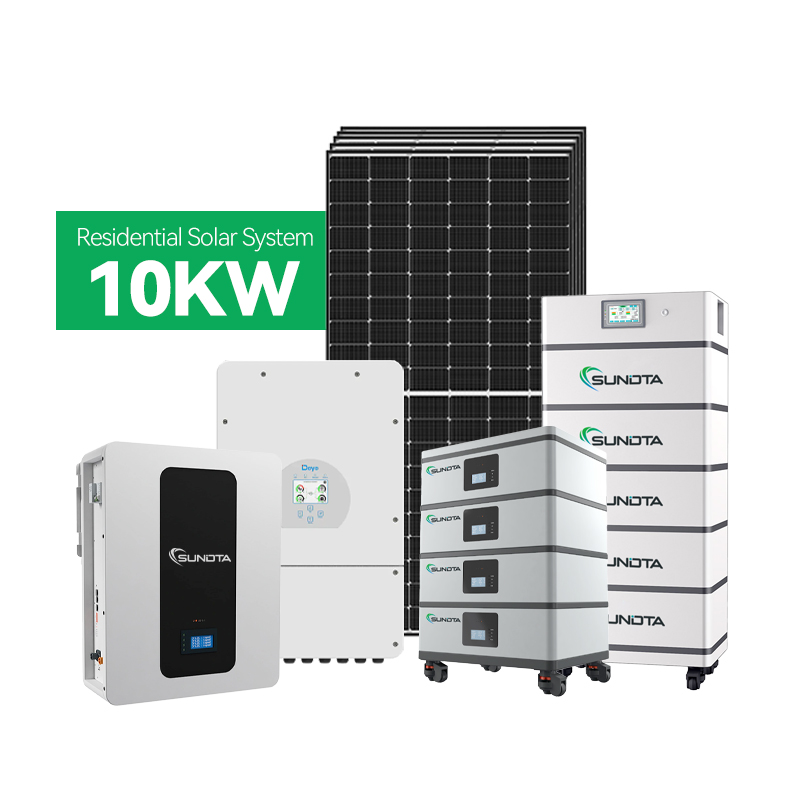
2026 Sundta 10KW 12KW Hybrid Solar System with LiFePO4 Battery & BMS
- Dual MPPT tracking 150V–500V DC
- 51.2V Prismatic LiFePO4 pack
- Sub-10ms UPS grade transfer switch
Tier 1 Sodenergy 700W–730W N-Type Ultra-High Efficiency Solar Panel
- 210mm SMBB Half-Cell Architecture
- Module Efficiency up to 22.8%
- Optimized for Large-Scale Agricultural Arrays
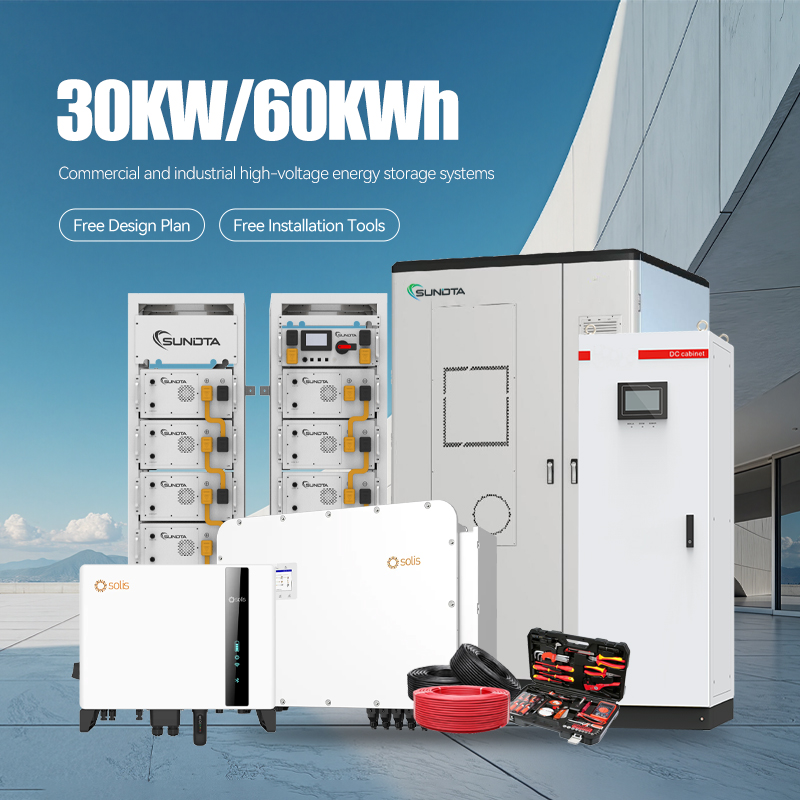
30kWh 51.2V 314Ah LiFePO4 All-in-One Commercial Storage System
- CATL/EVE 314Ah Grade-A Prismatic Cells
- 6,000+ Cycles @ 80% DoD, 15yr Life
- Integrated Active Equalization BMS
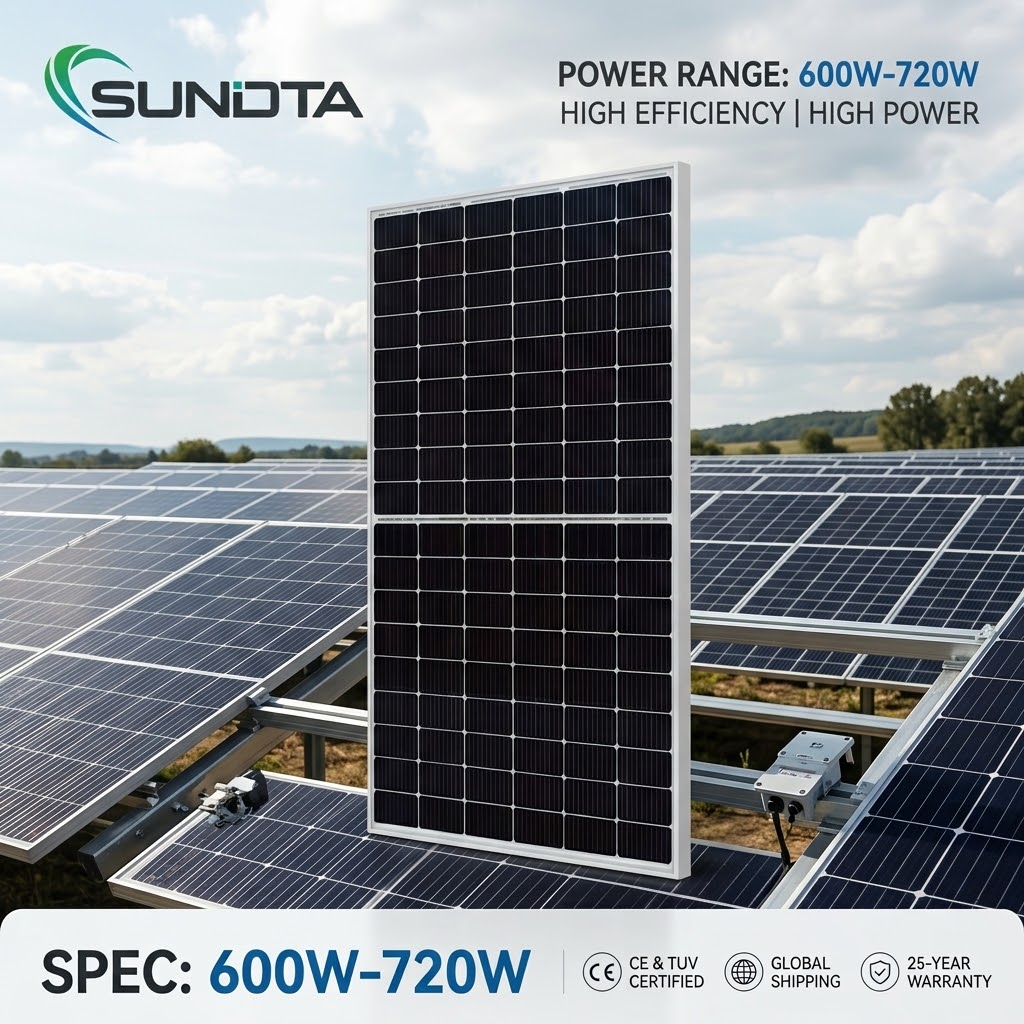
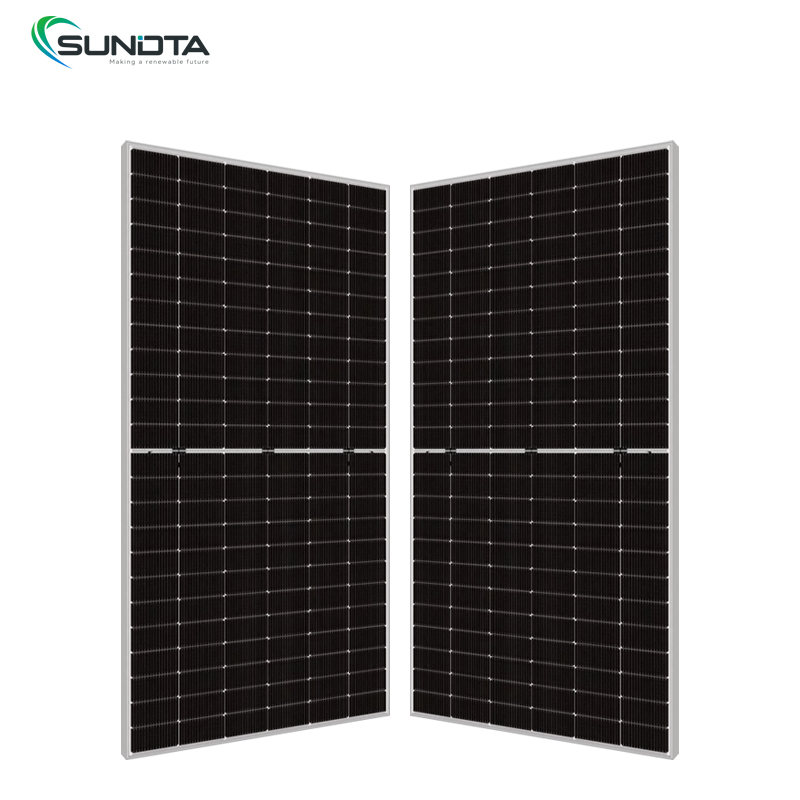
SUNDTA 500W–595W Dual-Glass Half-Cut Bifacial PERC Module (23.03%)
- 2.0mm+2.0mm Semi-Tempered Glass
- Bifaciality coefficient: 70% ± 5%
- 5400Pa Snow / 2400Pa Wind Load Rated
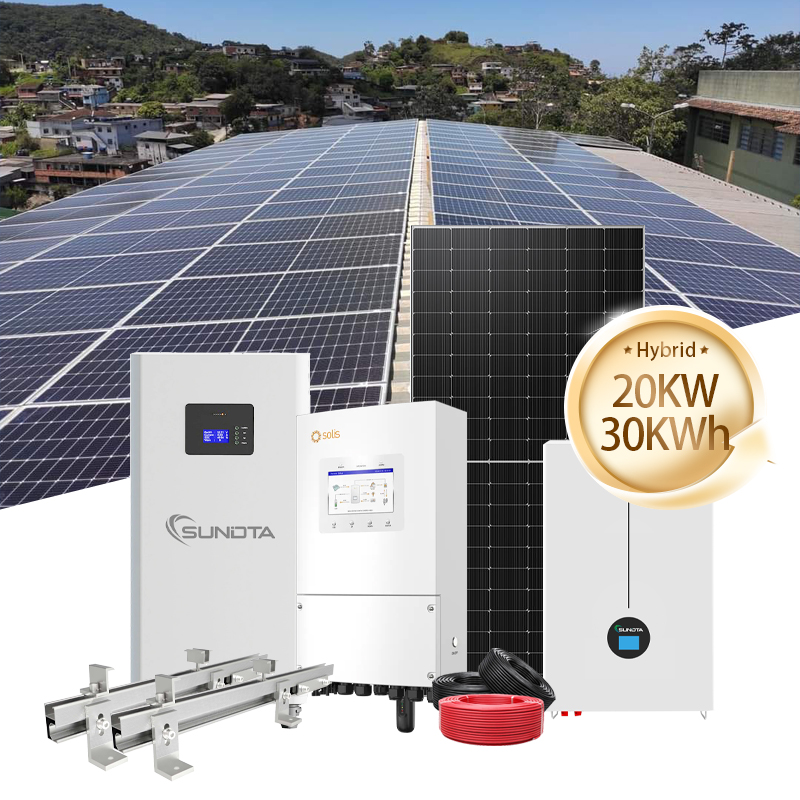
Complete Hybrid Solar Energy Storage System 20kW 30kW 50kW Full Kit
- Three-Phase 380V Industrial Output
- Custom High-Voltage Battery Bank
- Full BoS: Combiner, Rails, Cabling
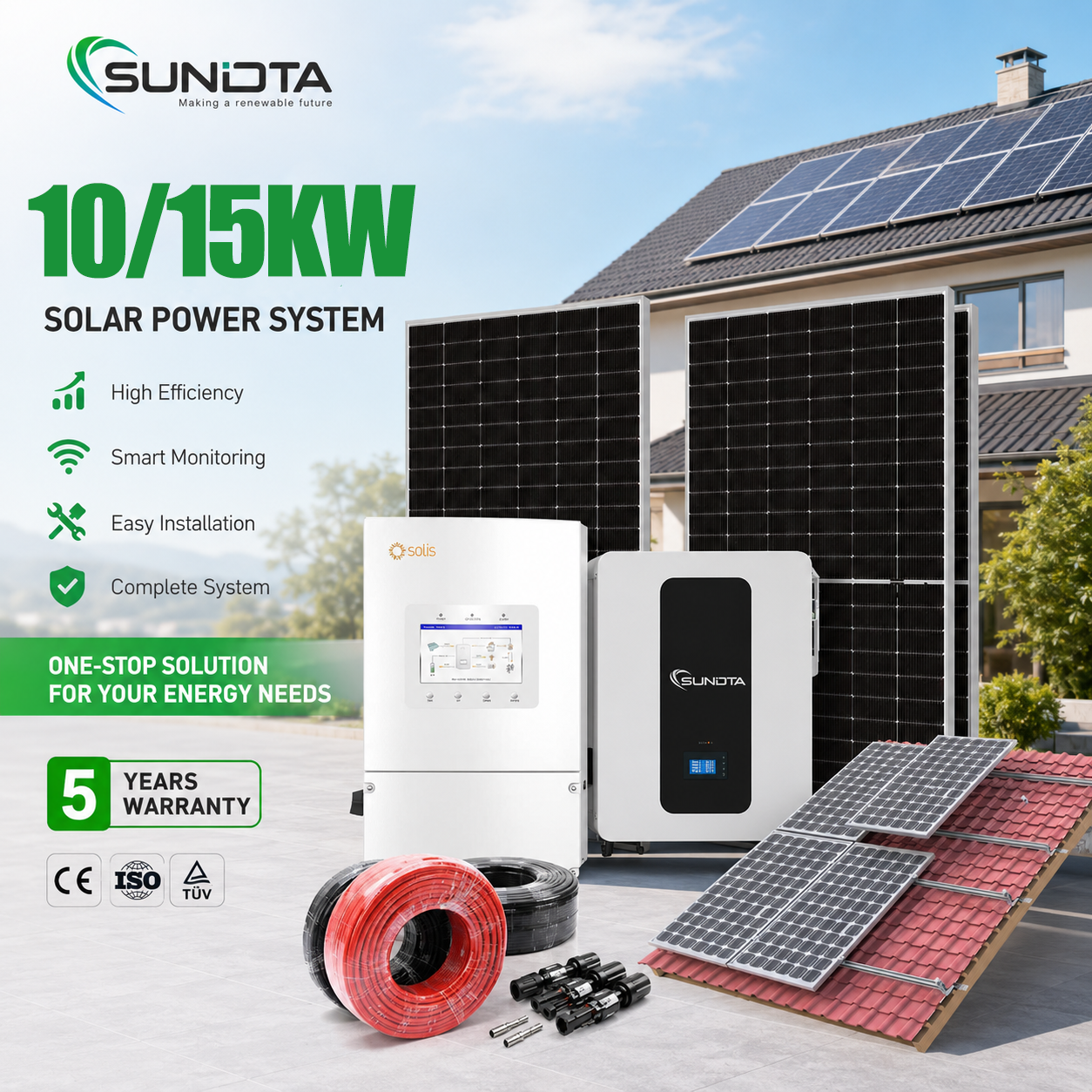
Factory Price 8kW 10kW 15kW On-Off Grid Solar System with LiFePO4
- Mono Half-Cut Panels + Inverter
- Grid Injection & Zero-Export Limiter
- EDELAP Net-Billing Ready
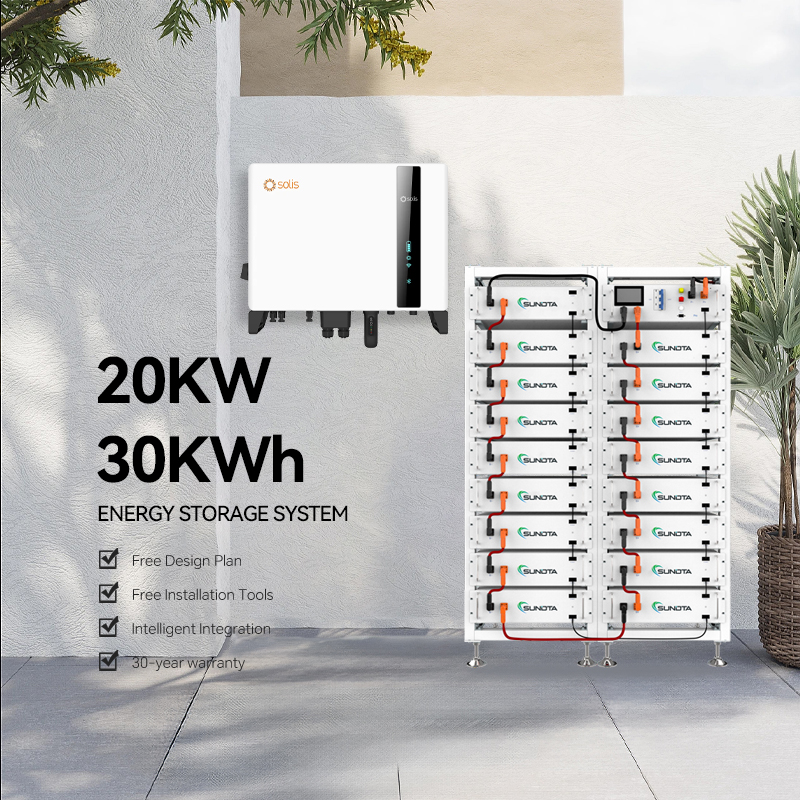
Complete 50kW Deye 3-Phase 380V Hybrid Solar Power System Kit
- Deye SUN-50K-SG01HP3 Inverter
- Diesel Generator Auto-Start Integration
- 100% Unbalanced Three-Phase Phase Load
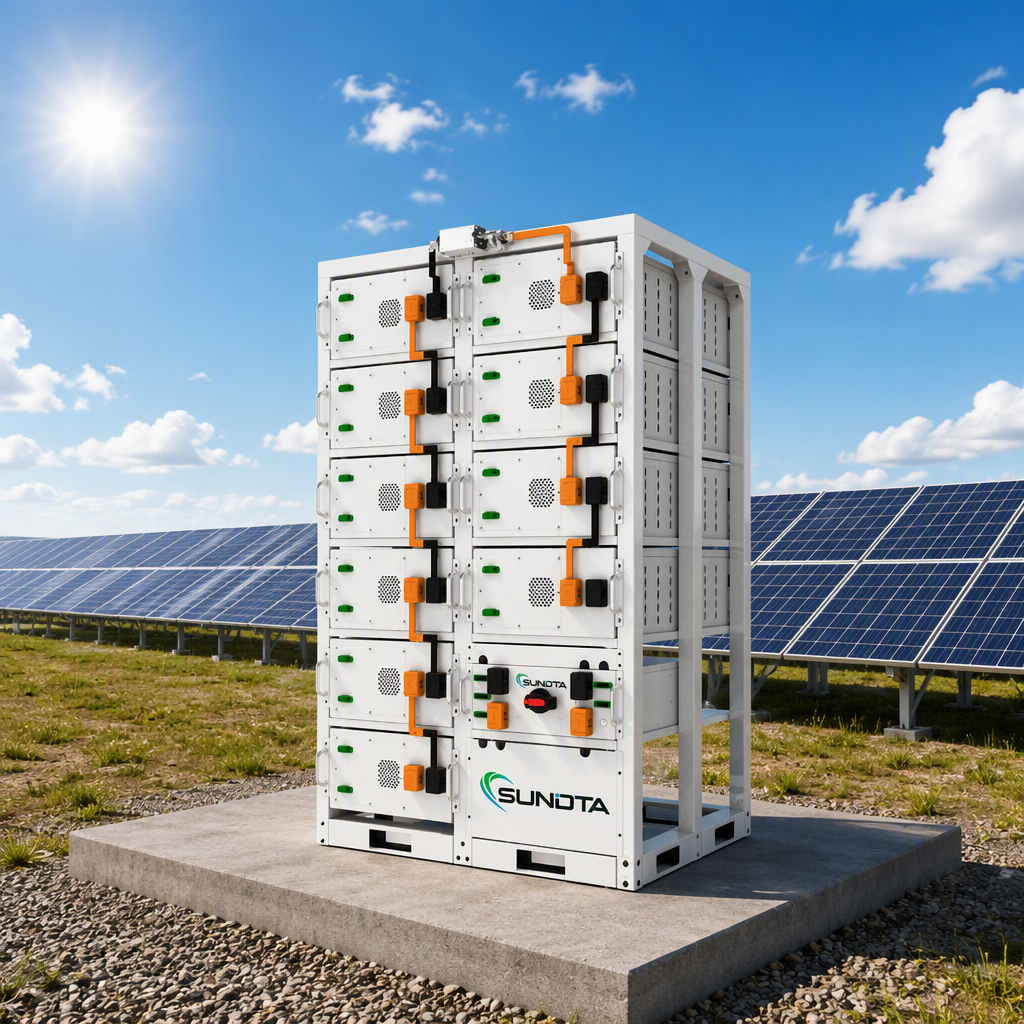
SUNDTA SDT-280 High-Voltage 40–100kWh Industrial Battery Cabinet
- Air-Cooled Prismatic 280Ah Cells
- Direct HV Hybrid DC Coupling (600V–1000V)
- Paralleling capability up to 1 MWh+
Physics of Bifacial PERC vs. N-Type TOPCon & Monofacial in La Plata
A quantitative look at temperature coefficients, albedo gains, and structural fatigue under coastal-river wind loads.
Bifacial PERC solar technology operates on the principle of transforming previously wasted reflected radiation into harvestable photo-generated current. In conventional monofacial modules, the rear contact utilizes a solid screen-printed aluminum back surface field (Al-BSF) or opaque backsheet. In contrast, Bifacial PERC cells replace the continuous aluminum metallization with local aluminum fingers and a passivation dielectric layer (typically Al₂O₃/SiNₓ stack), enabling light entry from both front and rear glass panes.
The performance differential in the La Plata microclimate is governed by the Bifaciality Factor ($\phi$), defined as the ratio of rear-side nominal power ($P_{rear}$) to front-side nominal power ($P_{front}$):
$\phi = \frac{P_{rear}}{P_{front}} \times 100\% \quad (\text{Industrial Standard: } 70\% \pm 5\%)$
In typical installations across the Greater La Plata area—ranging from the flat roofs of City Bell and Gonnet to the agricultural expanses of Lisandro Olmos and Abasto—effective irradiance ($G_{total}$) reaching the active p-n junction becomes:
$G_{total} = G_{front} + G_{rear} \times \phi \times \left(1 - \eta_{shading}\right) \times \alpha_{albedo}$
Where $\alpha_{albedo}$ represents surface ground reflectivity. In La Plata’s extensive agricultural greenhouse zones, white ground-tarps and weathered polyethylene films offer high albedo values of 0.50 to 0.65, yielding an empirical rear gain exceeding 18% to 22% during peak solar noon in southern hemisphere summer (December–February).
| Evaluation Parameter | Standard Monofacial PERC | Bifacial Half-Cut PERC (SUNDTA 595W) | N-Type TOPCon Dual-Glass (700W) | La Plata Operational Impact |
|---|---|---|---|---|
| Bifaciality Coefficient | 0% (Opaque Backsheet) | 70% ± 5% | 80% ± 5% | +12% to +22% LCOE yield improvement over monofacial baseline |
| Temperature Coefficient (Pmax) | -0.38% / °C | -0.34% / °C | -0.30% / °C | Lower thermal degradation during humid 36°C January summer heatwaves |
| Mechanical Load (Front/Rear) | 5400 Pa / 2400 Pa | 5400 Pa / 2400 Pa (2.0mm+2.0mm) | 5400 Pa / 2400 Pa | Double-glass prevents micro-cracking caused by sudden violent Pampero wind gusts |
| First-Year Degradation | ≤ 2.0% | ≤ 1.5% | ≤ 1.0% | Ga-doped silicon wafers virtually eliminate initial Boron-Oxygen LID |
| Annual Degradation (Yr 2-30) | 0.55% / year | 0.45% / year (30-Yr Linear) | 0.40% / year (30-Yr Linear) | Dual-glass POE encapsulation stops humidity ingress from Rio de la Plata river moisture |
| CAPEX / Watt Index | Baseline ($) | Cost-Optimized ($ + 4%) | Premium Tier ($ + 14%) | Fastest payback (3.2 years) under current EDELAP commercial tariff structures |
Engineering Scenarios Across La Plata's Industrial & Rural Belt
Specific physical, meteorological, and economic configurations designed for the Buenos Aires provincial grid.
Cinturón Hortícola de La Plata (Greenhouses & Agrivoltaics)
The agricultural zone spanning Lisandro Olmos, Abasto, and Melchor Romero is Argentina’s primary tomato, pepper, and flower production center. Farms rely heavily on three-phase deep-well water pumps that suffer from rural grid brownouts.
Technical Setup: Bifacial PERC modules installed on elevated 1.8m steel racking over irrigation channels and greenhouse access lanes. Utilizing white gravel/plastic albedo (α = 0.55), arrays generate 19.4% rear bifacial gain, directly feeding 50kW Deye hybrid inverters coupled with 100kWh LiFePO4 storage to eliminate diesel generator operating costs.
Parque Industrial La Plata (PILP - Manufacturing & Logistics)
Located on Provincial Route 2, PILP hosts heavy food processors, plastics molders, and mechanical plants. Facilities face severe capacity charges (potencia contratada) and peak-demand penalty tariffs under EDELAP's T2 and T3 billing regimes.
Technical Setup: 595W Black Glass Bifacial PV modules flush-mounted on trapezoidal insulated sandwich roofs using raised ballast clamps (elevated 25cm to allow ambient reflected light from bright grey PVDF sheet metal). Paired with Solis or Deye 100kW high-voltage energy storage for automated peak-shaving during the 18:00–22:00 window.
Coastal Riverfront & Port Logistics (Ensenada & Berisso Corridor)
PV installations near the Puerto La Plata container terminal and Rio de la Plata shoreline face extreme air humidity (averaging 78%), saline sulfur vapors from nearby refineries, and high wind squalls.
Technical Setup: Dual-glass 2.0mm+2.0mm construction with POE (Polyolefin Elastomer) encapsulation instead of standard EVA. Eliminates Potential Induced Degradation (PID) and moisture ingress. Anodized 35mm black aluminum alloy frames rated to withstand IEC 61701 Salt Mist Severity 6 and IEC 62716 Ammonia corrosion tests.
Top 10 Bifacial PERC Solar Module Manufacturers & Factories Supplying La Plata
A rigorous B2B comparative evaluation of tiering, automation, degradation warranties, and OEM supply versatility.
Anhui RJV New Energy / SUNDTA (Featured Factory Direct)
2.0 GW automated module manufacturing capacity in Hefei, China, with complete turnkey OEM/ODM customization for Latin American EPCs. Specializes in 500W–595W dual-glass half-cut bifacial PERC modules boasting 23.03% efficiency, alongside pre-integrated Deye/Solis hybrid and LiFePO4 battery storage setups.
LONGi Green Energy Technology
Industry-scale manufacturer prominent across large South American public utility auctions. Strong bifacial Hi-MO series presence in San Juan and Jujuy high-altitude solar farms, though OEM customization and container-level mix-matching for mid-scale C&I projects in Buenos Aires remain rigid.
JinkoSolar Holding Co., Ltd.
High-volume pioneer transitioning from Swan Bifacial PERC to Tiger Neo N-Type TOPCon. Supplies extensive Latin American dealer networks through centralized distribution hubs in Montevideo and Buenos Aires, commanding brand recognition at a premium pricing tier.
Trina Solar Co., Ltd.
Pioneers of the 210mm Vertex bifacial line. High mechanical load specifications make Trina modules attractive for open Pampean utility ground projects, though higher operational current (Imp > 17A) requires specialized string inverters with high DC input thresholds.
JA Solar Technology Co., Ltd.
Robust DeepBlue 3.0 and 4.0 bifacial series delivering stable performance coefficients. Broadly deployed in commercial rooftop arrays across Córdoba and Buenos Aires Province, supported by extensive independent lab testing data.
Canadian Solar Inc.
Global integrated manufacturer with proven BiHiKu bifacial PERC modules. Offers long track records in utility-scale deployments under Argentina's RenovAr programs, supported by established regional field service engineering support.
Risen Energy Co., Ltd.
Advocate of Titan and heterojunction (HJT) module series alongside Titan bifacial PERC platforms. Known for low-temperature coefficient designs, providing reliable yields in temperate climates subject to sharp seasonal temperature shifts.
Astronergy (Chint Solar)
Manufacturing arm of the Chint Group, offering ASTRO N and ASTRO semi-bifacial series. Highly regarded for module reliability when paired with comprehensive low-voltage Chint electrical switchgear throughout industrial plants.
Talesun Solar
Consistent Tier 1 manufacturer supplying bifacial Febrick and Bistar series to Latin America. Strong engineering emphasis on anti-PID encapsulation, offering dependable medium-scale rooftop PV performance in humid coastal areas.
GCL System Integration
Integrated silicon ingot to module assembly giant. Provides GCL bifacial series for high-volume solar projects, offering strong vertical supply security and raw material cost advantages for multi-megawatt projects.
EDELAP Interconnection & Provincial Net-Billing Protocol
Navigating Law 27.424, Law 15.325, and OCEBA technical standards for grid-tied solar assets in La Plata.
Grid-connected solar installations within the jurisdiction of EDELAP (Empresa Distribuidora La Plata S.A.) are governed by the Argentine Federal Law 27.424 and the formal adherence by the Province of Buenos Aires under Provincial Law 15.325. This regulatory framework establishes the legal mechanism of the Usuario-Generador (User-Generator), permitting commercial, industrial, and residential users to self-consume on-site solar generation and inject surplus energy back into the EDELAP distribution grid under a Net-Billing scheme.
Key Engineering Steps for EDELAP Grid Compliance:
- Reserva de Potencia (Grid Capacity Reservation): Prior to module procurement, the EPC or electrical engineer matriculated in the Colegio de Ingenieros de la Provincia de Buenos Aires (CIPBA) must submit a preliminary feasibility study to EDELAP through the digital single window (Ventanilla Única de Generación Distribuida).
- Inverter Certification (IRAM 210015 / IEC 62109): Inverters installed in La Plata—such as the pre-integrated Deye and Solis hybrid units supplied in our system BOMs—must feature active anti-islanding protection (under 0.1s shutdown upon grid loss), total harmonic distortion (THDi < 3%), and certified compliance with IRAM 210015 or IEC 62116.
- Bidirectional Metering (Medidor Bidireccional): EDELAP will inspect the installation, certify the secondary AC disconnect switch located outside the perimeter fence, and replace the legacy electromechanical meter with a four-quadrant bidirectional smart meter.
- Tariff Netting Calculation: Injected kWh is compensated at the wholesale generation pass-through price (Precio Estacional de la Energía Eléctrica - PEST determined by CAMMESA), while self-consumed energy offsets the full retail tariff including distribution, municipal taxes, and provincial levies.
Because injected energy is credited at a wholesale rate lower than the retail purchase price, maximizing the Self-Consumption Ratio (Autoconsumo) is the single most critical variable in project economics. This is precisely why pairing Bifacial PERC modules with modular 51.2V or High-Voltage LiFePO4 battery storage delivers superior ROI compared to simple grid-tied solar arrays lacking energy storage.
Why Global EPCs & Latin American Importers Rely on RJV
Direct manufacturing depth, pre-tested system compatibility, and verified compliance eliminate costly project commissioning delays.
2.0 GW Annual Module Output
State-of-the-art automated manufacturing in Hefei, China, equipped with high-precision soldering, visual EL (electroluminescence) inspection before and after lamination, and automated framing lines.
TÜV Rheinland Assessed
Audited on-site manufacturing facilities. Full compliance with IEC 61215, IEC 61730, CE standards, and ISO 9001/14001 quality management systems. Model-specific flash test reports delivered per shipping container.
100% Pre-Matched PV BOMs
We eliminate the single largest cause of on-site solar failure: communication mismatches between inverters and batteries. Inverters and LiFePO4 packs are flashed with pre-tested CAN/RS485 firmware protocols before export.
24/7 Engineering Support
Dedicated PV system engineers available across time zones to support array electrical string sizing, MPPT calculation checks, CAD single-line diagrams (SLD), and after-sales warranty processing.
Frequently Asked Questions by Solar EPCs & Buyers in La Plata
Technical, logistical, and financial answers addressing direct importation and local system sizing.
What is the optimal installation tilt angle (β) for Bifacial PERC modules in La Plata?
While latitude-matched tilt for La Plata (34.92°S) is approximately 32°–34° for fixed monofacial panels, bifacial installations achieve maximum combined annual yield at 28° to 30° facing due North (Azimuth 0°). This slightly reduced tilt enhances diffuse ground-reflected light entry into the rear glass while maintaining proper self-cleaning precipitation drainage during winter rains.
How do Bifacial PERC panels withstand sudden Pampero storms and hail in Buenos Aires?
Our dual-glass modules (such as the SUNDTA 500W–595W series) feature 2.0mm + 2.0mm semi-tempered glass with specialized POE lamination. They are certified to IEC 61215-2 hail impact criteria (resisting 25mm diameter ice spheres at 23.0 m/s) and mechanical front-load pressure up to 5400 Pa, resisting violent wind shears experienced across open Pampean plains.
What minimum ground clearance height is required to harvest rear bifacial gain?
To avoid self-shading of the rear surface and maximize the view factor to the ground, the lower module edge must maintain a minimum ground clearance of 0.8 meters (preferably 1.0m to 1.2m). Flush-mounting directly onto a roof surface drops bifacial gain to near zero; for rooftop setups, raised racking or high-tilt ballast systems are mandatory.
How are import shipments routed into La Plata or Buenos Aires ports?
Shipments are loaded directly at our factory in Hefei into 40ft High Cube (HC) shipping containers and routed through Shanghai or Ningbo ports to Puerto de Buenos Aires (TRP / Exolgan Dock Sud) or Puerto La Plata (TecPlata). Full export documentation (Bill of Lading, Commercial Invoice, Packing List, Certificate of Origin, and TÜV/CE Flash Test Reports) is provided for customs clearance (Despacho de Aduana).
What is the Minimum Order Quantity (MOQ) for factory-direct container orders?
For individual hybrid inverters or complete battery cabinets, MOQ starts from 1 unit. For bifacial solar panels, orders are typically quoted by the pallet (31 to 36 pieces, ~21 kW) or full 40ft HC container load (approx. 620 to 720 pieces, ~370 kW to 428 kW). Mixed containers containing pre-matched modules, Deye/Solis inverters, and LiFePO4 batteries are supported.
Does Anhui RJV New Energy supply factory OEM labeling for Argentine distributors?
Yes. We offer complete OEM and private-label manufacturing services, including custom rear junction box branding, individualized serial barcode numbering, custom-printed packaging cartons, and customer-specific bilingual English/Spanish installation and safety manuals.
How does rear bifacial current impact string inverter MPPT sizing?
When sizing inverters for bifacial modules, engineers must size for $I_{sc,bifacial} = I_{sc,front} \times [1 + (\text{Gain} \times \phi)]$. On reflective surfaces with 15% rear gain, a module with standard 13.8A Imp will operate around 15.2A to 15.8A. Inverters selected for our turnkey packages (like Deye and Solis S6) feature high maximum DC input currents (16A to 20A per string) to eliminate clipping losses.
What are the payment terms and Incoterms supported for Argentina B2B trade?
Supported Incoterms include FOB Shanghai/Ningbo, CFR Buenos Aires, CIF TecPlata, and EXW. Flexible payment structures include T/T wire transfer and Irrevocable Letters of Credit (L/C at sight), fully structured to align with Argentine Central Bank (BCRA) foreign exchange regulations and SIRA/SEPA import verification guidelines.
Request a Matched Bifacial PERC Bill of Materials for Your Next Project
Send us your project site coordinates, target kW/MW capacity, and EDELAP grid connection requirements. Our Hefei application engineering team will generate a complete electrical string configuration, albedo gain simulation, and containerized FOB/CIF quotation within 24 business hours.