Engineered Solar Hardware for Carport Canopy Deployments
A resilient solar carport system combines high-yield bifacial photovoltaic modules, smart cold-weather hybrid inverters, and heavy-duty LiFePO4 storage cabinets capable of enduring northern Alberta's freeze-thaw cycles and severe snow loads.
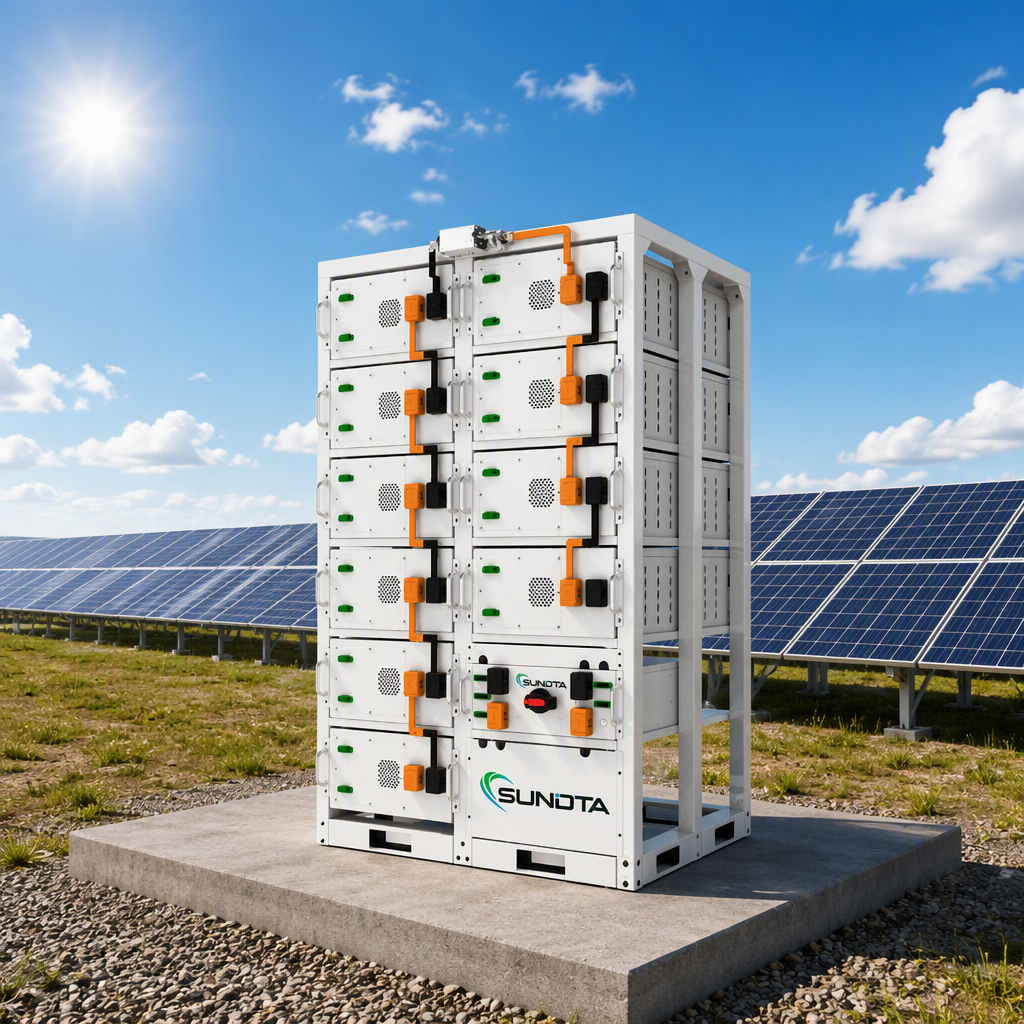
SUNDTA SDT-280 Commercial High Voltage LiFePO4 Energy Storage System 40-100kWh Air-Cooled Battery Cabinet for Hybrid/Off/On-Grid
- 40kWh to 100kWh Modular Capacity
- Prismatic 280Ah LiFePO4 Cells
- Integrated Intelligent Thermal Air Cooling
- High-Voltage Architecture for C&I Peak Shaving
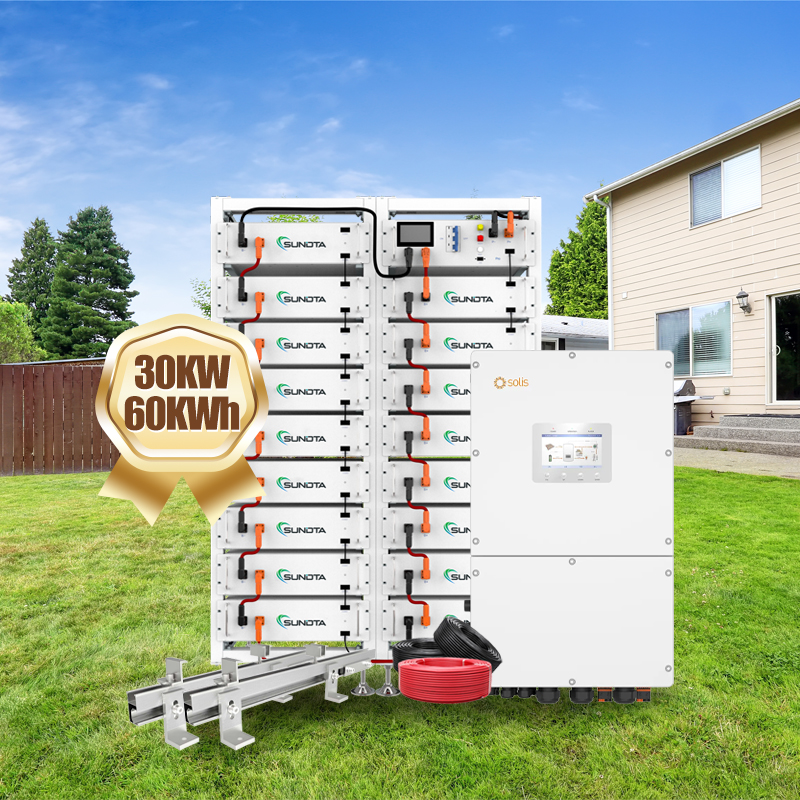
Complete 30kw Solar System 10kw 15kw 20kw 30kw Solar Energy System 30 kw Hybrid for Home Use With EU Certification
- Turnkey 10kW to 30kW Scalable Configurations
- EU & CSA Electrical Safety Certified
- Seamless Grid-Tied / Off-Grid Switching
- Engineered for Large Residential & Light Commercial
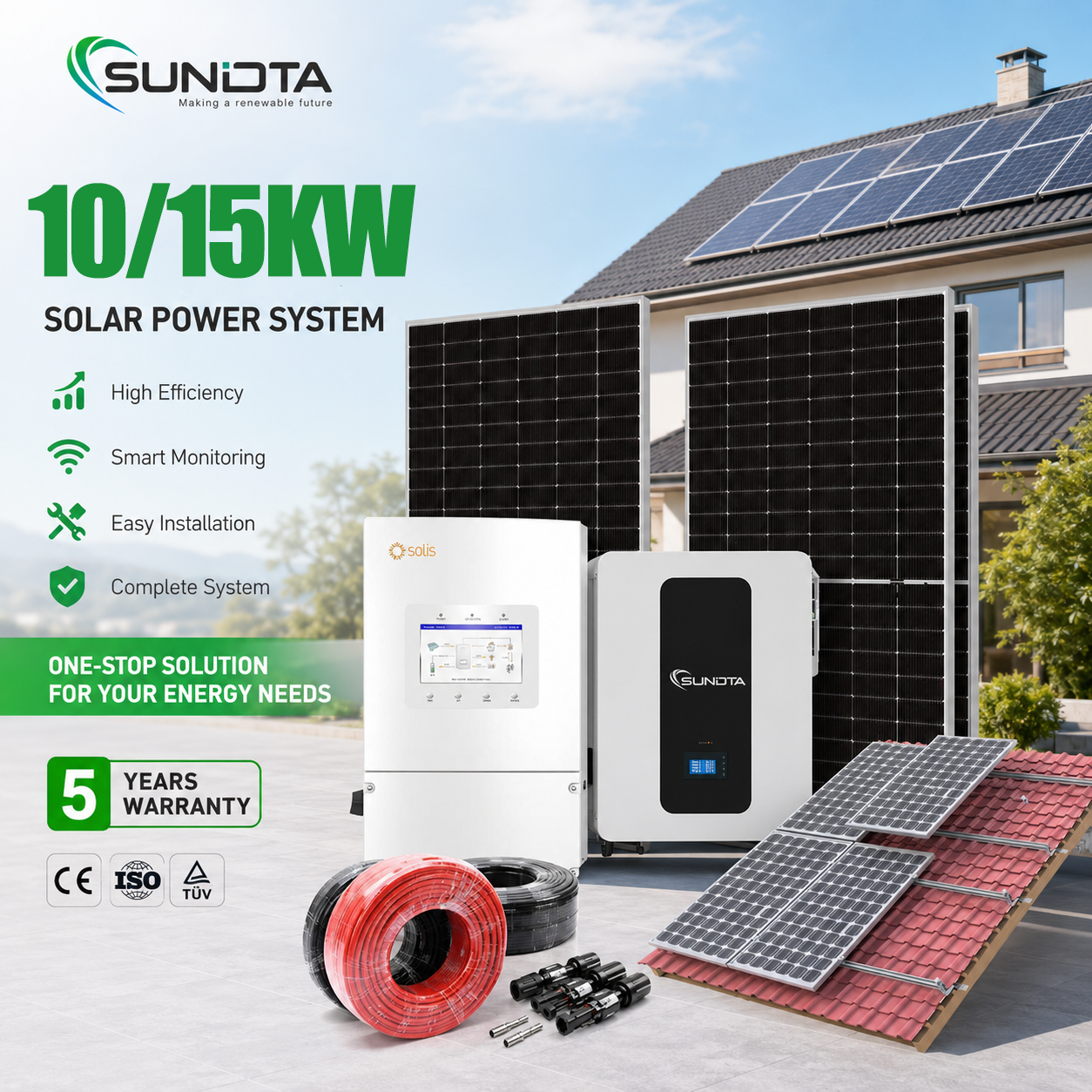
Hybrid 15kWh Inverter System 300Ah Lithium Ion Battery Split Stackable CAN Communication Home Use MPPT 15kW
- 15kW MPPT Multi-String Tracking
- 300Ah High-Efficiency Lithium Storage
- Stackable Plug-and-Play Footprint
- CAN / RS485 Dual-Bus Closed Loop Control
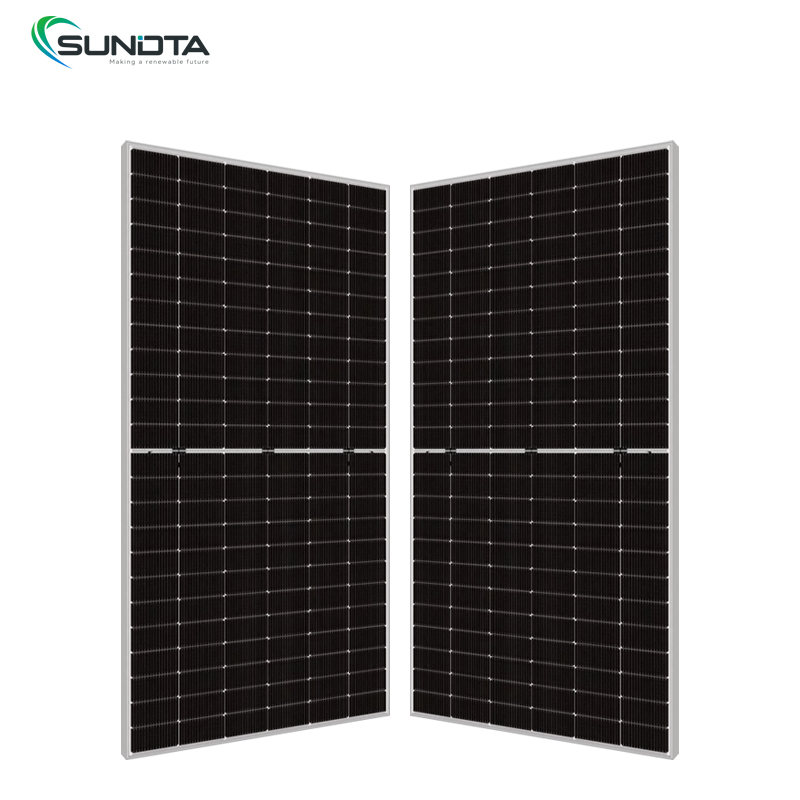
Tier 1 Solar Panel Sodenergy 700W 705W 710W 715W 720W 725W 730W N Type Solar Panel
- Up to 730W Ultra-High Output Rating
- N-Type TOPCon Cell Architecture
- Superior Low-Light and Albedo Performance
- Heavy Mechanical Load Certified (5400Pa Snow)
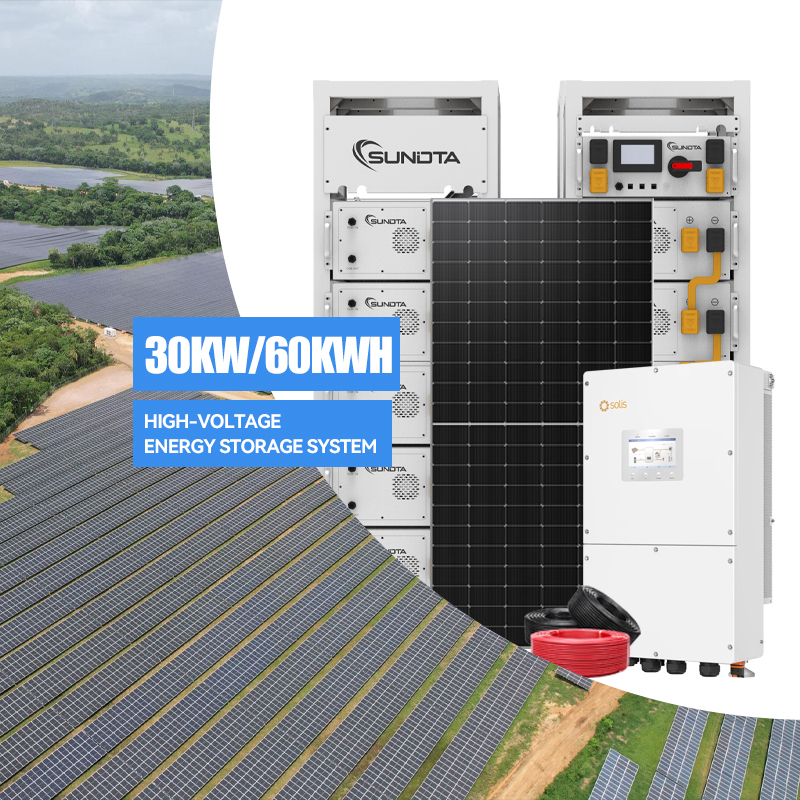
Off Grid Hybrid Solar Energy Storage System 20KW 30KW 40KW Hot-selling 30 kw Hybrid for Home Use With EU Certification
- 20kW to 40kW Heavy-Duty Inverter Sizing
- Zero-Export & Microgrid Synchronization
- Extreme Cold Temperature Tolerant
- High Surge Capacity for Industrial Motor Loads
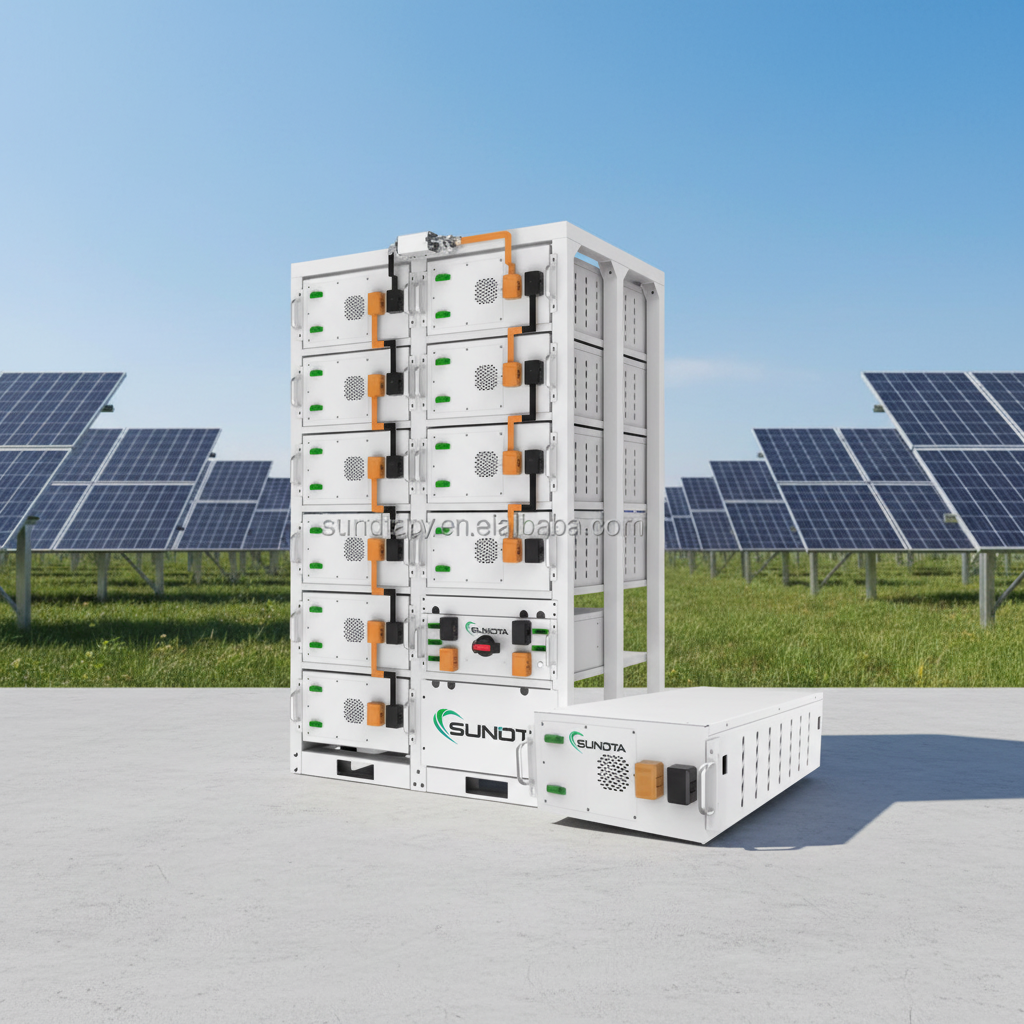
Commercial High Voltage LiFePO4 Energy Storage System 40kWh 50kWh 100kWh Air Cooling LiFePO4 Battery Cabinet for on Off Grid
- Optimized for Commercial Carport EV Charging Hubs
- Multi-Tier BMS Safety Protection with Aerosol Fire Suppression
- 6000+ Deep Cycling Rating at 90% DoD
- Compatible with Solis, Deye, and Sungrow C&I Inverters
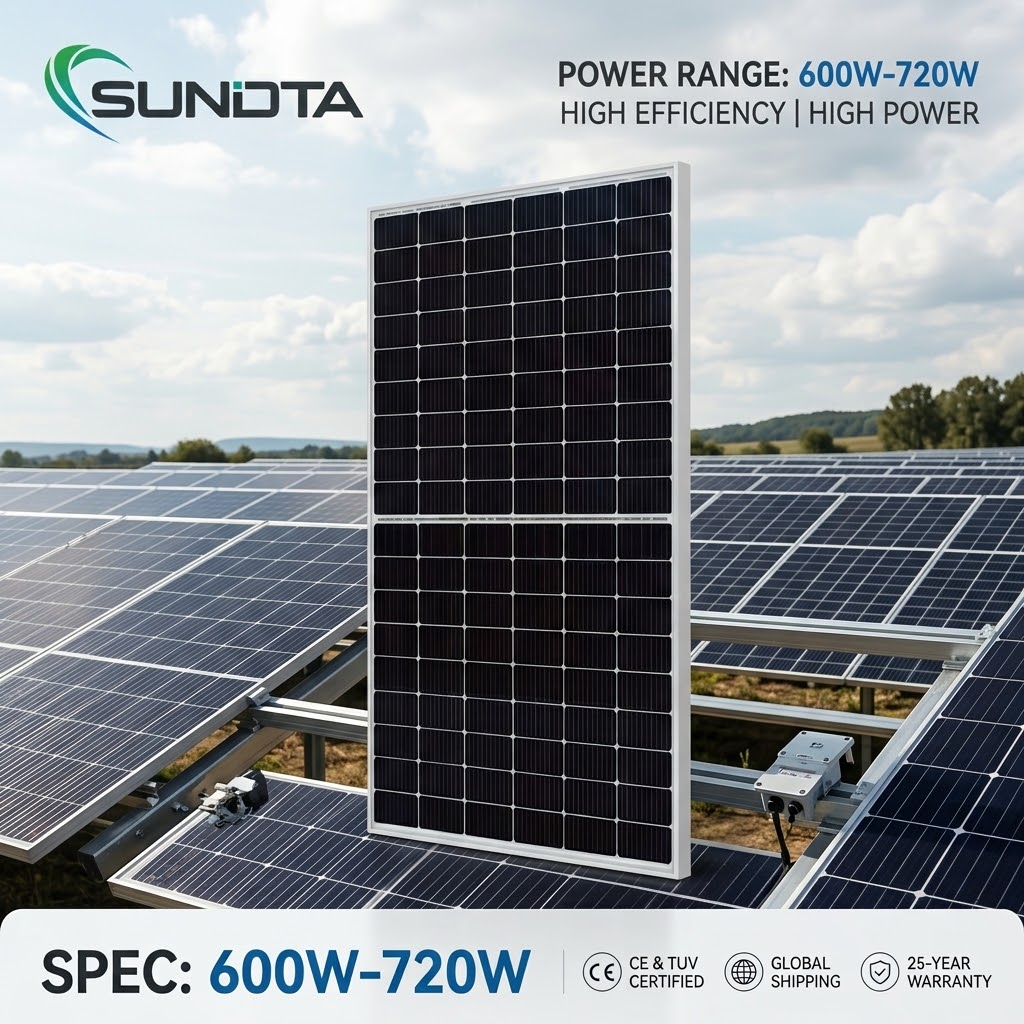
Factory Price SUNDTA 500W-595W Black Glass Bifacial PV Module 23.03% Efficiency Half-Cut PERC Solar Panel for Home Energy System
- Dual-Glass Construction (2.0mm + 2.0mm Tempered)
- Up to 25% Backside Bifacial Energy Yield on Snow
- 23.03% High Module Conversion Efficiency
- Black Frame & Glass Architectural Aesthetic
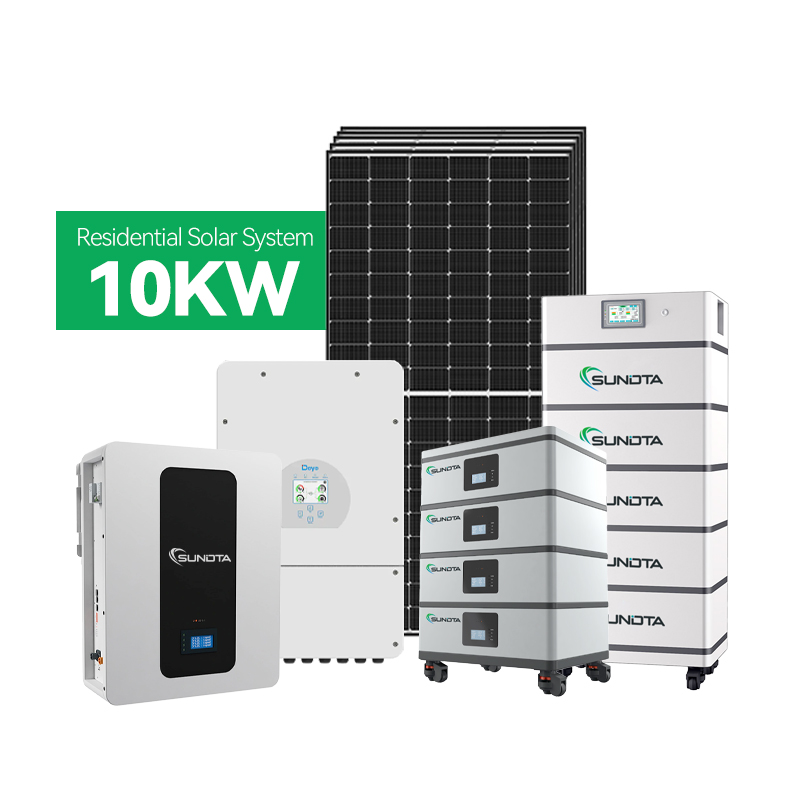
2026 Sundta Low Price 10KW 12KW Hybrid Solar System for Home Use with Lifepo4 Battery and BMS System
- 10kW / 12kW Split-Phase & Three-Phase Optional
- Safe LiFePO4 Battery Chemistry
- Fast UPS-Class Transfer Switch (<10ms)
- Cloud Telemetry & Remote Winter Mode Control
Designing Resilient Solar Carports for the Edmonton Market
Edmonton represents one of North America’s most demanding deployment environments for photovoltaic parking canopies. With ground snow loads reaching up to 2.4 kPa, extended sub-zero cold waves reaching -40°C, and stringent municipal development bylaws, off-the-shelf lightweight racking structures consistently fail.
Alberta Heavy Snow & Wind Structural Dynamics
In accordance with NBC-AE structural load design, Edmonton structures must withstand minimum balanced ground snow loads ($S_s$) of 1.9 to 2.2 kPa, augmented by localized drift and rain-on-snow surcharges ($S_r$). Industrial solar carports deployed at Edmonton International Airport (YEG) or commercial distribution hubs require customized tilt angles (7° to 10° for continuous sheds; 10° to 15° for dual-pitch canopies) and hot-dip galvanized ASTM A123 structural steel members.
By engineering heavy cold-formed C/Z purlins and structural hollow structural sections (HSS), our solar carport frameworks eliminate deflection risks under wet spring snow blankets while preventing vehicle damage from sudden ice shedding through integrated ice dams and concealed internal gutter systems.
Bifacial Solar Yield Amplification via Snow Albedo
While winter creates mechanical load constraints, it also creates an extraordinary energetic opportunity. Edmonton experiences ground snow coverage for up to 5 to 6 months per year. Clean surface snow exhibits an albedo reflectance coefficient between 0.65 and 0.85, compared to 0.15 for aged asphalt.
By mounting N-type TOPCon or Bifacial PERC 550W–730W dual-glass modules with a clear carport deck design, rear-side irradiance produces an additional 18% to 28% instantaneous electrical yield during winter months. This bifacial gain counteracts reduced solar angles, providing consistent power to support commercial fleet pre-conditioning, EV charging pedestals, and building baseline loads.
Deep Frost Line Foundation Engineering
Central Alberta's glaciolacustrine clay soils and extreme temperature differentials cause violent frost heave movements. Standard shallow ballast foundations are completely unsuitable for permanent solar carports in Edmonton.
Turnkey installations engineered for this corridor utilize deep cast-in-place concrete caissons extending below the 2.4-meter frost line or high-torque engineered helical steel screw piles. Helical piles eliminate massive concrete pour delays during sub-zero conditions, permitting rapid structural anchoring even in -25°C weather across Nisku, Acheson, and industrial park zones.
Top 10 Solar Carport System Manufacturers Serving Edmonton
A rigorous B2B comparative evaluation examining structural integrity, cold-climate optimization, local compliance readiness, and integrated electrical balance-of-system (BOS) factory offerings.
| Manufacturer / Factory | Primary Carport Typology | Cold-Climate Rating (-40°C) | Foundation Integration | Module & BESS Turnkey Pairing | Evaluation Tier |
|---|---|---|---|---|---|
| Anhui RJV New Energy (RJV / SUNDTA) | Single/Double Cantilever, T-Frame, Long-Span Commercial Shed | Engineered Certified | Helical Piles & Deep Concrete Caissons | Direct Factory TOPCon/Bifacial Panels + High-Voltage LiFePO4 ESS | Tier 1 Turnkey OEM |
| Quest Renewables (QuadCore Series) | 3D Space Frame, Long Span Truss Structures | Field Proven | Porous Concrete Foundations & Piles | Racking only (Third-party electrical sourcing required) | Structural Specialist |
| RBI Solar (Gibraltar Systems) | Custom Heavy-Gauge Roll-Formed Canopy | High Snow Certified | Driven Post, Micropile & Caissons | Structural framing only; separate inverter procurement | Industrial Structural |
| Schletter Group | Wing System, In-Line Dual Cantilever Aluminum/Steel | European Alpine Tested | Earth Anchors, Drilled Caissons | Mechanical mounting; no direct PV/ESS packaging | Structural Hardware |
| Terrasmart (Formerly Sunfig / Protea) | Canopy Pro Fixed-Tilt Steel Carport | High Wind/Snow Capable | Ground Screws & Concrete Footings | Structural only; third-party balance of system | EPC Partner |
| Baja Carports | Full-Coverage Commercial Utility Carports | Moderate to Severe Rating | Large Diameter Concrete Piers | Steel structure manufacturer exclusively | Fabricator |
| SunPower Commercial / TotalEnergies | Architectural Helix Canopy Systems | CSA / UL Standard Compliant | Concrete Spread Footings & Piers | Proprietary module pairing; limited hybrid battery flexibility | System Integrator |
| Parkade Solar Systems | Modular Parking Deck Retrofits | Cold-Formed Galvanized | Base Plate Deck Anchoring & Caissons | Racking & Inverter Kits | Specialty Mount |
| Lumos Solar (SolarScape) | Architectural Overhead Vision Canopies | Aesthetic Focus; Moderate Load | Concealed Flange Pier Foundation | Integrated Frameless Glass Solar Panels | Architectural Design |
| SolarPod Canopy Systems | Modular Commercial Scalable Carports | Standard Alberta Load Config | Integrated Ballast / Helical Screws | Packaged Kits with String Inverters | Regional Supplier |
High-Yield Application Scenarios Across Greater Edmonton
Integrating solar carports creates multi-dimensional asset returns: shelter for commercial vehicles against hail and blizzards, high-density on-site clean power generation, and distributed energy resilience under Alberta's deregulated electricity market.
Industrial Logistics & Fleet Depots
In logistics centers across Nisku, Leduc, and Acheson, fleet operators are transitioning to electric medium- and heavy-duty delivery vans. Solar carports installed over tractor-trailer and service vehicle parking yards provide dedicated daytime solar charging while slashing peak demand utility spikes via paired 40-100kWh commercial battery storage cabinets.
Municipal & Educational Campuses
The City of Edmonton’s Community Energy Transition Strategy incentivizes distributed renewable generation. Academic campuses like the University of Alberta and NAIT, alongside municipal transit hubs, deploy large-scale cantilevered canopy arrays to shade patron vehicles, meet net-zero carbon pledges, and feed clean energy into local distribution feeders under Epcor connection agreements.
Retail Centers & EV Destination Hubs
Shopping centers along Anthony Henday Drive and Whitemud Drive utilize solar carports to attract high-value EV drivers. Integrating Level 2 and Level 3 DC Fast Chargers underneath the canopy structure creates an enhanced customer shopping experience: shelter from Edmonton's harsh weather conditions while providing clean, self-generated electricity.
Corporate Offices & Healthcare Facilities
Hospitals and multi-story corporate headquarters deploy dual-pitch T-frame solar canopies across their asphalt parking lots. Combining high-efficiency bifacial solar modules with behind-the-meter ESS units ensures emergency critical circuit autonomy during unexpected grid blackouts, protecting temperature-sensitive healthcare infrastructure and server arrays.
Edmonton Solar Carport Frequently Asked Questions
Critical engineering, regulatory, and financial insights for property owners, procurement directors, and EPC contractors operating within the Alberta Interconnected Electric System (AIES).
How do solar carport systems comply with the Alberta Building Code (NBC-AE) and Edmonton wind/snow loads?
Every commercial solar carport structure installed in Edmonton requires professional engineering (P.Eng.) structural stamping compliant with the National Building Code – Alberta Edition (NBC-AE). Structural designs must account for:
- Ground Snow Load ($S_s$): Typically specified at 1.9 to 2.4 kPa, combined with a rain load surcharge ($S_r$) of 0.1 kPa to calculate minimum roof snow load ($S$).
- Wind Exposure: Wind reference velocity pressures ($q_{1/50}$) calibrated to 0.45–0.52 kPa with topographic gust factors, ensuring open-canopy uplift does not compromise purlin connections.
- Thermal Contraction: Structural steel bolted connections must withstand extreme thermal expansion and contraction cycles between +35°C in summer and -45°C during Alberta polar vortex conditions.
What foundation type is best suited for Edmonton’s clay soil and frost penetration?
Because the local frost depth in Edmonton reaches between 2.1 to 2.4 meters (7 to 8 feet), shallow foundation pads risk severe heave damage due to expanding glacial clays. Two structural foundation approaches dominate:
- Engineered Helical Piles: Rapidly installed using hydraulic torque motors without excavation spoils, even during deep frozen ground conditions. Piles are torqued well past the active frost layer into load-bearing till.
- Drilled Cast-in-Place Concrete Caissons: Reinforced cylindrical piers extending 3.0 to 4.5 meters below grade with belled footings. Ideal for massive long-span cantilever canopies requiring high moment resistance.
How does winter snow coverage impact energy yield, and why are bifacial modules recommended?
Although snow accumulation causes short-term front-side shading on low-pitch carports, bifacial dual-glass modules (such as our 500W-595W Black Glass and 700W+ N-Type series) capitalize heavily on ground reflection. Edmonton benefits from extensive sunny winter days where clean snow achieves an albedo reflectance of 70% to 85%.
The unobstructed underside of a solar carport captures high diffuse and reflected radiation, generating up to 25% extra energy while creating subtle operational thermal rise that accelerates snow sliding off the top glass surface.
What electrical interconnection rules apply for solar carports connected to Epcor or FortisAlberta?
Within Edmonton city limits, interconnection is governed by Epcor Distribution & Transmission Inc. (EDTI) and the Alberta Utilities Commission (AUC) Rule 007 and Rule 012. For systems operating as Micro-Generation (under 5 MW):
- Projects must supply verified anti-islanding certification (CSA C22.2 No. 107.1 / UL 1741-SB).
- Systems configured for behind-the-meter peak shaving or zero-export must utilize certified bi-directional revenue meters and programmable grid-tie inverters (e.g., Deye, Solis C&I series).
- Projects with integrated battery storage (BESS) require local fire department review and NFPA 855-compliant thermal runaway management documentation.
Are there municipal incentives or financing programs available in Edmonton for solar canopies?
Yes. Commercial properties in Edmonton may leverage several financing mechanisms to optimize capital payback:
- Clean Energy Improvement Program (CEIP): Alberta's Property Assessed Clean Energy (PACE) equivalent, allowing commercial property owners to finance up to 100% of solar carport and storage installations through a municipal property tax assessment.
- Federal Clean Energy Tax Incentives: Accelerated capital cost allowance (Class 43.1 / 43.2) providing up to 100% first-year tax write-off, alongside the Clean Technology Investment Tax Credit (ITC) offering up to a 30% refundable tax credit on eligible capital equipment.
Anhui RJV New Energy: Direct-from-Factory Structural & Electrical BOM
As a verified photovoltaic and energy storage manufacturer assessed by TÜV Rheinland, Anhui RJV New Energy eliminates supply chain markups and engineering mismatch risks by fabricating compatible canopy structures, Tier-1 PV modules, and integrated cold-temperature BESS cabinets from one source.
Unified Cold-Temperature Engineering BOM
The primary point of failure for international solar procurement is multi-vendor communication incompatibility between inverters, BMS batteries, and canopy structure clearances. RJV supplies the entire Bill of Materials—hot-dip galvanized structural purlins, 500W–730W bifacial solar panels, Solis/Deye hybrid three-phase inverters, and high-voltage LiFePO4 battery cabinets pre-configured with tested CAN/RS485 firmware protocols.
TÜV Rheinland Assessed & ISO Quality Control
RJV manufacturing facilities operate across automated module lines producing 2 GW annually. All production follows ISO 9001, ISO 14001, and ISO 45001 standards. Factory testing incorporates rigorous mechanical load testing (up to 5400 Pa positive load / 2400 Pa negative uplift), three-stage electroluminescence (EL) inspection, and flash-test data validation accompanying every shipping container.
Direct Engineering Support for Canadian EPCs
Our dedicated structural and electrical engineering department collaborates directly with Canadian EPCs and local P.Eng. firms to optimize string sizing, foundation anchor spacing, cable gutter integration, and Level 3 DC fast charger connectivity. We provide sample prototyping, design customization, and transparent FOB/CIF shipping schedules directly into the Edmonton-Calgary distribution corridor.
Ready to Engineer a Solar Carport Project for Edmonton?
Speak directly with RJV's solar technical engineering group. Receive complete structural loading calculations, bifacial module yield assessments, cold-weather LiFePO4 storage configurations, and direct factory pricing within one business day.