Home & Farm ESS
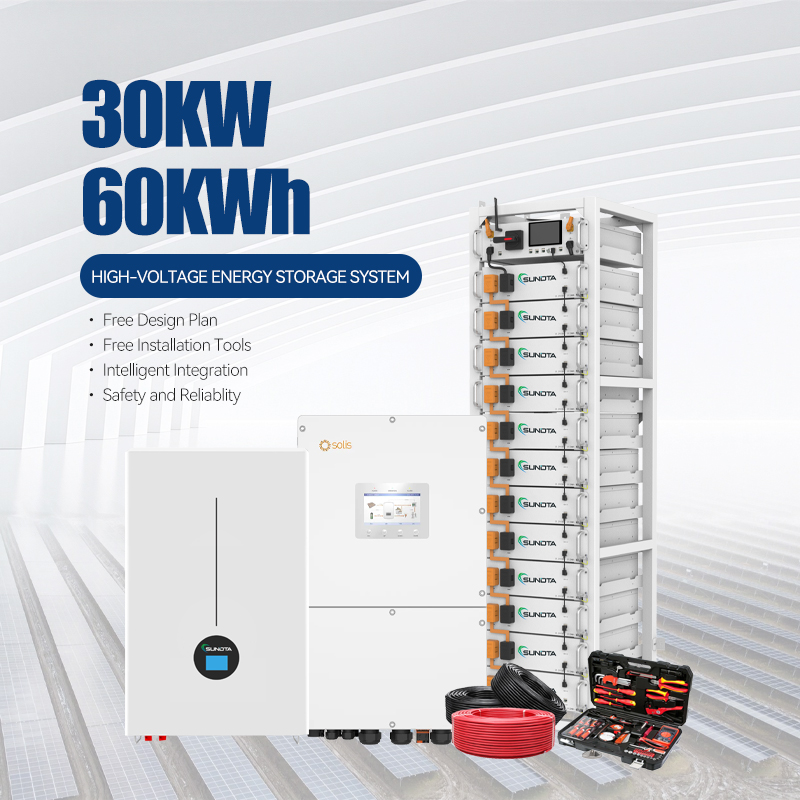
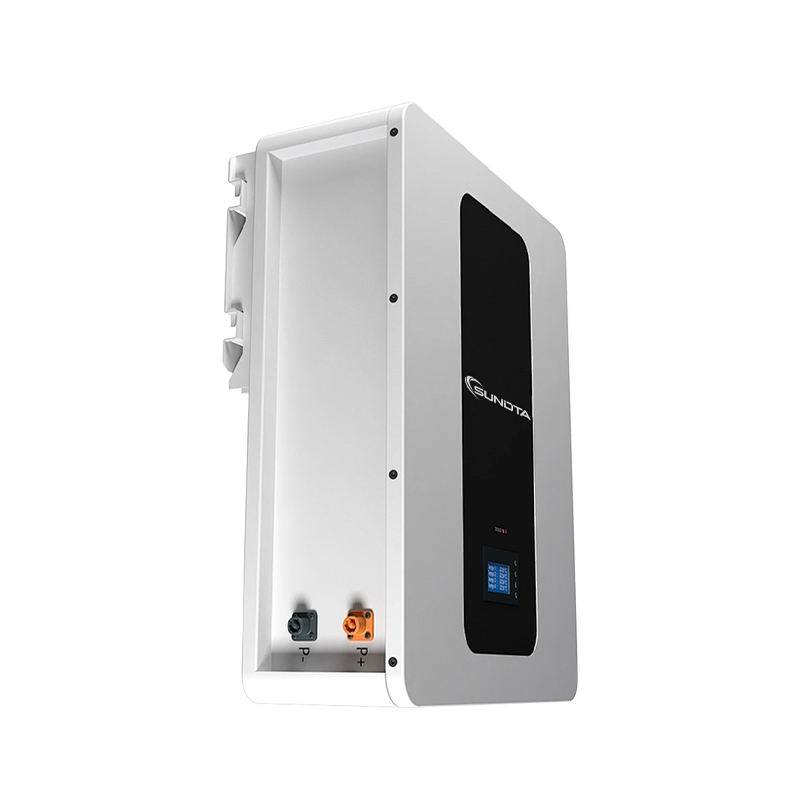
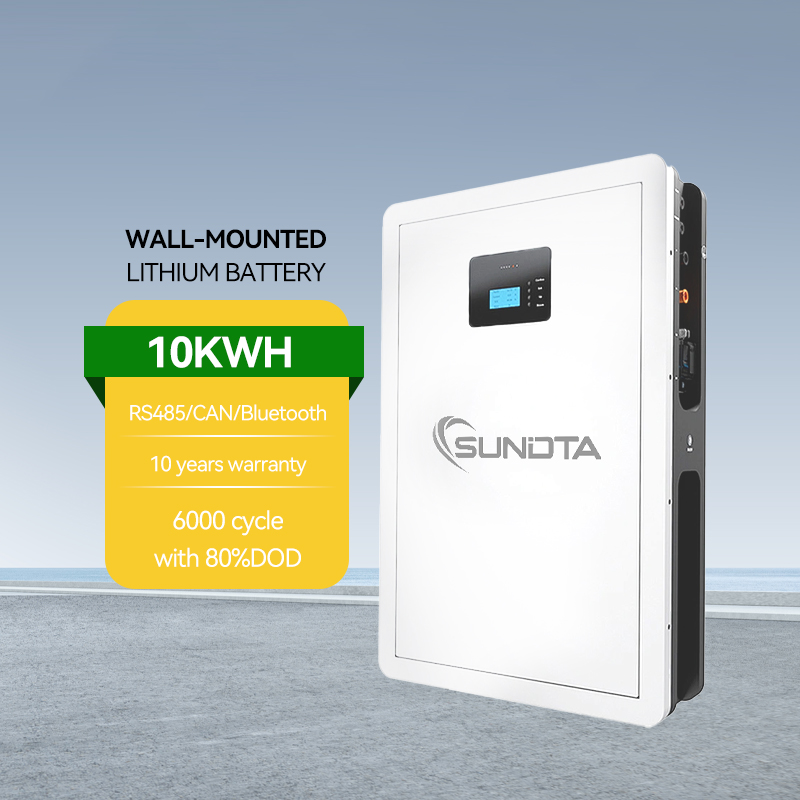
Energy Bank Powerwall 51.2V 314AH 200AH 8KW 10KW Lithium Battery Pack
- Capacity: 15 kWh High-Density LiFePO4
- Rated Power: 8 kW / 10 kW Continuous
- Integrated Smart BMS with CAN/RS485
Procuring an agricultural or industrial solar water pumping system across the greater Bharatpur agricultural corridor requires rigorous engineering evaluation beyond generic retail solar kits. Whether supplying the agrarian plains of Bharatpur in eastern Rajasthan—where acute groundwater depletion, high mineral salinity, and extreme ambient summer temperatures exceeding 47°C prevail—or the fertile alluvial floodplains of Bharatpur in Nepal's Chitwan Valley, system designers face non-negotiable operational stresses. A poorly sized Variable Frequency Drive (VFD), low-efficiency motor laminations, or PID-sensitive solar modules inevitably result in chronic phase undervoltages, dynamic motor tripping during intermittent solar irradiance, and premature pump stator burnout.
To address regional irrigation security, off-grid water lifting demands continuous hydraulic output matching the specific aquifer depth. In this engineering benchmark report, we analyze the top global manufacturers delivering solar pump inverters, high-temperature tolerant solar modules (such as N-Type TOPCon), and hybrid lithium storage infrastructure engineered to guarantee consistent duty cycles across seasonal drawdown peaks.
Engineered for seamless integration with surface, submersible, and centrifugal solar pump inverters. Designed to mitigate peak utility tariffs and provide uninterrupted 24/7 hydraulic pumping autonomy.
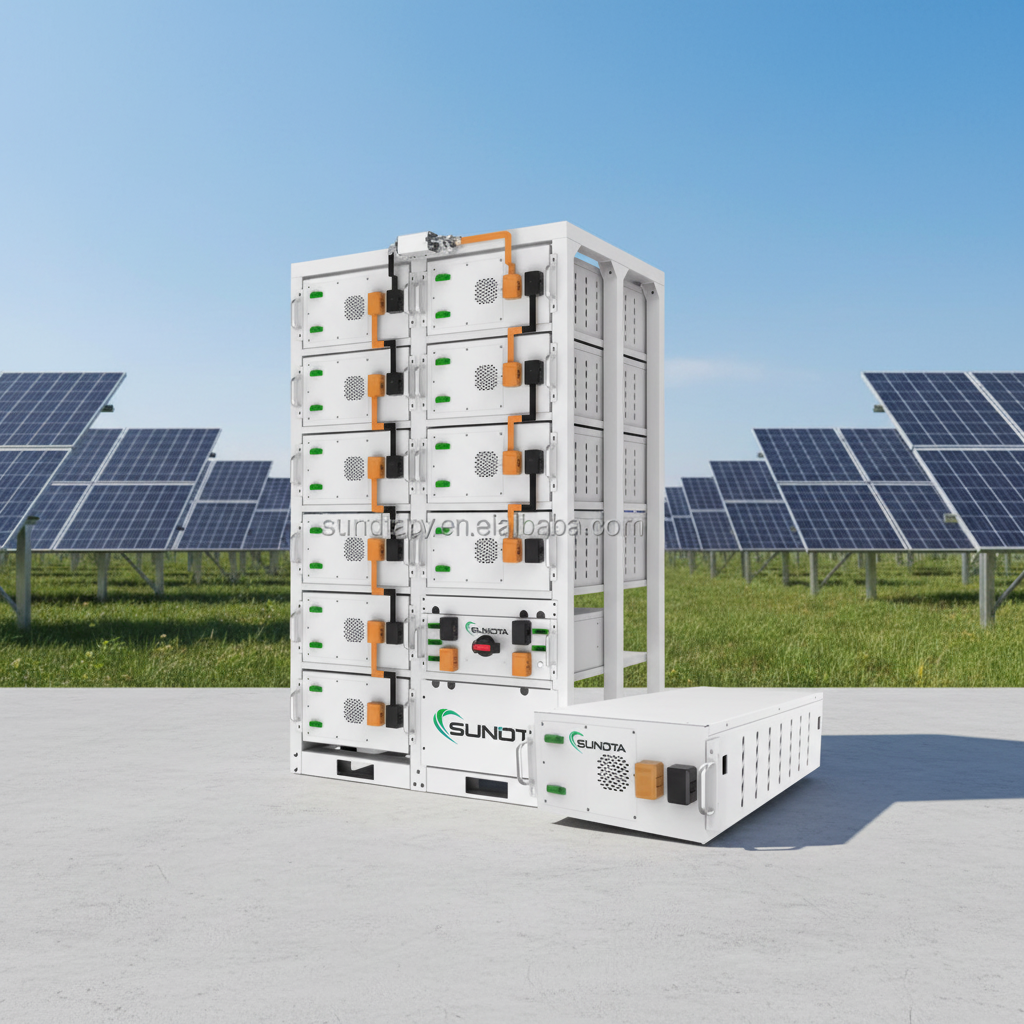
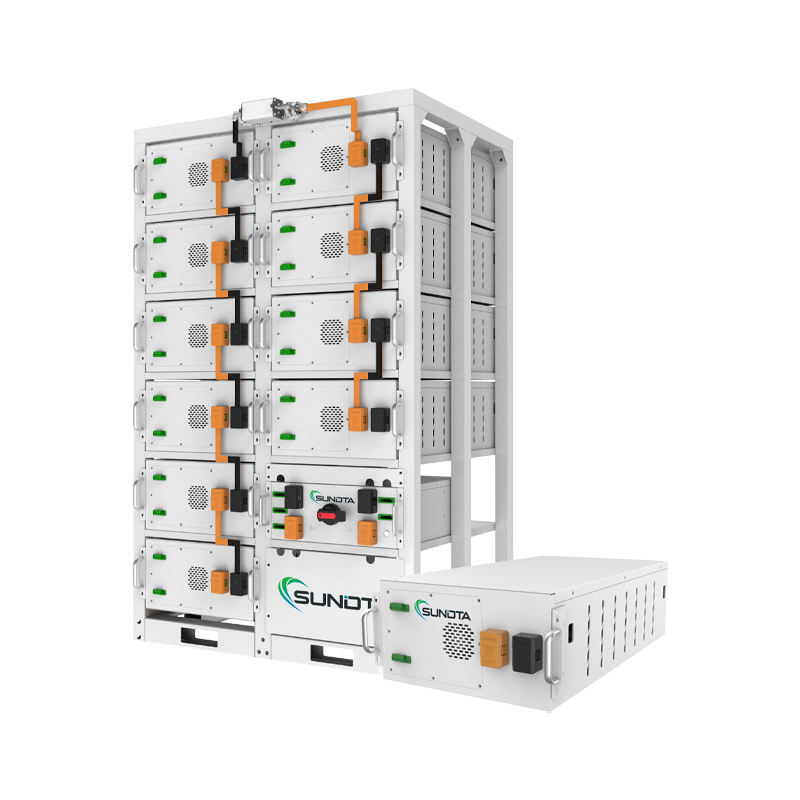
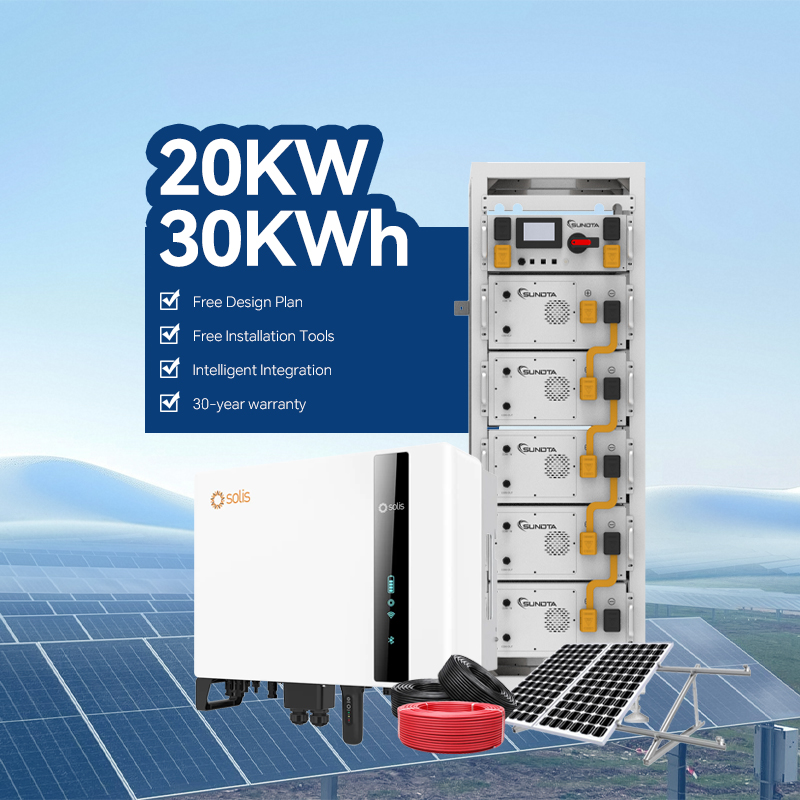
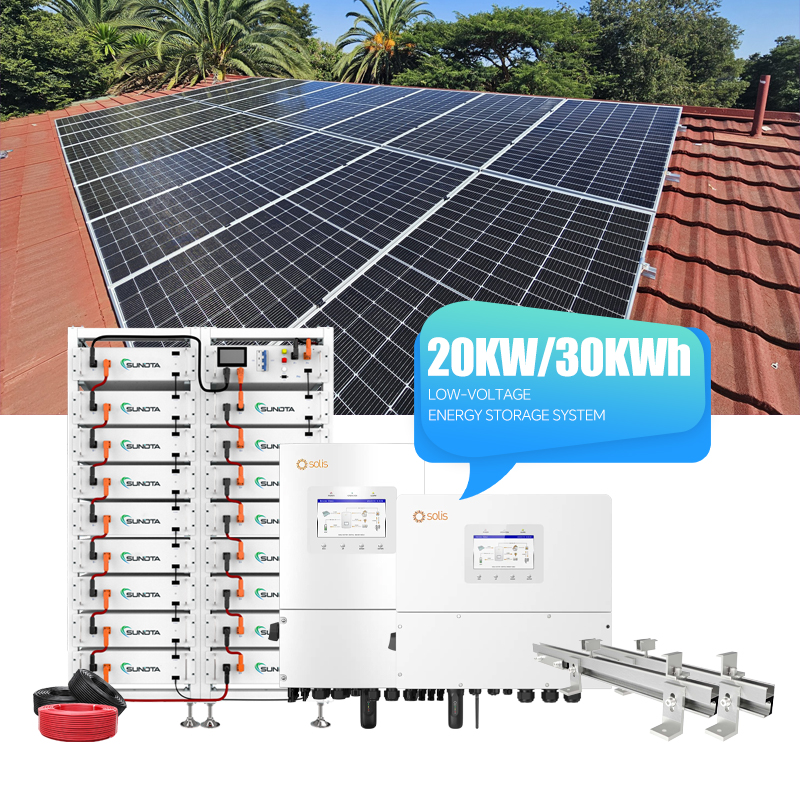
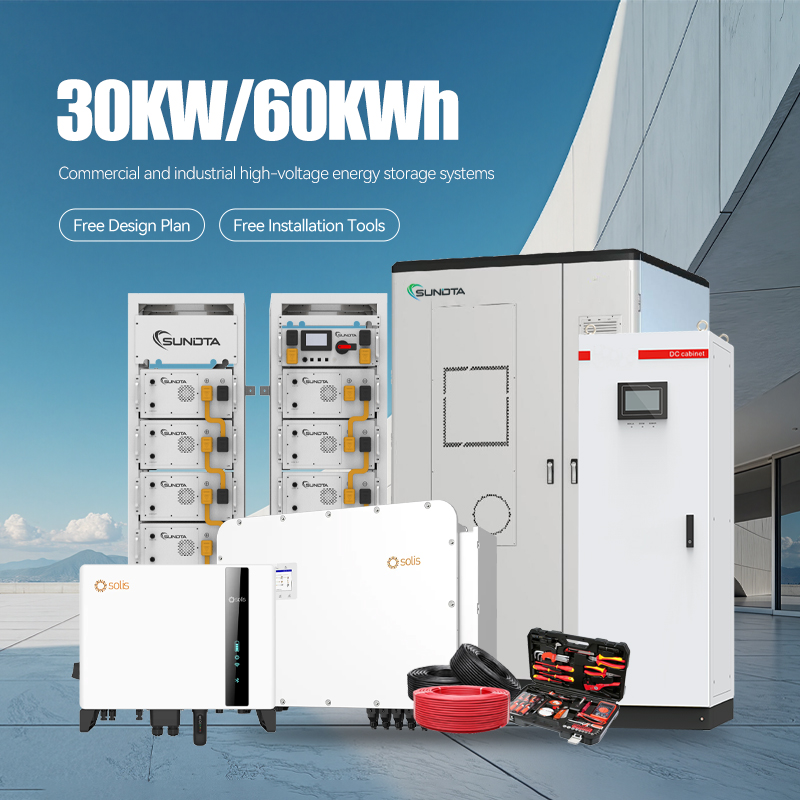
Evaluated by motor drive engineering, MPPT dynamic efficiency, thermal tolerance, and local field service network support.
Headquartered in the global clean-tech innovation hub of Hefei, RJV New Energy stands out for complete, synchronized Bill of Materials (BOM) design. By manufacturing N-Type TOPCon bifacial modules capable of +30% yield gain in reflective dry soils and pairing them with precision IP65 solar pump VFD inverters and rugged LiFePO4 storage cabinets, RJV solves the single biggest bottleneck in Bharatpur: component mismatching and communication failure between PV generation and motor controllers.
A dominant force across the North Indian agricultural belt, Shakti manufactures indigenous stainless steel submersible pumps, helical rotor pumps, and solar surface drives. Highly recognized across Rajasthan for PM-KUSUM project implementations and established service nodes near Bharatpur.
The German engineering pioneer in DC brushless solar water pumping. Lorentz systems (such as the PSk3 series) provide unmatched data logging, remote management via pumpMANAGER, and excellent efficiency for community drinking water projects and precision drip irrigation.
With decades of experience in the Indian fluid handling industry, C.R.I. produces high-performance oil-filled and water-filled motors. Their solar fluid portfolio handles aggressive sandy water conditions found in dry borehole sectors around Bharatpur without catastrophic impellor wear.
Tata Power Solar brings utility-scale EPC discipline to agricultural solar pumping. Their systems incorporate domestically manufactured high-wattage monocrystalline modules and tested inverters, frequently leveraged in large government subsidized irrigation clusters.
Grundfos is globally lauded for the SQFlex and CRFlex renewable pumping solutions. Featuring integrated frequency converters and multi-fuel flexibility (solar, wind, generator), Grundfos products excel in community municipal installations and continuous commercial agro-forestry.
KBL is synonymous with rural water distribution across India. Their solar pump line emphasizes rugged mechanical cast iron and bronze construction designed to withstand fluctuating line pressures, heavy silt runoffs, and frequent dynamic starts under intense solar profiles.
INVT focuses heavily on the intelligence of the solar pump inverter (BPD and GD100-PV series). These drives offer 99% MPPT efficiency, dynamic dry-run protection, and water level detection sensors, allowing Bharatpur solar integrators to source drive electronics and build customized skids.
Operating comprehensive foundries and automated production facilities in Gujarat, Lubi provides direct competition in northern Indian solar pumping bids. They supply 3-inch to 8-inch borewell submersible units with custom solar controllers adapted for regional water tables.
Widely deployed by leading engineering integrators like Anhui RJV New Energy, Deye and Solis hybrid three-phase systems enable agricultural operations to power standard commercial pumps while dynamically drawing from solar PV, utility grid, and backup LiFePO4 batteries without pump disruption.
Tailoring hydraulic design, array orientation, and drive configurations to regional hydrogeology.
In the arid agricultural pockets of Bharatpur (Rajasthan), static water levels often plunge from 60 meters to well beyond 120 meters during the pre-monsoon summer. Systems require multistage centrifugal or progressive cavity pumps operated by variable frequency drives featuring wide DC input windows (350V–750V DC) and advanced anti-dry-run protection to safeguard motor windings against erratic water table recessions.
For cash crops including mustard, wheat, and horticultural nurseries in the Bharatpur belt, flood irrigation causes massive evaporation losses and salt accumulation. Modern solar installations couple solar pumps with booster stations and closed-loop pressure sensors (PID control). This ensures uniform line pressure across extensive micro-drip networks without requiring intermediate diesel booster pumps.
In river-adjacent regions such as the Narayani riverbank bordering Bharatpur, Nepal, shallow water tables and surface canals allow high-discharge, low-head surface solar pumps. High-volume axial or mixed-flow pumps powered by high-efficiency bifacial solar arrays draw massive volumetric discharge (m³/hour) directly into earthen holding ponds and gravity-fed canal outlets with ultra-low kilowatt consumption.
Transitioning from rudimentary DC direct setups to intelligent, hybrid micro-grid architectures.
Historically, solar pumping across Bharatpur was dominated by sub-5 HP DC surface systems vulnerable to motor commutator wear and simple AC inverters that repeatedly stalled during slight cloud transients. Over the last 24 months, four distinct technological transformations have altered procurement standards for commercial farmers, agricultural cooperatives, and water utility contractors:
| Evaluation Factor | Legacy Practice (2018–2021) | Current Engineering Standard (2024–2026) | Impact on Bharatpur Site Operations |
|---|---|---|---|
| PV Module Tech | Polycrystalline (330W) / P-Type PERC | N-Type TOPCon & Bifacial (550W–600W+) | Lower temperature coefficient (-0.30%/°C) preserves yield in extreme 45°C+ summer heat waves. |
| Motor Architecture | Standard 3-Phase AC Induction (IM) | Permanent Magnet Synchronous Motors (PMSM) | 15% to 20% higher electrical-to-hydraulic efficiency, allowing smaller PV arrays for equivalent water output. |
| Inverter Integration | Basic Off-Grid VFD without storage | Hybrid Bi-Directional + LiFePO4 Ready Drives | Enables supplemental nighttime irrigation during off-peak evaporation hours via stored solar battery power. |
| System Protection | Manual reset fuses and thermal breakers | Smart IoT Telemetry + Automatic Dry-Run Sensors | Prevents pump destruction if the water table drops below borehole suction strainers. |
| Grid Interaction | Pure isolated off-grid mode | Net-Metered Grid Feed-in when pumps idle | Transforms the solar pump array into a secondary revenue generator during the non-irrigation seasons. |
Eliminating procurement risks through strict component validation, integrated quality assurance, and direct Hefei manufacturing depth.
Direct technical and commercial answers addressing common installation pitfalls, water table mechanics, and import logistics.