Top 10 Solar PV Modules Factories & Exporters for Rustavi
Whitepaper & Procurement Architecture: Evaluating Tier-Tier Engineering, High-Yield TOPCon/Bifacial Modules, and Turnkey ESS Logistics for Rustavi's Heavy Industrial Transition
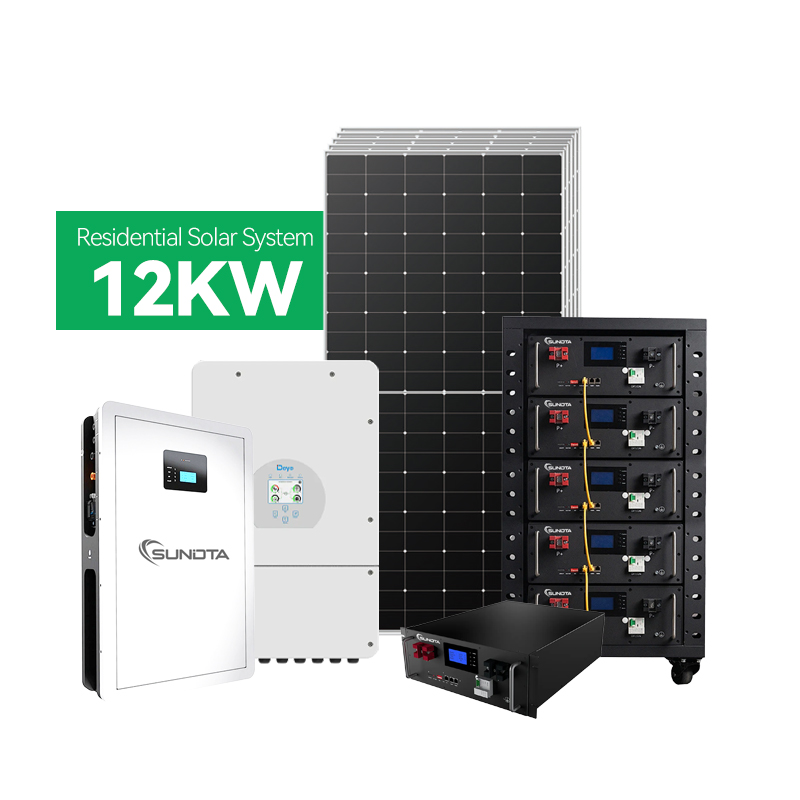
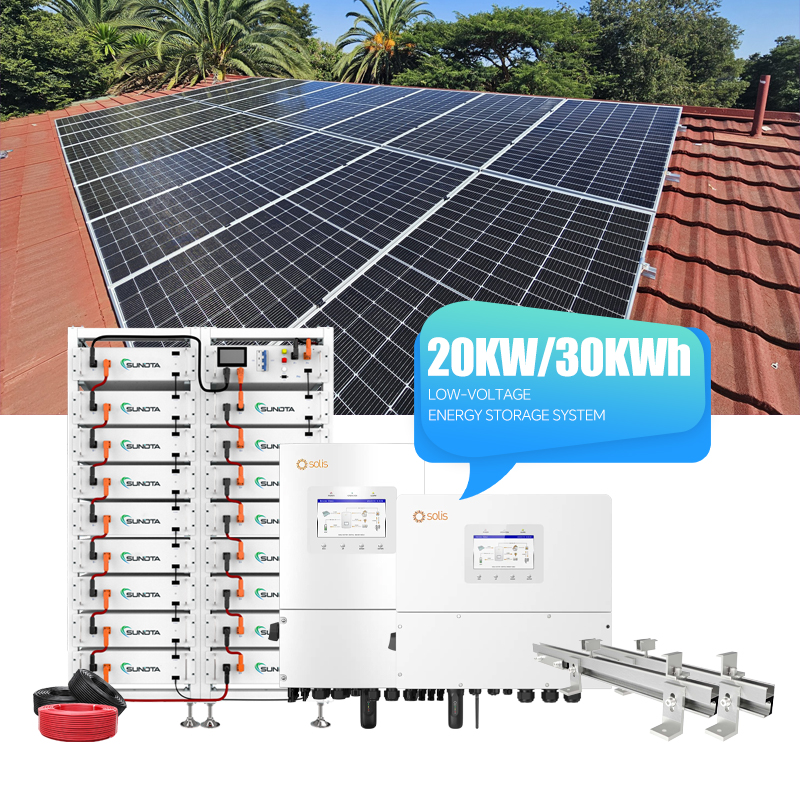
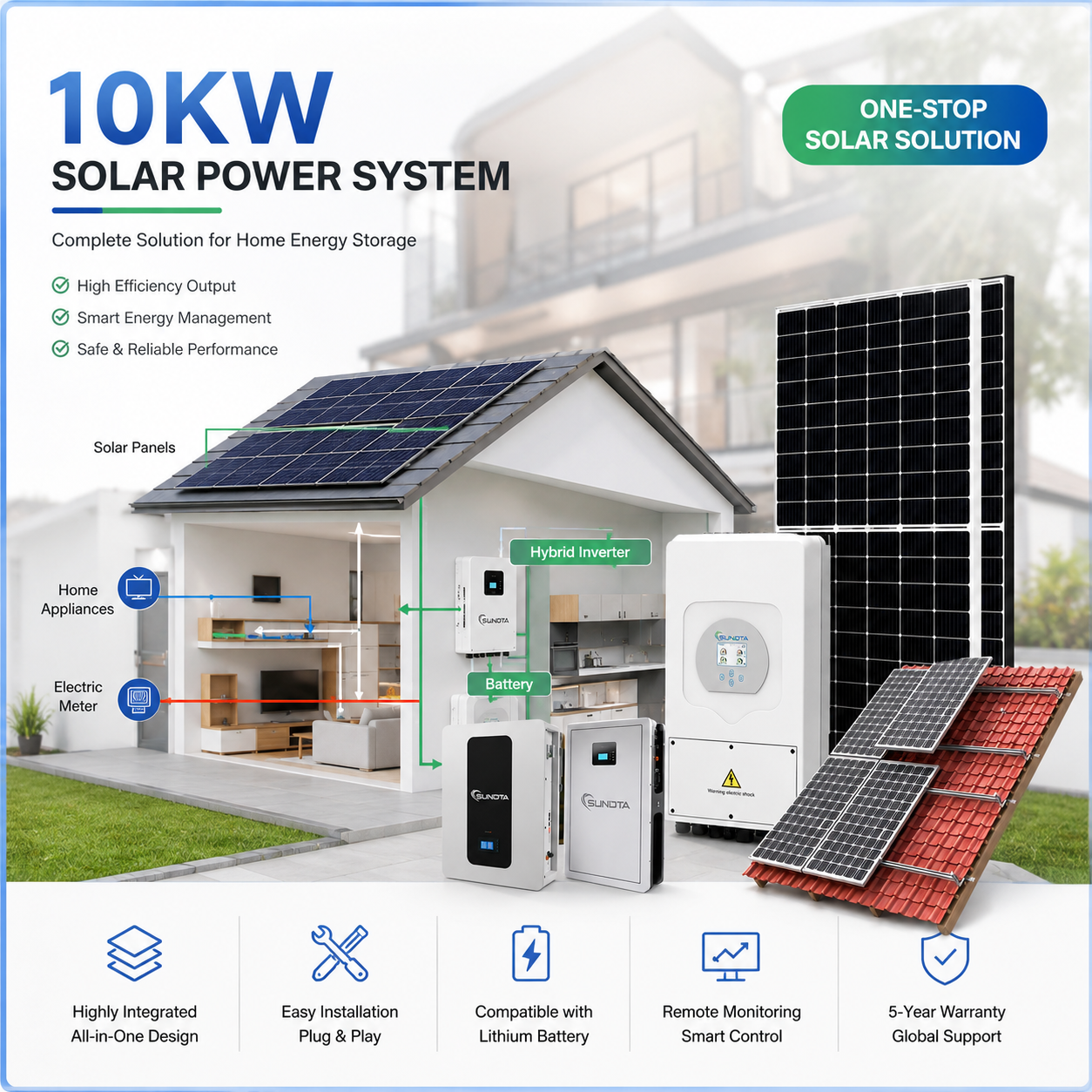
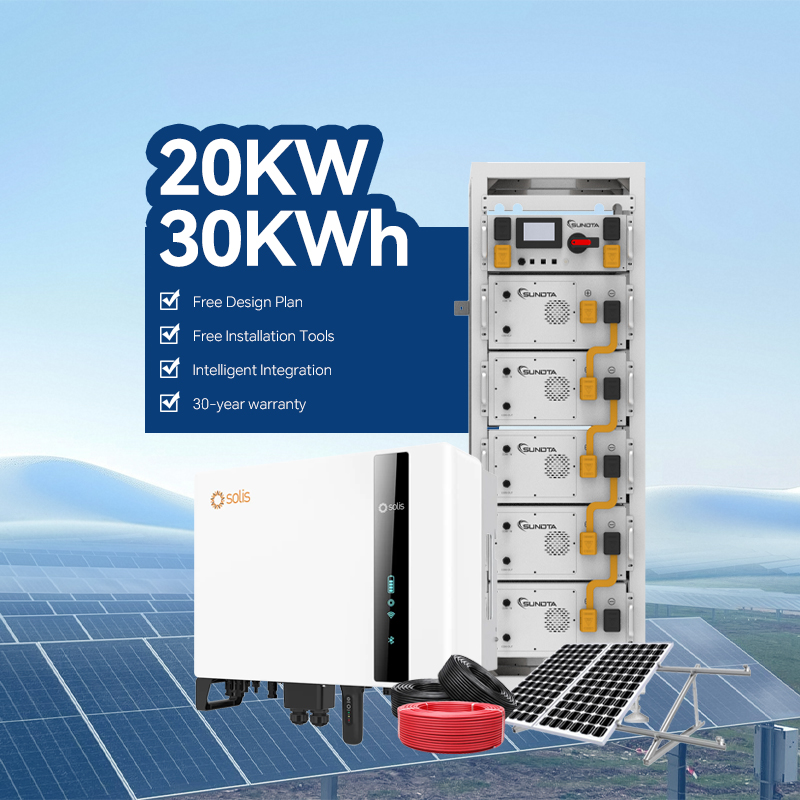
Factory-Engineered Solar & Storage Solutions for Rustavi
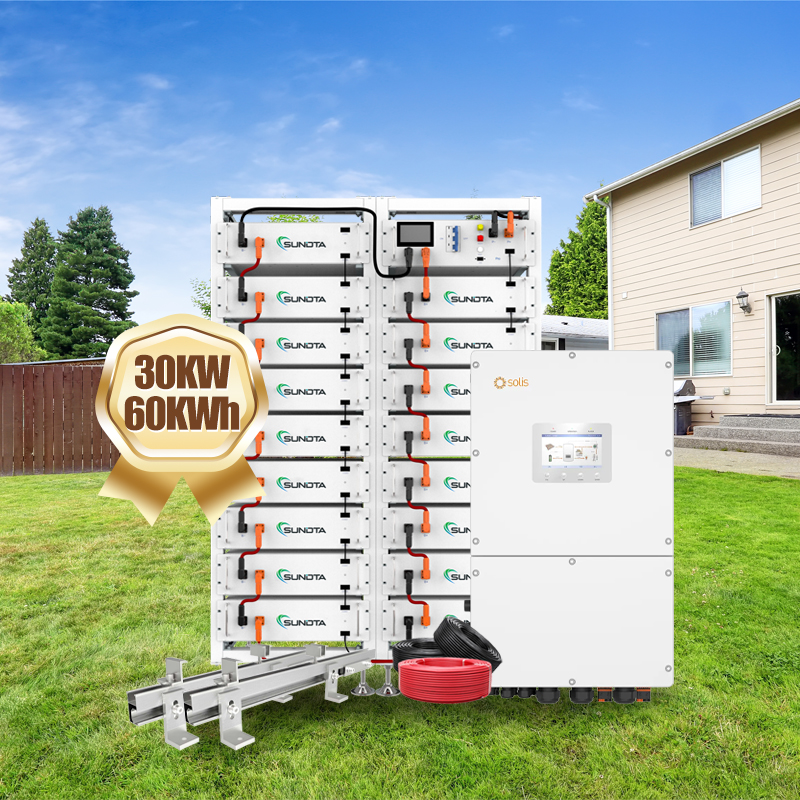
Tier-1 compliant, high-durability monocrystalline TOPCon and bifacial PV lines paired with high-yield hybrid inverters and LiFePO4 battery infrastructure, specifically calibrated for Caucasus industrial climates.
Technical Review: Solar PV Sourcing & Industrial Decarbonization for Rustavi, Georgia
The municipality of Rustavi, situated in the Kvemo Kartli region of eastern Georgia along the Mtkvari River, stands as one of the country's preeminent metallurgical and chemical hubs. Known historically as Georgia’s industrial engine, Rustavi hosts major production installations ranging from metallurgical steelworks, nitrogen fertilizer plants, cement manufacturing operations, and specialized heavy mechanical complexes. Today, under the evolving regulatory umbrella of the Energy Community Treaty and Georgia's progressive commitments to aligning its legislative framework with the European Union (notably the EU Third Energy Package and draft mechanisms modeled on the Carbon Border Adjustment Mechanism, CBAM), Rustavi's industrial enterprises face severe competitive mandates to curb their carbon intensity.
Simultaneously, the geopolitical realities of regional power transmission have pushed commercial operators in Rustavi to mitigate peak electricity tariffs and safeguard critical production lines from fluctuating grid voltage. In this rigorous operating environment, sourcing Tier-1 photovoltaic (PV) modules and completely integrated battery energy storage systems (BESS) is no longer a superficial sustainability gesture—it is an existential procurement strategy designed to secure long-term levelized cost of energy (LCOE) stability.
Solar Resource Metrics & Environmental Factors in the Rustavi Industrial Zone
Rustavi experiences a dry, semi-arid continental steppe climate characterized by intense summer solar irradiance, low mean annual cloud cover, and distinct airborne particulate challenges. Engineering an optimized utility or distributed C&I solar array in Rustavi requires deep understanding of local meteorological parameters:
1. Global Horizontal Irradiance (GHI) and Specific Yield: Rustavi receives an average of roughly 1,450 to 1,620 kWh/m² per annum of Global Horizontal Irradiance, with peak summer months delivering daily specific yields surpassing 5.8 kWh/kWp. This generous solar asset guarantees exceptionally rapid financial amortization—provided the modules are engineered to minimize high-temperature thermal losses.
2. Temperature Coefficients and the Degradation Equation: Rustavi summer ambient temperatures routinely surge past 38°C to 40°C, causing rooftop PV cell temperatures to easily eclipse 65°C. Traditional p-type PERC panels suffer substantial efficiency drops under these thermal spikes due to their higher negative temperature coefficient of Pmax (typically -0.35%/°C to -0.38%/°C). In contrast, modern N-type TOPCon (Tunnel Oxide Passivated Contact) modules boast a superior temperature coefficient of just -0.29%/°C to -0.30%/°C. For an industrial facility in Rustavi with an 800 kW rooftop installation, this delta represents tens of thousands of extra kilowatt-hours generated precisely during peak afternoon tariff periods.
3. Heavy Airborne Particulates, Soiling, and Anti-PID Demands: Rustavi’s active metallurgical foundries and chemical complexes contribute to a high ambient concentration of industrial slag dust, nitrates, and fine sulfurous particulate matter. When combined with localized dew and humidity cycles, airborne particulates adhere to panel surfaces, exacerbating soiling losses and escalating the risk of localized hotspots. Sourcing factories must furnish modules treated with advanced hydrophobic anti-reflective coating (ARC), resilient POE (Polyolefin Elastomer) encapsulation to deter moisture and chemical ingress, and guaranteed Potential-Induced Degradation (PID) resistance meeting strict IEC 62804 protocols.
Engineering Matrix: PV Module Sourcing for Rustavi Climate & Industry
Comparing mainstream cell technologies across primary operational variables encountered in Eastern Georgia's manufacturing districts.
| Technology Metric | N-Type TOPCon Dual-Glass | P-Type PERC Monocrystalline | Heterojunction (HJT) | Recommendation for Rustavi C&I |
|---|---|---|---|---|
| Cell Efficiency Range | 22.5% – 23.4% | 20.8% – 21.6% | 22.8% – 23.8% | TOPCon: Optimal CAPEX-to-efficiency ratio. |
| Pmax Temp. Coefficient | -0.29% / °C to -0.30% / °C | -0.35% / °C to -0.38% / °C | -0.26% / °C | TOPCon / HJT: Mitigates summer thermal clipping. |
| Bifaciality Factor | 80% ± 5% | 70% ± 5% | 85% – 90% | TOPCon: High rear gain on gravel / reflective roofs. |
| First Year Degradation | ≤ 1.0% | ≤ 2.0% | ≤ 1.0% | TOPCon: Zero Light-Induced Degradation (LID). |
| Chemical / Slag Resistance | Exceptional (Dual 2.0mm Glass + POE) | Moderate (Backsheet vulnerability) | High (Dual Glass) | Dual-Glass TOPCon: Mandatory near chemical works. |
Localized Solar Applications in the Rustavi Ecosystem
Addressing real-world commercial realities, heavy industrial loads, and residential distributed networks.
Metallurgical & Heavy Chemical Roof Arrays
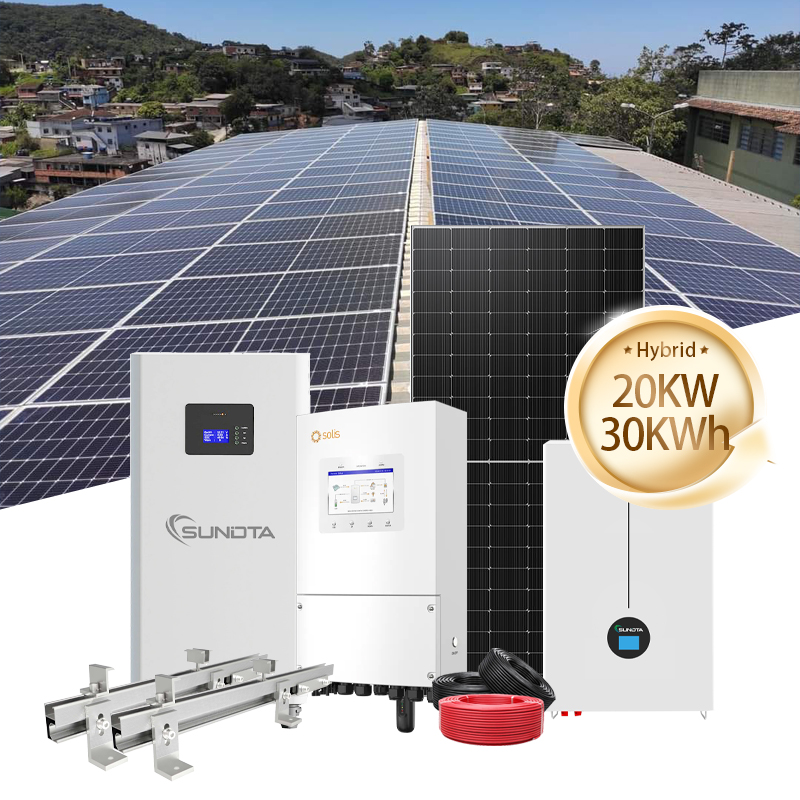
Rustavi's extensive corrugated steel and concrete roof spans over chemical workshops and cold-rolling mills demand lightweight, high-yield dual-glass modules. Utilizing three-phase hybrid inverters (e.g., 50kW to 125kW Solis/Deye architectures), these systems run zero-export or peak-shaving routines to lower maximum demand charges imposed by Energo-Pro Georgia.
Logistics & Free Industrial Zone (FIZ) Microgrids
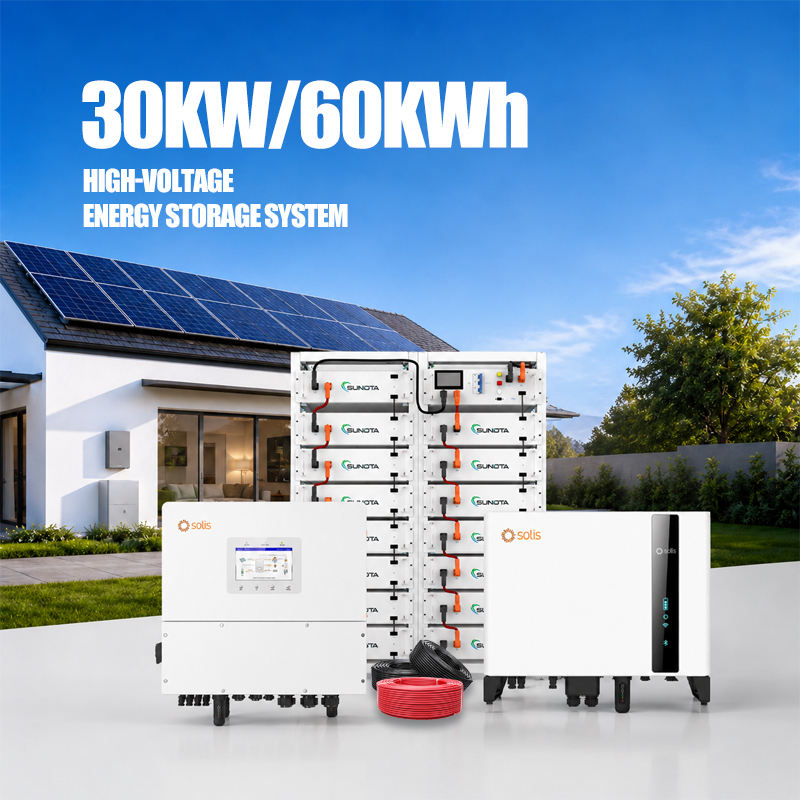
The expansion of modern warehousing, dry ports, and automotive transit lots near Rustavi connects seamlessly with modular commercial BESS units. Containerized 1–2 MWh LiFePO4 batteries coupled with bifacial PV canopies over logistics hubs deliver uninterrupted 400V power to cold-storage and EV fleet chargers.
Distributed Residential & Suburb Self-Consumption
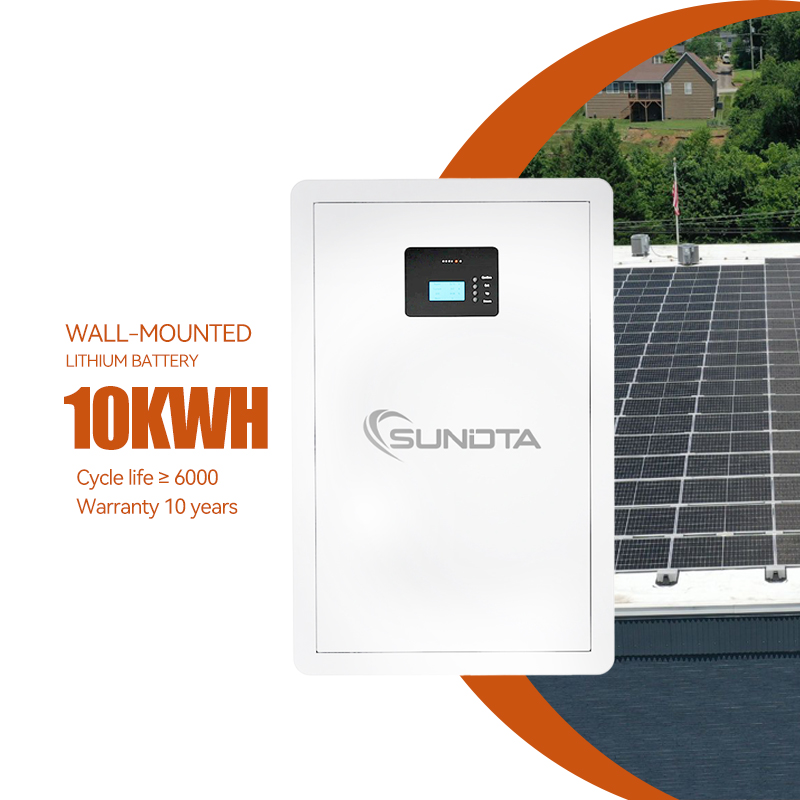
In residential pockets along the Old and New Rustavi quarters, homeowners face regional grid maintenance outages and seasonal cost hikes. Compact 5kW to 15kW all-black monocrystalline systems paired with 10kWh to 20kWh wall-mounted LiFePO4 units grant complete household energy autonomy with micro-second UPS cutover.
Macro Trends Driving Solar Adoption in Rustavi
Several transformative legislative and economic currents are reshaping how energy is procured in Rustavi:
1. Net Metering Regulation Refinements: The Georgian National Energy and Water Supply Regulatory Commission (GNERC) has progressively streamlined the regulatory gateway for distributed generation up to 500 kW. Commercial and industrial entities in Rustavi can now offset seasonal billing through bi-directional grid meters, accelerating capital expenditure payback periods to under 4.5 years for high-yield installations.
2. Grid Independence & Power Quality Stabilization: The concentration of massive arc furnaces and induction machinery in Rustavi triggers frequent voltage dips and reactive power turbulence in the local sub-transmission network. Smart hybrid inverters featuring advanced reactive power compensation (cos phi adjustment) and low-voltage ride-through (LVRT) capabilities are rapidly replacing standard grid-tie string units.
3. Decarbonization Mandates for Caucasian Exports: Rustavi exporters serving European and international markets face stringent carbon accounting. Direct integration of verified renewable kilowatt-hours into production inventories is the most transparent, audited pathway to preserve export duty exemptions and qualify for Green Factory designations under international ISO 14064 criteria.
Strategic Manufacturing Partner: Anhui RJV New Energy Co., Ltd.
Operating from state-of-the-art automated manufacturing facilities in Hefei, Anhui, China, RJV New Energy delivers end-to-end solar PV modules, hybrid power inverters, and utility-scale LiFePO4 battery storage to global engineering, procurement, and construction (EPC) contractors.
With 12+ years of research and production lineage, our lines maintain rigorous 38-point factory flash and electroluminescence (EL) testing, ensuring zero microcracks or busbar misalignment before dispatch to Caucasus transit routes via Poti or Batumi ports.
Frequently Asked Questions by Rustavi Importers & EPCs
Addressing regulatory customs, electrical compatibility, and freight logistics for solar hardware arriving in Georgia.
What are the key technical standards required for grid connection in Georgia?
Under GNERC guidelines and Energo-Pro Georgia grid codes, inverters must possess CE marking, comply with EN 50549-1 or IEC 62109 safety standards, and incorporate programmable frequency/voltage ride-through thresholds. Solar modules must hold current IEC 61215 (design qualification) and IEC 61730 (safety qualification) certifications, which RJV ships standard with every commercial container.
How do the dry, windy conditions of Rustavi influence module structural mounting?
Rustavi regularly experiences high seasonal wind gusts funneling through the Mtkvari river corridor, combined with occasional winter wet snow loads. Solar modules must be rated for at least 2400 Pa wind load on the rear side and 5400 Pa mechanical snow load on the front side. RJV modules feature 35mm anodized aluminum alloy frames with reinforced corner brackets that integrate reliably with standard galvanized steel and aluminum mounting rails.
What is the optimum shipping route and transit duration from China to Rustavi?
Standard ocean freight containers depart major eastern Chinese ports (Ningbo/Shanghai) arriving at the Black Sea container terminals of Poti or Batumi within 30 to 40 days. From Poti/Batumi, cargo travels directly by rail or bonded container trucks along the E60 highway to the Rustavi customs terminal (Tbilisi/Rustavi clearance point) within 24 to 48 hours.
Are Chinese-manufactured LiFePO4 batteries and inverters pre-configured for Georgian grid voltages?
Yes. Georgia operates on a standard 230V single-phase / 400V three-phase 50Hz grid architecture. RJV’s Deye and Solis hybrid inverters, as well as our integrated BESS power conversion systems (PCS), are pre-parameterized for European/Caucasian standard voltages. Battery management systems (BMS) utilize CAN 2.0B / RS485 communication protocols for closed-loop, plug-and-play synchronization with the inverters.
How does RJV assist Rustavi project developers with engineering and warranty documentation?
Our Hefei engineering team provides string sizing calculators, complete CAD single-line diagrams (SLD), flash test report data files for each individual panel serialized in the container, and direct remote engineering assistance for commissioning. All modules carry a 12 to 15-year product workmanship warranty and a 30-year linear performance warranty.
Engineered Solar Sourcing for Industrial Rustavi
Whether you are designing a multi-megawatt factory rooftop array, an off-grid agricultural system, or a containerized ESS microgrid, get verified factory-direct pricing and technical BOM validation from our engineering desk.