Residential Hybrid
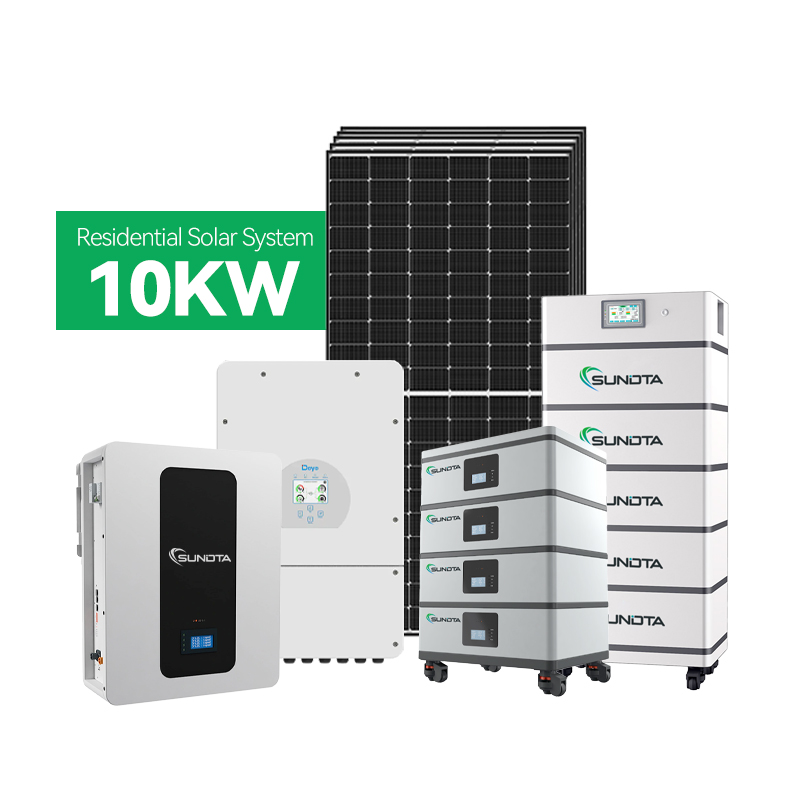
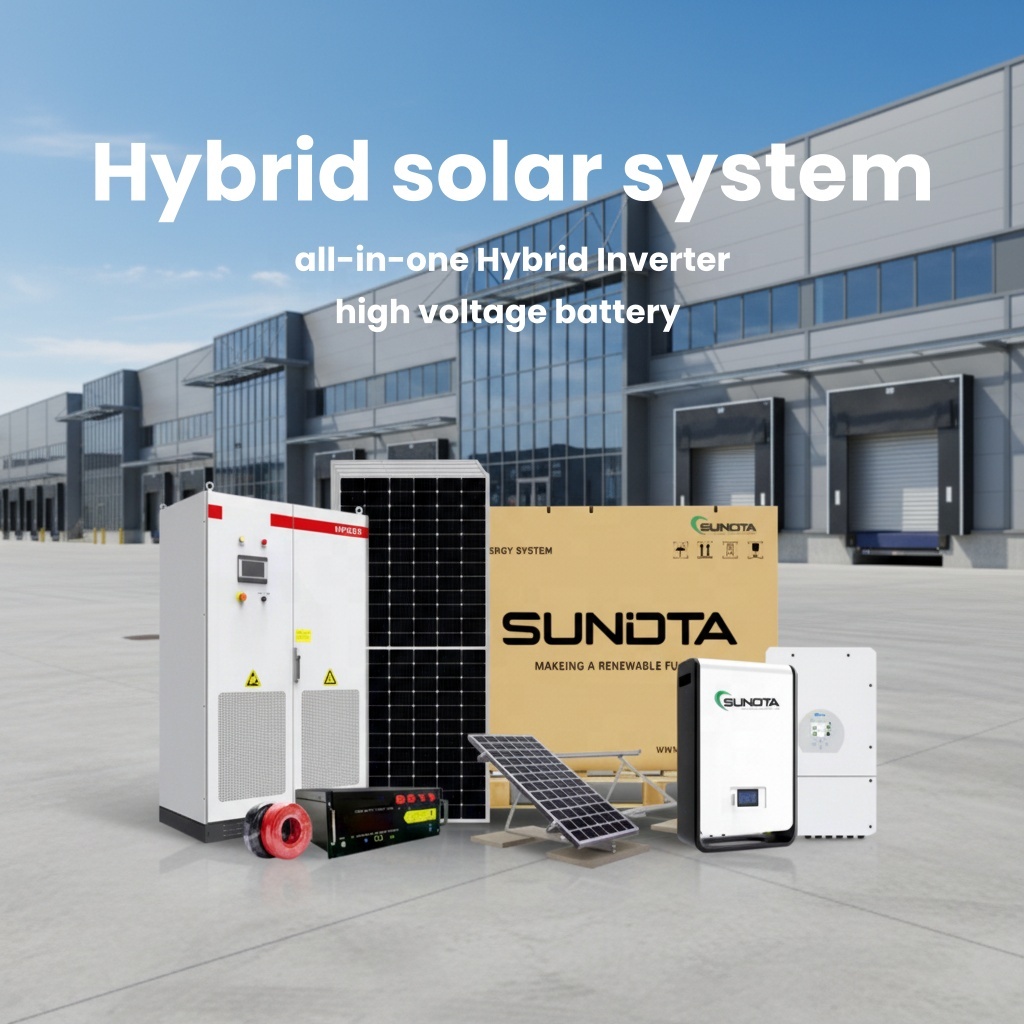
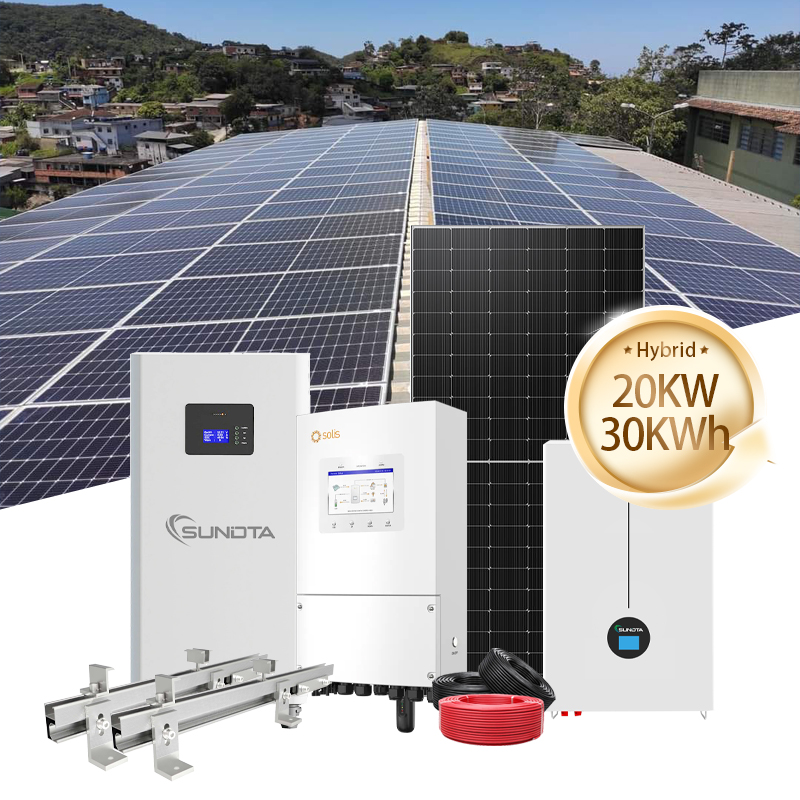
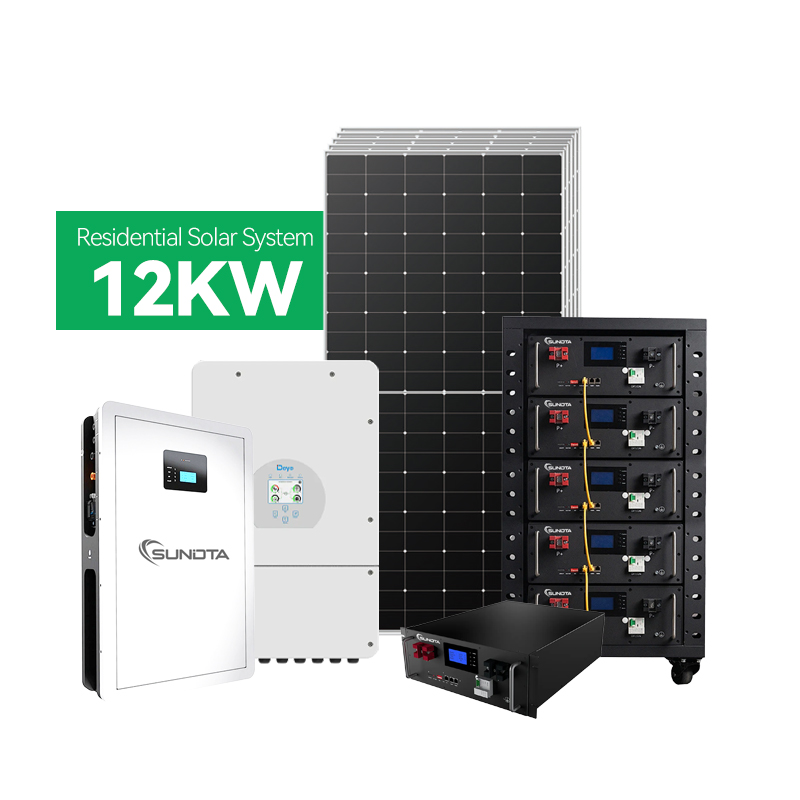
2026 Sundta Low Price 10KW 12KW Hybrid Solar System with LiFePO4 & Smart BMS
- Dual MPPT tracker architecture
- 51.2V low-voltage battery safety
- High-surge inductive load capability
Direct B2B procurement of high-density battery storage, hybrid MPPT inverters, and high-yield turnkey solar systems pre-configured for Pacific Northwest residential and light commercial loads.
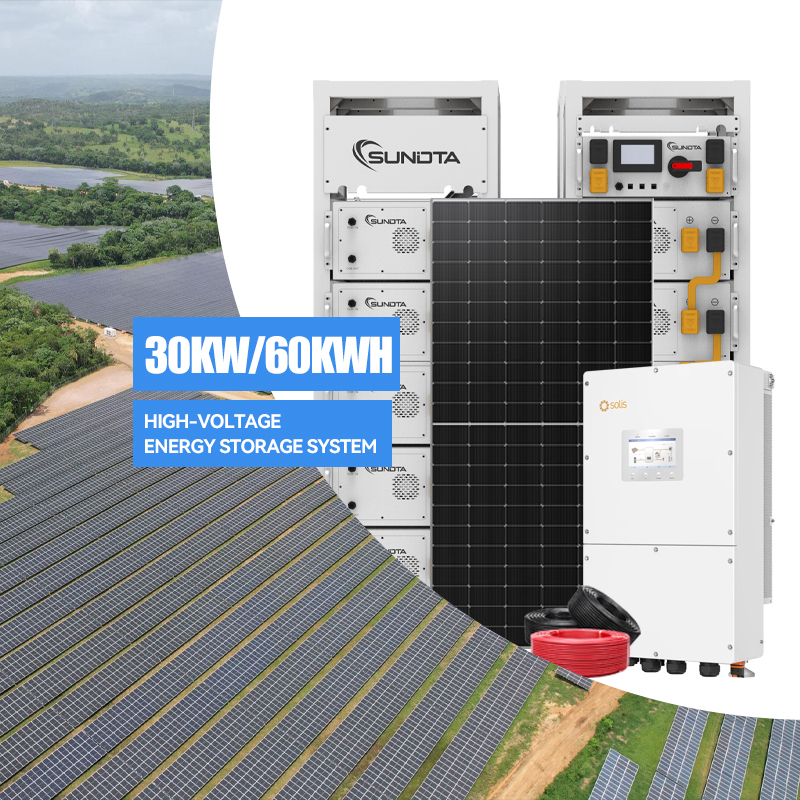
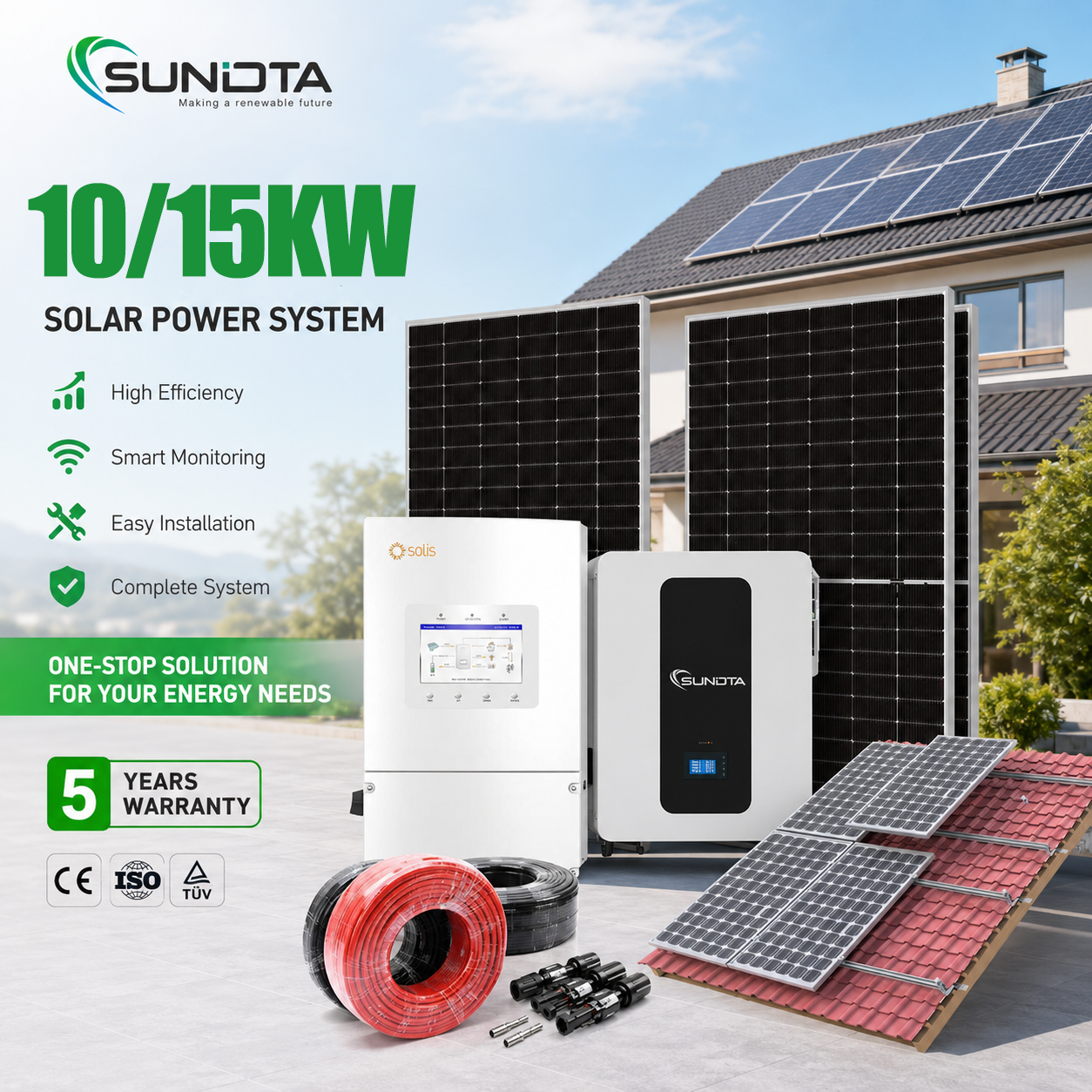
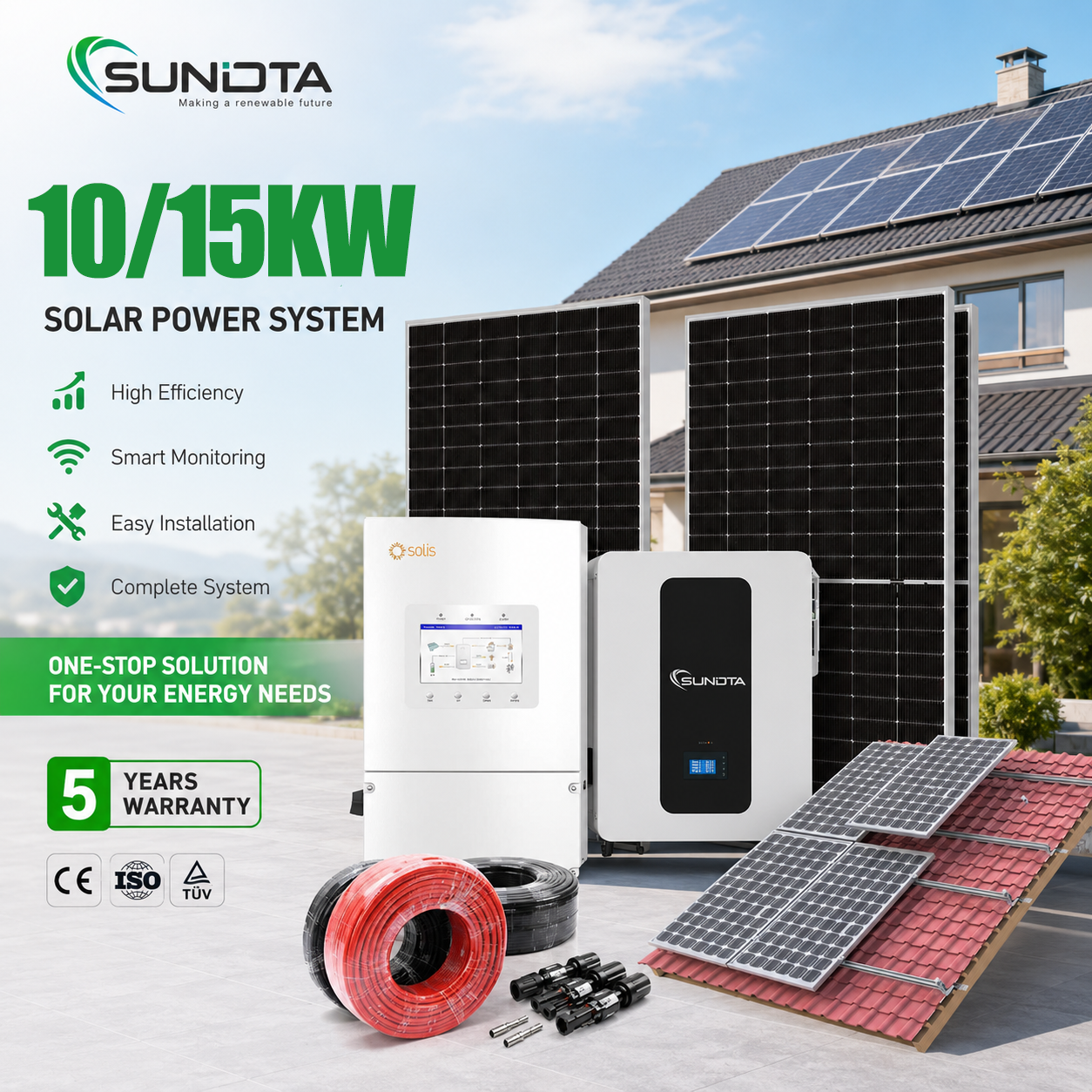
Balcony solar systems (Balkonkraftwerk) installed in King County face distinct operational criteria compared to traditional sunbelt ground or roof arrays. Our manufacturing process isolates three critical failure points.
Seattle averages only ~152 sunny days per year. Standard PERC cells suffer high recombination losses under low lux. RJV utilizes advanced N-Type TOPCon cells offering a lower temperature coefficient (-0.30%/°C) and superior weak-light responsiveness (spectral response down to 380nm), capturing up to 14.8% more ambient diffuse radiation reflected from clouds and water bodies.
Balcony railings along Elliott Bay, Queen Anne, and Alki Beach endure saline marine humidity and severe autumnal wind gusts. Our balcony solar structural mounting fixtures utilize extruded AL6005-T5 anodized aluminum (≥15µm coating) and 316 stainless steel fasteners, engineered to withstand ASCE 7-22 wind load criteria up to 115 mph at 200+ feet building elevations.
Meeting Seattle City Light Interconnection Standards requires UL 1741-SB compliance and rapid voltage attenuation under NEC 690.12. Our micro-inverter integrated packages automatically isolate power output within 15 milliseconds of grid disconnection or ground-fault detection, preventing line worker backfeed hazard without requiring expensive external balance of systems.
Customized structural and electrical specifications engineered for the distinctive urban architecture and housing typologies found across King and Pierce counties.
Vertical balcony-railing clip designs engineered for condo balconies. Lightweight 430W all-black frameless glass-glass panels that eliminate glare restrictions, minimize structural deadweight, and comply with strict HOA aesthetic covenants.
Multi-story row homes often feature restricted roof deck space due to HVAC units. Railing-mounted modular arrays integrated with 10kWh stackable LiFePO4 batteries allow homeowners to offset Tier-2 SCL electric rates and power Level-2 EV charging runs.
Specialized IP67 waterproof junction boxes and marine-grade anti-leaking cable harnesses designed for houseboats and maritime structures, providing off-grid battery autonomy during winter storm wind events and grid outages.
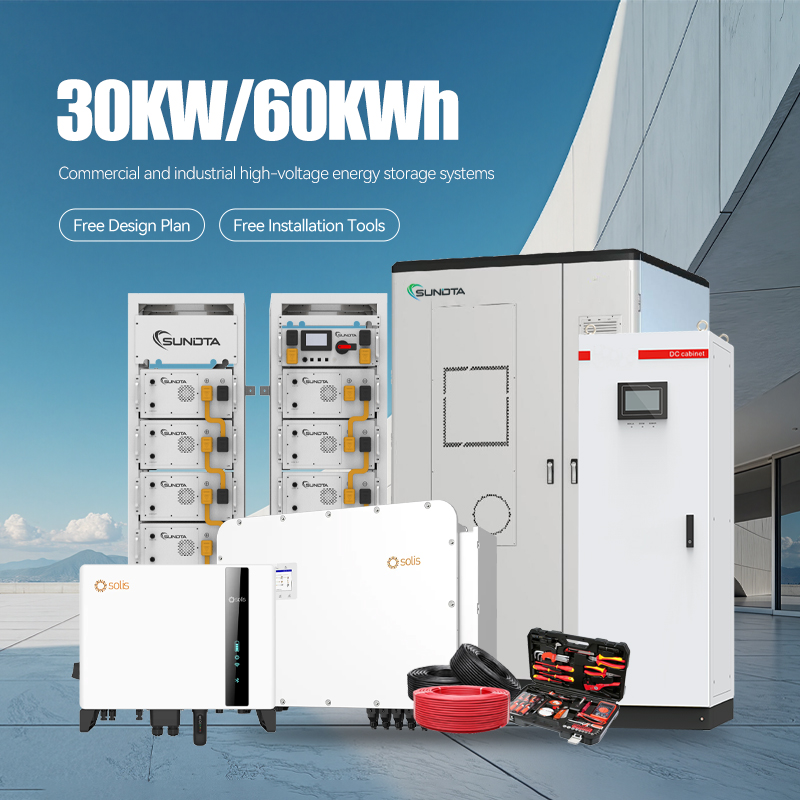
Hybrid high-voltage 20kW–50kW battery cabinets tied to terrace balcony and patio arrays. Capable of handling central heat pump heat strips and sub-panel backup during Cascade foothills snowstorm disruptions.
A strategic comparison of evolving electrical codes, clean energy mandates, and procurement compliance targets shaping Seattle solar contractors through 2026 and beyond.
| Regulatory Code / Policy Mechanism | Primary Jurisdiction | Technical Mandate / Benchmark | RJV Engineering Compliance | Compliance Status |
|---|---|---|---|---|
| Clean Energy Transformation Act (CETA) | State of Washington | 100% clean electricity by 2045; zero-coal by 2025 across investor & public utilities. | Supports utility peak shaving through automated TOU discharge algorithms. | Active Mandate |
| Seattle City Light (SCL) Net Metering | Greater Seattle Utility Area | Standard bi-directional credit under RCW 80.60. Interconnection limit up to 100kW per meter. | Zero-export limitation modes or SCL-compatible anti-islanding inverters. | Supported |
| SDCI Tip 312 Rooftop & Balcony Safety | City of Seattle | Seismic restraint category D2 & uplift resistance on elevated exterior balustrades. | Certified structural calculations and high-tensile clamp assemblies. | Required for Permitting |
| UL 9540 / UL 9540A Battery Safety | National Fire Protection (NFPA 855) | Thermal runaway fire propagation containment for indoor and balcony-adjacent storage. | Aerosol fire suppression and non-combustible cell separator chemistry. | Certified Cell Grade |
Direct supply from Anhui RJV New Energy Co., Ltd. eliminates intermediate trading markups, guarantees matched component protocols, and gives US distributors direct access to tier-1 manufacturing depth.
Operating a 2GW automated module production line in Hefei, Anhui, with stringent EL electroluminescence testing to eliminate micro-cracks before packing.
Our operations have undergone exhaustive on-site supplier verification by TÜV Rheinland. We carry CE, IEC 61215, IEC 61730, and UN38.3 certifications.
Custom firmware matches our 51.2V and high-voltage lithium storage with Deye and Solis hybrid inverters via pre-configured CAN and RS485 channels.
Our dedicated electrical and mechanical engineering teams assist Seattle EPCs with custom single-line diagrams (SLDs), stamped calculation packets, and firmware updates.
Direct answers to typical questions asked by Washington State solar distributors, general contractors, and electrical wholesalers.
Collaborate directly with our engineering team to design custom balcony systems, calculate load autonomy, or request container-level wholesale pricing for Puget Sound clean energy projects.