Marine-Grade Photovoltaic Systems & Storage Solutions
Engineered to withstand rigorous maritime corrosion, UV-degradation, and fluctuating Caribbean loads. Explore our export-grade marine certified configurations.
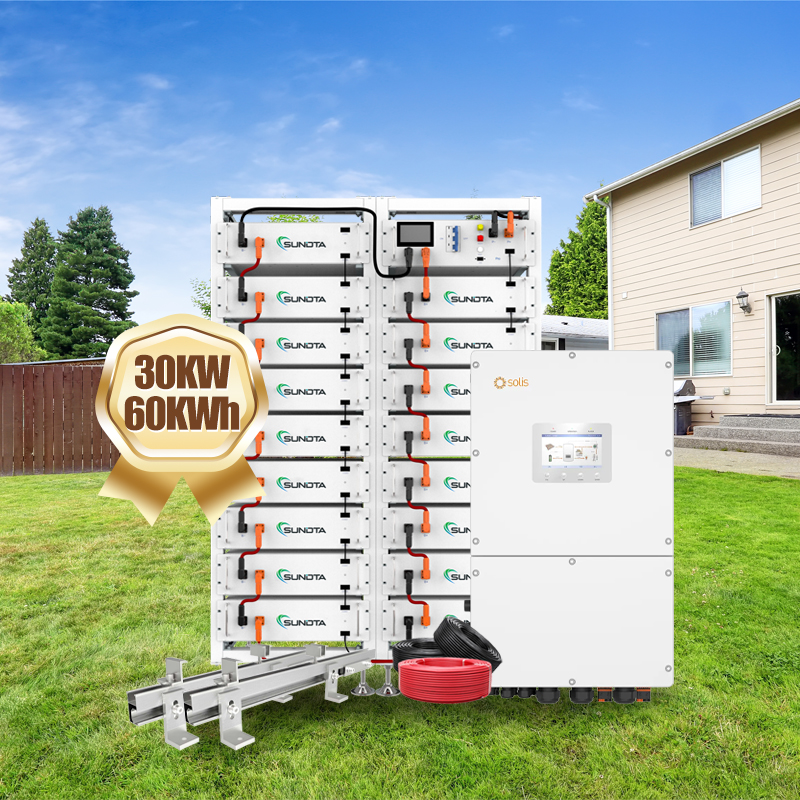
- EU Certified IP65 Hybrid Inverter
- Dual MPPT Marine Dock Optimization
- Zero Grid Injection Compliant
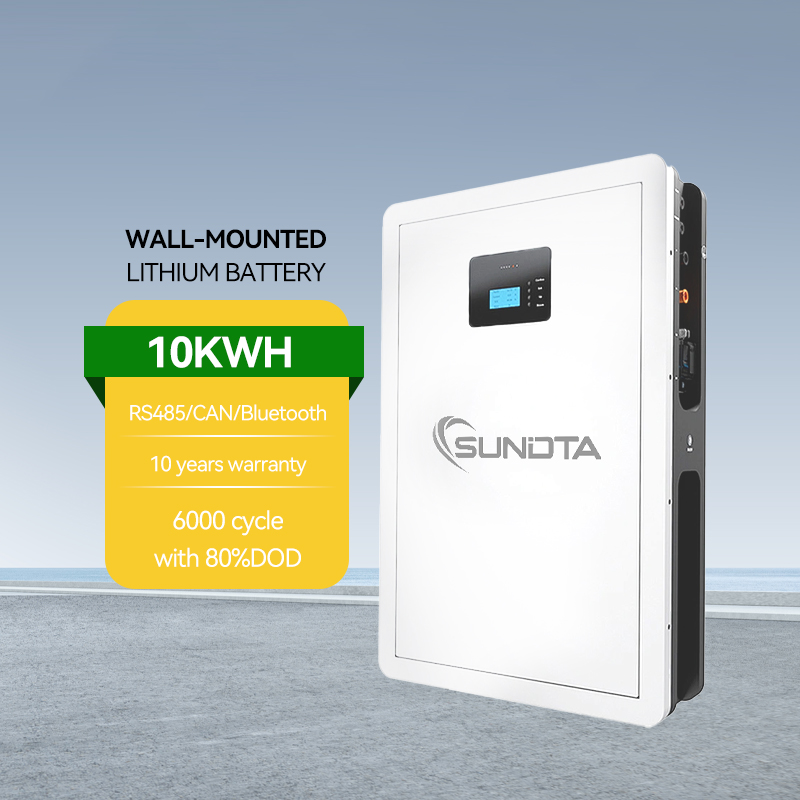
- Prismatic A-Grade Marine Cells
- Integrated Smart CAN/RS485 BMS
- 6,000+ Deep Cycles @ 80% DoD
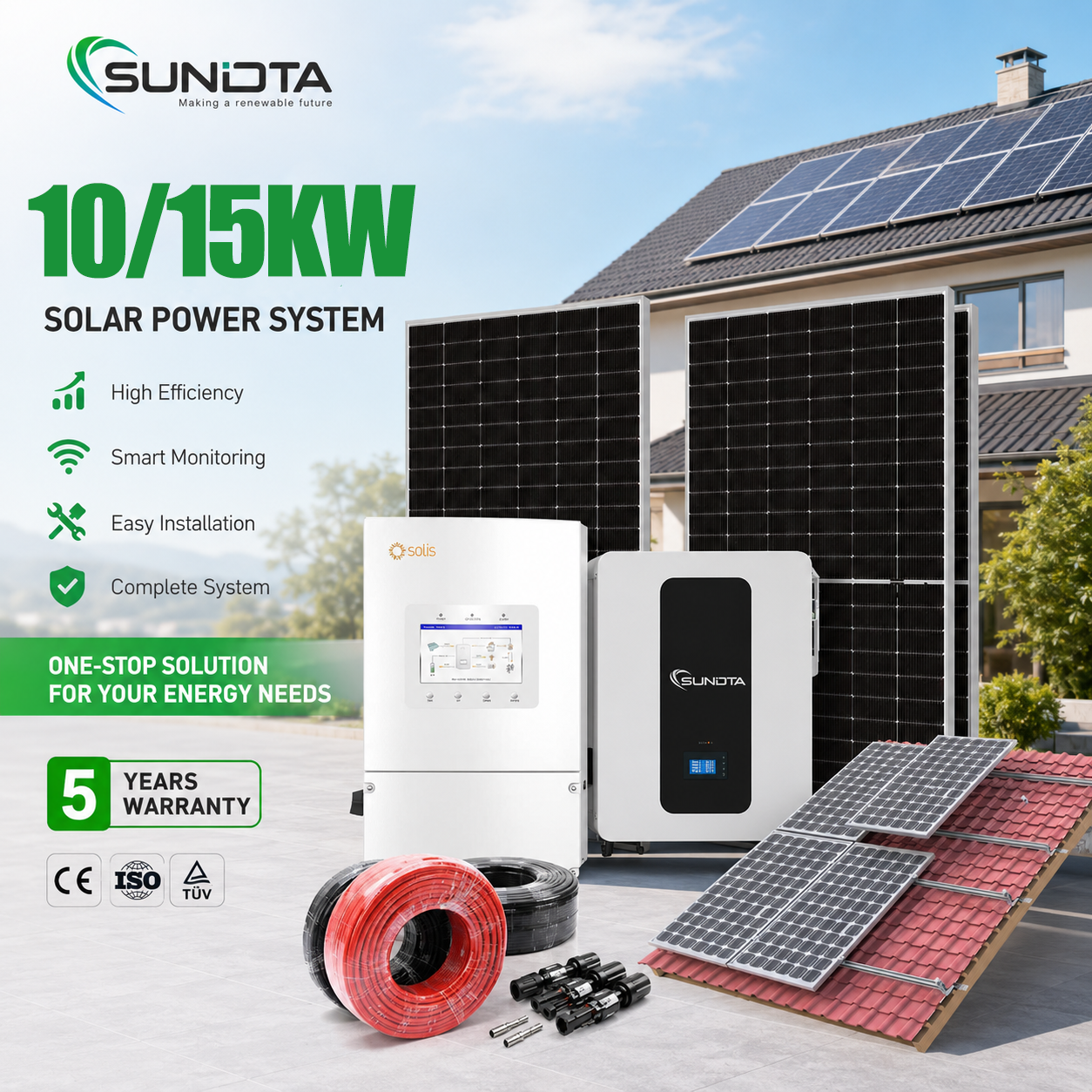
- High-Efficiency N-Type Modules
- Seamless Marine Transfer < 10ms
- Anti-Corrosion Anodized Framing
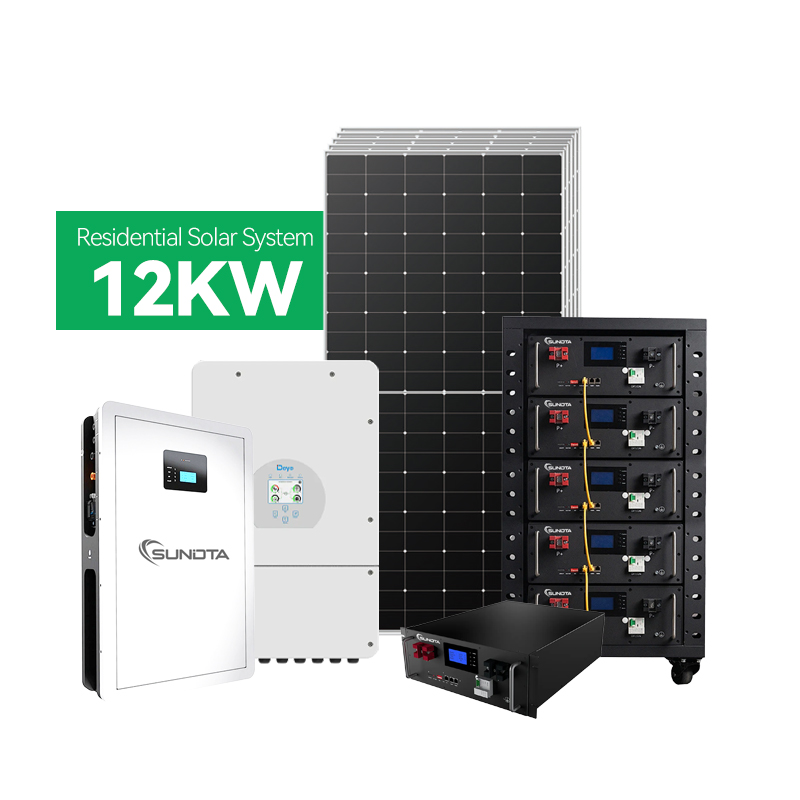
- Dual Glass Bifacial High-Gain Cells
- High Continuous Surge Rating
- Tropicalized Inverter Heat Dissipation
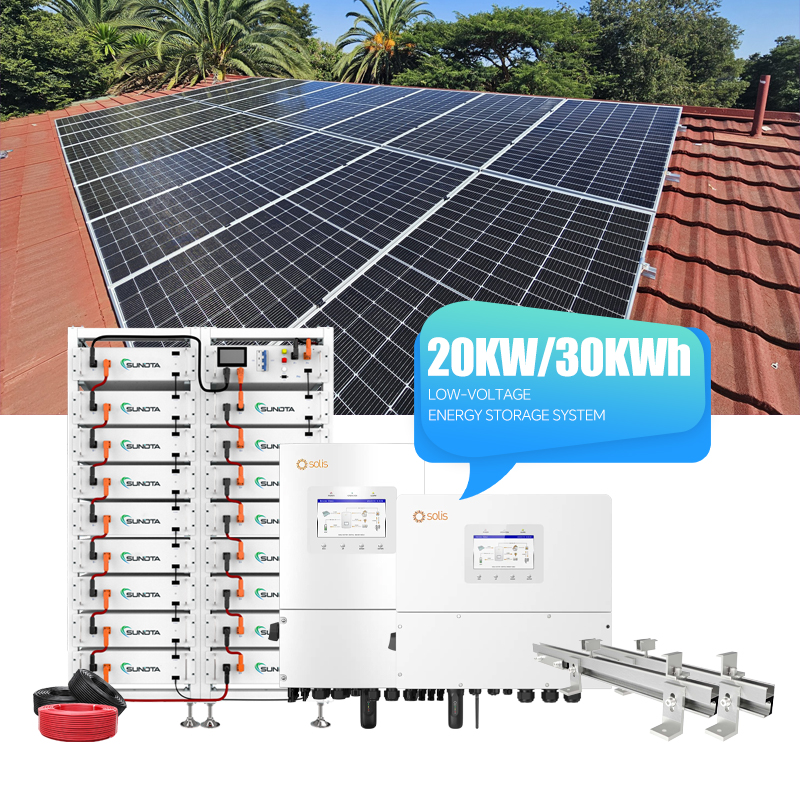
- Parallel Stackable Multi-Inverters
- Resort & Boatyard Scalability
- Full Cable & Breaker Kit Included
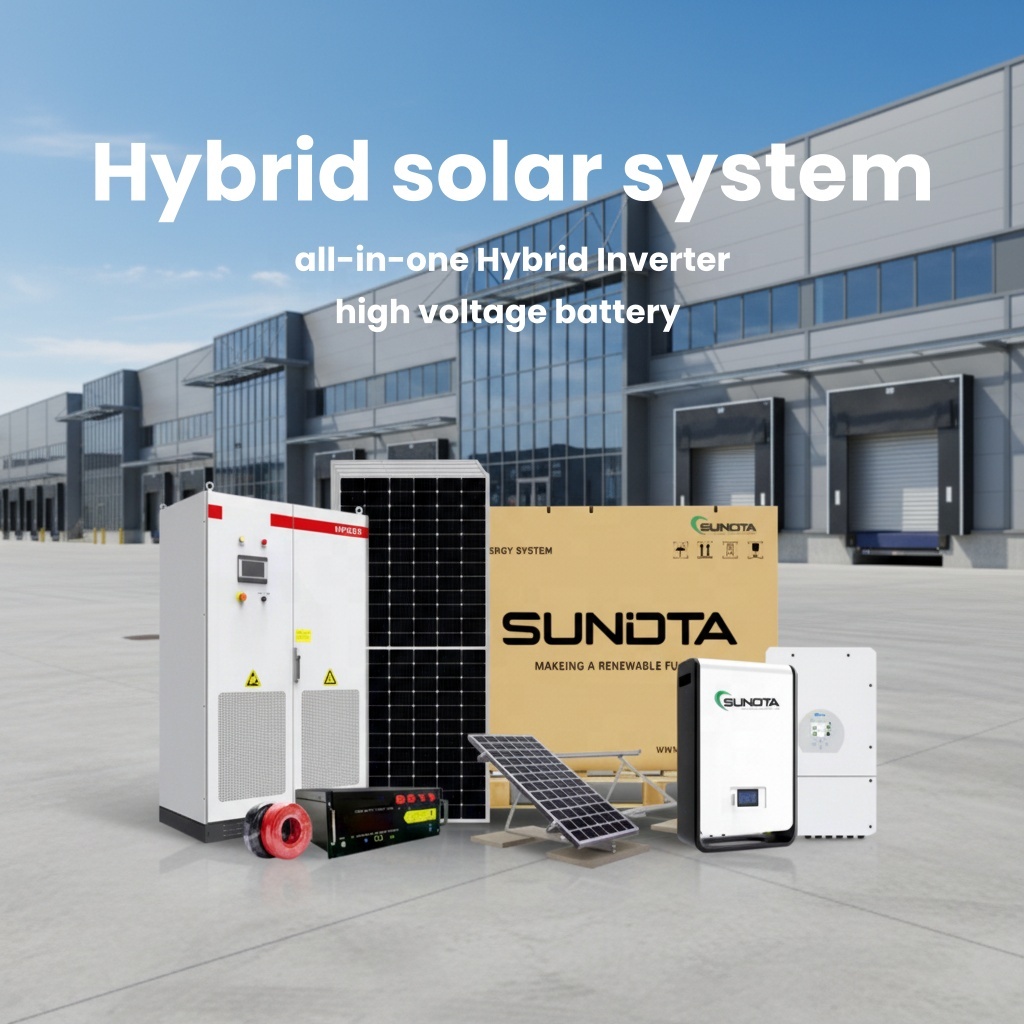
- Integrated HVAC & Fire Suppression
- C5-M Marine Coating Standard
- Barbuda & Offshore Island Proven
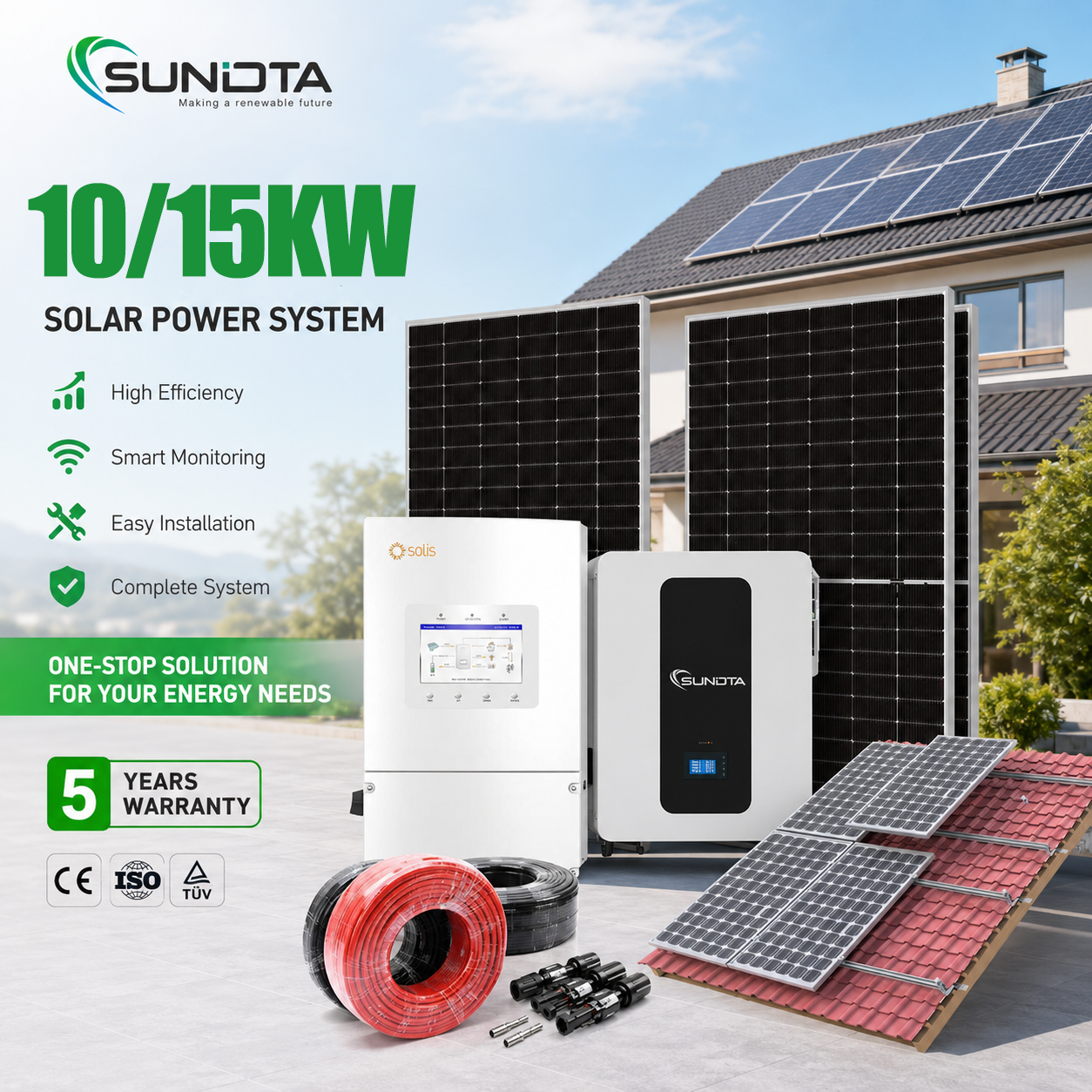
- Zero Wiring Exposed Marine Design
- Solis / Deye Closed-Loop Ready
- High Round-Trip Efficiency > 96%
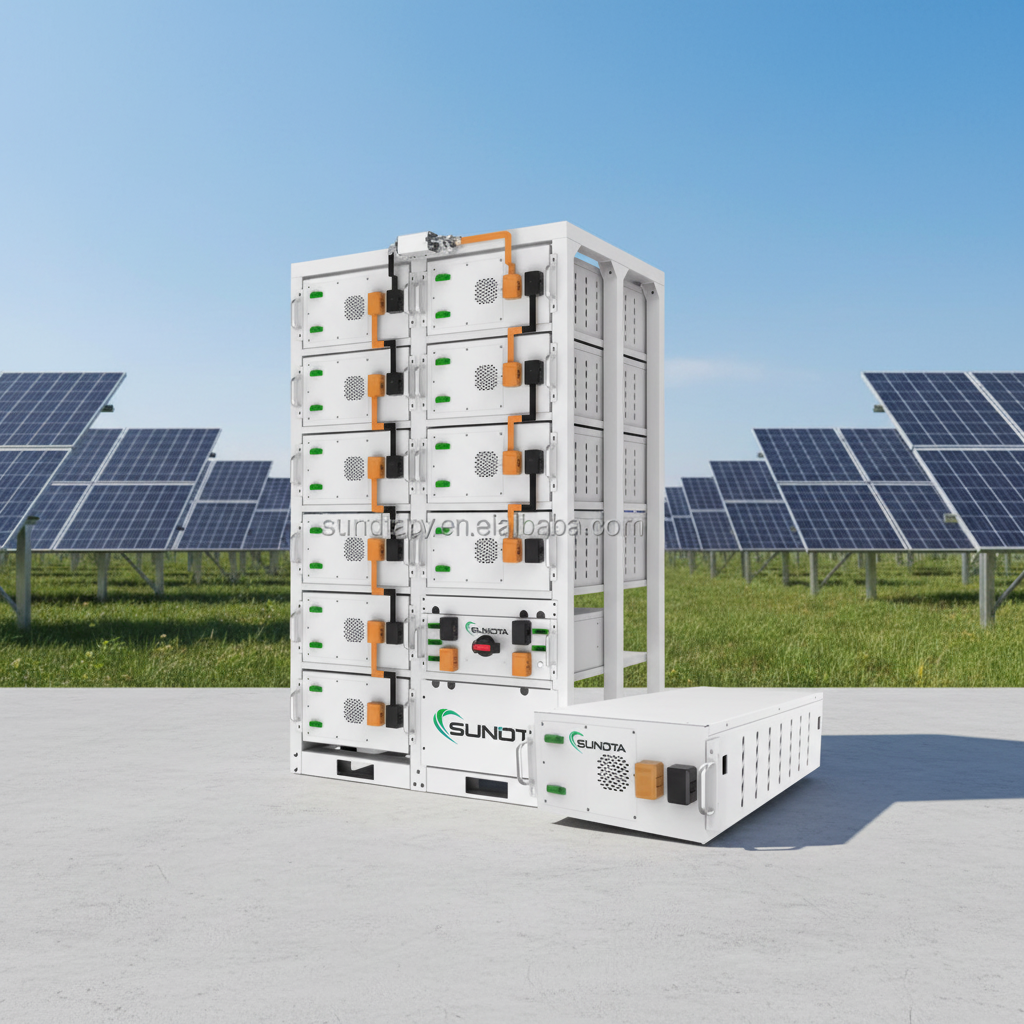
- Air Cooled Thermal Regulation
- Wide Operating Range: -10°C to 55°C
- Full Grid Support & Peak Shaving
Engineering Resilience: The Technical Imperatives of Marine Solar Deployment
An authoritative whitepaper analyzing salt mist degradation, Category 5 cyclonic mechanical stresses, and DC-coupling topology for island energy stability.
Operating a solar-plus-storage generation asset in Antigua and Barbuda presents environmental stressors drastically divergent from standard continental installations. Located in the heart of the Leeward Islands, this dual-island nation features a tropical maritime climate characterized by year-round high relative humidity (averaging 75% to 83%), relentless ultraviolet radiation flux exceeding 2,100 kWh/m² annually, and an airborne atmospheric aerosol laden with sodium chloride and brackish moisture. For nautical vessels docked across Falmouth Harbour, English Harbour, and Jolly Harbour, as well as coastal microgrids throughout St. John's and Barbuda's fragile coastal strip, standard Tier-1 residential PV panels demonstrate unacceptably high early-failure rates due to Potential Induced Degradation (PID), delamination, galvanic junction degradation, and ethylene vinyl acetate (EVA) browning.
As a leading marine solar panels manufacturer and dedicated exporter to Antigua and Barbuda, Anhui RJV New Energy engineers specialized photovoltaic hardware designed to surpass these ecological obstacles. Our marine-grade monocrystalline modules incorporate specialized Polyolefin Elastomer (POE) encapsulants in place of conventional EVA. POE exhibits a water vapor transmission rate (WVTR) two orders of magnitude lower than EVA, completely preventing acetic acid formation that otherwise erodes silver-aluminum grid fingers in high-humidity littoral environments. Combined with dual-glass, anti-reflective hydrophobic front coatings and high-yield N-type TOPCon cell architecture, our systems ensure that yacht owners, charter fleets, and island commercial facilities capture unmatched yield even during diffuse tropical overcast days.
IEC 61701 Severity 6 Salt-Mist Resistance
Exhaustively tested through harsh cyclic salt-spray tests involving alternating cycles of atomized sodium chloride exposure and elevated dry-out chambers. Our modules prevent galvanic corrosion across the junction box, anodized aluminum frames, and bypass diode terminals.
2,400 Pa Wind & 5,400 Pa Mechanical Rating
Antigua resides squarely in the Atlantic Hurricane Belt. Our marine structural mountings and 3.2mm tempered dual-glass laminates withstand wind load velocities up to 165 mph, exceeding local Building Guidelines and ASCE 7-16 structural hurricane engineering codes.
Hermetic IP68 Junction Isolation
Junction enclosures are vacuum potted with flame-retardant, high-dielectric silicone gel to eliminate airborne condensation. Tin-plated copper ribbon interconnects and MC4-EVO2 connectors guarantee zero thermal arcing across humid saline atmospheres.
| Performance Parameter | Standard Terrestrial PV | RJV Marine-Grade TOPCon System | Operational Impact in Antigua |
|---|---|---|---|
| Encapsulant Formulation | Ethylene Vinyl Acetate (EVA) | Cross-linked Polyolefin Elastomer (POE) | Zero acid release; eradicates busbar delamination in >80% humidity |
| Corrosion Barrier Standard | IEC 61701 Level 1 (Urban baseline) | IEC 61701 Severity 6 (Cyclic marine mist) | Protects vessel transoms, coastal slips, and dockside arrays from electrolytic decay |
| Thermal PMAX Coefficient | -0.35% to -0.39% / °C | -0.29% / °C (Ultra-low degradation) | Delivers up to 9.2% more daily energy during St. John's peak noon solar conditions |
| Frame Alloy & Anodization | Clear Aluminum (10–12 µm) | Anodized Marine Grade 6063-T6 (>20 µm) | Resists pitting and oxidation caused by Atlantic trade wind salt aerosol deposits |
| Battery BMS Protocol | Generic RS485 communication | Native CAN-bus Closed Loop (Deye/Solis) | Guarantees active cell thermal balancing and lightning-fast surge management |
Targeted Marine & Coastal Application Scenarios
From superyacht auxiliary systems at Nelson's Dockyard to standalone eco-resort microgrids on Barbuda, our engineering meets exact local deployment archetypes.
Luxury Yachts & Catamarans
Installed over bimini hardtops, carbon davits, and coachroofs at English Harbour. Powers 24V/48V silent shipboard house banks, air conditioning, and watermakers without diesel generator noise.
Marinas & Commercial Docks
Floating docks and marina piers at Jolly Harbour and Falmouth use our corrosion-resistant 30kW–50kW arrays to offset punishing APUA commercial tariffs and feed high-draw shore power pedestals.
Off-Grid Island Eco-Resorts
Luxury retreats on Jumby Bay and Barbuda utilize our 100kW–500kW containerized BESS and ground/roof-mounted bifacial PV to achieve 100% off-grid autonomy with zero carbon footprint.
Hurricane Shelters & Ports
Critical maritime operations at Deep Water Harbour, St. John's, rely on our wall-mounted 51.2V LiFePO4 batteries and hybrid inverters for uninterrupted black-start capabilities during seasonal hurricanes.
Market Trends, Grid Modernization & APUA Interconnection
Strategic insights into the renewable energy transition across the Eastern Caribbean and its financial advantages for local developers.
The renewable energy landscape of Antigua and Barbuda is experiencing an unprecedented structural inflection. Driven by the Government of Antigua and Barbuda's revised Nationally Determined Contributions (NDCs) aiming for a dramatic reduction in fossil-fuel dependency and an 86% renewable electricity generation mix by 2030, systemic pressure has shifted toward resilient, localized distributed generation. Historically, electricity generation across the island has relied heavily on imported heavy fuel oil (HFO) and diesel, exposing businesses, marinas, and residential consumers to volatile global oil prices and elevated APUA fuel surcharge adjustments.
In response, the maritime sector—the economic lifeblood of Antigua's luxury tourism and service ecosystem—is rapidly electrifying. Vessels frequenting the Caribbean yachting circuit demand green credentials, driving marina operators to expand zero-emission berth infrastructures. Furthermore, under the National Energy Policy, certified renewable energy components—including solar panels, hybrid inverters, and lithium energy storage systems—frequently qualify for statutory customs duty and Revenue Recovery Charge (RRC) concessions at the Port of St. John's, substantially reducing CapEx barriers for local EPC contractors and system integrators.
However, distributed solar deployment must align with the operational realities of the Antigua Public Utilities Authority (APUA) grid. Given local feeder sensitivity to reverse power flows, APUA often mandates certified export-limiting capabilities or closed-loop hybrid storage architectures. Anhui RJV New Energy solves this compliance barrier: our complete hybrid systems integrate software-controllable zero-export limiters, UL 1741 / IEEE 1547 compliance, and dynamic battery buffering that absorbs generation spikes, thereby facilitating seamless approvals through local electrical inspectorates.
Hedging Against Volatile APUA Fuel Surcharges
Caribbean electricity tariffs remain among the world's highest, frequently exceeding $0.35 to $0.42 per kWh. Commercial PV plus LiFePO4 storage installations deliver full Levelized Cost of Electricity (LCOE) parity in under 3.5 years for high-consumption boatyards and waterfront hospitality hubs.
Barbuda Post-Irma Decentralized Microgrids
Following the total electrical devastation of Barbuda during Hurricane Irma, island infrastructure reconstruction pivoted aggressively toward autonomous, hardened microgrids. Containerized 100kW–500kW ESS units with rapid black-start functionality represent the standard for resilient island communities.
Yachting Fleet Electrification & ESG Standards
Charter companies and cruising catamaran owners wintering in the Caribbean face mounting pressure to eliminate 24-hour generator idling in secluded anchorages like Green Island and Rendezvous Bay. High-yield solar refits represent the most requested upgrade in local boatyards.
Frequently Asked Questions (Procurement & Engineering)
Answers to critical questions regarding logistics, marine certification, hurricane durability, and system sizing for Antigua and Barbuda installations.
Why are standard residential solar panels unsuited for marine installations in Antigua?
How do your hybrid inverters and batteries interface with the APUA electrical grid?
What are the shipping routes, lead times, and Incoterms for deliveries to St. John’s, Antigua?
Can your LiFePO4 batteries withstand tropical heat without degrading cycle life?
What mechanical mounting specifications are required for Category 5 hurricane survival?
What is the Minimum Order Quantity (MOQ) for Antiguan contractors and boatyards?
Why Global Importers Partner with Anhui RJV New Energy
Over a decade of manufacturing authority, TÜV Rheinland on-site audit verification, and deep vertical integration across PV modules and energy storage systems.
2 GW Automated Production Depth
Headquartered in Hefei, Anhui, our manufacturing plant operates state-of-the-art robotic stringer soldering, automated EL (electroluminescence) crack detection, and high-precision laminate curing lines. Every single panel undergoes dual flash testing before packaging.
TÜV Rheinland Inspected & CE Certified
Our operational management systems, cleanrooms, and quality assurance workflows have passed rigorous on-site verification audits by TÜV Rheinland. We hold full CE marking, IEC 61215, IEC 61730, and UN38.3 transport compliance credentials.
Multi-Inverter Native Compatibility
Eliminate on-site protocol mismatch headaches. Our LiFePO4 batteries feature pre-programmed firmware supporting CAN and RS485 communication protocols for immediate plug-and-play integration with Solis, Deye, Growatt, and Victron energy management platforms.
Request Marine System Sizing & CIF St. John's Quotation
Collaborate directly with our engineering division. Submit your yacht specifications, marina schematics, or commercial microgrid project requirements for a comprehensive bill of materials and factory-direct pricing within 24 hours.